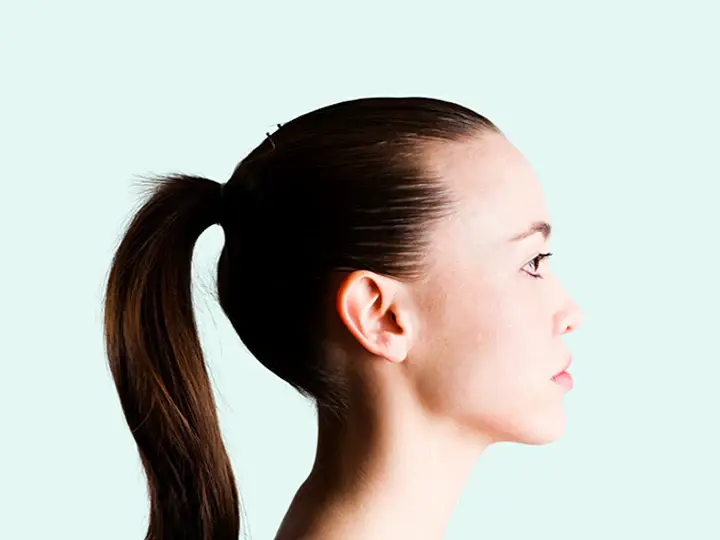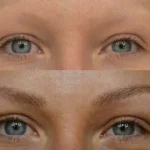

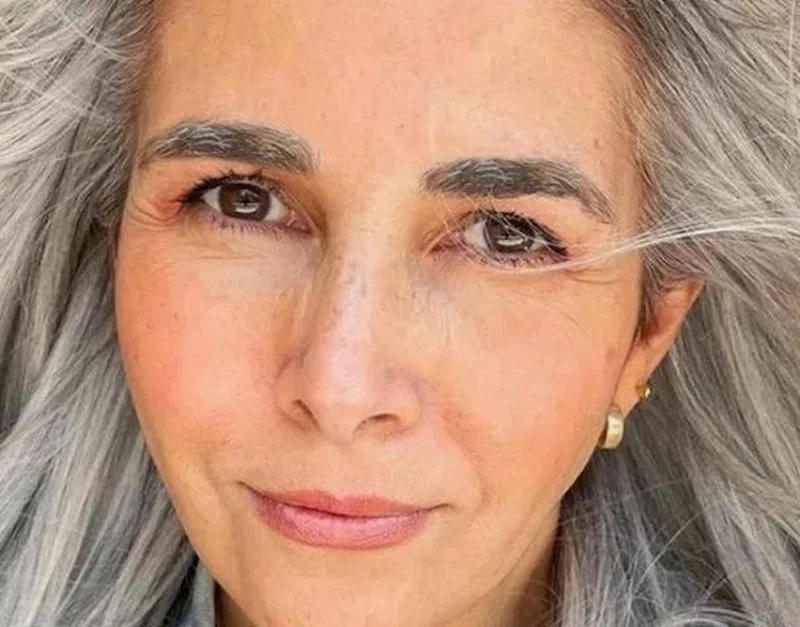
Gray eyebrow hair usually means that pigment production in the eyebrow follicles has slowed or stopped, most often due to aging or genetics, and it is typically harmless. In some cases, gray eyebrow hair can also be linked to stress, nutritional gaps, or medical conditions, while treatment focuses on managing appearance rather than restoring pigment.
At Kopelman Hair, this topic often comes up during discussions about how hair color changes over time. This article explains what gray eyebrow hair means, why it happens, and which cosmetic or medical options may help manage it.
Key Takeaways
- Gray eyebrow hair is often associated with lower melanin levels and normal aging.
- Genetics, stress, and diet can affect when gray brows appear.
- Sudden or early changes may need medical review.
- Cosmetic options help with appearance, while medical care focuses on causes.
Why Gray Eyebrow Hair Happens
Gray eyebrow hair appears when hair follicles produce less melanin. Melanin gives hair its natural color. When melanin levels drop, brow hairs can turn gray or white. This process is similar to what happens to hair on your head, although it may start at a different time.
Family history plays a strong role. If your parents developed gray hair early, you may notice similar changes sooner. Daily habits such as smoking, poor nutrition, and long-term stress can also affect how quickly brow hairs lose pigment.
Many people notice gray eyebrow hair while brushing or shaping their brows. It often starts with a single lighter strand before other changes appear. This moment can feel unexpected. In most cases, it is still part of a normal aging process.
Several non-medical factors can influence eyebrow color over time. These factors often overlap rather than acting alone.
- Family genetics
- Natural aging of hair follicles
- Ongoing stress
- Smoking or pollution exposure
- Poor nutrition over time
At What Age Do Eyebrows Turn Grey
There is no set age when eyebrow hair turns gray. Some people notice gray brows in their 30s or 40s. Others may see them earlier or much later. A few gray hairs in the eyebrows during your 20s are not always a sign of a problem.
Graying usually develops slowly. One or two gray strands may appear first. Over time, more brow hairs may change color. This pattern varies widely from person to person.
What Gray Eyebrow Hair Means
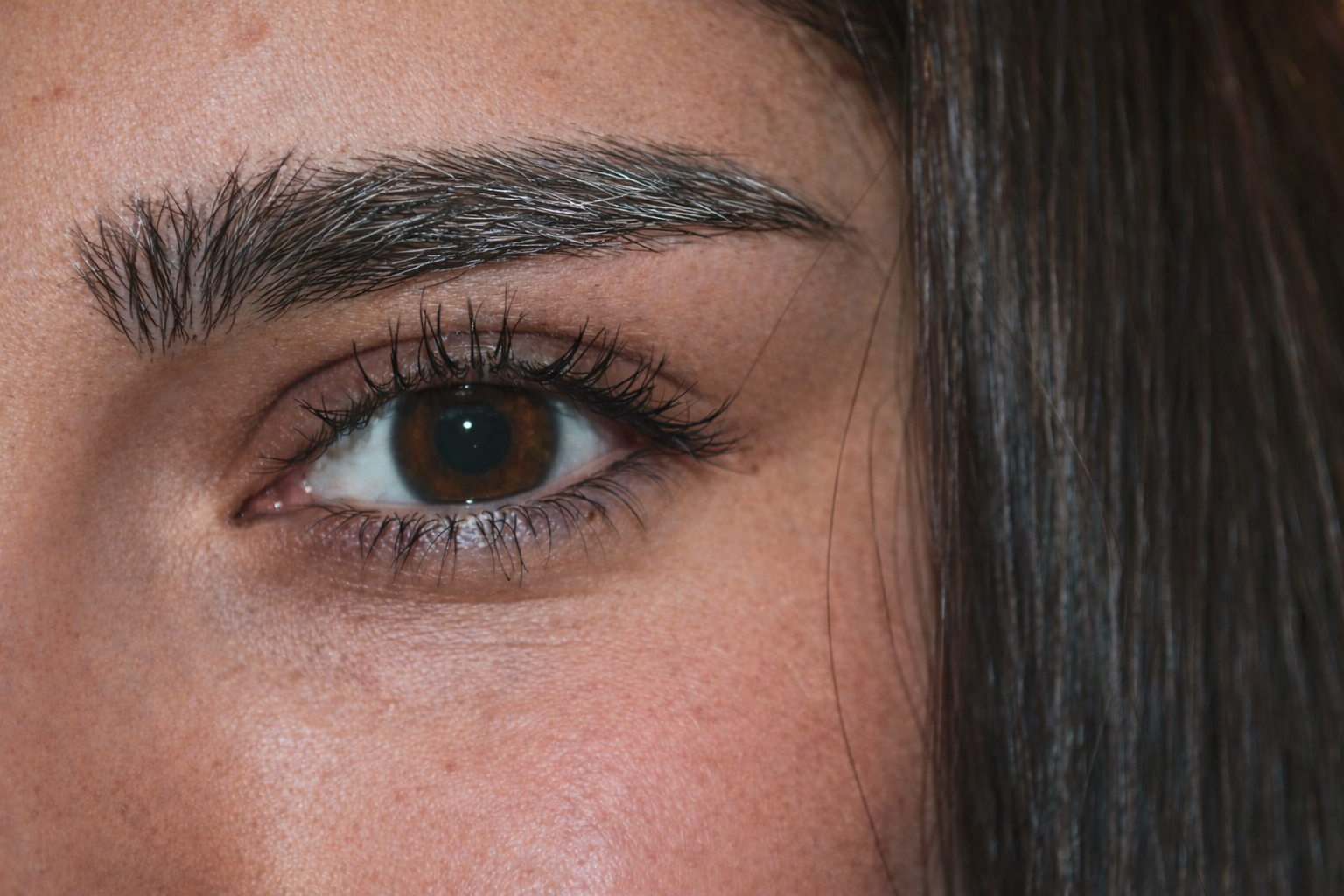
In most cases, gray eyebrow hair is a normal sign of aging. Hair follicles gradually lose the ability to produce pigment. When this happens without other symptoms, it is usually harmless.
Changes that happen quickly or in patches may suggest something else. Stress, skin conditions, or health issues can play a role. Watching how and when gray brows appear helps clarify what the change may mean.
Gray eyebrow hair often feels more noticeable than changes in hair on your head. Eyebrows frame facial expressions and draw attention to the eyes. Even a small number of gray hairs can stand out. This visibility can make gray brows feel more concerning than they truly are.
Medical Causes of Graying Eyebrows
Some medical conditions can cause eyebrows to gray earlier than expected. Low levels of vitamin B12 or iron may affect hair pigment. Thyroid disorders and autoimmune conditions can also change how brow hairs produce color.
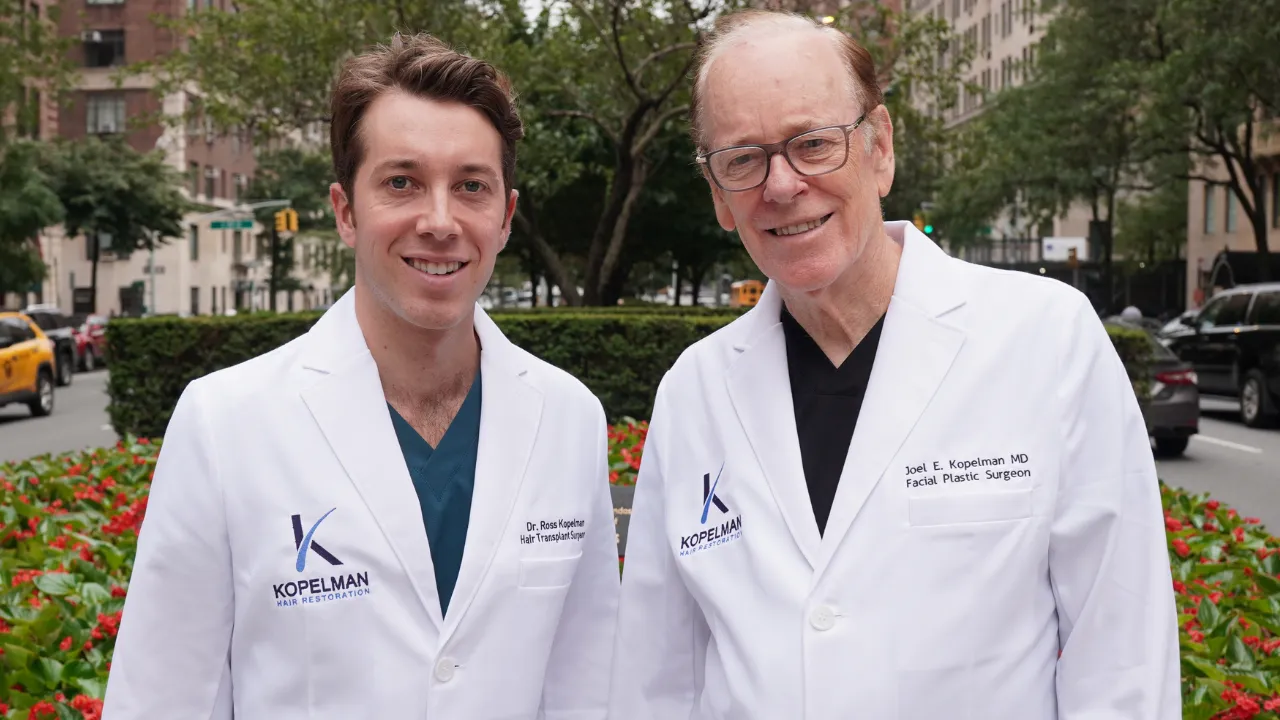
According to Dr. Joel Kopelman, eyebrow color changes that appear suddenly or alongside hair loss, skin changes, or ongoing fatigue should be evaluated. Not everyone with graying eyebrows has a medical cause. Still, unusual patterns deserve attention.
Managing Gray Eyebrow Hair
Many people ask if plucking gray eyebrow hairs or other forms of eyebrow hair removal helps. Plucking does not prevent new gray hairs from growing, and repeated eyebrow hair-pulling can irritate the follicle over time. It can also irritate the follicle, leading to thinning of the eyebrows over time.
Treatment for gray eyebrow hair depends on the cause, not the color itself. If tests show a vitamin gap or thyroid problem, treating that issue may help slow further graying.
When no medical cause is found, treatment focuses on managing appearance rather than changing hair color. This approach helps avoid unrealistic expectations. Most gray eyebrow hair cannot be reversed.
Cosmetic Solutions for Gray Eyebrow Hair
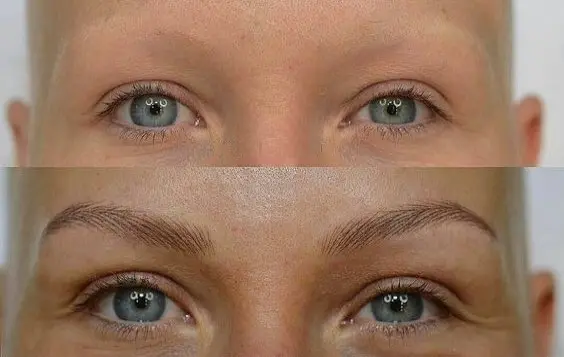
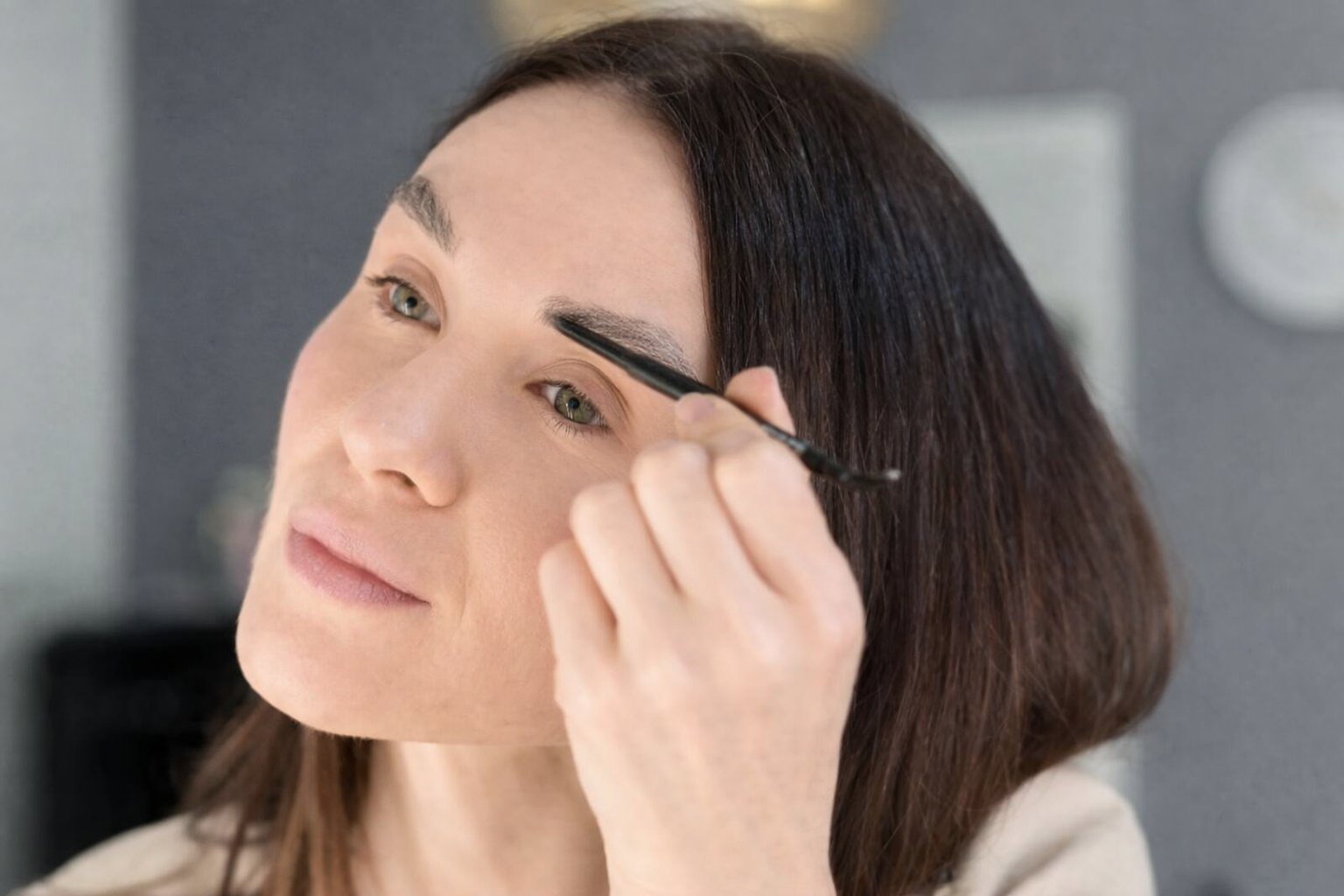
Cosmetic options improve appearance but do not alter how brow hairs lose pigment, although eyebrow transplant procedures may be considered when eyebrow thinning is also present. Eyebrow pencils and gels can cover gray strands during daily grooming. These products blend color without changing the hair itself.
Brow tinting is another option that offers longer-lasting coverage. It can help even out gray brows but requires careful use to avoid skin irritation. Cosmetic solutions improve appearance but do not change how brow hairs lose pigment.
This structure helps readers understand what gray eyebrow hair is, when it is normal, and how to manage it, with clear, realistic expectations.
If you have questions about gray eyebrow hair or want a professional opinion on changes you are noticing, you can schedule a consultation with a qualified specialist. A personalized evaluation can help clarify whether your concerns are cosmetic, age-related, or medical.