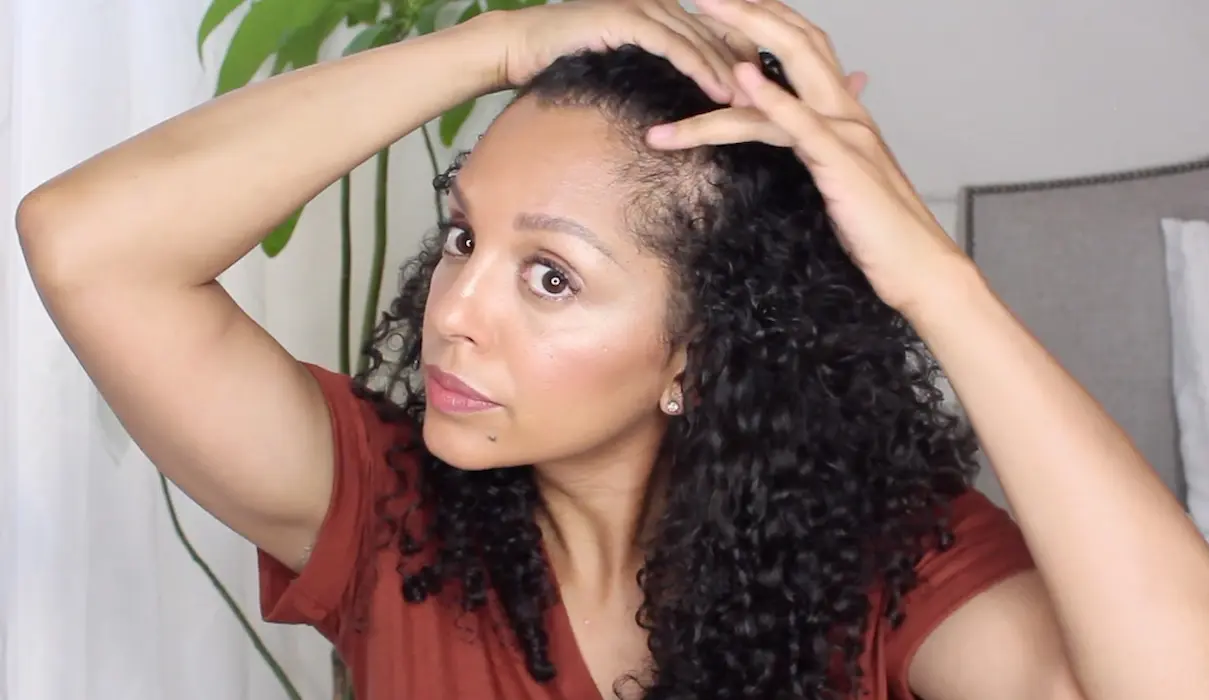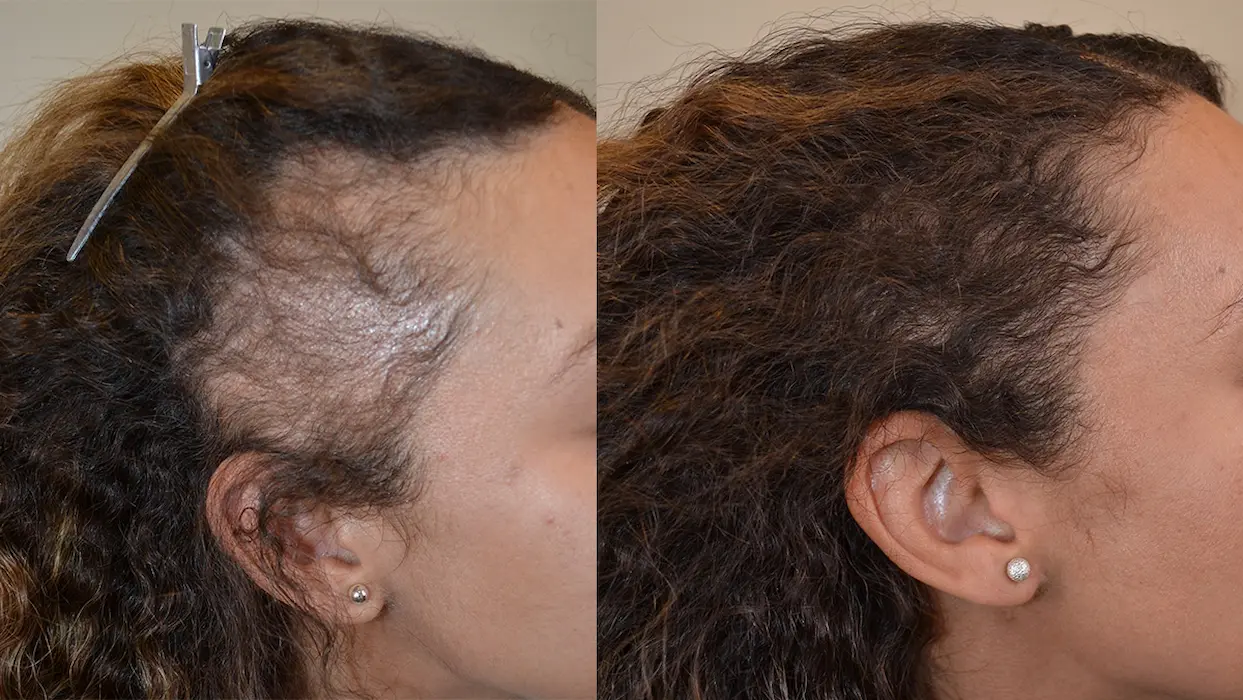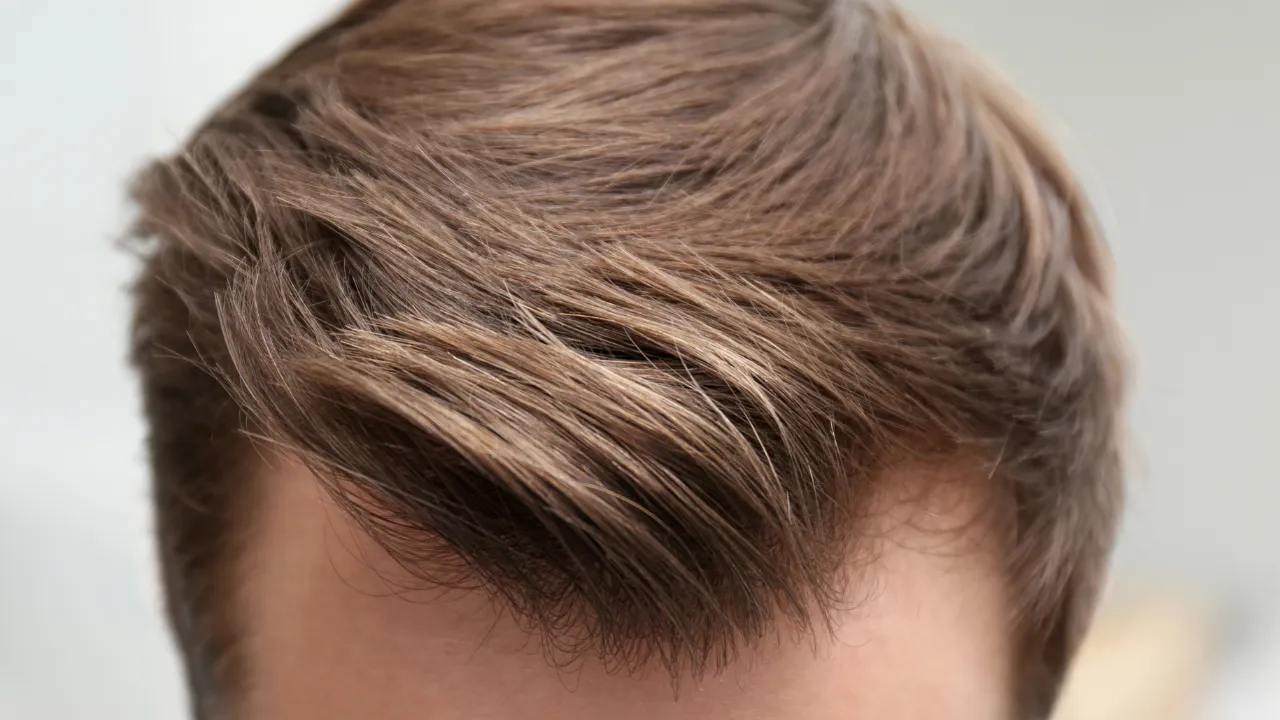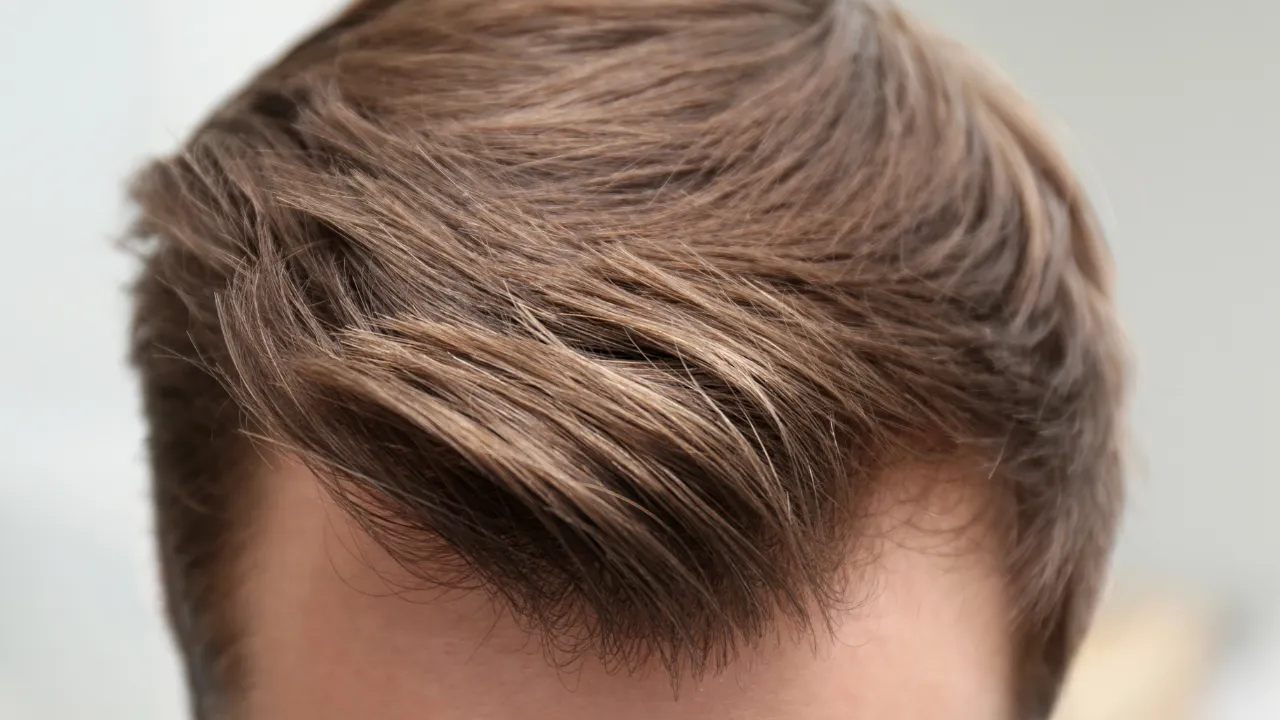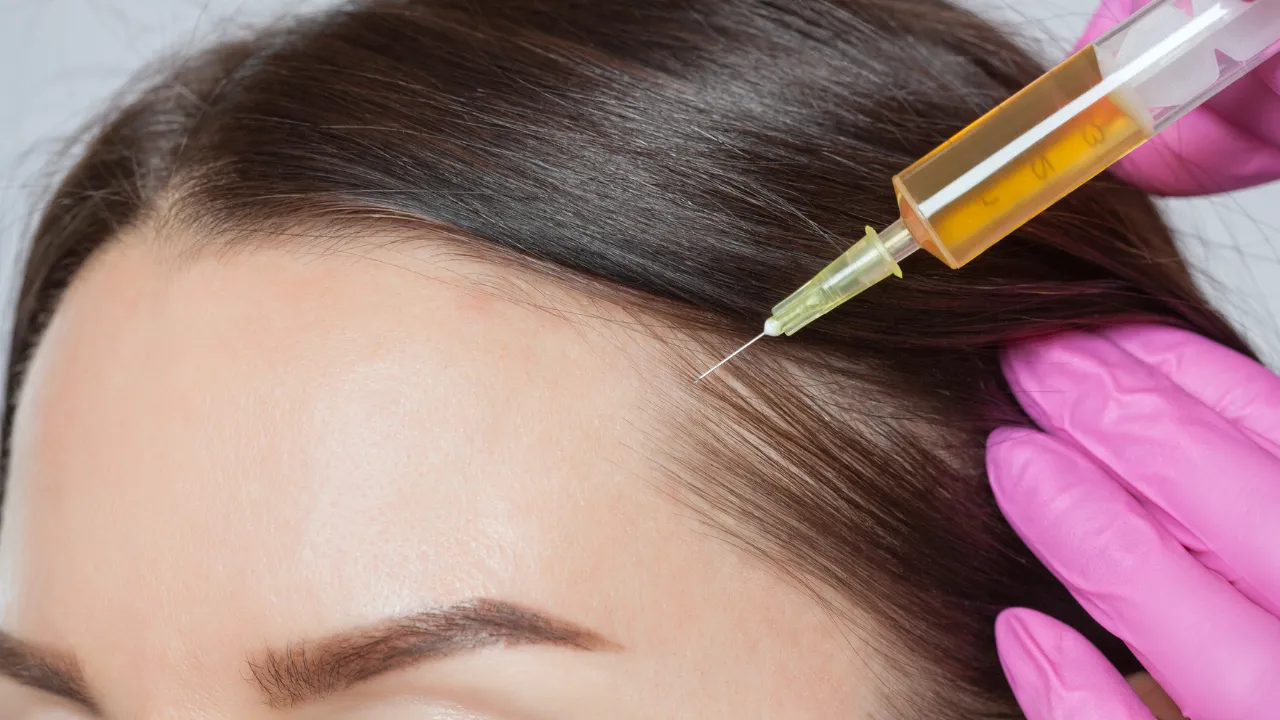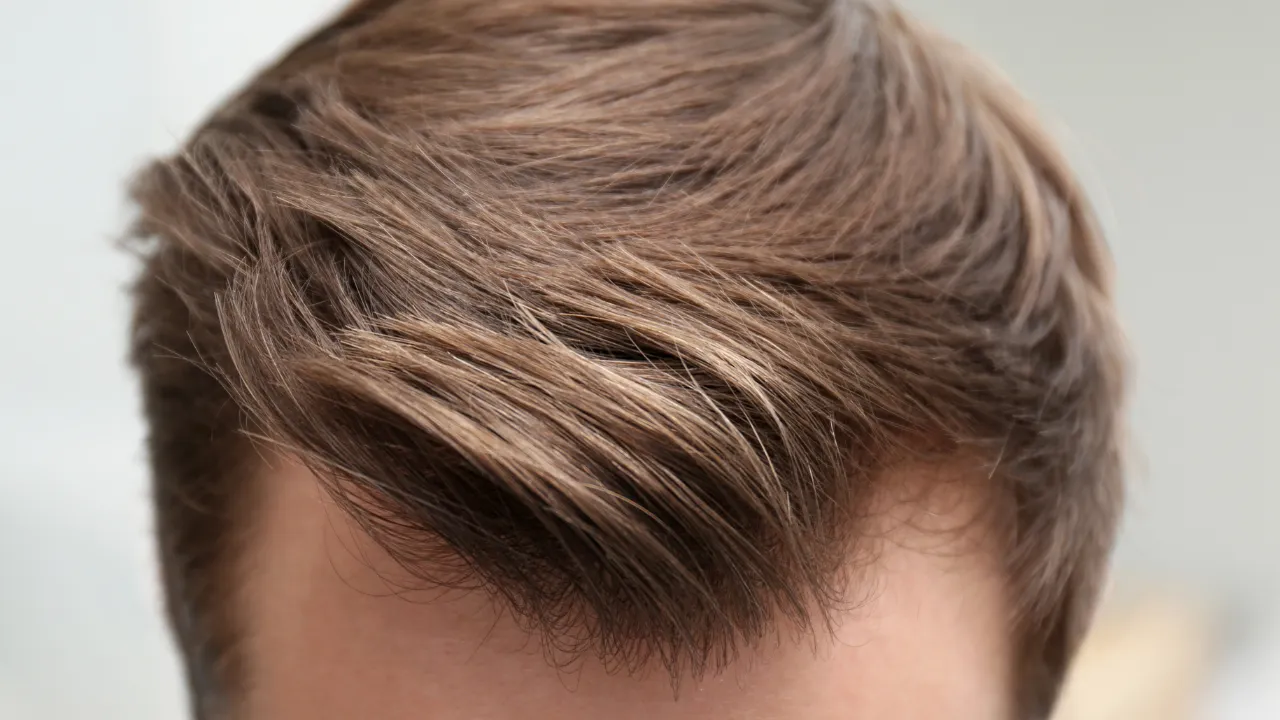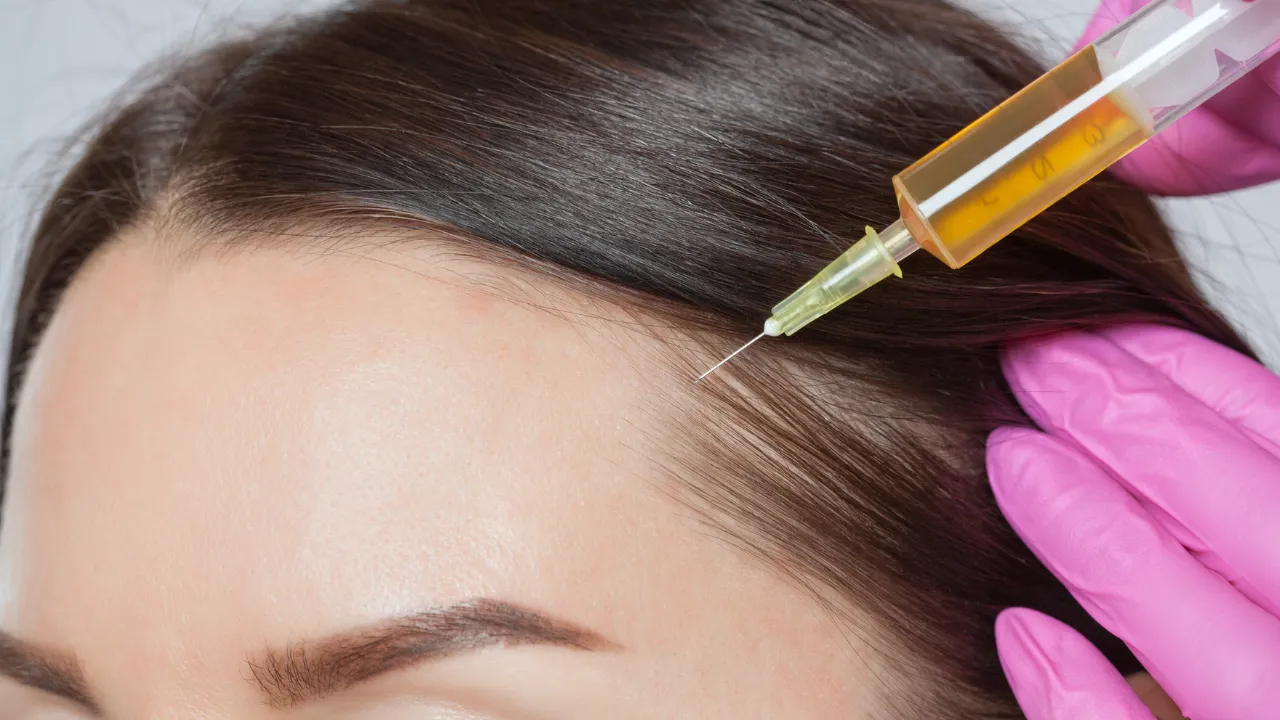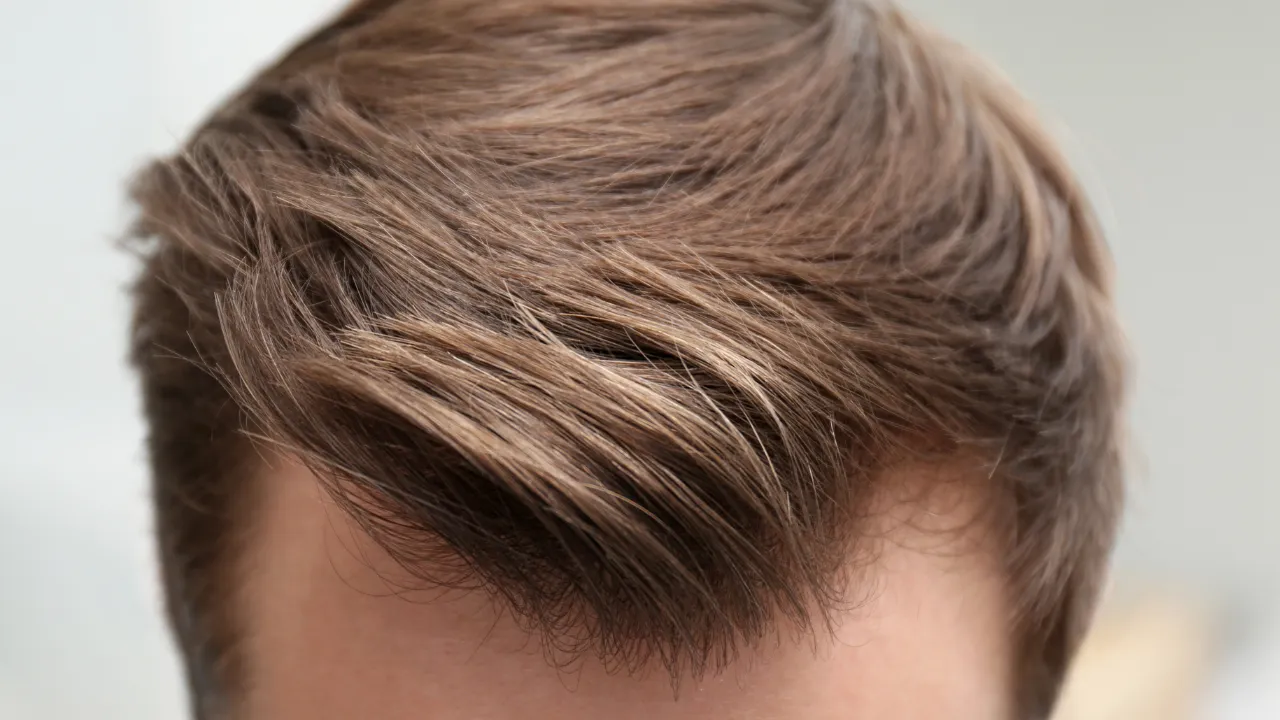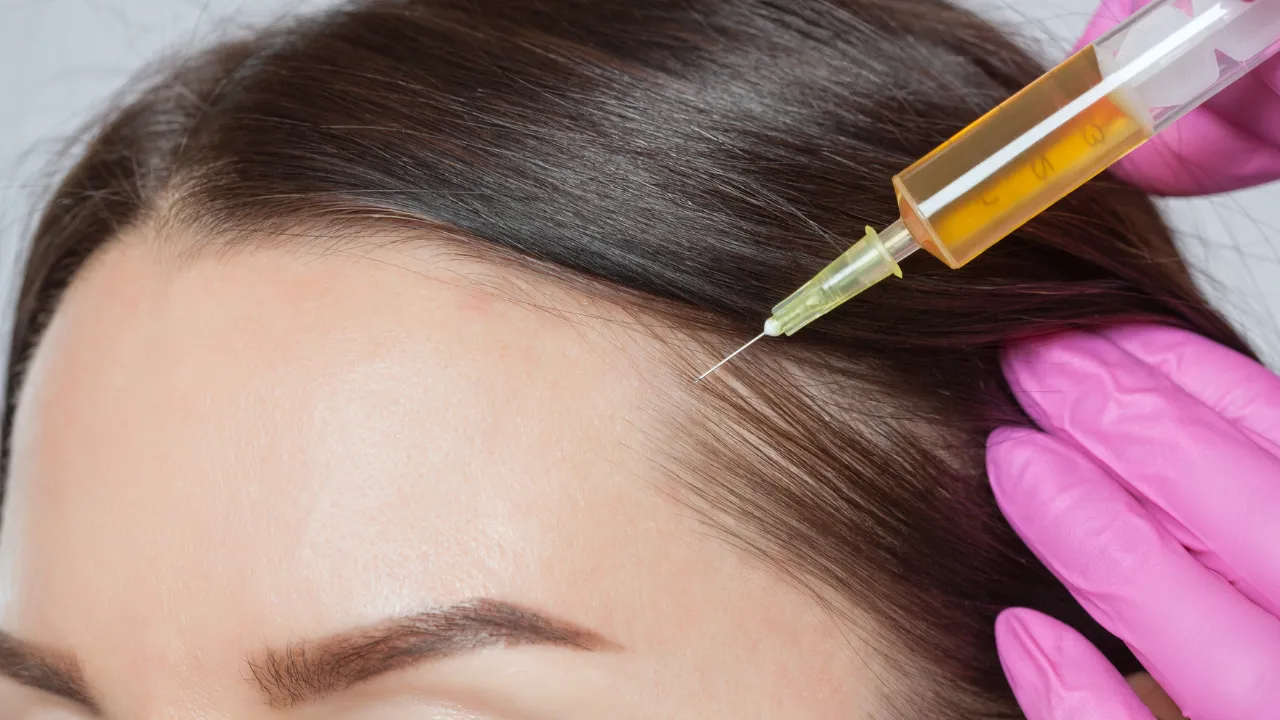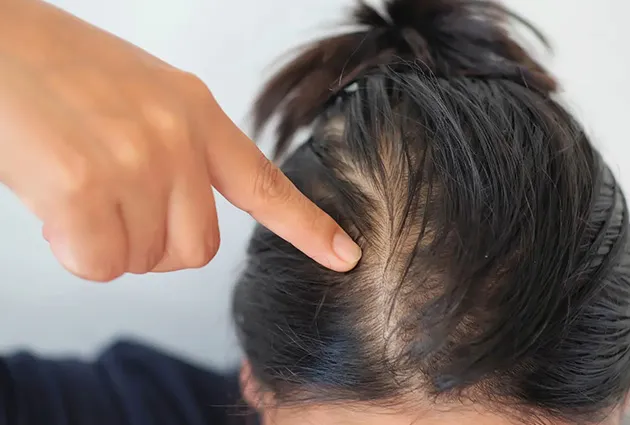

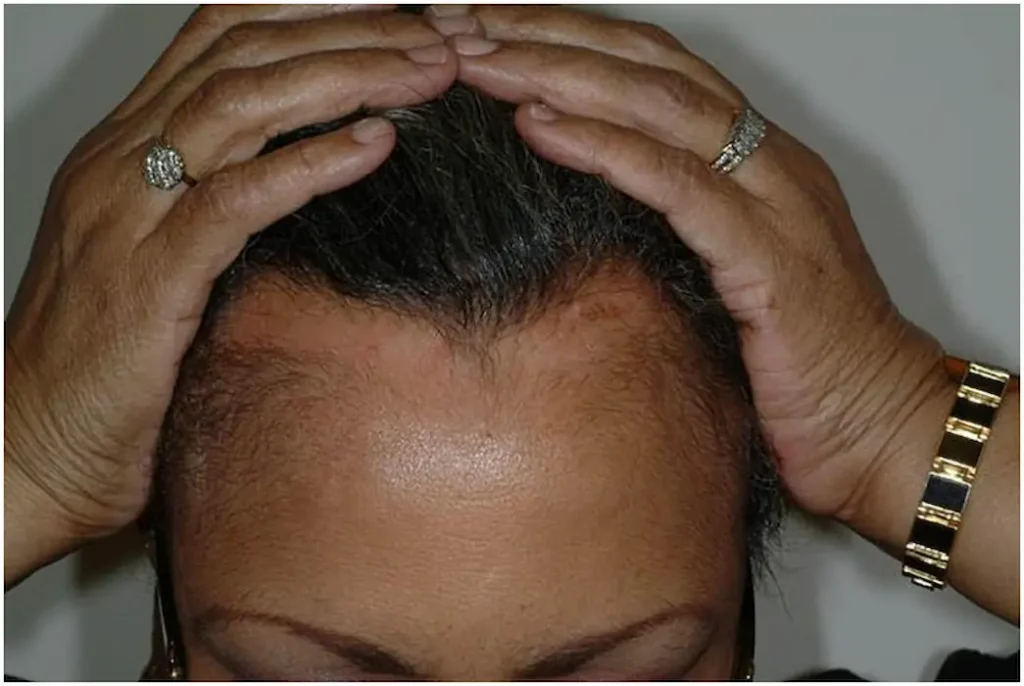
Frontal fibrosing alopecia causes a gradual, band-like recession of the front hairline. The skin may look smooth and pale where hair no longer grows. In many frontal alopecia pictures, you may also see thinner or missing eyebrows. You may also notice mild redness or scaling around the hair follicles.
These images usually show a clean, defined edge where the hairline has moved back over time. As the condition progresses, the affected area may look shiny due to scarring and loss of sebaceous glands. Understanding these visual patterns helps you recognize early signs and seek care before the condition advances further.
Key Takeaways
- Frontal alopecia pictures typically show a band-like recession of the frontal hairline, often with smooth, pale skin that signals scarring and permanent damage to hair follicles.
- Early signs may include eyebrow thinning, perifollicular scale, and mild redness, which can appear before noticeable hair loss and should prompt early evaluation.
- Frontal fibrosing alopecia mainly affects postmenopausal women and is linked to autoimmune activity, hormonal changes, and possible environmental factors.
- Treatment options focus on slowing progression with medications like intralesional steroids or mycophenolate mofetil, as lost hair cannot regrow once scarring occurs.
What Frontal Alopecia Looks Like in Pictures
Frontal alopecia pictures often show a slow recession of the frontal hairline in a straight band. The skin may look smooth or pale, which means scarring has damaged the hair follicles.
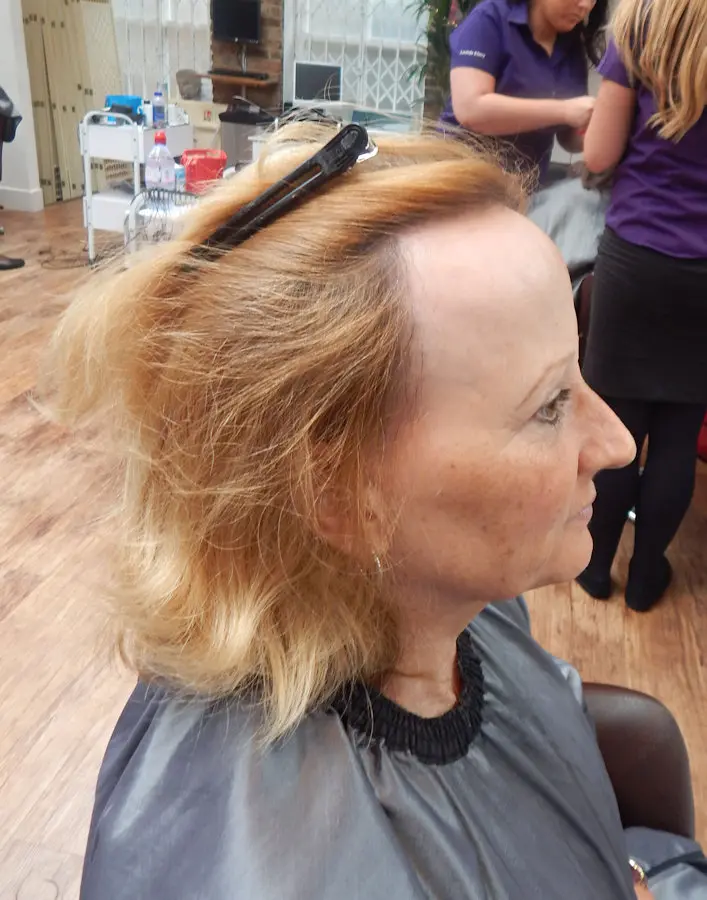
Early signs can be subtle, so careful attention is important.
Pictures of frontal fibrosing alopecia show similar patterns in many patients. The frontal and frontotemporal hairline becomes more defined as hair loss progresses.
Learning these patterns helps you act early and protect remaining hair, similar to early indicators described in signs of hair thinning.
Early Frontal Hairline Recession
Early changes look like a thin strip of hair loss at the frontal hairline. Hair may look thinner, not fully gone. This stage is key because treatment options work better before scarring spreads.
Advanced Band-Like Hair Loss
In later stages, the hairline moves back in a clear band. The skin may appear shiny due to damage to sebaceous glands. At this point, many hair follicles are already lost, similar to patterns seen in vertex baldness.
Eyebrow and Facial Hair Loss
Eyebrow thinning is common in frontal fibrosing alopecia ffa. Some people also lose eyelashes or facial hair. These signs may appear before scalp hair loss becomes obvious.
Perifollicular Scale and Redness
Close-up images may show perifollicular scale, which looks like small white flakes around hairs. Redness may also appear. These are important diagnostic clues to frontal fibrosing alopecia in patients of African descent and others.
Frontal Fibrosing Alopecia Pictures Female Patterns
Frontal fibrosing alopecia pictures female cases show clear patterns, especially in postmenopausal women.
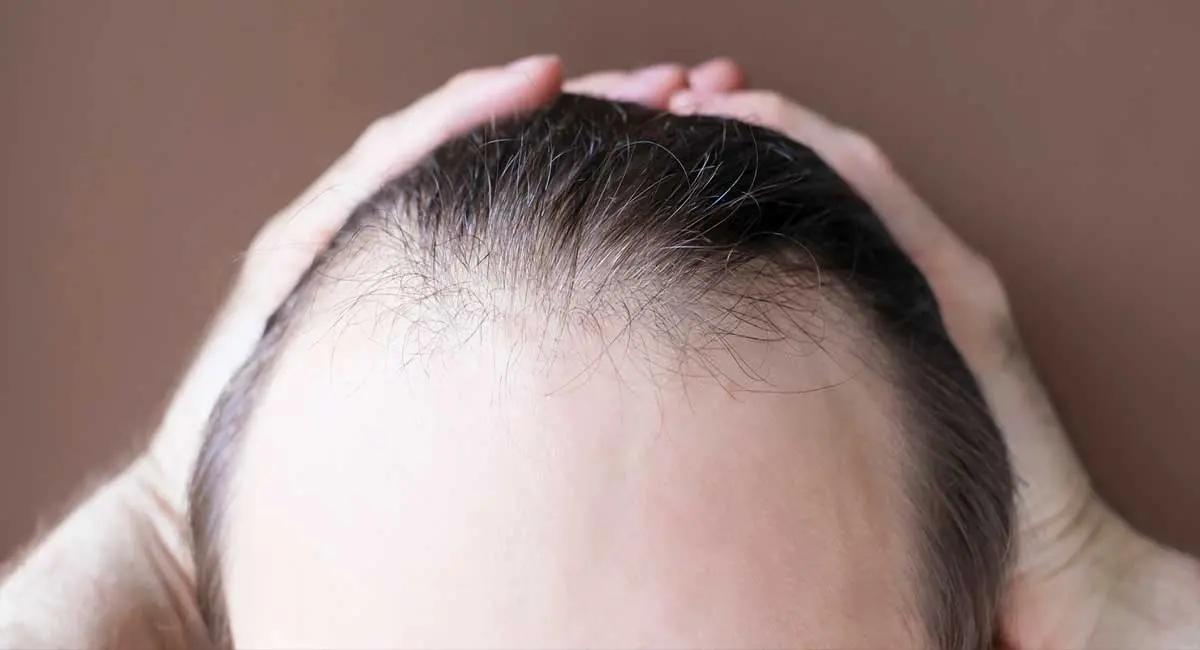
The condition often starts after hormonal changes and moves slowly. Spotting these signs early can improve the diagnosis of frontal fibrosing.
Postmenopausal Hairline Changes
Many post menopausal patients notice a slow shift in the frontal hairline. This change often happens without pain, so it may go unnoticed. The pattern is usually even on both sides.
Female Eyebrow Thinning
Eyebrow loss may start at the outer edges. Many people do not notice it right away. This sign is important and should not be ignored.
Common Presentation in Women
In women, the condition affects the frontotemporal hairline and eyebrows. The scalp may look smooth and lack visible hair openings. This matches a variant of lichen planopilaris.
Symptoms and Sensations of FFA
Symptoms may not always show in frontal alopecia pictures. Many people feel changes before they see them. These early signs can help you act sooner.
Itching, Burning, or Sensitivity
Some people feel itching or burning along the frontal hairline. This shows inflammation around hair follicles. It can start before visible loss of hair and is often linked to inflammation and hair loss.
Inflammation and Discomfort
You may feel mild pain or tenderness in the scalp. This can be confused with reactions to care products. If it continues, it should be checked.
Early Signs Before Visible Loss
You may notice slight redness or scaling first. Hair may still look normal at this stage. Early action can help slow damage.
Common early warning signs include:
- Itching or burning near the frontal hairline
- Redness or perifollicular scale
- Gradual eyebrow thinning
- Sensitivity when touching the scalp
Causes and Risk Factors of FFA
The exact cause is not fully known. Most experts believe several factors work together. These include immune, hormonal, and environmental factors.
Autoimmune and Inflammatory Response
The immune system attacks hair follicles by mistake. This causes inflammation and scarring. Over time, this leads to permanent loss of hair and is part of broader types of alopecia.
Hormonal and Postmenopausal Factors
The condition often affects postmenopausal women. Hormone changes may trigger it. This explains why it appears later in life.
Environmental Triggers and Care Products
Some research links certain care products to FFA. Environmental factors may also play a role. These triggers may increase inflammation in some people.
Key contributing factors may include:
- Immune system response affecting hair follicles
- Hormonal changes in postmenopausal women
- Use of certain skincare or hair care products
- Combined genetic and environmental factors
Diagnosis and Pathology of FFA
Correct diagnosis is key for proper treatment. Dr.Kopelman stresses the need for both visual checks and lab testing.
Clinical Evaluation and Visual Clues
Doctors look at the frontal hairline, eyebrows, and scalp. These visual signs often give strong clues. They help guide the next steps.
Biopsy and Pathology Findings
A biopsy confirms the diagnosis. It shows inflammation and damage to hair follicles. This supports the diagnosis of frontal fibrosing alopecia.
Lichen Planopilaris Connection
FFA is linked to lichen planopilaris and frontal fibrosing alopecia. Both share similar patterns of inflammation. This helps explain how the condition develops.
How Long Frontal Fibrosing Alopecia Lasts
This condition usually moves slowly over time. It may last for several years. Early care can help slow it down.
Typical Progression Timeline
Many people see changes over 5 to 10 years. The hairline keeps moving back without treatment. Early action can slow this process.
Factors Affecting Disease Course
Progress depends on inflammation and treatment timing. Some people stabilize early. Others continue to lose hair.
Long-Term Management Expectations
Treatment aims to stop further damage. It cannot restore lost hair once scarring occurs. This makes early care very important.
FFA vs Other Hair Loss Conditions
It is important to tell FFA apart from other types of hair loss. Some conditions may look similar at first.
Traction Alopecia Differences
Traction alopecia comes from tight hairstyles. It affects specific areas, not a full band. It may improve if caught early.
Androgenetic Alopecia Comparison
Androgenetic alopecia causes thinning without scarring. Hair follicles remain active. This makes it different from FFA and aligns more with hair thinning vs balding patterns.
Scarring vs Non-Scarring Patterns
FFA causes scarring and permanent loss. Other types do not damage sebaceous glands in the same way. This affects treatment options.
Treatment Options and Expectations
Treatment aims to slow the condition and reduce inflammation. Dr.Kopelman uses proven methods based on each patient’s needs.
Intralesional Steroids and Medications
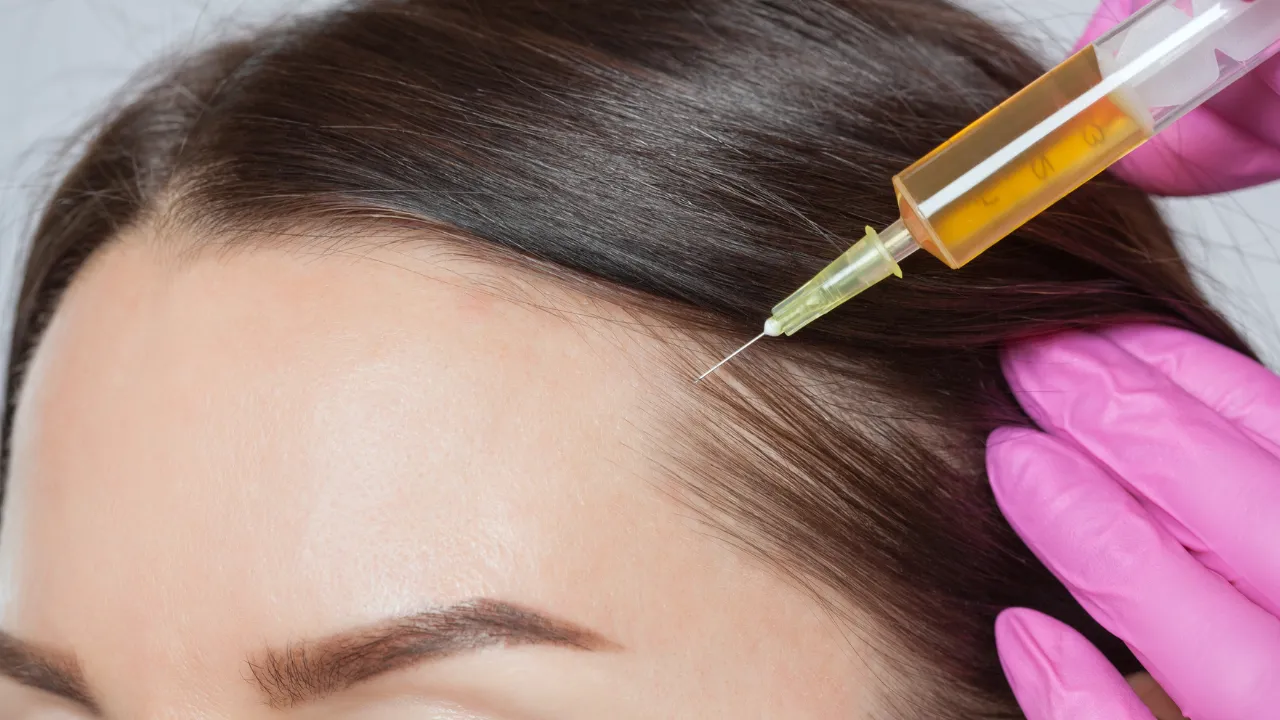
Intralesional steroids reduce inflammation at the hairline. They are often used in early stages. These can help stop progression.
Systemic Treatments Like Mycophenolate
Drugs like mycophenolate mofetil may be used in more advanced cases. They reduce immune activity. Treatment depends on each case.
Limits of Hair Regrowth
Hair cannot regrow once scarring occurs. Treatment options focus on saving existing hair. Early care gives better results.
Common treatment options include:
- Intralesional steroids to reduce inflammation
- Medications like mycophenolate mofetil
- Anti-inflammatory treatments
- Ongoing monitoring and care
When to Seek Medical Evaluation
Early care can make a big difference. Waiting too long can lead to permanent loss.
Signs of Active Progression
Watch for a moving hairline or eyebrow loss. Redness and scaling are also signs. These mean the condition is active.
Importance of Early Intervention
Early treatment helps protect hair follicles. Patients who act early keep more hair. This improves long-term results.
Long-Term Care Strategy
Regular follow-ups are important. Treatment may change over time. A clear plan helps control the condition.
If you are noticing early changes in your hairline or want clarity about frontal fibrosing alopecia, the team at Kopelman Hair can help you understand your condition. A personalized evaluation allows you to act early and protect the hair you still have.