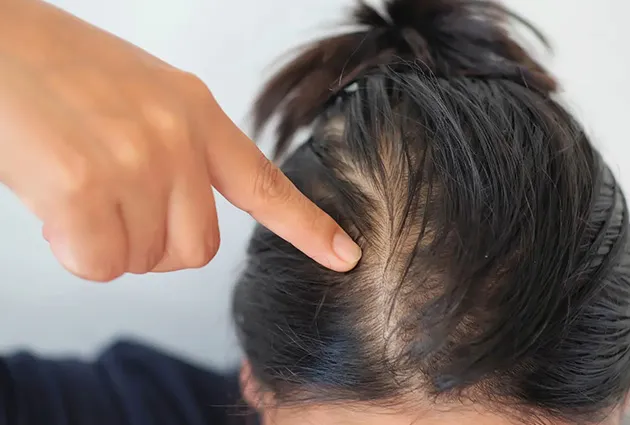


Hair transplant SEO is a set of practices that help hair restoration clinics rank for relevant search results. This guide explains how hair transplant SEO works, why it matters in a medical setting, and how clinics can improve their online visibility through explicit, accurate content. Kopelman Hair is referenced here as an example of a clinic operating in a regulated medical field where clarity and trust are essential.
A strong SEO foundation supports a clinic’s online presence by making reliable information easier to find. When combined with sound search engine optimization principles, this approach helps clinics reach users researching hair loss and exploring treatment options in a competitive hair transplant market.
Key Takeaways
- Hair transplant SEO combines search engine optimization with medical accuracy and structured content to improve online visibility for relevant searches.
- SEO for hair transplant clinics focuses on user intent, clear explanations, and trust rather than high traffic or promotion.
- Medical and on-page SEO help ensure content about hair transplant services is accurate, compliant, and easy to understand.
- Long-term hair restoration SEO depends on ethical content, realistic timelines, and consistent reviews rather than short-term tactics.
What Is Hair Transplant SEO and Why It Matters
Hair transplant SEO is the process of improving a clinic’s website so search engines can clearly understand its hair transplant services and match them with relevant searches. It focuses on how pages are structured, how information is written, and how well the content explains hair transplant procedures clearly and accurately. The goal is to help people researching hair loss find reliable medical information, not to push decisions.
This matters because hair restoration is a medical topic with real health and financial implications. Search engines apply stricter quality standards to this type of content, prioritizing accuracy, clarity, and trustworthiness. Clinics that explain what they offer in plain language and follow sound search engine optimization practices are more likely to remain visible over time.
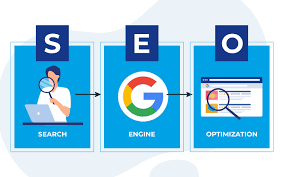
How SEO for Hair Transplant Clinics Works
SEO for hair transplant clinics aligns website content with how patients search and how search engines review medical pages. It includes site structure, page clarity, and relevance to common questions about hair loss and treatment options. Each part helps search engines understand the clinic, its hair transplant procedures, and the context in which they are offered.
Instead of broad terms, this approach focuses on specific procedures, locations, and relevant keywords. This makes it easier for search engines to connect pages with users who are actively looking for hair restoration options.
On-Page and Medical SEO for Hair Clinics
On-page SEO focuses on how pages are written and organized. For hair clinics, this includes service pages, educational content, and supporting blog posts written in clear medical language. Each page should focus on one topic to avoid confusion.
Medical SEO emphasizes accuracy and safety. Search engines expect medical content to meet accepted standards. Simple wording and balanced explanations help support trust and understanding.
Service pages and keyword targeting
Service pages should explain what a procedure is, how it works, and who it may help. Keywords such as hair transplant SEO should appear naturally and only where they fit. The main goal is clarity, not repetition.
Using relevant keywords in headings and text helps search engines understand each page. Clear structure improves both readability and interpretation.
Local SEO for Hair Restoration Practices
Local SEO helps clinics appear in searches tied to a specific area. Many users look for hair transplant services or hair restoration services in Palm Beach, near where they live. Local signals help search engines connect clinics with nearby users.
This process relies on accurate details and explicit location references. It supports visibility while keeping helpful content, and is easy to read.
Google Business Profile optimization
A Google Business Profile shows basic clinic details such as address, hours, and services. Correct information helps search engines confirm the clinic’s location. It also allows users find the clinic more easily.
The profile should match the website content. Consistency supports trust and strengthens online visibility.
Content That Builds Trust and Authority
Trust is a key part of hair restoration SEO. Search engines look for signs that content is written or reviewed by qualified professionals. Authority comes from clear explanations, not promotion.
Educational content that explains hair transplant procedures, limitations, and expectations helps users make informed choices. This includes well-structured service pages, educational blog posts, and references to general clinical knowledge rather than marketing claims.
Doctor expertise and clinic credibility
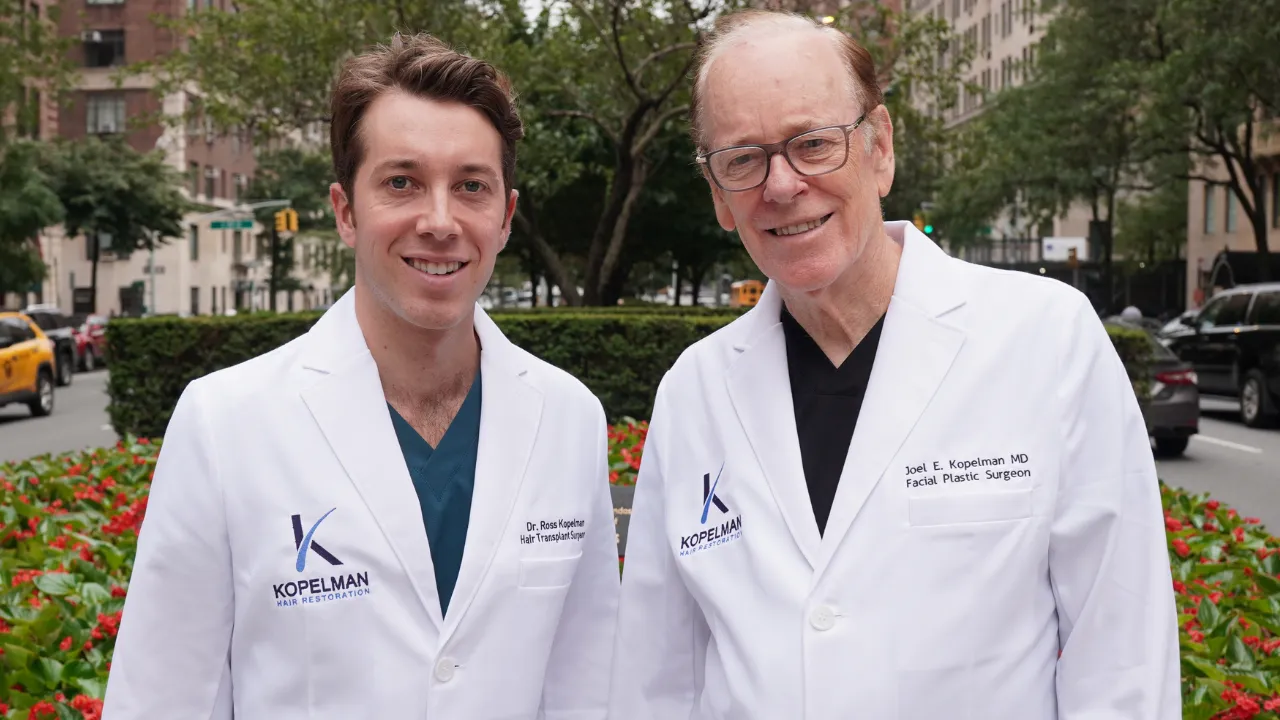
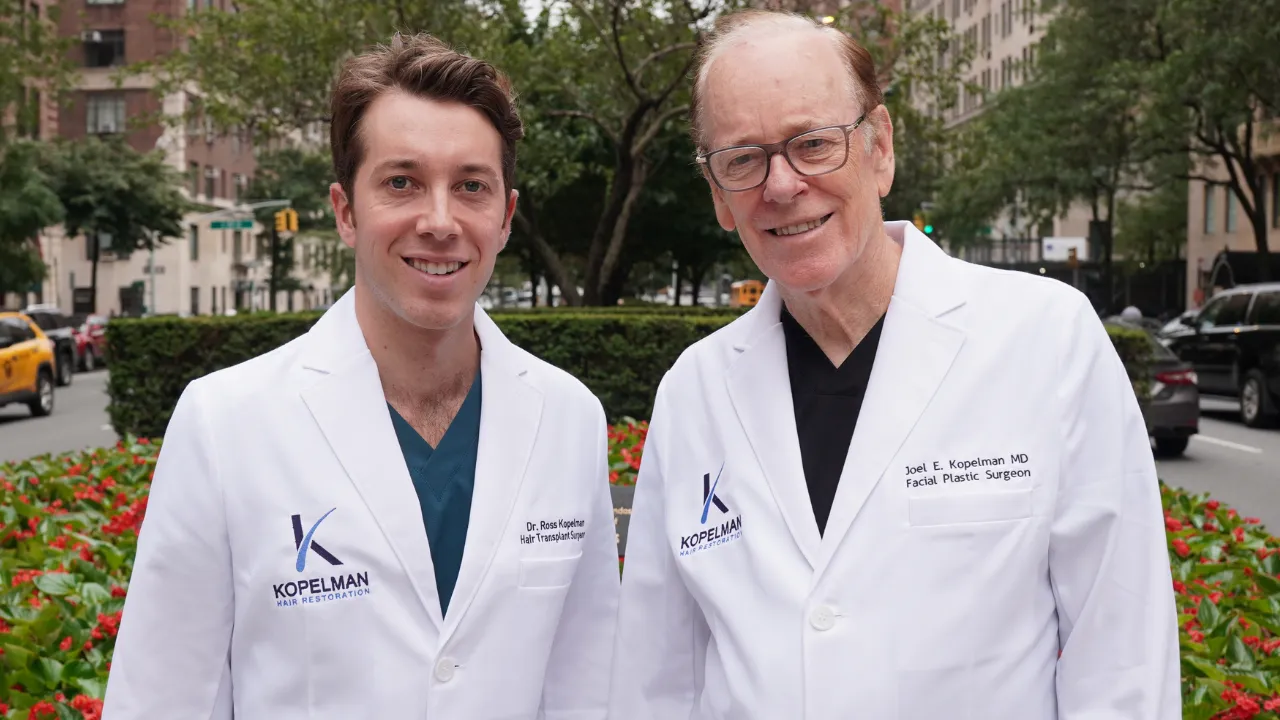
Content that reflects physician involvement builds credibility. Mentions of medical professionals, such as Dr. Kopelman, should be factual and limited. This provides context without promotional language.
Clear authorship and a consistent tone help search engines assess trust. Accuracy supports long-term stability.
What Defines the Best Hair Transplant SEO
The best hair transplant SEO focuses on relevance, accuracy, and consistency. It avoids shortcuts and exaggerated claims. Instead, it supports steady growth through clear and helpful information.
Strong seo strategies respect the medical nature of hair restoration. They aim to educate users rather than chase traffic. In a competitive hair transplant market, this approach supports sustainable visibility.
SEO Timelines, Results, and Expectations
SEO does not work overnight. It often takes months for changes to appear in search results. This is common in medical topics where trust develops slowly.
Clinics should expect gradual progress. Clear expectations support steady updates and better long-term results.
Common Hair Transplant SEO Mistakes
One common mistake is using too many keywords without context. This makes content more challenging to read. Another issue is publishing short pages with little explanation of hair transplant services or procedures.
Some clinics rely too heavily on case studies, with insufficient educational framing. While case studies can add context, they should support explanation rather than replace it. Balanced content helps avoid quality issues.
Failing to account for how users interact with content across platforms, including social media, can also limit reach. Clear structure and neutral language help avoid these problems.
Hair Transplant SEO FAQs
How is hair restoration SEO different from general SEO?
Hair restoration SEO requires more focus on medical accuracy and trust. Search engines apply stricter standards to this type of content.
Does social media replace SEO for clinics?
Social media can support awareness, but it does not replace search engine optimization. SEO remains essential for users actively searching for hair transplant procedures and treatment options.
Is SEO for hair transplant clinics regulated?
SEO itself is not regulated, but the medical content it supports must follow accepted standards. Accuracy and transparency are required.
If you would like to discuss how these principles apply to your clinic or have questions about hair restoration options, you can schedule a consultation with the team at Kopelman Hair. A professional discussion can help clarify next steps and ensure you receive information that fits your specific needs.