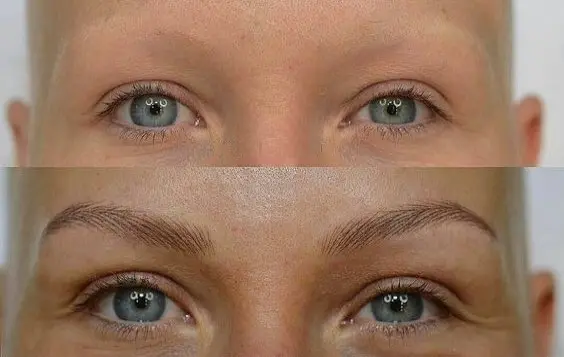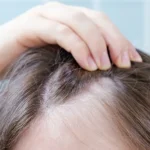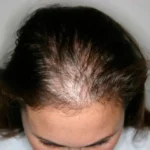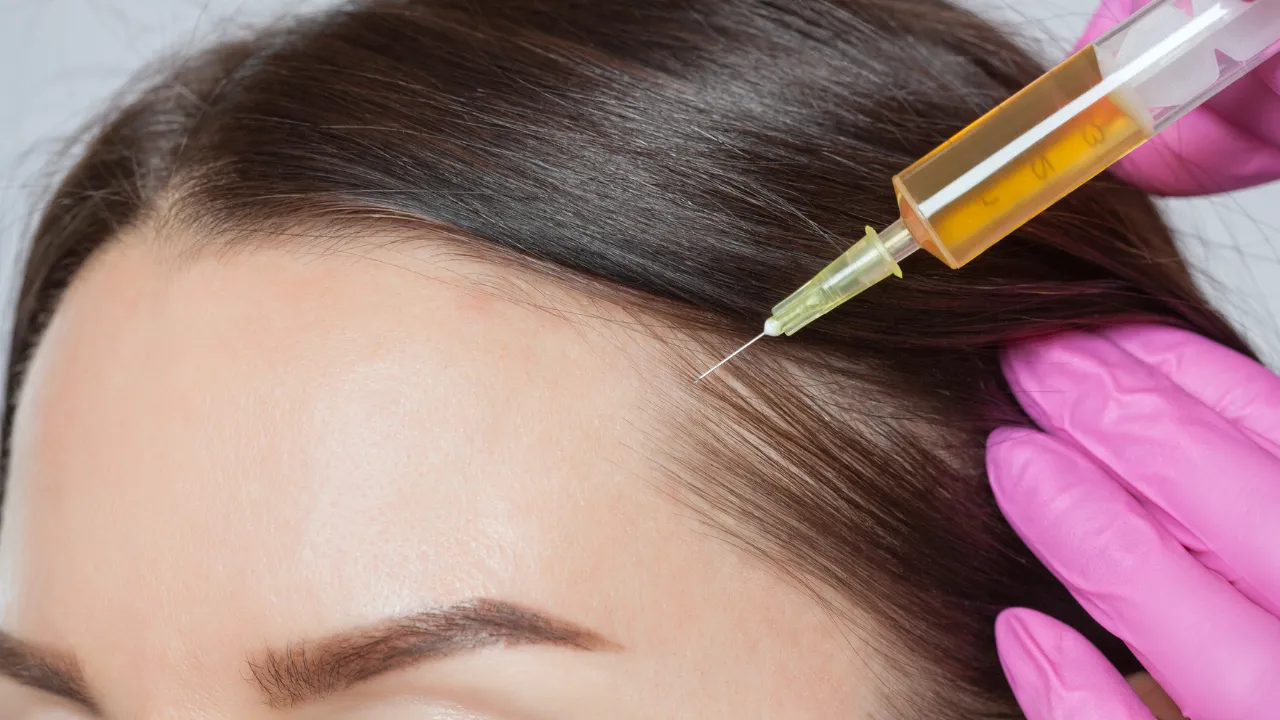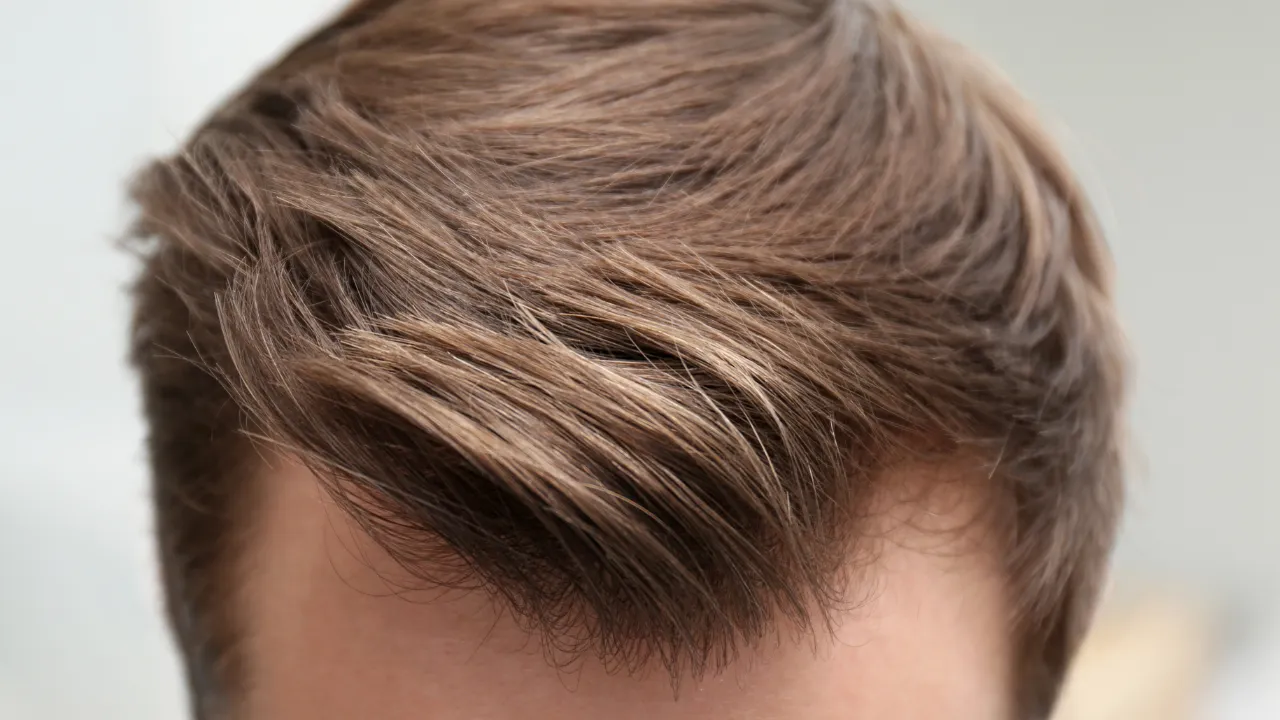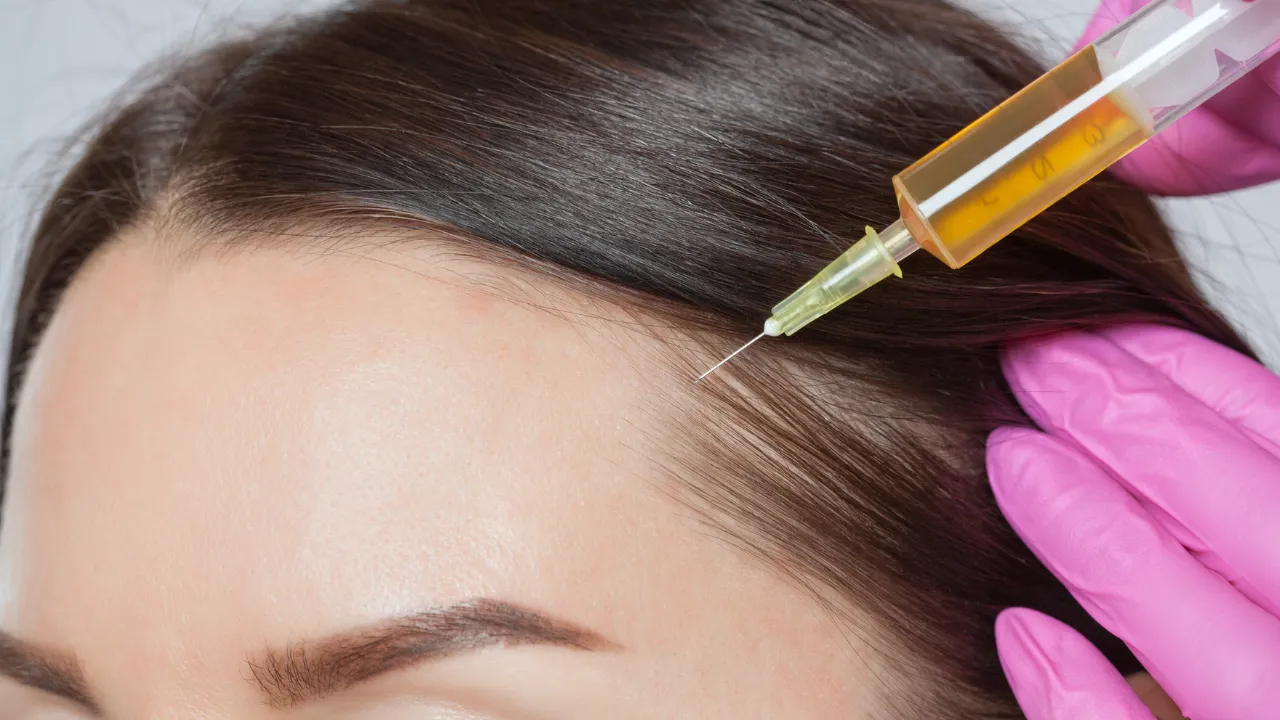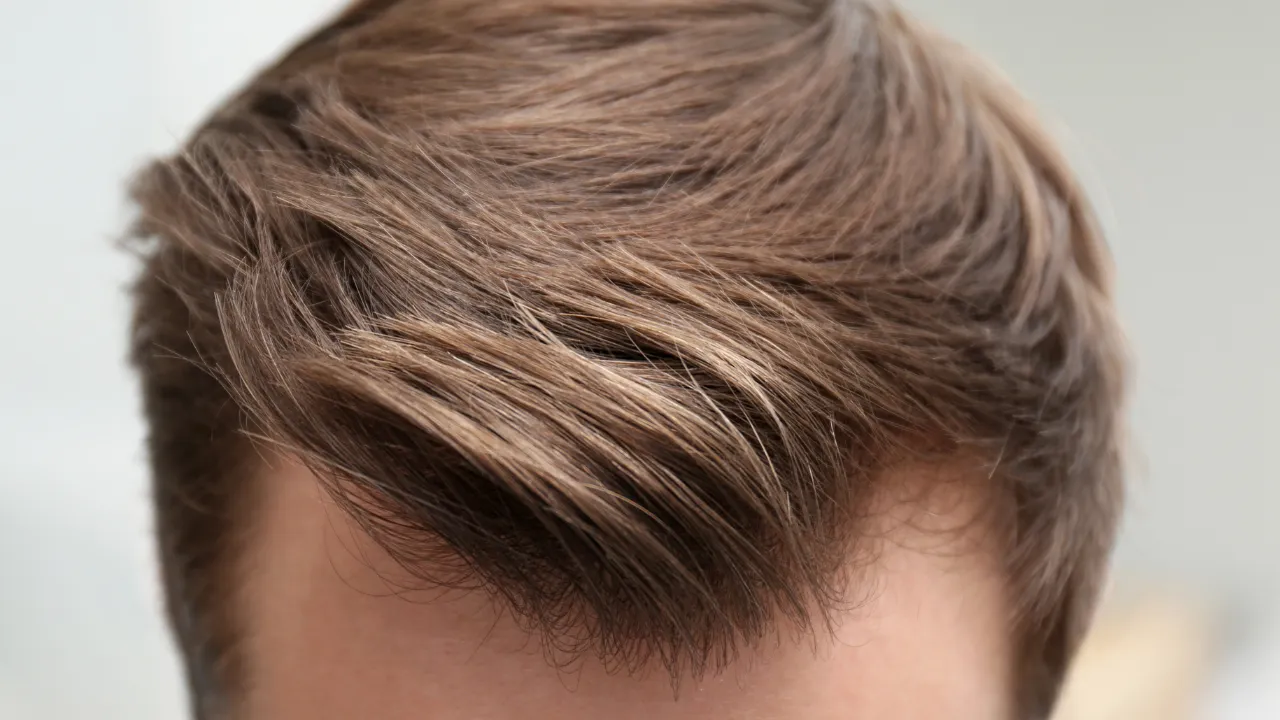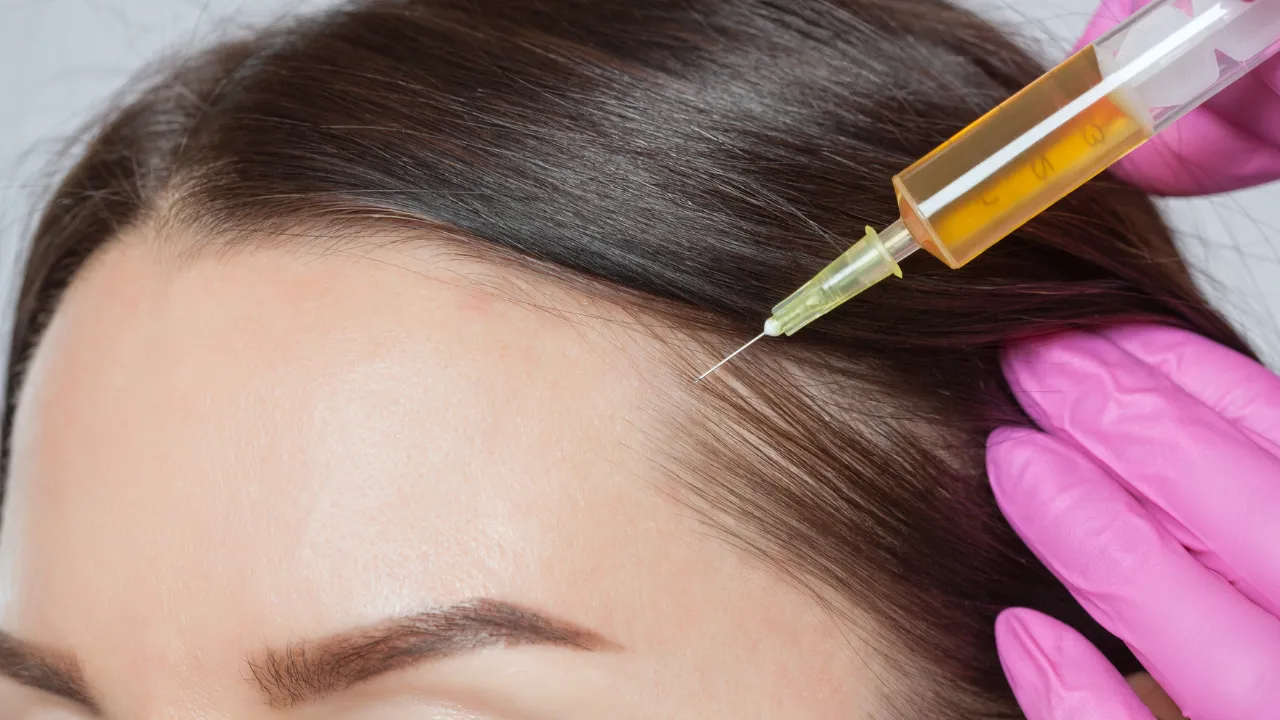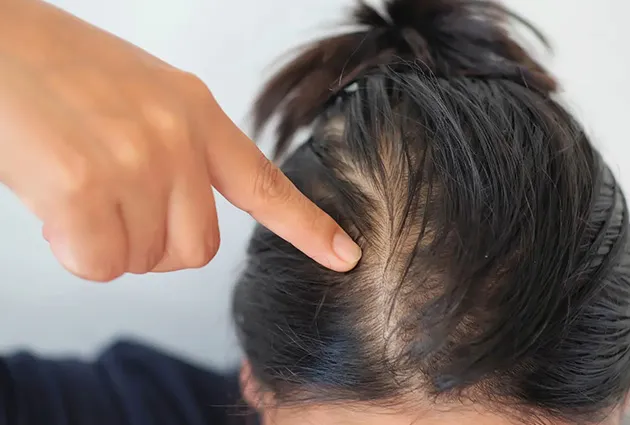


A traction alopecia hair transplant can work, but only when hair follicles are permanently damaged. In these cases, they cannot regrow on their own. When done on stable areas with healthy donor hair, the procedure can restore density. It can also improve the hairline with natural-looking results.
However, not every patient is a candidate, especially if the condition is still reversible or ongoing. A proper evaluation is needed to determine whether surgery or non-surgical treatment is the better option.
Understanding the stage of hair loss is key to deciding if this approach will be effective, especially when comparing with other types of alopecia that follow different patterns.
Key Takeaways
- A traction alopecia hair transplant works when hair follicles are permanently damaged and cannot regrow, but it is not needed in early, reversible stages.
- Early intervention by stopping tight hairstyles and improving scalp care can restore hair growth without surgery in many cases.
- Candidacy depends on having a stable condition and a healthy donor area, which allows transplanted follicles to grow naturally in thinning regions.
- Long-term results require proper aftercare and avoiding ongoing tension, as repeated stress on the scalp can lead to new hair loss even after treatment.
Do Hair Transplants Work for Traction Alopecia?
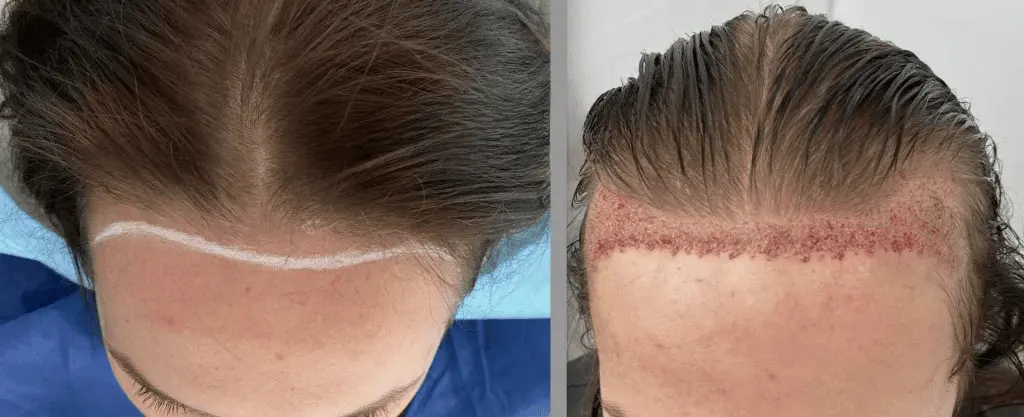
A traction alopecia hair transplant can work when hair follicles are permanently damaged and no longer produce hair. In these cases, transplanted follicles from a healthy donor area can restore growth in the affected area.
The success of the procedure depends on proper diagnosis and stable scalp conditions.
Dr. Kopelman evaluates each case to confirm whether hair loss is reversible or permanent. If follicles are still active, surgery is not the first option. When permanent hair loss is confirmed, transplantation becomes a reliable hair restoration solution.
Can Hair Recover or Is It Too Late?
Hair recovery depends on how long tension has affected the scalp. Early-stage traction alopecia treated promptly may allow natural regrowth without surgery. Once damage becomes chronic, follicles stop producing hair.
Understanding this timeline helps patients choose the right treatment for traction alopecia. Acting early can prevent the need for surgical intervention.
Will Hair Grow Back Naturally
Hair can regrow if the follicles are not scarred. This often happens when patients stop wearing tight hairstyles and reduce tension on the scalp. Healthy hair may return within months if the damage is mild.
In early stages, doctors may recommend:
- Avoiding tight braids or ponytails
- Reducing heated styling tools
- Using topical treatments to improve scalp health
These steps help restore hair growth without invasive procedures.
Signs of Permanent Hair Loss
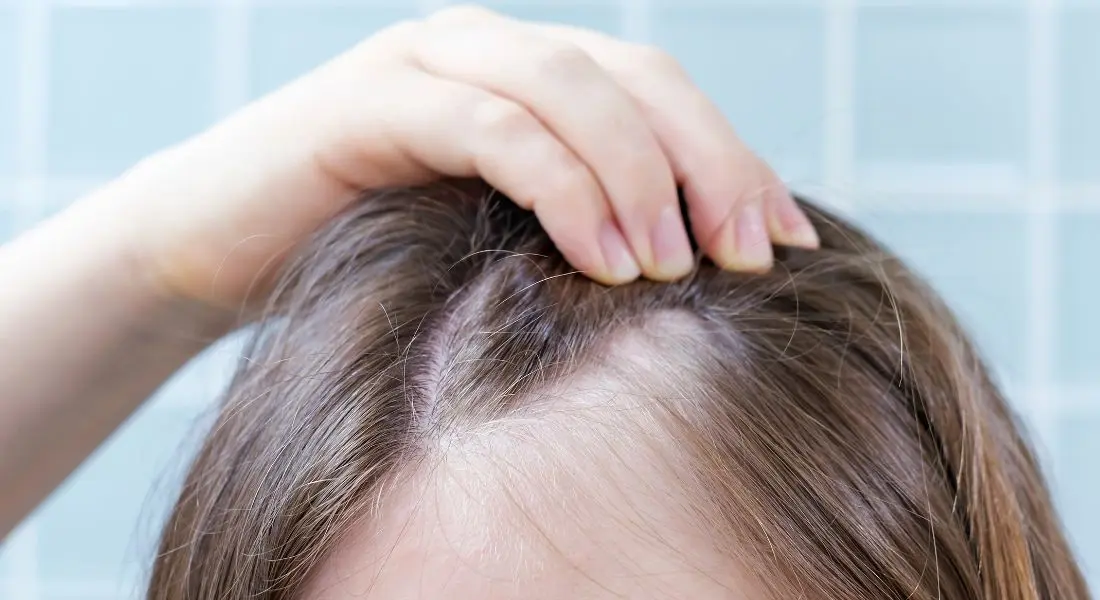
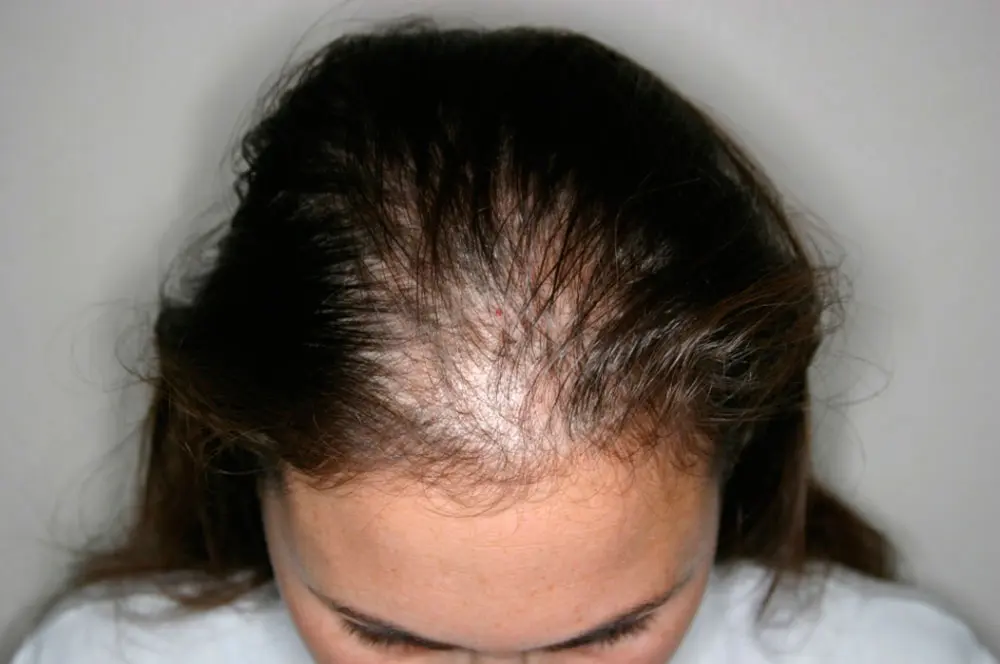
Permanent hair loss occurs when follicles are scarred and no longer function. This form of hair loss does not respond to topical or medical treatments. The scalp may appear smooth, shiny, or thin in the affected area.
Key signs include:
- No regrowth after several months
- Thinning along hairline or temples
- Long history of wearing tight hairstyles
In these cases, hair transplant traction alopecia procedures may be the only effective solution.
Traction Alopecia Causes and Hair Loss Type
Traction alopecia is a type of hair loss that occurs due to repeated tension on the hair. It is a form of hair loss linked to styling habits rather than genetics. Over time, this tension weakens follicles and reduces their ability to grow hair.
The condition often develops slowly, making early detection important. Patients may not notice damage until thinning becomes visible.
This pattern can sometimes resemble other conditions such as hair loss behind ears, especially in areas exposed to repeated tension.
Tight Hairstyles and Tension
Tight hairstyles are the most common cause of traction alopecia. Styles like braids, cornrows, tight braids, and extensions place constant tension on the scalp. Wearing tight styles daily increases the risk of damage.
This tension pulls on the roots and creates stress on the hair follicles. Over time, this leads to inflammation and eventual follicle damage.
Stress on Hair Follicles
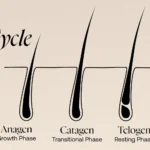
Stress on the hair follicles disrupts normal growth cycles. Repeated pulling weakens the follicle structure and reduces blood supply. This prevents healthy hair from forming.
If the stress continues, follicles may stop producing hair entirely. This transition marks the shift toward permanent hair loss.
Affected Areas and Patterns
Traction alopecia often affects the hairline, temples, and areas under tension. These patterns help doctors identify the cause of hair loss. The affected area may show thinning, breakage, or complete loss.
Recognizing these patterns helps guide treatment decisions and prevent further damage.
Treatment Options for Traction Alopecia
Treatment for traction alopecia depends on the stage of hair loss. Early intervention focuses on reducing tension and improving scalp health. Advanced cases may require surgical solutions.
A personalized plan ensures the best outcome for each patient.
Non-Surgical Treatments
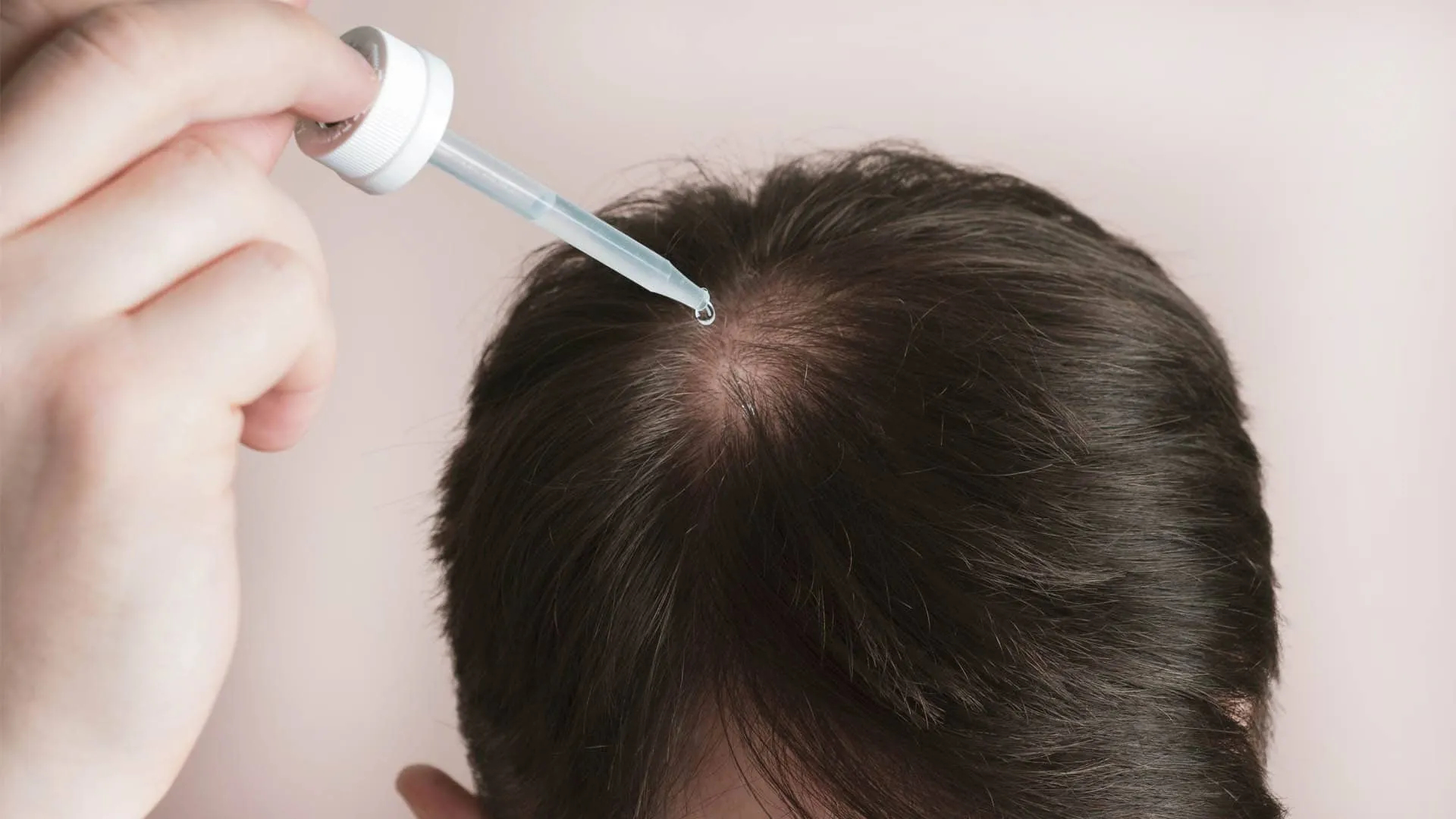
Non-surgical options aim to restore hair growth in early stages. These treatments reduce inflammation and support follicle recovery. They are effective when follicles are still active.
Common approaches include:
- Stopping tight hairstyles
- Using medications to stimulate hair growth
- Improving scalp care routines
These methods can reverse damage if applied early.
When Hair Transplant Is Needed
A traction alopecia hair transplant is needed when follicles are permanently damaged. At this stage, natural regrowth is unlikely. Surgery replaces lost follicles with healthy ones from another area.
This approach provides long-term results when performed correctly, similar to other procedures like hair transplant temples for restoring hairline structure.
Donor Area Requirements
The donor area must contain stable, healthy hair. These follicles are resistant to damage and can be safely transplanted. The quality of the donor area directly affects results.
A thorough evaluation ensures enough grafts are available for coverage.
Traction Alopecia Hair Transplant Surgery
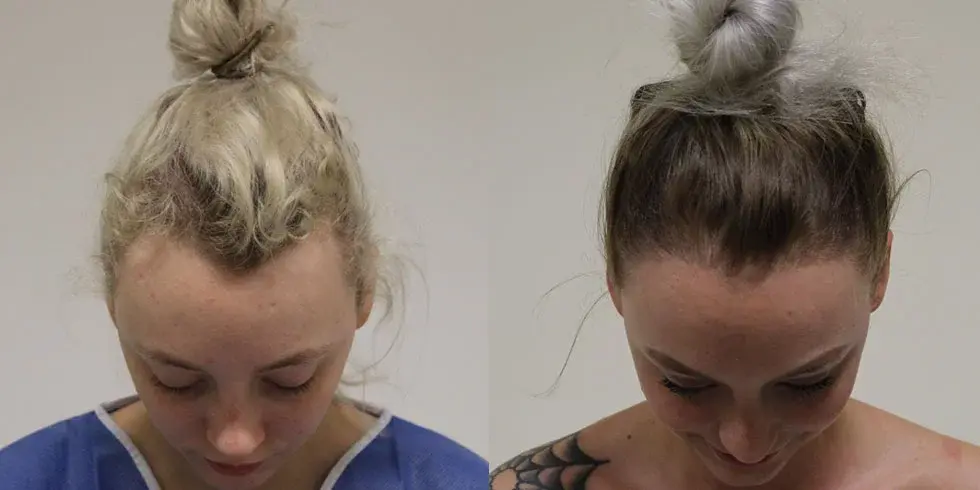
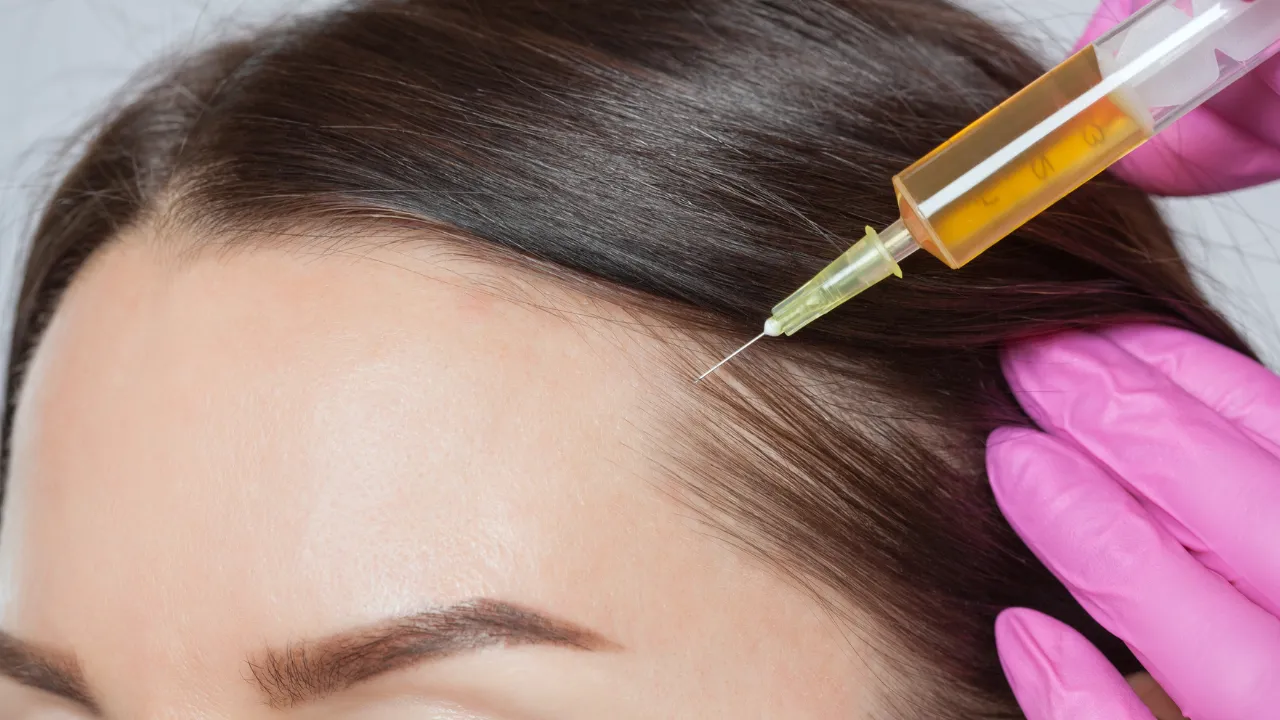
Traction alopecia hair transplant surgery involves moving follicles from the donor area to thinning regions. This process restores density and improves the hairline. The technique must be precise to match natural growth patterns.
Dr. Kopelman uses advanced methods to ensure consistent results and natural appearance.
How the Procedure Works
The procedure begins with extracting individual follicles from the donor area. These grafts are then placed into the affected area. Each graft is positioned to follow natural hair direction.
This method supports long-term hair growth and natural blending.
Who Is a Good Candidate
Good candidates have stable hair loss and a strong donor area. They must also have realistic expectations about density and coverage. Patients with active tension habits should correct them before surgery.
A proper evaluation ensures safe and effective treatment.
Cost and Results of Hair Transplant
The cost of a traction alopecia hair transplant varies based on graft count and treatment complexity. Larger areas require more grafts, increasing the total price. Each case is different and requires a personalized estimate.
Patients often compare options such as 1000 graft hair transplant procedures to better understand pricing and coverage.
Patients should focus on long-term value rather than short-term cost.
Traction Alopecia Hair Transplant Cost
Pricing depends on:
- Number of grafts needed
- Size of the affected area
- Surgeon experience
A consultation provides a clear treatment plan and cost breakdown.
Expected Growth and Density
Hair growth begins gradually after surgery. Patients typically see new growth within a few months. Full results develop over time as transplanted follicles mature.
Density depends on graft placement and donor area quality.
Aftercare and Long-Term Results
Aftercare plays a key role in maintaining results. Patients must protect transplanted follicles during the healing phase. Proper care supports long-term success.
Consistency is essential to avoid future damage.
Traction Alopecia After Hair Transplant
After a hair transplant traction alopecia procedure, patients must avoid tension on the scalp. Wearing tight styles too soon can damage new grafts. Gentle care helps follicles establish properly.
Following medical advice improves outcomes.
How to Protect New Hair
Patients should adopt habits that support healthy hair:
- Avoid wearing tight hairstyles
- Limit heated styling
- Maintain proper scalp hygiene
These steps help preserve results and prevent recurrence.
Risks and Limitations
Hair transplant procedures are effective but have limitations. Not all patients achieve the same level of density. Results depend on donor supply and scalp condition.
Understanding these limits helps set realistic expectations.
When Transplant May Not Work
Surgery may not work if the donor area is weak or hair loss is still active. Poor scalp health can also affect results. Proper diagnosis reduces these risks.
Patients must address underlying causes before surgery.
Ongoing Hair Stress Risks
Continued stress on the hair follicles can lead to new hair loss. Even transplanted hair can be affected by repeated tension. Long-term habits play a key role in maintaining results.
Avoiding damaging styles is essential.
How to Prevent Traction Alopecia
Prevention focuses on reducing tension and protecting the scalp. Simple changes can stop damage before it becomes permanent. Awareness is key to maintaining healthy hair.
Helpful strategies include:
- Avoid tight braids and extensions
- Rotate hairstyles to reduce stress
- Improve scalp care routines
These steps reduce the risk of future hair loss.
When to See a Specialist
Patients should seek evaluation when they notice early thinning or persistent hair loss. Early diagnosis improves treatment outcomes. Waiting too long can limit options.
Kopelman Hair provides expert evaluation and personalized plans based on each patient’s condition.