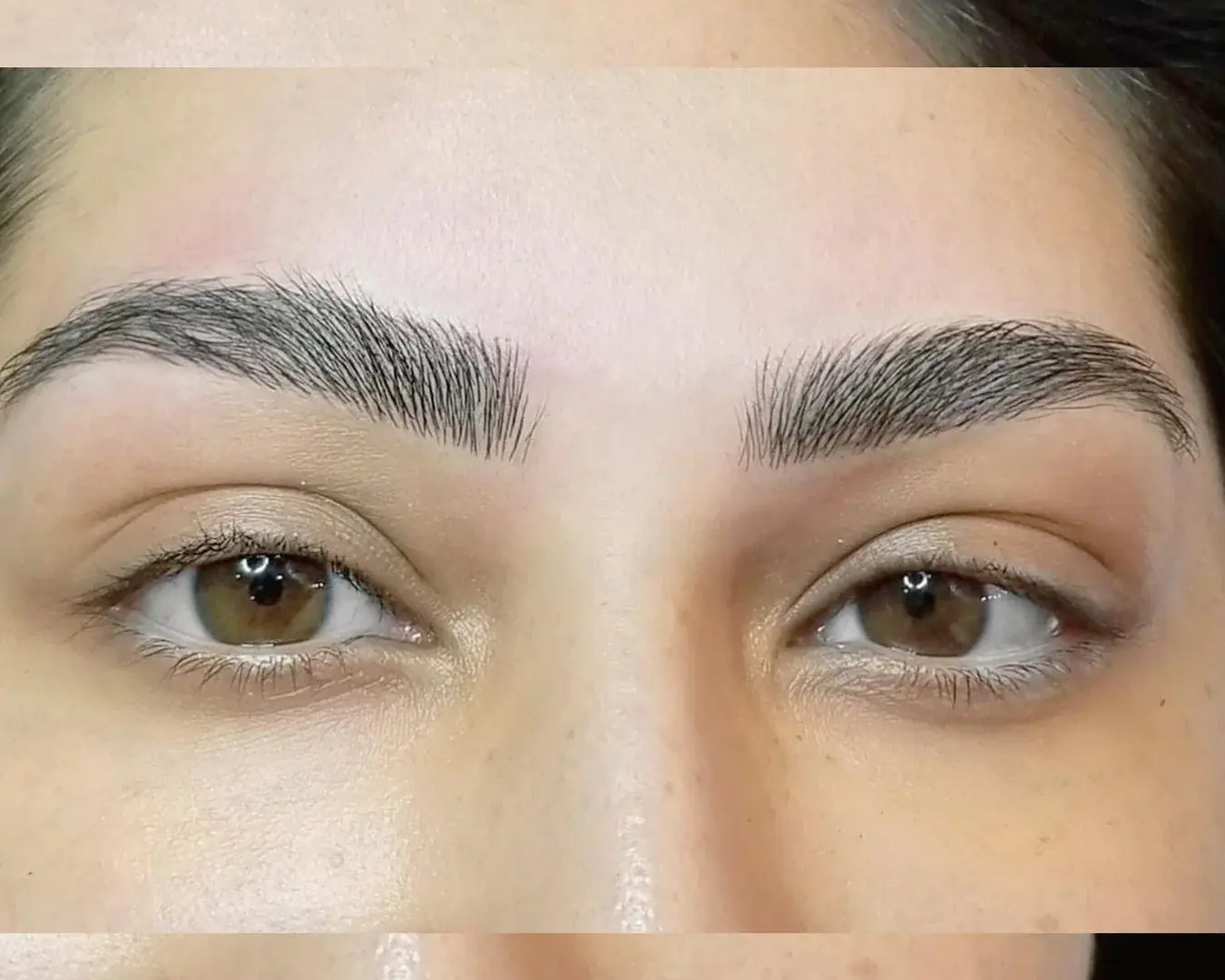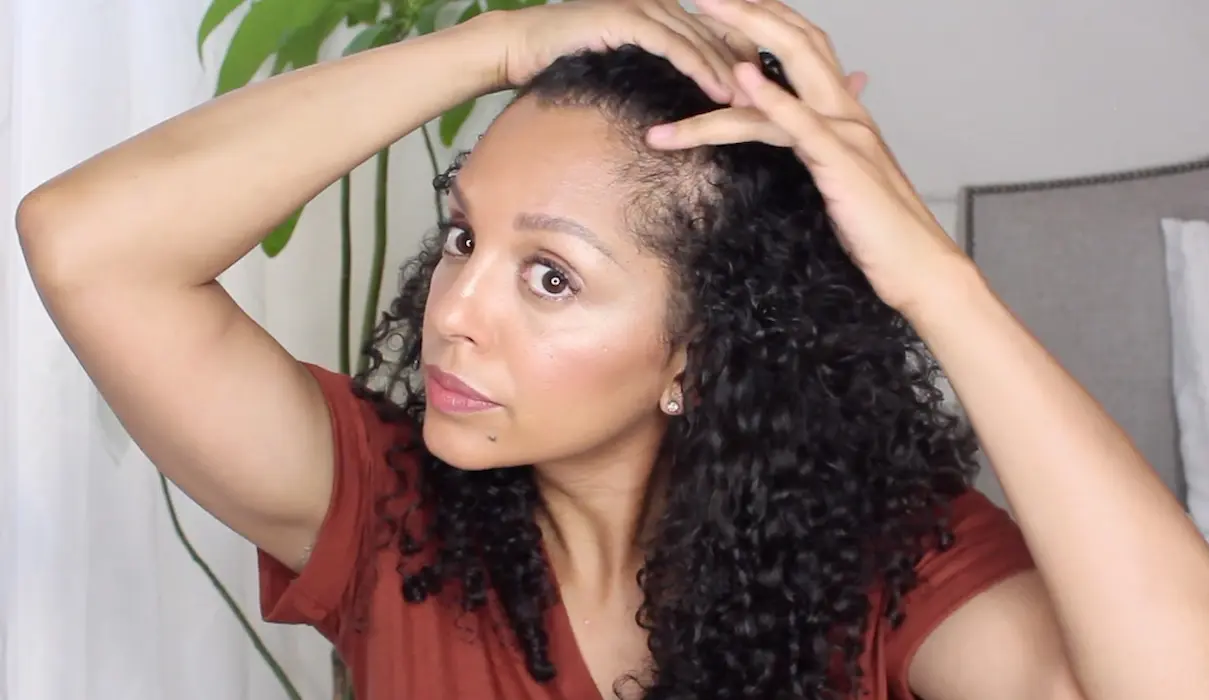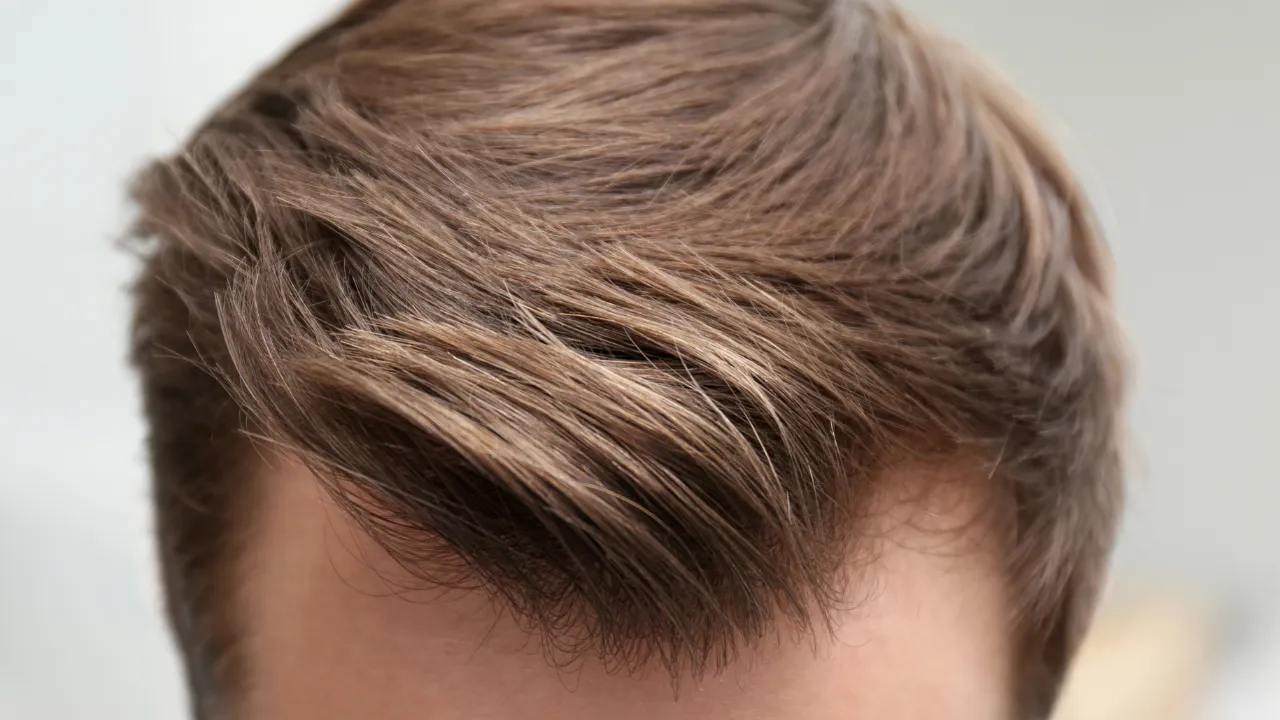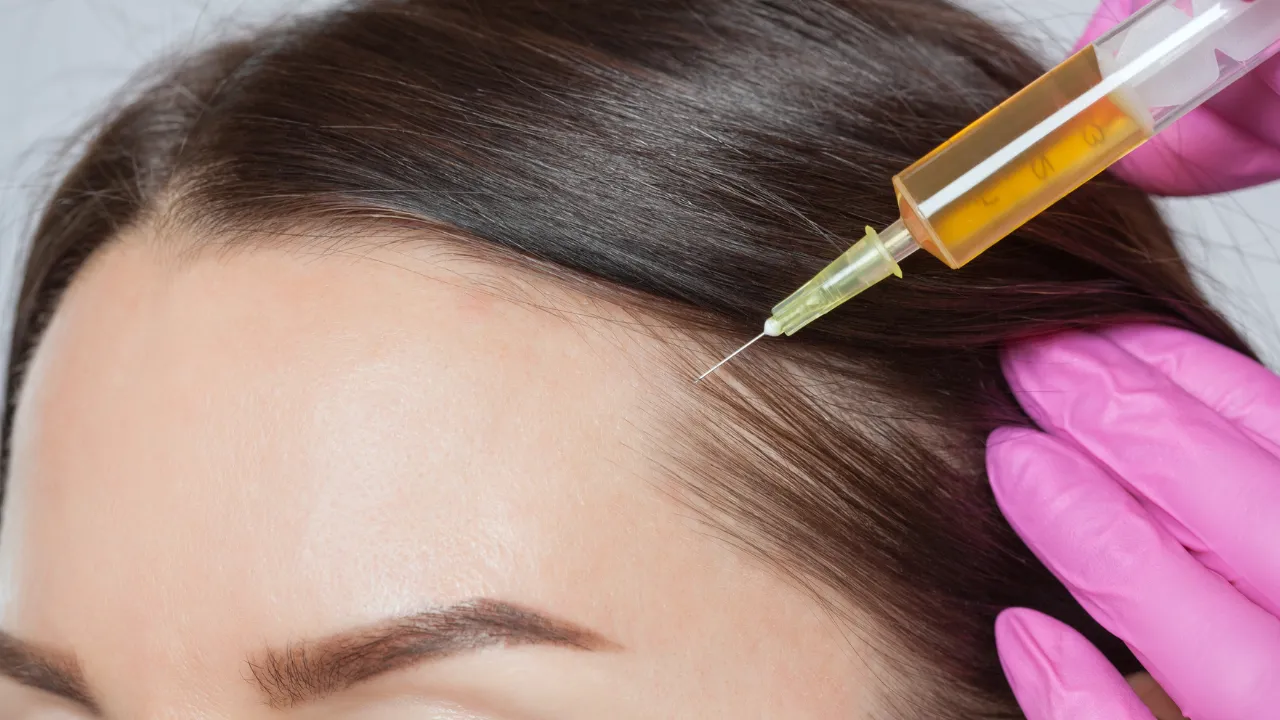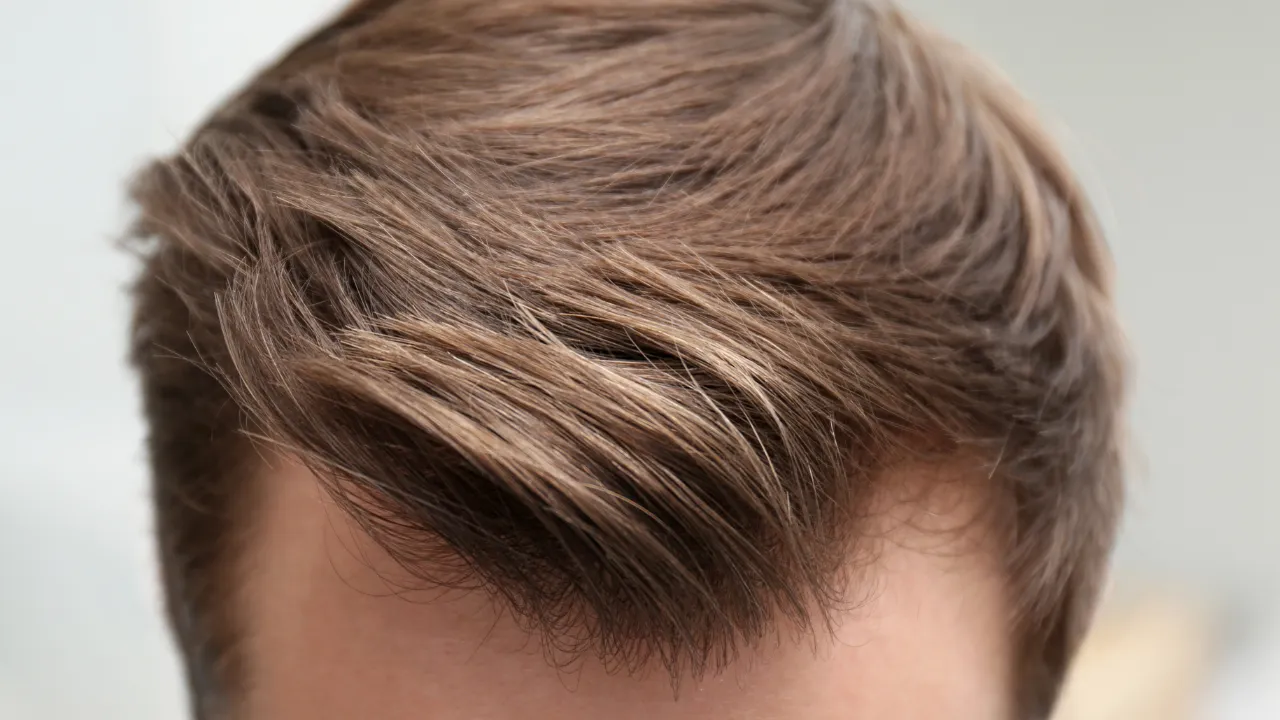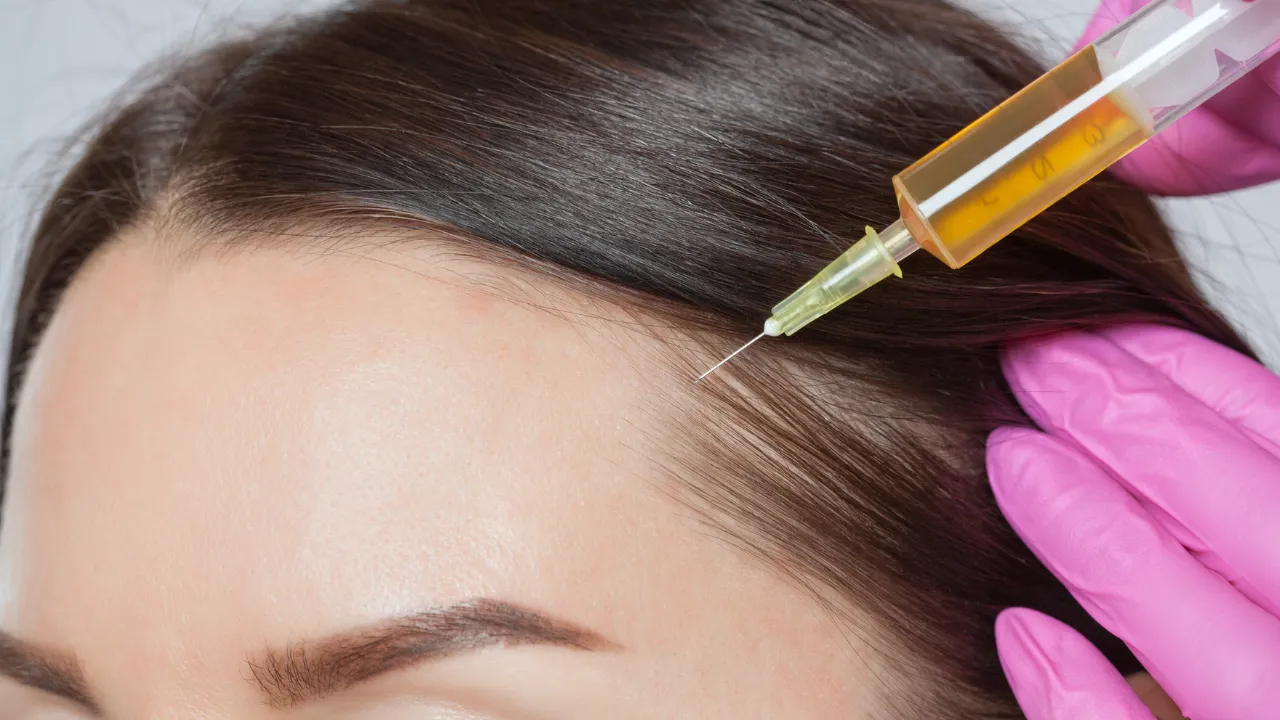

A leg hair to eyebrow transplant can be effective in carefully selected patients when scalp hair is not ideal for the eyebrow area. It requires careful donor selection and accurate placement of hair follicles to support natural hair growth.
At Kopelman Hair, eyebrow restoration is treated as a precise medical procedure within the broader field of hair restoration. This article explains how a leg hair-to-eyebrow transplant works, who may qualify, and the limitations patients should be aware of.
Key Takeaways
- A leg hair-to-eyebrow transplant may be used when scalp hair is too thick or limited, but careful review of hair type and growth cycle is essential.
- Leg hair has a shorter growth phase than scalp hair, which affects hair growth patterns and grooming needs.
- Careful extraction and placement of hair follicles improve graft survival and natural appearance.
- Most eyebrow hair grafting procedures involve 150 to 400 grafts, with spacing planned to achieve balance.
- Patients should expect regular trimming because transplanted leg hair may keep some of its original traits.
Can Leg Hair Be Used for Eyebrow Transplant?
Yes, leg hair can be used in select cases. Surgeons may choose body hair when scalp hair is too thick for a natural brow look. This type of eyebrow hair transplant requires careful review of hair texture, growth cycle, and long-term behavior.
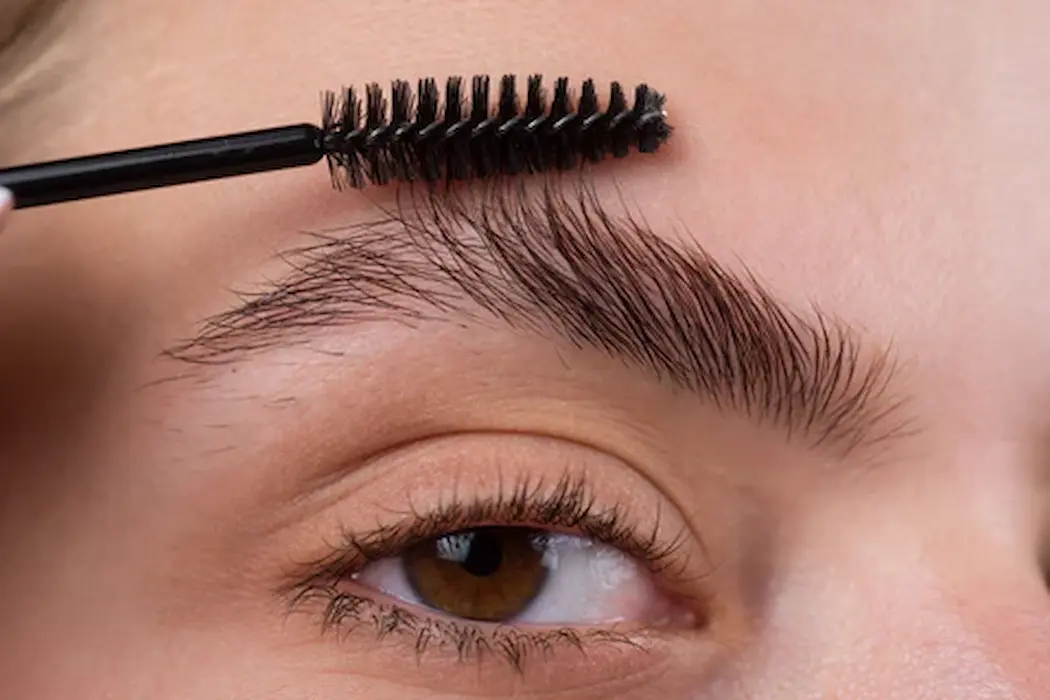
Eyebrow hair grafting depends on selecting hair follicles that blend with natural brow hair in the eyebrow area. Leg hair is often finer than scalp hair, which may help improve texture match. Nevertheless, it grows differently, which affects planning and expectations.
Hair Characteristics and Growth Patterns
Leg hair usually has a shorter growth cycle than scalp hair. Many leg hair follicles spend less time in the active growth phase. This can limit the final length after transplant and influence long-term hair growth in the eyebrow area.
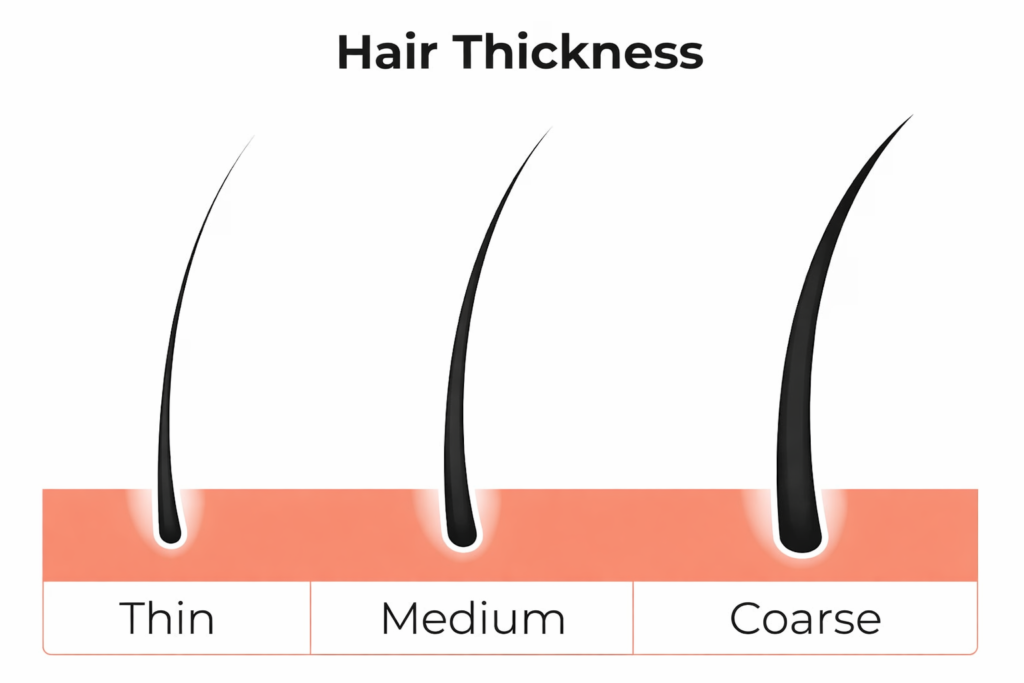
Hair thickness and follicle angle also influence results. Surgeons examine these features before recommending a leg hair to eyebrow transplant. The goal is to support natural hair growth and blending.
When Surgeons Consider Leg Hair
Surgeons may consider leg hair when scalp hair appears too coarse. Thick scalp hair can create a heavy brow appearance. Fine leg hair may allow softer blending during eyebrow transplant surgery.
The donor area must be evaluated carefully. If the donor area exhibits uneven thickness, pronounced curl, or poor-quality hair follicles, the surgeon may decline the procedure. Careful screening protects long-term outcomes.
Who Is a Good Candidate?
Not every patient is a candidate for eyebrow hair grafting with leg hair. Proper evaluation helps ensure safe and predictable hair-restoration outcomes.
Before recommending an eyebrow transplant procedure, the surgeon reviews the patient’s medical history. Conditions that affect healing or blood supply may influence graft survival. A thorough understanding of the medical history supports safer planning and reduces risk.
Limited Scalp Donor Supply
Some patients have limited scalp donor hair due to thinning or prior cosmetic procedures. In these cases, leg hair may serve as an alternative donor area. The selected hair follicles must still match existing brow hair.
Contraindications
Active skin disease, unstable hair loss, or poor wound healing may limit eligibility. Certain medications listed in the medical history may also affect healing. A comprehensive medical review helps guide safe decision-making before eyebrow transplant surgery and may also identify appropriate alternatives to eyebrow transplant surgery.
How Leg Hair to Eyebrow Transplant Is Performed
The eyebrow transplant procedure follows the principles of Follicular Unit Extraction, as outlined in these detailed eyebrow transplant procedure steps. Surgeons remove individual hair follicles from the leg and place them into the eyebrow area. Precision is essential throughout the process.
Most eyebrow transplant surgery is performed under local anesthesia. This keeps the patient comfortable while allowing accurate placement of grafts. Local anesthesia is commonly used in cosmetic procedures that require precise graft positioning.
Donor Extraction
Small punches isolate single hair follicles from the donor area. Body hair follicles grow at different angles than scalp follicles, so extraction requires careful alignment. Protecting follicular unit integrity supports survival and long-term hair growth.
Gentle handling reduces trauma and helps maintain healthy graft function.
Angle and Direction Control
Eyebrow hair grows flat against the skin. Each graft must be placed at a shallow angle to match the natural direction in the eyebrow area. Even small placement errors can affect final symmetry.
Surgeons implant grafts sequentially to recreate normal growth patterns.
Graft Survival Factors
Graft survival depends on careful handling and a strong blood supply. Hair follicles should not remain outside the body for long periods. Proper hydration helps protect viability.
Healing response varies between patients. Newly transplanted follicles may respond differently depending on the blood supply and tissue support. This affects density and long-term hair growth behavior after eyebrow transplant surgery.
Results, Maintenance, and Long-Term Expectations
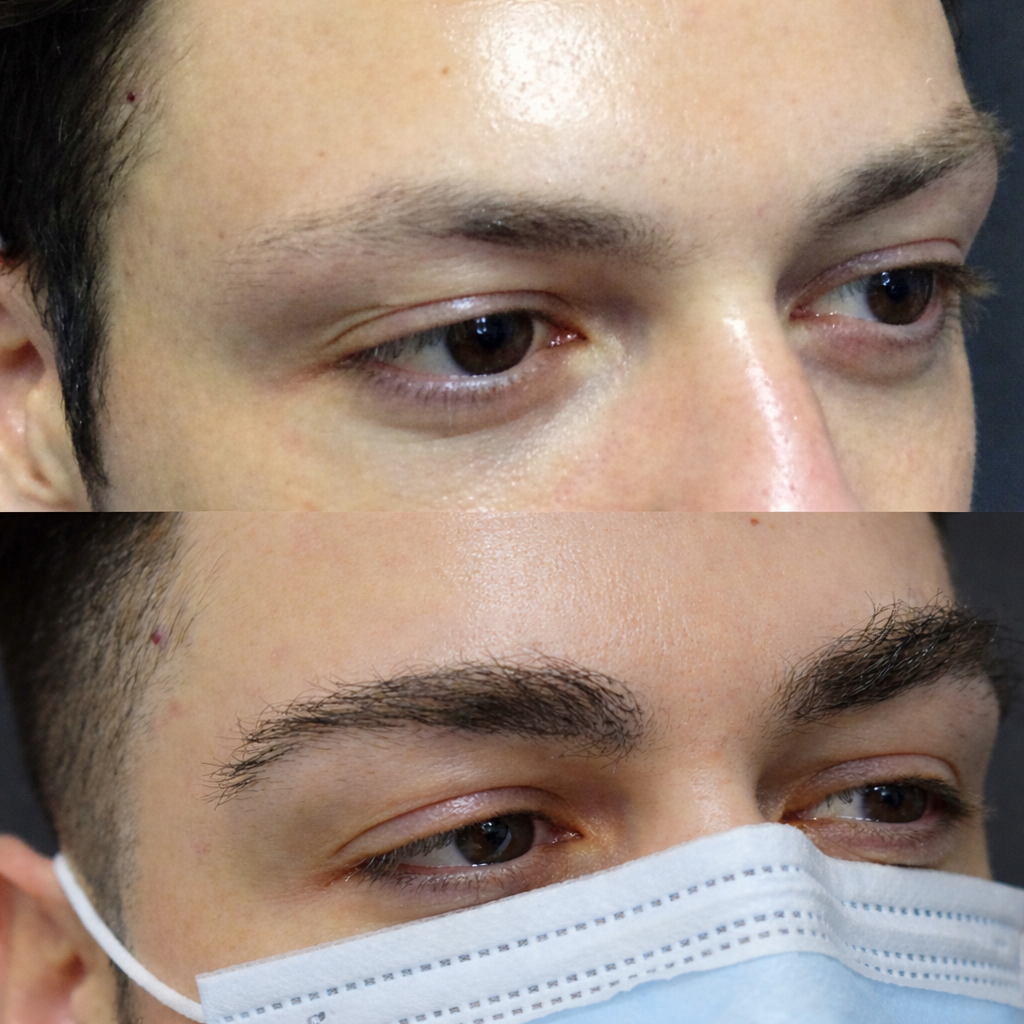
Results after eyebrow transplant surgery develop gradually and require patience. Newly transplanted hair follicles typically shed within two to four weeks as part of a normal adjustment phase. Visible hair growth usually begins between three and four months, with continued improvement over the first year.
Final density depends on graft survival, blood supply in the eyebrow area, and individual healing response. Some hair follicles may produce thinner strands at first before thickening over time. Patients should understand that eyebrow hair grafting aims to improve fullness and shape, not create excessive density.
Maintenance is an important part of long-term results. Because leg hair often has a shorter growth cycle, trimming may be needed every few weeks to maintain symmetry. Regular grooming helps control direction and length as hair growth patterns stabilize.
Mild side effects such as redness, swelling, or small scabs may occur in the donor area or eyebrow area after cosmetic procedures like an eyebrow transplant procedure. These effects usually resolve within one to two weeks. Following postoperative instructions and understanding the full eyebrow hair transplant recovery process supports healthy healing and stable hair restoration outcomes.
Risks and Revision Considerations
All surgical procedures carry risk. Clear discussion helps patients make informed decisions.
Unpredictable Growth
Leg hair may not fully adapt to the eyebrow region. Some hair follicles retain original growth traits. This may affect grooming needs after an eyebrow transplant procedure.
Texture Mismatch
If donor hair does not match native brows, blending may appear imperfect. Careful donor selection reduces this risk.
Potential side effects should be discussed before surgery. Most side effects are mild, but individual responses can vary. Careful review of medical history helps reduce preventable complications.
Why Surgical Expertise Matters
Eyebrow transplant surgery requires precision and planning. Small technical errors can affect direction, density, and symmetry.
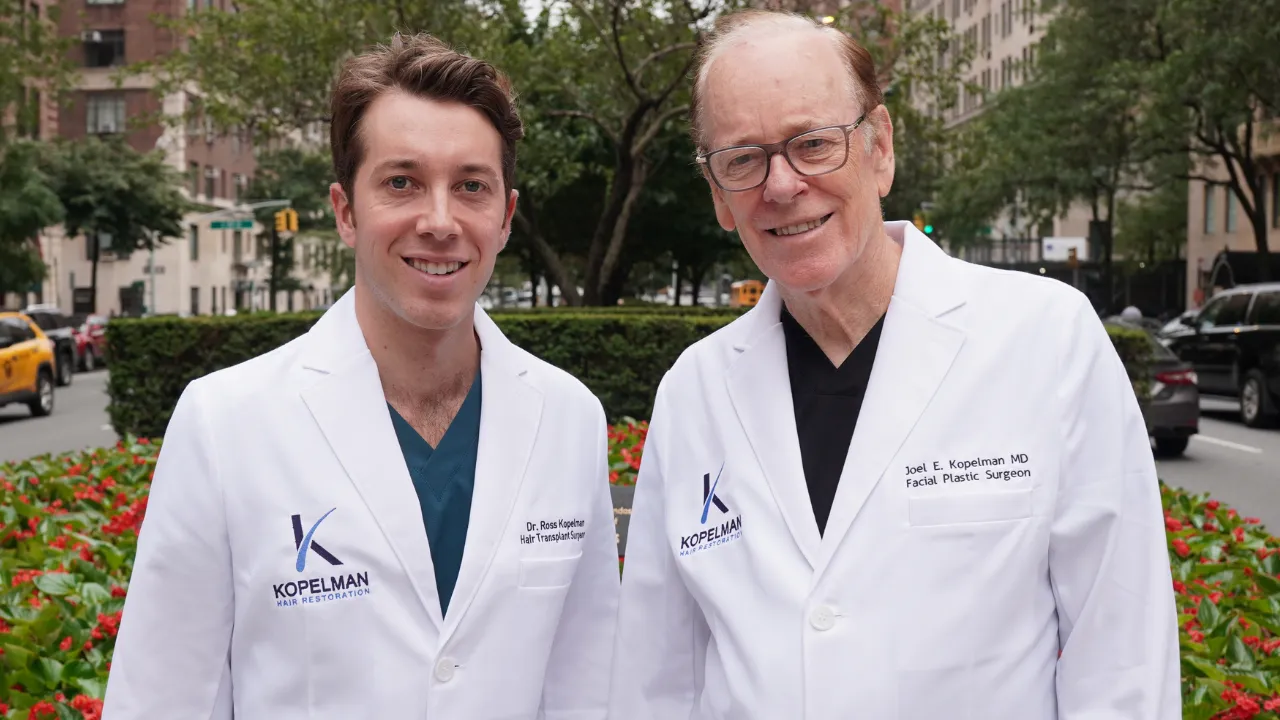
Dr. Kopelman evaluates donor area quality, medical history, and recipient blood supply before performing eyebrow hair grafting. Attention to follicular unit integrity supports predictable healing and safe hair restoration outcomes.
Careful technique helps maintain realistic expectations for patients considering these cosmetic procedures. You can schedule a consultation at Kopelman Hair to discuss your options.