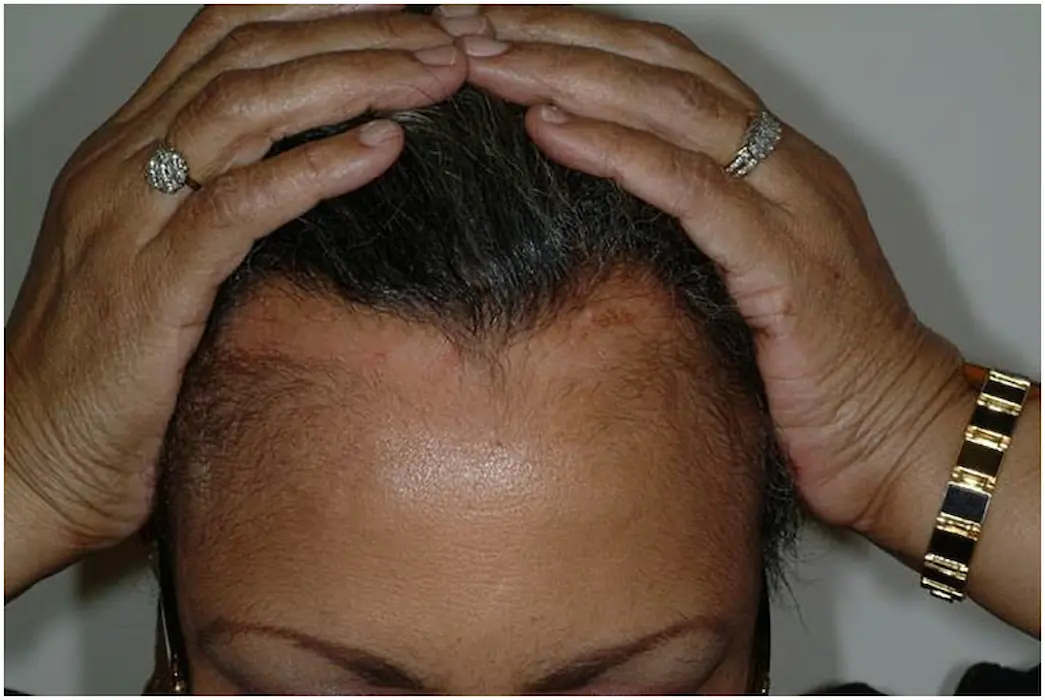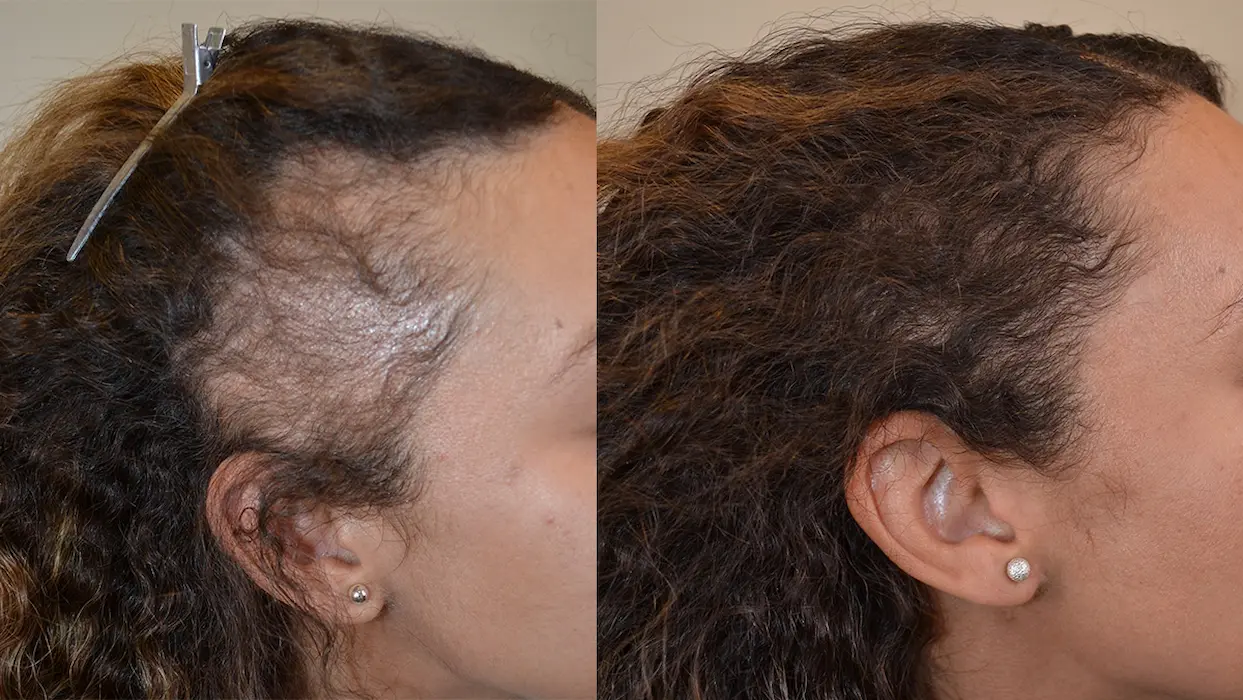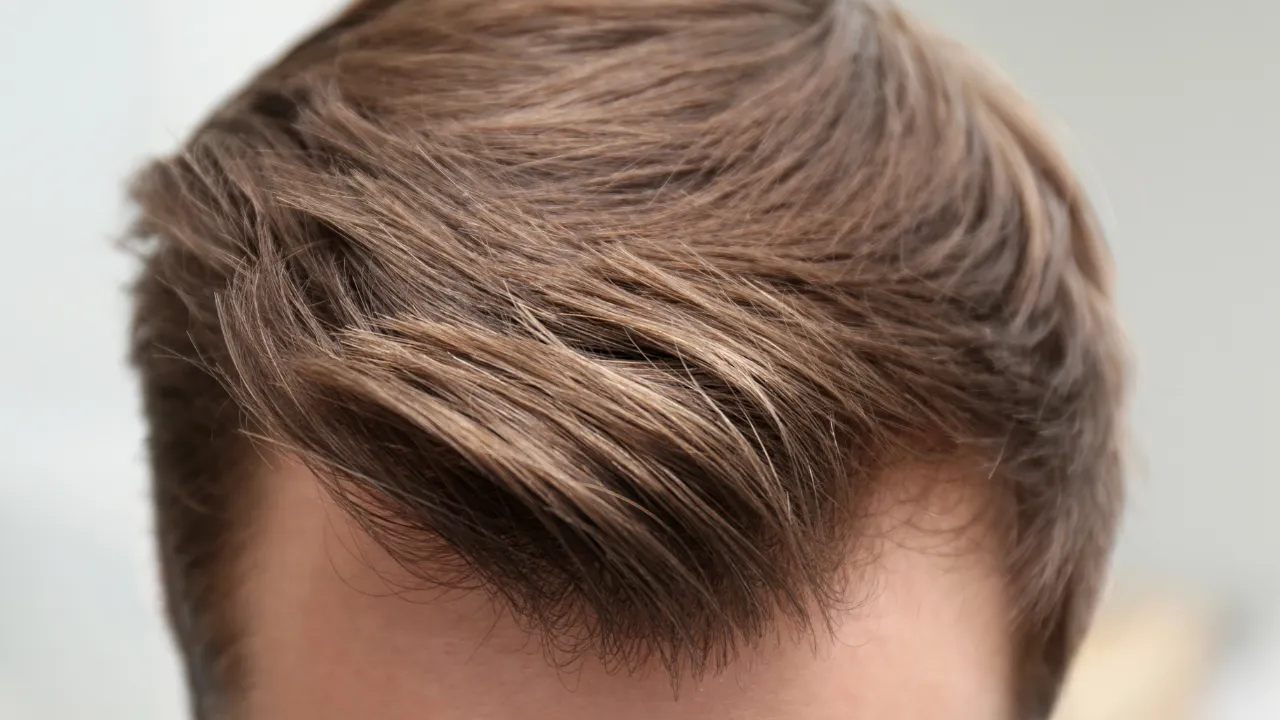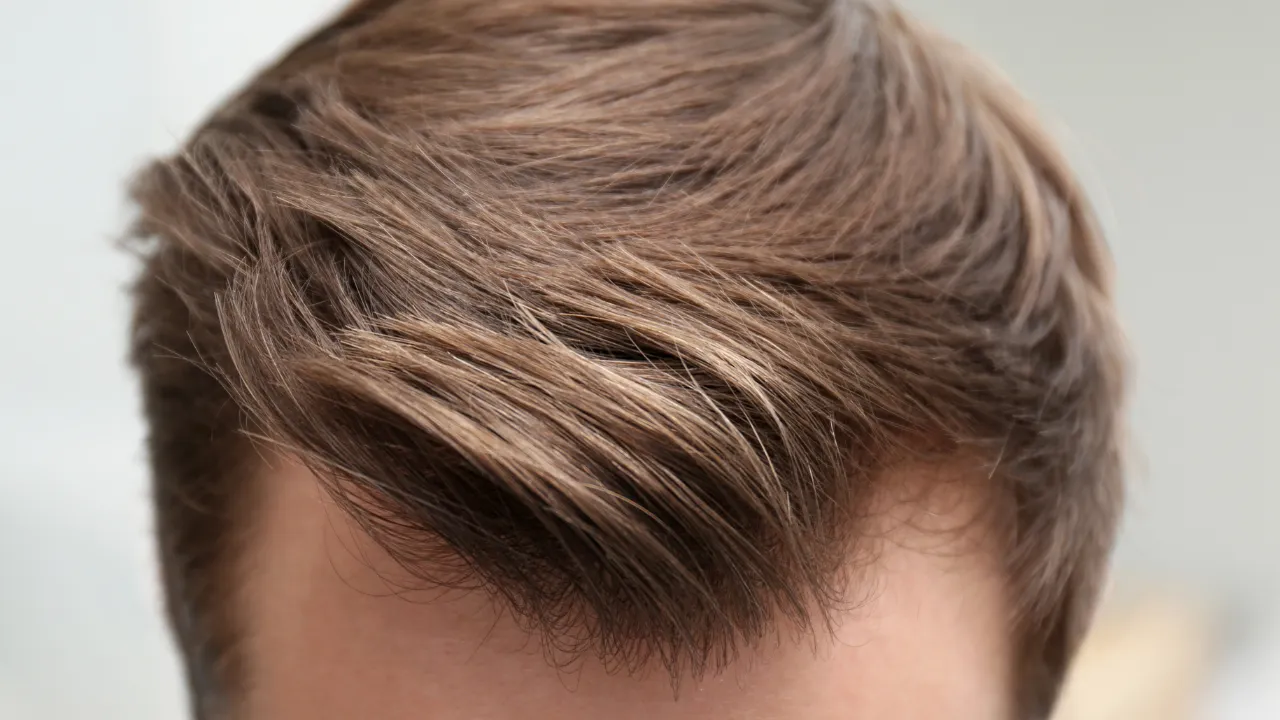

At Kopelman Hair, we know many women face hair thinning in midlife. Menopause hair loss treatment often includes topical minoxidil, vitamins, lifestyle changes, and medical options that protect follicles and support hair regrowth.
The most effective treatments for hair loss in menopausal women include topical minoxidil, platelet-rich plasma prp therapy, hormone-based medicine, and in some cases, hair transplants. Dr. Kopelman and his team create tailored plans that stimulate hair growth and address the hormonal imbalance that contributes to hair loss.
Key Takeaways
- Menopause hair loss treatment may include topical minoxidil, vitamins, healthy habits, and scalp care to protect hair follicles.
- Hormonal imbalance, such as lower estrogen levels, often contributes to hair loss. Health issues such as thyroid disease or anemia can also play a role.
- A doctor’s visit helps confirm the cause, guide safe treatment, and set clear goals for hair regrowth.
- PRP and laser therapy can stimulate hair growth when done by experts.
- Treating hair loss takes time. Consistent care over months leads to the best results.
What Helps Hair Loss During Menopause?
Hair loss in menopause is common, but many treatments for hair loss can help. The best plan depends on health, the type of thinning, and how much loss has already happened.
Minoxidil and medical treatments
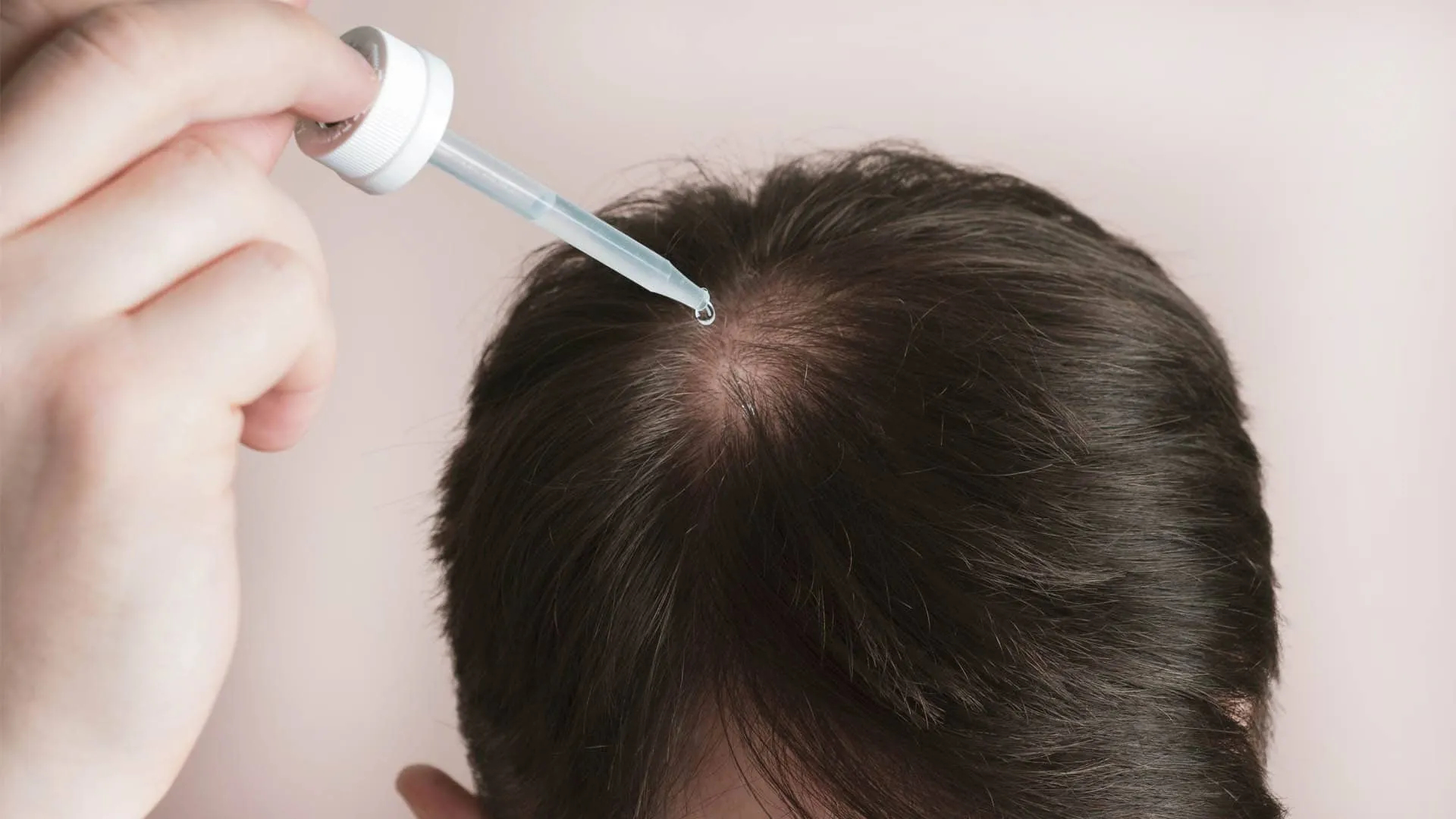
Topical minoxidil is the only FDA-approved option for women. Applied to the scalp, it stimulates hair growth and slows shedding. Many women see thicker hair after three to six months of use.
Doctors may also prescribe medicines to balance hormones. Since aloandrogenetic pecia is a common type of hair loss, some women benefit from anti-androgen drugs. Dr. Kopelman reviews each case before giving a prescription.
Natural remedies and lifestyle changes
Daily habits matter when treating hair loss. Eating enough protein, iron, and vitamins supports healthy follicles. Stress control through exercise or relaxation also helps, since stress contributes to hair loss. Using gentle shampoos and avoiding high heat reduces breakage.
Best treatments and products for female hair loss
Hair loss treatment for women can also include products that improve volume. Thickening shampoos, scalp serums, and items with caffeine or peptides may boost scalp blood flow. These are not cures, but they support medical treatments.
Vitamins for hair loss in menopause
Low levels of vitamin D, zinc, or biotin can weaken follicles. Testing helps find these gaps. Supplements may help when used with other treatments for hair loss.
Causes of Hair Loss in Women at Menopause
Hair loss happens for many reasons. In menopause, hormonal imbalance plays the biggest role.
Hormonal changes and estrogen levels
As estrogen and progesterone drop, the hair cycle changes. More hairs leave the growth phase, and follicles shrink. At the same time, androgens may act more strongly, which contributes to hair loss.
Female pattern hair loss explained
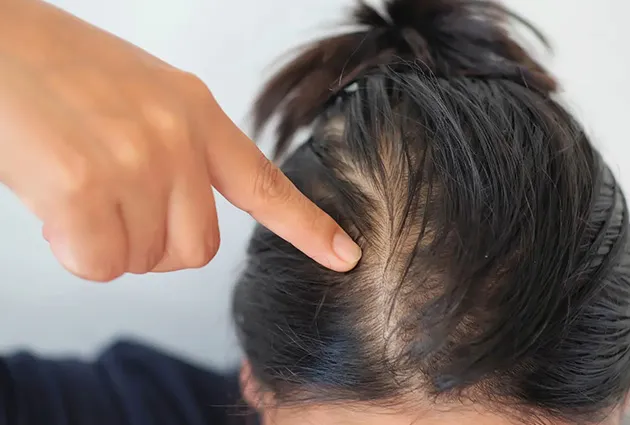
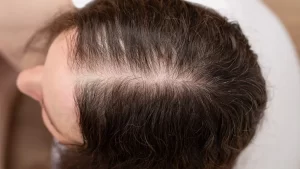
Female pattern hair loss, also called androgenetic alopecia, is the most common type in menopausal women. It shows as a wider part line or thinning on top. Complete baldness is rare in women, but loss of volume is common.
Can high estrogen cause hair loss?
Most menopause-related hair loss comes from low estrogen. But sudden changes, like those from hormone therapy, can trigger short-term shedding. This often improves once levels steady.
Treatment Options by Life Stage
Hair loss looks different in each stage of menopause. The right treatment depends on whether a woman is in perimenopause or postmenopause.
Perimenopause hair loss treatment
During perimenopause, hormones rise and fall. Shedding may start and stop. Early use of topical minoxidil, stress control, and healthy care can slow loss.
Postmenopausal hair loss treatment
After menopause, estrogen stays low. Hair loss may level off but not go away. Medical therapy, scalp care, and PRP can help with hair regrowth at this stage.
Risks and Other Medical Conditions
Not all thinning in midlife is due to menopause. Other types of hair loss, such as those caused by thyroid disease, anemia, or autoimmune issues, must be checked. Blood tests and exams help rule these out.
Every treatment also has risks. Topical minoxidil can cause scalp irritation or, in rare cases, facial hair. Hormone therapy may raise heart and clotting risks. High doses of supplements may also affect medicines.
Medical and Professional Care
Seeing a specialist ensures a clear diagnosis and safe care.
Prescription medications and hormone therapy
Spironolactone may block androgens and help slow the loss linked to androgenetic alopecia. Hormone therapy may support health in some women, but it is not given only for treating hair loss.
Does biotin help menopausal hair loss?
Biotin is popular, but only helps if levels are low. A test can show if there is a shortage. Taken in normal amounts, it is safe, but it cannot fix menopause hair loss on its own.
Safety, side effects, and when to seek professional help
All treatments should match a woman’s health history. Some cause side effects and need close follow-up.
Professional help is needed when:
- Shedding lasts over six months.
- Sudden bald patches appear.
- The scalp part looks wider.
- Home care brings no results.
Dr. Kopelman advises early visits to protect follicles and improve outcomes.
Surgical solutions, including hair transplants
For advanced loss, non-surgical care may not be enough. In these cases, hair transplants can move strong follicles from one area to thinning spots. This gives fuller coverage and can last for years when done by experts.
Emerging Treatments and Research
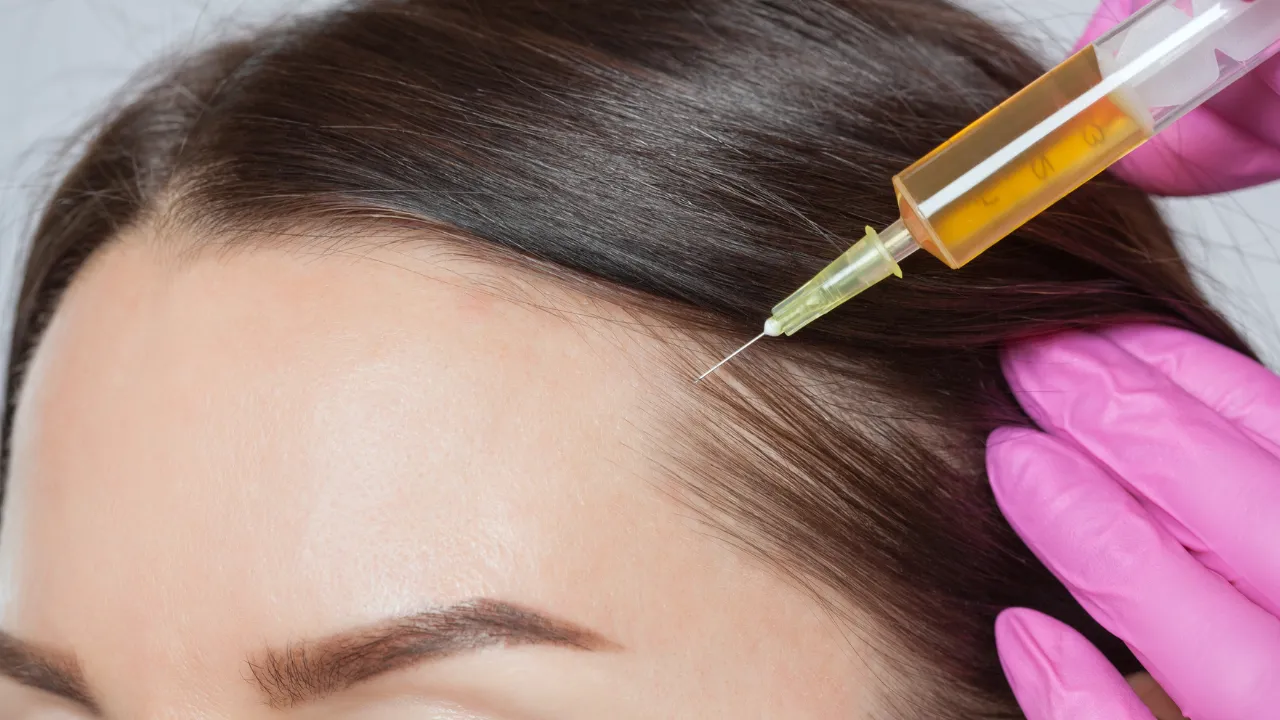
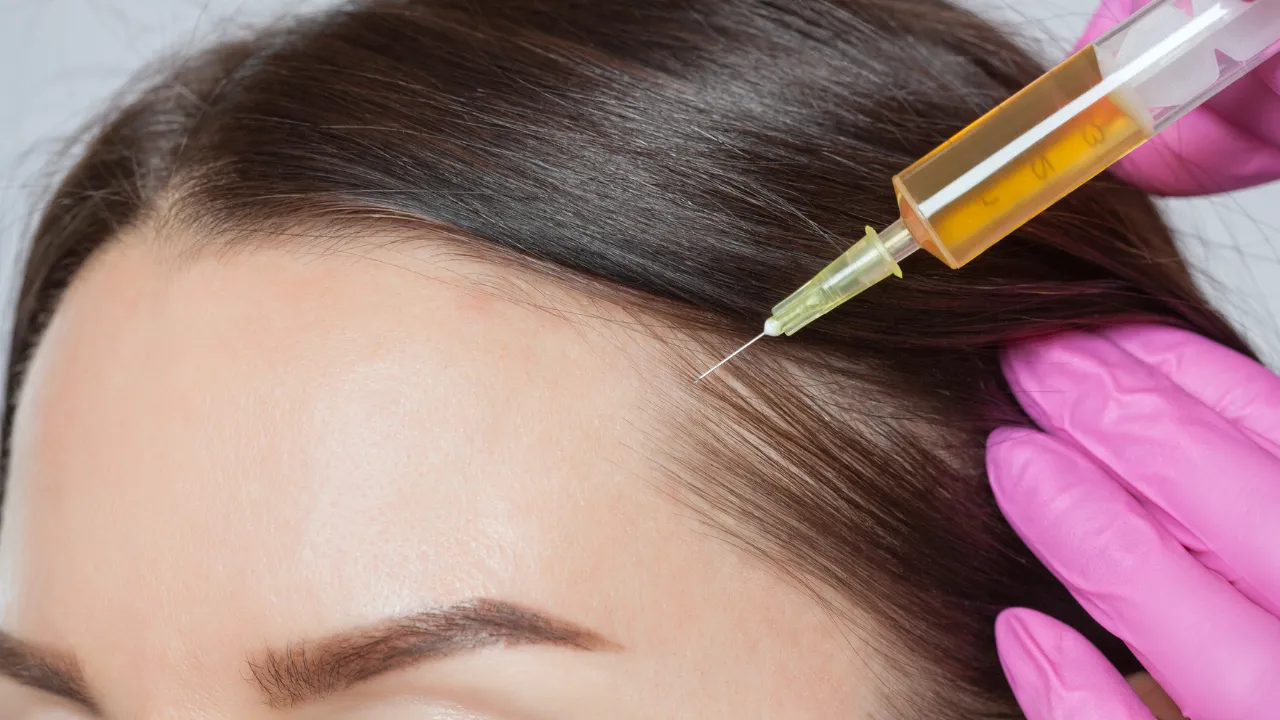
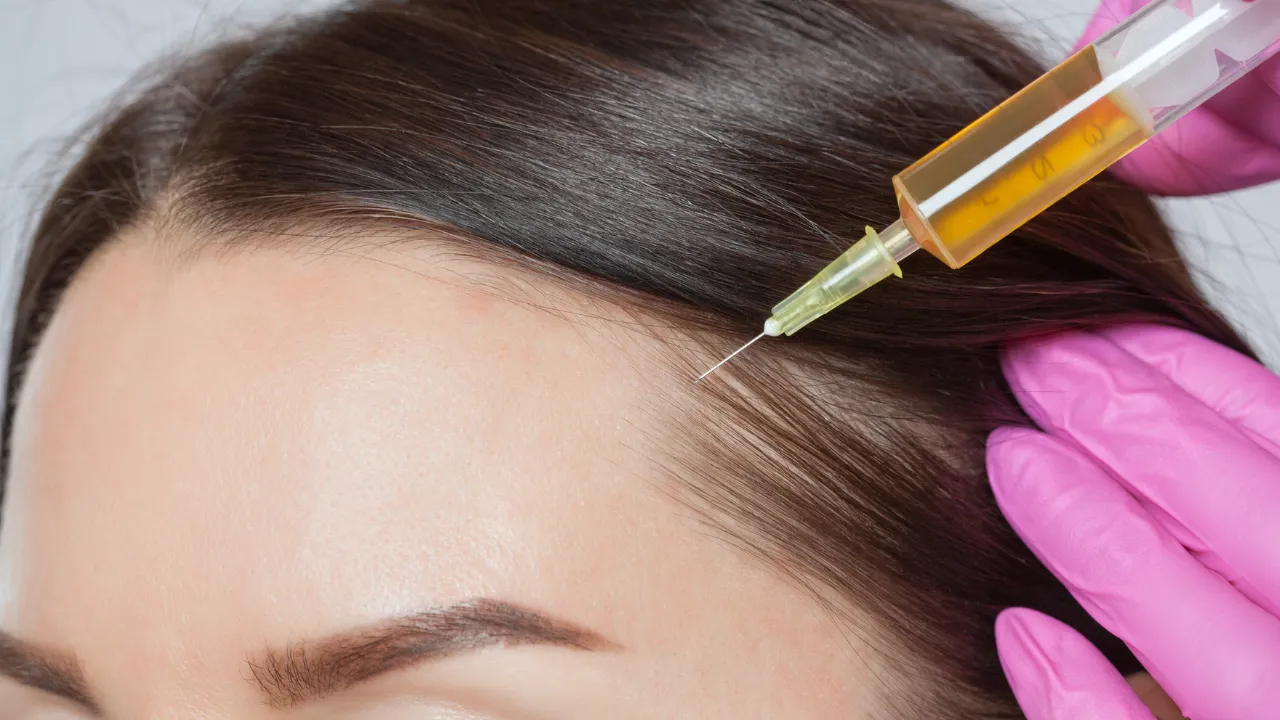
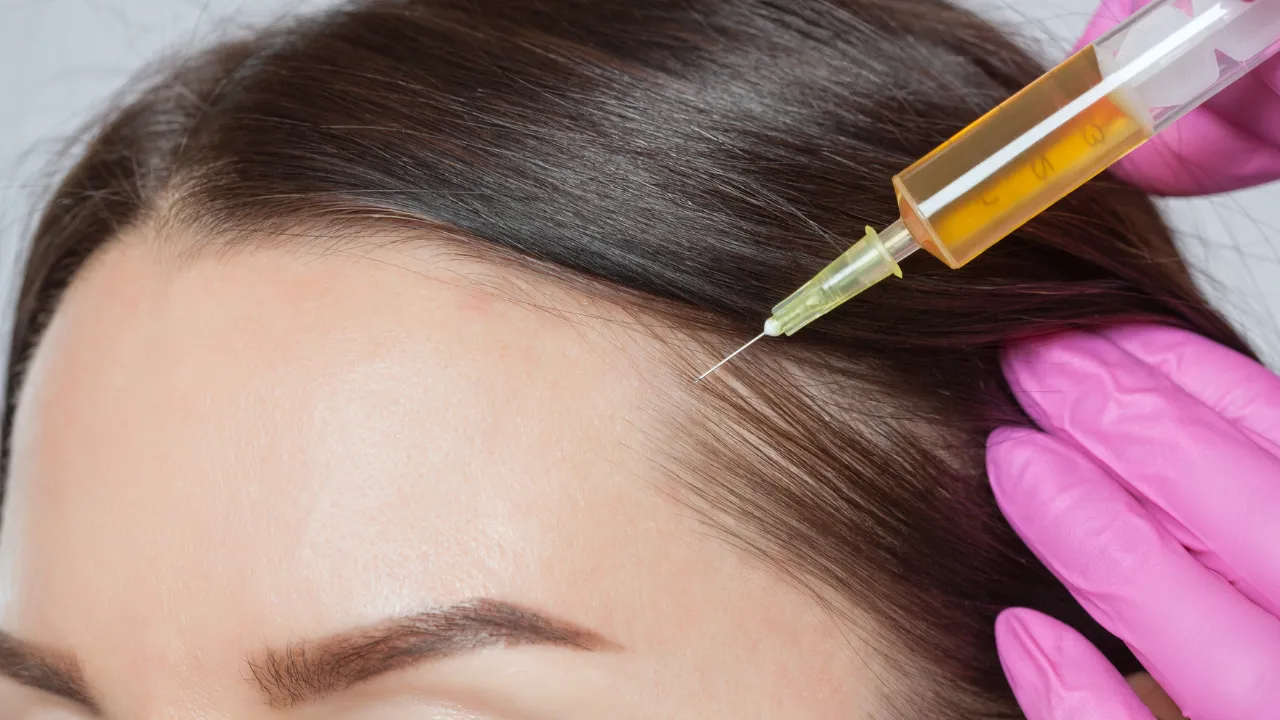
New options for treating hair loss are under study. Laser therapy (LLLT) uses light to stimulate hair growth. Platelet-rich plasma (PRP) therapy is another option, where growth factors from a patient’s blood are injected into the scalp to boost follicle activity.
Researchers are also testing stem-cell methods and new topical formulas. These may one day help improve hair regrowth in menopausal women.
Does Menopausal Hair Loss Grow Back?
Some hair loss can be managed, but full regrowth may not always happen. Topical minoxidil, PRP, and other therapies can improve thickness. Diet, stress control, and scalp care help protect results.
What to Expect During Treatment
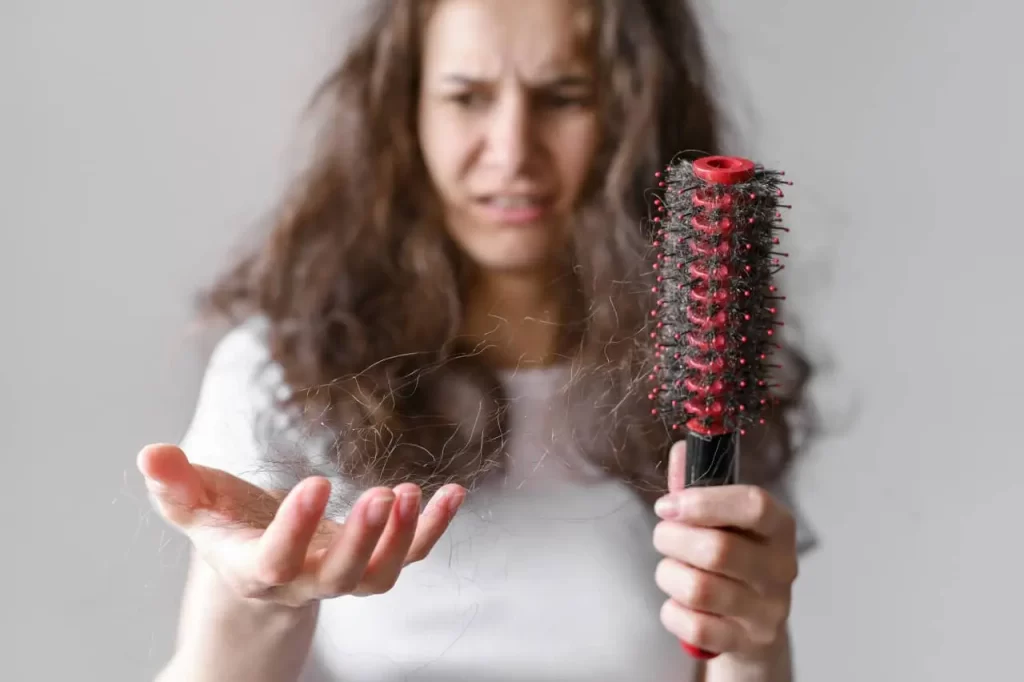
Many women first notice hair on their pillow, brush, or in the shower. These early signs often start in perimenopause, making quick care important.
Different treatments work at different speeds:
- Topical minoxidil takes three to six months to show results.
- Diet and vitamins work slowly, improving quality more than density.
- PRP may show quicker gains, but needs repeat sessions.
Treating hair loss takes patience. Sticking to the plan gives the best chance of success.
Long-Term Hair Health Strategies
Healthy hair needs daily care and long-term focus.
Scalp and hair care practices
Wash with gentle products, avoid high heat, and keep the scalp clean. Regular trims prevent breakage and give hair a thicker appearance.
Short-term vs long-term results
Each option has its own timeline. Minoxidil needs regular use, supplements act slowly, and PRP gives faster but repeat results. Long-term commitment is key.
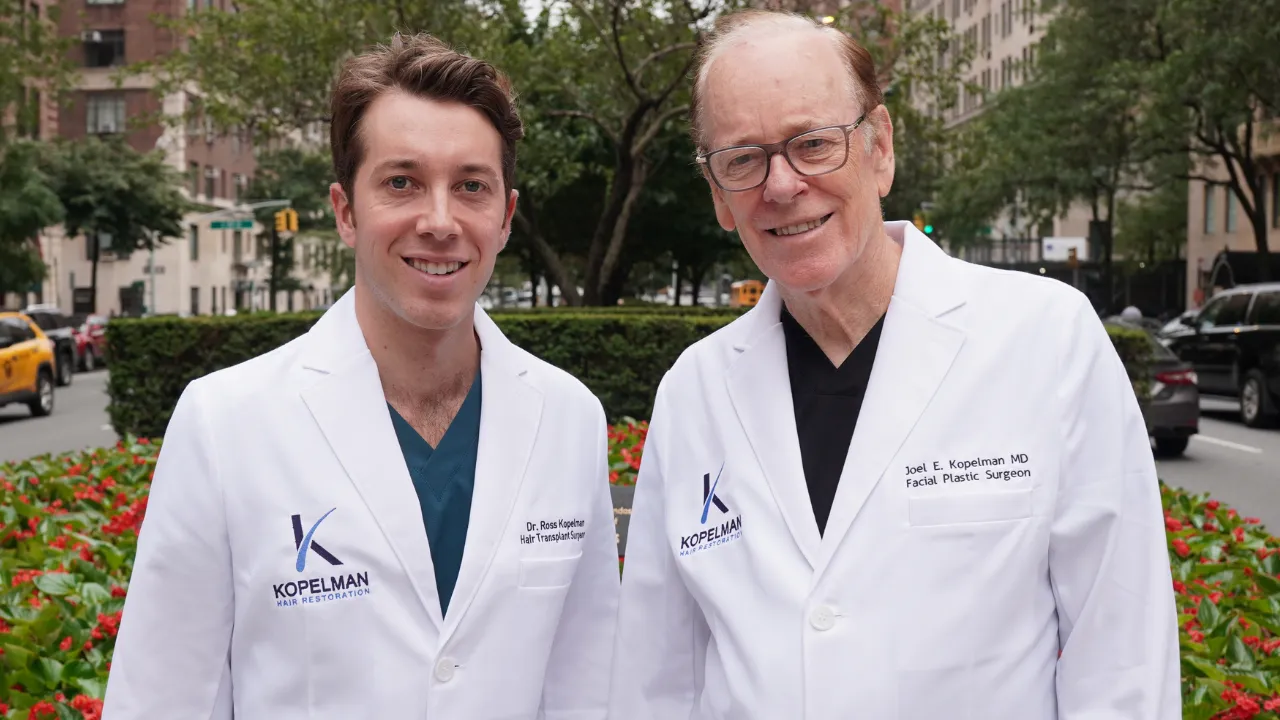
Effective menopause hair loss treatment involves a combination of medical care, healthy habits, and expert support. At Kopelman Hair, Dr. Kopelman and his team use decades of experience to help menopausal women keep healthy, strong hair.
If you are noticing thinning or want expert guidance, we invite you to schedule a consultation with Kopelman Hair. Our team will create a personalized plan to restore confidence and support lasting hair health.