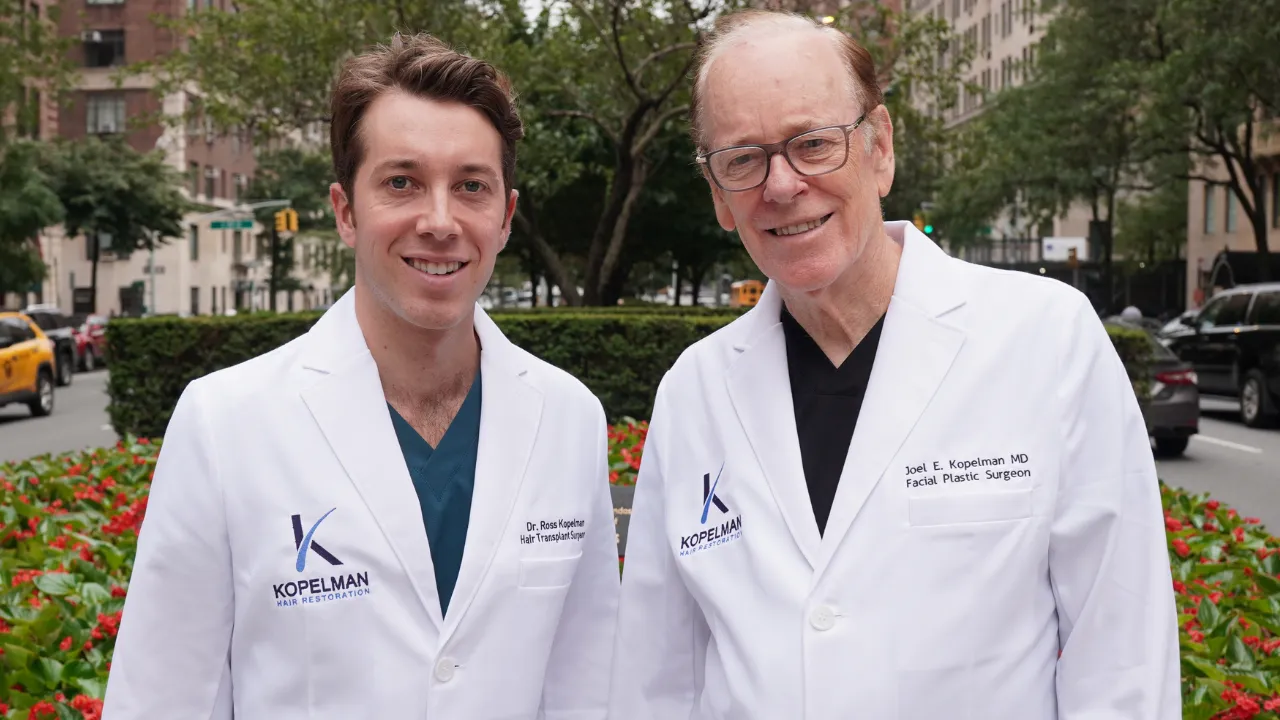


At Kopelman Hair, we offer advanced PRP treatment tailored to your needs. This guide will walk you through what to expect before, during, and after your session.
Understanding PRP Therapy
What Is Platelet-Rich Plasma?
So what is PRP treatment for hair? Platelet-rich plasma is a concentration of platelets drawn from a small sample of your own blood. These platelets contain growth-factor proteins that support cell healing and regeneration.
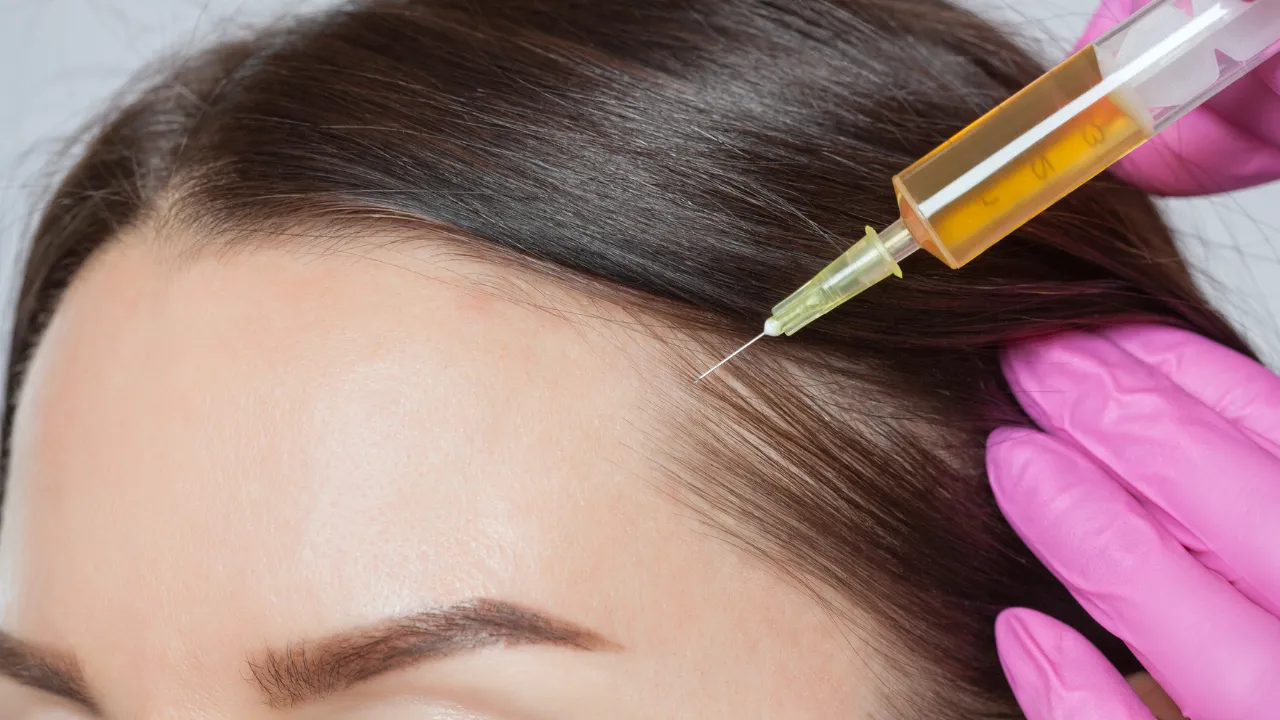
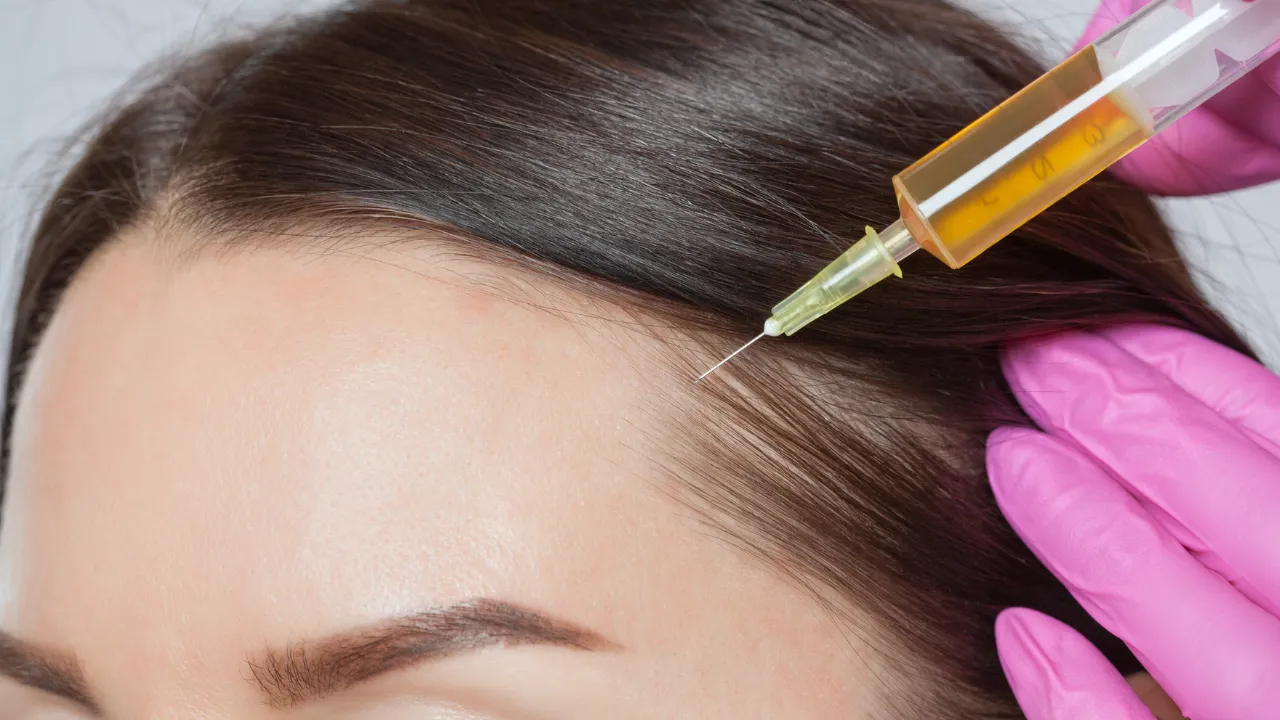
When injected into targeted areas of the scalp, PRP can stimulate the follicles and the surrounding tissue. Plasma itself is the liquid portion of blood that carries cells, hormones, and nutrients throughout the body.
How PRP Injections Work
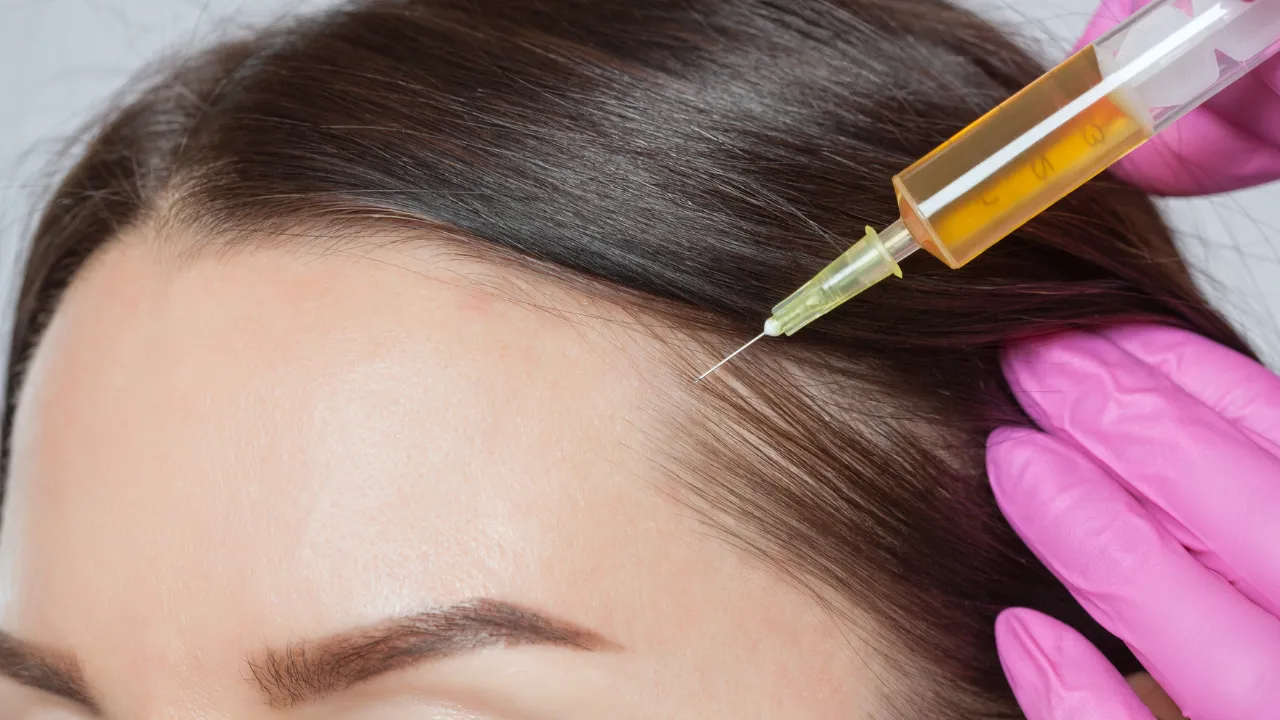
A PRP injection involves drawing a blood sample, separating the platelets by centrifugation, and reinjecting the concentrated plasma into the treatment area. Because PRP is autologous, meaning it comes from your own body, the risk of allergic reaction or complication is low.
The process typically takes under an hour and can be done in an outpatient setting. For hair loss, PRP is used off-label; the preparation devices are FDA-cleared, but the therapy is not FDA-approved specifically for hair, which is standard and legal for this type of treatment.
Common Uses in Hair, Skin, and Joints
PRP therapy is used in several areas of medicine and aesthetics:
- Hair: PRP for the scalp helps reactivate dormant follicles and improve thickness, especially for conditions like androgenetic alopecia.
- Skin: Applied via microneedling or injection to enhance skin tone and texture.
- Joints: Used in sports medicine and plastic surgery for pain relief and mobility in the knees, elbows, and shoulders.
PRP Procedure and Sensation
What Happens During the Injection
First, a small amount of your blood is drawn, usually from the arm. This is centrifuged to isolate platelet-rich plasma. The target area is then cleaned, and a fine needle is used to inject the PRP. The process is minimally invasive, and you can resume normal activities the same day.
What Does PRP Feel Like—Is It Painful?
So how painful is PRP for hair once you are in the chair? Most patients describe the injections as mildly uncomfortable rather than truly painful.
You may feel brief pressure or a stinging sensation, especially in sensitive spots like the hairline or face. At Kopelman Hair, we use numbing and pacing techniques to keep each session smooth.
Is It Painful Without Anesthesia?
PRP can be done with or without numbing agents. For sensitive areas, like the scalp or face, a topical anesthetic may be applied. In joints, the pain is often comparable to a standard injection.
While not entirely pain-free, the sensation is manageable and brief, even over multiple sessions, for those who ask, “Is PRP painful for hair?”
What Affects How Much PRP Hurts
Comfort during PRP varies more than most people expect, and a lot of it comes down to who is holding the needle.
Patient experiences range from barely noticeable to genuinely uncomfortable, and the difference usually traces back to technique, numbing, and the area being treated. The table below breaks down the main factors and what helps with each.
| Factor | Why It Affects Comfort | What Helps |
|---|---|---|
| Injector skill and technique | Steady, evenly paced injections hurt far less than rushed ones, so comfort varies widely between providers. | Choose an experienced, specialized injector. |
| Numbing method | Topical anesthetic or a cooling device dulls the sharpest part of the sensation. | Ask about numbing cream, ice, or a chilling device beforehand. |
| Needle depth and gauge | Finer needles placed just under the skin cause less discomfort than deeper sticks. | Small-gauge needles and shallow scalp placement. |
| Treatment area | The hairline and other nerve-dense zones feel sharper than the crown. | Extra numbing focused on sensitive areas. |
| Individual pain threshold | Sensitivity differs from person to person, and even from one session to the next. | Share concerns so the plan can be adjusted in real time. |
| Hydration before the blood draw | Being well hydrated makes the initial blood draw quicker and smoother. | Drink water in the hours before your appointment. |
This is why choosing an experienced, specialized injector matters as much as any single comfort trick. A steady hand and the right numbing plan can turn a sharp session into a very tolerable one.
Pain by Area Treated
Pain levels vary depending on where the injections are placed, since some regions have more nerve endings than others. The summary below shows the typical sensation and approximate pain level by area.
| Treatment Area | Typical Sensation | Approx. Pain Level (0–10) | Comfort Measures |
|---|---|---|---|
| Scalp and hairline | Sharp pinch or tingling with brief pressure; hairline is the tenderest spot. | 3–5 | Topical numbing, cooling device, small-gauge needle. |
| Face (with microneedling) | Light prickling, similar to a mild sunburn. | 2–4 | Numbing cream, gentle technique. |
| Joints (knee, shoulder, elbow) | Deep pressure as the plasma enters the joint space. | 2–4 | Local anesthetic, experienced injector. |
Scalp and Hair: Is PRP Painful?
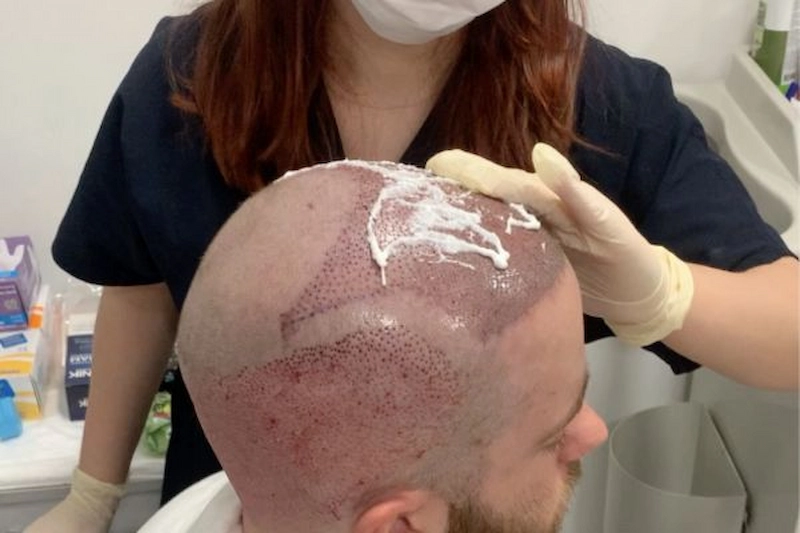
While PRP offers a non-surgical option for thinning hair, some patients also ask, are hair transplants painful when weighing surgical alternatives. The scalp is more sensitive due to the density of nerve endings, and the hairline is often the tenderest area.
Some patients report a sharp or tingling sensation during scalp PRP, which leads many to wonder: does PRP hair treatment hurt during the first session? Using a cooling device or numbing cream can reduce discomfort.
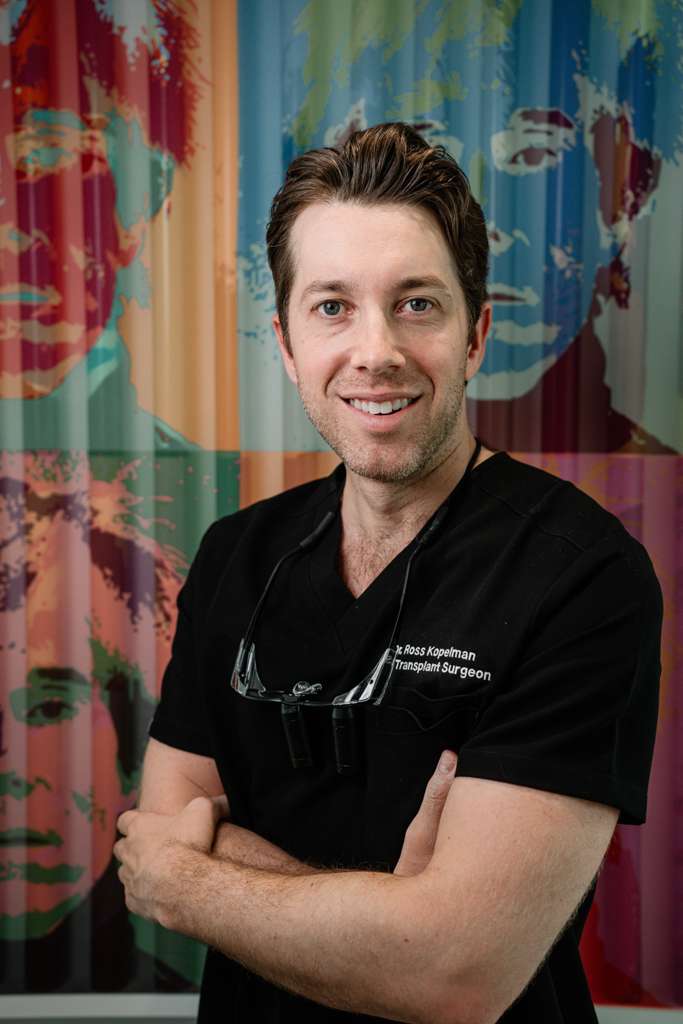
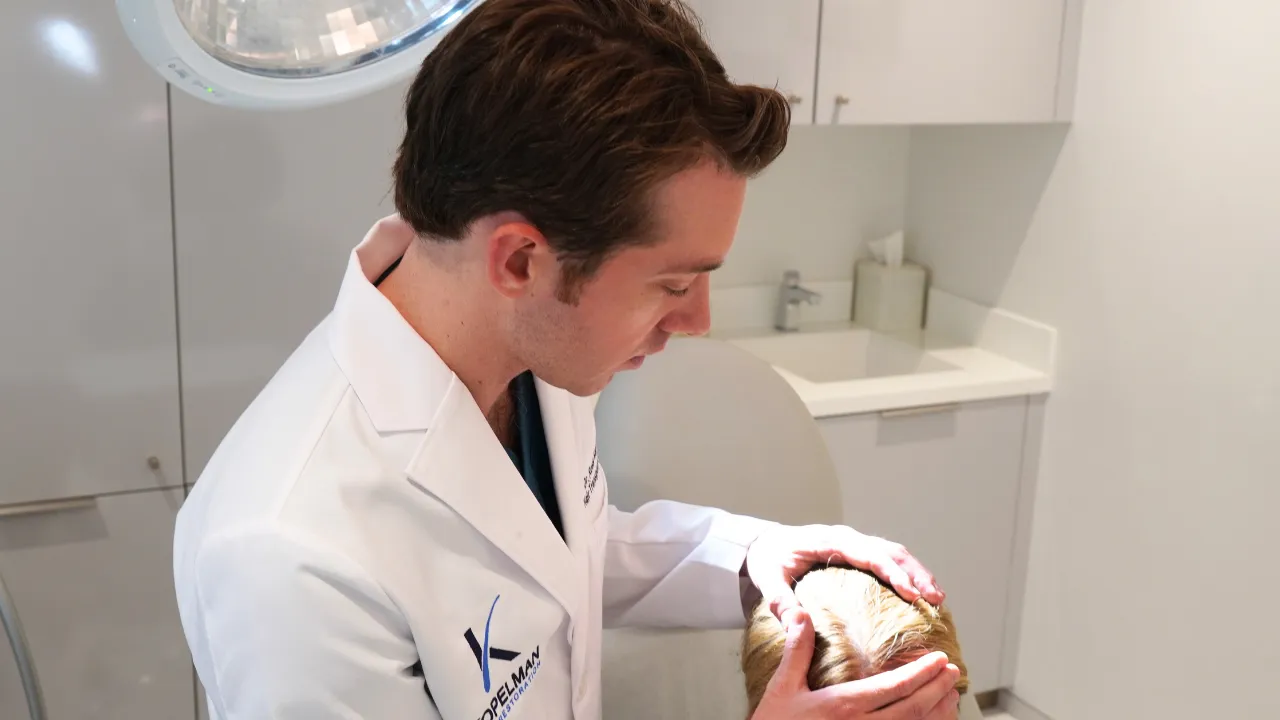
Dr. Kopelman often maps out a pre-treatment plan to ease anxiety, especially for patients who want to know exactly what to expect.
Face: Is PRP Painful on the Skin?
Facial PRP, often combined with microneedling, causes a slight prickling feeling. It is similar to a sunburn or light scratching. Most patients tolerate it well, and any redness or swelling usually resolves within 24 to 48 hours.
Joints: Knee, Shoulder, Elbow Pain Levels
Joint injections may feel deeper but are often less painful than expected. You might feel momentary pressure as the PRP enters the joint space. Pain levels vary depending on inflammation in the area, but most patients describe it as tolerable.
PRP is sometimes used for conditions like tennis elbow or other sports injuries, offering an anti-inflammatory effect that promotes healing without medication.
PRP for Hair: Results and Regrowth
What to Expect from PRP for Hair
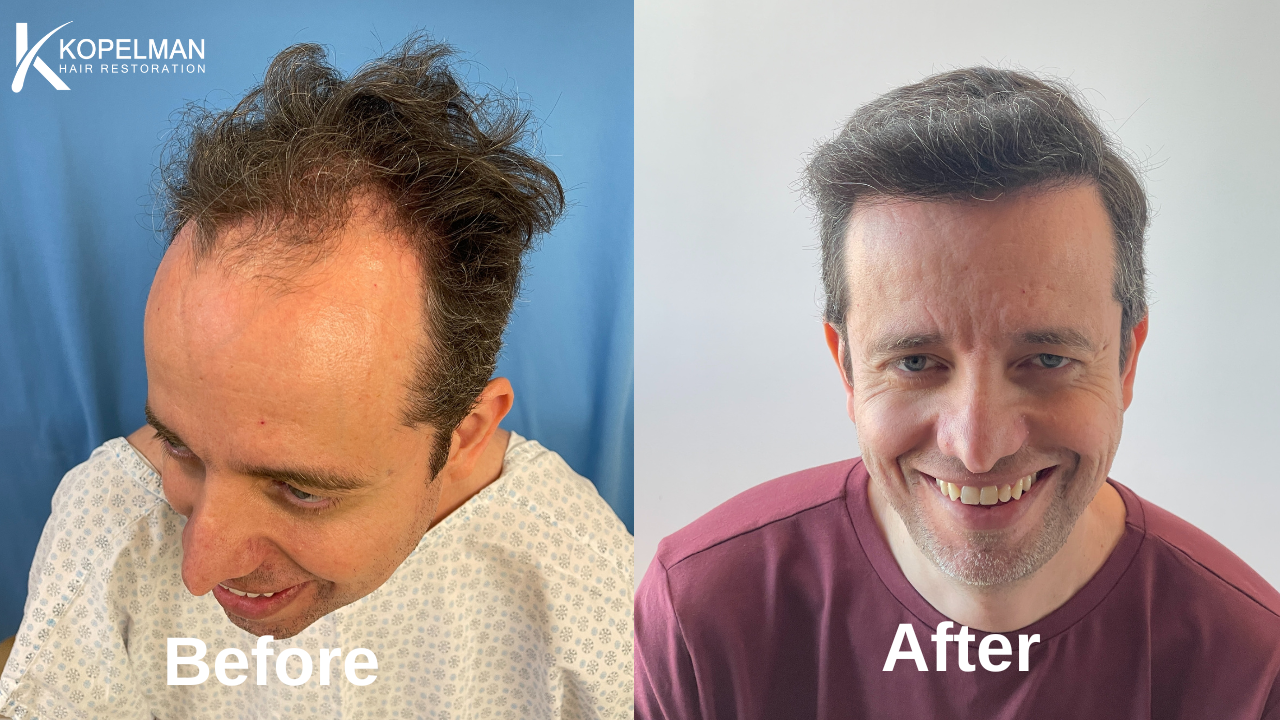
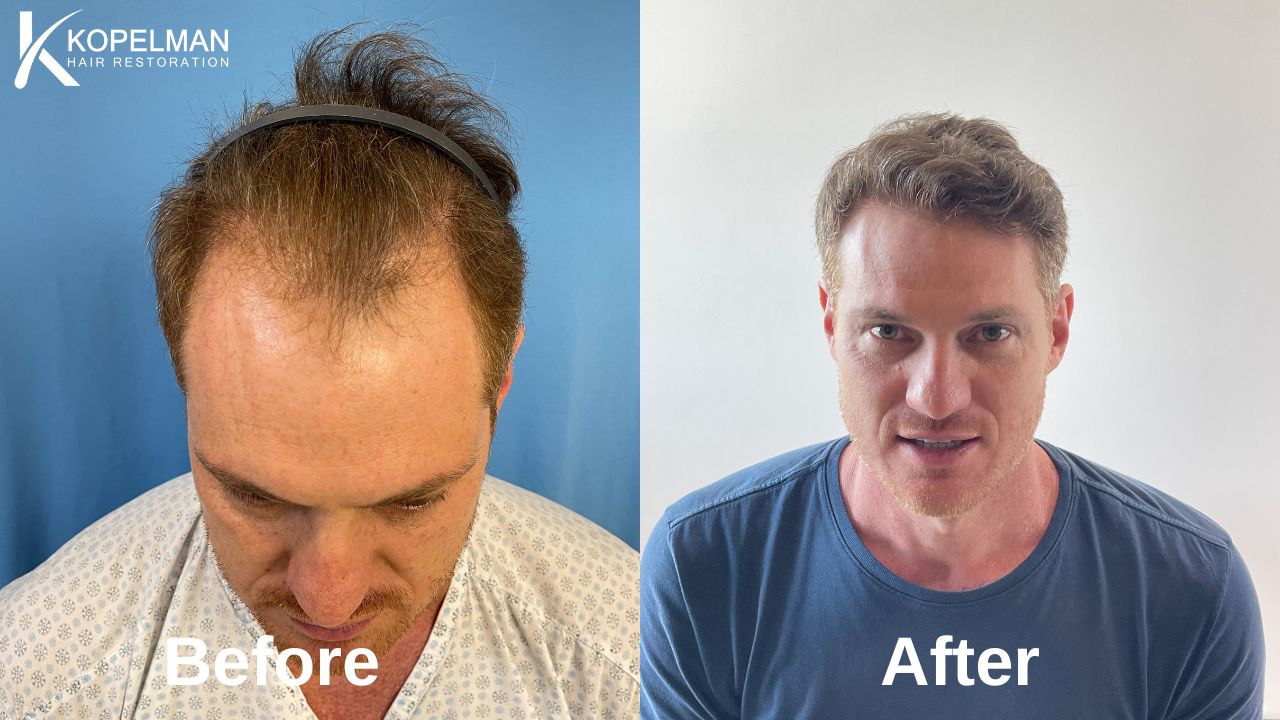
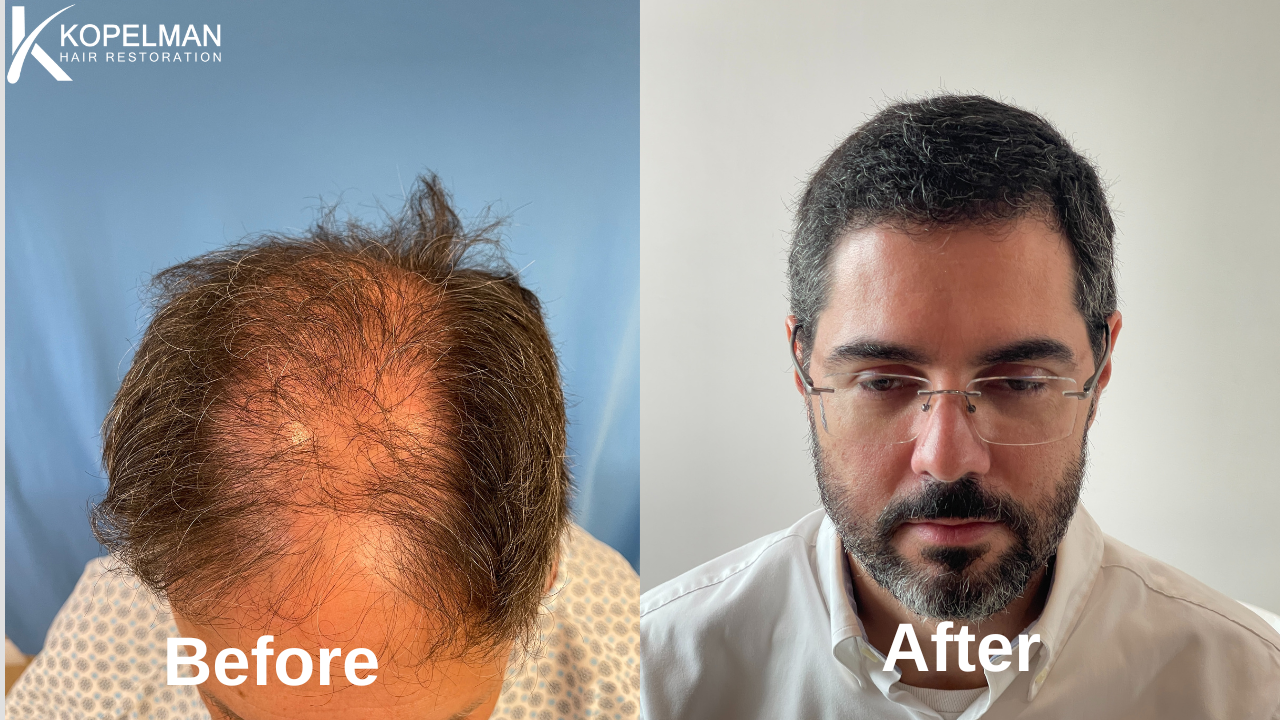
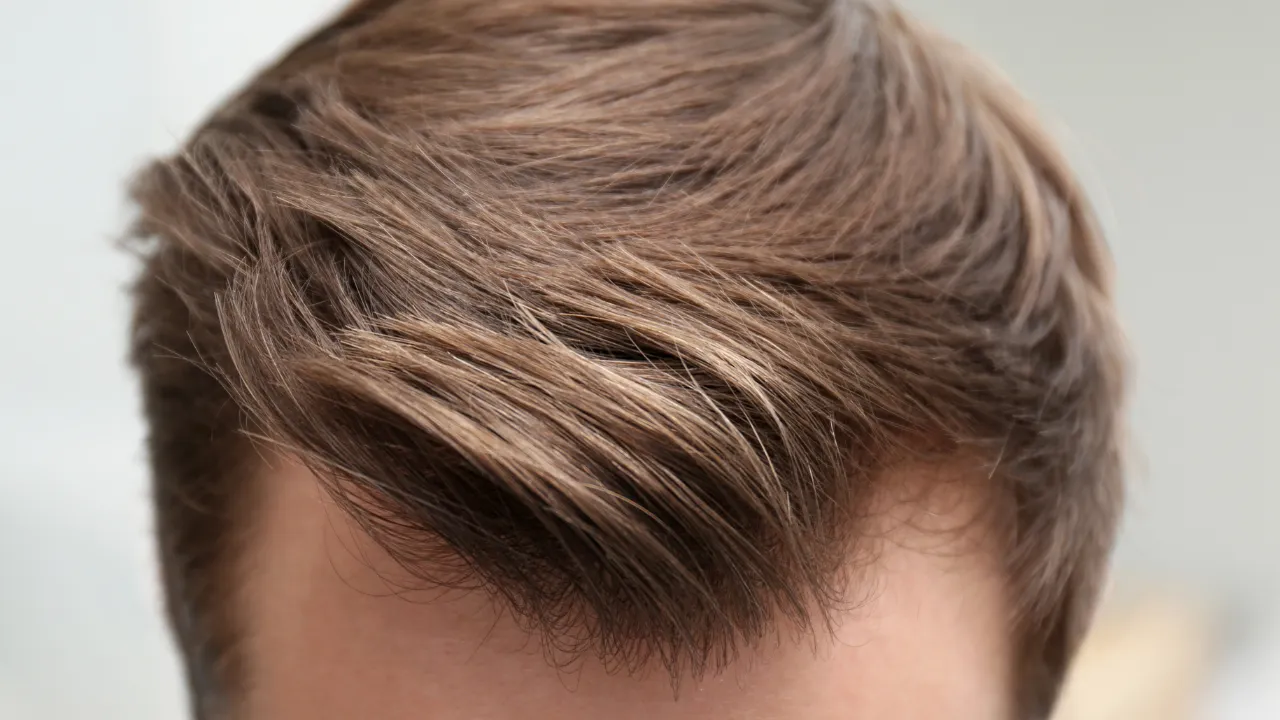
PRP for hair is a multi-session treatment. After your first visit, shedding may decrease, and you could see signs of regrowth within 2 to 3 months. Each session builds on the last, and pooled clinical data show measurable gains in hair density after a full course of injections.
For visual results and treatment timelines, view our PRP before-and-after gallery featuring real patient outcomes.
How Long Do Results Last?
Results from PRP therapy vary by individual. Most patients enjoy visible improvements for 6 to 12 months, especially with proper maintenance. Follow-up treatments every 4 to 6 months can help sustain results.
Real-World Benefits for Patients
Patients often report boosted confidence, improved self-image, and relief from chronic discomfort. PRP therapy appeals to those looking for a natural, surgery-free solution. At Kopelman Hair, we tailor each plan to the patient’s specific goals and biology.
If you’re ready to compare clinics and understand what results look like, visit our full guide on PRP hair treatment near me.
Cost, Recovery, and Side Effects
How Much Does PRP Treatment Cost?
PRP treatment costs can vary depending on the area treated and the number of sessions needed. On average, a session costs $500 to $1,500. At Kopelman Hair, we provide transparent pricing and custom plans based on your needs.
Recovery Time After PRP Injections
Recovery is minimal for most patients. Mild swelling or redness at the injection site may occur, but it usually fades within a day or two. You can typically return to normal activities immediately after treatment.
Some individuals may notice pain at the injection site, but this is temporary and manageable.
Common Risks and How to Manage Them
Side effects are rare but may include:
- Minor swelling or bruising
- Temporary soreness
- Mild inflammation
Using ice packs and avoiding strenuous activity right after the procedure can reduce these symptoms. Always follow post-care instructions provided by your specialist. The healing process begins shortly after injection, supporting tissue repair and wound healing in the treated area.
Frequently Asked Questions About PRP
Is hair PRP painful?
For most people, no more than a mild pinch and some pressure; numbing keeps it easily tolerable, and any soreness fades within a day or two.
Is PRP safe?
How many sessions will I need? Most people benefit from 3 to 4 sessions spaced one month apart, which aligns with dermatology guidance for 3 to 5 initial sessions.
Who is a good candidate?
Individuals in overall good health looking for natural healing options.
Interested in exploring other non-surgical treatments?
Discover how mesotherapy compares to PRP in terms of comfort, results, and recovery.
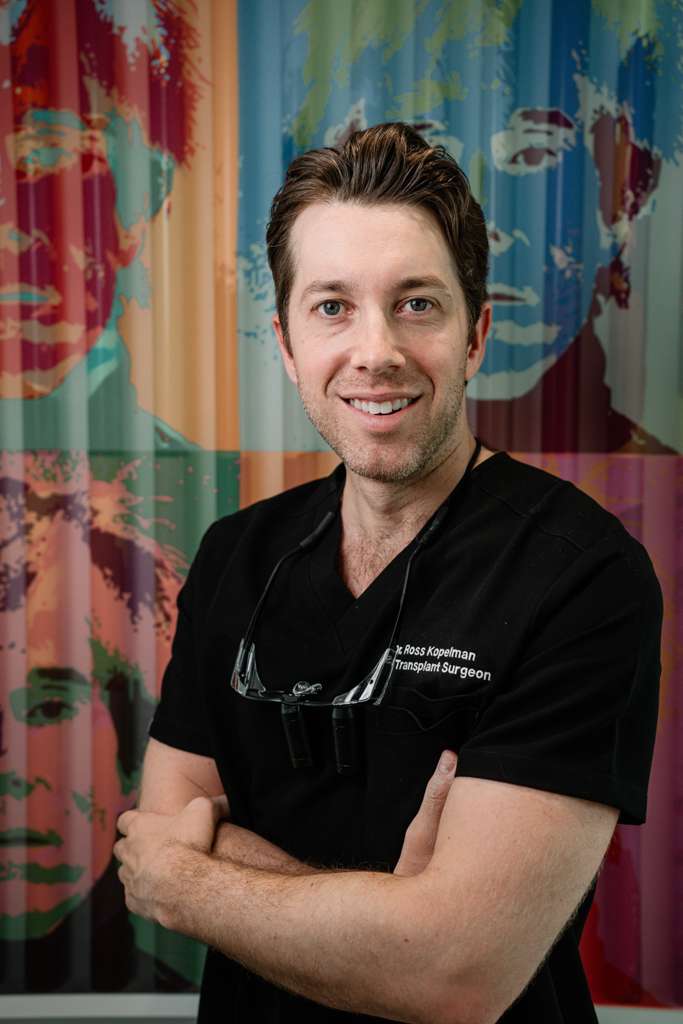
At Kopelman Hair, Dr. Kopelman brings decades of expertise to every PRP procedure. Whether you’re considering treatment for hair, skin, or joint health, you’re in experienced hands.
We’re here to ensure your comfort, confidence, and results at every step of the way. Schedule a personalized consultation today.