
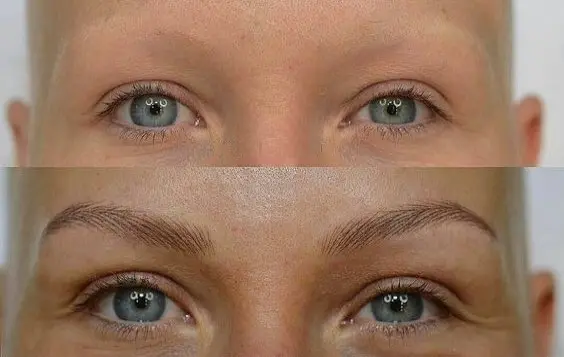
Microblading for alopecia can work as a cosmetic solution, but it does not restore natural hair growth. It creates the appearance of fuller eyebrows by depositing pigment into the skin, which can improve symmetry and definition.
Results vary based on skin type, existing brow hair, and the type of alopecia involved.
Patients with some remaining hair often see more natural results, while those with complete hair loss may notice limitations.
For many, it offers a short-term improvement, but long-term solutions such as eyebrow hair transplant provide more natural and lasting outcomes.
Key Takeaways
- Microblading for alopecia creates the appearance of fuller eyebrows, but it does not restore natural hair growth or affect hair follicles.
- Results depend on skin type, existing brow hair, and the type of alopecia, with more natural outcomes when some hair is present.
- Patients with complete hair loss may see less realistic results, since microblading relies entirely on pigment rather than natural brow hairs.
- While microblading offers a short-term cosmetic solution, long-term options like eyebrow hair transplant provide natural hair growth and more lasting results.
Can You Get Microblading if You Have Alopecia?
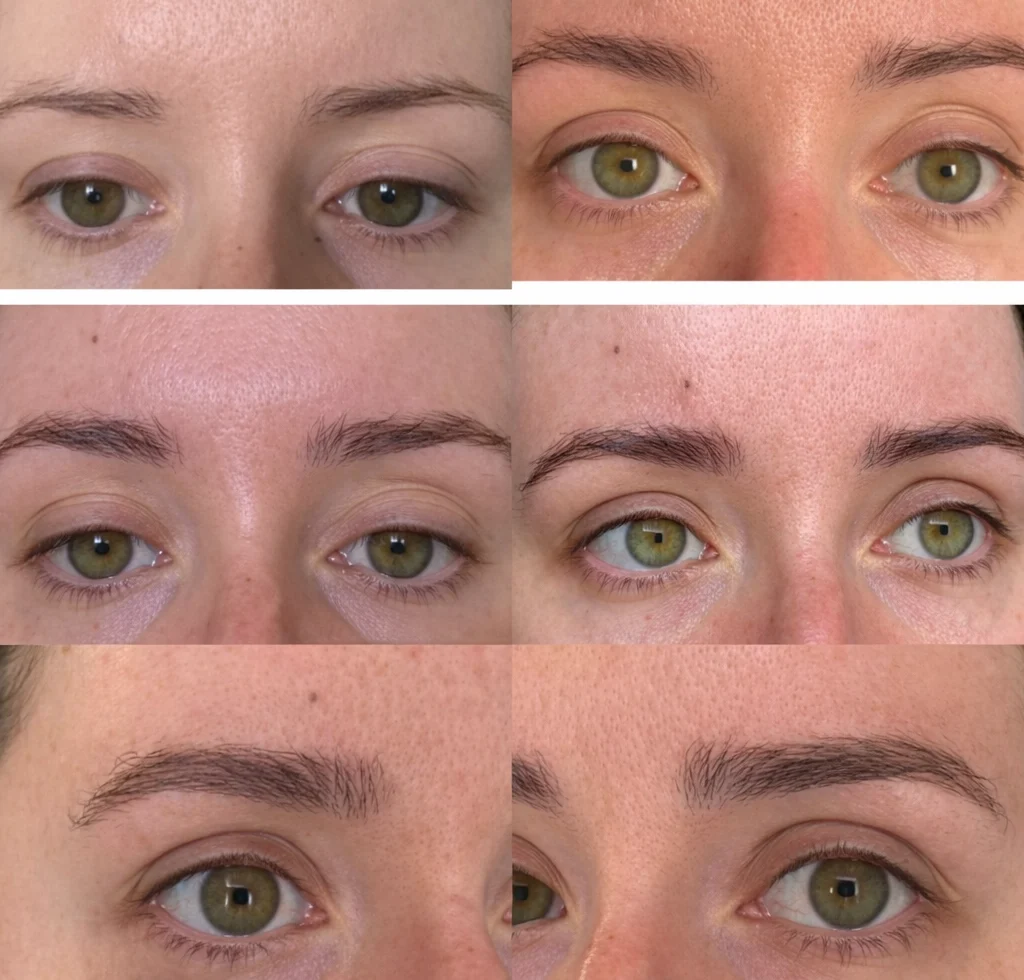
Microblading can work for some patients with alopecia, but not all qualify. The condition affects hair follicles differently depending on the type and severity. A proper evaluation determines if the skin can hold pigment safely.
Who Is a Good Candidate
Patients with stable conditions and some brow hair usually see better results. Those with alopecia areata and patchy hair respond well. Healthy skin improves pigment retention.
This is especially true in milder cases similar to alopecia eyebrows, where partial hair remains.
When It Is Not Recommended
Microblading may not suit cases of complete hair loss or active sensitivity. Alopecia universalis often lacks natural brow hairs for realistic results. Some cancer patients need medical clearance first.
Patients with more advanced or widespread conditions such as alopecia areata universalis may need to consider alternative approaches.
Does Microblading Work for Alopecia?
Microblading for alopecia creates the look of fuller eyebrows but does not restore natural hair growth. Results depend on skin type, pigment retention, and existing eyebrow hair. It works as a cosmetic solution, not a medical treatment.
Microblading for No Eyebrows Results
Microblading for no eyebrows can still create visible results, but they may look less natural without existing brow hair. The outcome relies fully on pigment strokes. Expectations should stay realistic.
When Results Look Natural
Results look more natural when some natural brow hairs remain. Matching skin tone and stroke direction helps mimic real hair. Subtle density improves the outcome.
Limitations with No Eyebrows
Microblading with no eyebrows shows clear limits. Without hair follicles, there is no texture, only visual effect. This can reduce realism.
When Results Fall Short
Results may fade unevenly or blur over time. Loss due to immune system activity can affect consistency. Touch-ups are required to maintain results.
How Microblading Works on Brow Loss
Microblading is a form of permanent makeup that places pigment in the skin. It does not affect hair growth or hair follicles. The goal is to simulate natural brow hairs.
How Pigment Mimics Hair
Fine strokes follow natural hair patterns. This creates the look of eyebrow hair even in areas of brow loss. Color choice supports realistic results.
How Long Results Last
Results last about 12 to 18 months. Fading happens as pigment breaks down. Maintenance sessions help preserve the look.
Alopecia Types and Expected Results
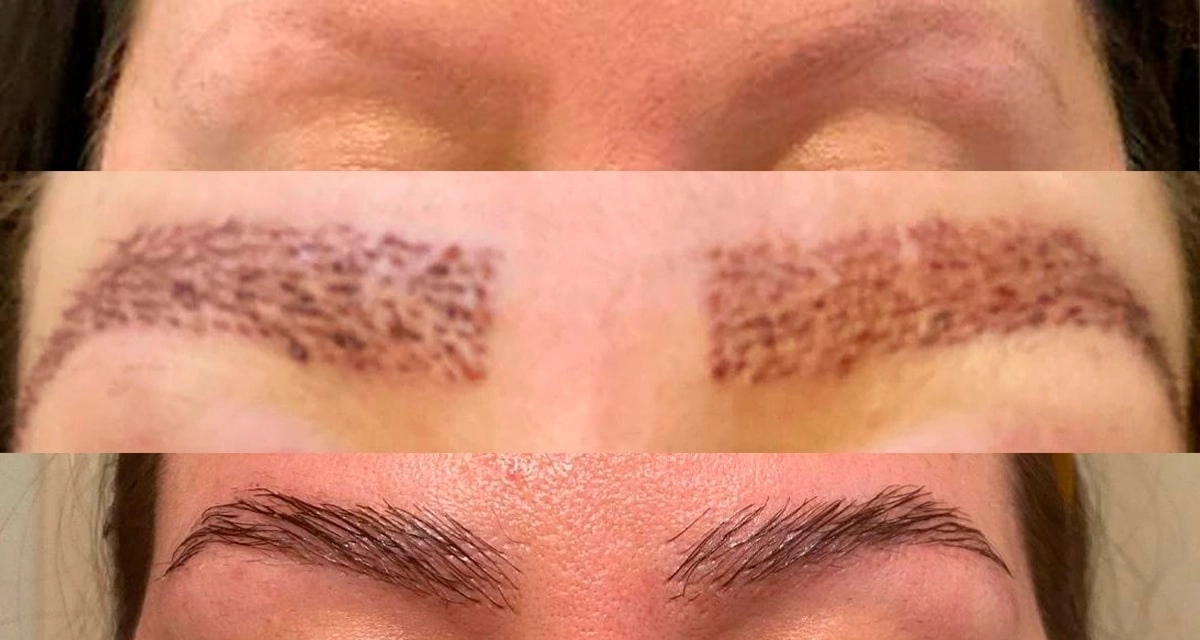
Different types of alopecia affect results in different ways. Understanding the condition helps set expectations for alopecia and microblading.
Alopecia Areata
Alopecia areata causes patchy hair loss, allowing blending with existing brow hair. This improves the natural look. Results are often better in these cases.
You can better understand this condition in types of alopecia.
Alopecia Universalis
Alopecia universalis leads to complete hair loss, including eyebrow hair. Microblading relies fully on pigment, which may reduce realism. Careful design is needed.
Scarring Alopecia
Scarring changes skin texture and affects pigment retention. Results vary based on skin condition. Evaluation is required before treatment.
How People with Alopecia Replace Eyebrows
Patients use different methods to improve eyebrow appearance. Options range from temporary solutions to long-term treatments.
Temporary Cosmetic Options
Common options include:
- Makeup products
- Microblading or permanent makeup
- Brow styling tools
These require ongoing maintenance.
Long-Term Restoration Options
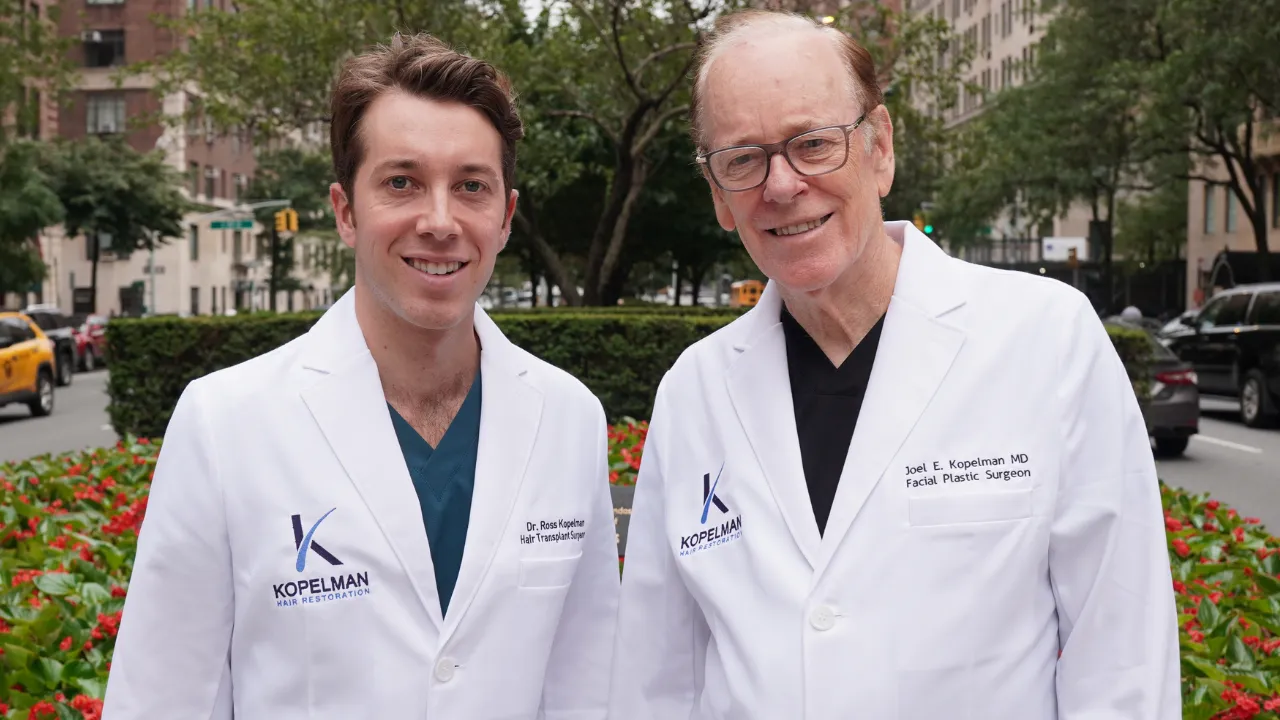
Eyebrow hair transplant restores natural hair using healthy follicles. This creates natural brow hairs with lasting results. Dr. Kopelman often recommends this option for permanence.
For patients looking for a permanent solution, procedures like eyebrow transplant cost are often considered as part of planning.
Pros and Cons of Microblading
Microblading offers visual improvement but has clear limits. Understanding both helps guide decisions.
Visual Benefits
- Improves brow shape
- Enhances appearance of brow loss
- Offers a fast cosmetic change
Key Drawbacks
- Does not restore natural hair
- Requires touch-ups
- Results vary by skin type
Is Microblading Safe for Alopecia?
Many patients ask if microblading safe procedures apply to medical hair loss. Safety depends on skin condition and health.
Skin Sensitivity
Sensitive skin may react to pigment. Healing time can vary. Proper care reduces risks.
Medical Considerations
Patients with immune system conditions should consult a specialist. Timing matters for recovery. Evaluation helps ensure safety.
Microblading vs Eyebrow Hair Transplant
This comparison helps patients choose between temporary and lasting results. Each option serves different needs.
Temporary vs Permanent Results
Microblading provides temporary results that fade. Transplants restore natural hair growth. The choice depends on goals.
Which Option Looks More Natural
Hair transplant looks more natural because it uses real hair. Microblading creates a visual effect only. Many patients prefer real hair results.
Cost and Maintenance
Cost depends on provider and complexity. Maintenance affects long-term results.
Microblading Hairline Cost
Pricing varies by design and provider. Some clinics offer similar techniques for hairlines. Costs increase with detail.
Touch-Ups and Longevity
Touch-ups are needed every 12 to 18 months. Fading depends on skin tone and lifestyle. Regular sessions maintain results.
Is Microblading Worth It?
Microblading for alopecia improves appearance but remains temporary. Patients seeking lasting results should consider restoring natural hair. The best choice depends on goals and condition type.