
Trichotillomania of the eyebrows is a condition. It involves repeated hair pulling that causes visible hair loss. It is often linked to stress, habits, or emotional triggers. It is part of a hair pulling disorder linked to body focused repetitive behaviors, where people feel an urge they find hard to control.
Treatment focuses on therapy methods like cognitive behavioral therapy (CBT). These methods use habit techniques to help stop hair pulling. They also reduce repeated pulling.
In many cases, eyebrows can grow back if the hair roots are not damaged. Though long term pulling may limit regrowth, some patients explore options like eyebrow hair transplant when natural regrowth is no longer possible.
When regrowth does not occur, medical evaluation and restoration options can help improve appearance.
Key Takeaways
- Trichotillomania eyebrows is a hair pulling disorder linked to stress, habits, and emotional triggers that can lead to visible hair loss and bald patches.
- Early symptoms include repeated pulling, tension before the behavior, and uneven eyebrow thinning, which can worsen without treatment.
- Effective treatment combines cognitive behavioral therapy CBT, habit reversal techniques, and daily strategies to stop hair pulling and reduce triggers.
- Eyebrows can grow back if the hair roots are not damaged, but long term repeated pulling may require medical evaluation and possible restoration options.
What is trichotillomania on eyebrows
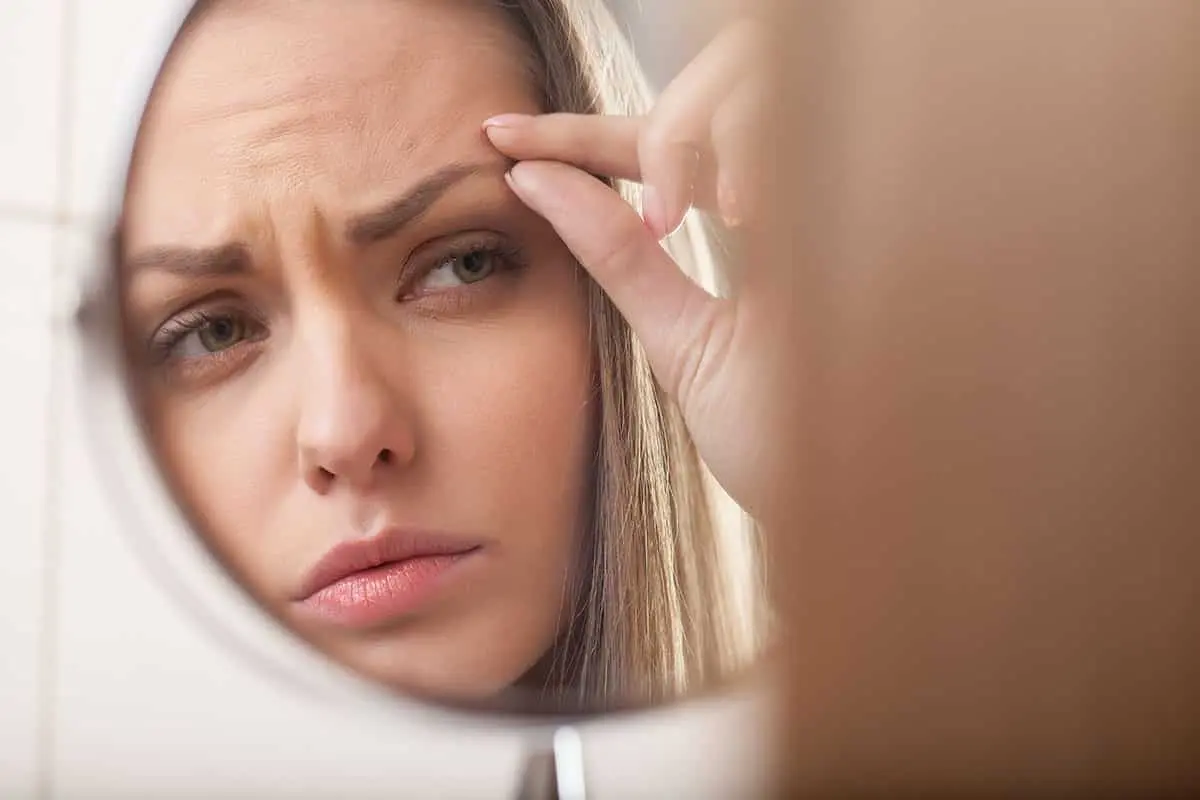
Hair pulling disorder explained
Trichotillomania eyebrows is a hair pulling disorder where a person pulls out eyebrow hair again and again. It is part of body focused repetitive behaviors, along with skin picking and nail biting.
It is a mental health condition that affects control over urges. Many people with trichotillomania feel a strong urge before they pull.
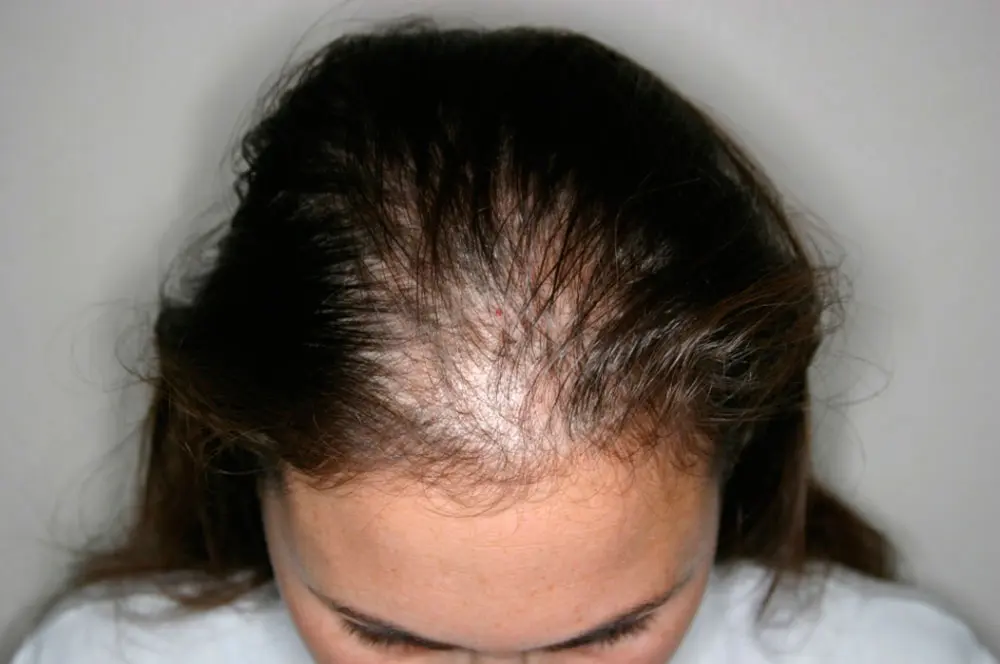
This can lead to hair loss and uneven brows. Some people know when they pull, while others do it without thinking. Over time, repeated pulling can leave bald patches or thin areas. This can affect both appearance and confidence.
In some cases, the pattern of loss may resemble conditions like hair thinning on one side, which can also create uneven density.
Is trichotillomania ADHD or OCD
Trichotillomania is often linked to obsessive compulsive disorder ocd, but it is not the same. Both involve repeated actions and urges, but this condition is more about habits.
A doctor looks at behavior, triggers, and patterns to make a diagnosis. A clear diagnosis helps guide proper treatment and better long term results.
Symptoms and diagnosis
Trichotillomania symptoms on eyebrows
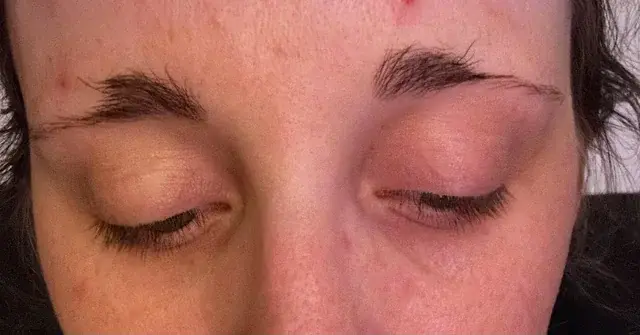
The symptoms of trichotillomania often include repeated pulling from the same spot. This creates bald patches or uneven brows. Many people feel an increasing sense of tension before pulling and relief after.
Common signs include:
- Missing sections in the eyebrows
- Uneven shape or thinning
- Frequent touching of the area
- Pulling in the same spot
Some people also pull out their hair from the scalp or lashes. In rare cases, swallowed hair can affect the digestive tract. Early signs should not be ignored.
Pulling out eyebrows with fingers
Many people report pulling out eyebrows with fingers during stress or boredom. It can happen while working or resting. The action can become automatic and hard to control.
Some people only notice once hair loss appears. This makes awareness important. Tracking when it happens can help reduce repeated pulling.
How trichotillomania is diagnosed
Doctors diagnose trichotillomania by reviewing behavior and symptoms. There is no single test. They look at patterns and rule out other causes of hair loss.
In some cases, doctors also compare with other conditions such as types of alopecia to ensure an accurate diagnosis.
A clear diagnosis helps guide treating trichotillomania. Early support can prevent long term damage and improve control.
Why people keep pulling eyebrow hair
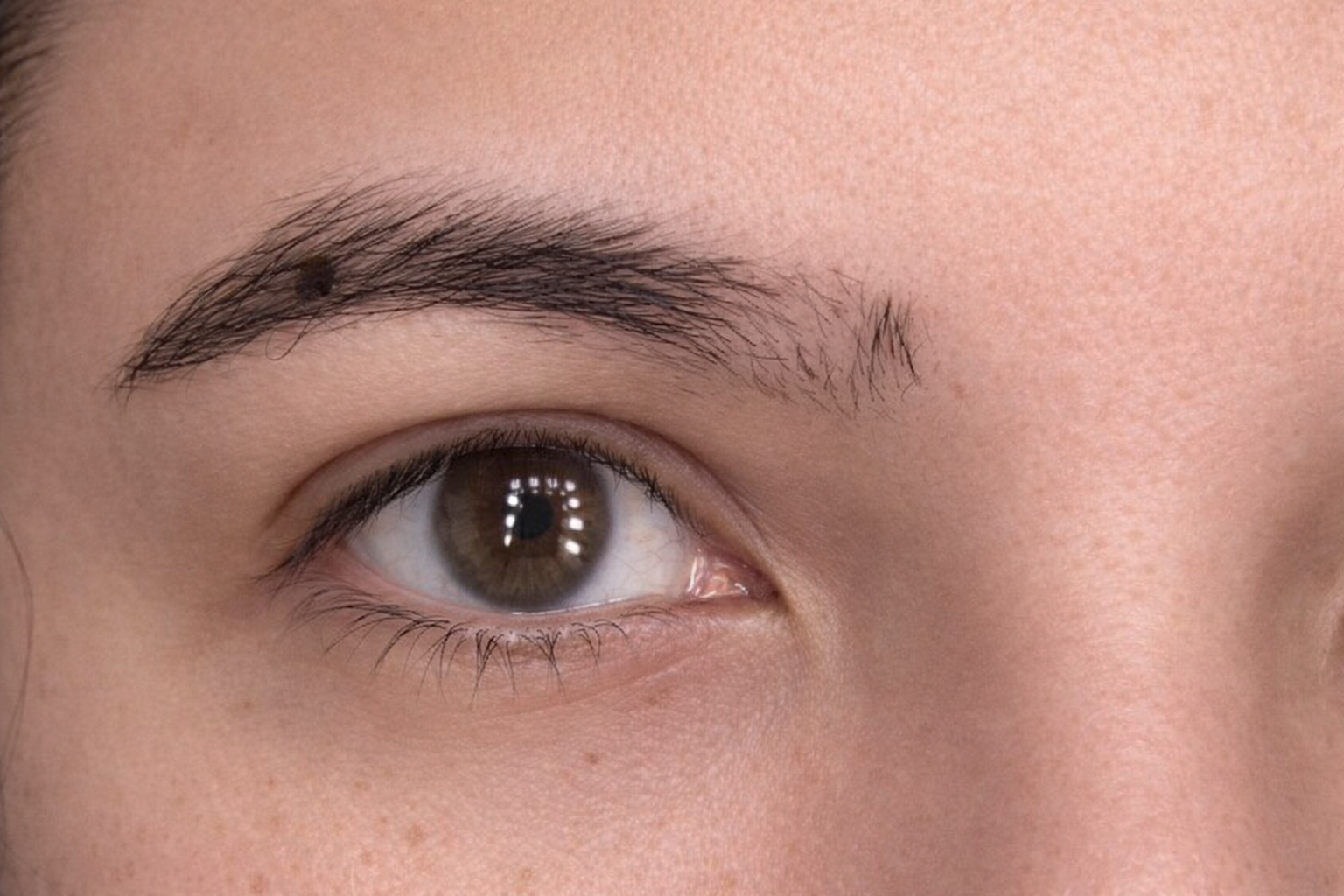
Trichotillomania causes and triggers
The causes of pulling hair trichotillomania vary by person. Stress and anxiety are common triggers. Some people pull hair to cope with strong feelings.
Common triggers include:
- Stress or anxiety
- Boredom
- Being alone
- Daily habits
Knowing triggers helps reduce pulling their hair and builds control.
Stress, tension, and habit patterns
Many people feel an increasing sense of tension before they pull out their hair. Pulling gives short relief, which reinforces the habit. Over time, this cycle becomes automatic.
Habit patterns form during daily tasks. These patterns repeat and become harder to stop hair pulling without support. This cycle is also common in stress-related hair loss, similar to stress alopecia treatment.
Trichotillomania eyebrows and eyelashes
Why both areas are affected
Trichotillomania hair pulling can affect more than one area. Eyebrows and eyelashes are common because they are easy to reach. Many people with trichotillomania pull from both.
This can affect appearance and confidence. It may also increase stress, which continues the cycle.
How eyebrow and eyelash pulling differ
Eyebrow pulling creates visible gaps or uneven brows. Eyelash pulling may be less noticeable at first. Some people focus on one area more than the other.
Tracking patterns helps improve control. This supports better results over time.
Will my eyebrows grow back
Trichotillomania eyebrows regrowth timeline
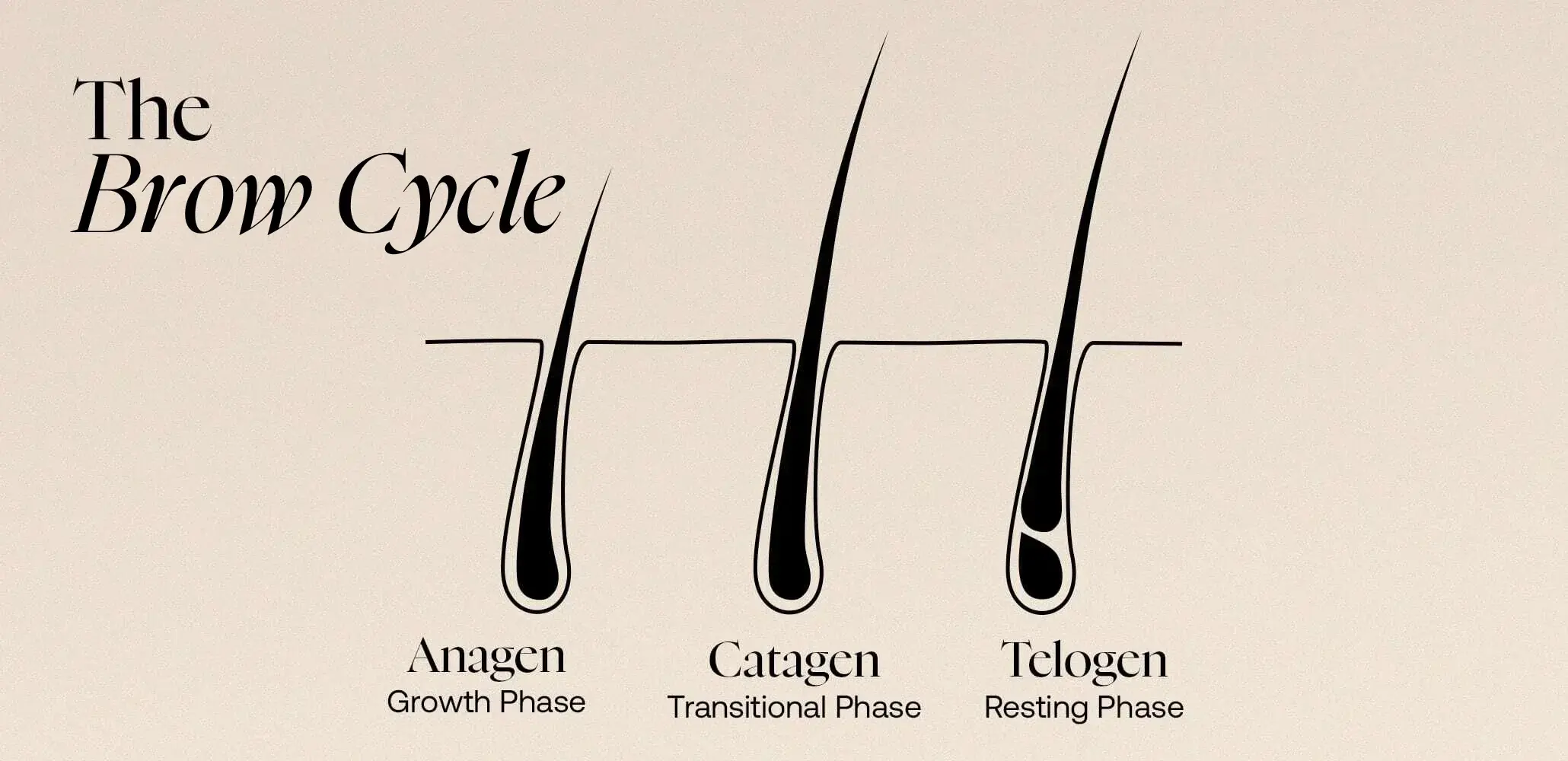
In many cases, eyebrows can grow back once pulling stops. Hair roots must remain healthy. Regrowth can take weeks or months.
You may notice:
- Fine new hair at first
- Slow filling of gaps
- Uneven early growth
Consistency is key for recovery.
When damage may be permanent
Long term repeated pulling can damage hair roots. This may stop hair from growing back. In some cases, scar tissue forms.
Dr. Kopelman can evaluate if restoration is needed. Early action improves outcomes.
How to stop trichotillomania and treatment
Ways to stop picking out eyebrows
Stopping the habit takes effort. Simple actions can help:
- Keep hands busy
- Avoid triggers like mirrors
- Track pulling habits
- Change routines
These steps help reduce urges and improve control.
Cognitive behavioral therapy CBT
Cognitive behavioral therapy cbt is one of the most effective ways of treating trichotillomania. It helps change thoughts and behaviors linked to pulling. Patients learn better ways to respond to urges.
Many people improve with structured therapy. It provides tools for daily use.
Habit reversal techniques
Habit reversal teaches patients to notice urges early. Then replace the action with something else, like squeezing an object.
This method reduces repeated pulling. It builds new habits over time.
When to seek professional help
Professional help is needed when pulling becomes hard to control or causes clear hair loss. Support groups can also help people share strategies.
Early help reduces long term damage. It also improves daily life and confidence.
Eyebrow restoration after trichotillomania
When transplant may be considered
Eyebrow restoration may help when hair does not grow back. This is only done when pulling stops. A stable condition is needed for long term results.
At Kopelman Hair, Dr. Kopelman reviews each case. Patients receive a plan based on their needs.
Who is a good candidate
A good candidate has stopped pulling their hair and has stable habits. Enough donor hair is also required.
Restoration can improve appearance, but it does not treat the habit. A combined approach gives the best results.