
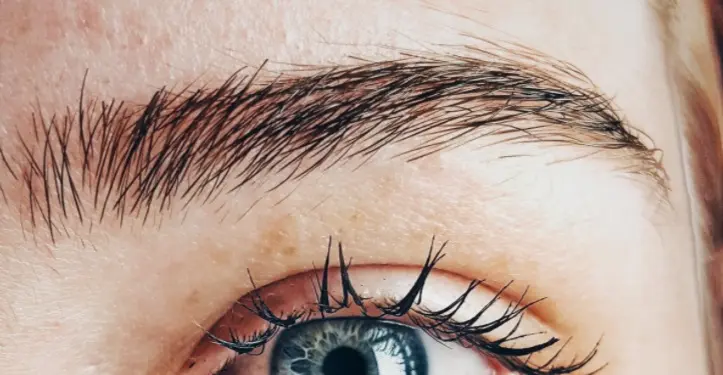
Several factors can explain eyebrow hair loss, ranging from temporary irritation to underlying health issues. People often wonder what can cause your eyebrows to fall out when they notice thinning eyebrows or patches of eyebrow hair falling out, a concern similar to alopecia eyebrows.
Common causes include hormonal imbalances, skin conditions such as seborrheic dermatitis, nutritional deficiencies, stress, and certain medical conditions that affect the hair growth cycle. Repeated overplucking, cosmetic irritation, or autoimmune disorders may also contribute to eyebrow loss.
Understanding the cause is important because treatment and hair regrowth options depend on whether the follicles remain healthy.
Key Takeaways
- Eyebrow hair loss can result from hormonal imbalances, skin conditions such as seborrheic dermatitis, autoimmune disorders, or nutritional deficiencies that disrupt the hair growth cycle.
- Lifestyle factors such as overplucking, cosmetic irritation, and stress may also contribute to eyebrow thinning or eyebrow hair falling out, especially when follicles become weakened over time.
- Identifying the underlying cause is essential to treat eyebrow hair loss effectively, since some conditions allow natural hair regrowth once the root problem is addressed.
- When follicle damage is permanent and natural regrowth is unlikely, a hair transplant procedure such as an eyebrow transplant may help restore fuller eyebrows and improve facial balance.
Why Are My Eyebrows Falling Out?
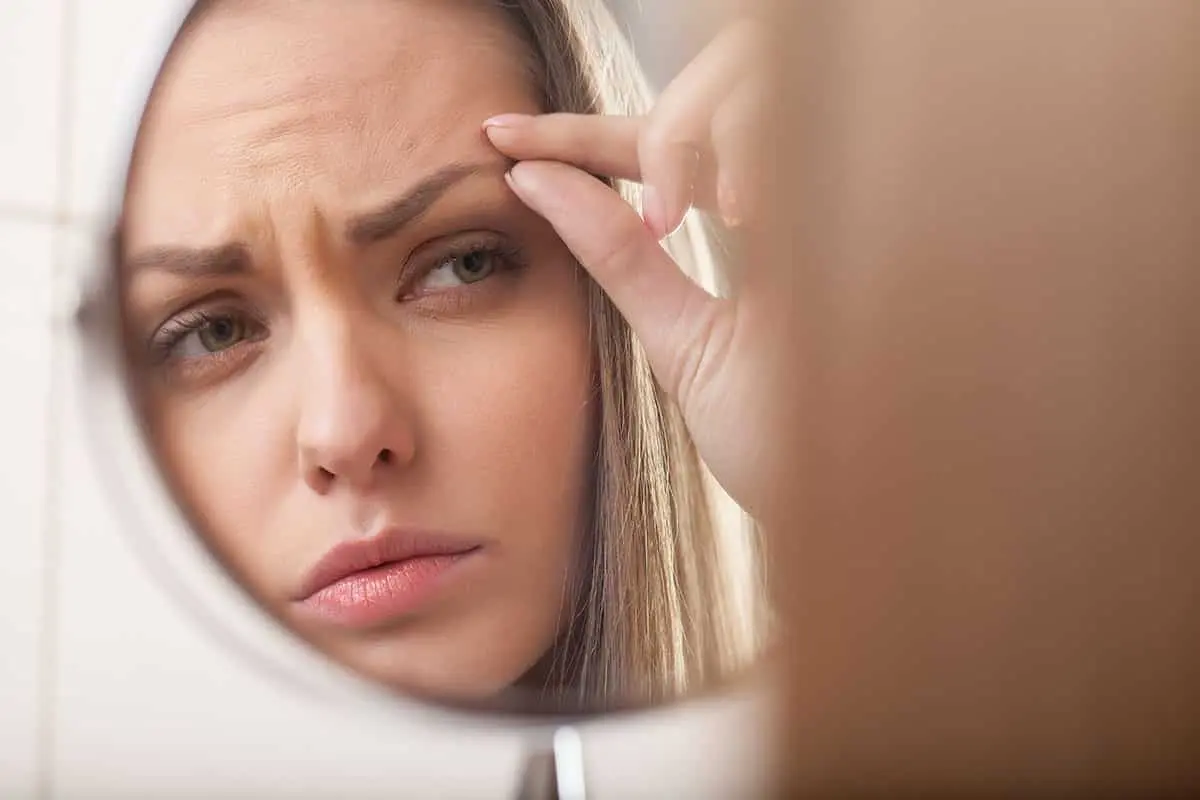
Many people ask why are my eyebrows falling out when they notice thinning eyebrows or eyebrow hair falling out.
Hair loss in this area often relates to hormonal changes, irritation, or follicle damage. Identifying the cause helps determine whether hair regrowth is possible.
Eyebrow follicles have a shorter growth phase than scalp hair. When this process is disrupted, eyebrow thinning or patchy eyebrow loss may occur.
Hormonal imbalances
Hormonal imbalances can interfere with the hair growth cycle. Changes in estrogen, testosterone, or thyroid hormones may shorten the growth phase and increase shedding.
These shifts often occur during menopause, pregnancy, or thyroid disease, which are also linked to hair loss due to hormones.They can affect scalp hair as well as eyebrows and eyelashes.
Skin conditions affecting eyebrows
Certain skin conditions can inflame hair follicles and contribute to eyebrow hair loss. Repeated inflammation weakens follicles and slows hair production.
Conditions that may affect eyebrow follicles include:
- seborrheic dermatitis
- eczema
- psoriasis
- allergic reactions to cosmetics
These conditions represent a common cause of eyebrow thinning because they disrupt the follicle environment.
Overplucking and cosmetic damage
Frequent grooming can damage eyebrow follicles. Years of overplucking or waxing may weaken follicles until they stop producing hair.
Cosmetic irritation can also affect follicle health. Harsh skincare treatments or repeated friction may gradually contribute to eyebrow thinning.
Can stress cause eyebrow hair loss
Stress may trigger telogen effluvium, a condition where many hairs enter the shedding phase early and lead to patterns similar to stress alopecia treatment discussions. When this happens, noticeable eyebrow hair falling out may occur.
Hair often regrows once the body recovers from stress and the growth cycle normalizes.
Why are my eyebrows falling out and not growing back
If hair does not return after several months, follicle damage may be present. Chronic inflammation or autoimmune disease can prevent normal regrowth.
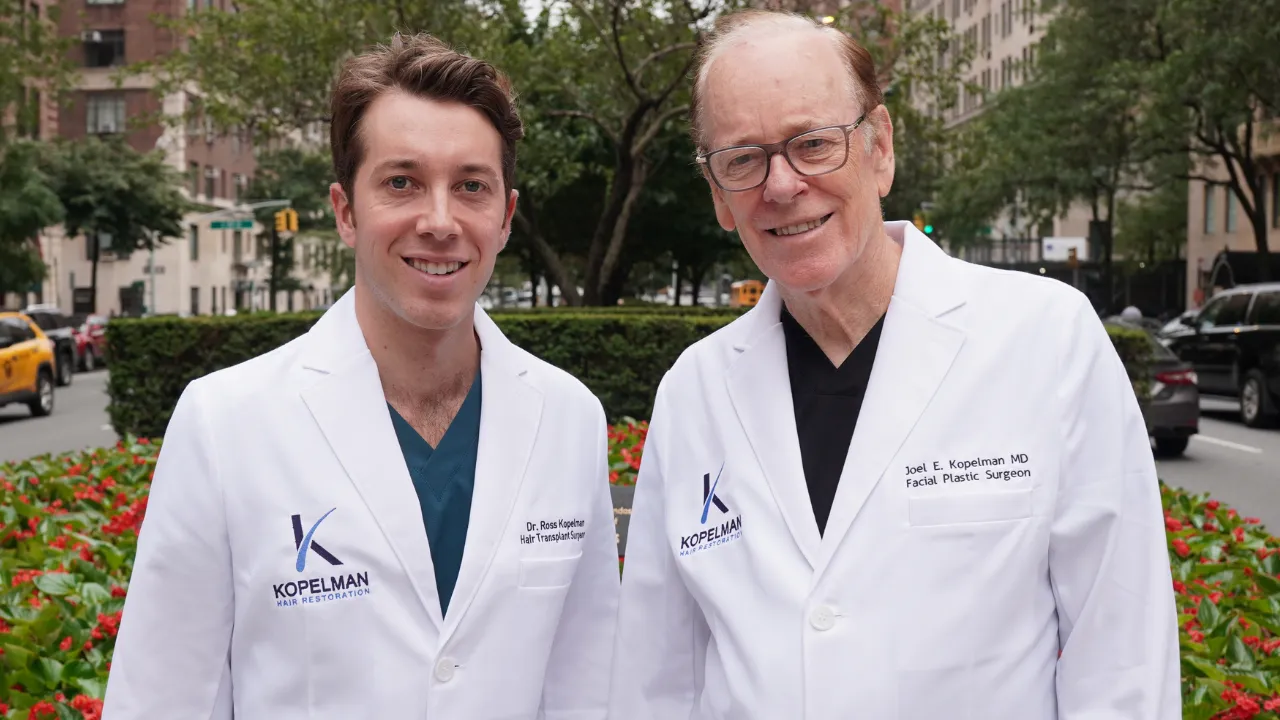
A specialist such as Dr. Kopelman can evaluate follicle health and recommend treatment options.
Medical Conditions That Cause Eyebrow Hair Loss
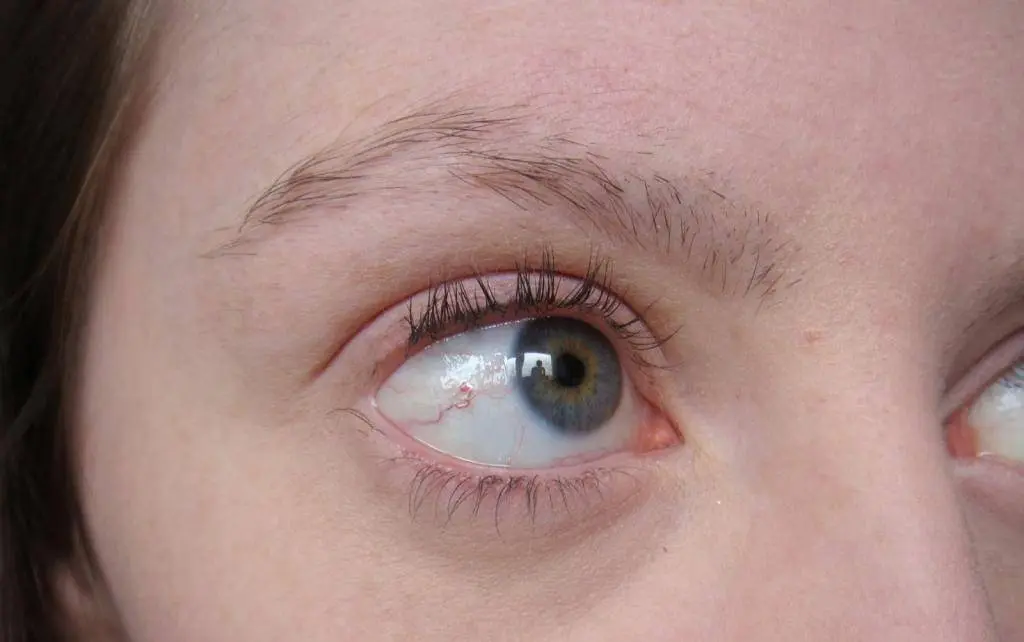
Some cases of eyebrow hair loss occur because of underlying medical conditions. These conditions may affect hormone balance, immune activity, or skin health.
Identifying the cause helps guide appropriate treatment.
What illness makes your eyebrows fall out
Several illnesses can lead to hair loss including the eyebrows. These disorders interfere with follicle function or hormone levels.
Common causes include:
- thyroid disorders
- autoimmune disease
- inflammatory skin conditions
Doctors evaluate hair patterns and symptoms to identify the cause.
Frontal fibrosing alopecia
Frontal fibrosing alopecia is a scarring type of hair loss that affects the hairline and eyebrows. The immune system gradually damages follicles.
Many patients first notice eyebrow thinning before scalp hair changes appear.
Seborrheic dermatitis
Seborrheic dermatitis causes inflammation in oil-producing areas of the face and scalp. The condition can irritate follicles and contribute to eyebrow hair falling out.
Treatment often includes topical therapies to reduce inflammation.
Thyroid disorders
Thyroid disorders can slow hair growth and increase shedding. One classic sign is thinning of the outer eyebrow area.
When thyroid levels improve, hair regrowth may gradually occur.
Autoimmune hair loss
Autoimmune disorders such as alopecia areata attack hair follicles and are discussed in more detail among the different types of alopecia. This process can lead to sudden patchy eyebrow loss.
Hair may regrow, though some patients experience repeated episodes.
What Vitamin Deficiency Causes Eyebrows to Fall Out
Nutrition plays an important role in maintaining healthy hair. When essential nutrients are lacking, follicle activity may decline.
Several vitamin deficiencies contribute to eyebrow thinning and are also discussed in best vitamin d for hair loss.
Iron deficiency
Iron supports oxygen delivery to follicles. When levels are low, follicles may shift early into the resting phase.
This change can lead to increased shedding and slower hair regrowth.
Biotin deficiency
Biotin supports keratin production, which forms the structure of hair. Low levels may weaken hair strands and slow growth.
Although uncommon, deficiency may contribute to eyebrow thinning.
Other nutritional deficiencies
Other nutritional deficiencies affecting hair growth include:
- zinc deficiency
- vitamin D deficiency
- protein deficiency
Adequate nutrition supports consistent follicle activity.
Why Do I Have a Bald Spot on My Eyebrow
Some people notice a patch of missing hair and ask why I have a bald spot on my eyebrow, similar to patterns described in bald head patches.Patchy loss often differs from overall eyebrow thinning.
Patchy alopecia
Alopecia areata can cause round patches of hair loss. The immune system targets follicles, which leads to sudden shedding.
Hair may regrow once immune activity stabilizes.
Infections and skin irritation
Infections can inflame follicles and disrupt hair production. Irritation from skincare or cosmetics may also cause localized shedding.
Treatment often allows follicles to recover.
Follicle damage
Scarring or trauma may permanently damage follicles. When this happens, natural hair regrowth may not occur.
An eyebrow transplant may help restore hair in these areas, particularly when procedures such as an eyebrow transplant are recommended.
How the Eyebrow Hair Growth Cycle Works
Hair follicles follow a repeating hair growth cycle. Each phase determines how long hair grows before shedding.
The main phases include:
- Growth phase – follicles actively produce hair.
- Resting phase – hair remains in the follicle without active growth.
- Shedding phase – the hair falls out so new hair can grow.
Disruption of this cycle may cause eyebrow thinning.
What to Do If Your Eyebrows Are Falling Out
Treatment depends on identifying the cause of eyebrow hair loss. Addressing the underlying issue improves the chance of hair regrowth.
Medical treatments
Doctors may prescribe medications to control inflammation or autoimmune activity. These treatments help stabilize follicles.