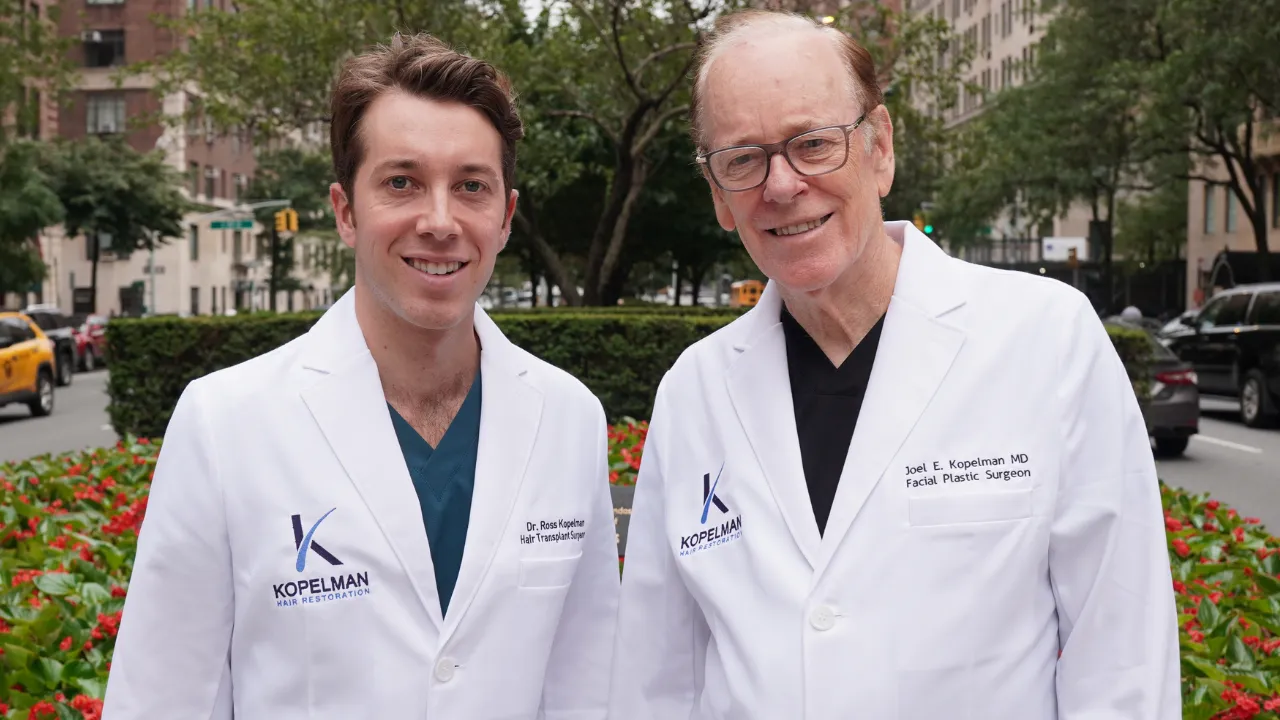

At Kopelman Hair, we often help individuals compare global options to ensure they receive high-quality care and natural results. Dr. Kopelman, with decades of expertise, emphasizes the importance of understanding all factors before traveling abroad for medical procedures.
Key Takeaways
- Turkey attracts patients for hair transplants due to lower costs, skilled surgeons, and all-inclusive packages, but quality and safety standards vary widely between clinics.
- Techniques like follicular unit extraction FUE and DHI are popular for delivering natural results, and patients should choose based on hair loss severity and goals.
- Legal protections in Turkey differ from those in other countries, making thorough research essential to avoid hidden costs and unfavorable outcomes.
- Combining hair restoration with tourism is common when traveling to Turkey, but patients should plan activities carefully to support healing.
Why Turkey Attracts Hair Transplant Patients
Why Are People Going to Turkey for Hair Transplants?
Turkey attracts patients because it offers hair transplants at lower prices than many other countries. Clinics offer packages that include surgery, hotel stays, and transfers. The country also boasts skilled hair transplant surgeons who perform thousands of hair transplant procedures annually, making it an appealing option for its affordability and experience.
Why Do Men Go to Turkey for Hair Transplants?
Men often seek hair transplants to improve confidence and address thinning hair. Turkey markets strongly toward men dealing with baldness and showcases before-and-after results. The savings also help men who might otherwise delay surgery due to cost.
Psychological Benefits of Hair Transplants
Hair transplants often bring emotional benefits like better confidence and social comfort. Many people feel a renewed sense of motivation and reduced stress due to hair loss. Dr. Kopelman emphasizes the importance of discussing expectations alongside medical planning.
Why Do Celebrities Go to Turkey for Hair Transplants?
Celebrities choose Turkey for discreet and high-quality results. Clinics offer private care and the chance to combine treatment with a vacation. The media often mentions stars opting for Turkey due to advanced techniques and privacy.
Why Is Turkey Popular for Hair Transplants?
Turkey’s popularity comes from:
- Competitive pricing
- Experienced surgeons
- Strong marketing
- High surgery volumes
- All-inclusive packages
Patients say Turkey offers competitive pricing, attracting a diverse range of clients seeking cost savings and high-quality care.
Turkey’s Global Reputation in Hair Transplants
Turkey brands itself as a global leader in hair transplants through conferences, social media, and word of mouth. Influencers and celebrities have helped fuel the image of the “hair transplant capital,” giving patients confidence.
Economic Impact of Hair Transplants in Turkey
The hair transplant industry makes a significant contribution to Turkey’s economy. Patients spend money on medical services, hotels, and tourism, generating hundreds of millions of dollars. Many clinics partner with travel services, combining treatment with vacation.
Government Support for Turkey’s Hair Transplant Industry
Turkey’s government supports medical tourism through promotions and incentives for clinics attracting international patients. While this boosts the industry, Dr. Kopelman advises researching clinics carefully, as government backing doesn’t guarantee equal quality.
Hair Transplant Costs and Packages in Turkey
Hair Transplant Costs in Turkey and Abroad
A key reason for choosing Turkey is cost. Average prices:
- Turkey: $1,500–$3,000
- United States: $8,000–$15,000
- Western Europe: $6,000–$12,000
Lower costs stem from lower labor expenses and market competition. Dr. Kopelman advises prioritizing quality over price. Many people traveling to Turkey are surprised by how far their budget goes compared to local costs.
Turkey Hair Transplant Package Options
Turkish clinics often include:
- Consultation
- Surgery
- Post-op care
- Hotel stay
- Transfers
- Translation services
Not all packages are equal, so patients must clarify details. Choosing a trusted transplant clinic in Istanbul often improves outcomes.
Hidden Costs to Watch For
Patients should watch for extra charges like:
- Additional graft costs
- Medications
- Uncovered follow-ups
- Unexpected complications
Patients should confirm the number of grafts needed, as this affects the price. Dr. Kopelman urges getting a clear cost breakdown before booking.
Clinic Quality and Treatment Types
Top Hair Restoration Techniques (FUE, DHI, FUT)
Turkey offers:
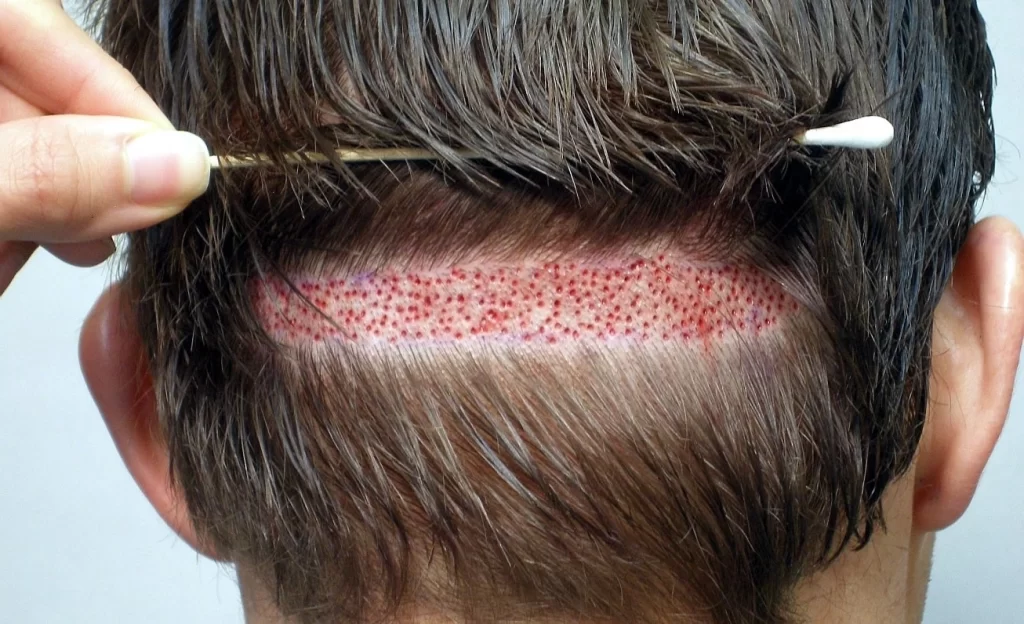
- FUE (Follicular Unit Extraction): Minimal scarring, fast recovery.
- DHI: Precision placement for natural density.
- FUT: An older method that uses a scalp strip.
Many prefer a FUE hair transplant for natural-looking results and a shorter recovery time. Among these, the follicular unit extraction fue technique is especially popular for precision and minimal scarring. The best choice depends on the level of hair loss, donor hair quality, and your goals. Experienced surgeons help guide decisions.
How to Check a Clinic’s Credentials
Patients should:
- Check surgeon’s experience
- Review patient testimonials
- Confirm licensing
- Read independent reviews
- Avoid rushed decisions
Reputable hair transplant clinics often belong to groups like the International Society of Hair Restoration Surgery or the Society of Hair Restoration, signaling professionalism and adherence to safety standards. At Kopelman Hair, Dr. Kopelman highlights choosing skilled professionals for safe, lasting results.
Risks, Safety, and Legal Protections
Regulation and Legal Protections
Legal protections vary across countries, so patients must:
- Get a written treatment plan
- Verify clinic registration
- Check malpractice coverage
- Confirm health authority licenses
Dr. Kopelman reminds patients that understanding regulations is crucial.
Ethical Considerations in Turkey’s Hair Transplant Industry
Some clinics focus on volume over patient care. Aggressive marketing pressures quick decisions. Dr. Kopelman advises selecting clinics that prioritize health over profits and offer clear communication.
Stories of Poor Outcomes
While many succeed, some patients face issues like:
- Bad hairline design
- Overharvesting donor hair
- Infections
- Scarring
- Poor aesthetic results
Dr. Kopelman emphasizes the importance of thoroughly researching clinics to minimize risks.
Patient Experiences and Results
Reviews, Testimonials, and Real Results
Reviews offer insights into quality and hidden issues. While many praise Turkish clinics, some report:
- Poor communication
- Unmet expectations
- Extra costs
Reading several sources helps spot patterns and avoid mistakes.
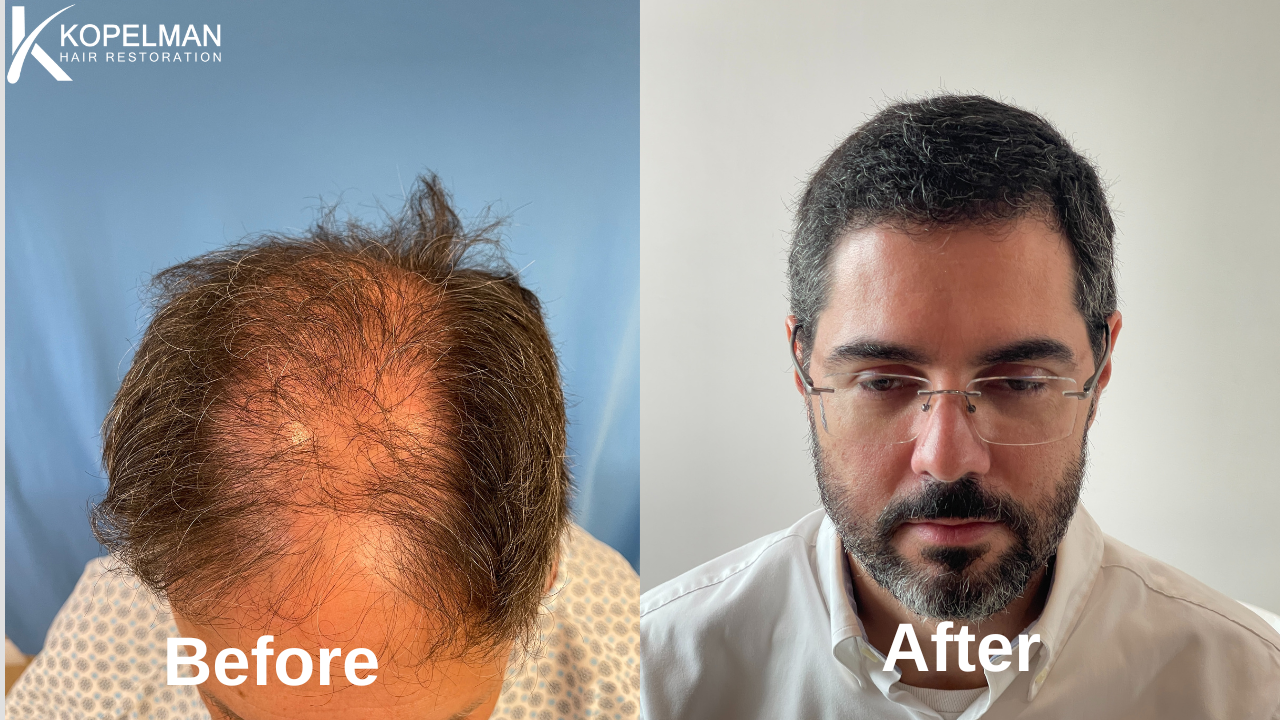
Turkey Hair Transplant Before and After Photos
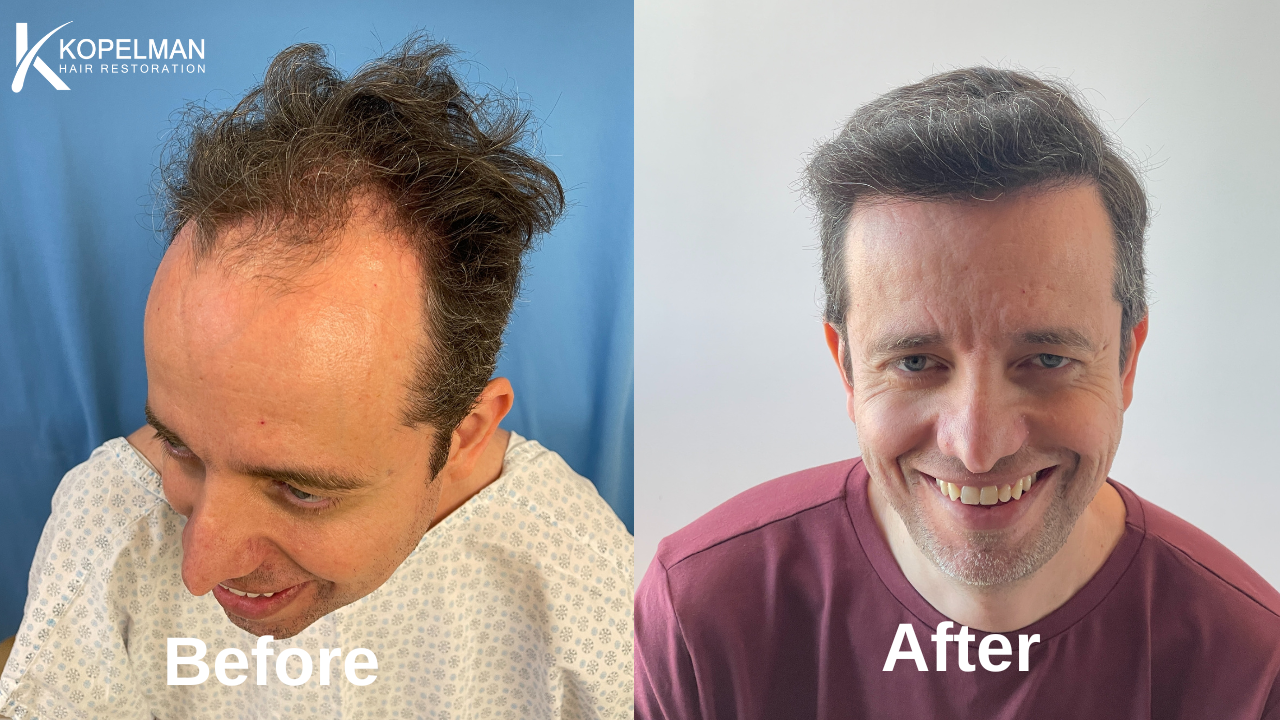
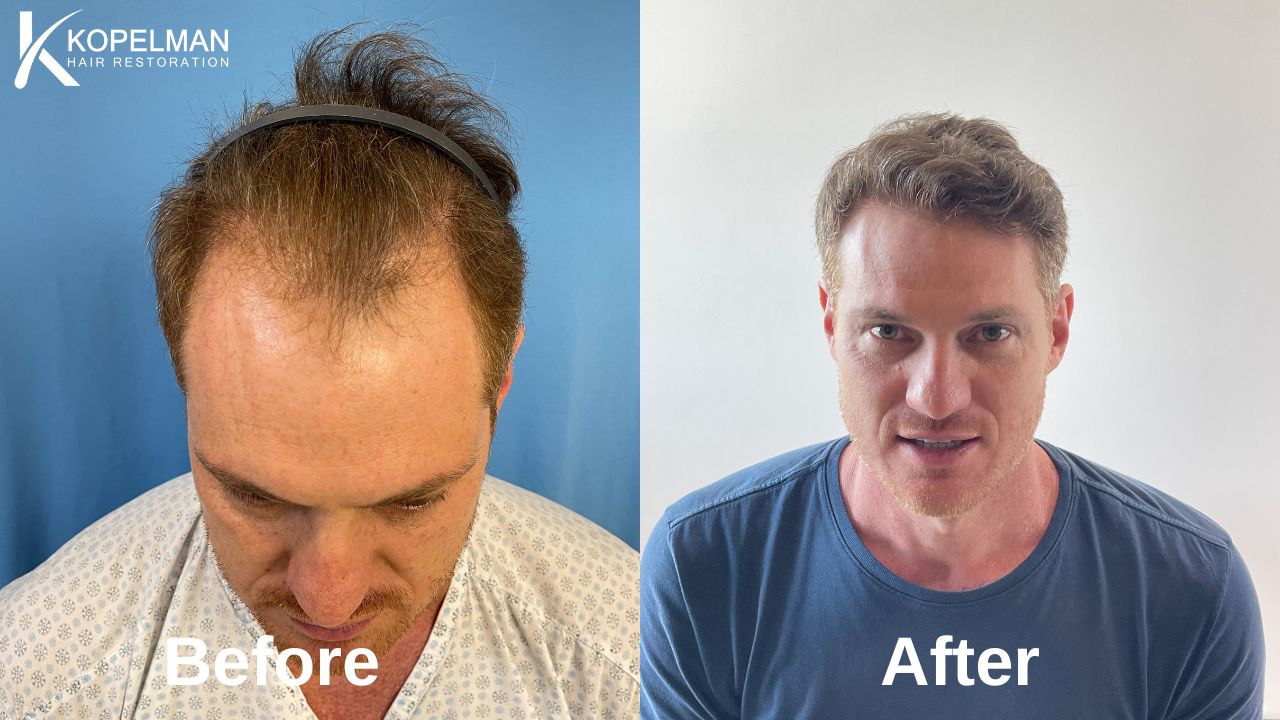
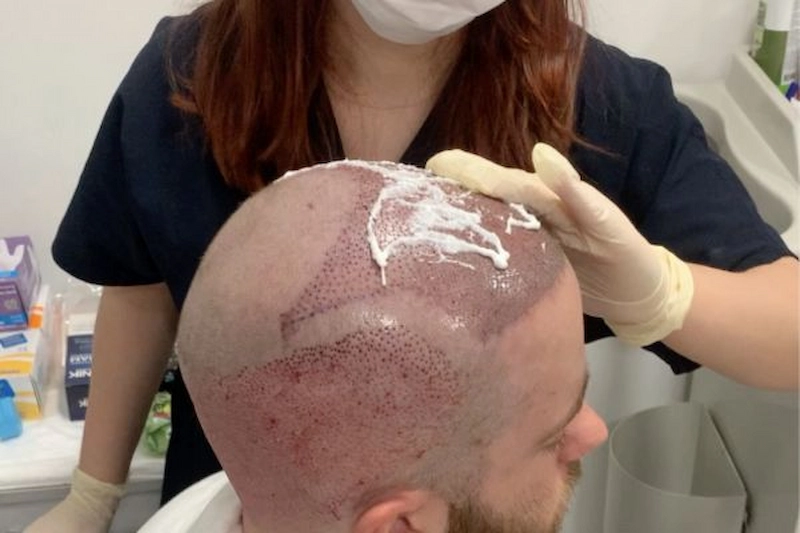
Before-and-after photos help patients gauge realistic outcomes. Dr. Kopelman urges checking consistent, natural-looking images and confirming they come from the same clinic. Many successful Turkish hair transplants achieve results that match or exceed those from other countries.
Language and Communication Issues
Language gaps can cause misunderstandings. Patients should confirm:
- Translators or English-speaking staff
- Written plans in their language
- Clear risk explanations
Effective communication ensures a safe and comfortable treatment experience abroad.
Turkey vs. Other Hair Transplant Destinations
Why Go to Turkey for Hair Transplant vs. Other Destinations?
Turkey competes with places like Spain, Mexico, and Thailand. Patients choose Turkey for lower costs, experienced surgeons, and high procedure volumes. Other countries may be considered due to legal protections, ease of language, or convenience.
Quick Comparison: Turkey vs. Other Hair Transplant Destinations
- Turkey: $1,500–$3,000, high surgeon skill, possible language issues, variable legal protection.
- Spain: $4,000–$8,000, strong legal systems.
- Mexico: $2,000–$4,500, moderate surgeon experience.
- Thailand: $2,000–$5,000, moderate surgeon experience.
Turkey appeals due to its cost and skilled surgeons, but patients should also consider the regulations and comfort levels.
Pros and Cons Compared
Pros:
- Lower costs
- Skilled surgeons
- Wide clinic options
- Short waits
Cons:
- Clinic quality varies
- Limited legal recourse
- Language issues
- Hidden costs
Key Questions and Travel Tips
Questions to Ask Before Booking
Key questions include:
- Which technique will you use?
- How many grafts are needed?
- What does the price cover?
- Who performs the surgery?
- What if I’m unhappy with the results?
- Are there written guarantees?
Asking detailed questions prevents misunderstandings.
Travel and Logistics Considerations
Patients should:
- Check visa rules
- Schedule recovery time
- Confirm hotels
- Pack loose hats
- Arrange follow-ups
Many people enjoy traveling to Turkey for culture, alongside the surgery.
Combining Hair Transplants with Tourism in Turkey
Turkey offers a chance to combine hair surgery with sightseeing. Cities like Istanbul, Cappadocia, and Antalya offer rich cultural experiences and stunning scenic views. Patients should plan activities carefully to avoid stressing the healing scalp.
FAQs About Hair Transplants in Turkey
Is it safe?
Many clinics are safe, but research is vital.
How long to stay?
Usually 3–5 days, including surgery and early checks.
Will it look natural?
Results depend on the surgeon’s skill. Check before-and-after photos.
Do I need Turkish?
No. Many clinics have translators or English-speaking staff.
Can I sightsee afterward?
Light tourism is fine, but avoid activities stressing your scalp.
If you’re considering a hair transplant and want guidance tailored to your needs, schedule a consultation with Dr. Kopelman at Kopelman Hair. Our team is ready to answer your questions, discuss the best techniques for you, and help you achieve natural, lasting results. Don’t wait to take the next step toward restoring your hair and confidence.