Hair Follicle Pulled Out? What Happens When Hair Comes Out by the Root

I hope you’re enjoying reading this blog post if you want a consultation with Dr. Kopelman, click here.

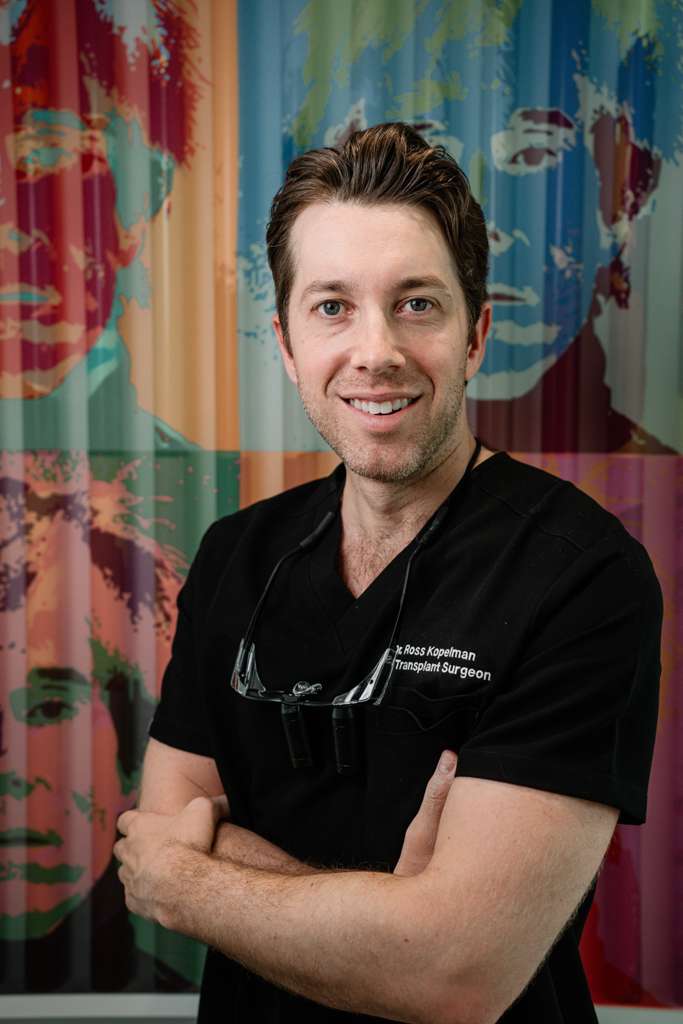
Dr. Ross Kopelman

August 7, 2025  ⁃  12 Min read

Medically reviewed by Dr. Hannah Kopelman, dermatology resident specializing in hair loss | Last updated October 16, 2026

If you think you pulled out a hair follicle, you almost certainly didn't. The follicle is a tiny pocket built into your skin, and it stays there. What comes out on the end of the strand is the hair bulb, the root end of the hair itself, and in most cases the follicle starts a new cycle and the hair grows back within a few weeks to a few months.

That small white bulb is normal and usually means the strand was in its resting phase and ready to shed. A darker, moist-looking root, a little bleeding, or tenderness can happen when an actively growing hair is removed by force, but the irritation is short-lived. Occasional pulling rarely causes lasting loss; repeated tugging, tight hairstyles, waxing, or trichotillomania can scar follicles over time and lead to permanent thinning.

Kopelman Hair treats hair loss at every stage, helping patients understand what happened and what recovery can look like.

Key Takeaways

  • You can’t pull out a hair follicle. The bulb on a pulled strand is part of the hair, and the follicle stays in the skin.
  • Hair pulled out from the root can grow back when the follicle is intact, unscarred, and not inflamed.
  • New growth usually appears within two to three months, sooner for resting hairs and later for actively growing ones.
  • Repeated pulling, tight hairstyles, and long-term trichotillomania are what turn temporary loss into permanent loss.
  • Gentle scalp care and avoiding tight styles help protect follicle health.
  • Trichotillomania calls for both hair loss treatment and mental health support for lasting improvement.

Can Hair Grow Back After Being Pulled Out?

Yes. In most cases, hair grows back after being pulled out because the follicle, the structure that actually produces the strand, is not removed. Only scarring or chronic damage to the follicle stops regrowth.

Will It Grow Back? Signs and Recovery Factors

Regrowth depends on three things: an intact follicle, unscarred skin around it, and settled inflammation. The growth center at the base of the follicle and the stem cells higher up stay in the skin and drive the next growth cycle.

Signs that support regrowth include:

  • No visible scarring
  • Mild or no inflammation
  • A small white bulb at the end of the pulled strand

Repeated pulling or trauma can inflame or scar the follicle, reducing the chance of regrowth.

Does Plucking Hair Stop Growth?

Plucking a hair once does not stop it from growing back. Tweezing removes the strand and its bulb, but the follicle stays in place and usually produces a new hair on its next cycle, so plucked brow, chin, or body hairs typically return.

Years of repeated plucking in the same spot are different. Constant trauma can weaken follicles until some produce finer strands or stop altogether, which is why heavily overplucked brows sometimes never fully fill back in.

Regrowth Timeline and Expectations

How long it takes for hair to grow back depends on which phase the strand was in when it came out.

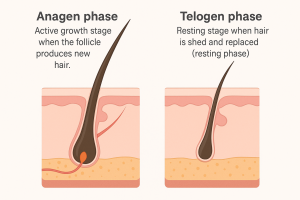
  • Telogen (resting) pulls: If the strand was already resting, a new hair is often forming beneath it, so regrowth tends to show sooner. This is the usual case when a strand slides out easily with a small white bulb.
  • Anagen (growing) pulls: If an actively growing strand is ripped out, the follicle is disrupted mid-cycle and needs time to reset. Visible regrowth may take a few months.
New growth often appears in two to three months on average, and scalp hair grows roughly half an inch per month once it surfaces. As for how long hair bulbs take to heal, any soreness usually settles within a few days while the follicle quietly rebuilds a new bulb out of sight. Age, overall health, and hair type all affect the pace.

A review in the Journal of Clinical Medicine describes how resting follicles cycle back into active growth, and how blood flow and growth signals around the follicle push that transition. Kopelman Hair helps patients set realistic expectations and monitors recovery when follicles are pulled repeatedly.

Regrowth by Body Area

  • Scalp: The longest growth phase, lasting years; a single pulled strand usually shows regrowth within two to three months.
  • Eyebrows and eyelashes: Much shorter cycles, so a plucked brow or lash hair often returns within a few months.
  • Beard and body hair: Usually back within weeks to a few months. A plucked beard hair not growing back after several months, especially with bumps or redness, may point to an ingrown hair, folliculitis, or scarring.

Does Pulling the Bulb Mean Permanent Loss?

No. What decides permanence is whether the follicle beneath the skin is scarred or destroyed, usually after repeated trauma, certain scalp conditions, or when scar tissue develops in a thinning area.

What Hair Pulled from the Root Looks Like

Identifying the Hair Bulb

Can you pull out a hair follicle? No. The follicle is part of your skin and stays put even when a strand comes out root and all. What you may see on the end is a soft, white, club-shaped bulb, the portion of the hair that sat deepest in the follicle.

Seeing the bulb does not mean permanent damage occurred. A dry white club usually shows the strand was in the telogen phase and ready to shed, not ripped from an actively growing follicle.

What Does a Hair Follicle Look Like?

A hair follicle is a narrow, tube-shaped pocket in the skin, too small to see without magnification. At its base, it widens around the dermal papilla, a cluster of cells that nourishes the growing strand; on the surface, all you see is the pore the hair grows from.

Sometimes a pulled strand comes out with a clear or whitish, gel-like coating around its lower end. That is the hair root sheath, layers of cells that wrap the hair inside the follicle. A root sheath pulled out with the strand usually means it was actively growing, but the sheath is not the follicle, and a new hair can still form.

Root Pulling vs Shedding: Key Differences

Shedding:

  • Happens daily as part of the hair cycle
  • Strands fall out naturally
  • Bulb may be present, but no pain or inflammation

Root pulling:

  • Caused by force
  • May cause redness or sensitivity
  • Can damage follicles if frequent

Does Hair Grow Back After Falling Out from the Roots?

Yes. A strand that falls out on its own with the root attached is usually normal shedding: the follicle released a resting hair, and a replacement is often already forming underneath. Shedding 50 to 100 hairs a day is normal, according to the American Academy of Dermatology.

How fast does hair grow back after falling out from roots? The new strand typically surfaces within a few months. If strands come out in clumps, leave visible patches, or keep shedding heavily for months, the cause may be a condition rather than routine turnover.

Myths About Pulled-Out Hair

Myth: Seeing the bulb means the follicle is gone.

Fact: The bulb is the root end of the strand, not the follicle. The follicle remains beneath the skin and can continue producing new growth.

Myth: Hair never grows back after one pull.

Fact: Most follicles recover and grow a new strand unless they are repeatedly damaged or scarred.

Myth: Pulling hair makes it grow thicker.

Fact: Repeated pulling weakens follicles over time, leading to thinning rather than thicker growth.

Is Follicle Damage Permanent?

What Happens When the Hair Bulb Is Pulled Out

Does pulling out hair damage the root? A single pull disturbs the follicle briefly, but it usually heals and forms a new bulb. Repeated pulling in the same area can gradually degrade the structure.

This may lead to:

  • Shorter growth cycles
  • Finer, weaker strands
  • Delayed or stalled regrowth

Risks of Repeated Hair Follicle Pulling

Frequent pulling can cause scarring that permanently destroys follicle function. When the damage comes from tight ponytails, braids, buns, or extensions, it’s called traction alopecia; the American Academy of Dermatology notes that once it advances to smooth, shiny bald skin, hair cannot grow back.

Long-term trichotillomania can reach the same endpoint, since years of repeated pulling can turn a non-scarring pattern of loss into scarring (StatPearls).

Early signs include thinning patches, reduced density, broken strands along the hairline, and tenderness.

In Dr. Kopelman’s experience, patients who come in early, before visible scarring develops, generally have more treatment options than those who wait until bald patches are well established. At Kopelman Hair, Dr. Kopelman assesses each case individually to determine whether follicles are still viable and what intervention is appropriate.

When Hair Follicles Stop Producing Strands

Once a follicle scars, hair stops growing in that area. Topical treatments or supplements will not restore growth when scar tissue forms. Hair transplantation may be needed to restore density, and the Kopelman Hair guide to scarring alopecia explains how this type of loss is diagnosed.

Common Conditions That Affect Hair Regrowth After Root Pulling

Conditions that can make regrowth harder include:

  • Folliculitis
  • Alopecia areata
  • Psoriasis or seborrheic dermatitis

If you notice itching, flaking, or redness with hair loss, a dermatologist can diagnose and treat the cause.

What If the Follicle Looks Inflamed After a Hair Is Pulled Out?

An inflamed hair follicle after a strand is pulled out usually shows up as a small red bump, sometimes with a whitehead, where the hair came out. This is often mild folliculitis, which plucking commonly triggers, and it typically clears once you stop pulling in that area.

The American Academy of Dermatology recommends warm compresses for 15 to 20 minutes, three to four times a day, and pausing plucking or waxing there for about 30 days. See a doctor if bumps spread, fill with pus, or come with fever.

How to Treat and Prevent Damage

Will Hair Grow Back After Being Pulled Out in a Fight?

Usually, yes. Even when a clump is torn out in a fight or accident, most follicles stay in the skin and regrow within a few months; the outcome depends mostly on whether the scalp itself was wounded. Treatment for hair ripped out of the scalp starts with the skin: rinse gently, press with clean gauze to stop any bleeding, and avoid tight styles on the spot until it heals.

Get medical care right away if bleeding won’t stop, scalp skin was torn away, the area looks infected, or there are head injury symptoms such as headache, dizziness, or confusion. Deep wounds that heal with scar tissue are the main reason hair fails to return after this kind of trauma.

Treatment Options After a Hair Is Pulled Out

The right approach depends on how often pulling occurs and whether the scalp shows signs of irritation or early scarring.

Immediate care:

  • Apply a cool compress to ease soreness in the first day, then switch to warm compresses if small inflamed bumps appear
  • Avoid tight hairstyles that put continued tension on already stressed roots

Clinical treatment options to discuss with a specialist:

  • Topical minoxidil: A widely used option to support regrowth in areas affected by trauma or traction. It is thought to work by extending the growth phase and improving blood flow to the scalp; it’s typically applied once or twice daily, ideally with guidance from a specialist.
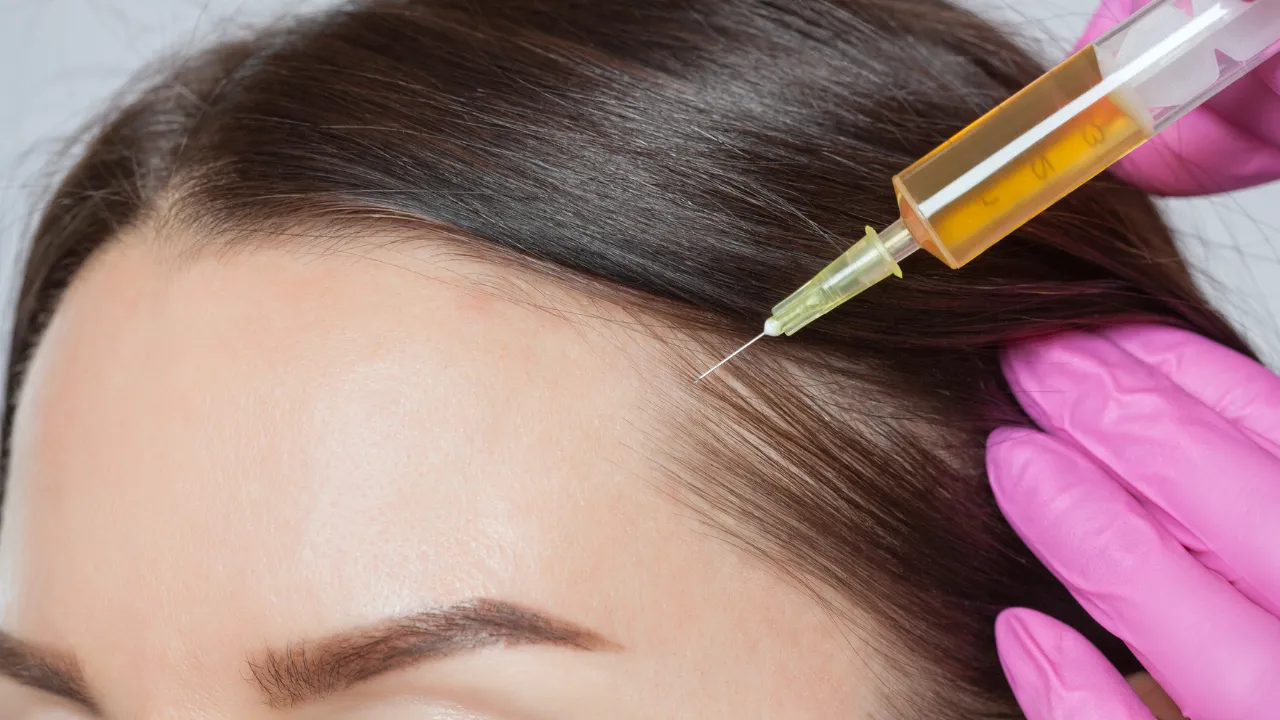
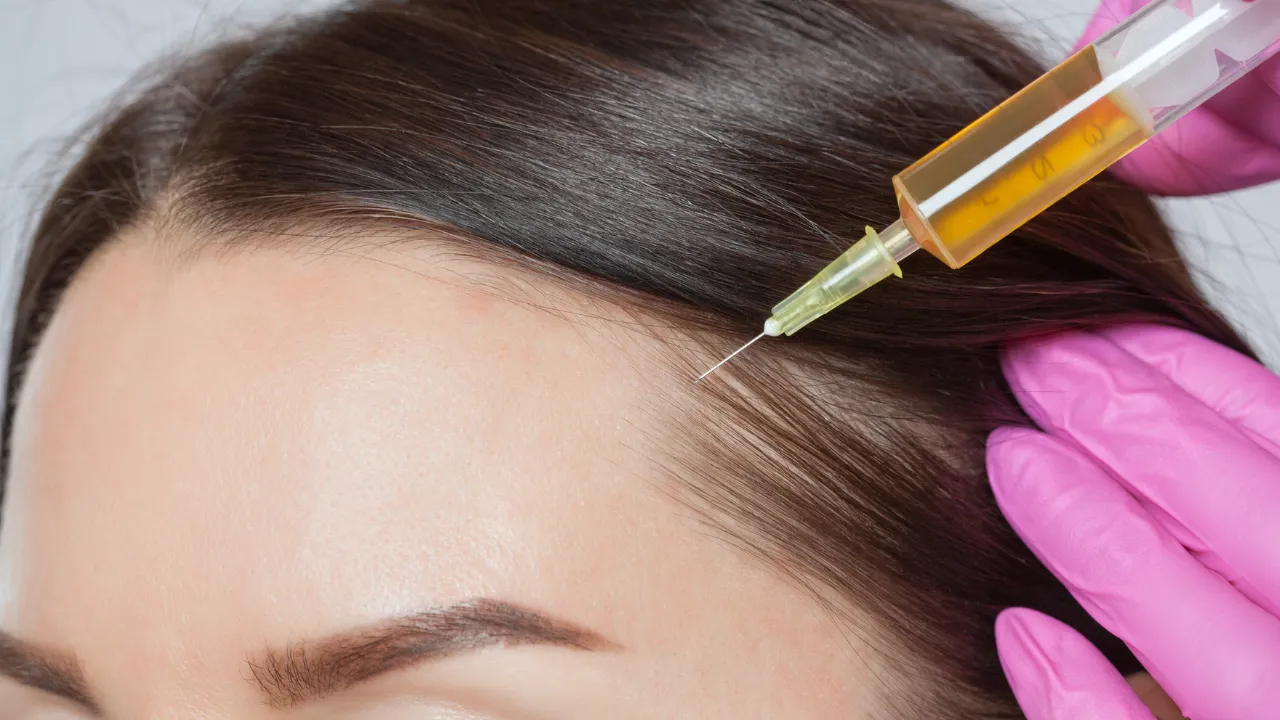
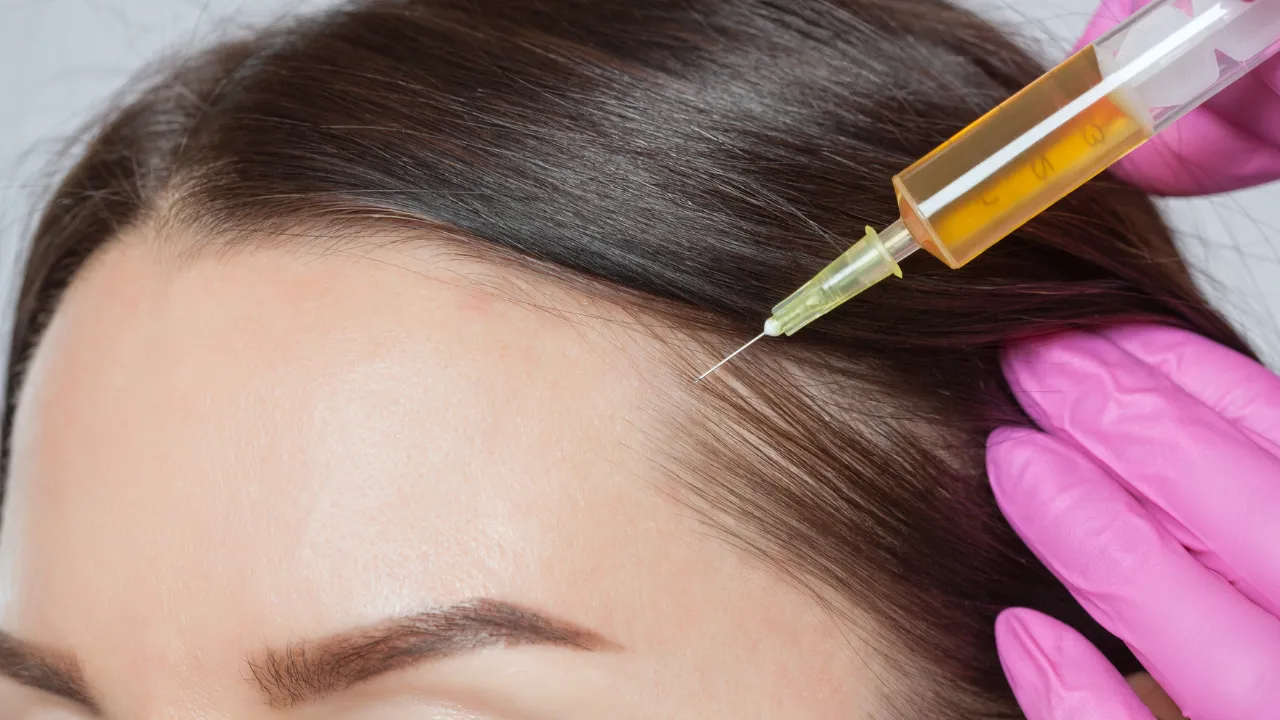
  • PRP (platelet-rich plasma): A treatment that uses concentrated growth factors from your own blood. Trials in androgenetic alopecia show it can increase hair density, though the evidence is low certainty, and its use after pulling injuries is less studied.
  • Low-level laser therapy (LLLT): Devices FDA-cleared for pattern hair loss deliver red light to the scalp. This is a non-invasive option for patients who are not ready for surgical intervention.
  • Nutritional support: Low iron, zinc, or vitamin D can contribute to poor growth, and blood work shows whether a supplement makes sense. If you take biotin, tell your doctor before any lab test, since high doses can skew some results.

Scalp Care for Recovery

  • Wash gently with a mild, fragrance-free shampoo
  • Avoid aggressive brushing, especially on damp strands
  • Eat enough protein and foods rich in omega-3 fatty acids to support follicle health

When to See a Hair Specialist

Seek help if:

  • No regrowth appears after three months
  • You notice thinning or bald patches
  • Pulling has become habitual or compulsive

Do hair follicles grow back after scarring? Once significant scar tissue forms, natural regrowth is unlikely, which is why early evaluation matters.

A typical evaluation starts with a gentle pull test to see how many strands release with light traction. A magnified scalp exam (trichoscopy) then shows whether follicle openings are still present and whether hairs are broken at different lengths, a pattern typical of repeated pulling. If scarring is suspected, a small biopsy can confirm it; when no scarring is present, regrowth can still occur (StatPearls).

Quick self-check:

  1. Look for baby hairs in the affected area
  2. Check for redness or visible scarring on the scalp
  3. Monitor changes over three months and seek help if nothing appears

Daily Habits to Protect Hair Follicles

Habits that help:

  • Avoid tight hairstyles that place prolonged tension on roots, and change your style regularly
  • Use a wide-tooth comb, starting from the ends and working upward

Why Do People Pull Out Their Hair?

What Is Trichotillomania?

Trichotillomania, also called hair-pulling disorder, is a condition characterized by recurrent, hard-to-resist urges to pull out one’s own hair, often linked to anxiety, stress, boredom, or a need for sensory stimulation. It can affect the scalp, eyebrows, eyelashes, and other areas, and many people pull without fully noticing.

In cases where eyebrow pulling leads to permanent thinning or scarring, some patients explore options like eyebrow hair restoration in NYC to rebuild natural brow density.

Common Emotional Triggers

Triggers vary by person. Some pull when anxious or tense, others when bored or absorbed in a task. Managing urges may involve habit reversal training, cognitive behavioral therapy, and stress reduction; behavior therapy is considered the mainstay of treatment. These approaches are supported by The TLC Foundation for Body-Focused Repetitive Behaviors.

When to Seek Professional Help

If hair pulling is causing visible damage or emotional distress, speak with a professional. Kopelman Hair treats the hair loss and coordinates with mental health experts when needed, because the two are often closely linked.

Hair loss from pulling can be temporary or long-term. Kopelman Hair’s physicians bring more than 40 years of combined experience to diagnosing and treating it. Dr. Ross Kopelman is a hair restoration surgeon with expertise in surgical transplants, regenerative therapies, and scalp diagnostics.

If you are experiencing hair loss or suspect damage from pulling, schedule a consultation with Kopelman Hair today. The team will assess scalp health, identify the cause, and build a treatment plan.

About the doctor

Dr. Ross Kopelman

Hair Restoration Surgeon

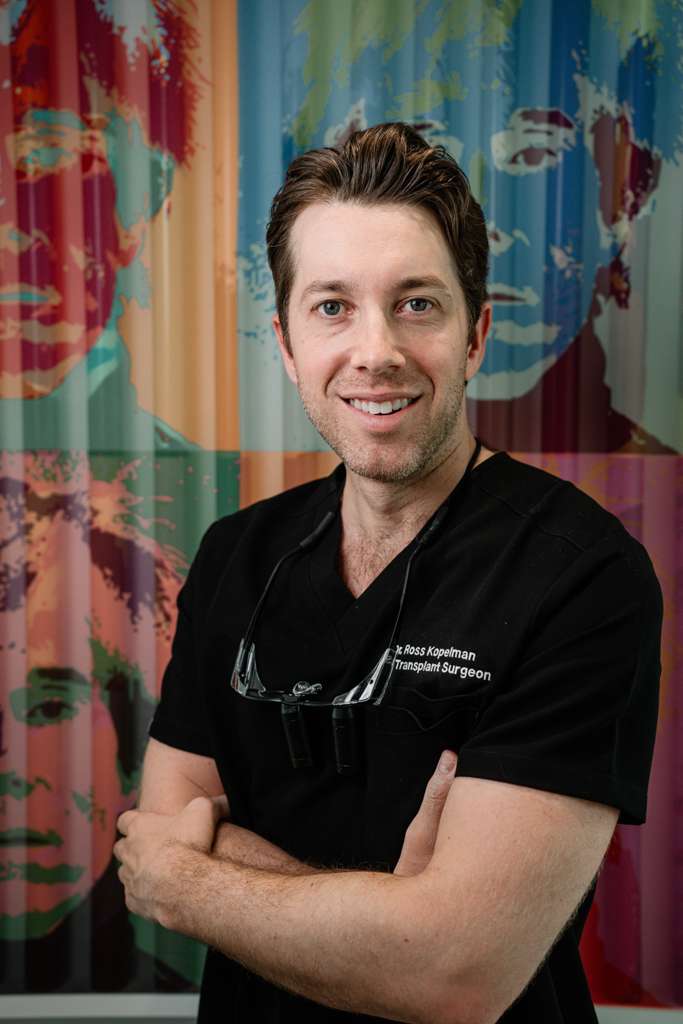
Dr. Ross Kopelman is a hair restoration surgeon focused on the medical and surgical treatment of hair loss, with expertise in advanced FUE hair transplantation, natural hairline design, and regenerative therapies that support healthier hair growth. He is known for combining surgical precision with an artistic approach to deliver natural, undetectable results tailored to each patient. Dr. Kopelman sees patients in New York City and Palm Beach, Florida, and also offers virtual consultations for patients across the United States and internationally.
Follow the specialist:

Ready to Restore Your Hair?

Dr. Ross Kopelman offers personalized consultations for hair transplants and hair restoration in New York, New Jersey, and Palm Beach.

In this Article

Before & After results

Kopelman Hair Restoration

Dr. Ross Kopelman and Dr. Joel Kopelman treat patients for hair loss and focus on delivering natural hair transplants at their New York City, New Jersey, and Palm Beach Florida offices. With over 40 years of combined experience, they are leaders in advanced FUE hair transplantation and hair restoration.
40+

Years Combined Experience

2K+

Procedures Performed

5.0★

Patient Rating

3

Locations

Stay in the loop

Get the latest on hair restoration and hair transplant tips from Dr. Kopelman

Free Hair Loss Quiz

Get a Personalized Hair Loss Analysis

Find out what’s causing your hair loss and if you’re considering a hair transplant get an estimate of how many grafts you may need.
Dr. Ross Kopelman

Dr. Ross Kopelman is a hair restoration surgeon specializing in advanced FUE hair transplantation, natural hairline design, and regenerative therapies. He sees patients in New York City, New Jersey, and Palm Beach, and offers virtual consultations nationwide.