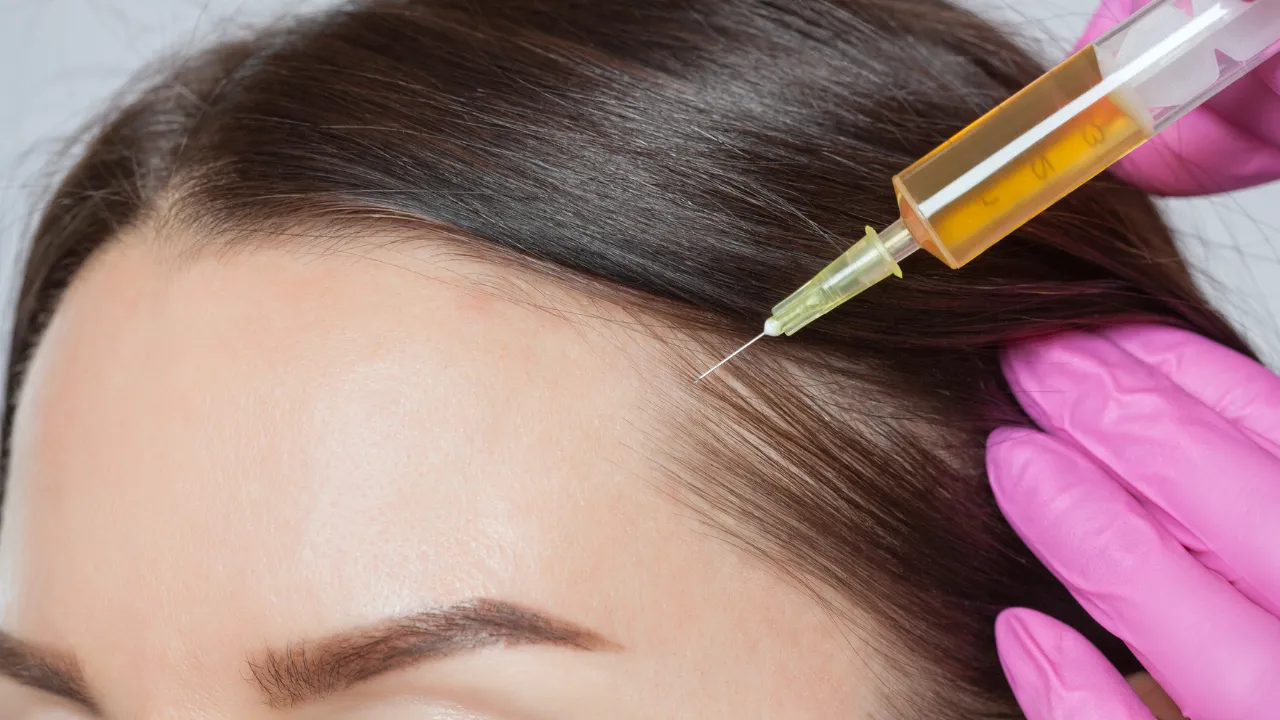

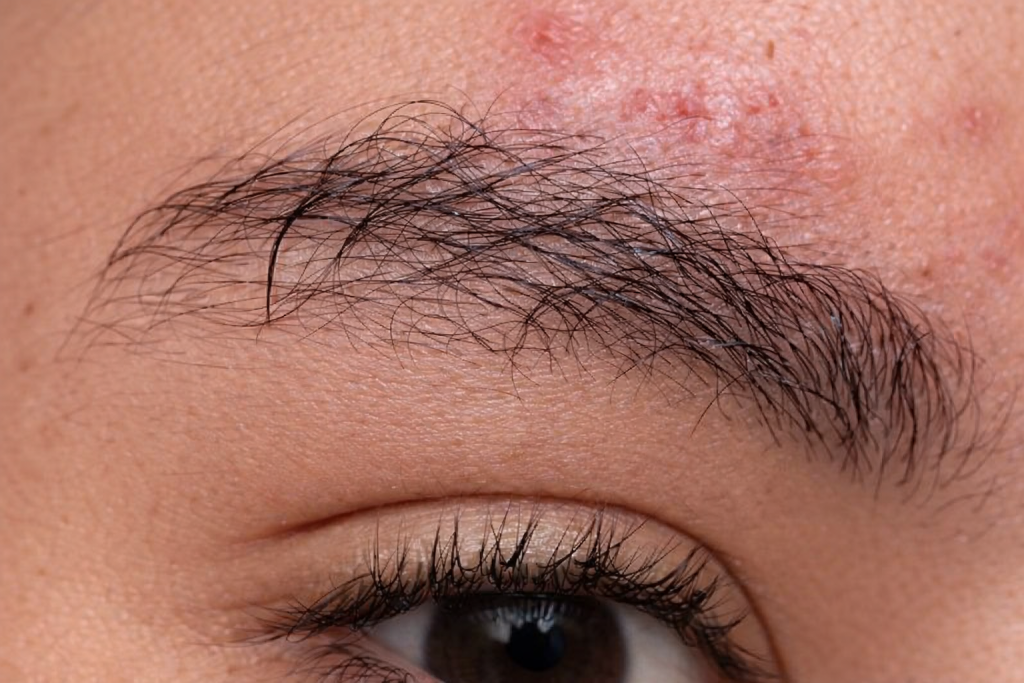
At Kopelman Hair, eyebrow hair patterns are assessed with attention to growth direction, texture, and overall facial balance.
Dr. Kopelman focuses on identifying whether concerns are purely cosmetic or related to underlying hair behavior. This helps guide the right approach, from simple grooming strategies to more advanced correction options.
Key Takeaways
- Curly eyebrow hairs are usually caused by genetics, follicle shape, and hair growth direction, and they are considered normal.
- Eyebrow hair texture can change with age, hormones, or treatments like lamination, and these changes are often temporary.
- Simple grooming habits can help manage curly brows and maintain a balanced brow shape, but they do not change how hair grows from the skin.
- Heat tools and chemical products can weaken brow hair if used too often, so caution and realistic expectations are essential.
What Causes Curly Eyebrow Hairs?
This texture develops when hair grows from a curved or angled follicle, causing it to bend rather than lie flat against the skin. Genetics plays a significant role, which explains why brow hair texture differs from person to person.
Age can also affect eyebrow hair. Hormonal changes may cause hair to grow thicker or in a new direction over time. These changes are common and usually cosmetic rather than medical.
Is Curly Eyebrow Hair Normal?
Yes, this is a common and natural variation. Like scalp hair, eyebrow hair varies in thickness, length, and shape. Many people have both straight and curly hair within the same brow.
A single wiry eyebrow hair is also normal. This often happens when one strand grows thicker or at a different angle. In most cases, this does not indicate a health problem.
Long and Curly Eyebrow Hair
Eyebrow hairs grow in short cycles, but some hairs grow longer than others. When eyebrow hair grows long, it may start to curl or twist. This is more noticeable when brows are not trimmed regularly.
Long hair can make texture differences stand out and affect overall brow shape. Hairs may cross over each other or point upward. Light trimming helps control this without changing natural growth.
Curly Eyebrow Hair After Lamination
Brow lamination uses chemicals to set brow hair in one direction. In some people, this can make curly eyebrow hairs more noticeable after treatment. This happens more often in thick or coarse hair types.
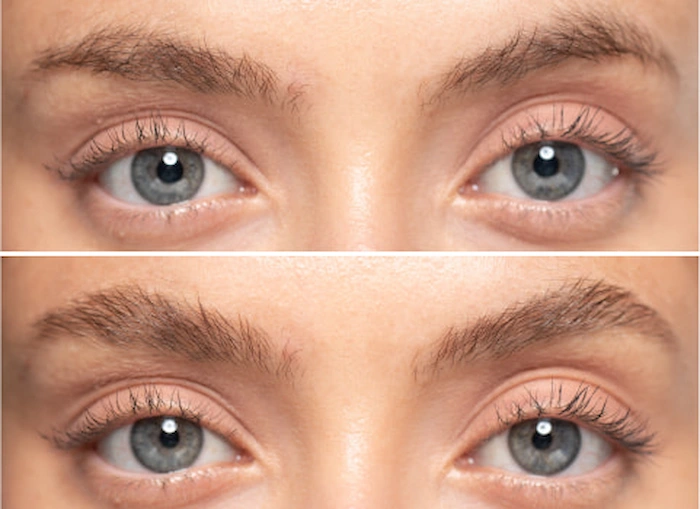
These texture changes are usually temporary. Gentle brushing and conditioning products can help improve hair alignment over time. Treatments should be spaced out to avoid stress on the hair.
How to Manage or Straighten Curly Brows
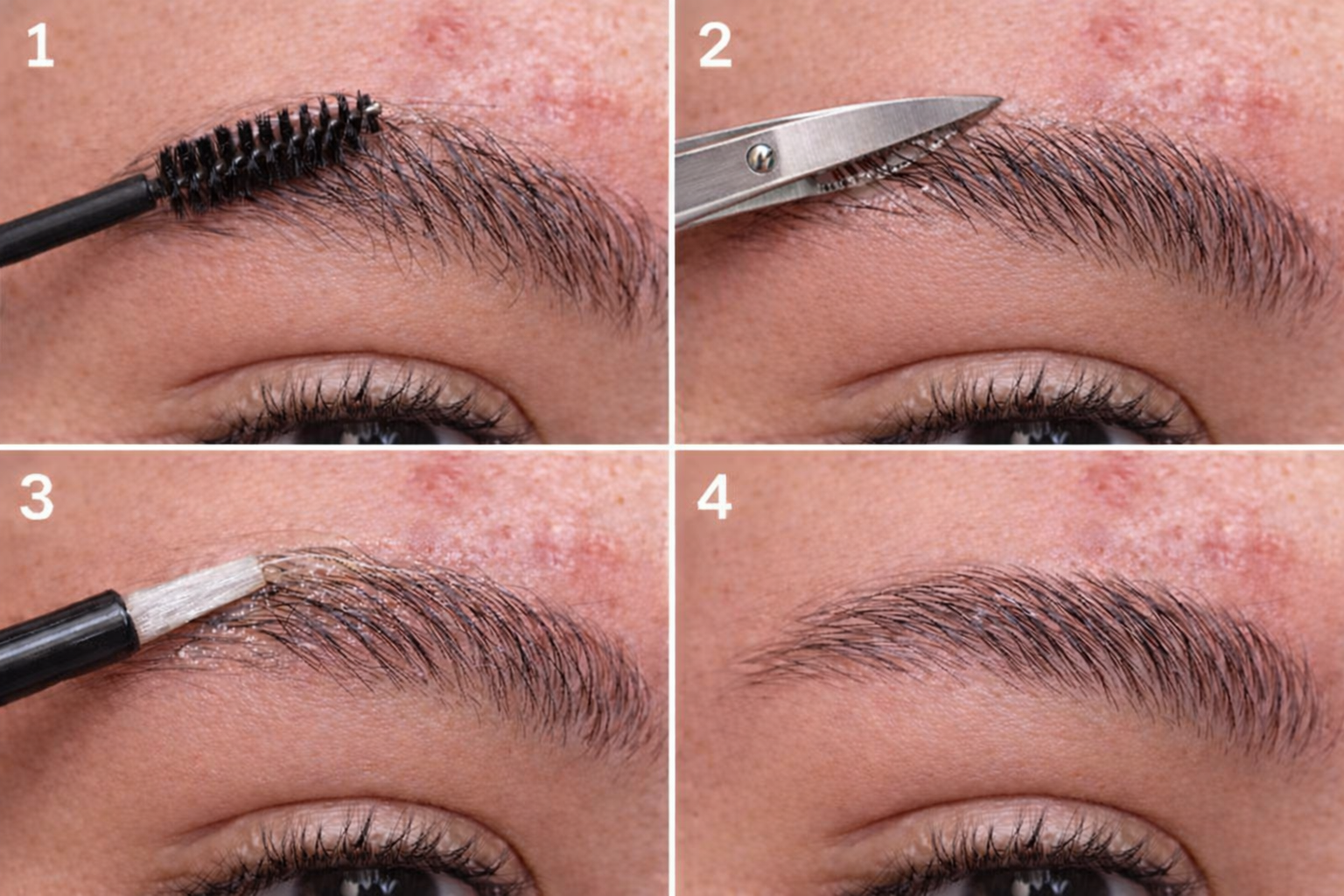
Daily grooming can help curly brows look more even and controlled. Brushing hairs into place, trimming long strands, and using brow gel are common steps. These methods affect only the visible hair and not the follicle.
A simple routine can improve control and support a cleaner brow shape. These steps help with appearance but do not change how brow hair grows.
Basic grooming sequence for curly brows
- Brush eyebrow hairs upward and outward with a clean spoolie.
- Trim only the longest hairs to maintain even length.
- Apply a small amount of brow gel in the direction of the natural hair.
- Let the product dry before touching the brows again.
Some habits can make curl worse. Trimming too often, using heat tools, or repeating chemical treatments can weaken brow hair. Avoiding these habits helps keep eyebrows healthy and easier to manage.
Long-term straightening options exist, but they carry risks. Heat and chemical products can damage eyebrow hair if used too often. Results vary, so expectations should remain realistic.
Curly Eyebrow Hair Transplant: Is It an Option?
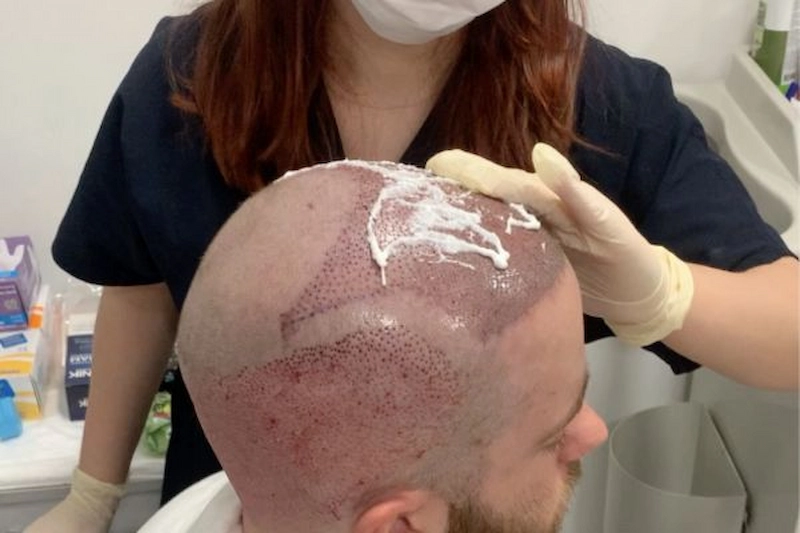
Eyebrow hair restoration may be considered for scarring or eyebrow thinning. A transplant places hair follicles into the brow area with careful control of angle and direction. According to Dr. Kopelman, correct placement is essential for natural-looking growth.
Transplanted brow hair maintains the donor area’s texture. This means curl patterns may remain after the procedure. Understanding this helps set realistic expectations before treatment.
You can also review what eyebrow hair transplant recovery typically entails, including healing timelines and texture changes, to understand realistic expectations after the procedure better.
When to Seek Professional Help
Sudden changes in eyebrow texture may sometimes be related to skin or hormonal changes. A sudden increase in curl, breakage, or irritation may need medical review. These cases are uncommon but important to notice.
Professional help is also helpful for thinning, gaps, or uneven brows. An evaluation can help determine whether changes are cosmetic or medical. This supports safe and informed care decisions.
For patients exploring location-specific care, eyebrow transplant services in NYC are typically evaluated based on the surgeon’s experience, follicle placement technique, and long-term brow hair direction.
If you want a personalized assessment of your brow hair concerns, you can schedule a consultation with Kopelman Hair. A clinical review can help clarify options based on your brow shape, brow hair texture, and overall goals.