
Safety depends on skin type, hair color, and proper protection near the eyes, and results are typically gradual rather than permanent.
This article explains how these methods work, their safety considerations, and realistic outcomes.
Key Takeaways
- Eyebrow hair removal includes at-home and professional methods, each affecting brow hair differently in terms of safety and regrowth.
- Most options are not permanent, and laser-based approaches focus on gradual reduction through multiple removal sessions.
- Skin type, hair color, and prior cosmetic work, such as permanent makeup, affect suitability and outcomes.
- Because the eyebrow area is close to the eyes, proper technique and medical oversight are essential for safety and optimal results.
What Is Eyebrow Hair Removal?
Eyebrow hair removal refers to techniques used to reduce or eliminate brow hair, either in or around the eyebrows, for shaping or density control. Methods range from basic grooming to medical-grade procedures performed in clinical settings. Each option differs in how it affects the hair follicle and how long the results last. Hair texture, including curly eyebrow hair, can influence how evenly hair responds to different removal methods.
Some methods remove only visible hair, while others aim to affect follicle activity. This difference explains why regrowth patterns vary. Understanding how eyebrow hair removal works helps establish realistic expectations.
What Is the Best Eyebrow Hair Removal Method?
The ideal approach varies based on individual goals, such as precise shaping or long-term hair reduction. Temporary methods such as trimming, waxing, or creams remove visible brow hair but do not affect the follicle, so regrowth is expected. These options work best for short-term control and routine maintenance.
For long-term reduction, laser eyebrow hair removal is the only method that targets the follicle using laser technology. It requires multiple removal sessions and works best on darker hair with sufficient pigment. Skin type, hair color, and prior cosmetic work, such as permanent makeup, influence suitability and optimal results.
At-Home Eyebrow Hair Removal Products
At-home options allow individuals to manage brow hair independently. These methods typically remove hair at or just below the skin surface, which explains why regrowth occurs quickly.
Common categories include:
- Creams that dissolve hair at the skin level
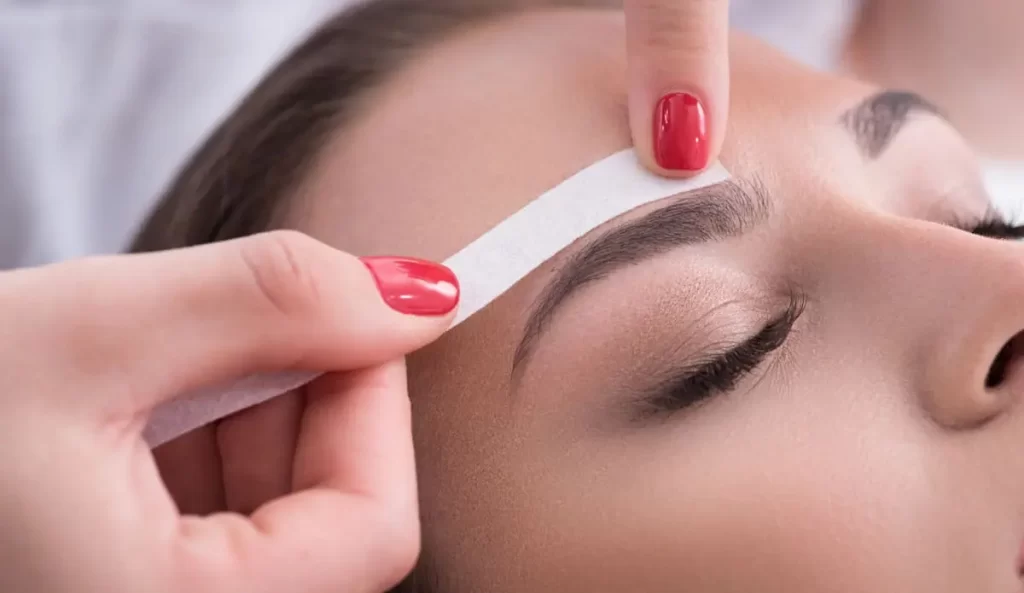
- Wax and strips that remove hair from the root
- Tools that trim or mechanically remove hair
The eyebrow area is sensitive and has a limited surface area. Careful use is essential to avoid irritation or uneven shaping.
Professional Eyebrow Hair Removal Options
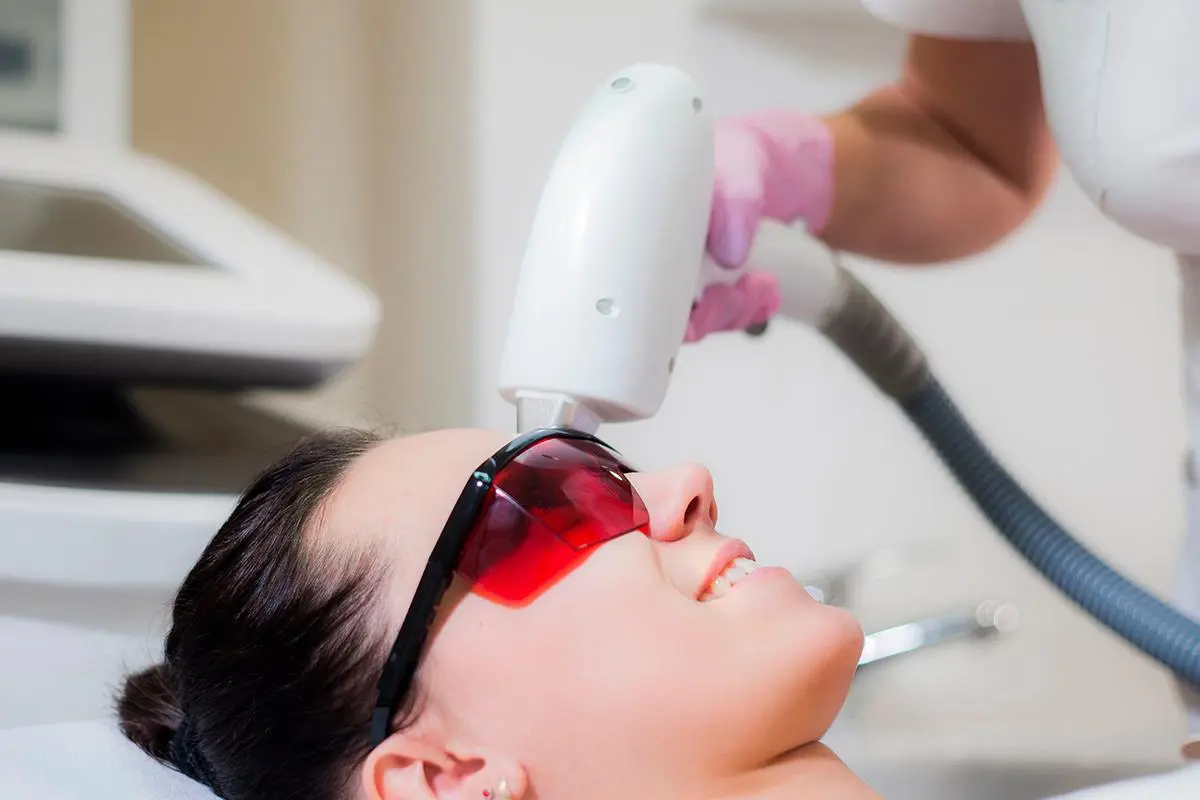
Professional treatments are performed by trained providers using controlled techniques. Laser-based care relies on laser technology to target pigment in the hair follicle, while in-office waxing focuses on precise shaping.
Laser eyebrow hair removal aims to weaken follicles gradually over multiple visits rather than remove all brow hair at once. Waxing offers immediate shape refinement but still requires maintenance. Clinical oversight improves safety near the eyes.
Who May Not Be a Suitable Candidate
Not everyone is a good candidate for every eyebrow hair removal method. Laser treatments are less effective on very light, gray, or red brow hairs because they lack sufficient pigment for the laser to work effectively. Recent sun exposure, active irritation, or broken skin near the eyebrows may also delay treatment. People with very light brows sometimes rely on cosmetic solutions, such as blonde eyebrow tint, rather than hair removal alone.
Certain skin conditions increase the risk of side effects, including eczema, psoriasis, dermatitis, active acne, or pigment disorders such as melasma. Hormonal conditions such as polycystic ovary syndrome or thyroid imbalance can also cause unpredictable brow hair growth, making results less consistent.
Is Eyebrow Hair Removal Permanent?
Most eyebrow hair removal methods are not permanent. Temporary techniques remove existing hair while follicles remain active. Regrowth depends on genetics, hormones, and the method used.
Laser treatments can lead to long-term reduction rather than complete elimination. Multiple removal sessions are required, and some regrowth may occur. This distinction is important for realistic planning.
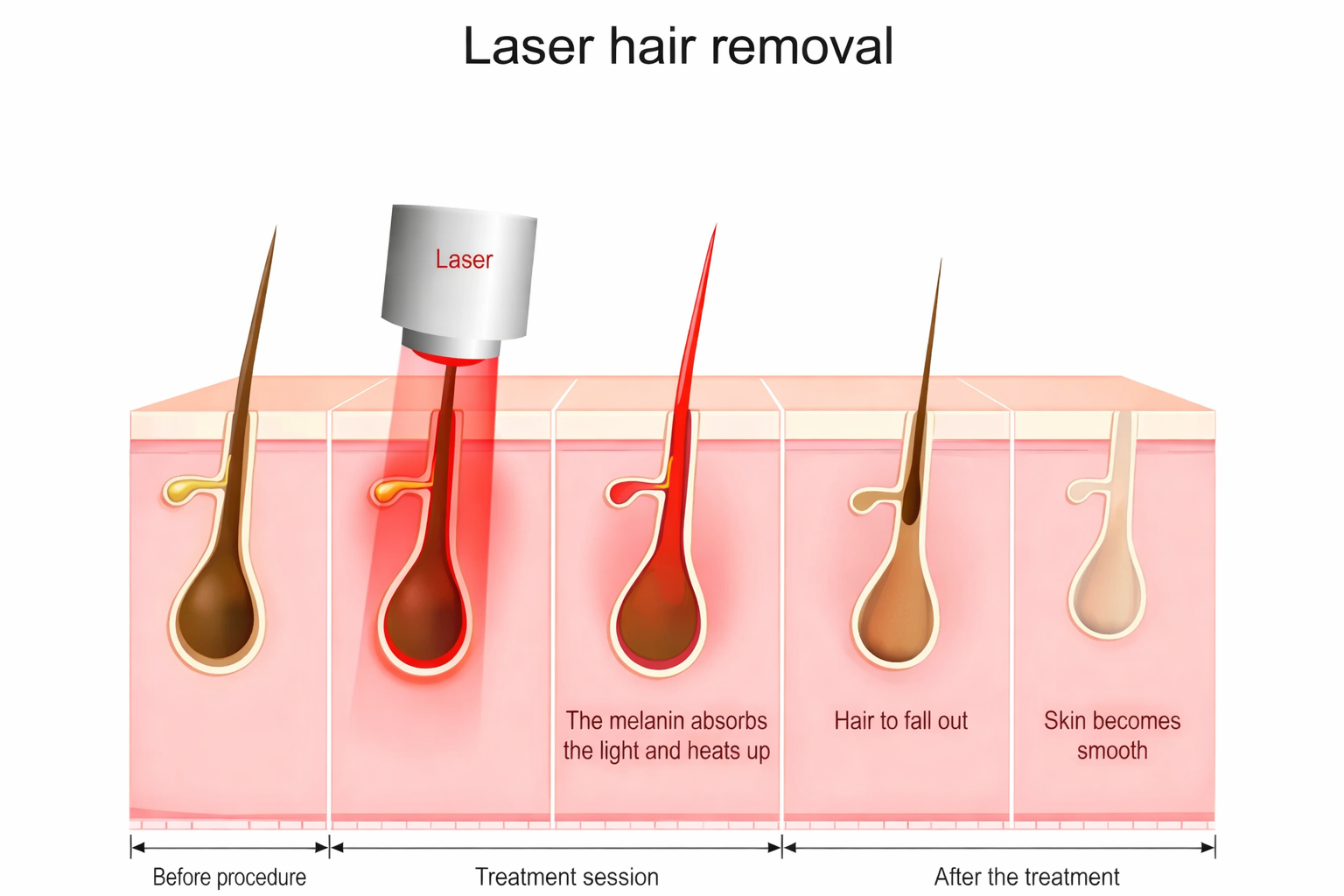
Laser treatments follow a structured removal process because hair grows in cycles. Sessions are spaced weeks apart to target follicles during active growth phases. Gradual change is expected.
How Laser Affects Hair Regrowth
Laser energy targets melanin in the hair shaft and transfers heat to the follicle. Repeated exposure weakens the follicle and reduces its ability to produce new brow hair. Dark hair on lighter skin typically responds best.
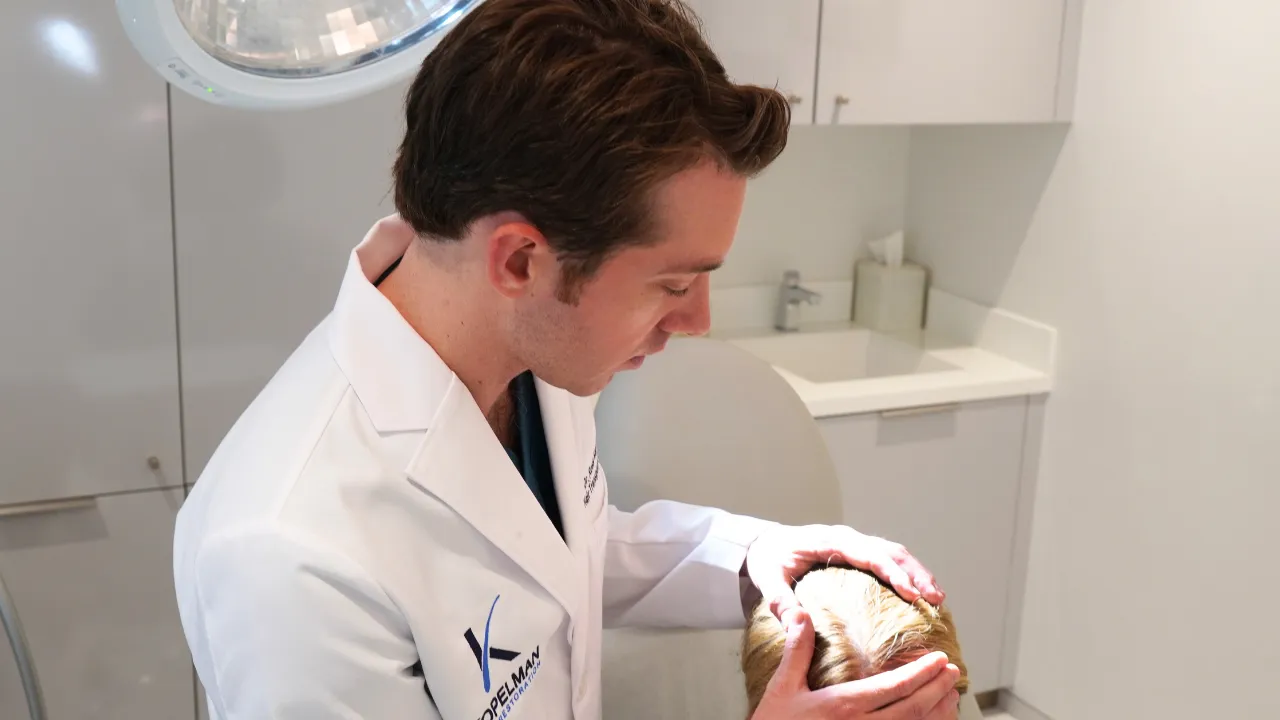
Dr. Kopelman explains that conservative settings and eye protection are essential near the eyebrows because of the facial anatomy. Careful planning supports safety and optimal results.
Even with laser treatment, eyebrow hair removal should be viewed as a reduction rather than an elimination. Dormant follicles may reactivate due to age or hormonal changes. Maintenance may still be needed for optimal results.
How Much Does Eyebrow Laser Hair Removal Cost?
Because the treatment area is small and limited to hair-bearing skin around the eyebrows, pricing is usually calculated per session.
Individual sessions typically range from $150 to $400, depending on the provider, location, and laser system used. Most people require 4 to 8 sessions, spaced several weeks apart, to achieve a visible reduction, with occasional maintenance sessions needed over time.
Safety Risks and Eye Area Concerns
The eyebrow region sits close to the eyes, making safety a primary concern. Risks include irritation, burns, pigment changes, and eye injury if protection is inadequate.
Medical oversight is significant for laser-based treatments. Dr. Kopelman emphasizes that proper eye shields and appropriate settings are required. Even temporary methods can cause problems if misused.
How to Choose the Right Method for You
Choosing the right approach requires matching personal goals with biological and practical limits. Consider how often treatment is needed, skin sensitivity, and whether shaping, reduction, or correction of cosmetic tattoos is the priority. When pigment correction is complete but hair density remains limited, options such as eyebrow transplant procedures in NYC may be evaluated separately from removal.
For some, eyebrow removal is routine grooming. For others, it involves medical planning. Accurate information supports better long-term choices and optimal results.
If you have questions about eyebrow hair removal, you can schedule a consultation to review your options based on your skin and hair type.