
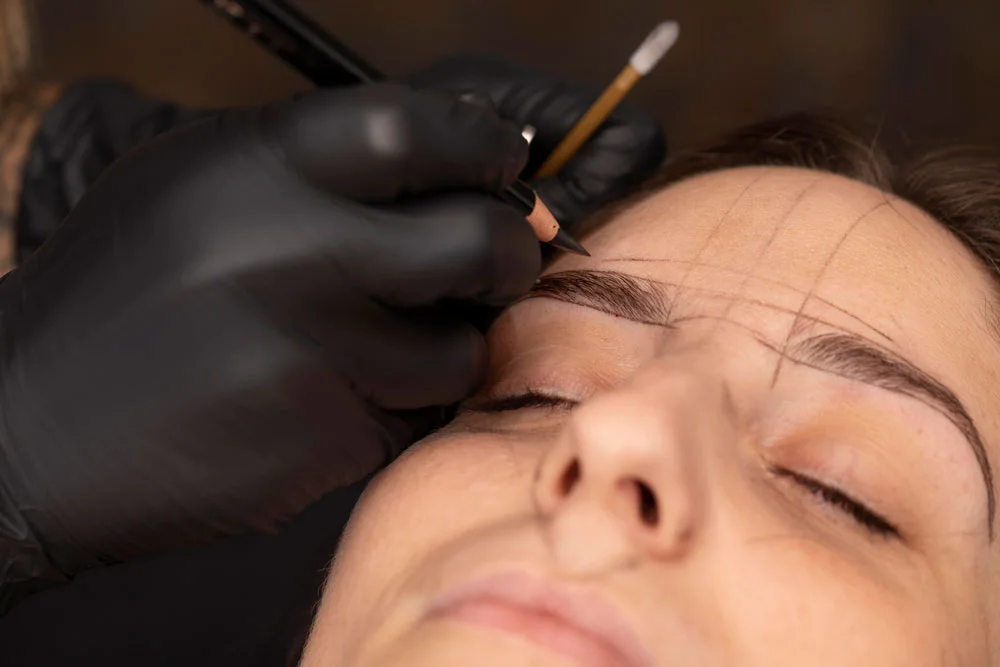
The better choice between an eyebrow transplant or microblading depends on whether you want real, long-term hair growth or a non-surgical cosmetic change. An eyebrow transplant creates permanent hair by moving follicles to the brow, while microblading adds pigment to the skin and fades over time.
At Kopelman Hair, doctors review each case and clearly explain both options. This article explains how each treatment works and how to choose safely.
Key Takeaways
- Eyebrow transplant is a surgical hair restoration procedure that creates permanent hair growth.
- Microblading is a semi-permanent cosmetic procedure that deposits pigment into the skin, which fades over time.
- Microblading vs eyebrow transplant results differ because transplant grows real hair, while microblading only adds surface color.
- The number of hair follicles available and overall skin health affect safety and results.
- Transplantation costs more upfront, while microblading requires repeat visits.
Who Is a Better Candidate for Each?
Longevity and Maintenance
The best choice depends on your goals. An eyebrow transplant moves hair from the scalp to the brow area. It is a type of hair transplantation. Microblading is a cosmetic procedure that deposits pigment into the skin to mimic hair.
When comparing transplant vs. microblading, the biggest difference is the length of the results. Transplanted hair grows long-term and requires trimming. Many people choose this option when they want a permanent eyebrow result.
Microblading fades in one to two years, and some patients exploring alternatives to eyebrow transplant surgery compare it with other non-surgical options. It needs touch-ups to keep its shape. It may suit people who prefer a non-surgical option.
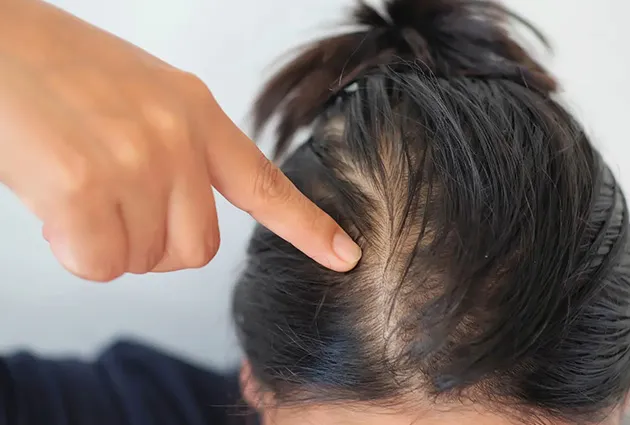
A transplant may help people with eyebrow thinning or eyebrow hair loss caused by age, overplucking, or genetics. The doctor checks the number of hair follicles in the donor area before surgery. Microblading may help people who want fuller brows without surgery.
Medical Evaluation and Candidacy Standards
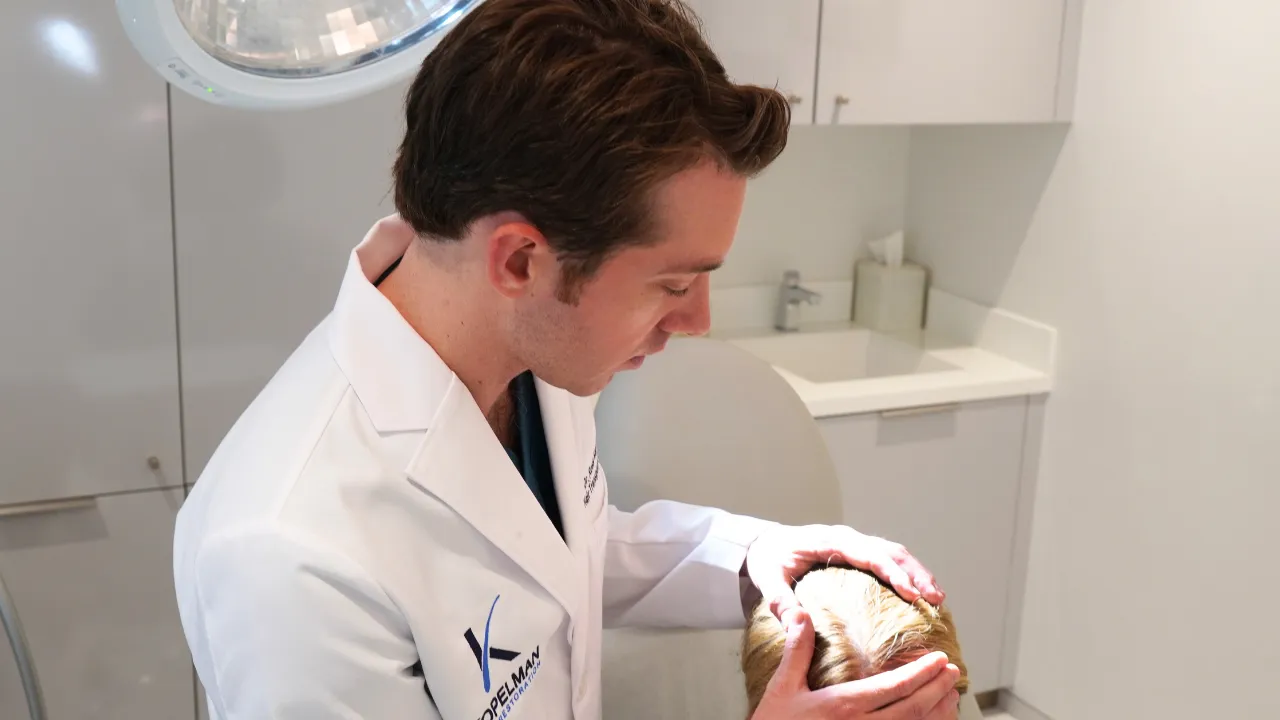
A medical exam is important before treatment. The doctor checks the donor hair supply, skin health, and medical history. Limited donor hair may reduce final density.
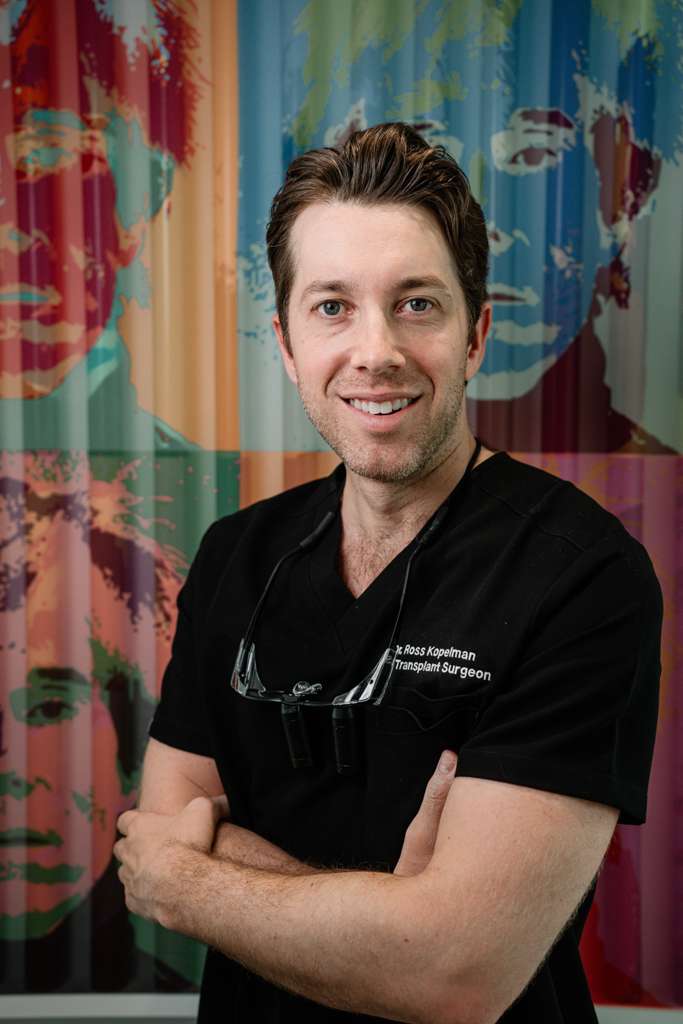
Dr. Kopelman reviews hair thickness and brow shape. He also looks at how the new brow will fit the patient’s facial features. Careful planning helps create balance and natural shape.
Microblading and eyebrow evaluation also require review. Oily skin or certain eyebrow scars may affect pigment hold. Screening lowers risk and improves stability.
Microblading vs Eyebrow Transplant Results
What Is the Most Natural-Looking Eyebrow Procedure?
When reviewing microblading vs eyebrow transplant results, the main difference is real hair versus pigment. A transplant produces hair that grows and sheds. Microblading creates the look of hair, but does not grow hair.
Transplanted hair can look natural when placed at the correct angle, which is why many patients ask whether eyebrow transplants look natural before choosing surgery.
The number of hair follicles placed affects thickness. Microblading may look natural at first, but it softens as it fades.
Transplant results take time. Growth often begins after a few months. Microblading shows results right away but requires maintenance.
Eyebrow Transplant Procedure
How the Surgery Works
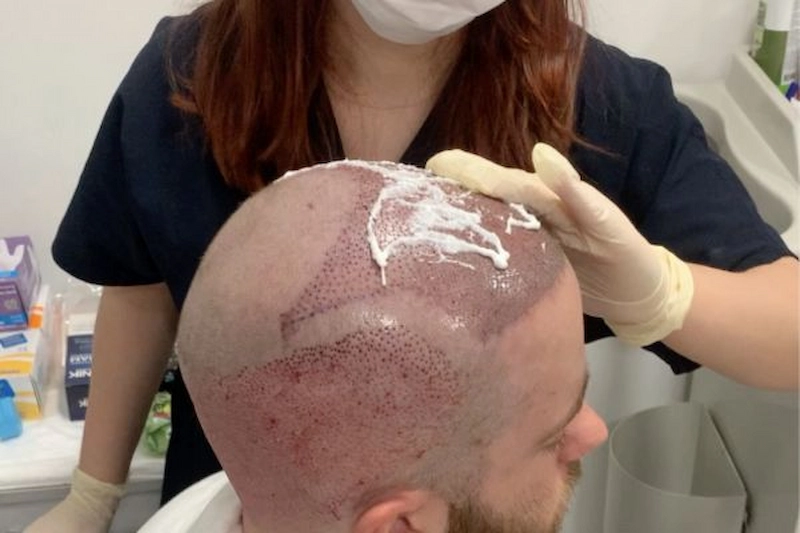
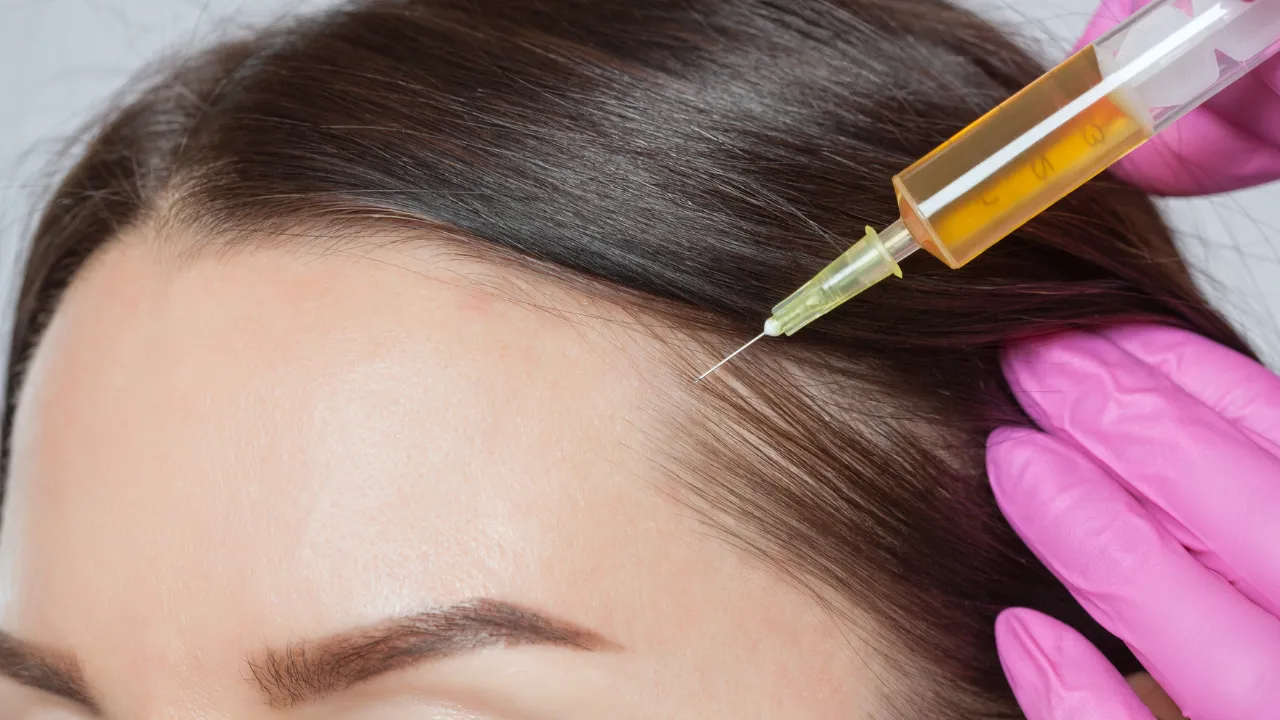
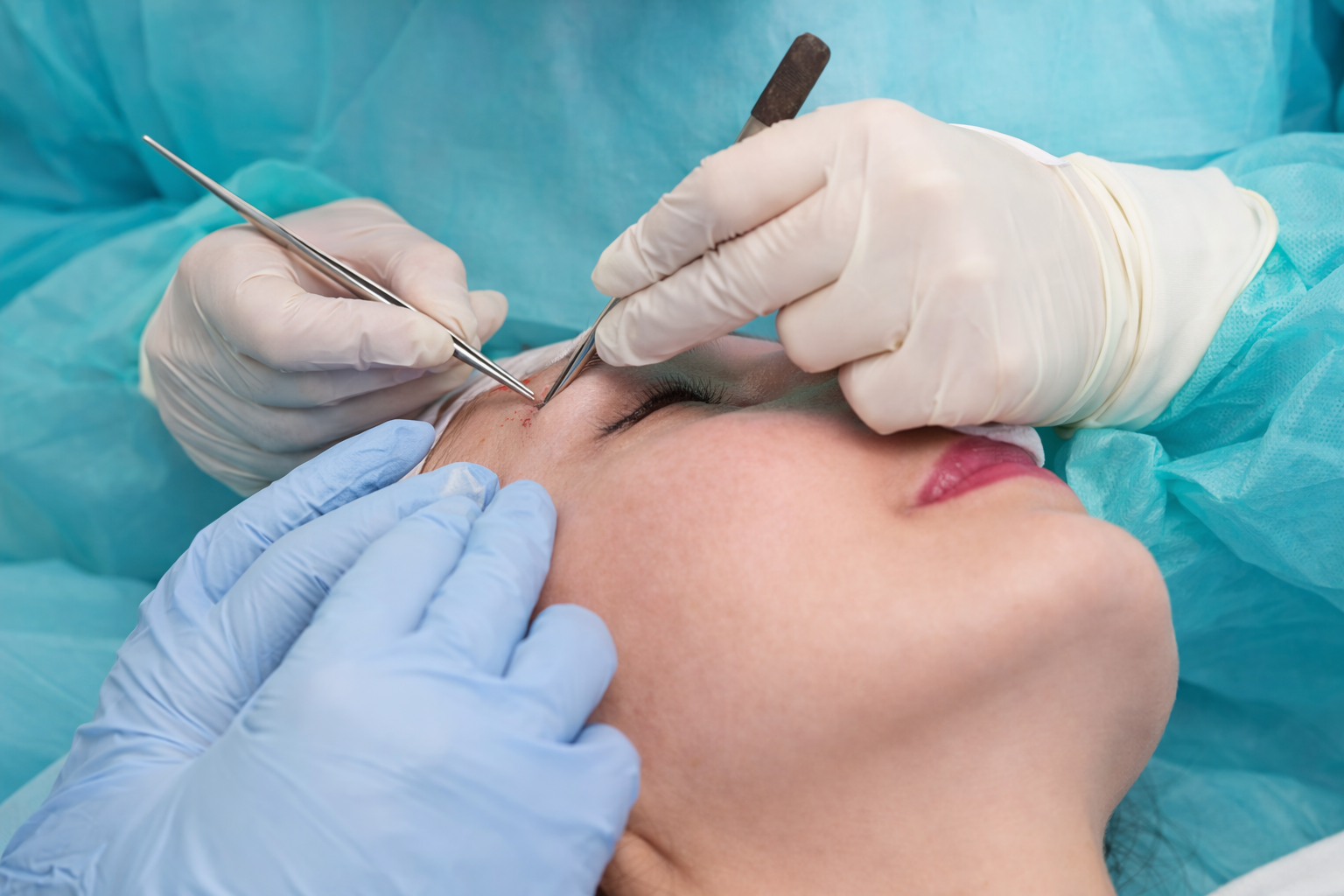
Eyebrow transplant uses Follicular Unit Extraction (FUE). The surgeon removes small hair units from the scalp. These hairs are placed into the brow area.
This hair restoration procedure is done under local anesthesia. Patients stay awake but do not feel pain in the treated area. The doctor controls the angle and direction to match natural brow growth.
Because this is surgical hair transplantation, sterile tools are used. Each hair is carefully placed to blend with the facial features. Precision supports natural results.
Recovery and Risks
Mild redness and small scabs may last about two weeks. The new hairs often shed first. New growth starts after several months.
Risks include swelling or uneven density. Infection and scarring are uncommon with proper care. Good aftercare supports graft survival.
Contraindications and Medical Considerations
Some patients must wait before surgery. Active infection or poor donor supply may delay treatment. Certain medical problems must be stable first.
A full medical review reduces risk. Careful screening improves safety and the quality of outcomes.
Microblading Procedure
Provider Training and Scope of Practice
Eyebrow transplant is done by a licensed physician. It requires medical training and sterile technique. Skill affects symmetry and hair growth.
Microblading is a cosmetic procedure done by licensed cosmetic professionals. It does not move hair follicles. Rules and training vary by location.
How Microblading Is Performed
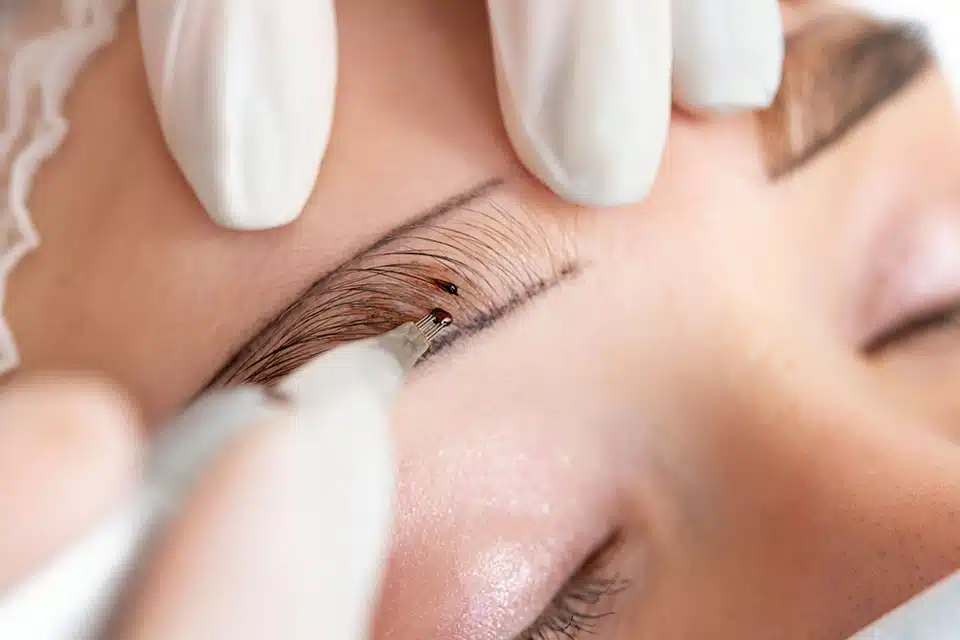
Microblading uses a small handheld tool. The tool places pigment into the top layer of skin. Fine strokes are drawn to copy natural hair.
This method, often described as eyebrow enhancement, improves appearance only. It does not increase the number of hair follicles. It may hide eyebrow thinning, but it does not treat eyebrow hair loss.
Fading and Removal
Pigment fades with time and sun exposure. Some colors may change slightly. Touch-ups help keep the shape clear.
Laser removal may reduce pigment before surgery. The need depends on depth and design goals.
Can You Get an Eyebrow Transplant After Microblading?
How Existing Pigment Affects Surgery
Most patients can still have surgery after microblading. The surgeon first checks pigment depth and skin condition. Pigment does not stop new hair from growing.
In some cases, partial removal helps improve shape. The goal is to match natural facial features and symmetry.
Cost Comparison
An eyebrow transplant usually costs between $20,000 and $25,000. This is a one-time surgical cost for a hair restoration procedure performed under local anesthesia. It may serve as a permanent eyebrow solution for eyebrow hair loss, though the transplanted hair will need regular trimming.
Microblading costs less at first, often a few hundred to a few thousand dollars, depending on location and provider. However, repeating sessions every 1 to 2 years increases the total cost over time. Long-term value depends on whether you prefer permanent hair growth or a flexible cosmetic procedure.
Long-Term Limits
Transplanted hair behaves like scalp hair. It can grow long and needs trimming. Texture may differ slightly from natural brow hair.
Microblading adds color but does not create new hair. It cannot increase the number of hair follicles. Both treatments change as skin ages.
Choosing the Right Option
Some people prefer surgical hair transplantation for long-term growth. Others prefer microblading as a non-surgical cosmetic procedure. Comparing transplant vs microblading requires understanding healing time, maintenance, and permanence.
Dr. Kopelman reviews donor hair, facial features, and patient goals before recommending treatment, especially for patients considering an eyebrow transplant in NYC. A clear plan supports safe results.
Understanding eyebrow transplant or microblading requires clear facts. When patients carefully review microblading vs. eyebrow transplant results, they can choose based on the severity of eyebrow thinning, the pattern of eyebrow hair loss, comfort with local anesthesia, and long-term goals.
If you are considering an eyebrow transplant or microblading, a professional evaluation can help you decide. Schedule a consultation at Kopelman Hair to review your goals and treatment options.