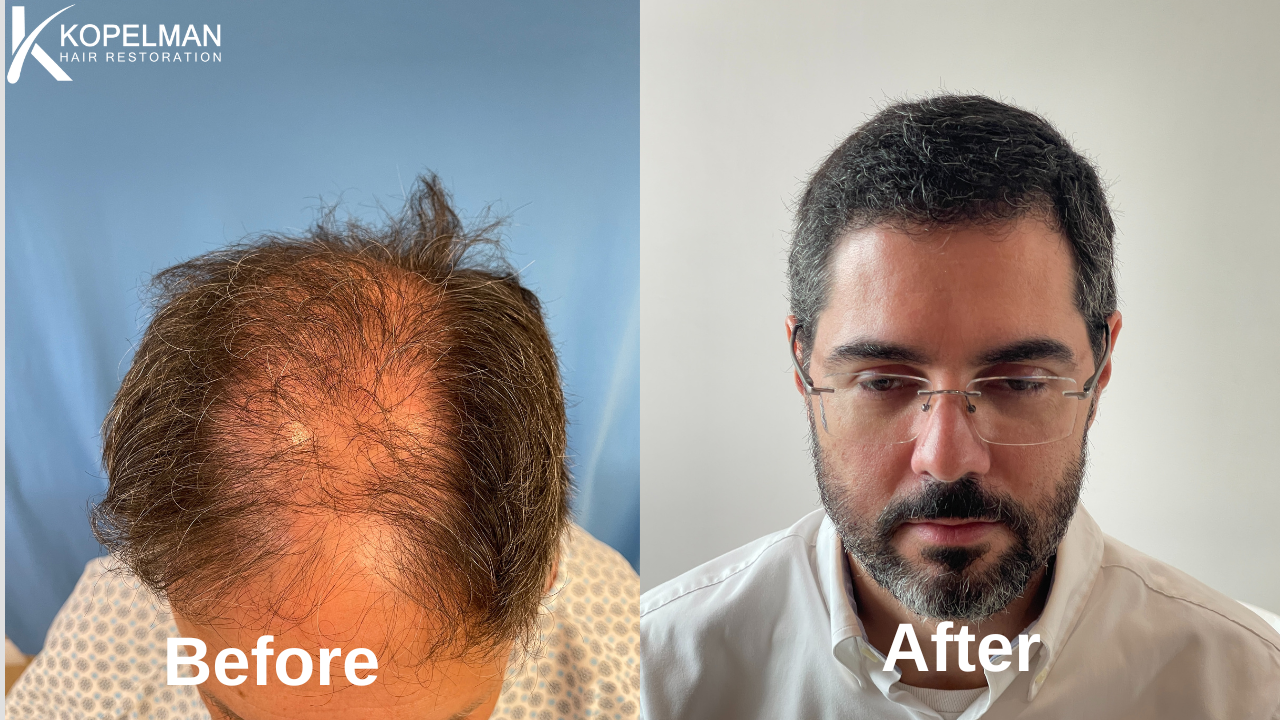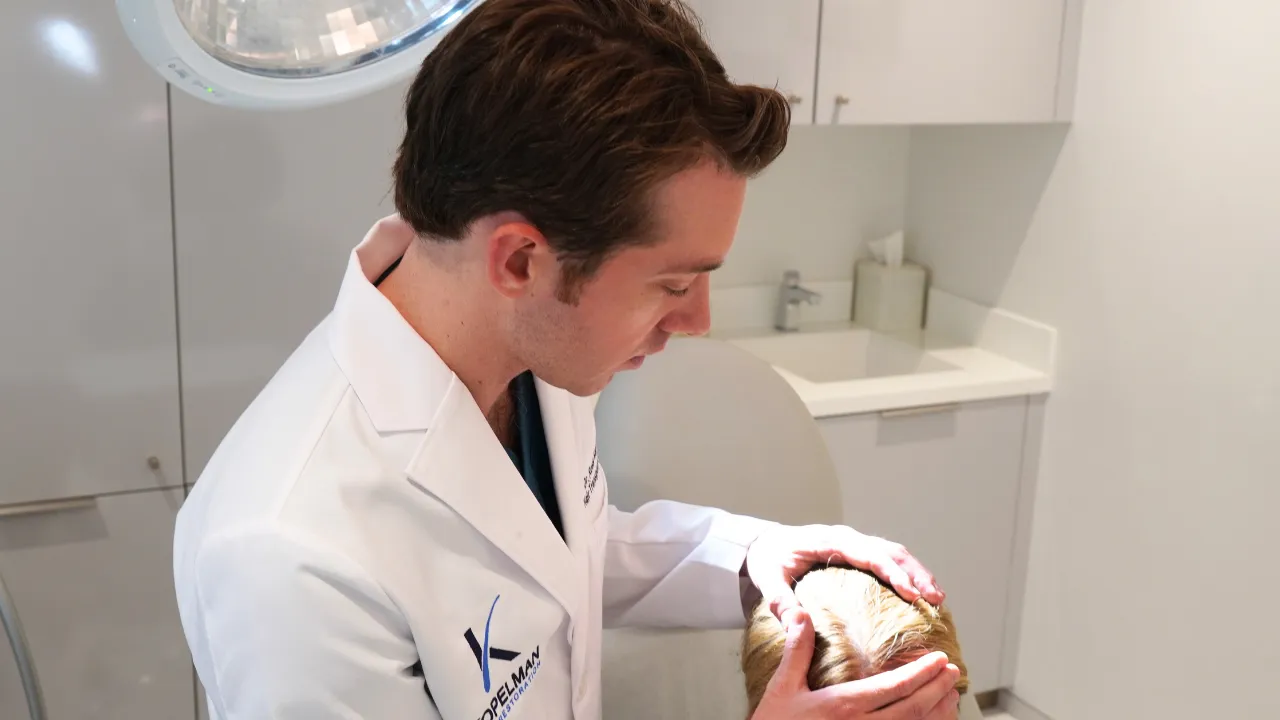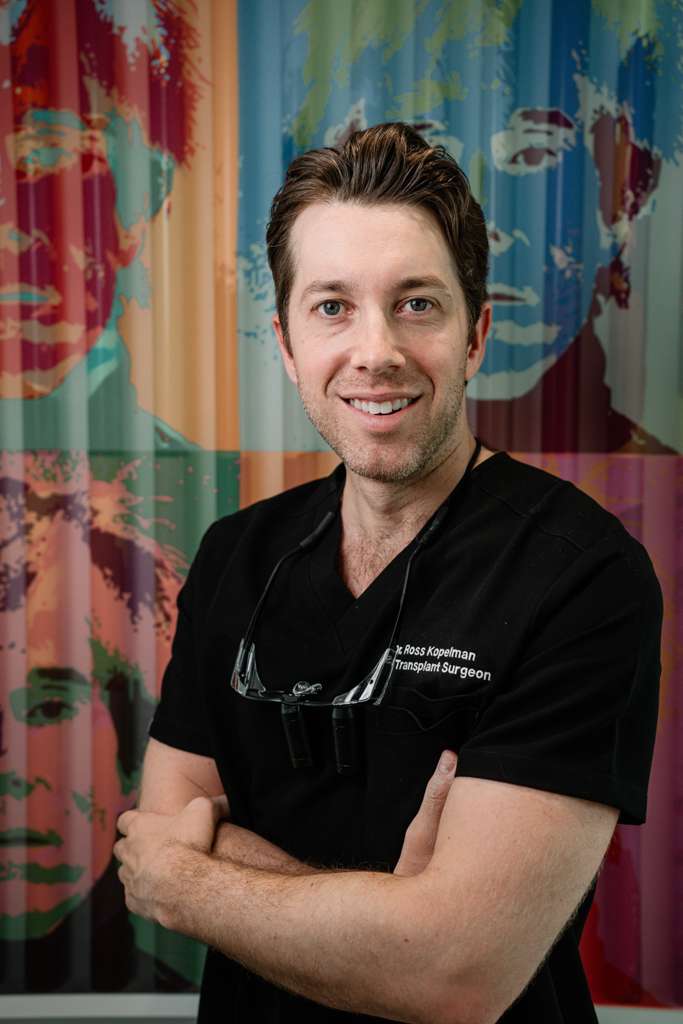

Patients often ask how long it takes for an eyebrow transplant to heal, and in most cases, the skin heals within 7 to 10 days. However, full recovery of each hair follicle and visible hair growth takes several months.
At Kopelman Hair, the healing process is explained clearly so patients understand what happens after eyebrow transplant surgery and hair restoration. This article reviews the healing timeline, eyebrow-area symptoms, post-operative instructions, and the timing of hair growth after transplantation.
Key Takeaways
- Most people heal on the surface within 7 to 10 days, but full hair growth takes several months.
- Shedding in the first weeks is normal and does not mean the transplanted hairs failed.
- New eyebrow growth often starts within three to four months and continues for up to 12 months, with full results appearing later.
- Careful aftercare and following post-operative instructions help protect each hair follicle.
- Call your surgeon if you notice severe pain, spreading redness, or signs of infection.
How Long Does an Eyebrow Transplant Take to Heal After Surgery?
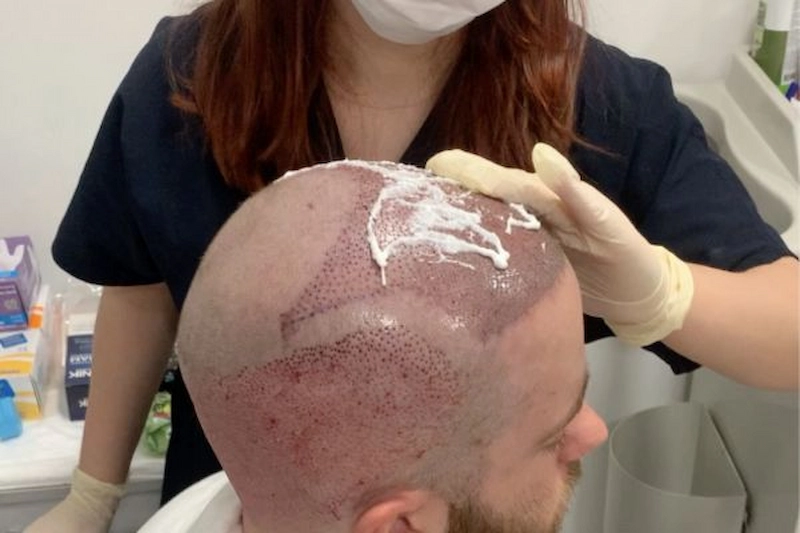
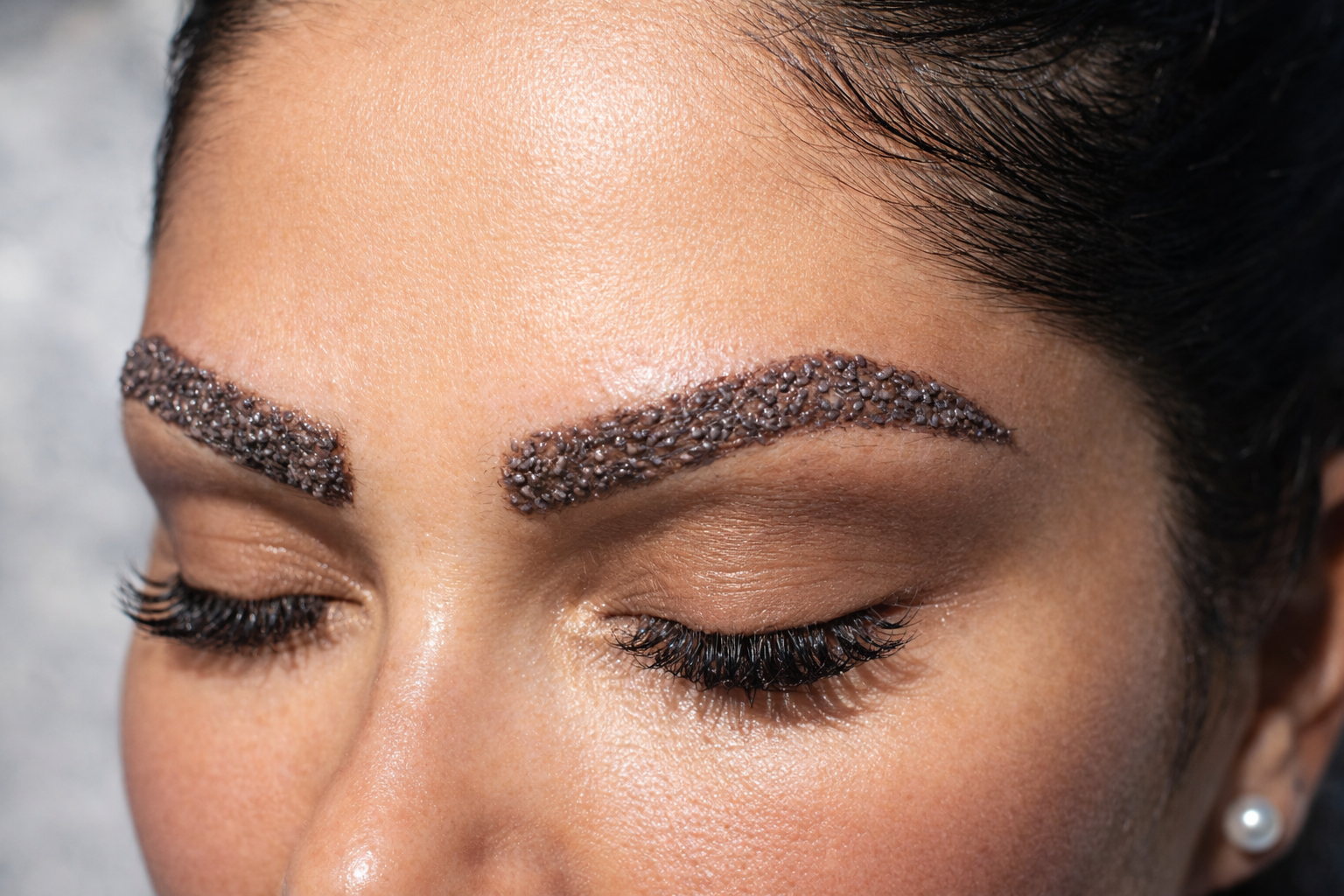
Most patients heal on the surface within 7 to 10 days after the eyebrow transplant procedure. Small crusts form around each graft and fall off naturally. Mild redness in the eyebrow area may last longer depending on skin type.
Healing continues under the skin for several weeks. The skin may look healed in two weeks, but each hair follicle still needs time to reconnect to the blood supply. This deeper phase is part of the recovery process after an eyebrow transplant.
Preparing for Eyebrow Transplant Recovery
Preparation supports early healing. Patients may stop certain blood-thinning medicines with their doctor’s approval. Quitting smoking helps improve blood flow.
Follow all postoperative instructions carefully. Keep the skin clean on the day of surgery. These steps protect the grafts and the donor area.
Your doctor will confirm that you are a good candidate for an eyebrow transplant in NYC. Active skin issues in the eyebrow area may delay surgery. Proper screening supports long-term success.
Eyebrow Transplant Recovery Day by Day
Understanding eyebrow transplant recovery day by day reduces stress. Healing occurs in stages. Each stage brings expected changes in transplanted hairs.
First 72 Hours After Surgery
The first three days are sensitive. Mild swelling and small scabs are normal. Avoid rubbing the eyebrow area.
Cold compresses may help. The donor area can feel sore at first.
Days 4 to 10: Scabbing and Shedding
Scabs usually fall off between days four and ten. Do not pick at them. Your surgeon will explain how to gently wash your face without disturbing grafts.
Some transplanted hairs shed during this time. This is normal. The hair follicle remains under the skin before new hairs grow.
When Eyebrow Transplant Recovery Is Complete
Surface healing is usually complete within 10 to 14 days. By then, scabs have fallen off, and redness in the eyebrow area has improved.
However, full recovery of each hair follicle takes longer. Transplanted hairs often shed before new growth begins around three to four months.
Eyebrow transplant recovery is medically stable once grafts are secure and there are no signs of infection. Long-term improvement continues for 9 to 12 months as transplanted hairs continue to grow and mature.
When Will I See Results After an Eyebrow Transplant
New growth often begins around three to four months. Transplanted hairs continue to grow and thicken over time. Many patients notice changes by six to nine months.
Full results usually appear between nine and twelve months. Healthy hair growing requires patience. Skin healing occurs before visible changes.
How Painful Is an Eyebrow Transplant
Most transplant procedures use local anesthesia. Patients feel pressure rather than sharp pain. Discomfort after eyebrow transplant surgery is usually mild.
Over-the-counter medicine often helps. Severe pain should be checked.
Factors That Affect Eyebrow Transplant Recovery Time
Healing speed differs between patients. Dr. Kopelman explains that careful graft placement reduces trauma. Experience in performing eyebrow transplants supports safer healing.
Skin Type and Overall Health
Skin type affects redness and swelling. Smoking, diabetes, and some medicines may slow recovery. Patients should review risks before hair restoration treatment.
Good health supports better healing. Medical screening lowers avoidable delays.
Aftercare and Healing Support
Aftercare affects how long an eyebrow transplant takes to heal. Patients receive postoperative instructions about cleansing and activity limits, including detailed guidance on eyebrow transplant aftercare. Following them protects grafts.
Key steps include:
- Do not rub the eyebrow area
- Sleep with your head raised
- Avoid direct water pressure on the eyebrow area, and pat dry without rubbing
These steps support stable recovery from eyebrow transplant surgery.
When Can I Return to Normal Activities
Most patients return to desk work within days. Heavy exercise should wait one week. Sweat can irritate healing skin.
Avoid makeup near the brows for 10 to 14 days. Limit sun exposure during early healing.
Risks, Complications, and Warning Signs
Complications are rare but possible after transplant procedures. Infection, severe swelling, or persistent redness requires review. Small bumps may form as new hairs grow through the skin.
Mild scabbing and shedding are normal parts of eyebrow transplant recovery. Contact your surgeon if you notice increasing pain or drainage.
When to Contact Your Surgeon
Call your surgeon if you have severe swelling or bleeding. Seek care for infection signs. Early treatment prevents larger problems.
Clear follow-up supports safe healing after hair restoration. Monitoring both the brow and donor area supports long-term recovery.
If you have questions about eyebrow transplant surgery or your healing timeline, you can schedule a consultation for a personalized evaluation.