
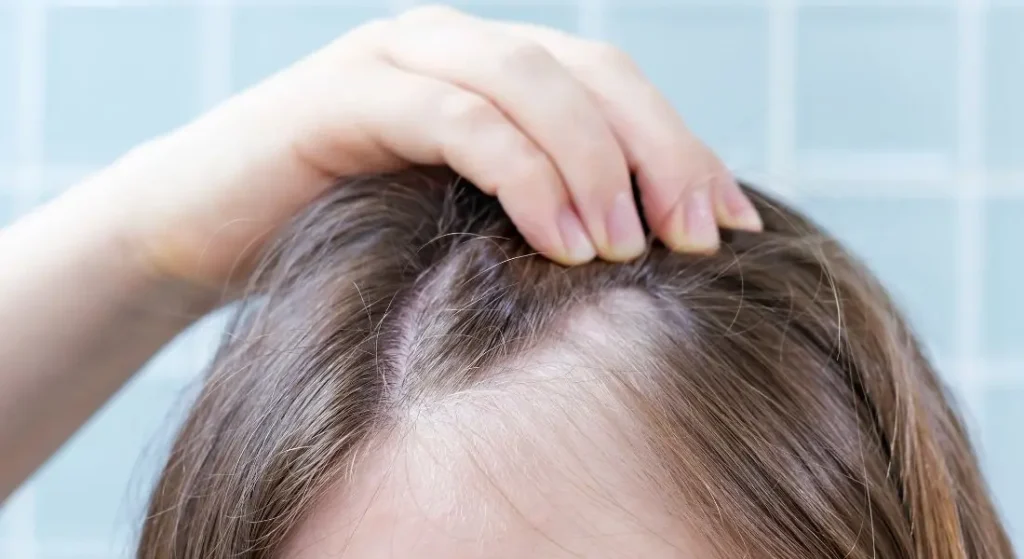
Vitamins can support hair and scalp health. But they do not treat the underlying cause of frontal fibrosing alopecia. This condition is a type of scarring alopecia, which means damaged hair follicles cannot grow back once they are lost.
Using vitamins for frontal fibrosing alopecia may help fix deficiencies like low vitamin D or iron. This can improve hair around the affected area. Still, supplements alone will not stop or reverse the condition.
The most effective approach combines medical treatment with targeted nutritional support when needed, especially when compared to other types of alopecia that may respond differently.
Key Takeaways
- Vitamins for frontal fibrosing alopecia can support scalp health, but they do not treat the root cause or restore lost hair follicles.
- Frontal fibrosing alopecia is a type of scarring alopecia, so early diagnosis and treatment are critical to prevent permanent hair loss.
- Correcting deficiencies like low vitamin D or iron may help overall hair quality, but supplements alone will not stop disease progression.
- The most effective approach combines medical treatment, scalp care, and expert guidance to slow hair loss and preserve existing hair.
Do Vitamins Help Frontal Fibrosing Alopecia?

Vitamins for frontal fibrosing alopecia can support general hair health, but they do not treat the main cause. Frontal fibrosing alopecia FFA is a type of scarring alopecia. This means damaged hair follicles cannot grow back.
Some patients with FFA also have low vitamin levels. This can make other hair loss conditions worse. Fixing a vitamin D deficiency or low iron may help the hair around affected areas.
Vitamins can support the scalp, but they do not stop the disease. Patients with frontal fibrosing should not rely only on supplements. Medical care is still the most important step.
What Causes Frontal Fibrosing Alopecia
Frontal fibrosing alopecia has many causes. It involves the immune system, hormones, and outside factors. It is one of several forms of alopecia that lead to permanent hair loss.
Autoimmune and Hormonal Factors
The immune system plays an important role in FFA. It attacks hair follicles and causes inflammation. This leads to hairline recession and eyebrow loss.
Hormones also affect this process. Many cases appear in postmenopausal women. This shows that hormonal changes are linked to the condition.
This is different from other patterns such as ludwig scale female hair loss, which does not involve scarring. Knowing this helps guide treatment options.
Link to Lichen Planopilaris
FFA is related to lichen planopilaris. Both are inflammatory scalp conditions. Many patients with lichen planopilaris show similar signs.
Doctors often check for both conditions. This helps give a clear diagnosis. Early care improves results.
Vitamins and Supplements for FFA
Vitamins fibrosing alopecia discussions often focus on regrowth. In reality, vitamins mainly support overall health. They do not fix the main cause of FFA.
Vitamin D and Frontal Fibrosing Alopecia
Vitamin D plays an important role in the immune system. Some research looked at vitamin D levels in patients with FFA. A retrospective study found no clear link.
In many studies, vitamin D supplementation was excluded as a cause of the condition. This means low vitamin D is not the main reason for FFA. Still, normal levels help support general health.
Other Deficiencies and Hair Loss
Low nutrients can affect other hair loss conditions. These include low iron, zinc, and biotin. They do not cause FFA, but they can worsen cases of hair loss.
Fixing these issues may improve hair outside the scarred areas. This is useful for patients with FFA who also have other forms of alopecia. Healthy levels support better hair growth.
When Supplements May Help
Supplements help when tests show a real deficiency. Doctors recommend them based on results, not guesswork. This avoids taking vitamins that are not needed.
You may benefit if:
- Your blood test shows low vitamin D level
- You have signs of general hair thinning
- Your diet lacks key nutrients
This approach keeps care simple and focused.
Can Frontal Fibrosing Alopecia Be Stopped or Reversed?
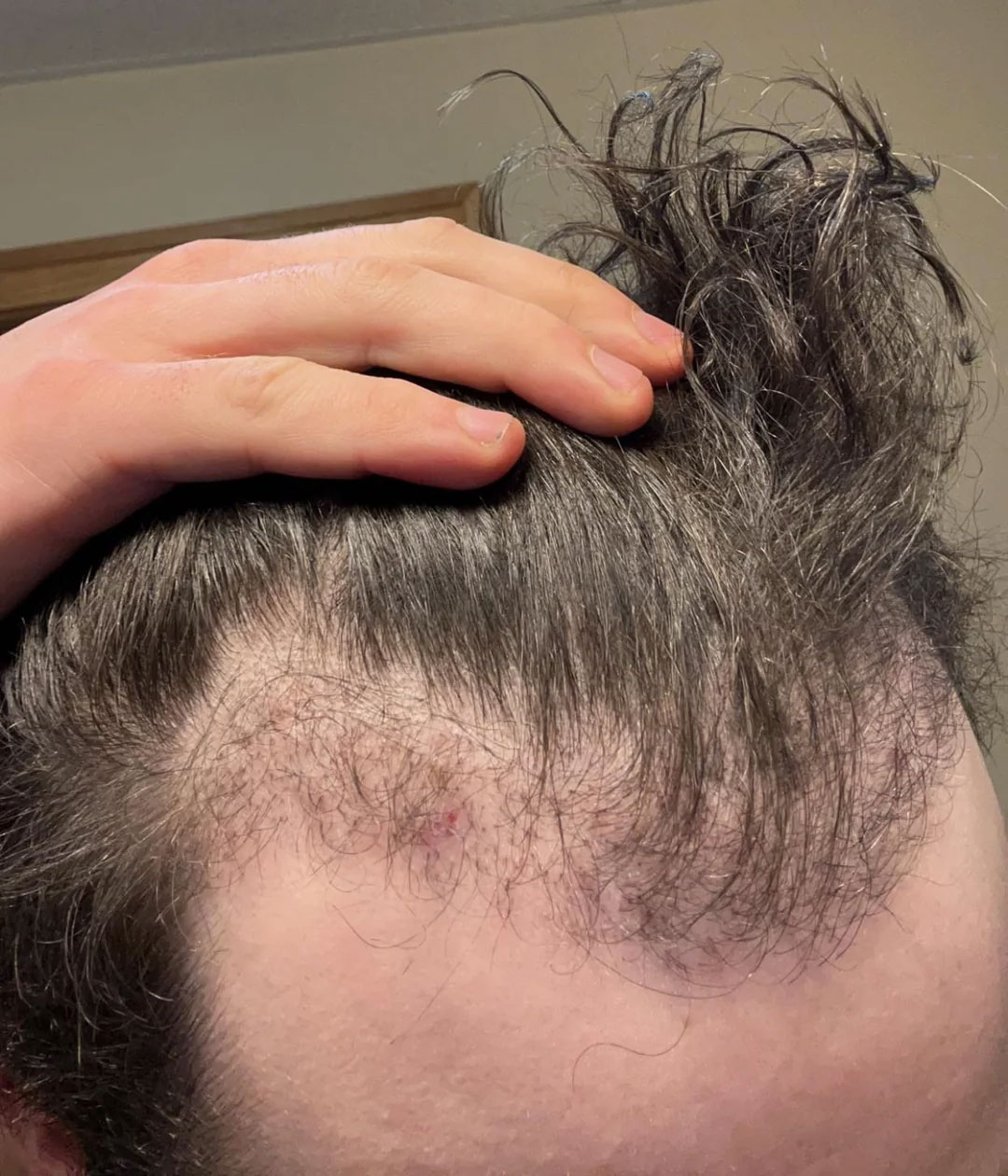
Many patients ask if they can stop or reverse FFA. The answer depends on how early it is found. Early care can slow the condition.
What Research and Studies Show
A fibrosing alopecia retrospective review shows that inflammation damages hair follicles. Once scarring starts, regrowth is very unlikely. This is why early treatment matters.
Studies also show that vitamins alone do not stop FFA. They may help overall health, but not the main disease process. This helps set clear expectations.
Why Scarring Alopecia Cannot Reverse
Scarring alopecia destroys hair follicles and replaces them with scar tissue. This blocks new hair from growing. Unlike other hair loss conditions, the damage is permanent.
Knowing this helps you avoid false hope. It also shows why early care is important. The goal is to protect the hair you still have.
How Doctors Manage Progression
Doctors focus on slowing the disease. They use treatments that reduce inflammation. This helps protect remaining hair.
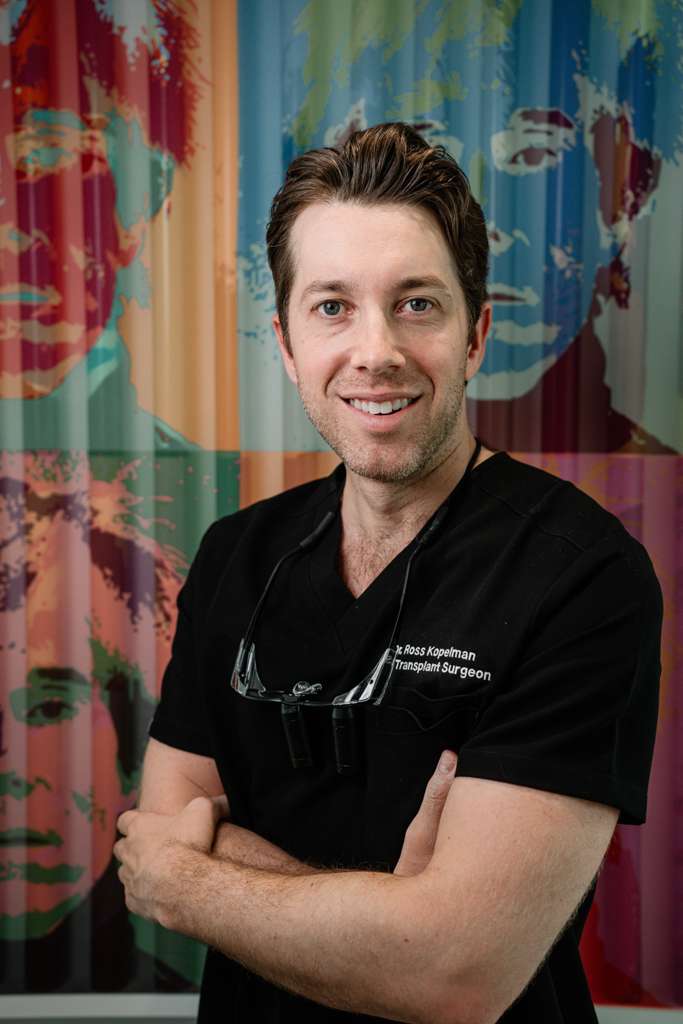
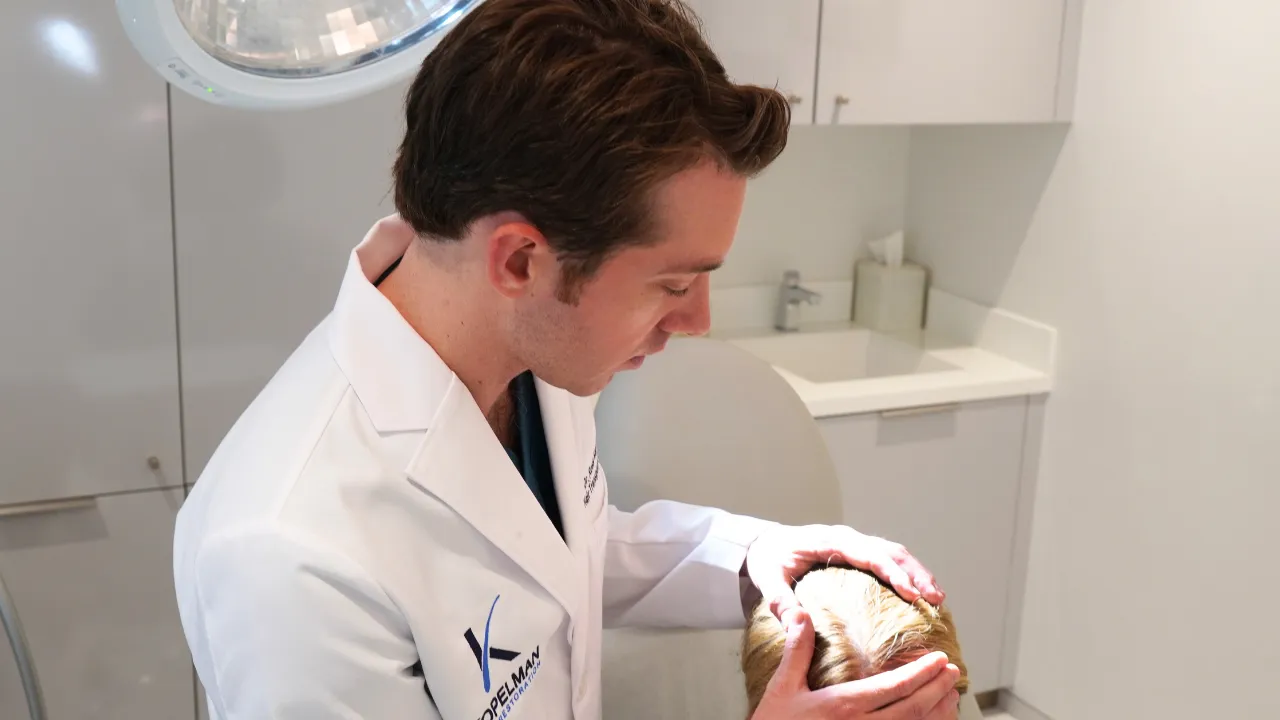
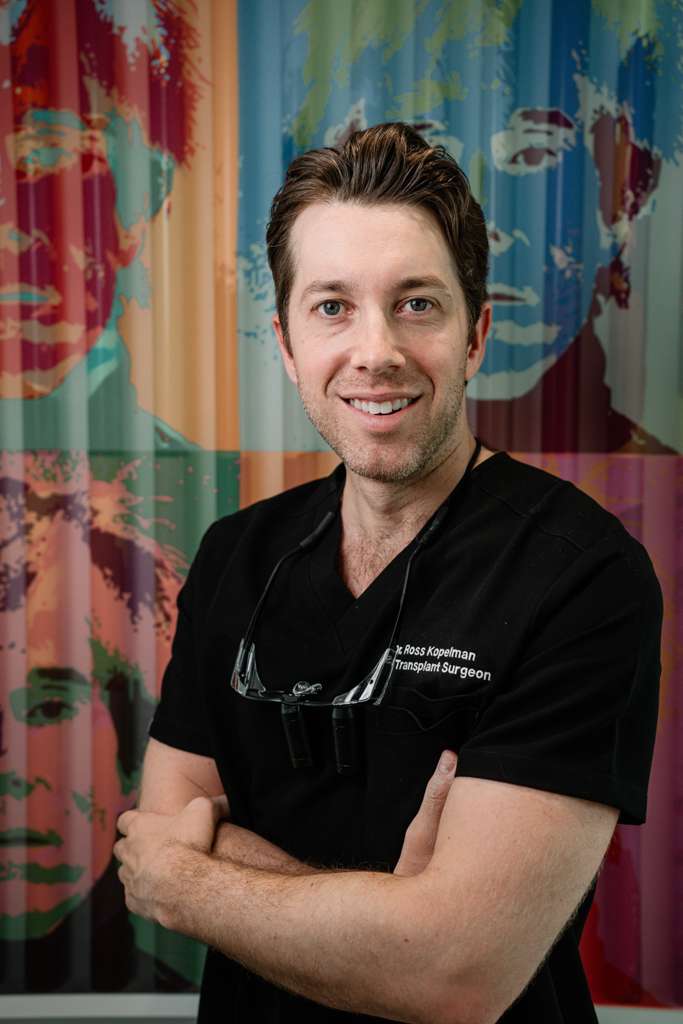
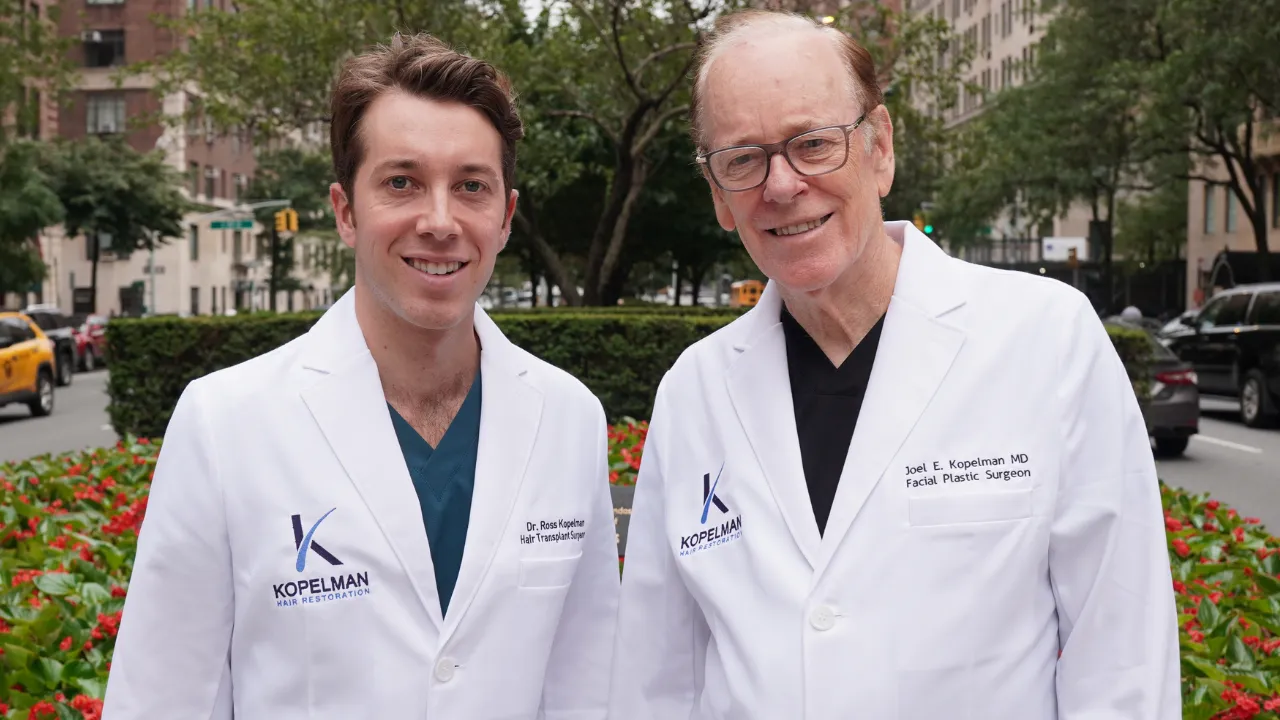
Dr. Kopelman explains that early diagnosis makes a big difference. Patients with frontal fibrosing can keep more hair with proper care. Regular follow-ups help track progress.
Best Treatment for Frontal Fibrosing Alopecia
Treating FFA needs a full plan. The goal is to reduce inflammation and prevent more loss. Each case is different, so care must be personalized.
Medical Treatment Options
Common treatment options include:
- Topical steroids
- Oral medications
- Immune-targeting drugs
These help control the disease. Doctors adjust them based on how you respond.
Anti-Inflammatory Therapies
These treatments calm the immune system. This protects hair follicles from further damage. Consistent use is key.
Doctors review progress often. They make changes when needed. This keeps the plan effective.
Hair Transplant Considerations
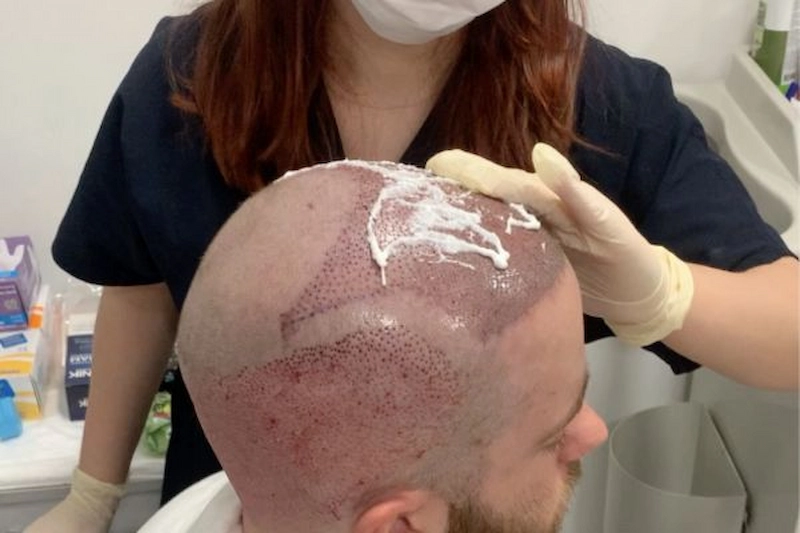
Hair transplant may help in some cases. It only works when the disease is stable. Active inflammation can reduce results.
At Kopelman Hair, careful testing comes first. Dr. Kopelman checks scalp stability before surgery. This helps improve long-term success.
In selected patients, procedures like hair transplants in NYC may be considered once the condition is controlled.
Scalp Care and Shampoo Options
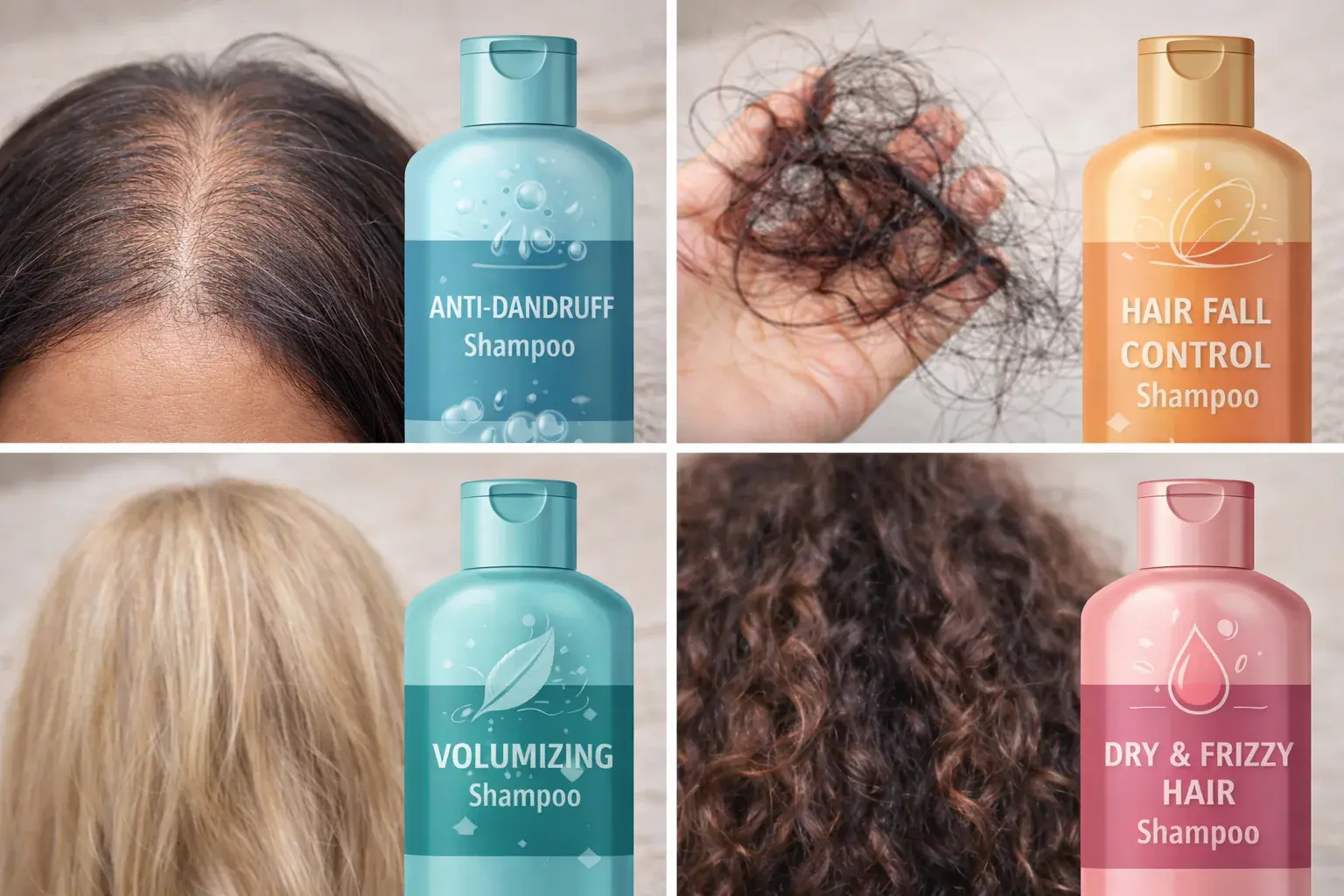
Good scalp care supports your treatment. It does not cure FFA, but it helps keep the scalp healthy. Simple changes can make a difference.
Best Shampoo for Frontal Fibrosing Alopecia
Many patients ask about the best shampoo for frontal fibrosing alopecia. Gentle shampoos work best. They clean the scalp without causing irritation.
Look for:
- Mild formulas
- Soothing ingredients
- Hydration support
These help keep the scalp balanced.
Ingredients to Use and Avoid
Some ingredients help, while others can irritate the scalp. Choose products made for sensitive skin.
Use:
- Aloe vera
- Niacinamide
- Panthenol
Avoid:
- Sulfates
- Alcohol
- Strong fragrances
This keeps your routine simple and safe.
Frontal Fibrosing Alopecia Results
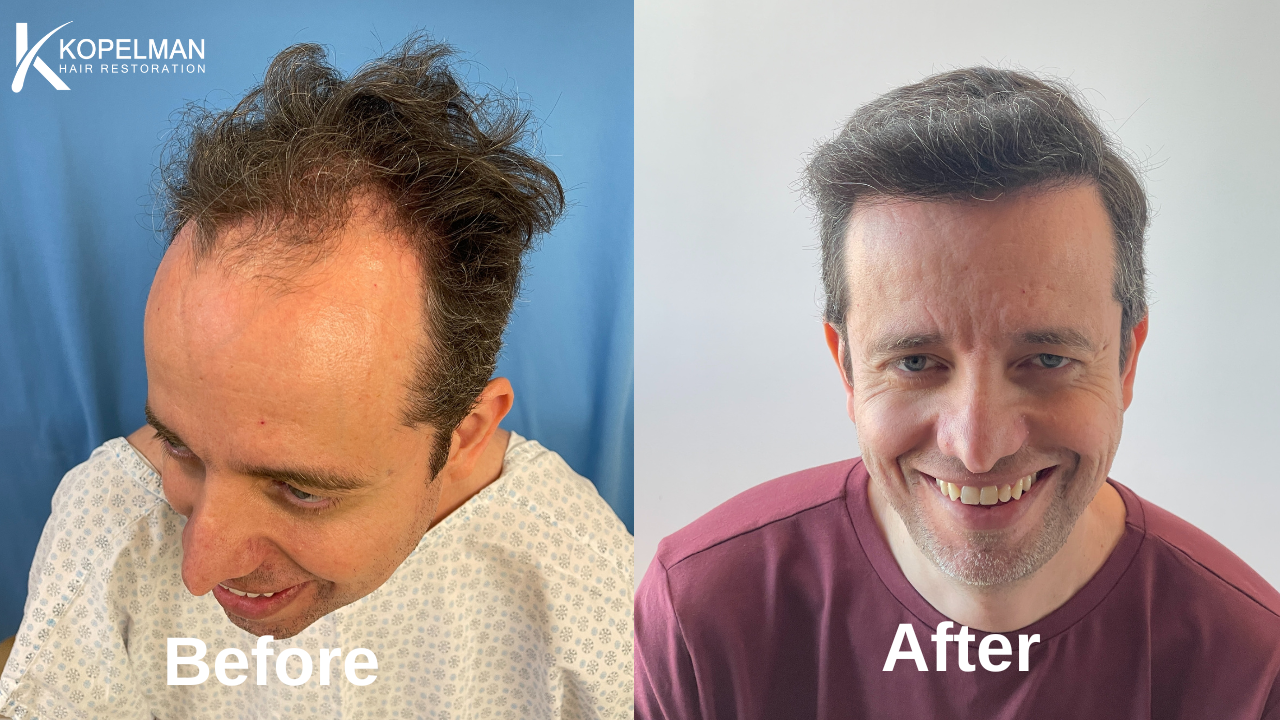
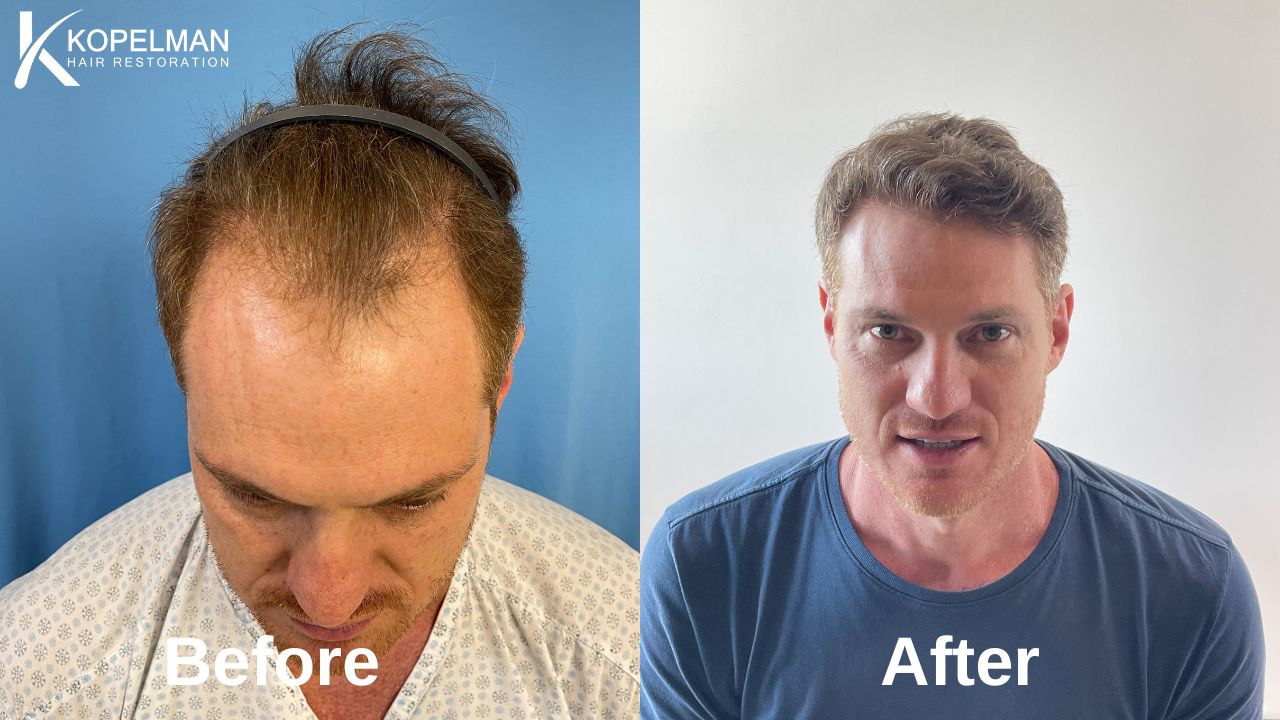
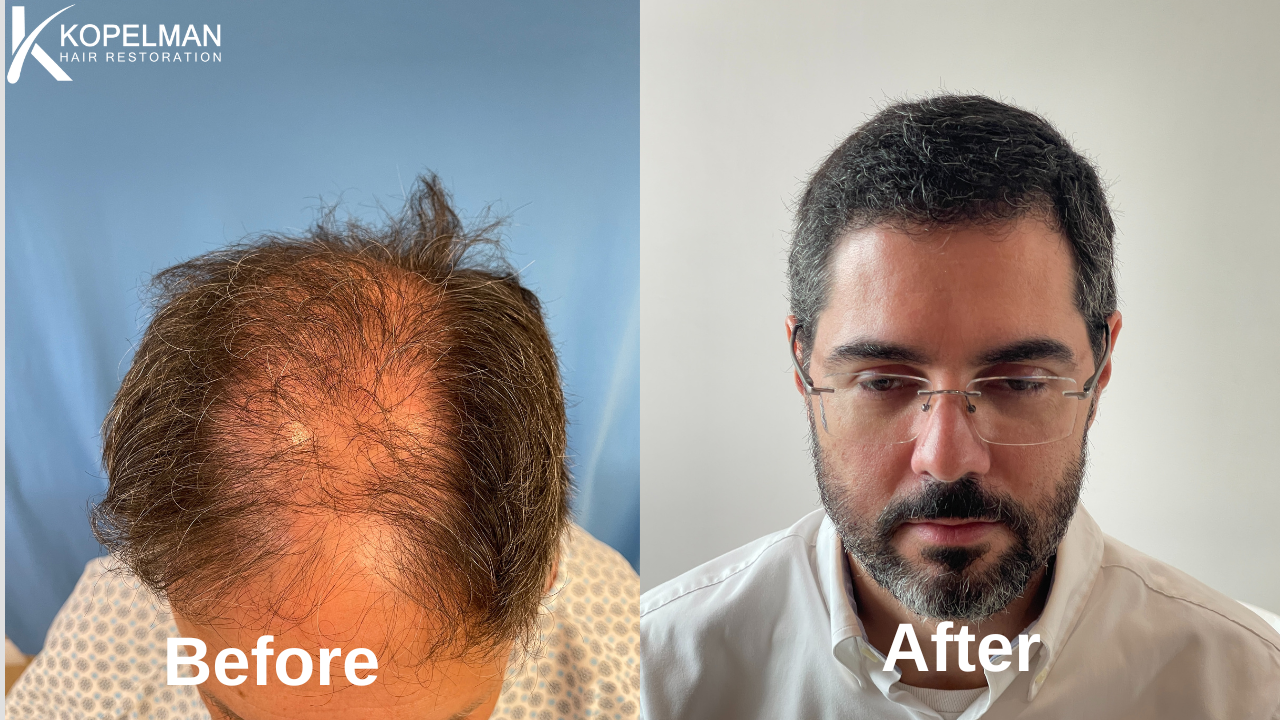
Results depend on early care and consistency. The goal is to slow hair loss, not regrow lost hair. This helps set clear expectations.
Success Stories and Limits
Frontal fibrosing alopecia success stories often show slower hair loss. Patients who start early keep more hair. This is the best outcome.
Still, regrowth in scarred areas is rare. Knowing this helps you stay realistic. It also reduces frustration.
What Results Are Realistic
Real results include less inflammation and stable hair. Some improvement may happen in nearby areas. Full regrowth is not expected.
Guidelines from the academy of dermatology support early care. They stress long-term management for chronic hair loss conditions. Following expert advice improves results.
When to See a Hair Specialist
See a specialist if you notice hairline recession or eyebrow loss. Early action helps protect your hair. Waiting can lead to permanent damage.
Dr. Kopelman advises quick evaluation for any signs of FFA frontal fibrosing alopecia. A clear diagnosis leads to better care. Expert treatment gives you the best chance to keep your hair.