
What Is Co-Washing and When Should You Use It?
Co-washing means cleansing with conditioner alone instead of shampoo. The mild surfactants in conditioner lift sweat and surface debris without dissolving the lipid layer that shampoo removes.
For coily textures, this technique is a practical middle ground. It lets you clean daily if your work demands it, without the cumulative dryness that daily shampooing causes.
Use it between your full washes. Massage conditioner down to the skin, let it sit for two to three minutes, then rinse thoroughly and follow with oil while still damp.
Should You Brush or Comb Your Beard?
Both a brush and a comb serve different purposes. A comb helps detangle longer growth, while a brush distributes oils evenly toward the ends where they are needed most.
For optimal beard grooming, use a wide-tooth or medium-tooth comb to prevent breakage and a soft-bristle brush for styling. Avoid fine-tooth combs entirely, since they snag coils and cause splitting. Always detangle when damp and conditioned, never dry.
Hydrating and Conditioning for Soft, Healthy Hair
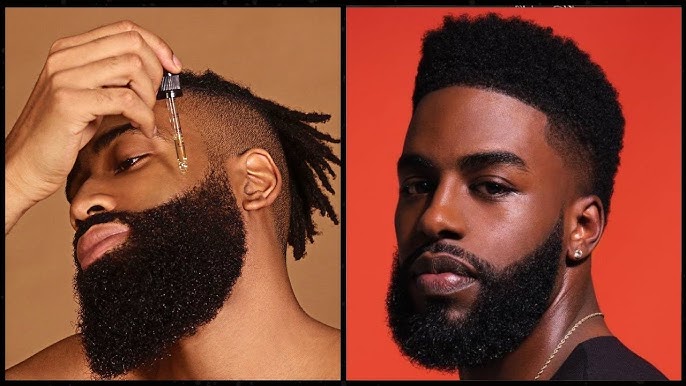
A well-hydrated face prevents itchiness and supports healthy growth. Oil locks in moisture, while balm offers added hydration and styling control. Apply these products daily for the best results.
Timing matters more than most men realize. Apply oil immediately after showering, while the cuticle is still open and damp, so the product seals in water rather than sitting on a dry surface.
Trimming and Shaping for a Clean Look
Regular trimming helps maintain shape and remove split ends. Use clippers or scissors to sculpt a defined line and prevent uneven patches. Shape your growth according to your face structure to enhance your natural proportions.
Long-Term Beard Care: How to Keep It Healthy
For sustained health, follow a routine that includes:
- Moisturizing daily with oil and balm.
- Use a Beard conditioner to soften coarse hair.
- Trimming every few weeks to maintain shape.
- Avoiding harsh shampoos that strip natural oils.
- Adding a weekly deep conditioner or mask when your texture feels rough or unmanageable.
The Best Black Men’s Beard Grooming Products

Must-Have Grooming Kits for Black Men
A complete black men’s beard grooming kit should include:
- Brush and wide-tooth comb for detangling.
- Moisturizing oil for hydration.
- Conditioner to soften coarse texture.
- Balm for styling and control.
- A deep conditioner or leave-in mask for periodic recovery.
Best Beard Oils for Black Men: What to Look For
Choosing the right oil is crucial for a healthy result. Look for:
- Argan oil to soften strands.
- Jojoba oil for hydration, since its structure closely mirrors natural sebum.
- Tea tree oil to help calm irritation around the follicle.
- Castor or baobab oil for added weight on very coarse textures.
Beard Conditioners vs. Leave-In Treatments: Which One is Right?
Both conditioners and leave-in treatments keep your facial growth soft and manageable. Conditioners are used after washing, while leave-in treatments provide all-day moisture. Choose based on how dry your texture runs.
If your ends feel brittle by midday, a leave-in is the better fit. If softness holds through the day, a rinse-out conditioner is sufficient.
Beard Growth & Maintenance
Beard Growth Stages: What to Expect at Every Phase
Growing facial hair takes patience. Every follicle moves through a repeating cycle, and understanding the timeline helps prevent judging your fullness too early.
Because follicles cycle independently, these phase durations vary from person to person, which is one reason coverage looks uneven during the early months.
The 3-Month Beard Rule Explained
A common grooming principle is the 3-month rule: avoid trimming for 90 days to allow full development. This helps identify genuinely sparse zones and achieve a fuller look before shaping.
The logic connects directly to the cycle above. Ninety days gives most follicles enough time to declare themselves, so you shape based on real coverage rather than a temporary resting phase.
Beard Styling & Personalization
The Best Beard Styles for Black Men & How to Maintain Them
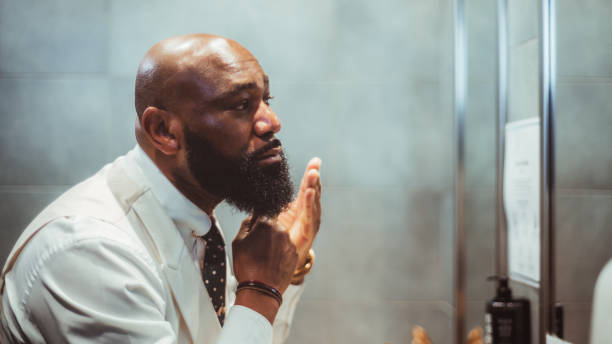
Some popular styles include:
- Full beard Black man style
- Goatee: Defined around the chin.
- Short Boxed Beard: Well-trimmed for a professional look.
- Trim often, apply balm, and clean the neckline to maintain shape. These styles pair well with an Afro-with-beard look for a bold aesthetic.
Expert Tips for Black Male Beard Care
Skin Care for Bearded Black Men: Preventing Irritation & Bumps
Good grooming starts with healthy skin. To prevent irritation:
- Exfoliate once a week to remove dead skin cells that trap emerging strands.
- Use oil with anti-inflammatory ingredients like tea tree.
- Avoid harsh razors and never stretch the skin taut for a closer cut.
If you shave the neckline or cheek line, technique matters as much as product. Dermatologists advise shaving in the direction of hair growth and leaving roughly 1 millimeter of stubble rather than cutting flush with the skin.
How to Fix a Patchy Beard: Growth Hacks That Work
For uneven coverage:
- Massage the area daily to stimulate circulation at the follicle.
- Use castor oil to nourish and condition the roots.
- Trim carefully to blend shorter zones with longer sections.
- Give any new routine a full 90 days before judging results.
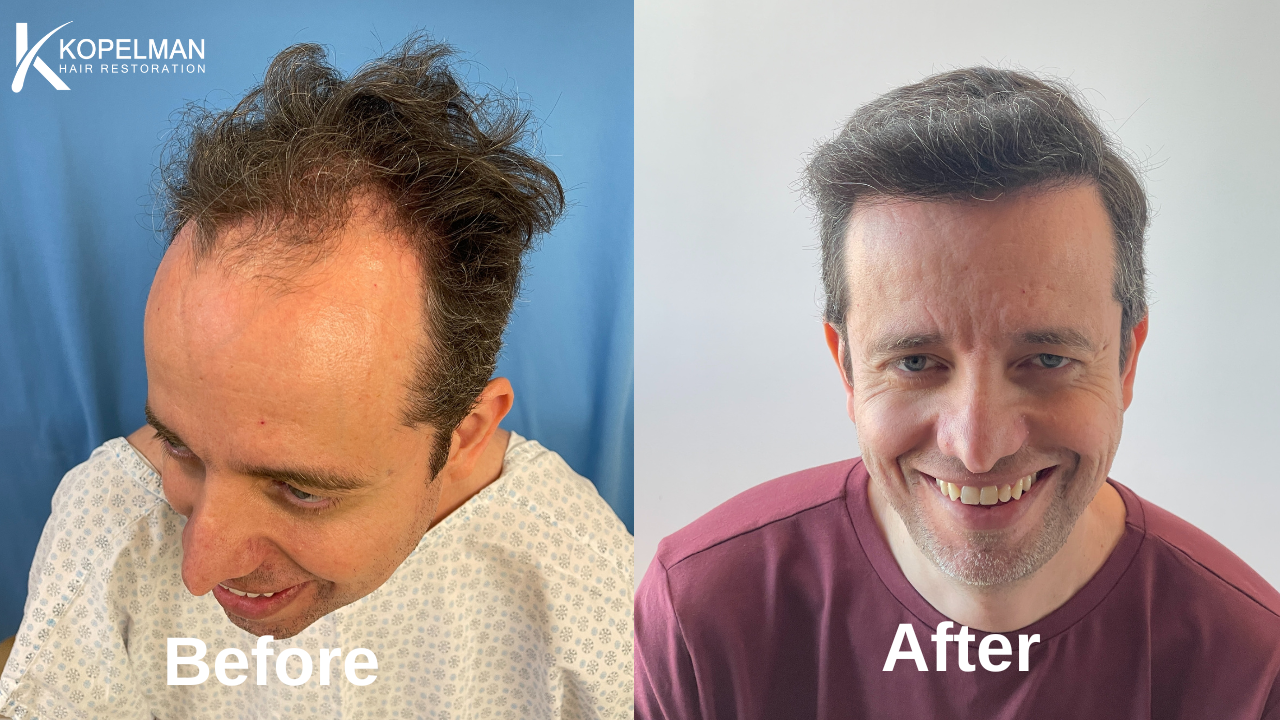
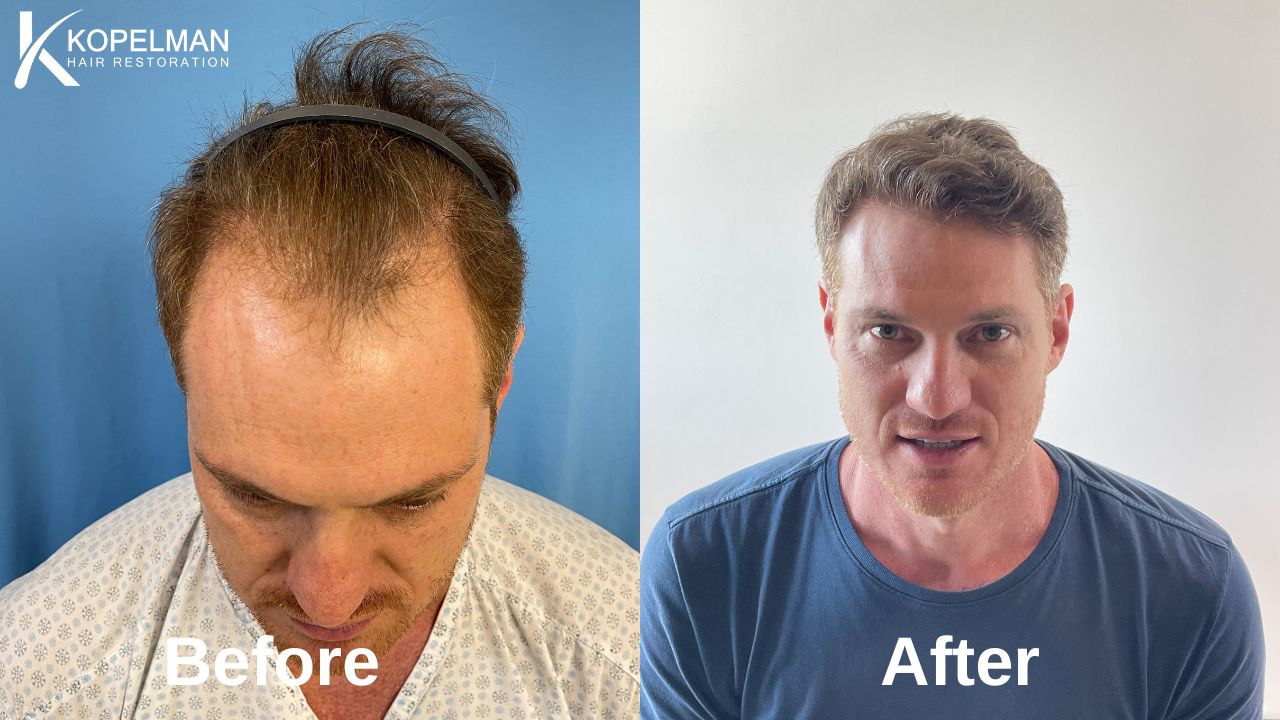
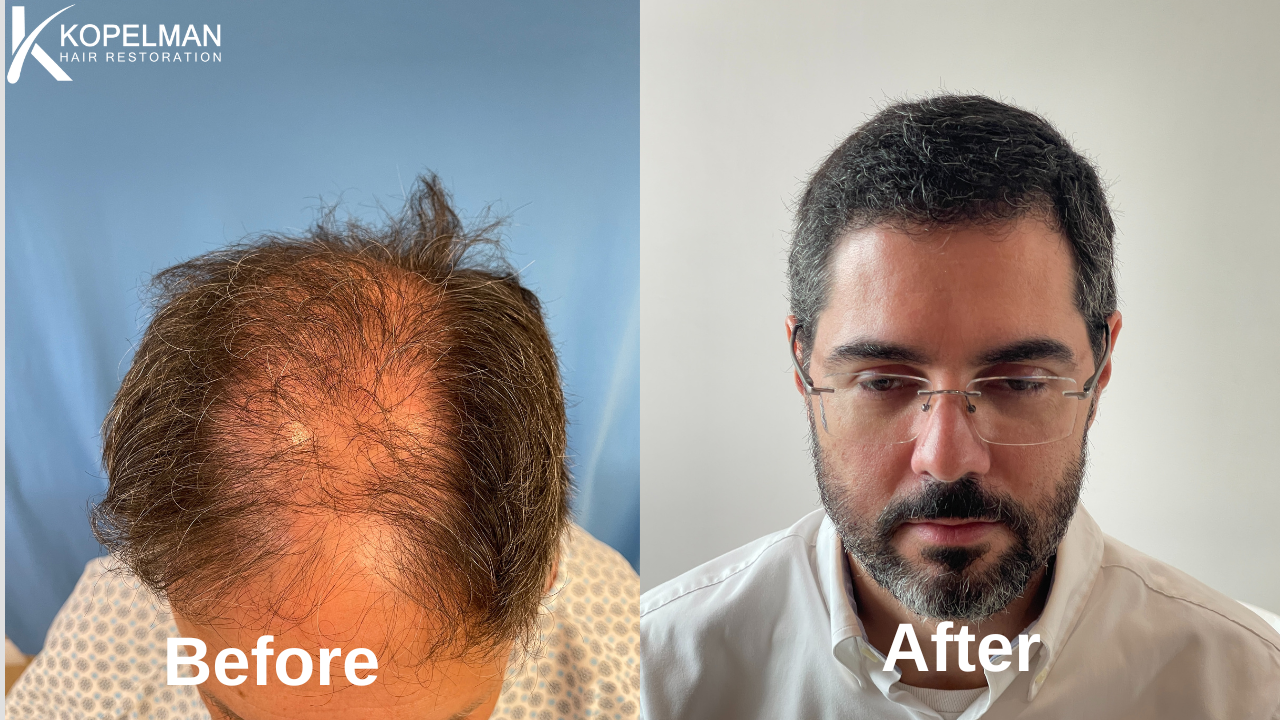
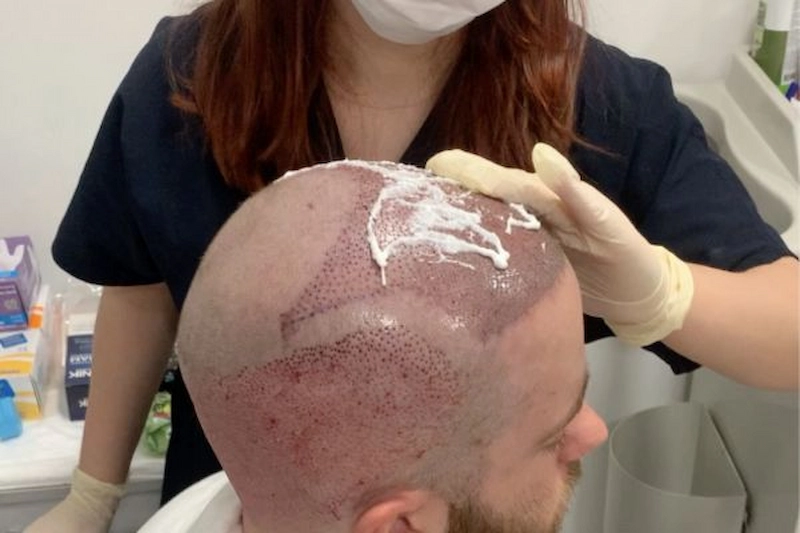
For men dealing with persistent patchiness or lack of density despite grooming, a professional transplant can be an option. Consider reading our guide on the African American beard transplant for long-term solutions.