
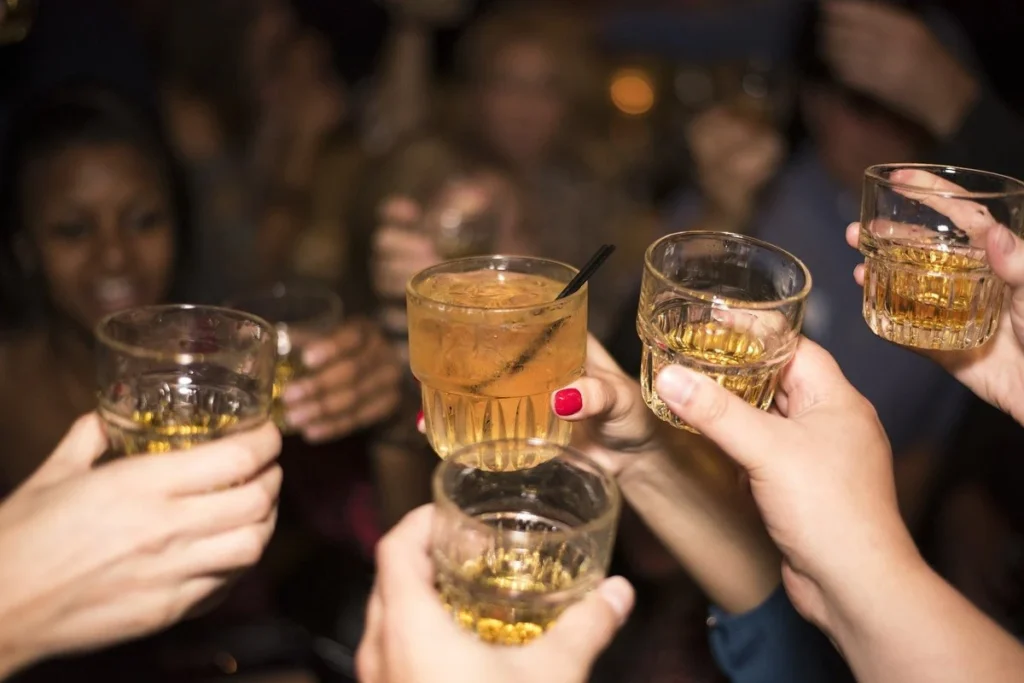
Drinking too soon can increase bleeding, swelling, and inflammation in the transplant area.
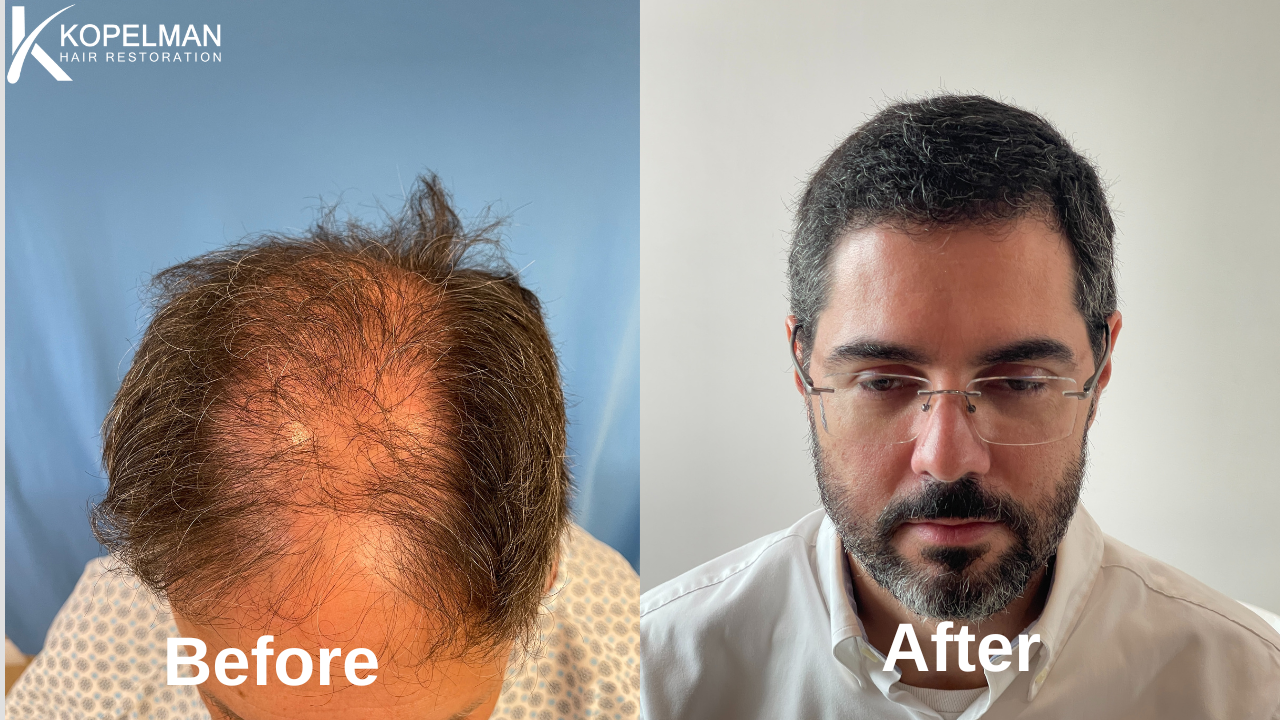
This article explains how alcohol after an eyebrow transplant may affect transplanted hair, hair follicles, and medication safety. At Kopelman Hair, recovery plans focus on safe and steady healing after hair restoration procedures.
Key Takeaways
- Avoid alcohol during the first week because it can increase the risk of swelling and bleeding during the healing process.
- Stop drinking several days before hair transplant surgery and avoid alcohol while taking antibiotics or pain medication.
- Limited alcohol may be allowed after two weeks if healing is stable and your surgeon approves.
- Heavy alcohol consumption can weaken the immune system and slow recovery.
- Call your surgeon if you have a fever above 100.4°F, ongoing bleeding, or spreading redness.
Can You Drink Alcohol After an Eyebrow Transplant?
Most surgeons tell patients to avoid alcohol right after hair transplant surgery. Alcohol consumption affects blood flow and swelling. It also changes how your body handles medication. These effects may increase the risk of problems during early recovery.
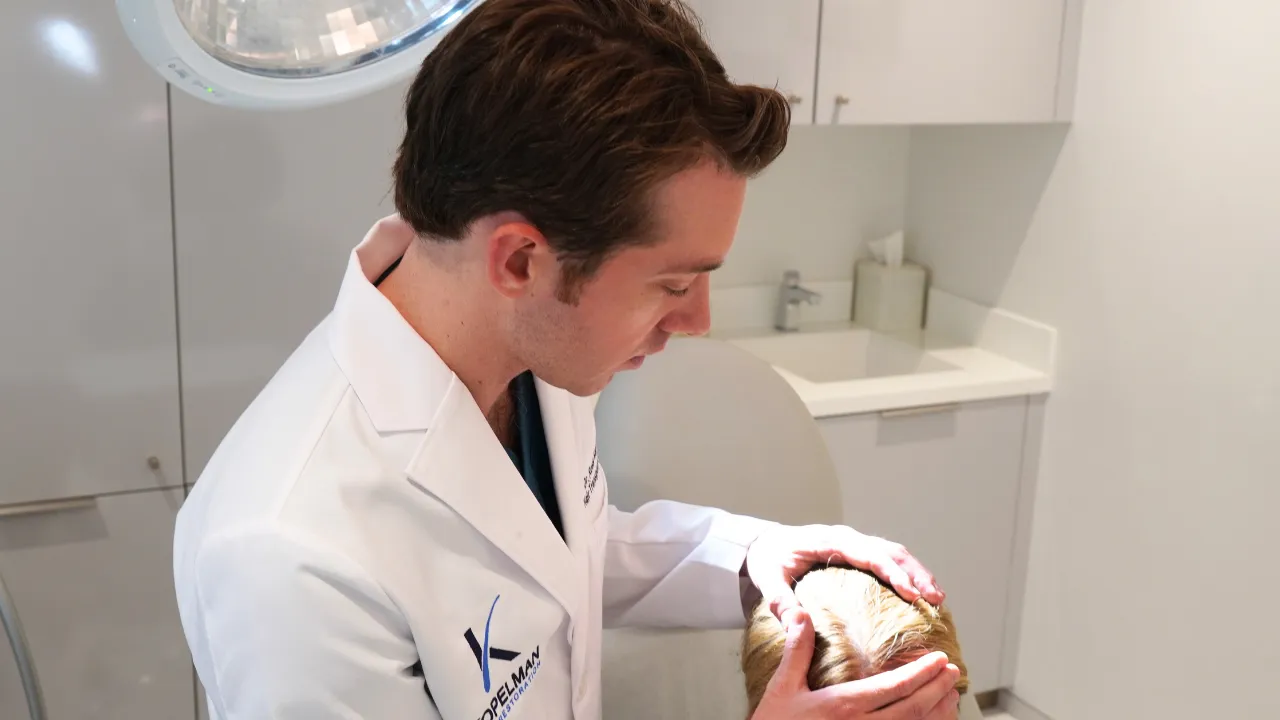
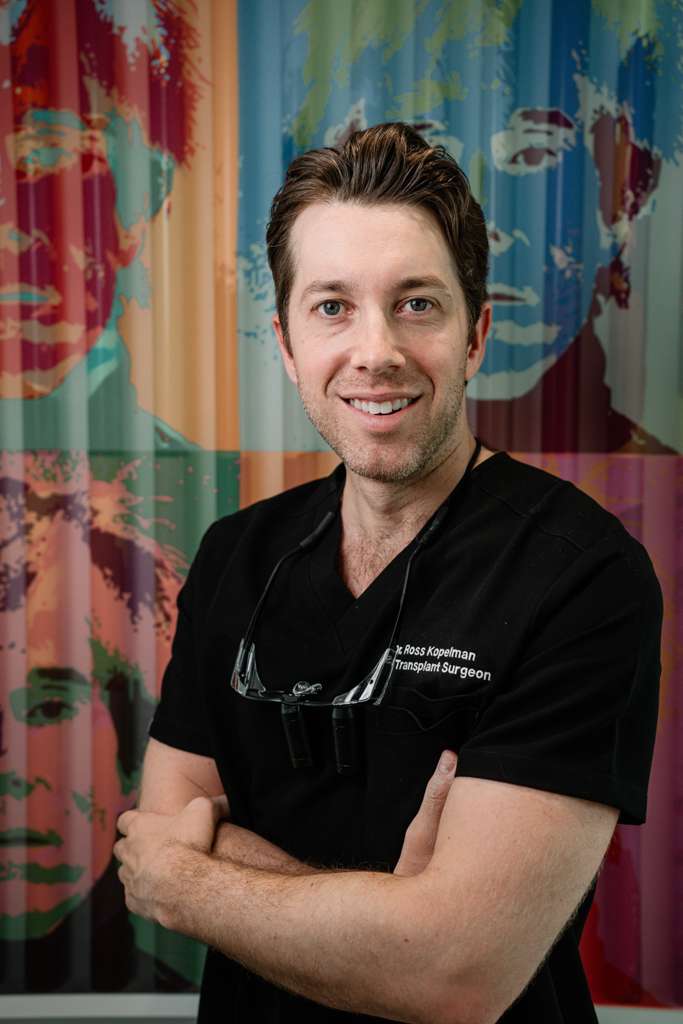
Dr. Kopelman explains that alcohol does not directly damage transplanted hair. However, it can increase swelling and bleeding in the first few days. The healing process is delicate because new hair follicles must anchor firmly in the transplant area.
Surgeons limit alcohol as a safety step. The goal is to protect hair follicles while they settle into the skin using a careful transplant technique. Stable healing supports long-term hair restoration results.
Does Alcohol Affect Graft Survival?
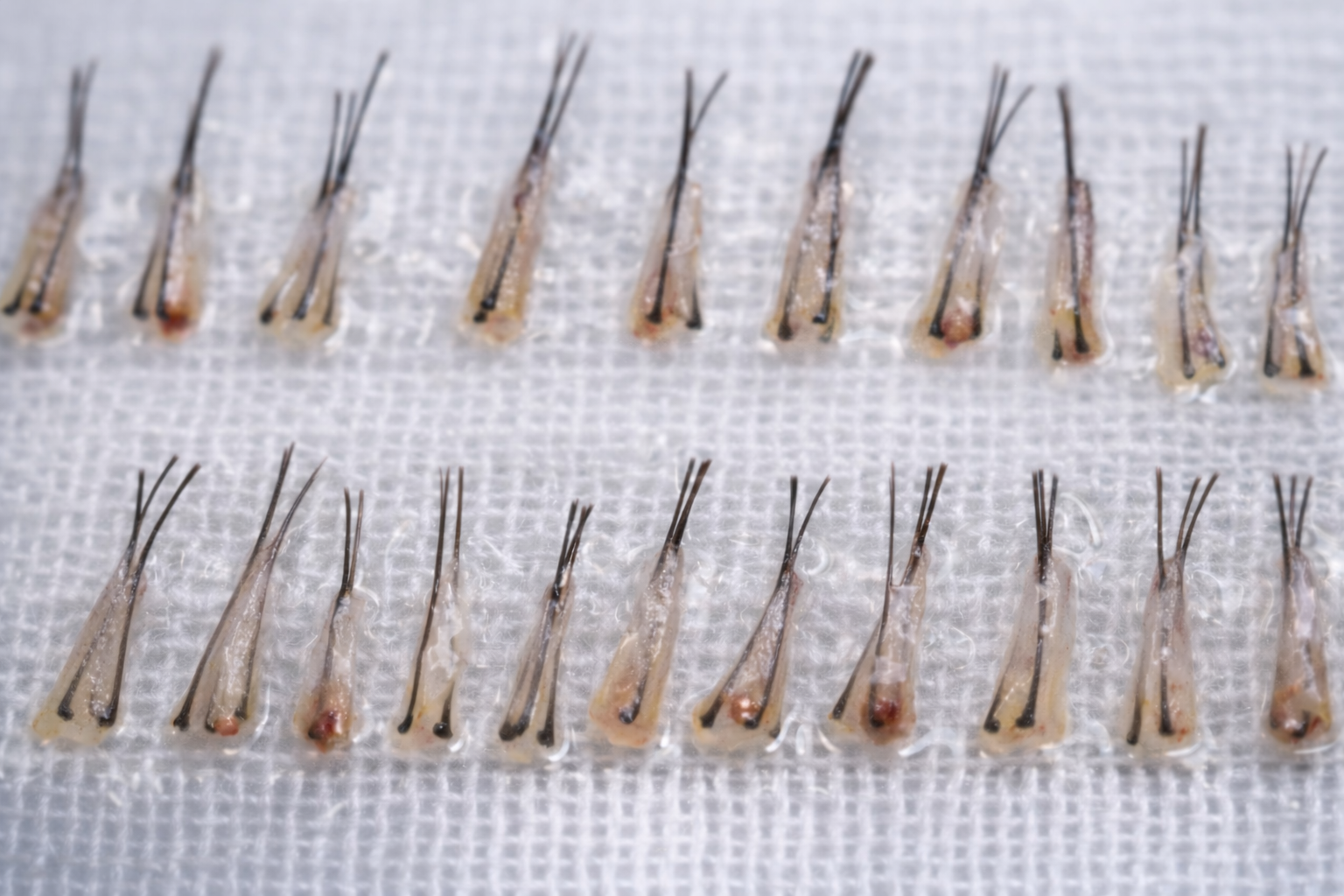
Alcohol does not directly kill transplanted hair or permanently damage hair follicles. However, during the first 48 hours, it can increase bleeding and swelling in the transplant area. These changes may disturb the early healing process and affect how securely the grafts settle.
Hair follicles need steady blood flow and oxygen to survive. Heavy alcohol consumption can weaken the immune system and increase the risk of infection. For this reason, alcohol limits are included in eyebrow transplant postoperative instructions for alcohol.
Bleeding and Swelling Risks
Alcohol can worsen swelling. It can also increase bleeding by slightly thinning the blood. Swelling in the transplant area may cause pressure and discomfort.
The first week is the most important part of the healing process. Avoiding alcohol helps control swelling and reduce factors that increase bleeding. Protecting transplanted hair during this time helps ensure greater stability.
Alcohol Timeline Before and After Surgery
Clear timing helps patients plan safely. Alcohol rules apply before and after hair transplant surgery.
Days 0 – 7 After Surgery
The first 48 hours are critical. During these 48 hours, grafts begin to anchor in the transplant area. Alcohol should be avoided during this early post op period because it can increase bleeding and swelling.
From days 3 – 7, healing continues under the skin. Alcohol consumption during this time can increase the risk of swelling or mild bleeding. Most surgeons advise waiting at least one full week before drinking.
Patients should also sleep with their head elevated during early recovery. Elevation reduces swelling and supports healthy blood flow. This protects both the transplant area and the donor area.
How Long Before Surgery Should You Stop Drinking?
Most surgeons recommend stopping alcohol at least 3 to 7 days before hair transplant surgery. Alcohol may increase the risk of bleeding and affect anesthesia planning. Avoiding alcohol improves surgical safety. Patients considering hair transplants in NYC should review pre-surgery preparation guidelines carefully.
Dr. Kopelman advises following personalized pre-surgery instructions. Honest reporting of alcohol consumption helps surgeons plan the transplant technique safely.
Can I Drink Alcohol 2 Weeks After Surgery?
By this stage, hair follicles are more secure in the skin. Some patients may be cleared for light alcohol consumption if healing is stable.
Final approval depends on the progress of the healing process. Heavy alcohol consumption should still be avoided because it may increase the risk of delayed recovery.
1 Month After Hair Transplant Care
At one month, transplanted hair is usually well anchored. Moderate alcohol is less likely to affect graft stability. However, hair follicles continue to mature under the skin. For a detailed breakdown of what to expect over time, review this hair transplant timeline guide.
Sun exposure should still be limited. Direct sun exposure can irritate the transplant area and slow healing. Always confirm with your surgeon, as recovery speed differs from person to person.
Alcohol, Anesthesia, and Medications
Alcohol can interact with anesthesia and medications used after hair transplant surgery. These interactions may increase the risk of complications.
Follow these precautions:
- Do not mix alcohol with prescription pain medication.
- Avoid alcohol while taking antibiotics.
- Resume alcohol consumption only after medications stop and healing is stable.
These steps protect the immune system and reduce side effects.
Alcohol and Anesthesia Risks
Alcohol affects how your body processes sedatives and anesthesia drugs. It can change blood pressure and heart rate. Surgeons need an accurate alcohol history before surgery.
Avoiding alcohol before anesthesia reduces unexpected reactions and lowers the risk of complications that could increase bleeding.
Pain Medication Safety
Some pain medications cause drowsiness. Mixing them with alcohol increases sedation and poor coordination. This can increase the risk of falls or injury to both the transplant area and donor area.
Avoid alcohol while taking prescription pain medication. Safe recovery should always come first.
Complete Eyebrow Transplant Recovery Guidelines
Alcohol is only one part of recovery after hair restoration. Proper aftercare supports stable hair growth in both the transplanted and donor areas.
Activity Restrictions
Avoid hard exercise during the first week. High blood pressure can increase bleeding and swelling. Heavy lifting should wait until your surgeon clears you.
Graft Protection and Aftercare
Follow the washing instructions during the post-op phase. Do not rub or scratch the transplant area while hair follicles are stabilizing. Keep both the transplant area and the donor area clean to reduce the risk of infection.
Limit sun exposure during early recovery. Direct sun exposure can irritate healing skin and slow the healing process.

Warning Signs and When to Call Your Surgeon
Call your surgeon if you have a fever above 100.4°F or bleeding that lasts more than 24 hours. Spreading redness or unusual discharge in the transplant area should also be checked. Pain that worsens instead of improves may signal a problem.
Early care protects transplanted hair and supports safe healing. Alcohol after an eyebrow transplant should be limited during early healing to reduce avoidable risks and support long-term hair restoration outcomes.
If you have questions about alcohol use or any part of your recovery plan, schedule a consultation to review your specific case. A personalized evaluation helps ensure your healing process stays on track and supports safe, predictable hair restoration results.