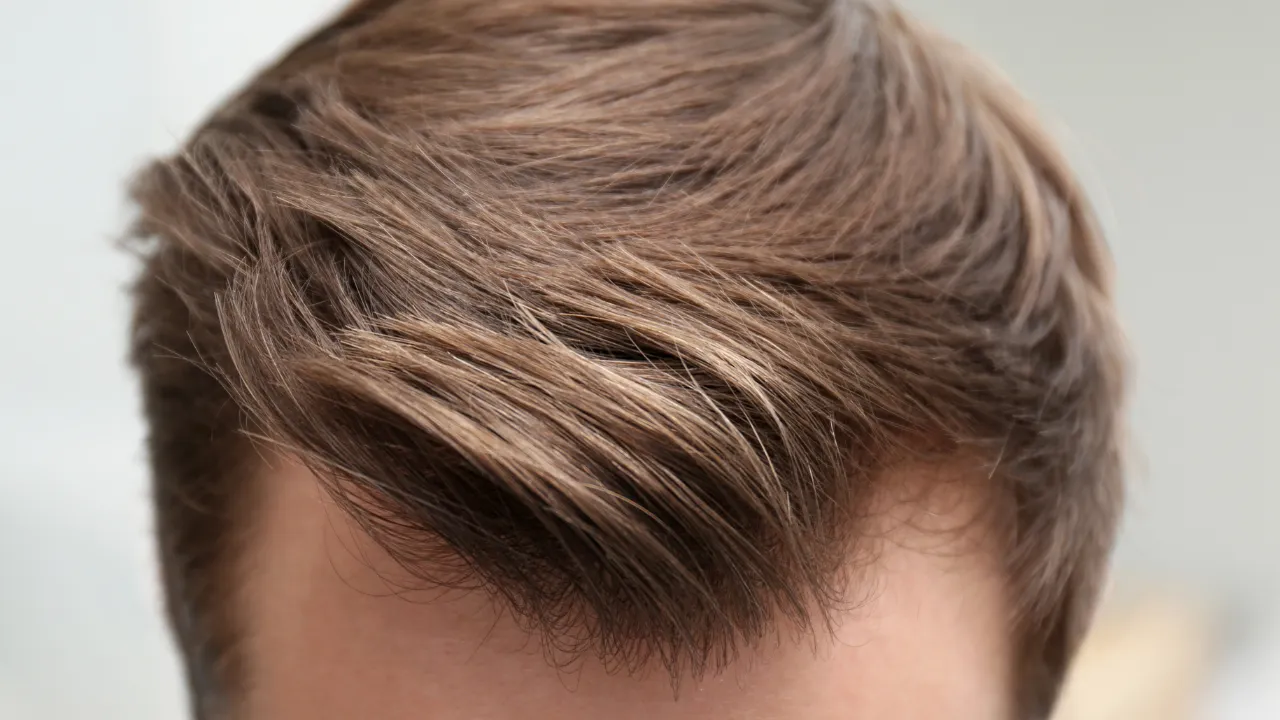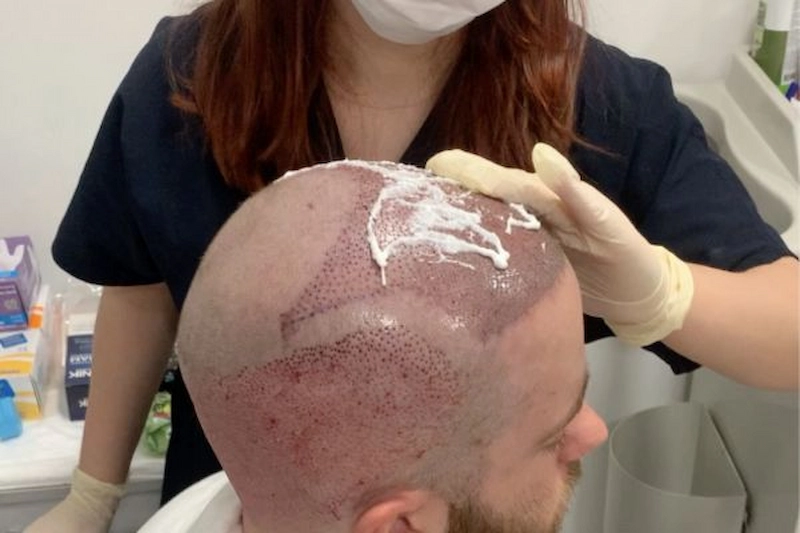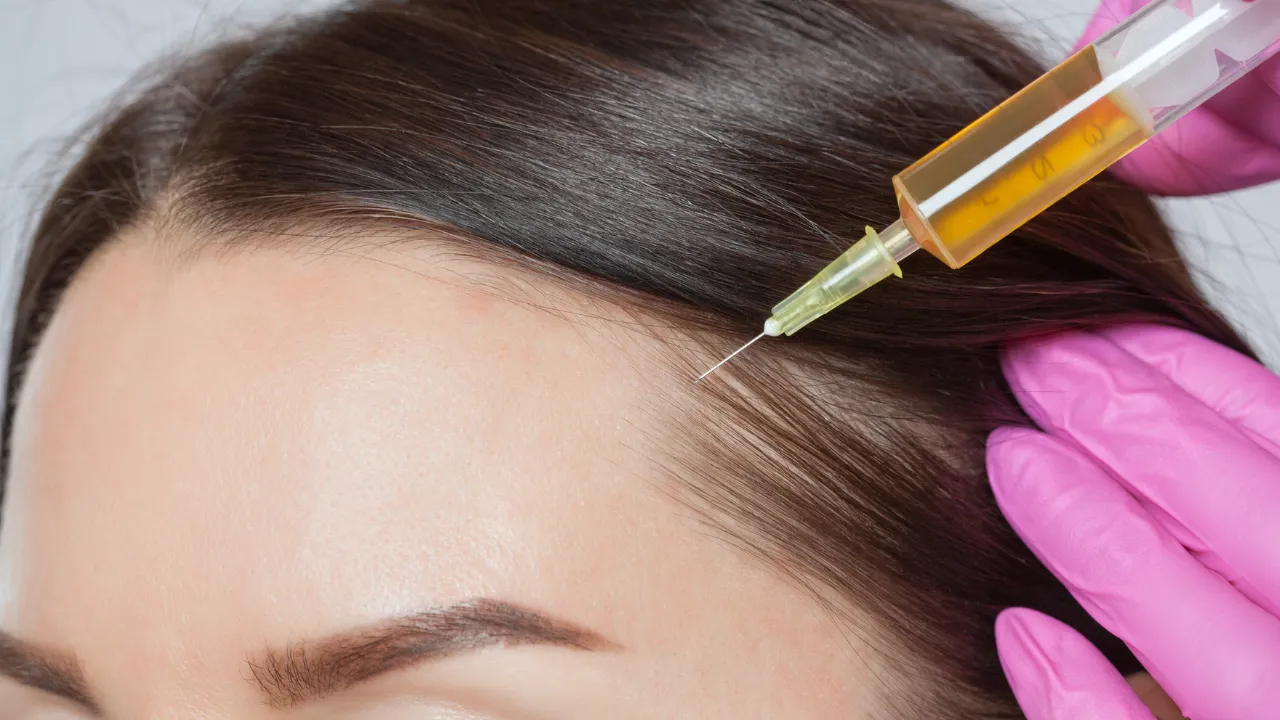

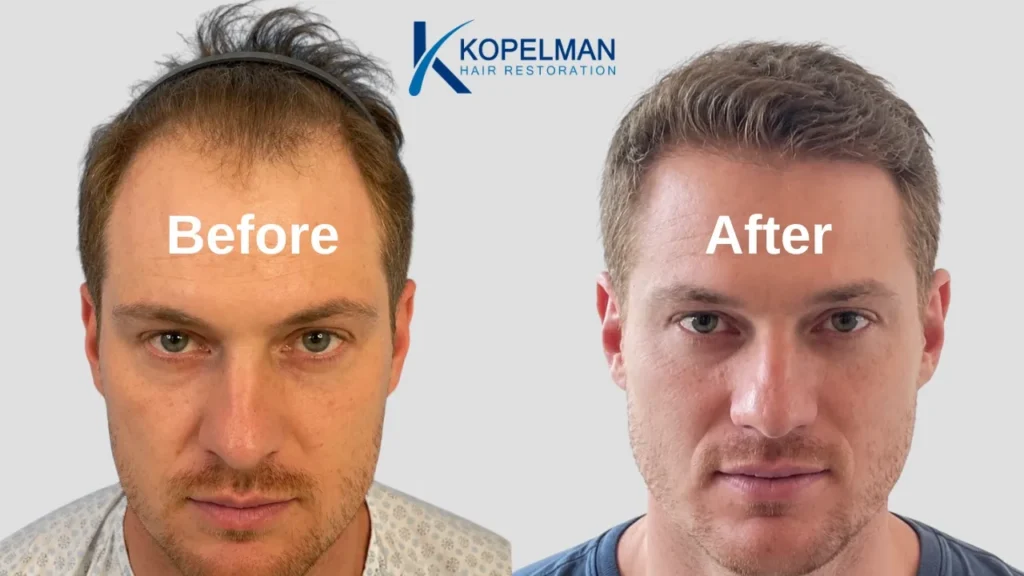
Final appearance depends on donor density, hair caliber, curl, graft placement, the size of the treated area, and continued hair loss. Transplanted follicles from a stable donor region generally keep their original growth characteristics, but surrounding hair can continue to thin over time. At Kopelman Hair, we evaluate these factors when interpreting results and planning treatment around each patient’s pattern and available donor supply.
Key Takeaways
- FUE results develop gradually, with early shedding followed by visible growth that often becomes clearer between 3 and 6 months and continues maturing through 12 to 18 months.
- Before-and-after photos are most useful when they use similar lighting, angles, hair length, and timing, and when they include the treated area and graft count.
- Final appearance depends on donor density, hair characteristics, treatment area, existing hair, graft placement, and the progression of future hair loss.
- FUE avoids a linear strip scar, but it is not scarless. Poor donor management or overharvesting can leave visible thinning or small round scars.
- Transplanted follicles may continue growing long-term, but untreated native hair can keep thinning, so consider future loss when planning treatment.
Before and After FUE Hair Transplant Results
Before-and-after FUE hair transplant results usually show gradual change rather than an immediate transformation. Surgeons move healthy hair follicles from a stable donor region into thinning areas or balding areas, where the grafts need time to heal and begin a new growth cycle. Transplanted hair often sheds during the first several weeks, so don’t judge early photos as final results.
Visible change depends on the starting pattern, existing hair, caliber, curl, color contrast, and the number of grafts placed. A patient with a receding hairline may see a stronger frontal frame, while a crown hair transplant may improve coverage without creating complete density. A full head of hair may be unrealistic when donor supply is limited, so interpret photographs in relation to the patient’s starting point.
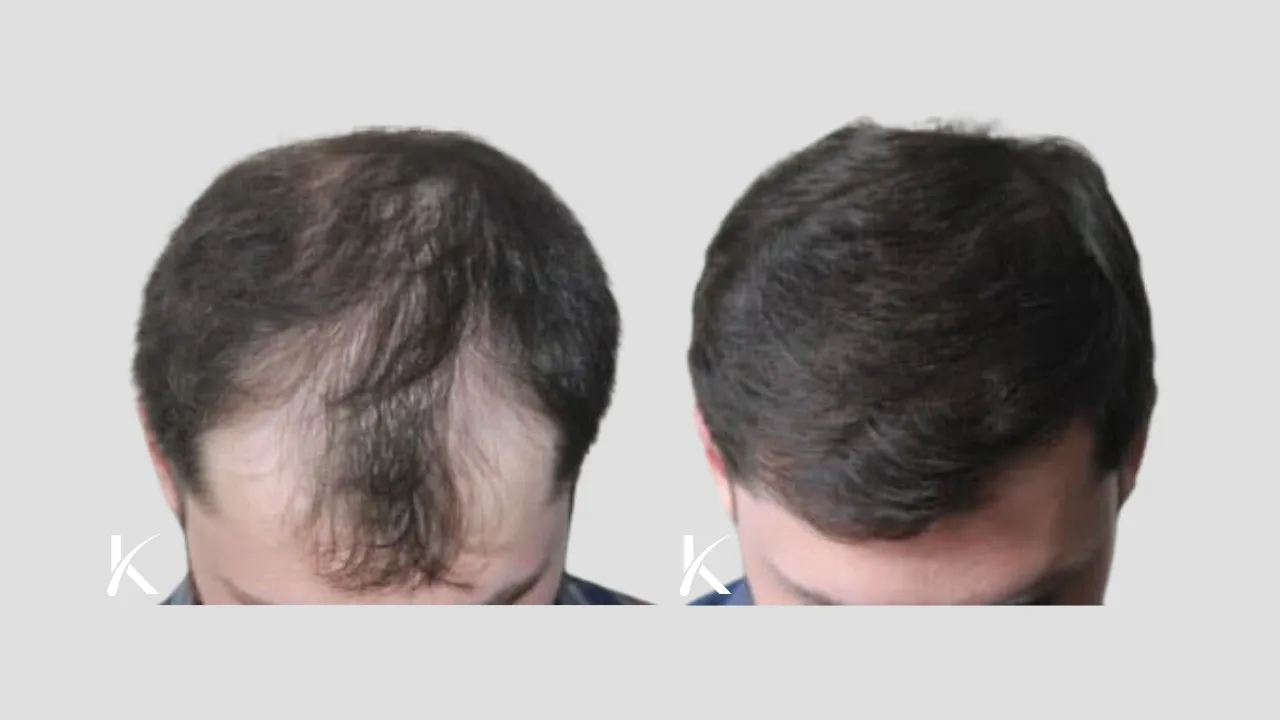
FUE Hair Transplant Before and After Pictures
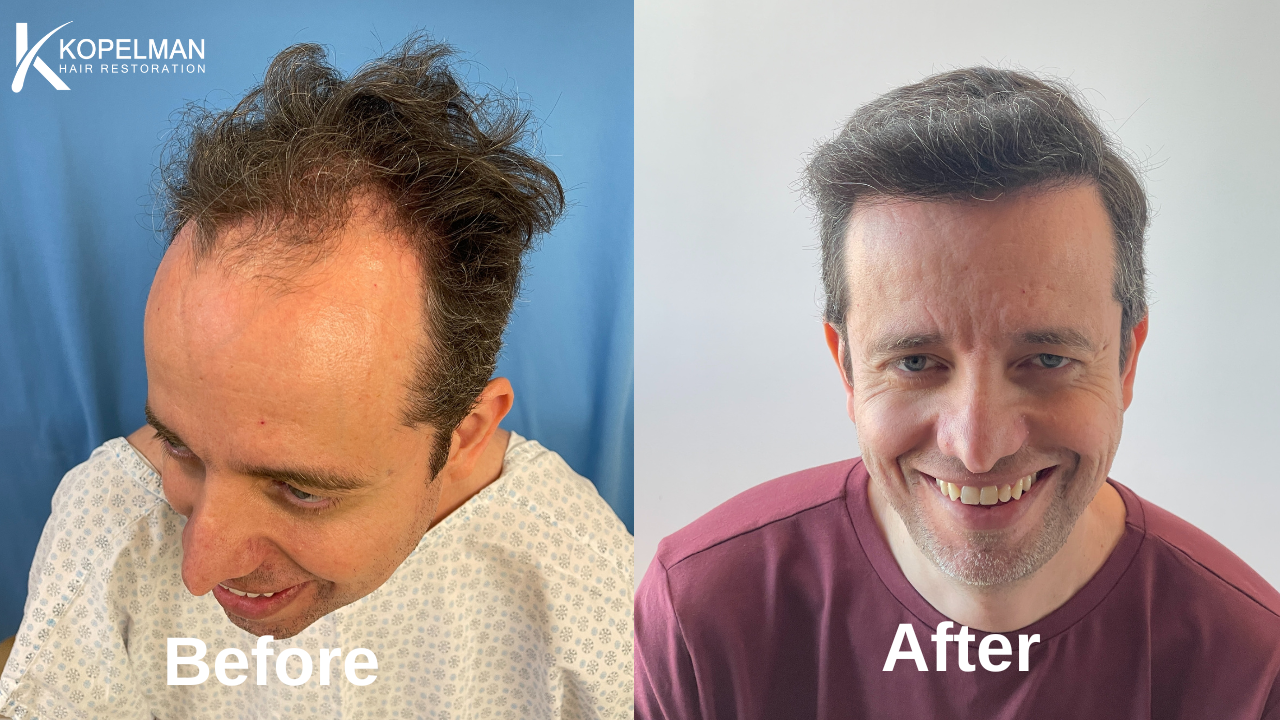
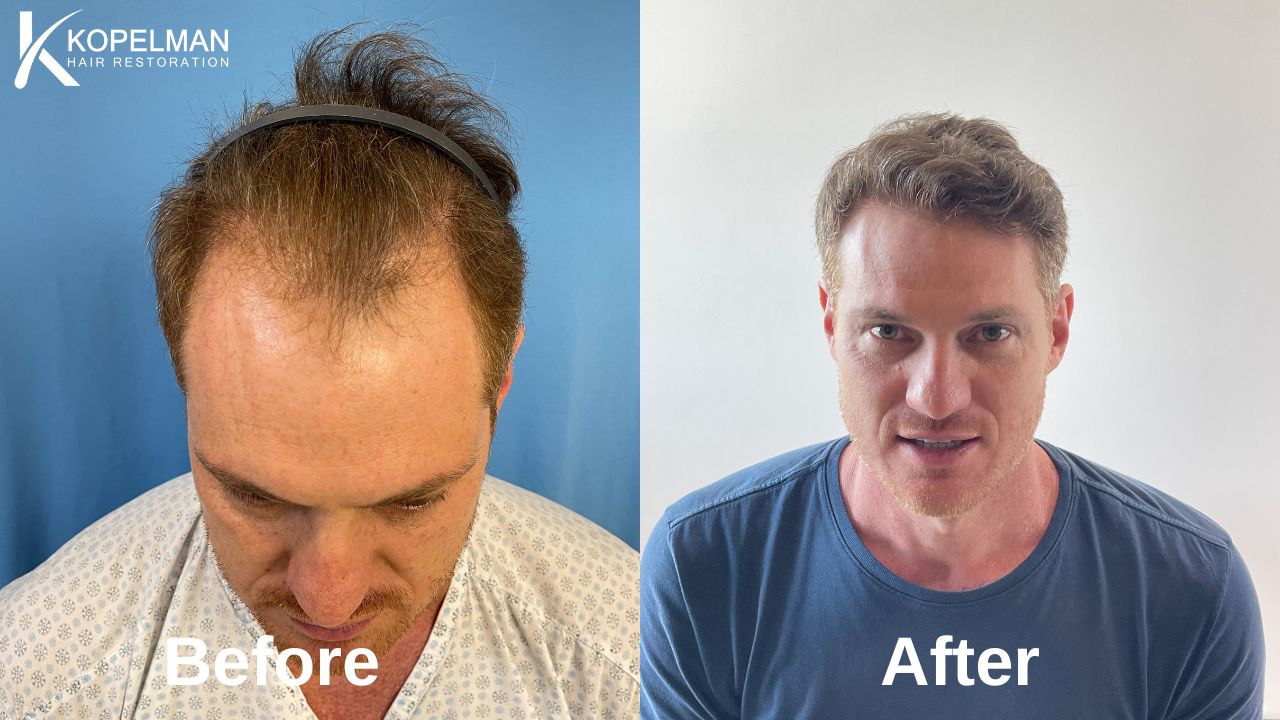
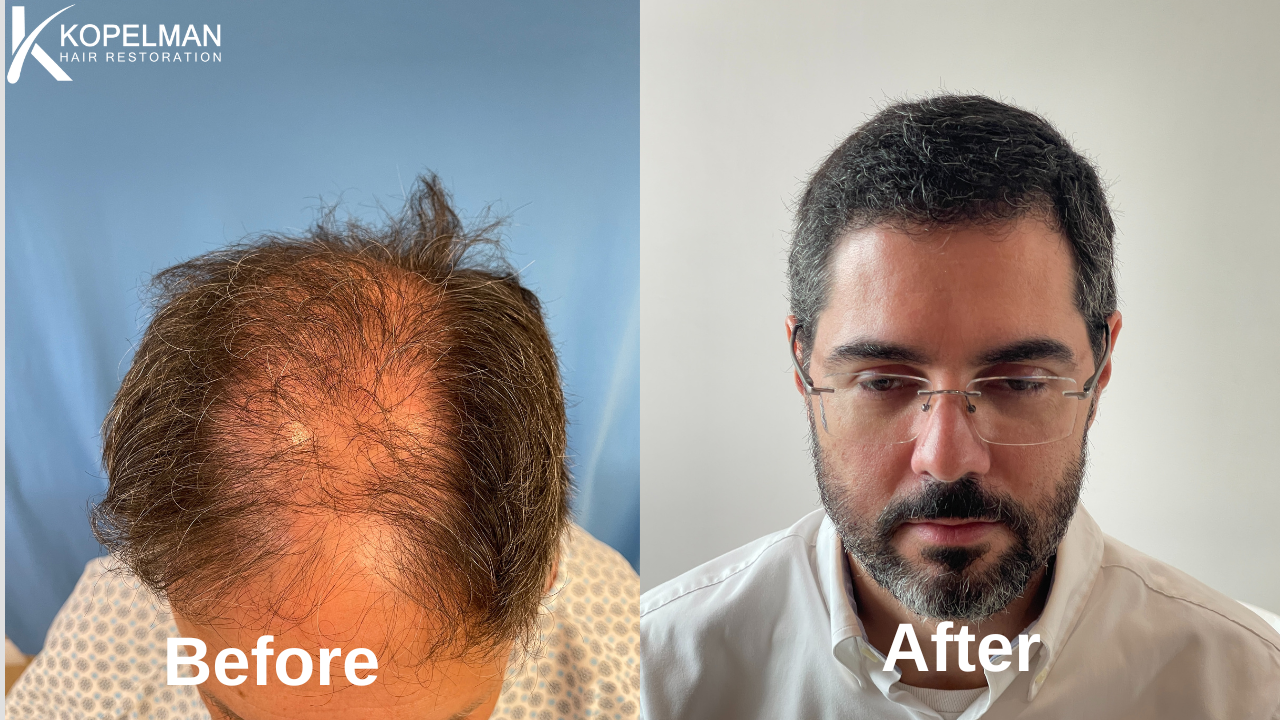
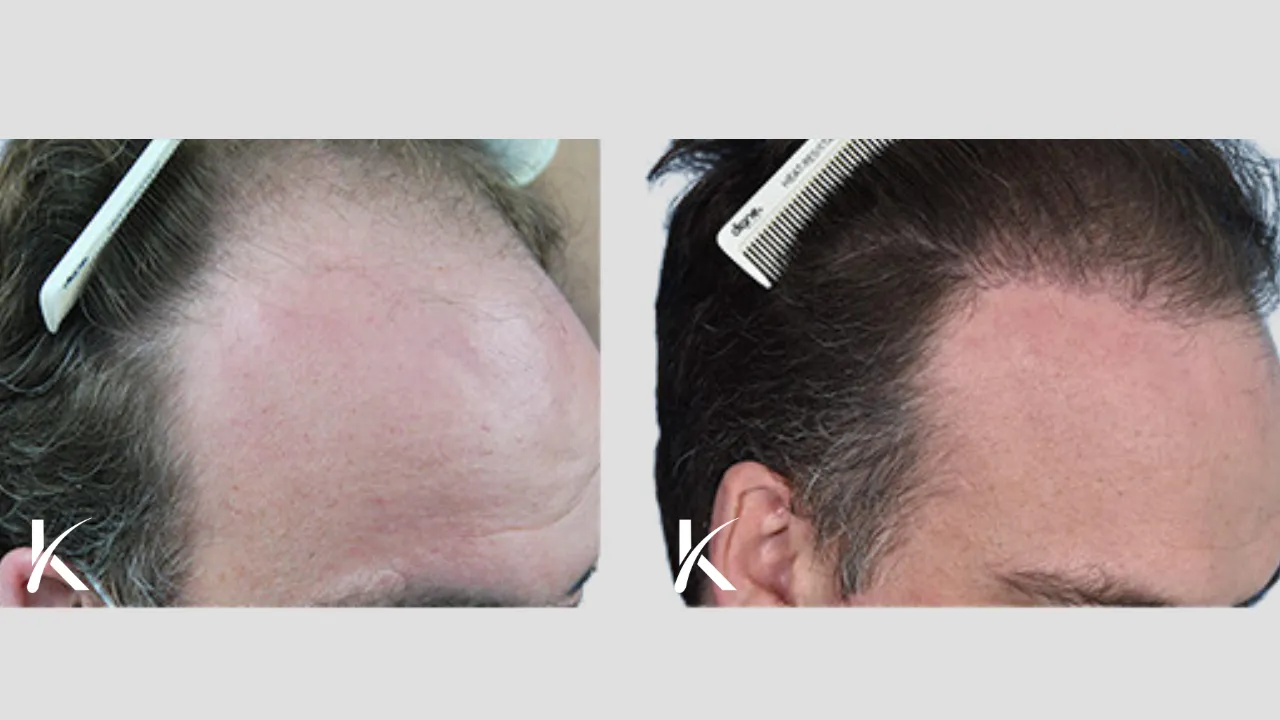
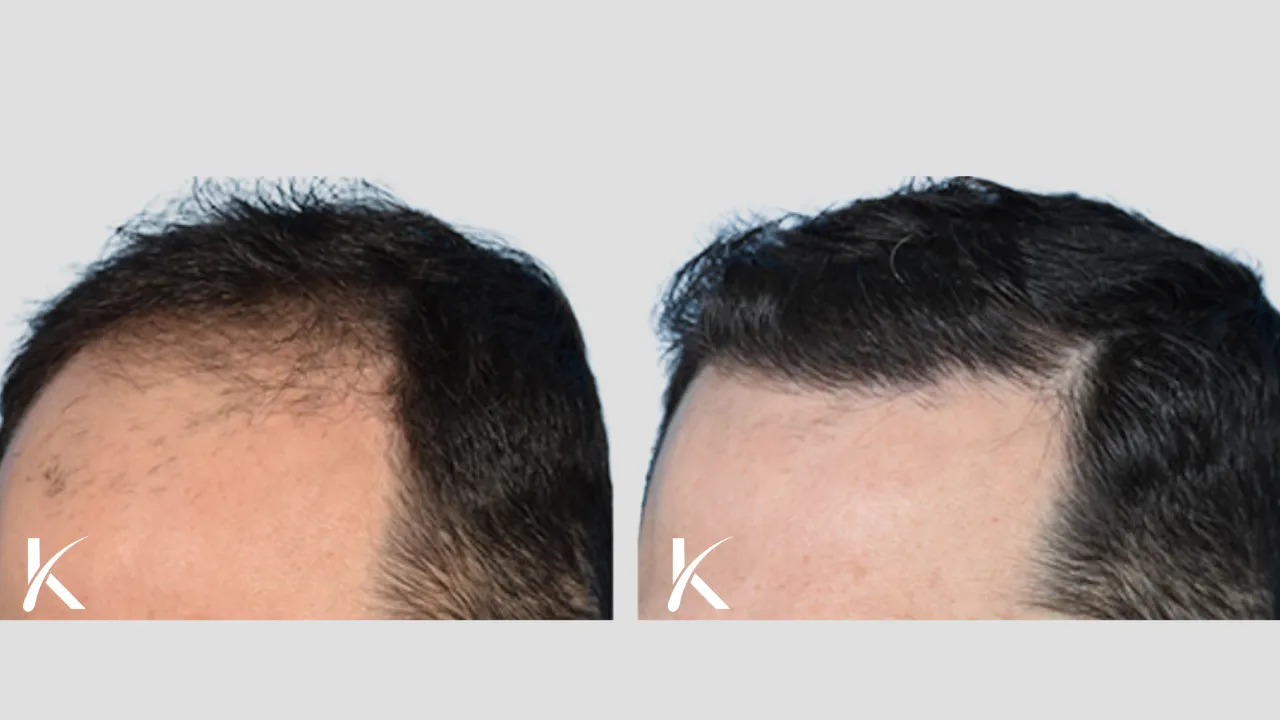
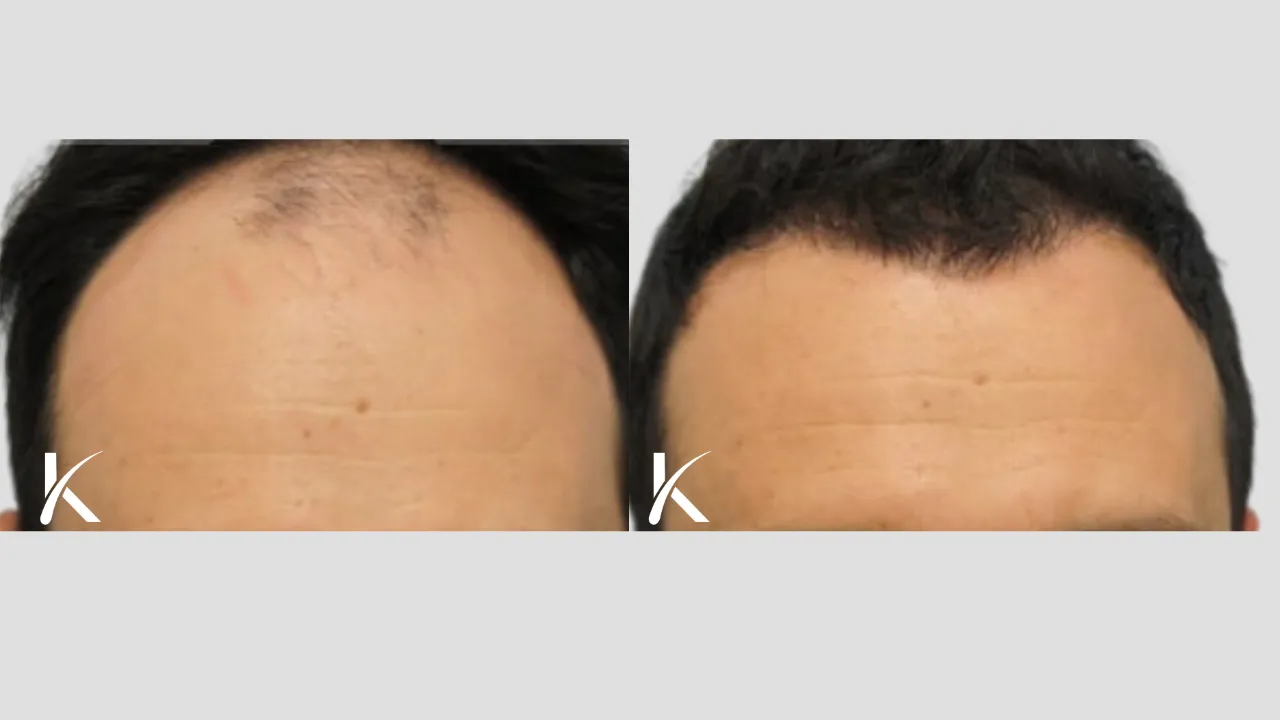
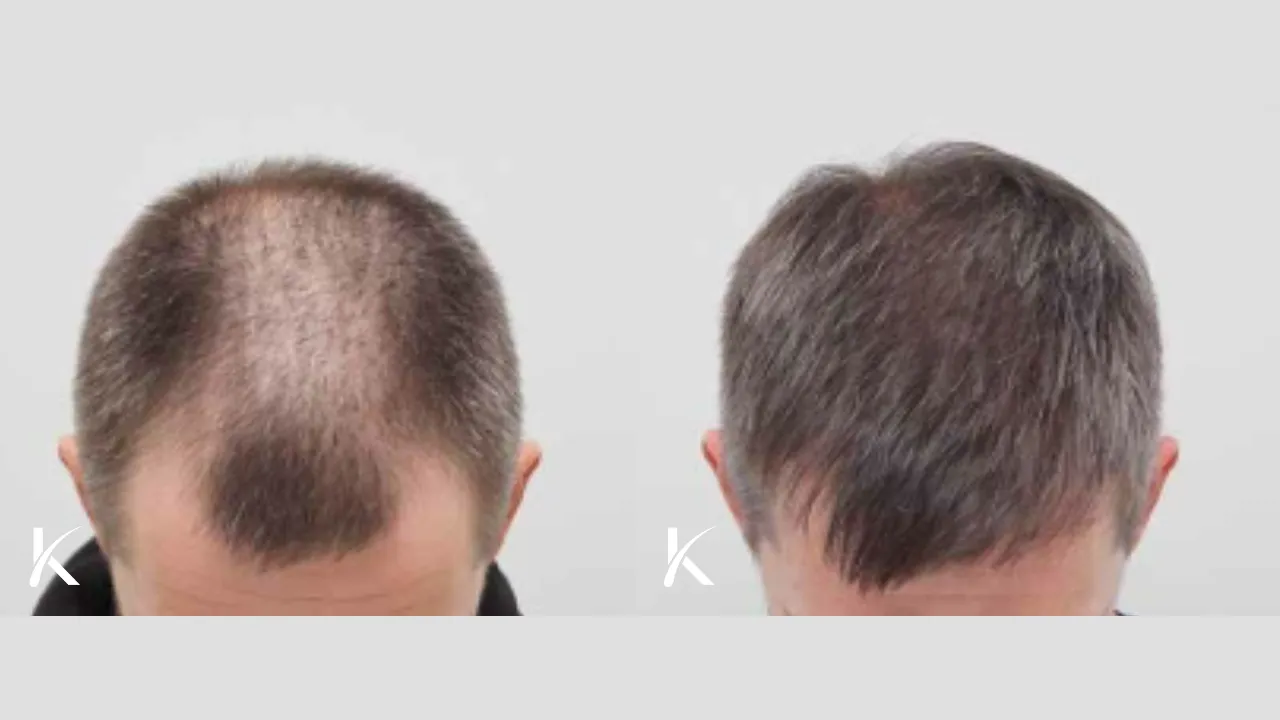
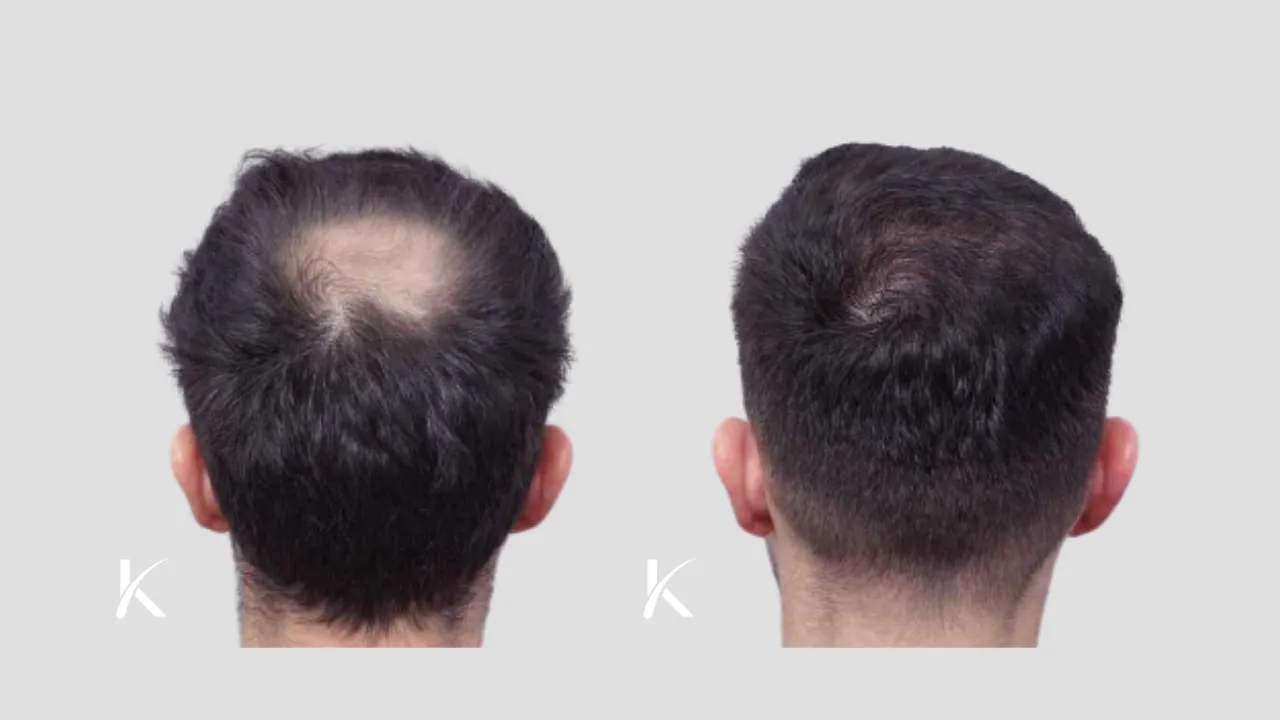
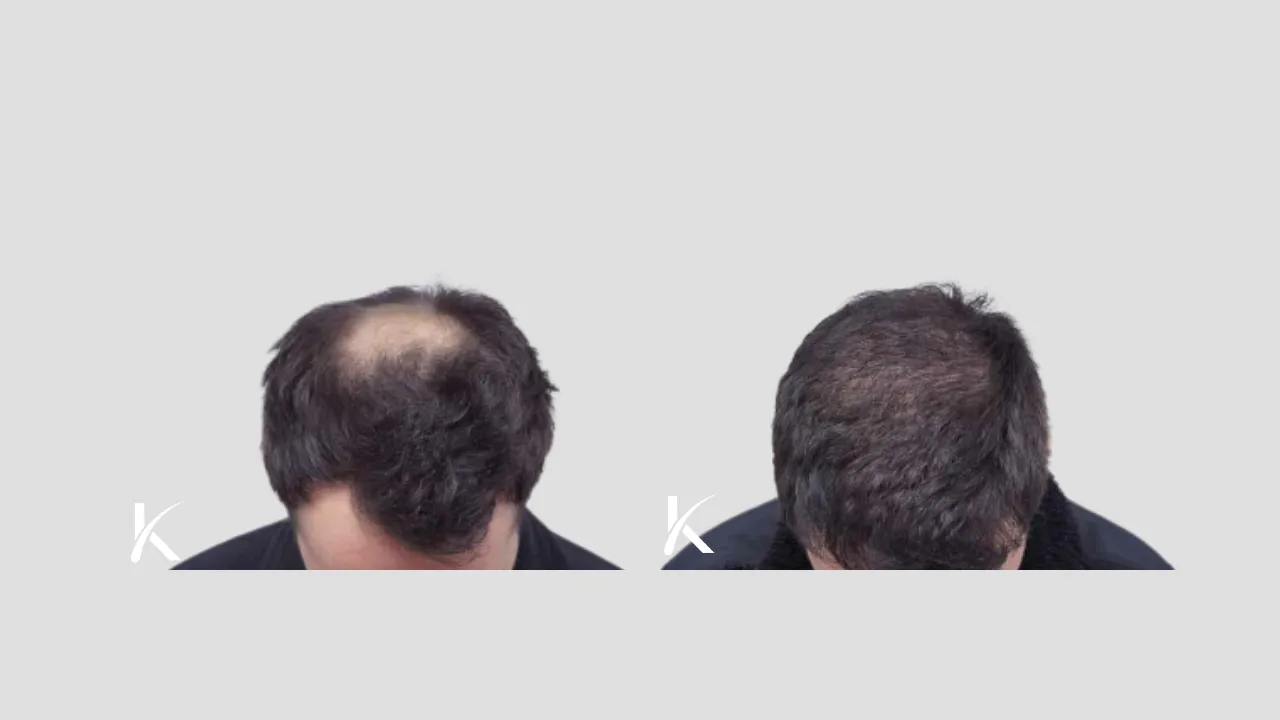
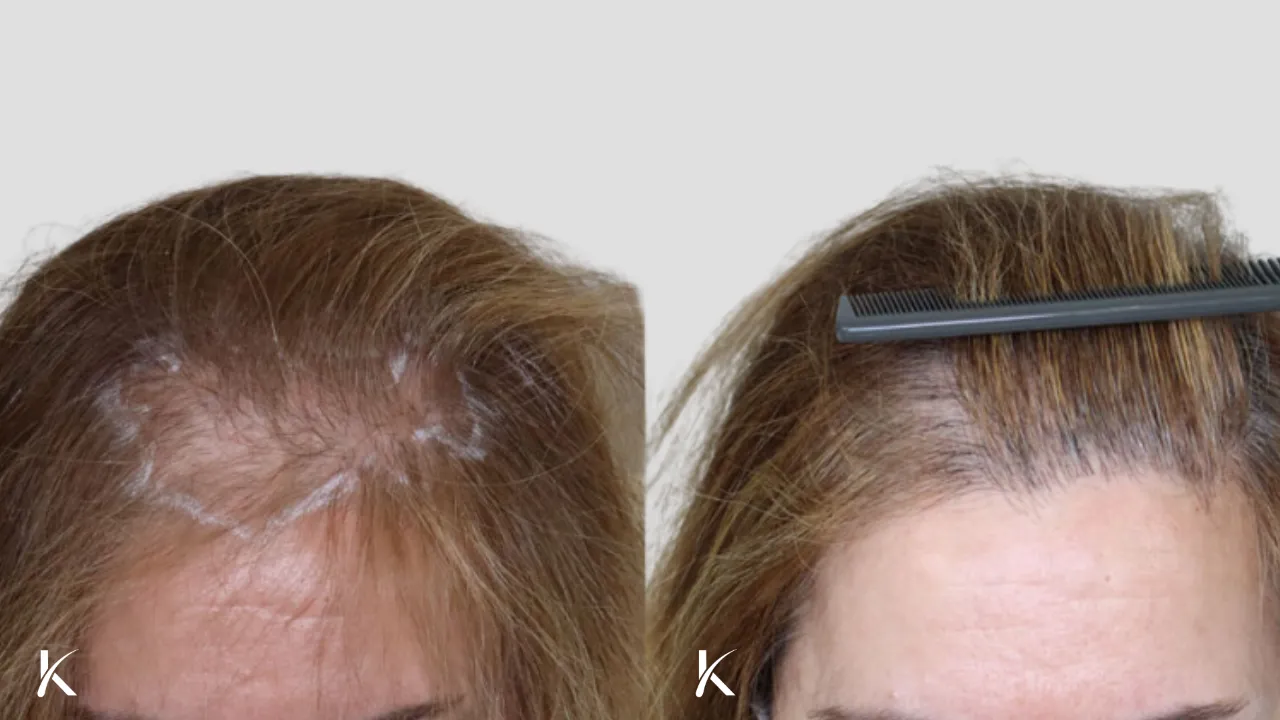
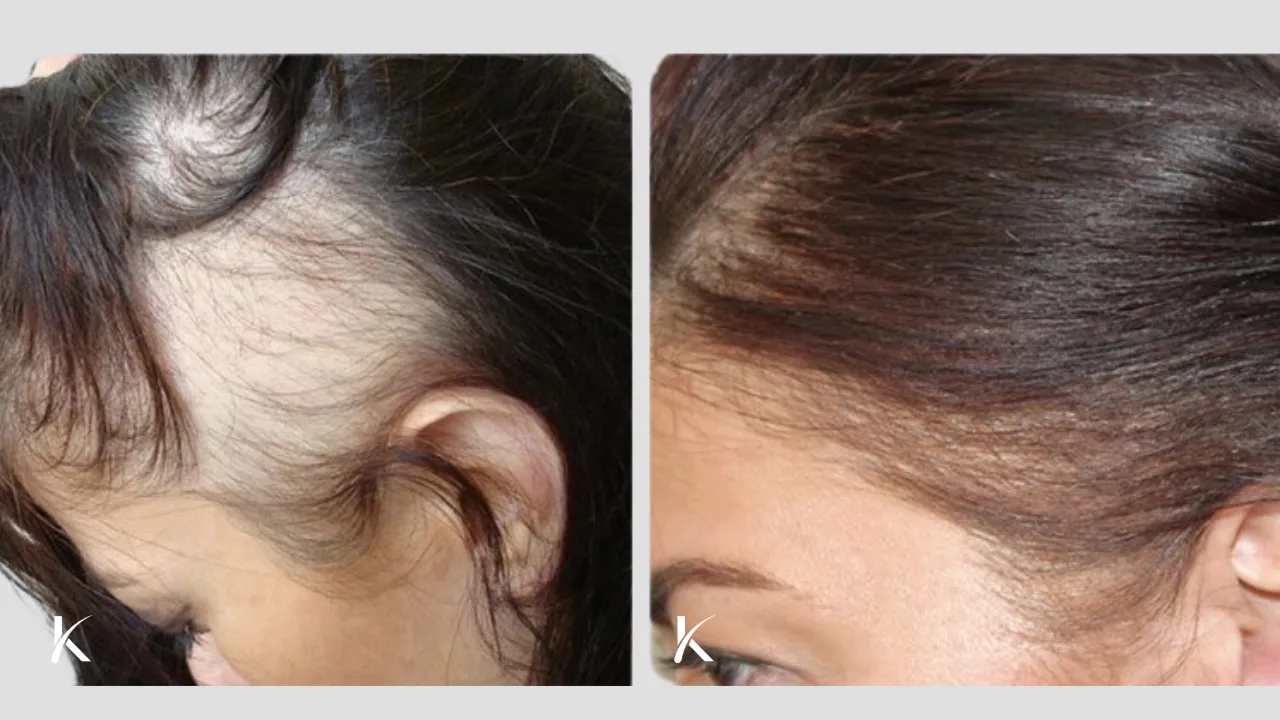
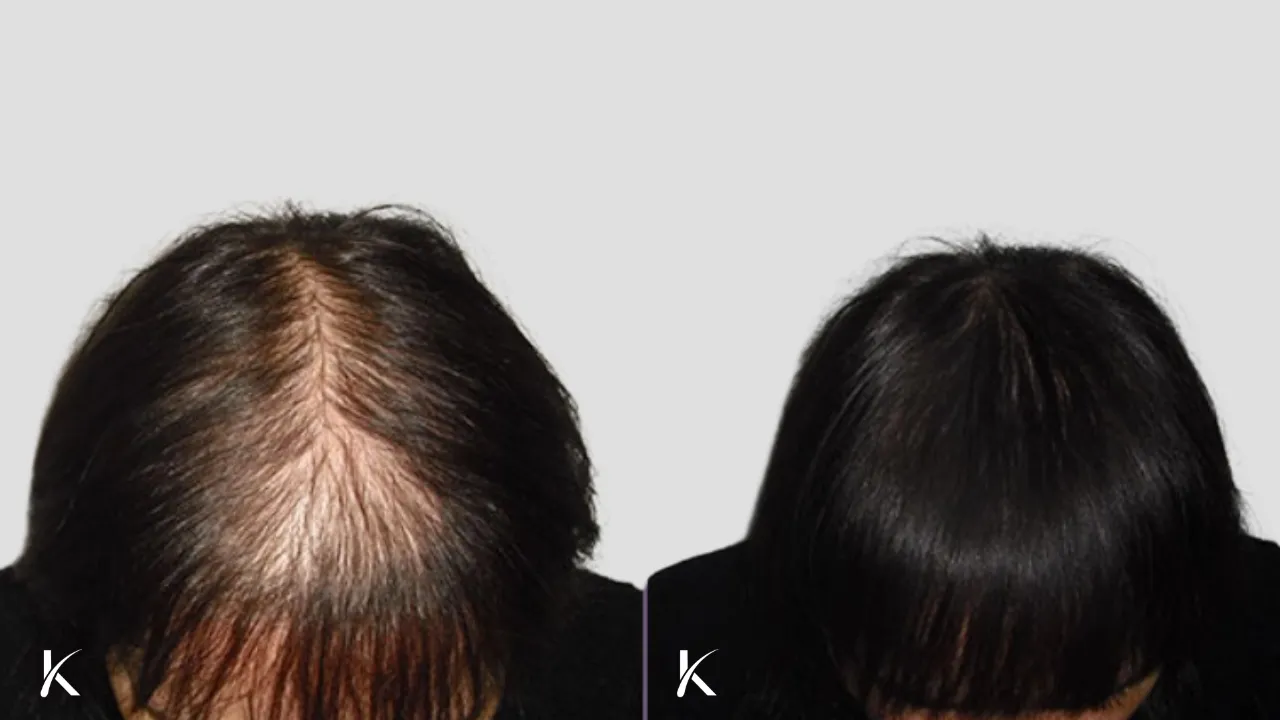
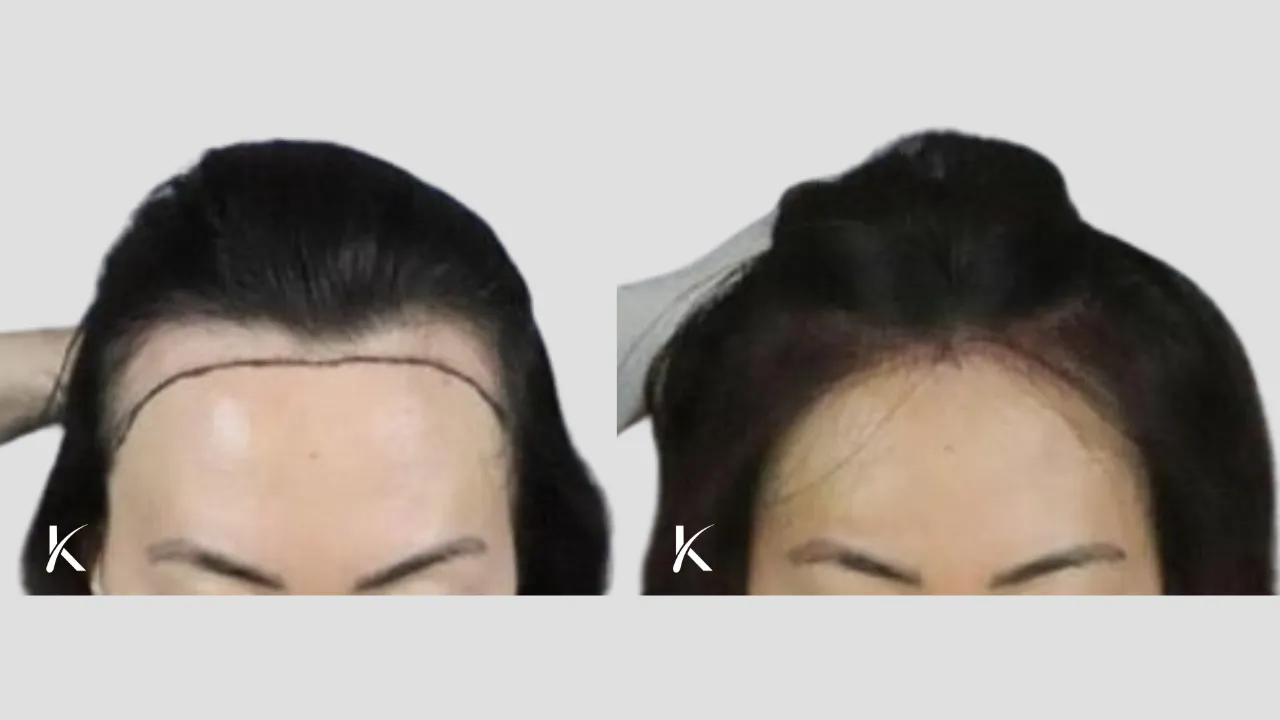
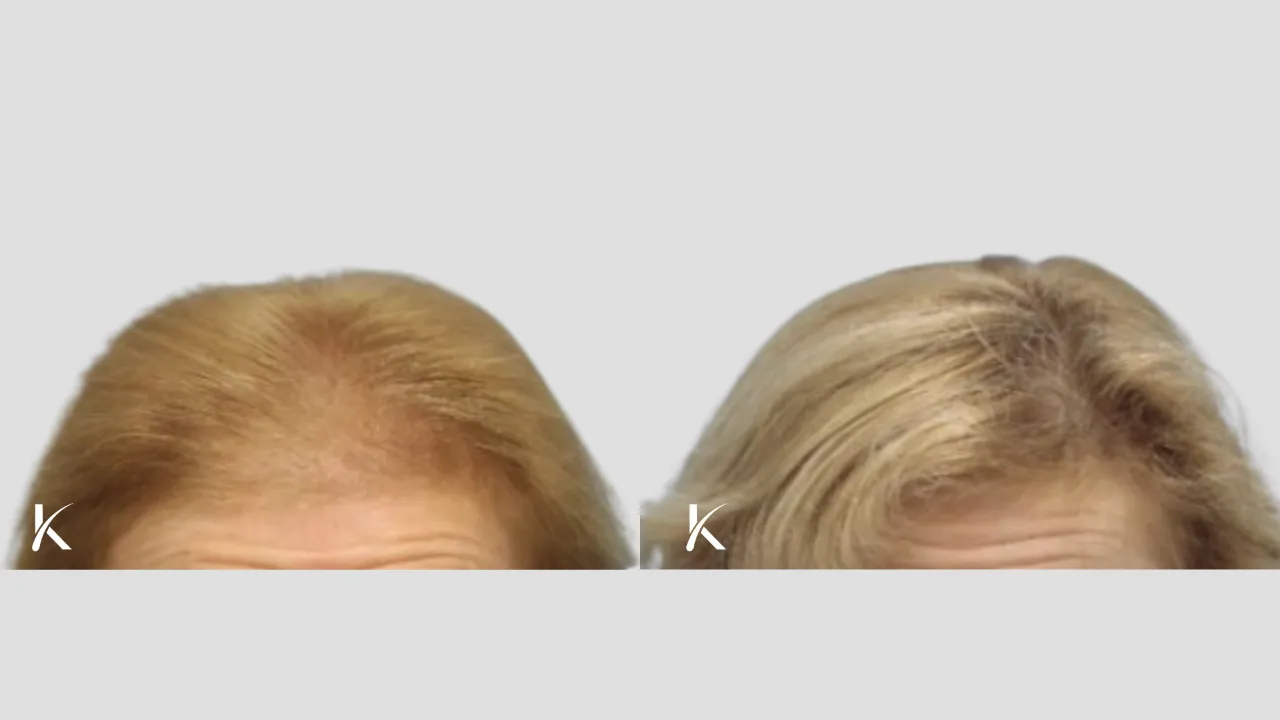
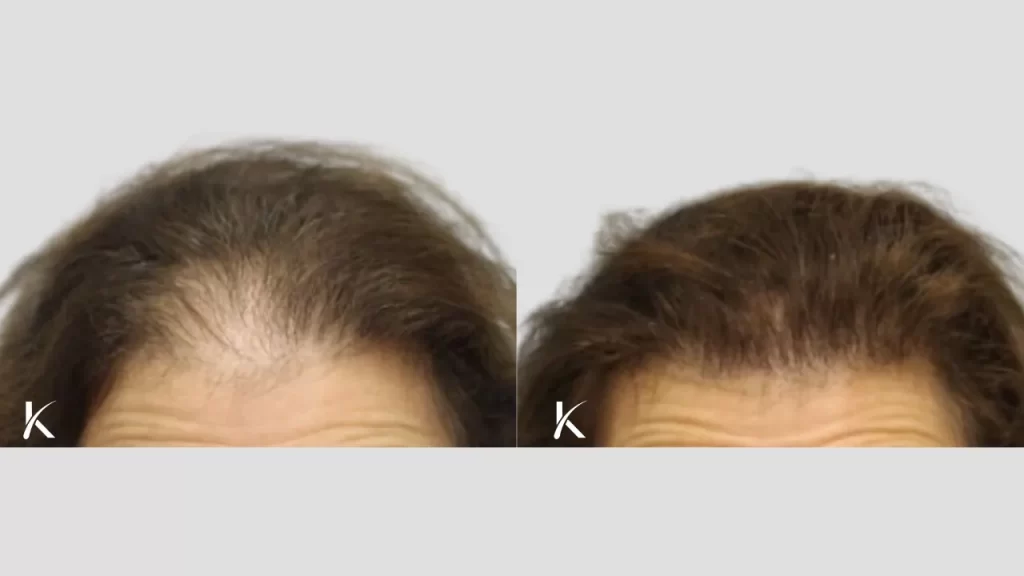
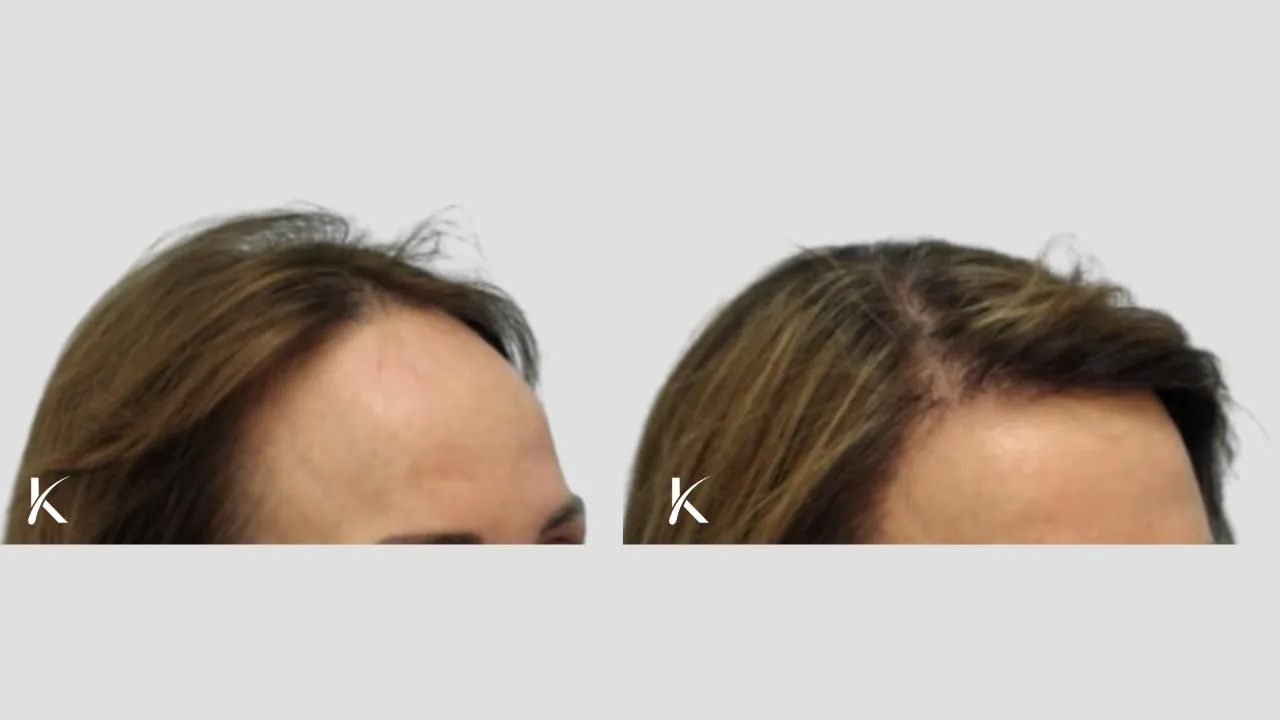
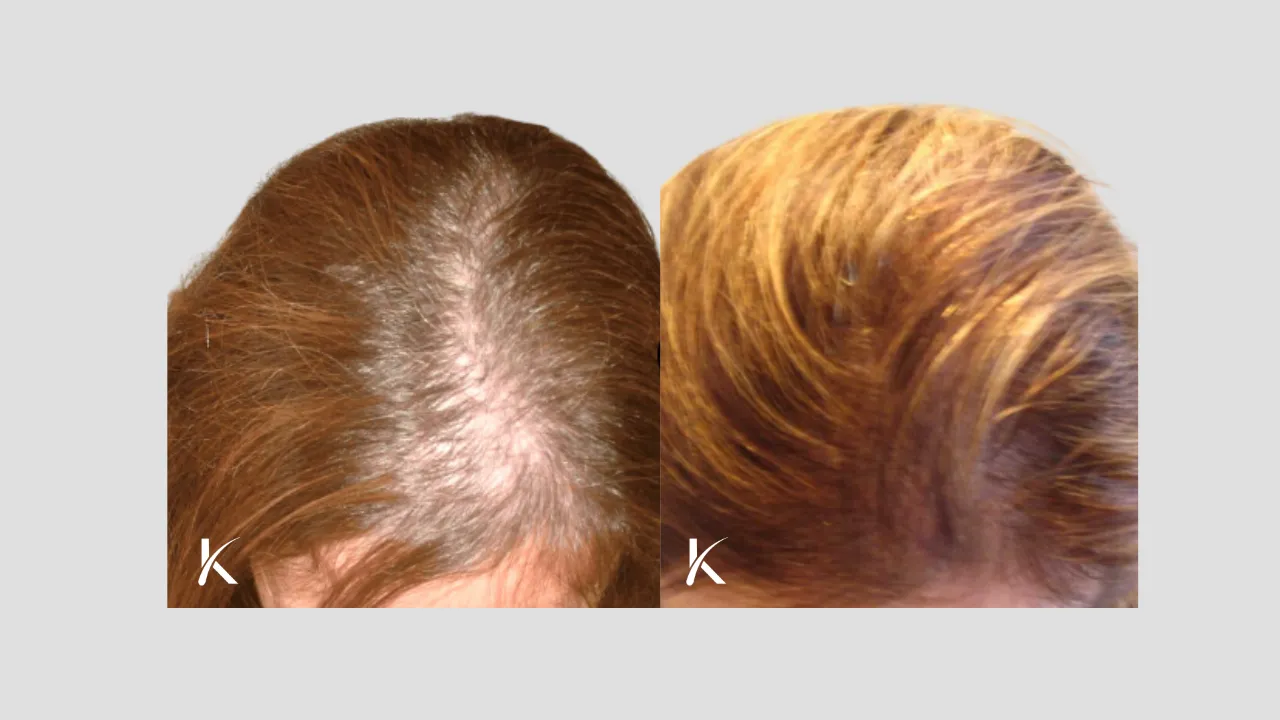
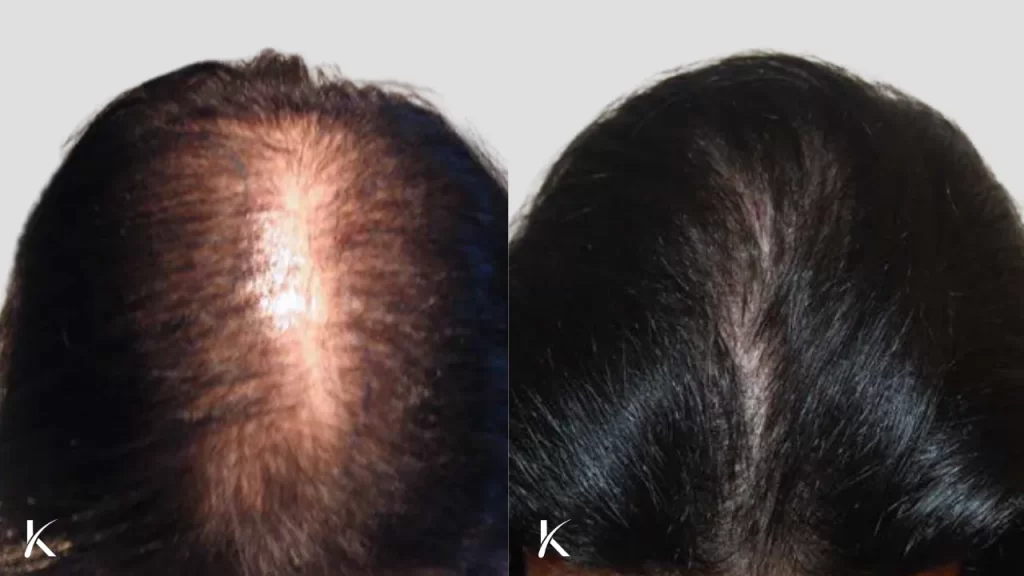
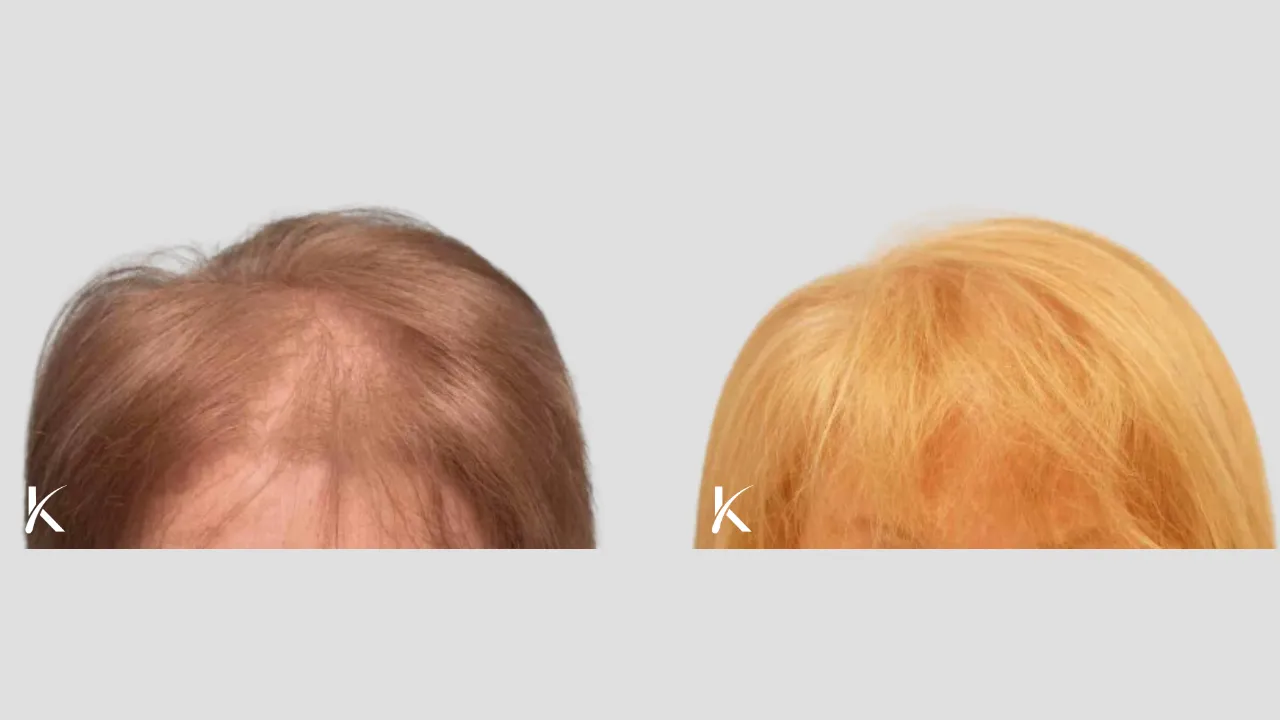
Pictures are most useful when they show the same patient, hairstyle, lighting, and camera angle at labeled time points. They should identify the treated region and, when available, the number of grafts used because 1,500 frontal grafts cannot be compared directly with 3,000 grafts spread across a larger area. Images taken at six months may show meaningful hair growth but can still look different from photographs taken at 12 months or later.
How to Compare Before and After Photos
Check whether the scalp is photographed from the front, sides, top, and donor region under similar conditions. Look for changes in hairline design, visible scalp, density, direction of growth, and how well the new hairs blend with existing hair. Avoid assuming that differences in styling, hair length, fibers, lighting, or wet versus dry hair represent surgical improvement.
FUE Hair Transplant Before and After for Men
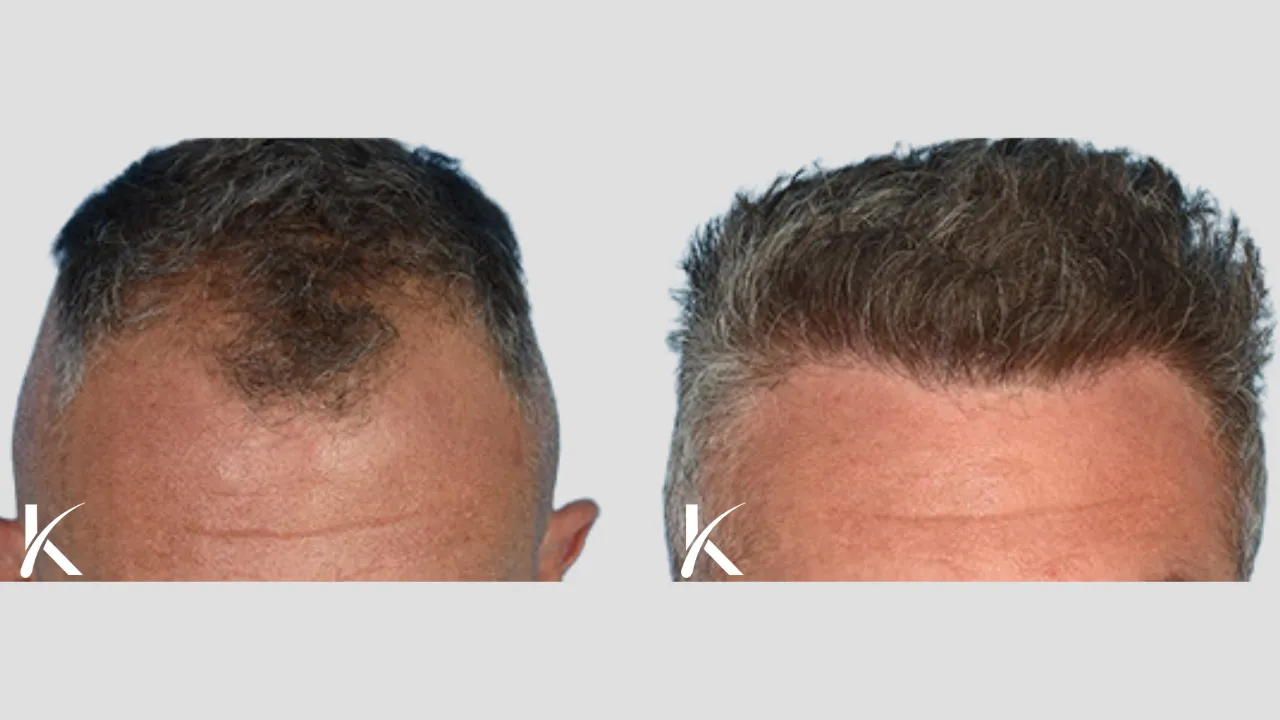
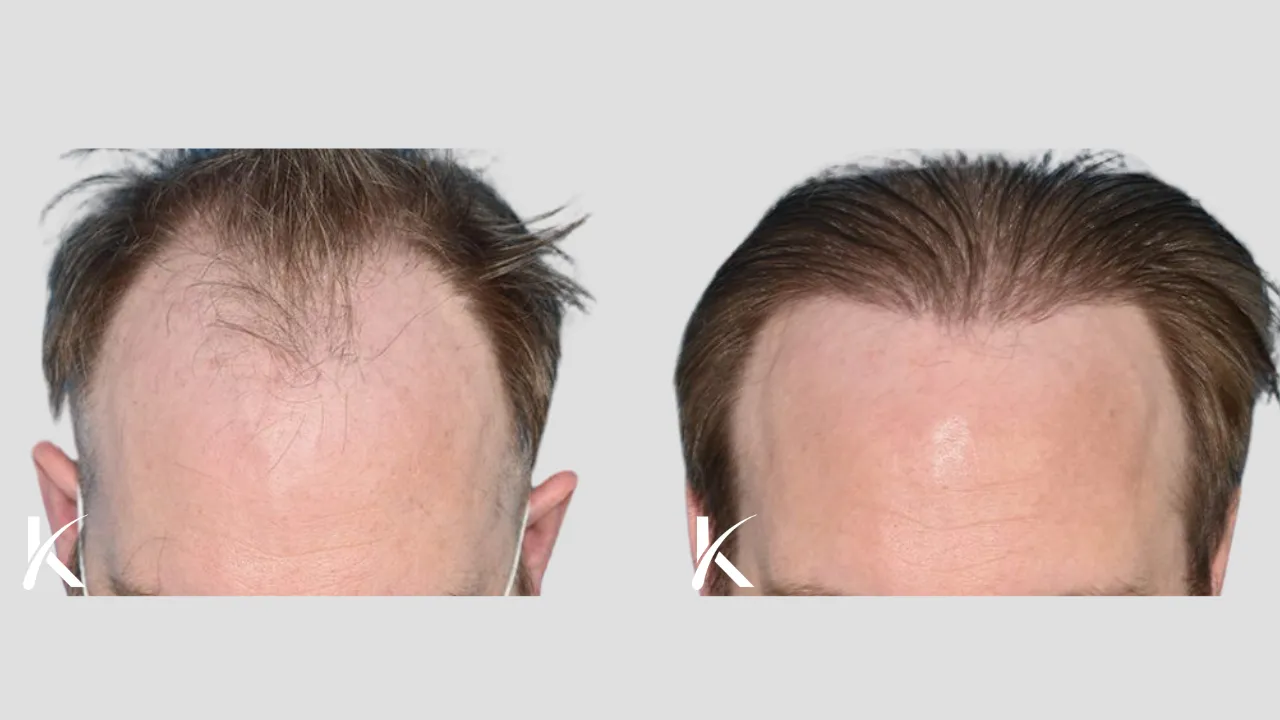
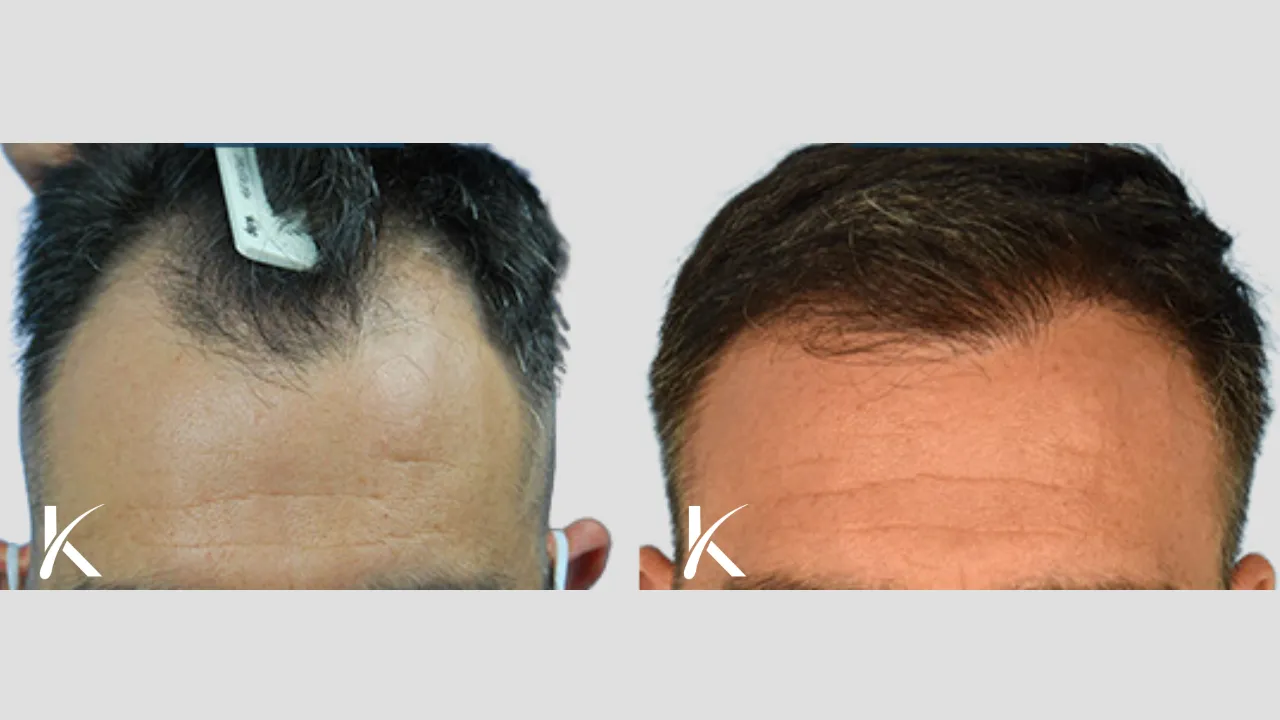
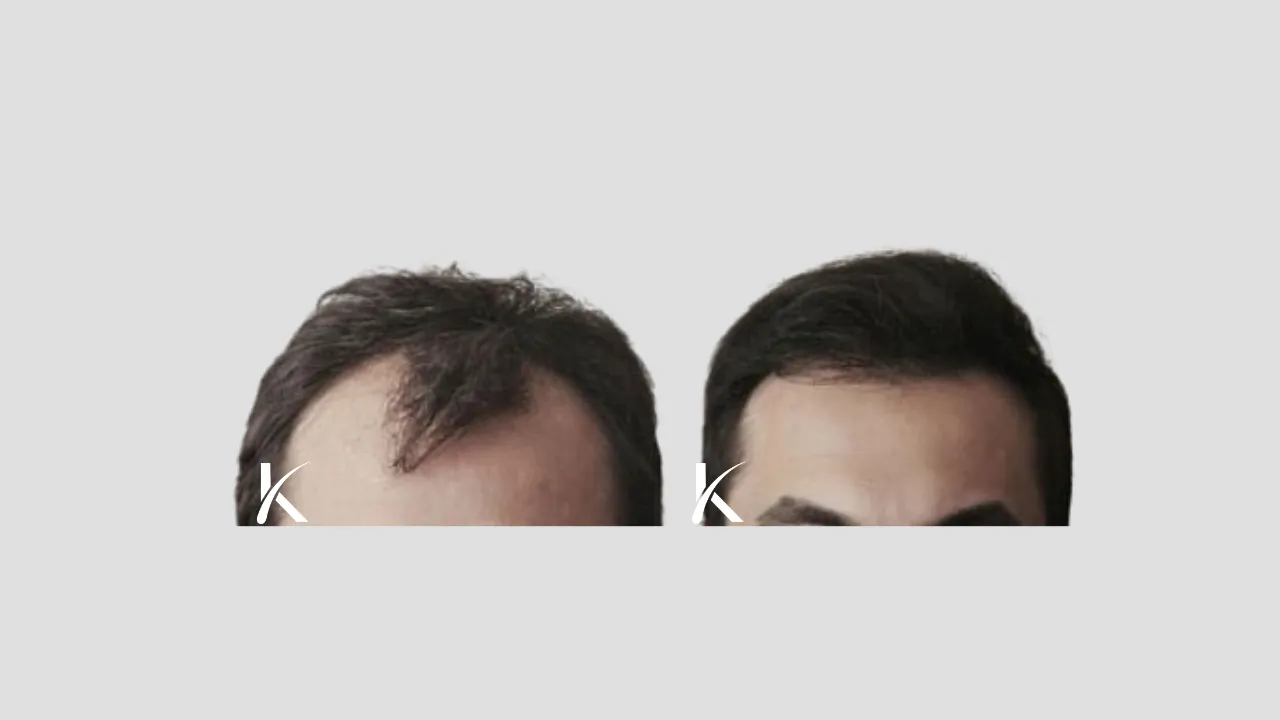
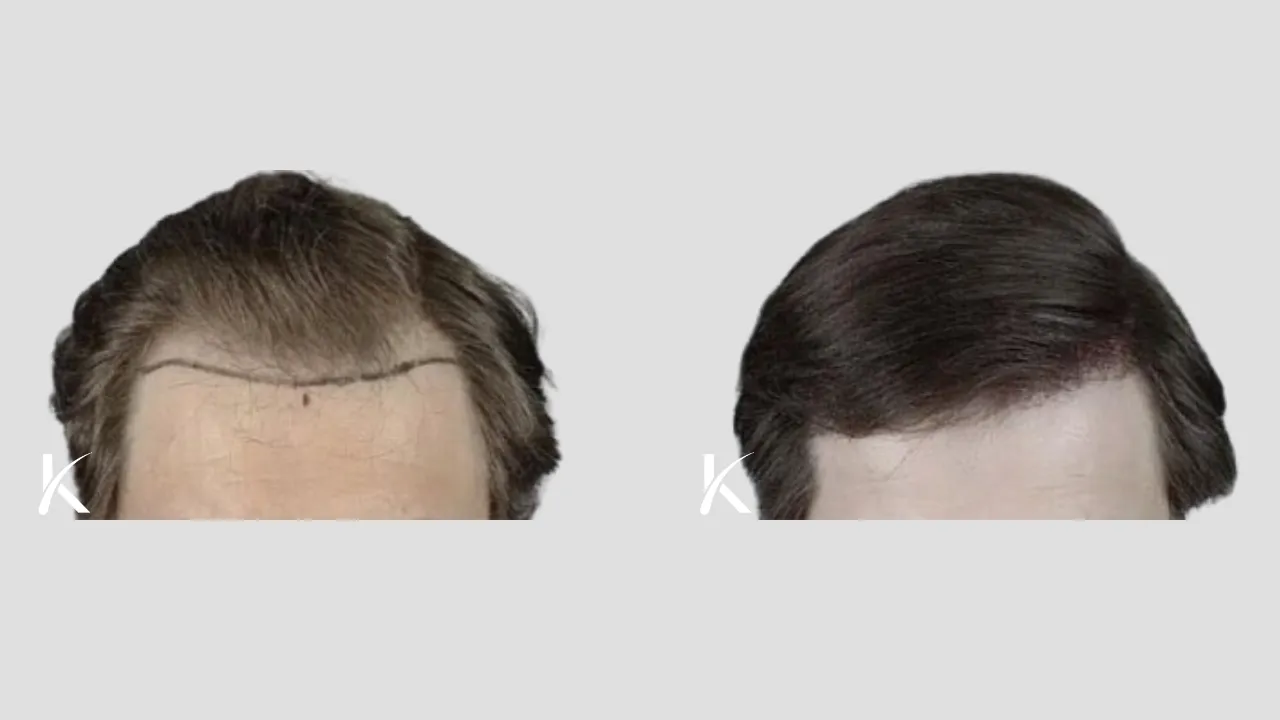
Male hair transplant before-and-after results often involve frontal recession, temple loss, crown thinning, or a combination of these patterns. A lower or denser-looking hairline may be possible in selected patients, but design should account for age, donor supply, and the possibility that untreated native hair will continue to thin. Dr. Kopelman evaluates these factors when considering whether a proposed hairline can remain appropriate as the patient’s pattern changes.
FUE Hair Transplant Before and After for Women
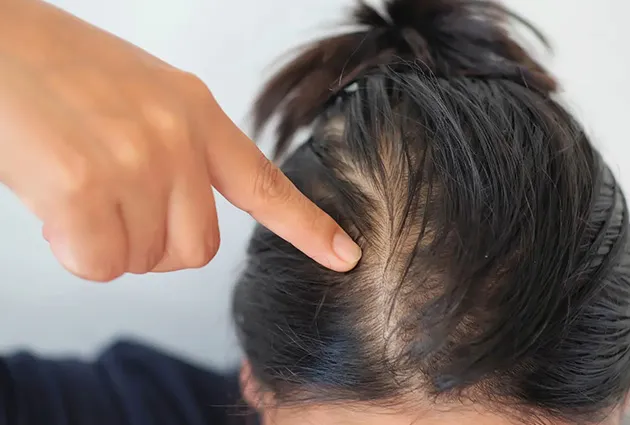
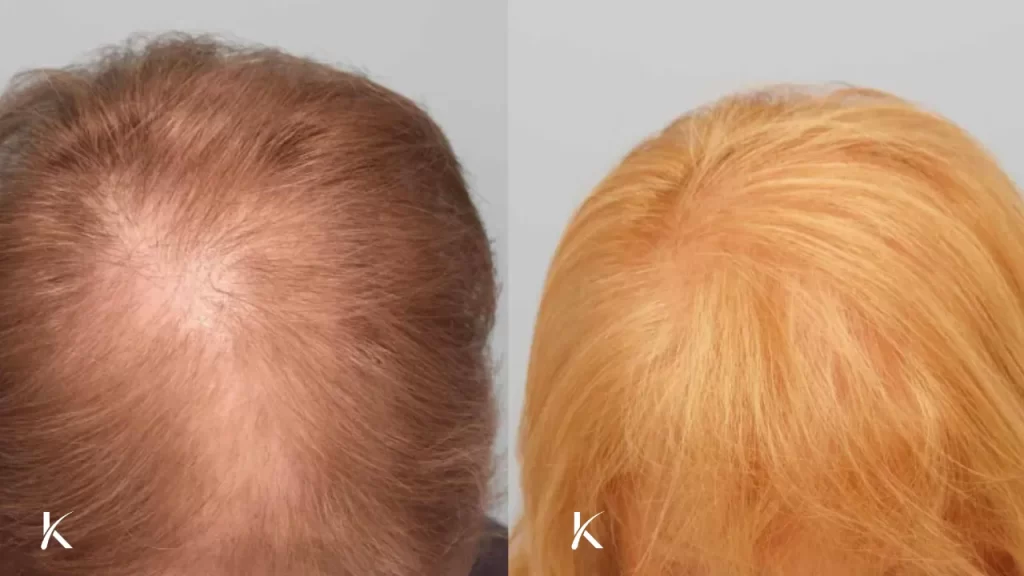
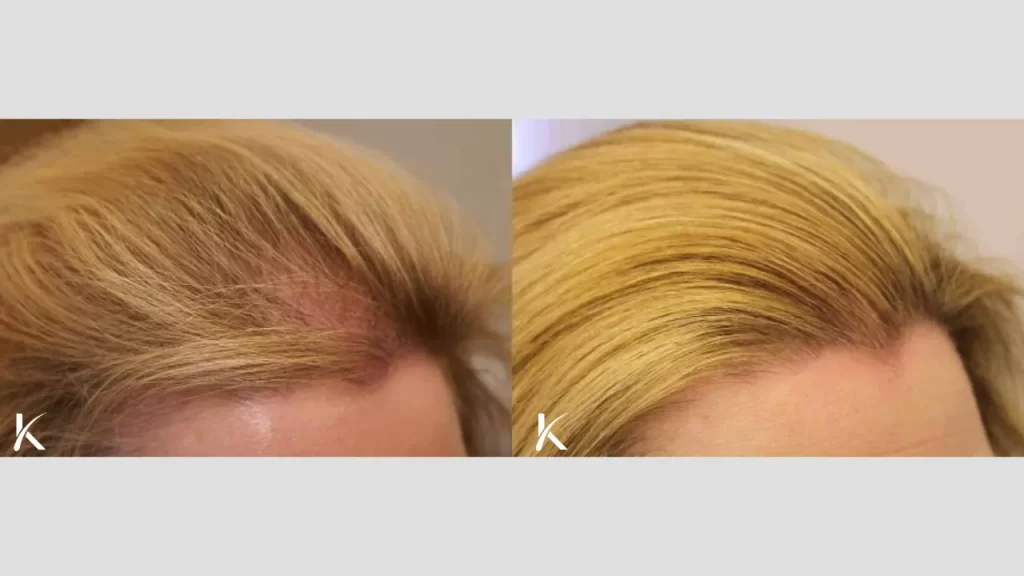
Women may seek treatment for a wider part, localized thinning, traction-related loss, or frontal changes. Diffuse thinning hair can reduce the amount of stable donor hairs available and may make surgery unsuitable for some patients, so diagnosis matters before planning. Useful photographs should show both the recipient zone and donor density rather than focusing only on the most improved angle.
FUE Hair Transplant Before and After for Black Hair
Black patients can be candidates for surgery, but tightly curled or coiled hair may require specific extraction planning because follicles can curve beneath the skin. Curl can also create greater visual coverage per graft in some patients, so graft counts alone do not predict appearance. Compare images with attention to texture, hairstyle, lighting, and donor healing.
FUE Hair Transplant Results Timeline
Results develop gradually, with early shedding followed by new growth and maturation, as also outlined in the no-shave FUE timeline.
- Weeks 1–2: Healing and crusting improve.
- Weeks 2–8: Transplanted hairs often shed.
- Months 3–4: Early growth begins.
- Months 6–9: Density becomes more visible.
- Months 9–12: Hair continues to mature.
- Months 12–18: Some patients see further thickening, especially in the crown.
What Determines FUE Hair Transplant Results?
Results depend on donor density, hair characteristics, recipient-zone size, future loss, surgical planning, and graft handling. The hair transplant procedure redistributes a limited follicle supply, so the surgeon must decide where it can provide useful visual coverage. Hair caliber, curl, color contrast, and the amount of existing hair can change how dense the same graft count appears.
Planning also requires a long-term view because native follicles outside the treated area can continue to miniaturize. A technically successful procedure cannot stop progressive loss elsewhere on the scalp. Dr. Kopelman may assess pattern stability, donor reserves, medical history, and treatment options before determining whether surgery fits the patient.
How Much Will 3,000 Grafts Cover?
There is no fixed area that 3,000 hair grafts will cover for every patient. Coverage depends on area size, desired density, hair characteristics, existing coverage, and graft distribution across the hairline, midscalp, and crown. In one patient, 3,000 grafts may concentrate on the front and midscalp, while in another they may need to cover a larger area at a lighter density.
FUE Procedure and Scarring
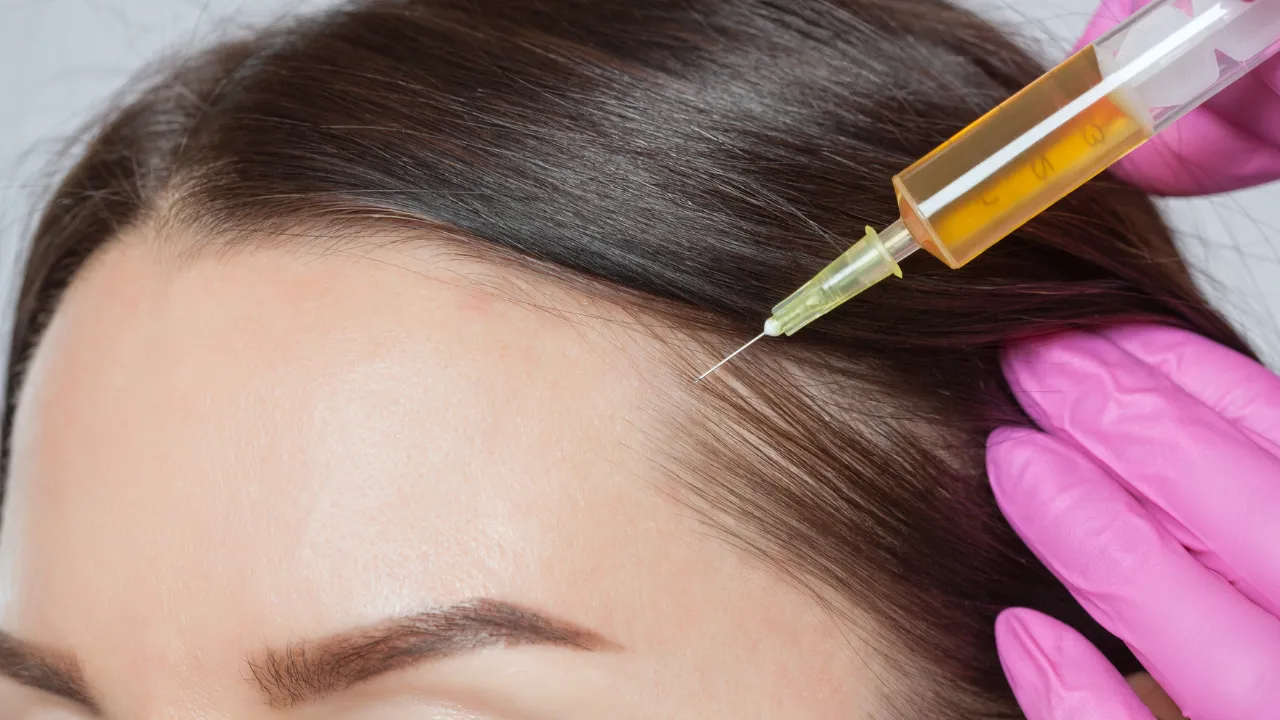
In FUE, the surgeon removes individual follicular units from the donor region and places prepared grafts into recipient sites. The phrase follicular unit extraction remains common, although the International Society of Hair Restoration Surgery uses follicular unit excision because grafts are surgically cut around and removed. FUE hair transplant surgery avoids the long linear scar associated with strip harvesting, but each extraction still creates a small wound that can leave a tiny round scar.
Donor management matters because removed follicles do not regenerate in the exact extraction sites. Taking too many follicles from one region can create a depleted or patchy appearance that becomes more visible with short hairstyles. When reviewing outcomes, evaluate the donor zone as carefully as the recipient area.
What Can Poor FUE Results Look Like?
Poor results may show an unnatural hairline, incorrect growth direction, low coverage, visible donor thinning, or uneven extraction patterns. Some changes can reflect limited donor supply or continued loss of native hair, while others may relate to surgical planning, graft placement, or excessive harvesting. Removing too many follicular units can permanently reduce donor density because extracted follicles do not grow back in their original locations. Patients should examine both recipient and donor photographs when assessing a result.
How Long Does a FUE Hair Transplant Last?
The result can last for decades, and transplanted follicles from a stable donor region are generally considered permanent. The transplanted hair usually keeps its original growth characteristics after it establishes in the recipient area. The overall appearance can still change because untreated native hair may continue to thin with age.
Long-term maintenance may include medical treatment when appropriate to slow further loss in non-transplanted areas. Treatment depends on diagnosis, age, medical history, risks, and patient preference. Follow-up helps separate stable transplanted growth from continued thinning around it.
What Happens 20 Years After a Hair Transplant?
Twenty years later, transplanted follicles may still grow while the untreated pattern changes around them. A hairline designed without considering future recession can look isolated if surrounding hairs continue to disappear, which is why conservative planning and preservation of donor reserves matter. Some patients may consider further treatment later, but more surgery depends on remaining donor supply and medical suitability.
FUE Hair Transplant Cost
Cost varies with treatment scope, technique, clinical team, and complexity, not a universal price per graft. At Kopelman Hair, FUE procedures generally range from $25,000 to $40,000, while no-shave FUE generally ranges from $30,000 to $40,000. An exact estimate requires evaluation because graft needs and treatment areas differ by patient.
Consider price alongside physician involvement, donor planning, follow-up care, and preserving future options. Choosing a larger session simply to increase the graft count does not guarantee better density or a more natural appearance. The surgical plan should match the patient’s anatomy and realistic goals.
See What FUE Could Achieve for You
Before-and-after photographs are most informative when reviewed with the patient’s diagnosis, donor supply, graft count, treatment area, and follow-up interval.
A qualified hair-restoration physician can explain which changes are realistic for a specific pattern and why one patient’s photographs may not apply to another. The goal is to understand possible ranges of change, not to assume the same outcome can be reproduced.
To learn what may be realistic for your hair loss pattern, schedule a consultation with Kopelman Hair for an individualized evaluation.