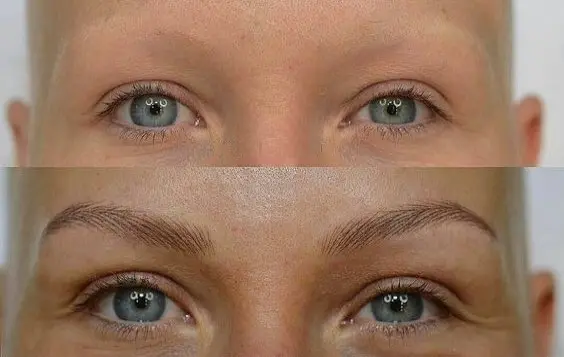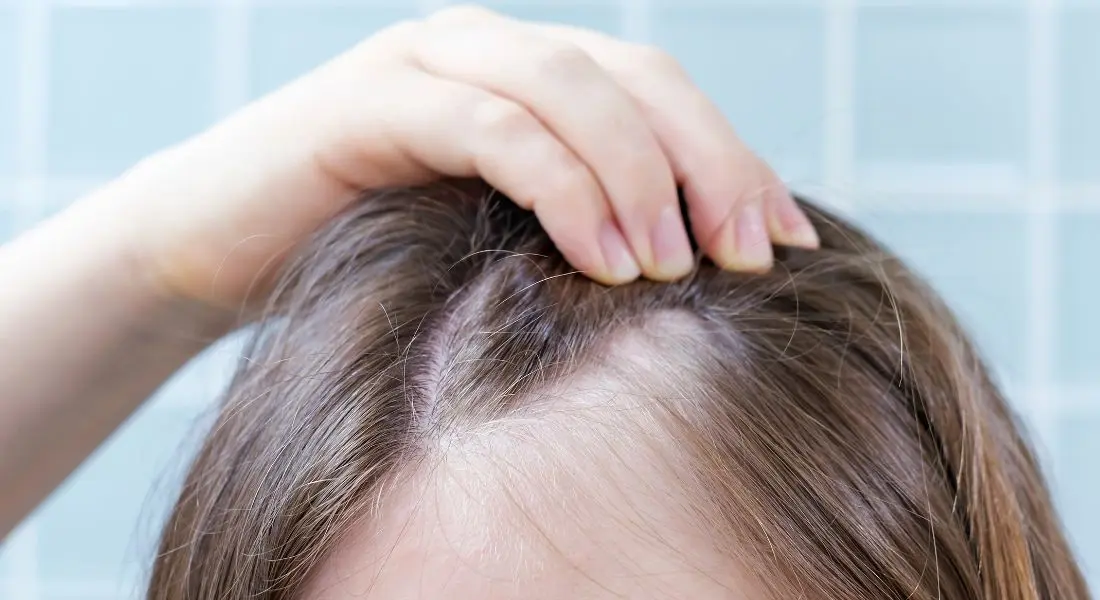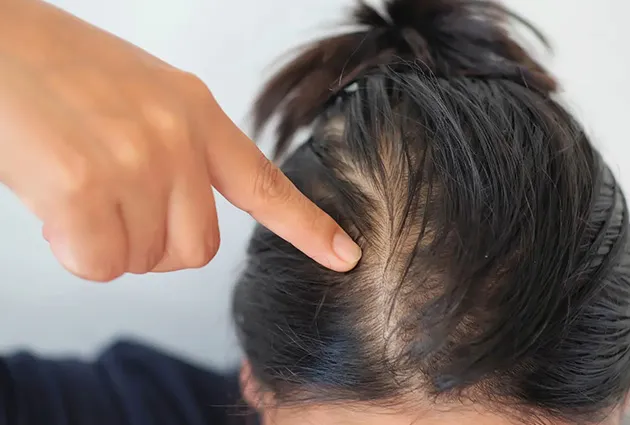

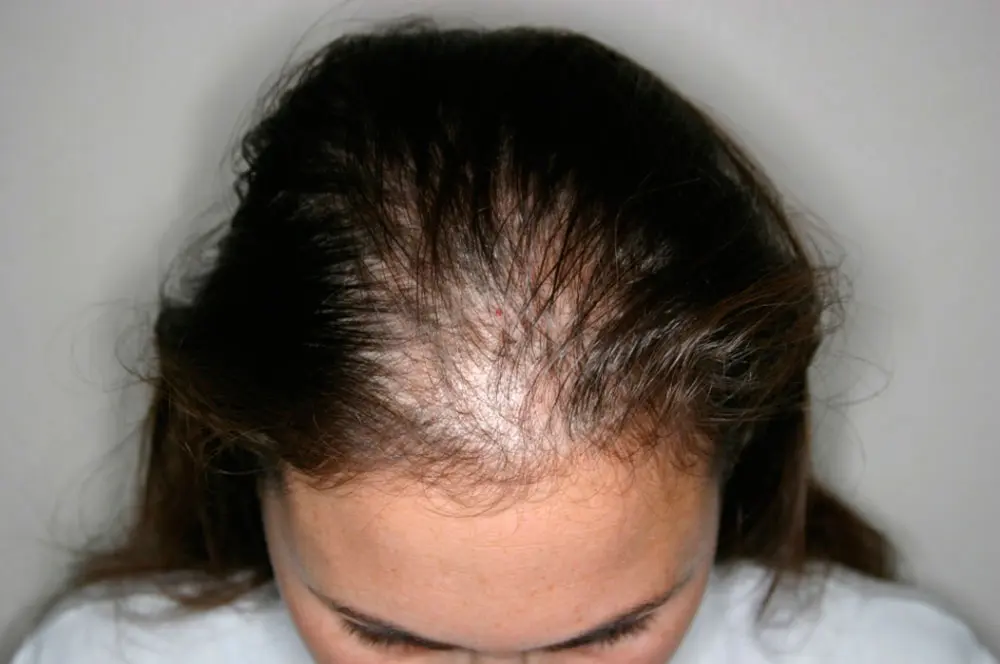
Alopecia areata hair transplant can work in some cases, but results are not consistent for every patient. The condition is autoimmune, so the body may still attack transplanted hair, especially if the disease is active.
The best outcomes occur when hair loss has been stable for a long period and limited to specific areas. Even then, results vary and may not be permanent compared to other types of hair loss.
A proper evaluation is essential to determine if this approach is a safe and effective option, especially when comparing with other types of alopecia that behave differently.
Key Takeaways
- Hair transplant for alopecia areata can work only when the condition is stable, as active autoimmune activity can cause transplanted hair to fall out.
- Not all patients are good candidates, and proper evaluation of stability, donor area quality, and overall hair loss pattern is essential before surgery.
- Success rates vary, and results are less predictable than in androgenetic alopecia, so expectations should remain realistic.
- Medical treatments are often the first step, as they help control the condition and may be more effective than surgery in unstable cases.
Does Hair Transplant Work for Alopecia Areata?
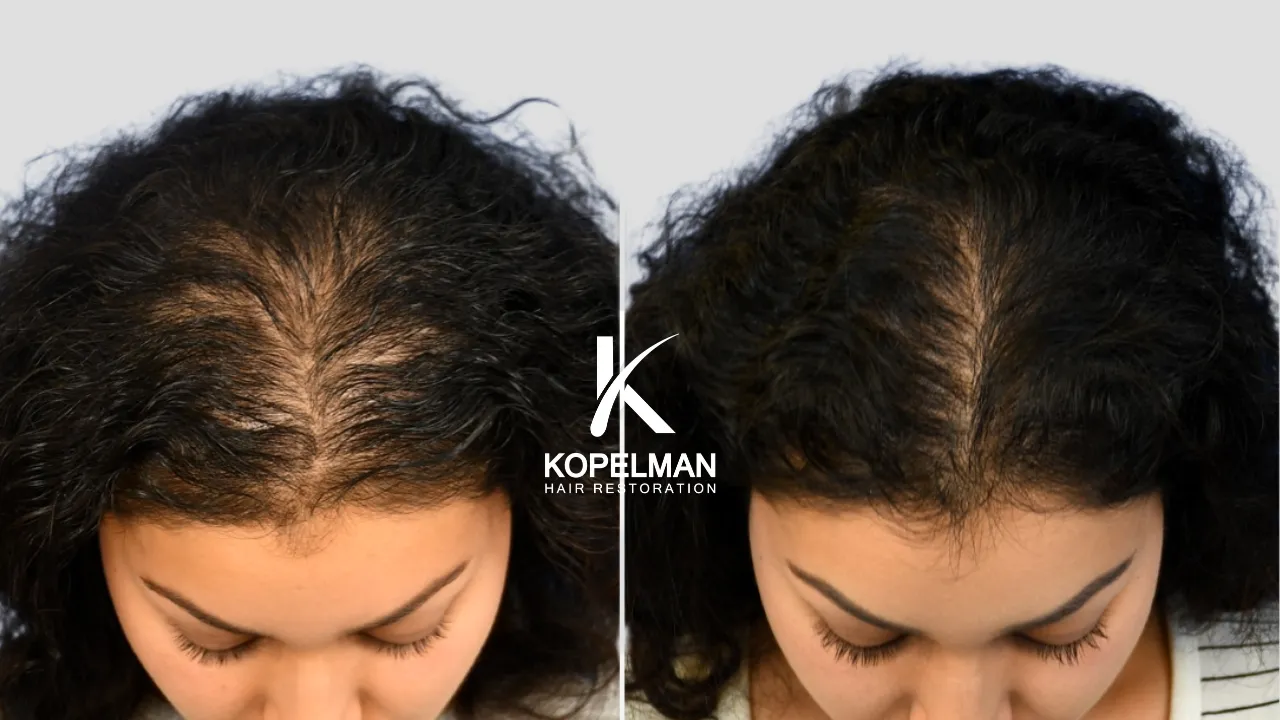
Alopecia areata is an autoimmune condition where the immune system attacks hair follicles, leading to patchy hair loss. Because of this, hair transplant surgery does not always provide predictable results. In many cases, transplanted hair may initially grow but later shed if the condition becomes active again.
An alopecia areata hair transplant may work in very specific cases. The condition must be stable, with no new bald spot forming for an extended period. Dr. Kopelman evaluates each patient carefully to determine if surgery is a safe and effective option.
This approach is very different from more predictable conditions like androgenetic alopecia vs telogen effluvium, where outcomes tend to be more stable.
Who Is a Candidate and When to Avoid It
Stable alopecia areata
Patients with stable alopecia areata for at least one to two years may be candidates for hair restoration. Stability means no new patches and no ongoing inflammation affecting hair growth. This reduces the risk of losing transplanted hair after the procedure.
Men and women with localized areas of hair loss may benefit the most. In these cases, hair transplant alopecia procedures can improve density and appearance. A proper evaluation ensures that the donor area has enough healthy hair follicles.
When surgery is not recommended
Hair transplant surgery is not recommended when alopecia areata is active. New patches can appear unpredictably, which affects both existing and transplanted hair. This increases the risk of poor outcomes and uneven results.
Patients with widespread hair loss or unstable patterns should consider medical treatments first. In these cases, surgery may not be the right course of action. Dr. Kopelman often recommends stabilizing the condition before considering surgical options.
Risks, Failure, and Success Rate
Why transplants can fail
Hair transplant alopecia cases often fail due to the autoimmune nature of the condition. The immune system can attack transplanted hair follicles just like it does with natural hair. This can lead to shedding even after initial growth.
Another risk involves unpredictable progression. Alopecia areata can affect new areas, which may create uneven results over time. This is why careful planning and patient selection are essential.
Expected results and before after
Success rates vary depending on stability and patient selection. Some patients see visible hair growth and improved coverage in treated areas. Others may experience partial regrowth or temporary results.
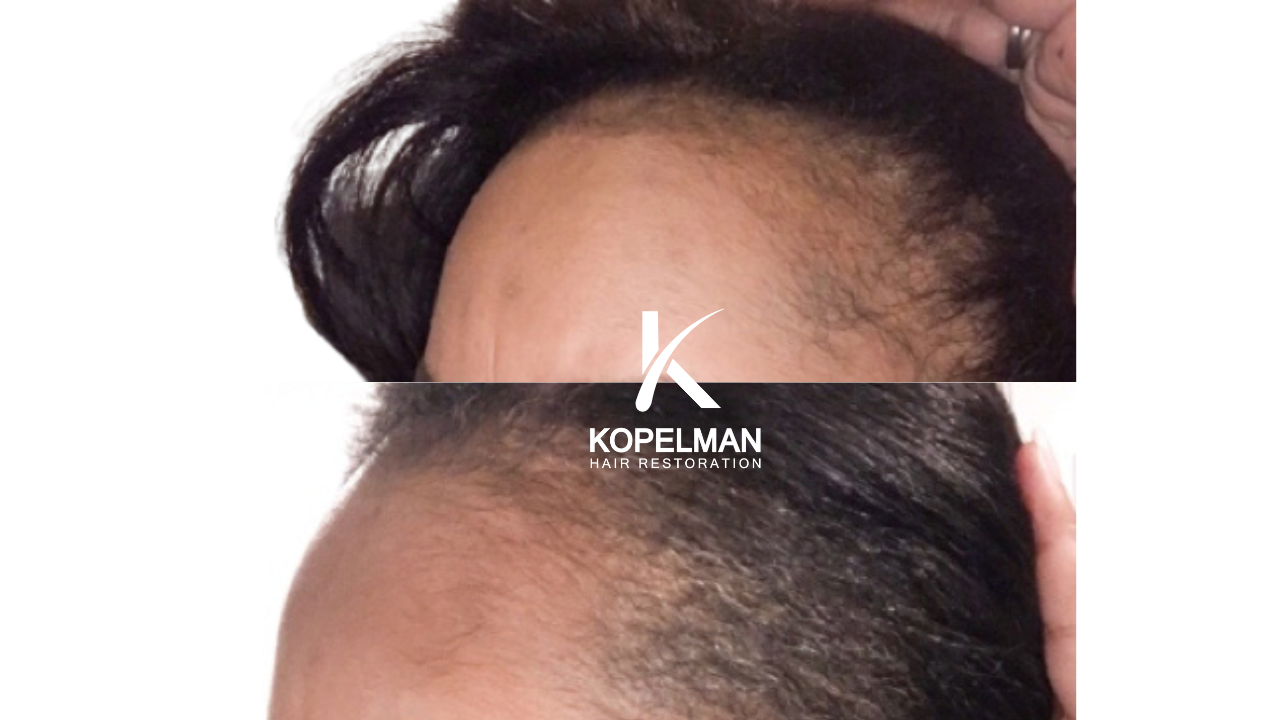
Hair transplant alopecia areata before and after results often show improvement in density, but expectations must remain realistic. This condition does not behave like more predictable patterns such as vertex baldness, where progression is easier to map.
Patients should understand both benefits and limitations before proceeding.
Hair Transplant Procedure Explained
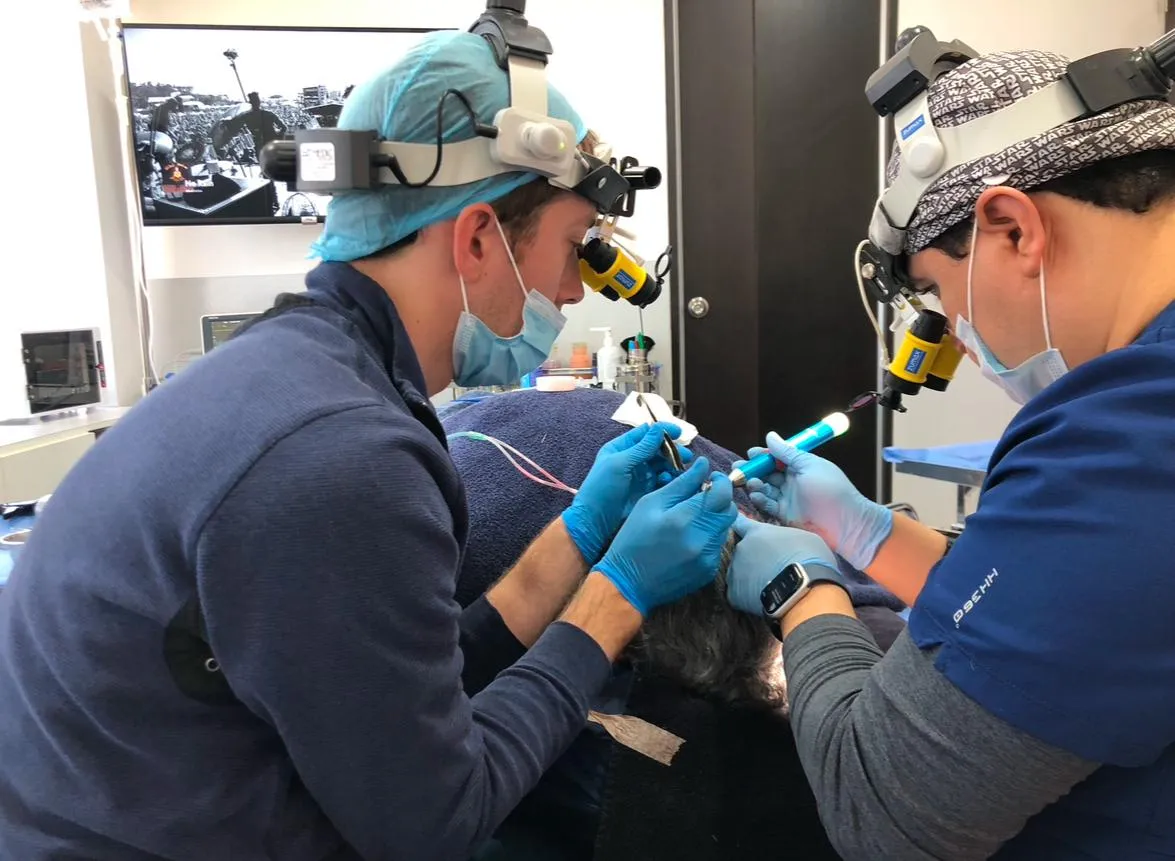
FUE follicular unit extraction
The most common method used is fue follicular unit extraction. This technique involves removing individual hair follicles from the donor area and placing them into the affected region. It allows for precise placement and natural-looking results.
FUE reduces visible scarring and offers faster recovery compared to older methods. It is widely used in modern hair restoration procedures. However, its success still depends on the stability of alopecia areata.
Donor area and body hair
The donor area is usually located at the back or sides of the scalp, where hair is more resistant to loss. In some cases, body hair may be used if scalp supply is limited. This can help improve coverage in difficult areas.
The quality and density of the donor area directly affect results. If donor hair is weak or limited, outcomes may be less effective. A thorough evaluation ensures the best possible use of available hair.
Cost of Alopecia Hair Transplant
What affects pricing
The cost of alopecia hair transplant depends on several factors. These include the size of the treatment area, number of grafts, and complexity of the procedure. Clinics with experienced surgeons may charge higher fees due to expertise.
Additional factors include the use of advanced techniques and follow-up care. Each case is unique, so pricing varies based on individual needs. Patients should focus on quality rather than cost alone.
Is it worth it
For some patients, hair replacement for alopecia can improve appearance and confidence. However, results are not guaranteed, especially if the condition is unstable. This makes it important to weigh benefits against risks.
Patients should consider long-term outcomes, not just immediate improvement. In some cases, medical treatments may offer better results without surgery. A consultation helps determine if the investment is worthwhile.
Timeline of Alopecia Areata
How it progresses
Alopecia areata often begins with a small bald spot and can progress unpredictably. Some patients experience regrowth within months, while others develop more extensive hair loss. The course of action varies from person to person.
This condition does not follow a fixed pattern. It may improve, worsen, or remain stable over time. Understanding this variability is key when considering treatment options.
When it becomes stable
Stability usually means no new patches and no active inflammation for at least one year. This is the safest time to consider hair transplant surgery. Stable conditions reduce the risk of losing transplanted hair.
Doctors assess stability through clinical evaluation and patient history. Without stability, surgery may lead to poor results. Timing plays a critical role in success.
What to Avoid with Alopecia Areata
Common triggers
Certain factors may worsen alopecia areata. These include stress, scalp trauma, and underlying health conditions. Avoiding triggers can help support hair growth and reduce flare-ups.
Patients should also avoid harsh treatments that damage hair follicles. Gentle care and proper medical guidance are essential. Managing triggers improves overall outcomes.
Mistakes before surgery
One common mistake is rushing into surgery without stabilizing the condition. This can lead to failure and disappointment. Patients should always explore treatment options first.
Another mistake is choosing inexperienced providers. Hair restoration requires skill and proper planning. Working with experts like Dr. Kopelman helps reduce risks and improve results.
Hair Transplant vs Medical Treatments
Medical treatments explained
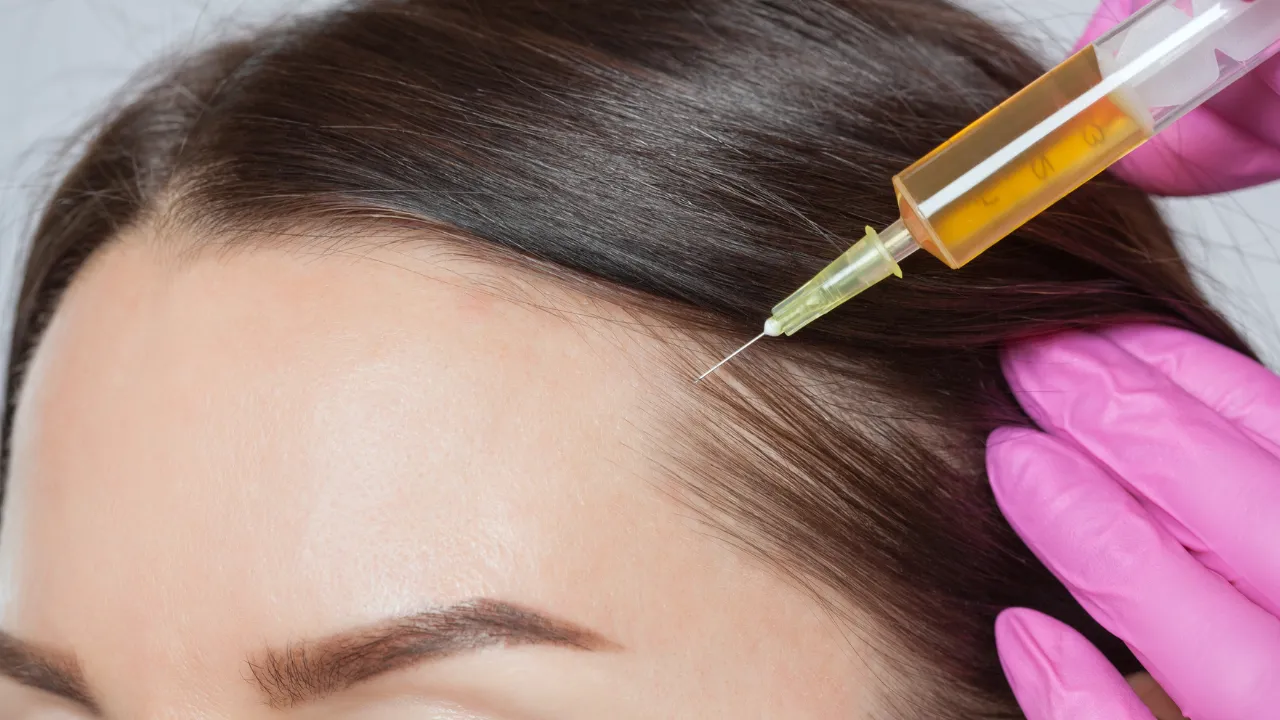
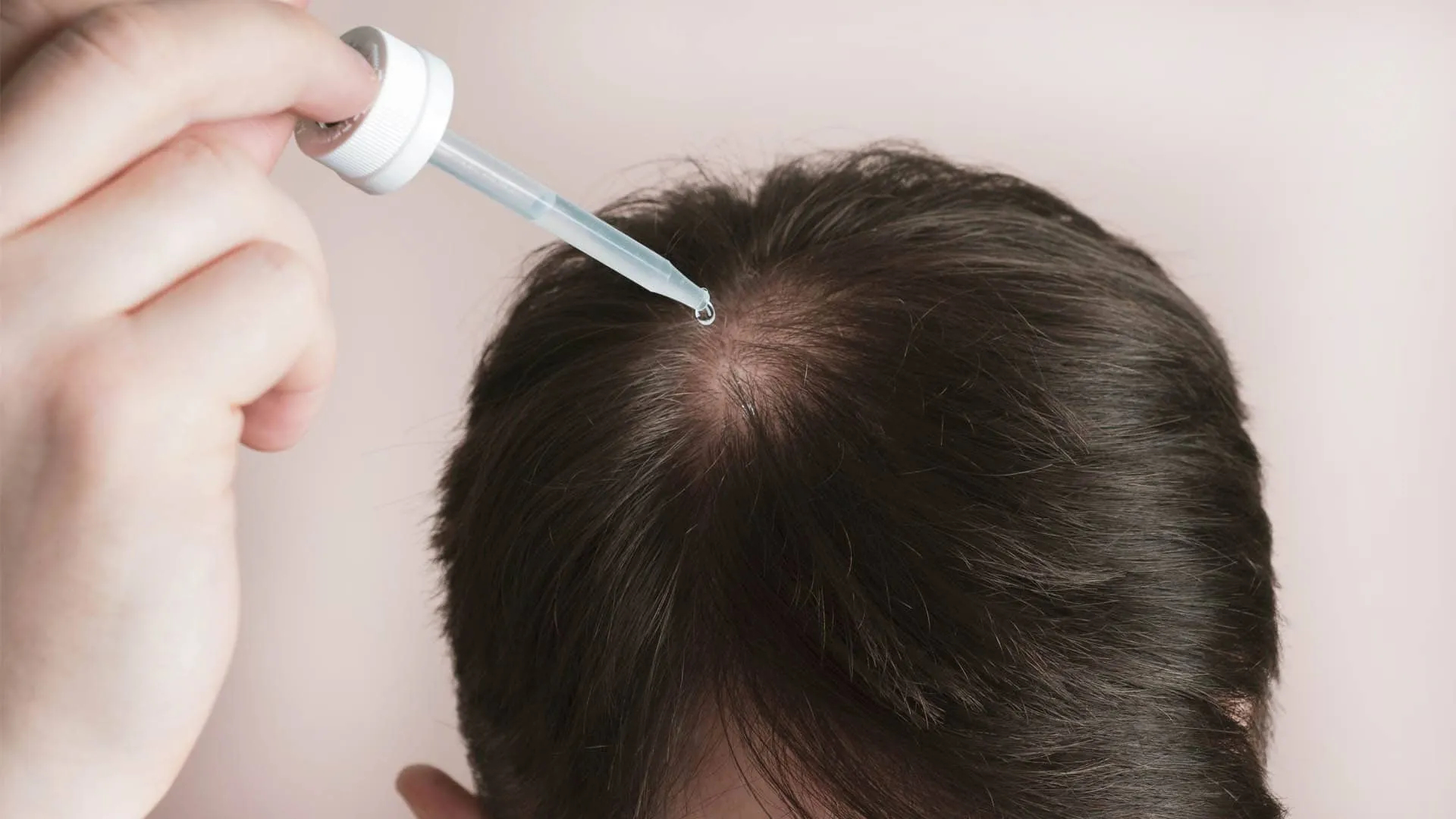
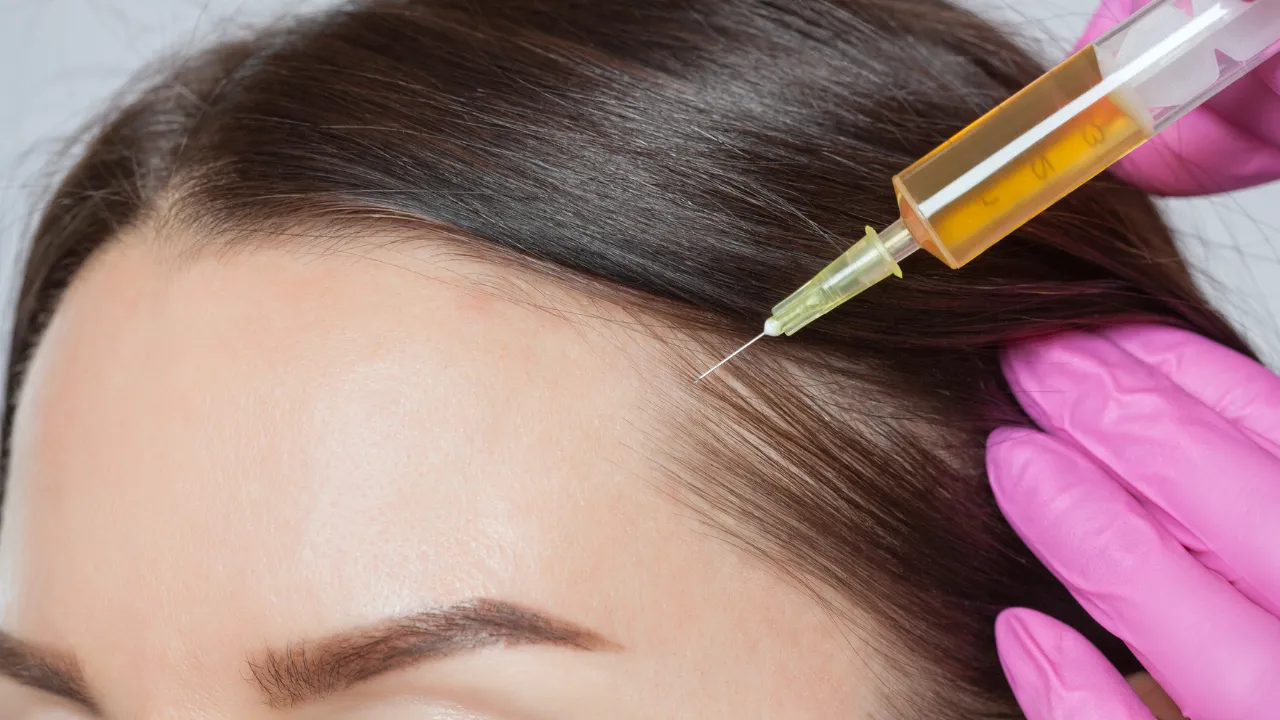
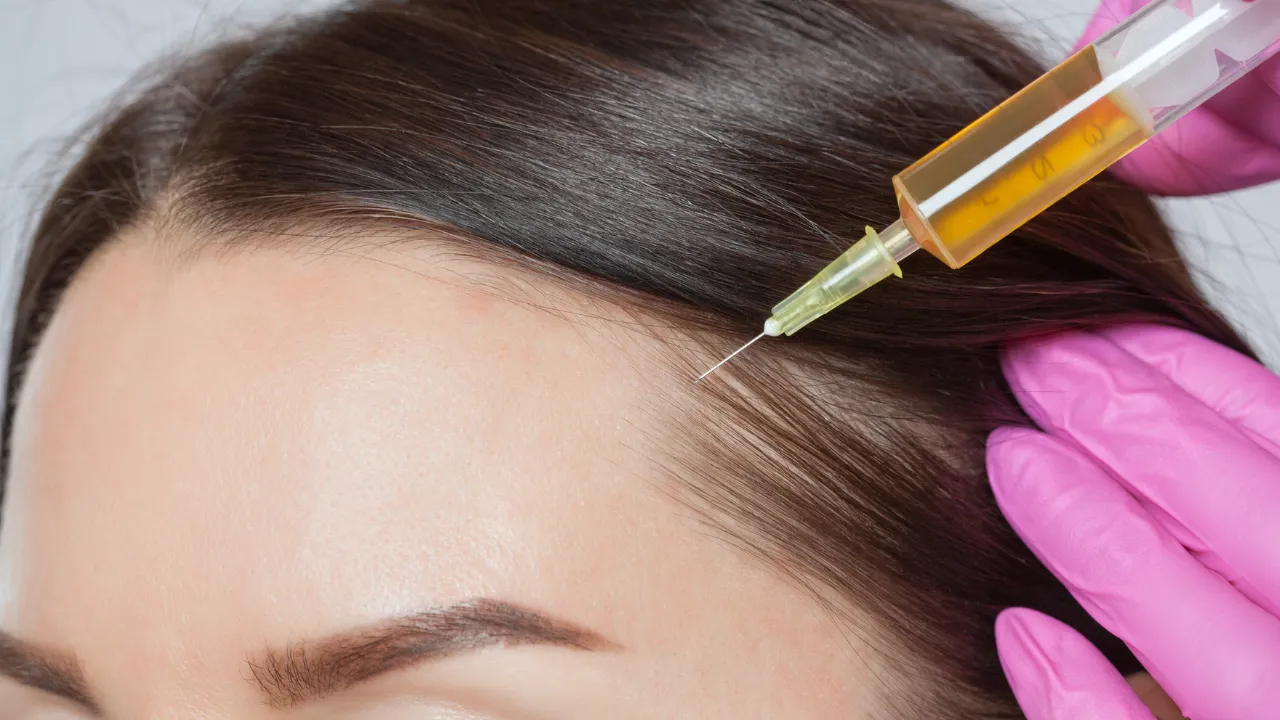
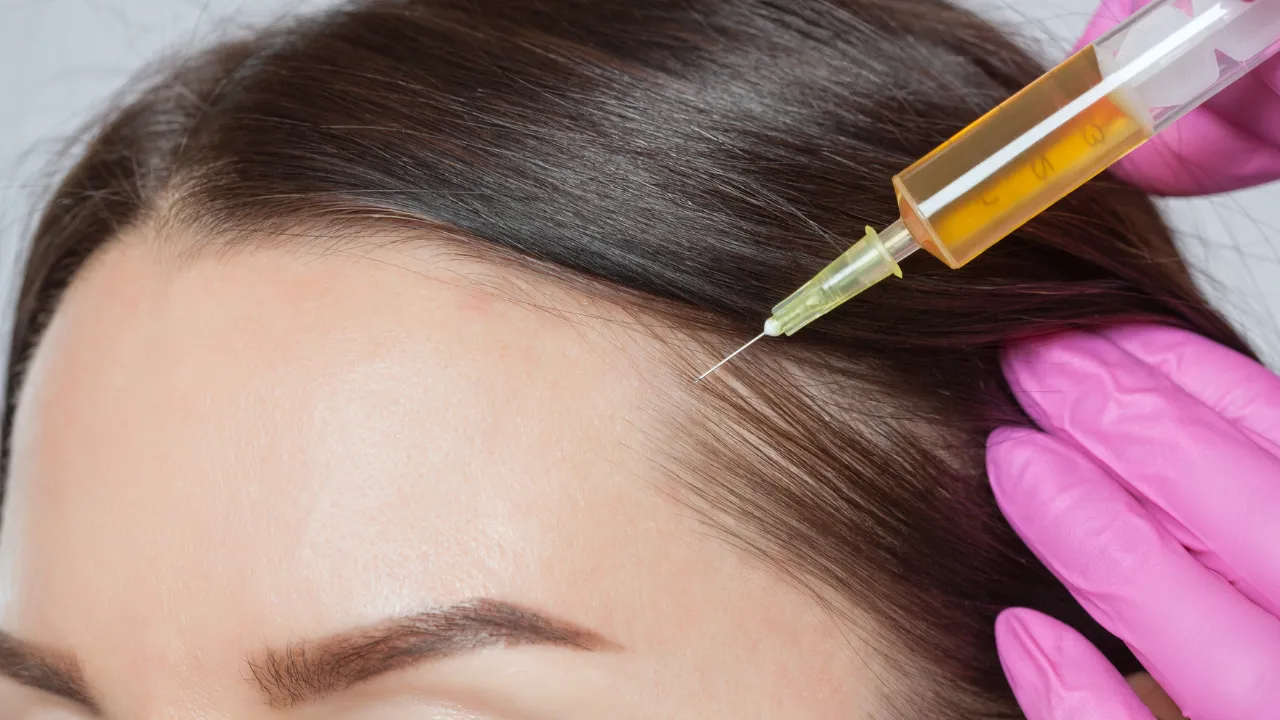
Medical treatments are often the first step in managing alopecia areata. These include corticosteroids, topical therapies, and approaches like steroid injections for hair loss, which help reduce immune activity.
They aim to restore natural hair growth without surgery.
These treatments can be effective in early or active stages. They also help stabilize the condition before considering surgery. Many patients respond well to non-surgical care.
When non-surgical is better
Non-surgical options are better when hair loss is widespread or unstable. In these cases, surgery may not provide lasting results. Medical treatments offer a safer approach.
Patients should focus on controlling the condition first. Once stable, other options can be explored. This step-by-step approach improves long-term outcomes.
Alopecia Areata vs Other Hair Loss
Androgenetic alopecia differences
Androgenetic alopecia, also known as male pattern baldness or female pattern hair loss, follows a predictable pattern. It does not involve an autoimmune response. This makes hair transplant surgery more reliable in those cases.
In contrast, alopecia areata is an autoimmune condition that can change suddenly. This difference affects how treatments are planned. Understanding the type of hair loss is essential.
Why diagnosis matters
Accurate diagnosis ensures the right treatment plan. Different types of hair loss require different approaches. Misdiagnosis can lead to ineffective or unnecessary procedures.
Doctors evaluate scalp condition, history, and pattern of loss. This helps guide the best course of action. Proper diagnosis improves both safety and results.
How to Choose the Right Treatment
Importance of medical evaluation
A detailed evaluation is the first step in choosing treatment. Doctors assess stability, donor area quality, and overall health. This ensures safe and effective planning.
At Kopelman Hair, each patient receives a personalized consultation. Dr. Kopelman reviews all factors before recommending surgery. This approach supports better outcomes.
Personalized treatment approach
Each case of alopecia areata is different. Treatment must be tailored to the individual. This may include medical treatments, surgery, or a combination of both.
The goal is to restore hair while protecting long-term results. A personalized plan improves success and reduces risks. Patients benefit from expert guidance and realistic expectations.