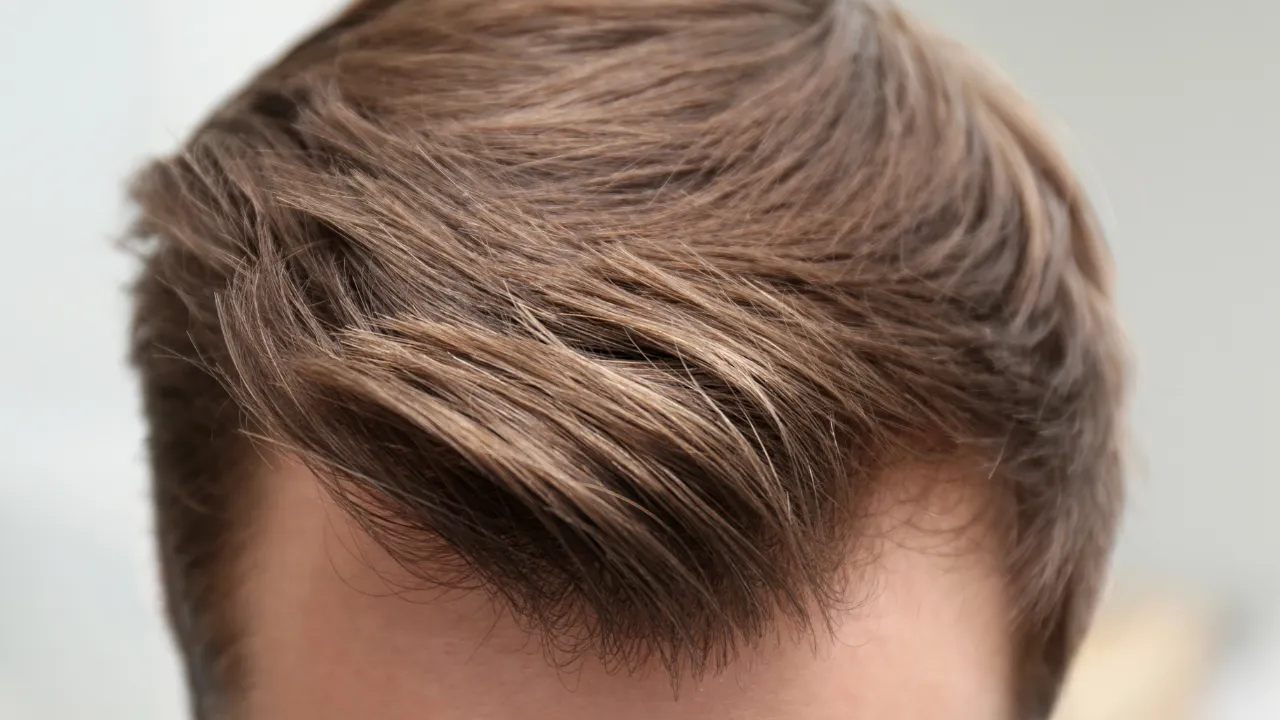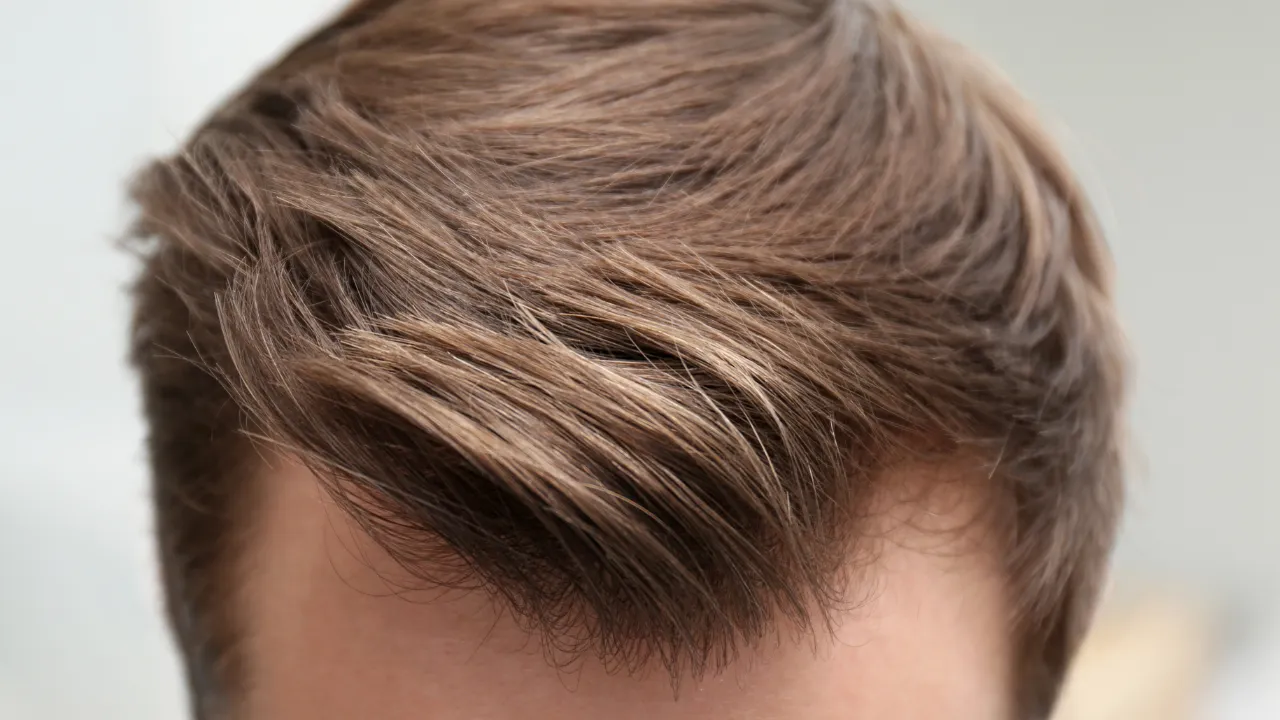

Stress can cause noticeable hair thinning, and many patients search for clear answers about effective solutions. At Kopelman Hair, we provide advanced and personalized stress alopecia treatment to restore confidence and improve scalp health. Our focus is on proven techniques that target the root causes of stress-related hair loss and promote hair growth.
The good news is that stress-induced hair loss is often temporary and reversible with the right care. By combining medical treatments, lifestyle changes, and preventive strategies, patients can address the problem early and avoid long-term damage. This article outlines the primary causes, available treatment options, typical recovery timelines, and when to consult a professional for assistance.
Key Takeaways
- Stress alopecia treatment often combines medical therapies, nutritional support, and lifestyle changes to reverse shedding and promote hair regrowth.
- Most cases of stress-related hair loss are temporary, and conditions such as telogen effluvium or alopecia areata stress usually improve within several months.
- Medical options, such as minoxidil, PRP therapy, and targeted organic shampoos, work best when paired with vitamins, scalp care, and strategies that stimulate hair growth.
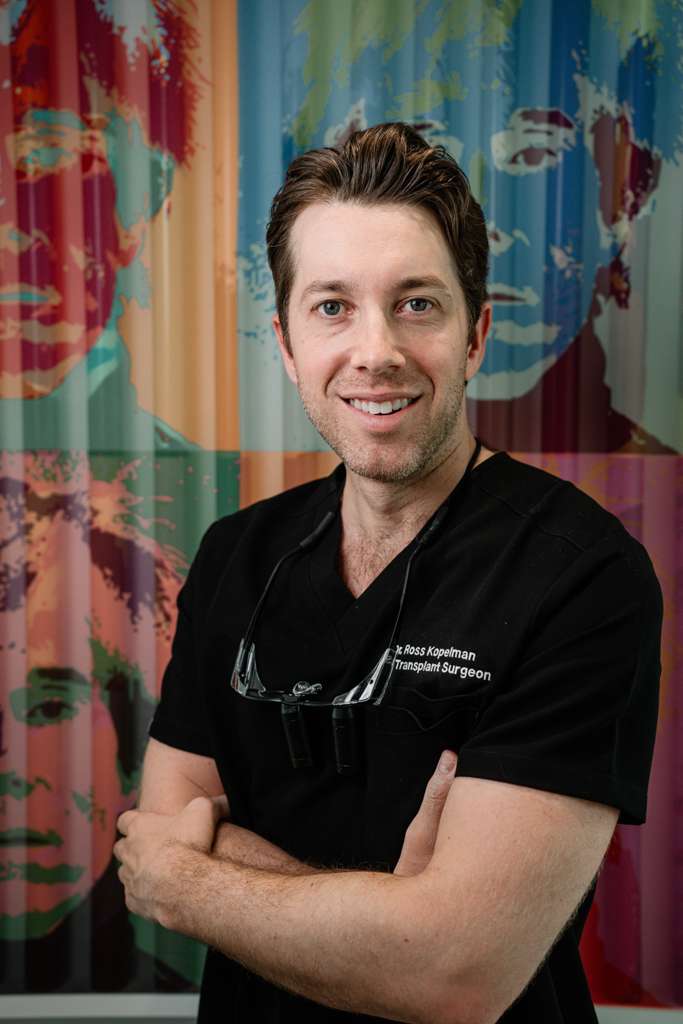
- Early consultation with a specialist, such as Dr. Kopelman, ensures an accurate diagnosis, tailored treatment, and prevents long-term follicle damage.
Understanding Stress Alopecia
Stress-Related Hair Loss Conditions
Stress can trigger several conditions that cause temporary or patchy hair loss. The most common is acute telogen effluvium, where a large number of hairs shift into the resting phase, leading to sudden hair loss. Another condition is alopecia areata stress, an autoimmune disease in which the immune system attacks hair follicles and creates bald patches.
Some patients also develop trichotillomania, a stress-driven habit of pulling hair. Recognizing the type of condition is key to planning the right treatment and ensuring that hair grows again over time.
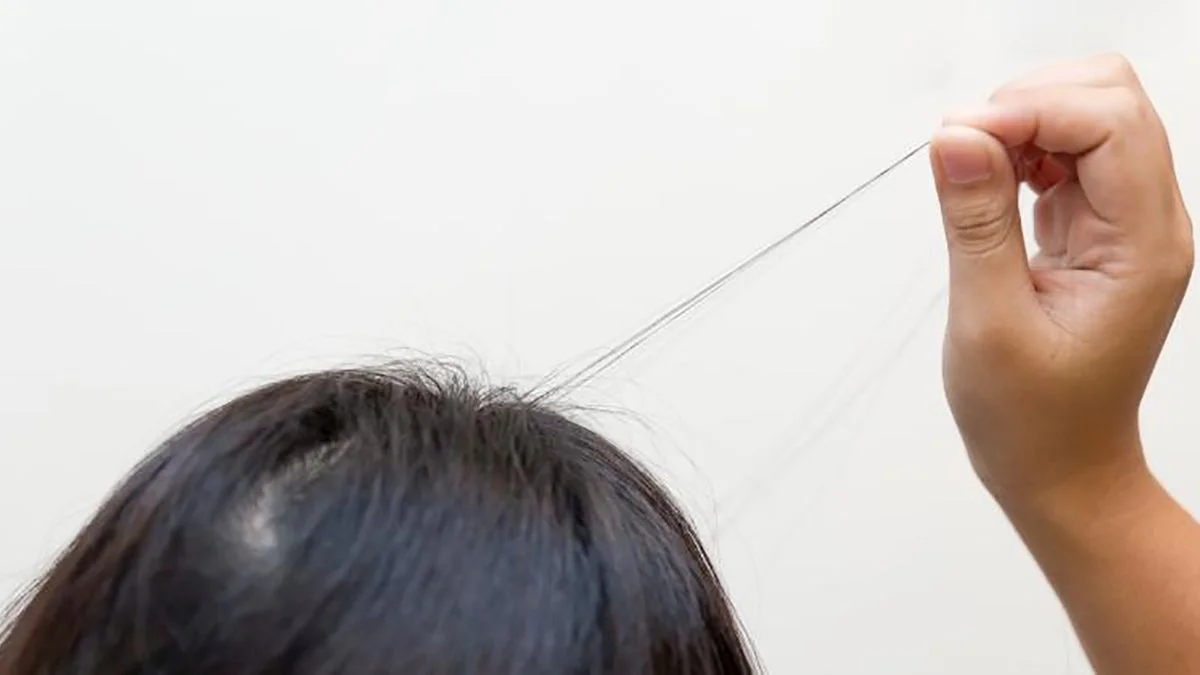
Causes and how stress affects follicles
Stress disrupts the natural hair growth cycle. When the body experiences high levels of emotional stress, hormones and immune responses change, which may push hair follicles into a resting phase. This often results in diffuse shedding or visible bald spots.
In addition, stress reduces scalp circulation and nutrients, which weakens hair follicles. Some patients also experience stress spots on the head, making them aware they have suddenly noticed hair loss in specific areas.
Symptoms of hair loss due to stress
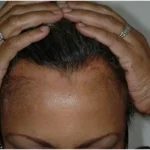
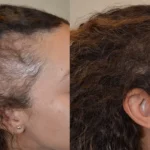
The most common symptoms of telogen effluvium are diffuse thinning across the scalp, weakened strands, and sudden shedding. In some cases, hair loss includes small round patches typical of alopecia areata.
Patients may also report that they first noticed hair loss after a major stressful event such as illness, surgery, or life change. Unlike genetic baldness, stress-related shedding does not usually follow a specific receding pattern.
Treatment for Stress Alopecia
Step-by-Step Stress Alopecia Treatment
Managing stress-related hair loss works best with a clear recovery plan:
- Identify triggers – Understand whether emotional stress, illness, or lifestyle changes are causing the problem.
- Stabilize scalp health – Use mild shampoos and maintain scalp hygiene.
- Apply medical solutions – Minoxidil or PRP help stimulate hair follicles.
- Strengthen with nutrition – Eat a healthy diet with vitamins such as biotin, vitamin D, and zinc.
- Adopt stress management – Exercise, meditation, or therapy help reduce recurrence.
This structured approach improves both short-term results and long-term prevention.
Stress alopecia treatment for females
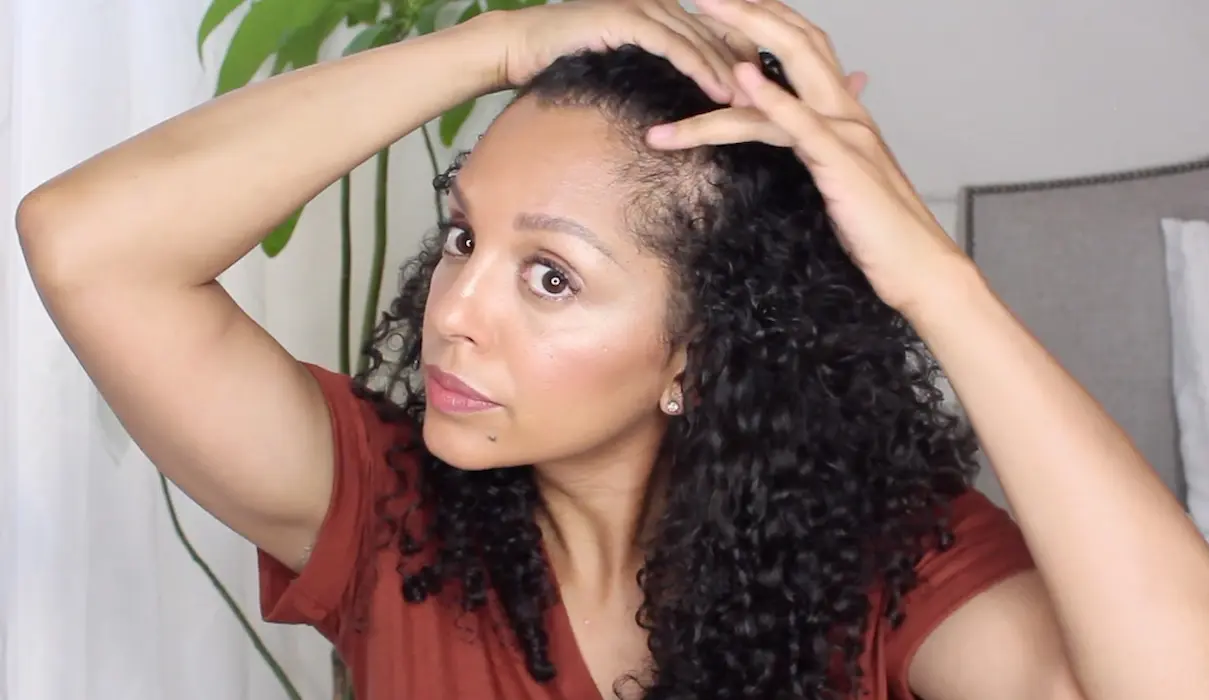
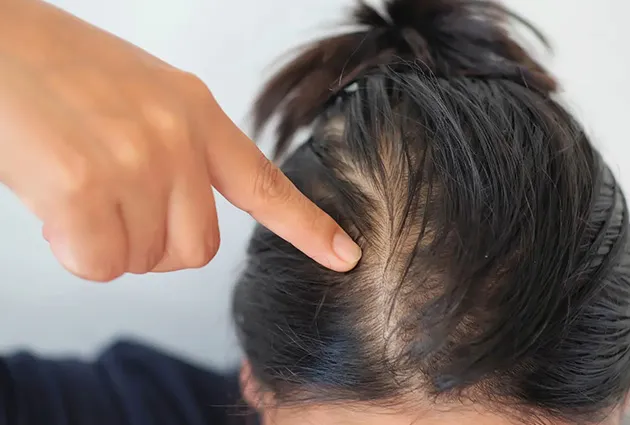
Women often see thinning at the part line or crown. Treatments may include topical Minoxidil, supplements, and lifestyle changes. Addressing emotional stress is especially important for women, as it often worsens hair shedding. Learn more about alopecia treatment for women here.
Stress hair loss in men treatment
Men may experience diffuse thinning or patchy bald spots that resemble male pattern baldness. Dr. Kopelman often evaluates male patients carefully to separate stress-related alopecia from genetic hair loss. Treating both ensures a stronger chance of hair regrowth.
Stress alopecia treatment shampoo
Special shampoos with biotin, caffeine, or ketoconazole help strengthen hair follicles. While shampoos alone cannot stop sudden hair loss, they support recovery when used alongside other treatments.
Medical treatments: Minoxidil, PRP, drugs
Treatment options include:
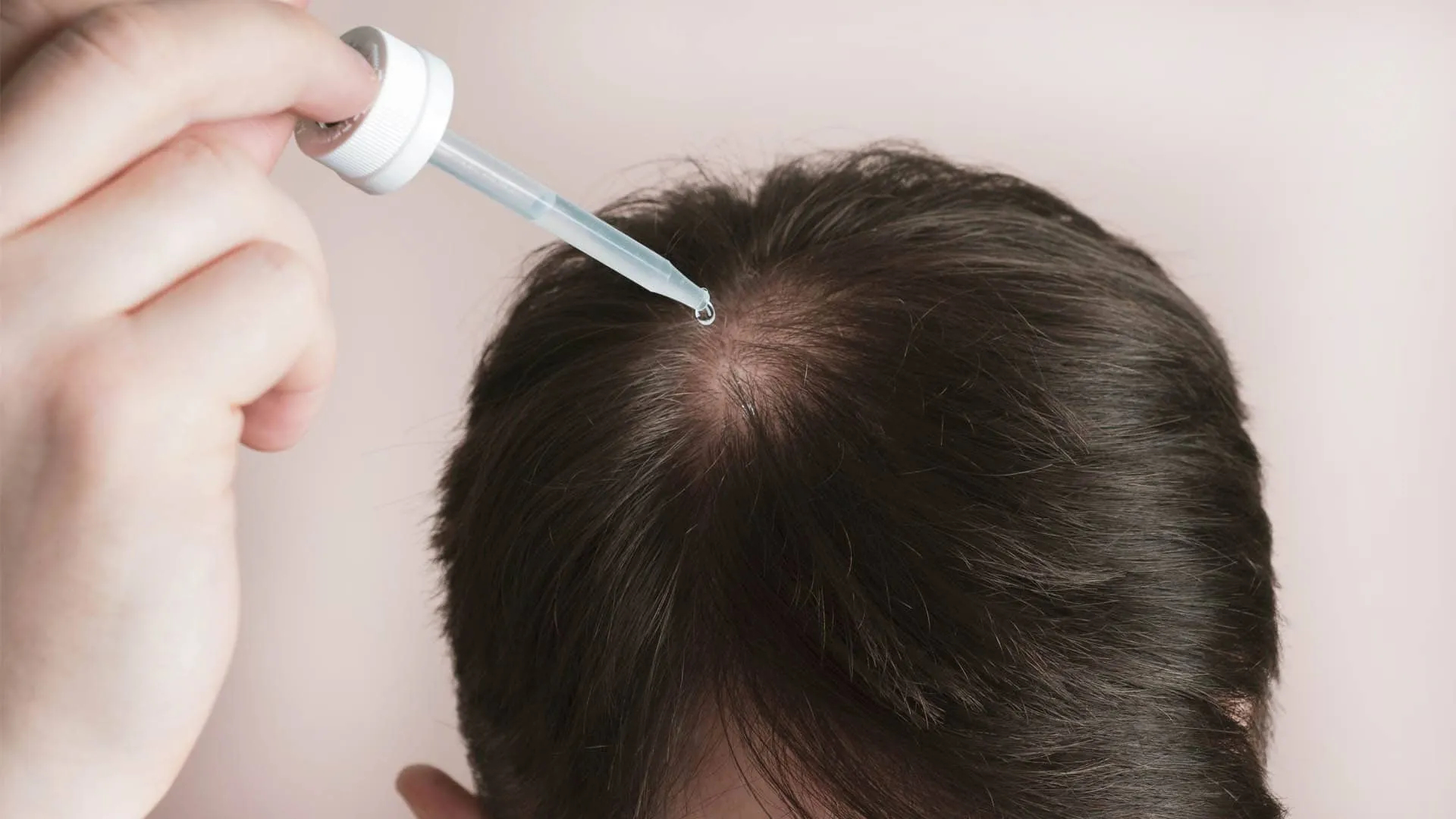
- Minoxidil – stimulates hair follicles and promotes regrowth.
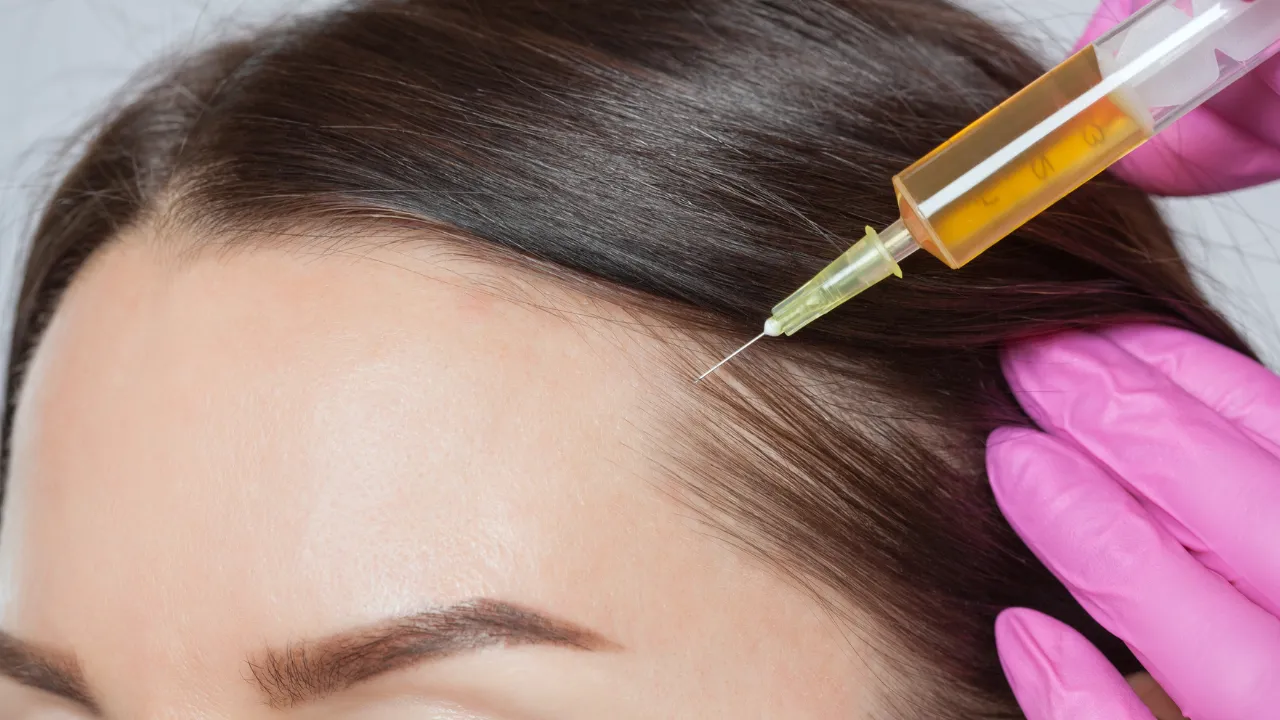
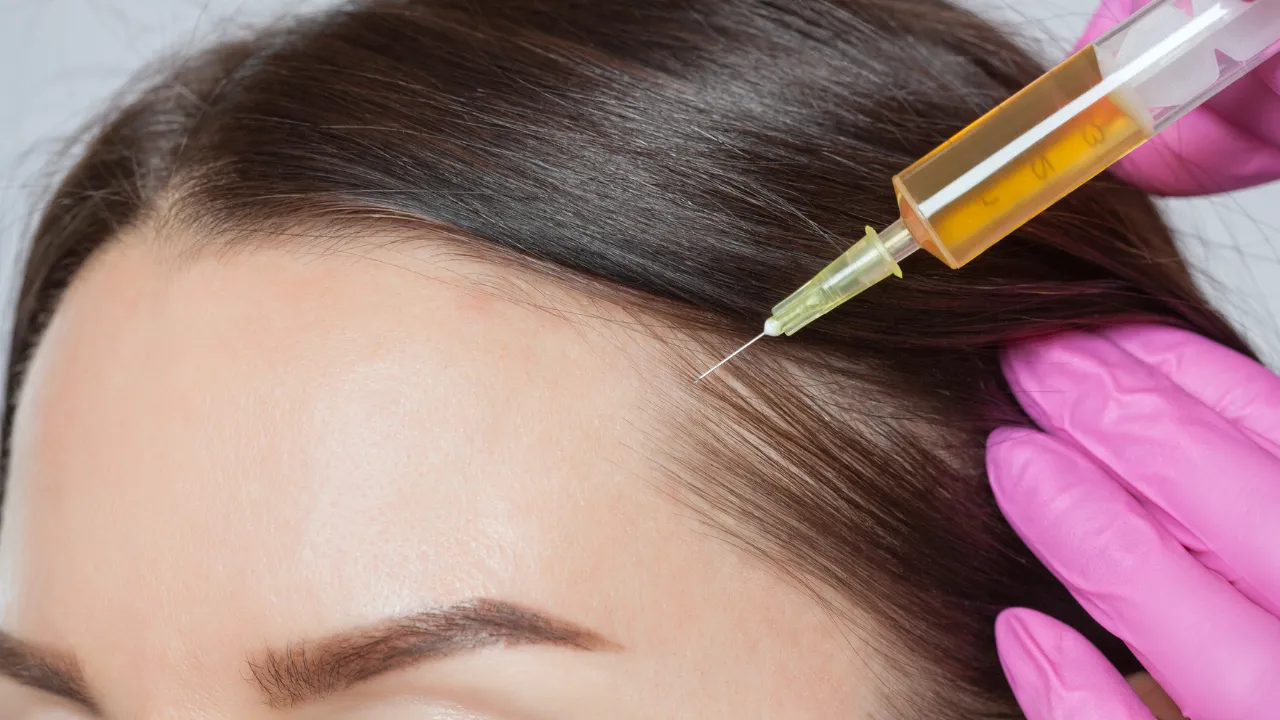
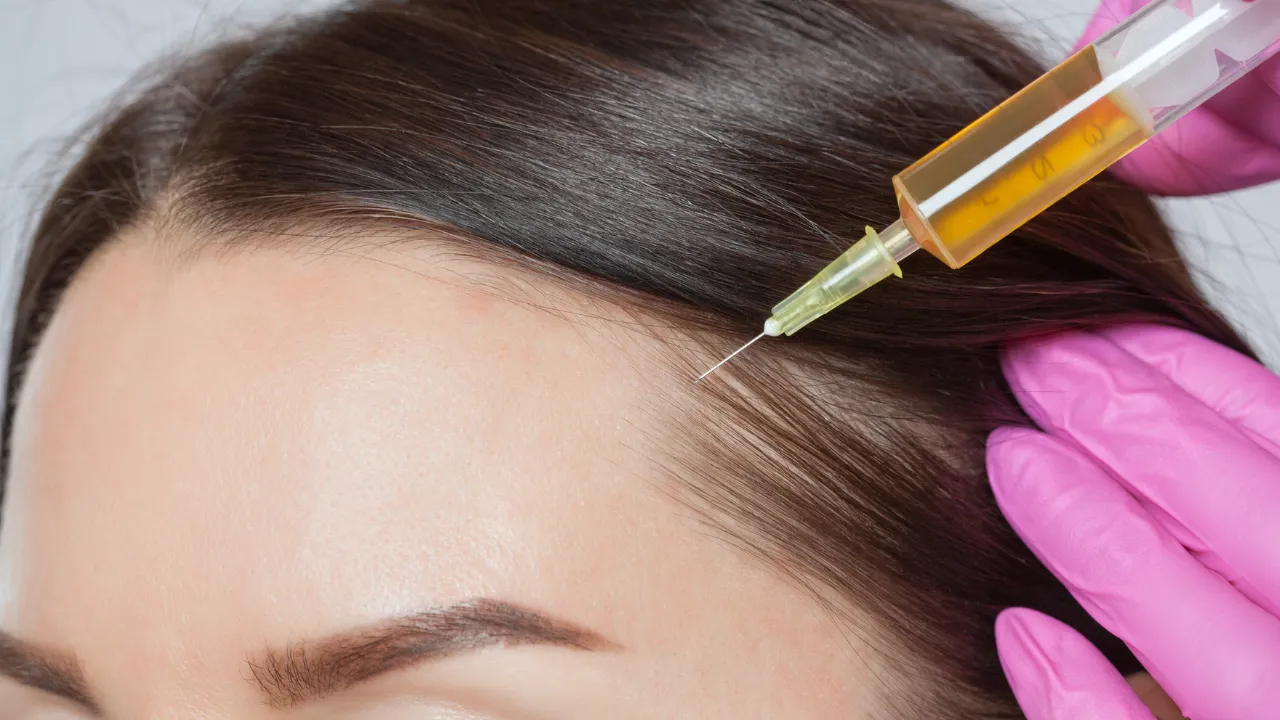
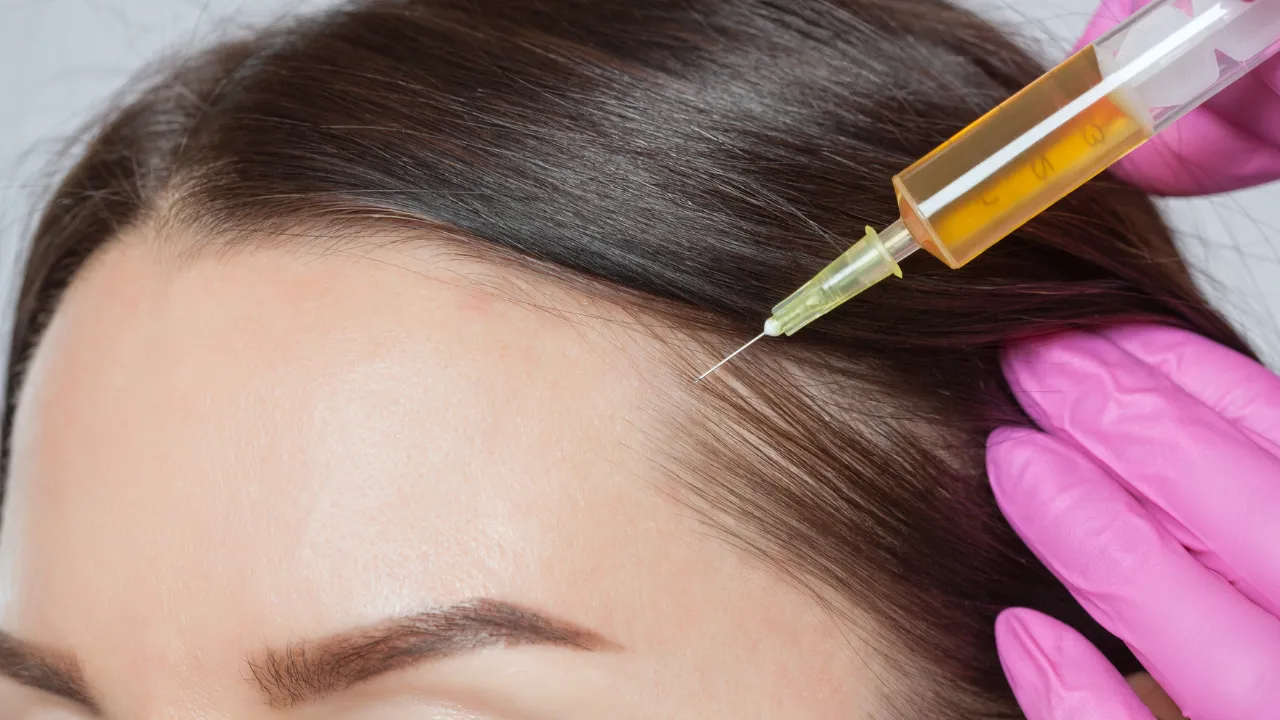
- PRP therapy – platelet-rich plasma injections to stimulate hair growth and repair scalp tissue.
- Medications – in select cases, oral drugs may be prescribed.
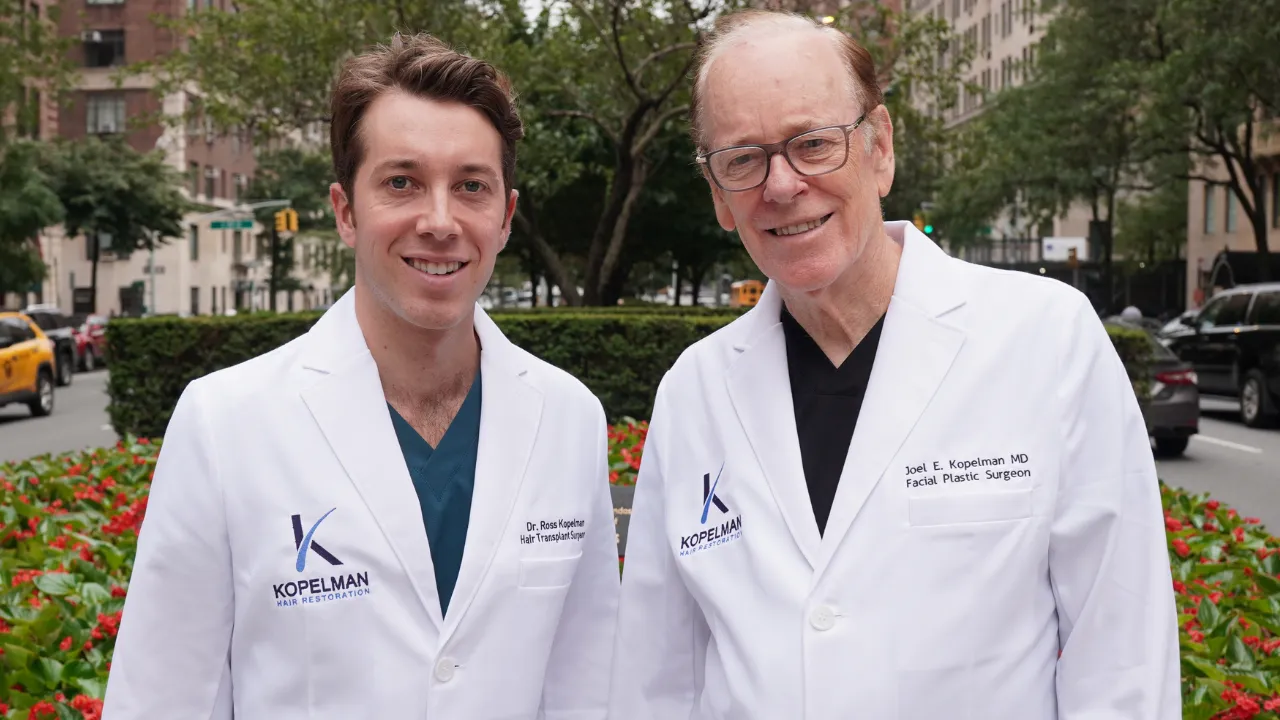
At Kopelman Hair, Dr. Kopelman applies more than 40y years of expertise to design safe and effective treatments for patients.
Vitamins for stress-related hair loss
Deficiencies can worsen shedding, making nutrition a vital part of recovery. Patients should consume a balanced diet rich in vitamins and minerals that support hair growth. Supplements with vitamin D, biotin, zinc, and iron can also strengthen results.
At-home and natural remedies
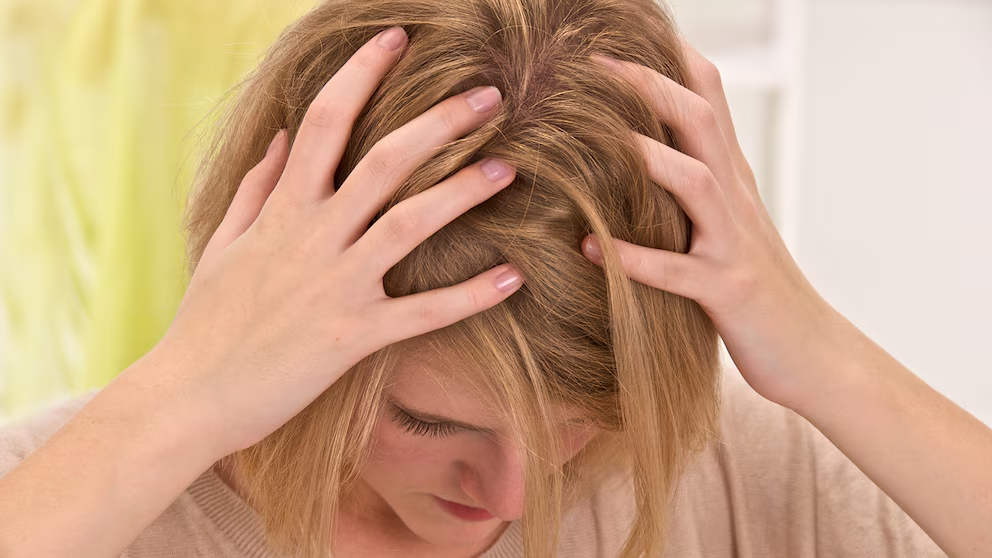
Patients may try scalp massages to stimulate hair circulation, essential oils such as rosemary, or relaxation practices like yoga. These methods support the scalp environment and reduce emotional stress triggers.
Medical vs natural treatments
Medical options deliver faster and more reliable outcomes. Natural remedies and at-home care strengthen results but are slower. Many patients see the best outcomes by combining both.
Comparing Treatment Options
- Medical treatments – Fast, proven, professional oversight.
- Natural remedies – Gradual effects, low cost, wellness benefits.
- At-home care – Easy to follow, best as support for medical options.
Recovery and Duration
How long does stress alopecia last?
Most cases resolve within three to six months once stress is managed. Hair regrowth takes time, but with proper care, most follicles recover. Patients should expect gradual improvement rather than instant results.
How to regain hair lost from stress
Patients often ask, can stress cause hair loss that is permanent? In most cases, no. With proper treatment, follicles recover, and hair regrows. Following medical advice, reducing stress, and eating a healthy diet help new hair grow back stronger.
Is stress alopecia reversible?
Yes, stress-induced hair loss is usually reversible. The main risk is delaying treatment, which can weaken hair follicles over time.
Coping With the Emotional Impact
Hair loss can cause frustration, anxiety, and lowered self-esteem. The cycle of emotional stress and shedding often makes recovery harder. Patients may also feel isolated when they first noticed hair loss.
Coping strategies include counseling, support groups, and mindfulness practices. Addressing both the physical and emotional aspects of stress alopecia helps patients recover more fully.
Prevention Strategies
Stress management techniques
Effective practices include:
- Deep breathing or meditation.
- Regular physical exercise.
- Therapy or counseling for emotional stress.
- Establishing balanced work and rest routines.
These approaches strengthen the body’s resilience and reduce the chances of stress-related shedding.
When to See a Specialist
Warning signs that need medical help
Patients should seek help if sudden hair loss persists for months or stress spots on the head continue to spread. Early evaluation prevents further weakening of hair follicles.
What to expect at the consultation
Dr. Kopelman reviews the patient’s scalp, history, and lifestyle. Treatment is then tailored to individual needs, ensuring safe and effective care for long-term hair regrowth.