
At Kopelman Hair, we help patients understand what to expect from PRP hair treatments before and after. This guide covers how the therapy works, how outcomes evolve month by month, and the visible changes to look for over time.
Discover how this non-surgical option can support regrowth in both men and women. For more visuals and case results, view our PRP before and after hair gallery.
What the Results Actually Look Like, Month by Month
The clearest way to set expectations is a realistic timeline. The table below maps what most patients notice at each stage, so you can compare your own progress against typical PRP hair results.
| Stage | What Most Patients Notice | Visible in Photos? |
|---|---|---|
| Weeks 1–4 | Less shedding during washing and styling; scalp feels calmer and healthier. | Not yet |
| Months 1–3 | Texture improves and strands feel stronger; fine new growth begins along treated zones. | Subtle |
| Months 3–6 | Density increases and scalp show-through decreases, especially at the crown and part line. | Clear |
| Months 6–12 | New growth matures to match surrounding strands; fullness reaches its peak for the series. | Most pronounced |
These stages depend on the starting point and how the follicles respond. Earlier intervention, before follicles are lost, tends to produce the strongest PRP hair growth before and after change.
How the Therapy Works for Thinning
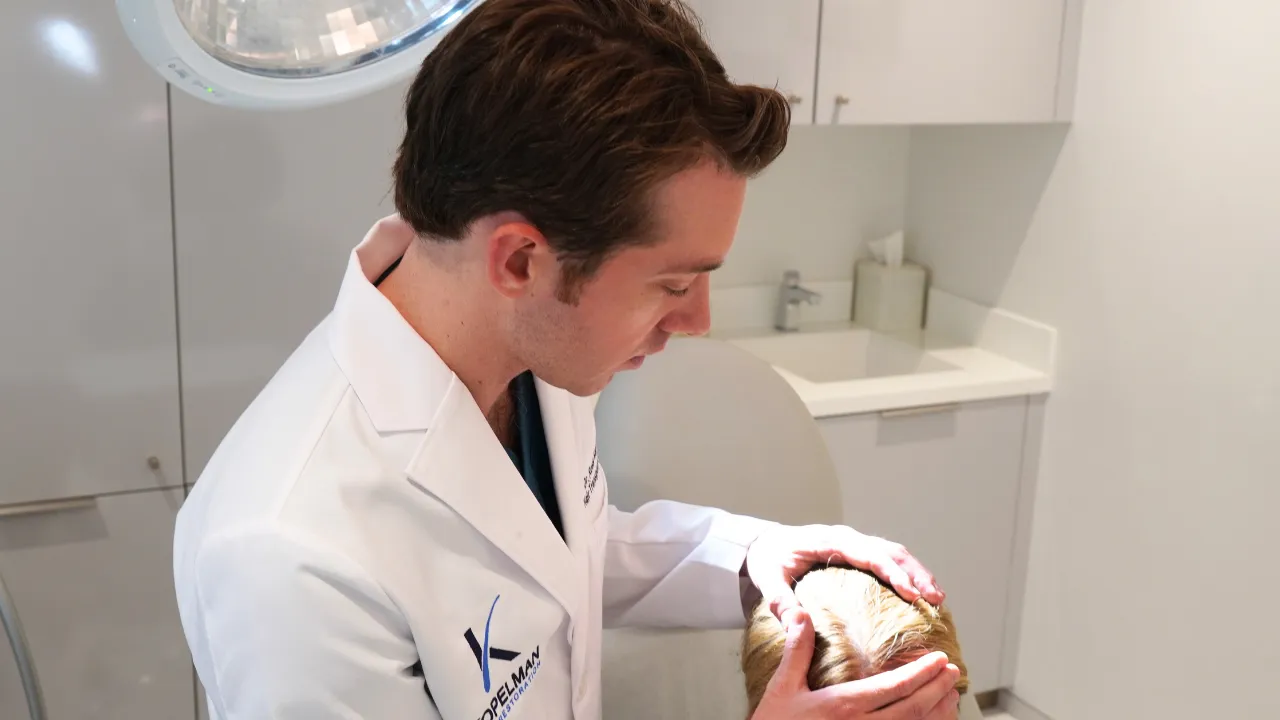
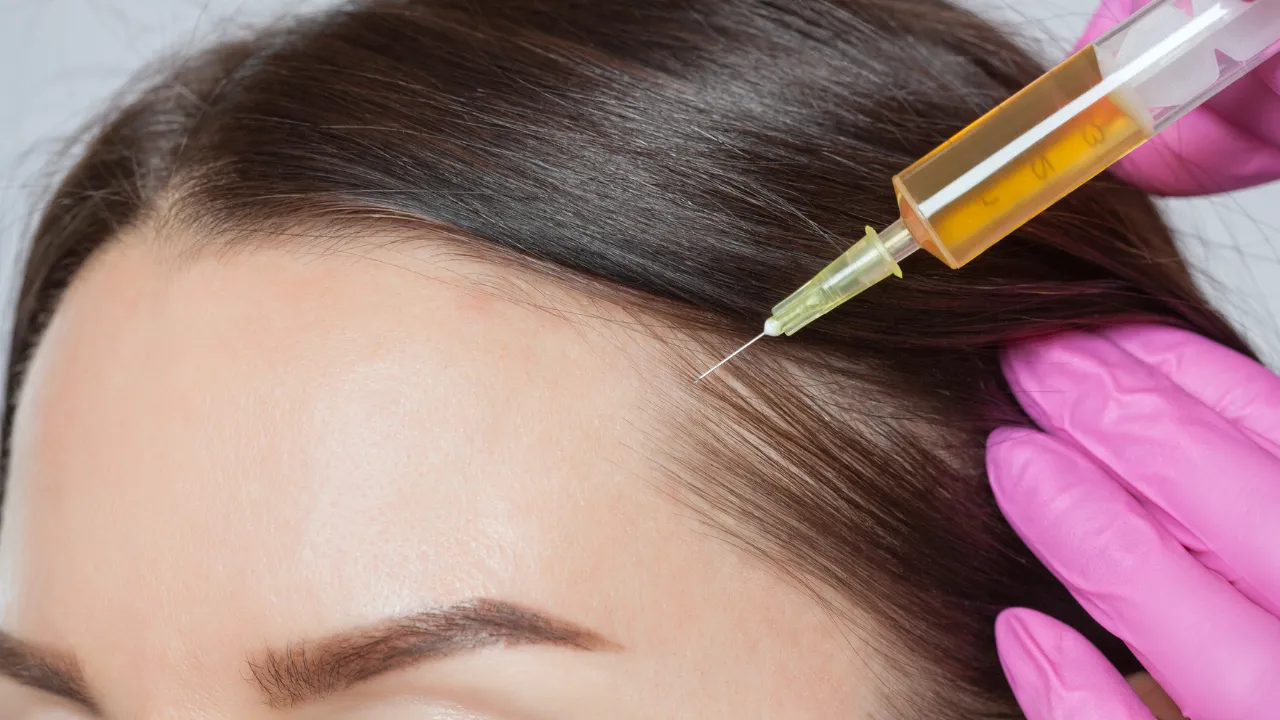
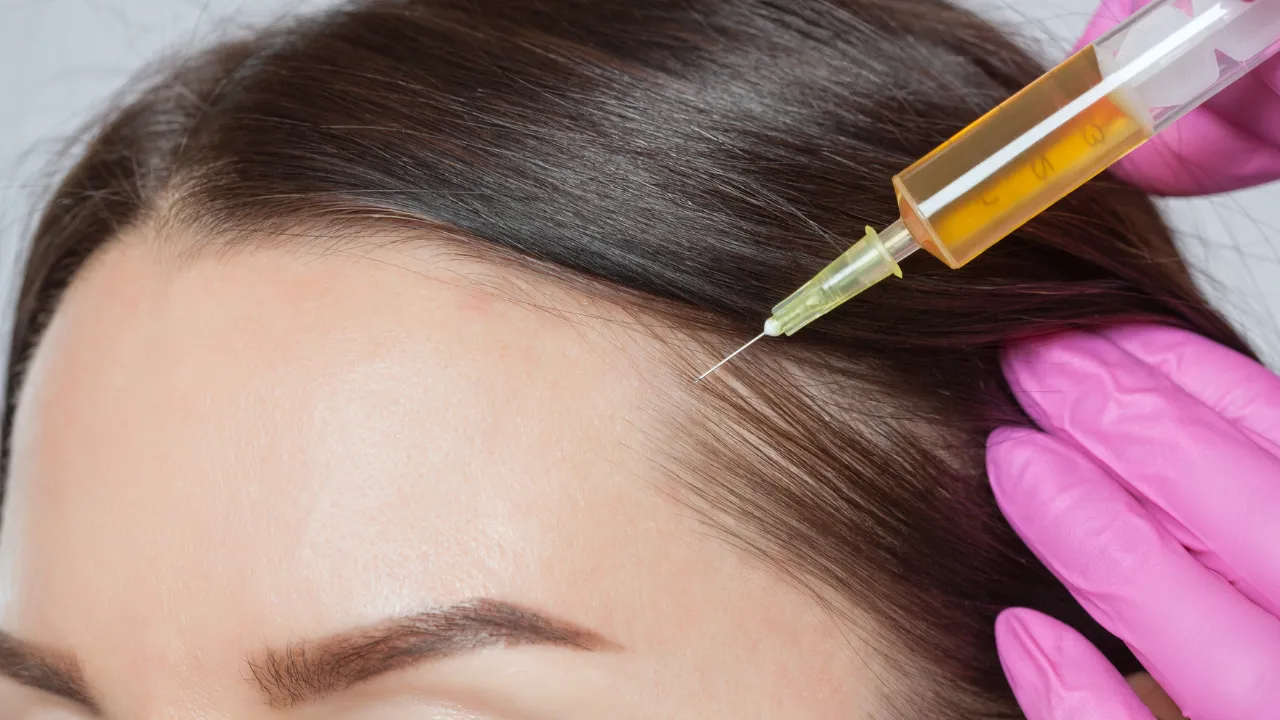
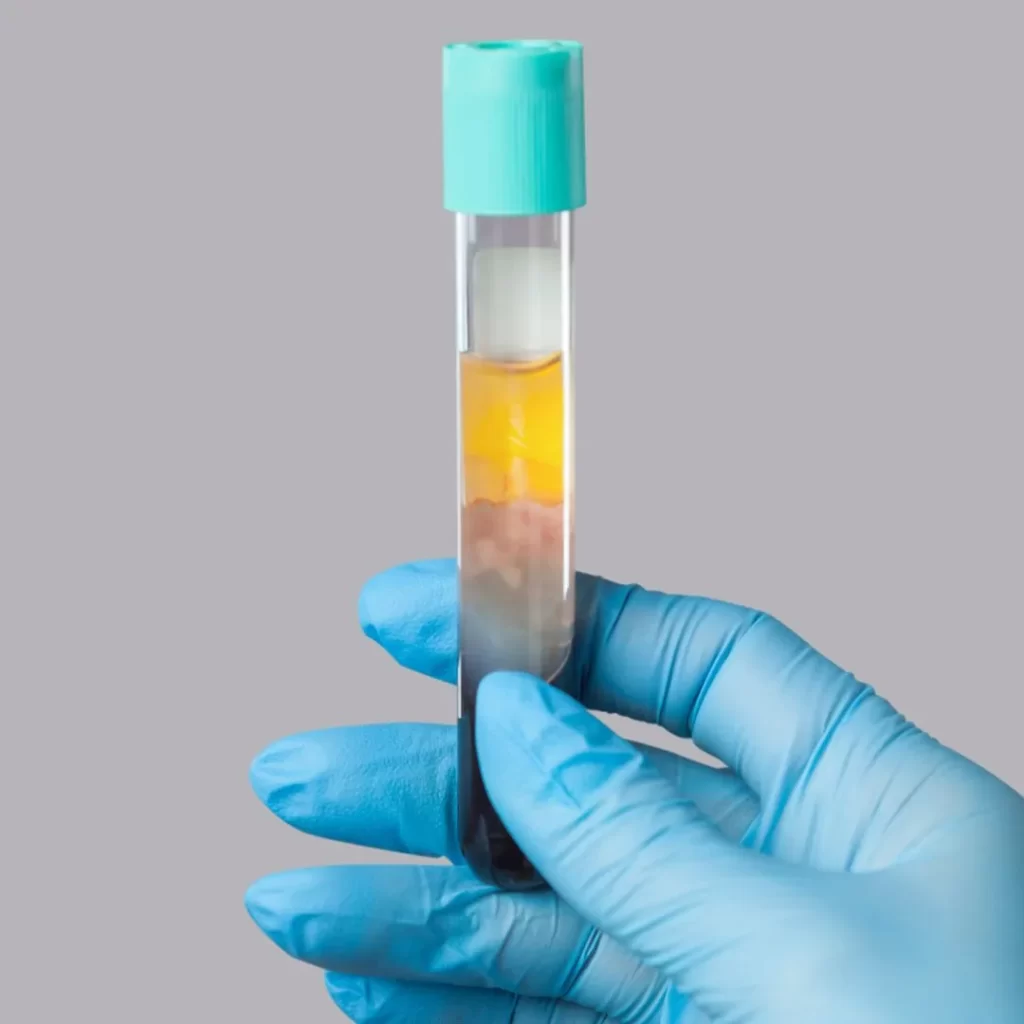
Platelet-rich plasma is a concentration of platelets taken from a small sample of your own blood. Those platelets carry growth factors that support cell repair and tissue renewal. Injected into the scalp, they help stimulate weakened follicles and encourage natural regrowth.
The treatment works by improving blood supply to the follicles and extending the growth phase of the cycle. Unlike some hair loss treatments, it relies on your body’s own repair signals, which keeps the risk low.
The effect develops over time. Most people notice fewer falls and improved fullness as the growth cycle reactivates. Compared with drug-based options, this approach is gradual and uses your own biology rather than a daily medication.
How quickly it shows depends on the individual pattern of thinning and how the follicles respond.
Candidacy and Treatment Planning
Good candidates include men and women in the early stages of thinning or with mild to moderate loss. It is especially helpful for those with conditions like androgenetic alopecia and alopecia areata.
At Kopelman Hair, we now offer PP450 hair enhancement, a next-generation protocol designed to boost platelet activity and deliver more consistent outcomes for patients seeking long-term gains.
The number of sessions depends on severity. Most people start with a series of three PRP hair treatment sessions spaced about four weeks apart. After that initial phase, maintenance visits every four to six months help sustain regrowth.
Before Your Session
Before starting, avoid alcohol, smoking, and anti-inflammatory medications, since these can affect healing. Your specialist may also recommend increased hydration and a nutrient-rich diet to improve outcomes.
In some cases, plasma therapy is paired with microneedling to improve absorption. Patients who add microneedling often see stronger scalp stimulation and more regrowth. This combination also supports skin texture and healing.
Does It Hurt? What the Session Feels Like
Most patients report only mild discomfort. The scalp is numbed with a topical anesthetic beforehand, and the needles used are very fine. You may feel slight pressure or tingling, but the session is generally well tolerated.
Afterward, some experience tenderness or swelling that fades within 24 to 48 hours. These effects are normal and part of the natural healing process.
Recovery and Visible Results
After a session, you may notice mild redness or tenderness in the treated areas. These effects usually resolve within 24 to 48 hours. It is best to avoid sun exposure and vigorous scalp activity for the first few days.
Most people start to see changes in texture and shedding within two to three months. As the series progresses, outcomes typically include greater density, stronger strands, and less fall. Recovery is quick, and you can resume normal activity shortly after each visit.
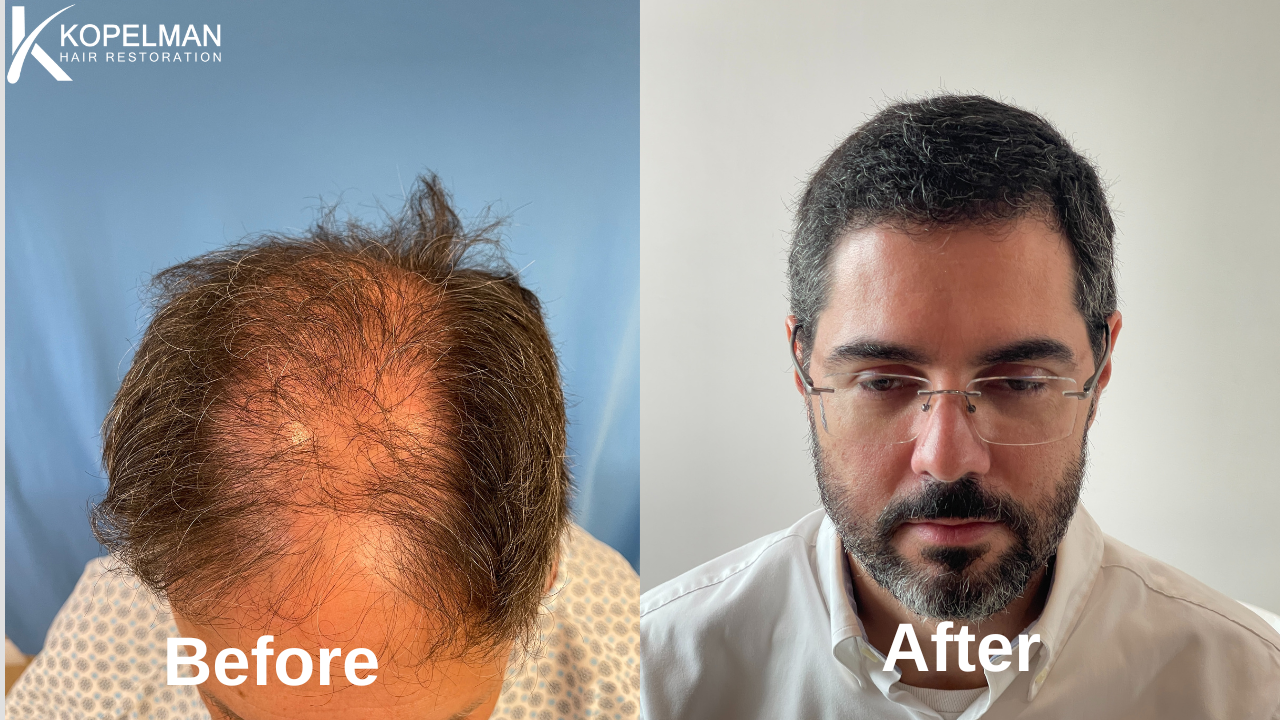
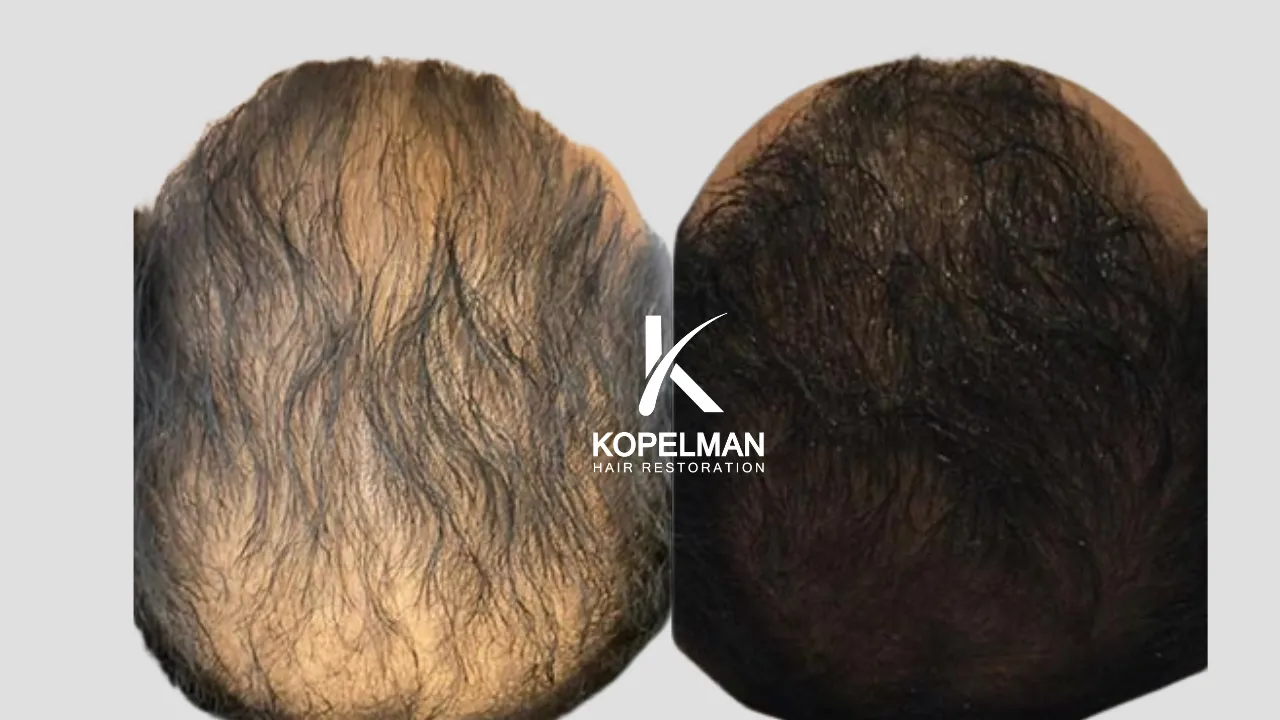
PRP: Before and After Photos
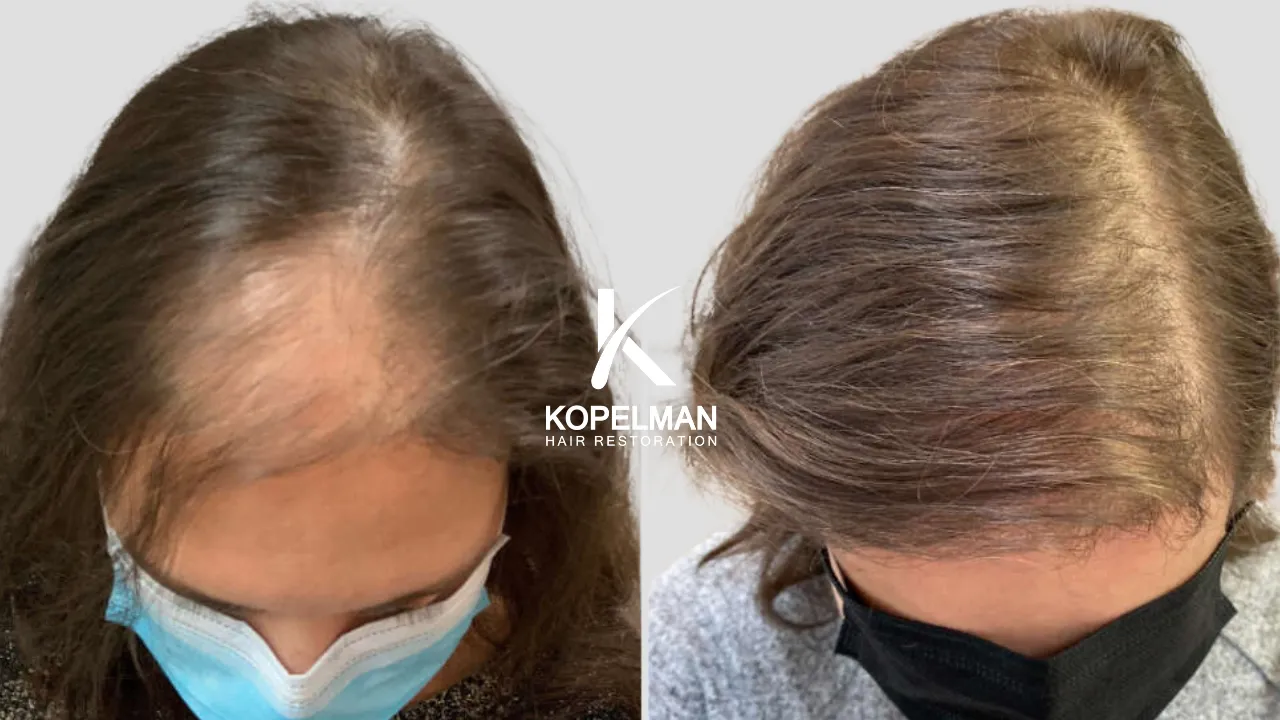
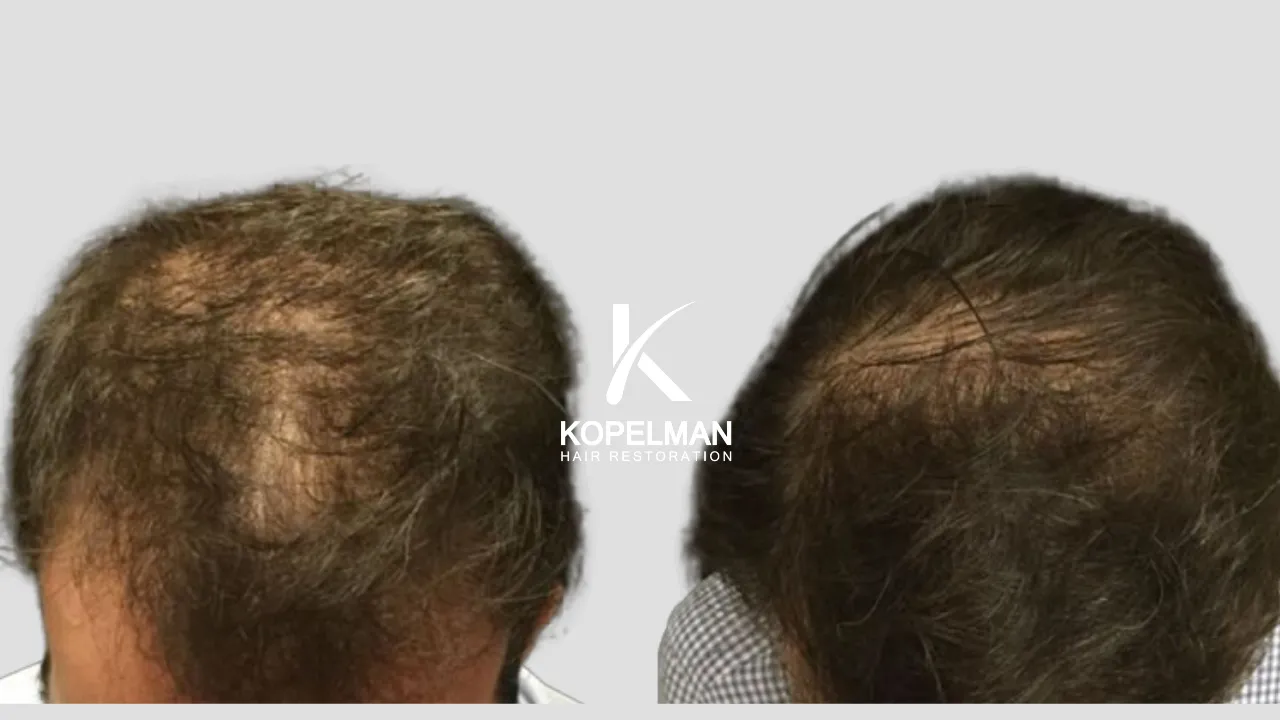
Gender: Female
Age: 56
Procedure Description: PRP (Platelet-Rich Plasma) therapy to address early-stage thinning in her hairline and frontal tuff areas.
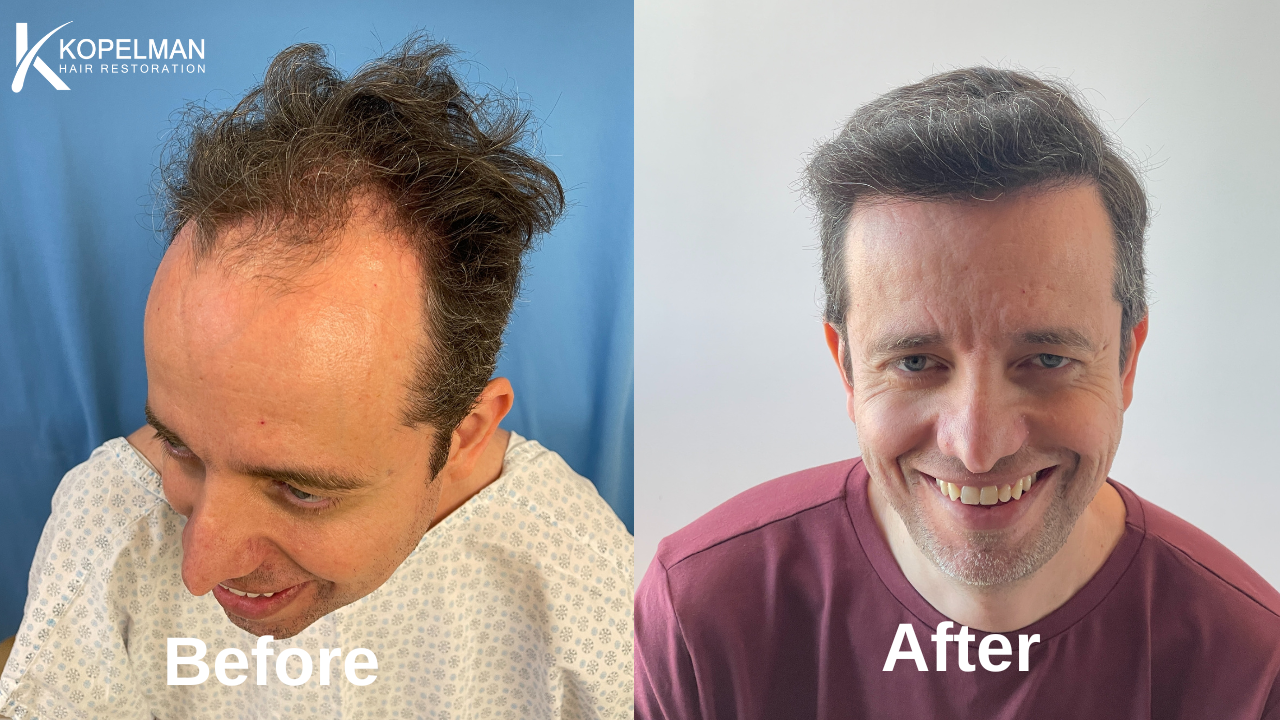
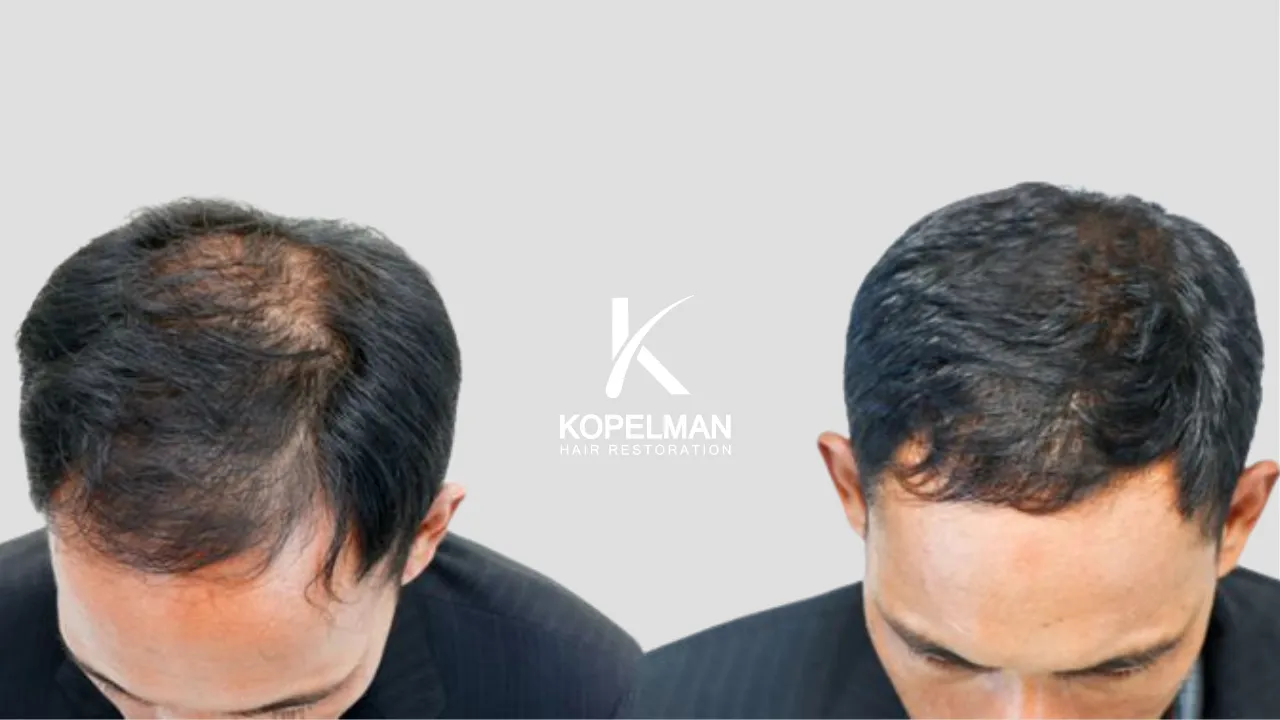
Gender: Male
Age: 45
Procedure Description: PRP therapy to tackle thinning across the hairline and crown. Photographed at 9 months, demonstrate.
Gender: Male
Age: 51
Procedure Description: PRP treatments to restore hair density along his hairline and temples. Photos at 6 months improvements.
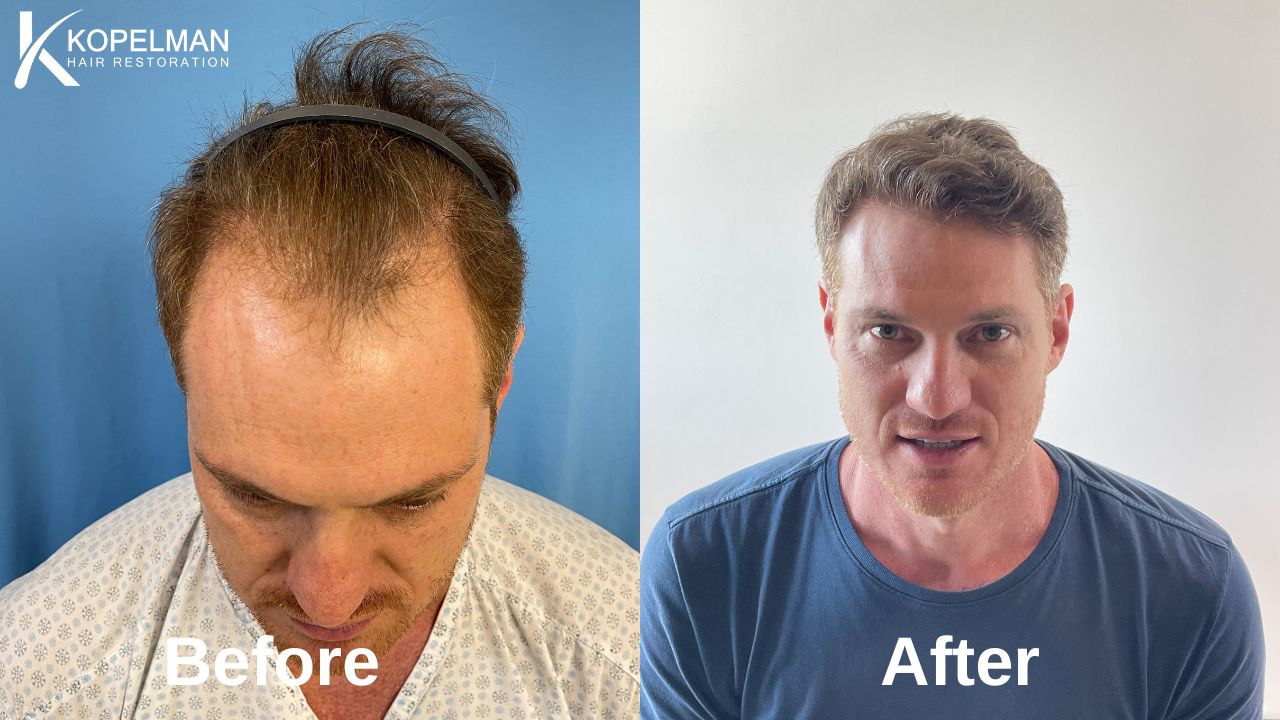
Gender: Male
Age: 55
Procedure Description: PRP therapy for long-standing thinning in the crown and mid-scalp regions. Captured 8 months treatment.
| Patient | Age | Area Treated | Photo Timeline |
|---|---|---|---|
| Female | 56 | Early-stage thinning at the hairline and frontal zone | Progress at follow-up |
| Male | 45 | Hairline and crown | Photographed at 9 months |
| Male | 51 | Hairline and temples | Photographed at 6 months |
| Male | 55 | Crown and mid-scalp | Photographed at 8 months |
The four cases shown above are summarized in the table below, so you can match a profile close to your own situation and see the timeline behind each result. View Before & Afters
Aftercare: What to Do (and Avoid)
Do:
- Gently clean your scalp after 24 hours
- Stay hydrated and eat protein-rich meals
- Attend follow-up visits as scheduled
Avoid:
- Sun exposure for 48 hours
- Washing on the same day
- Harsh products or dyes in the first week
Careful aftercare supports better healing and stronger long-term regrowth.
Real Restoration Results
Outcomes along the hairline often show improved fullness across the temples and frontal scalp. Patients with thinning edges tend to notice the most visible change after two or three sessions.
Those with autoimmune conditions may also benefit. In alopecia areata, some patients see renewed patch coverage and signs of follicular activity. These outcomes depend on consistent treatment and expert guidance, like that provided at Kopelman Hair.
The strength of platelet-rich plasma hair loss before and after results comes from steady, cumulative change rather than a single dramatic jump. Each session builds on the last, which is why the full series matters.
How It Compares With Other Options
When weighing options, patients often ask how this therapy compares to minoxidil, finasteride, or hair transplants. Unlike medications, plasma therapy does not alter hormones or require daily use. It draws on your own blood to support healing and growth.
For patients interested in facial restoration beyond the scalp, options like eyebrow transplants in NYC offer permanent results that complement this treatment.
Compared with transplant surgery, the injectable approach is non-surgical and has less downtime. Transplants, however, offer permanent coverage for advanced loss, while injections work best for early- to moderate-stage loss. Many patients combine the two to maximize regrowth.
Cost, Value, and Long-Term Benefits
Patients often ask whether the injections are worth the money. For many, the answer is yes, especially when compared with other options. The treatment is minimally invasive, uses your body’s natural properties, and needs little downtime.
The effects can last from several months to over a year. Ongoing visits help maintain progress and keep building thickness and coverage. The value comes from a strong safety profile and steady support for scalp health.
Peer-reviewed evidence backs the approach. A systematic review and meta-analysis of 30 studies covering 687 patients concluded that plasma therapy improves density and thickness in men and women with pattern thinning, without serious adverse effects. You can read the review on PubMed.
Why Choose Kopelman Hair
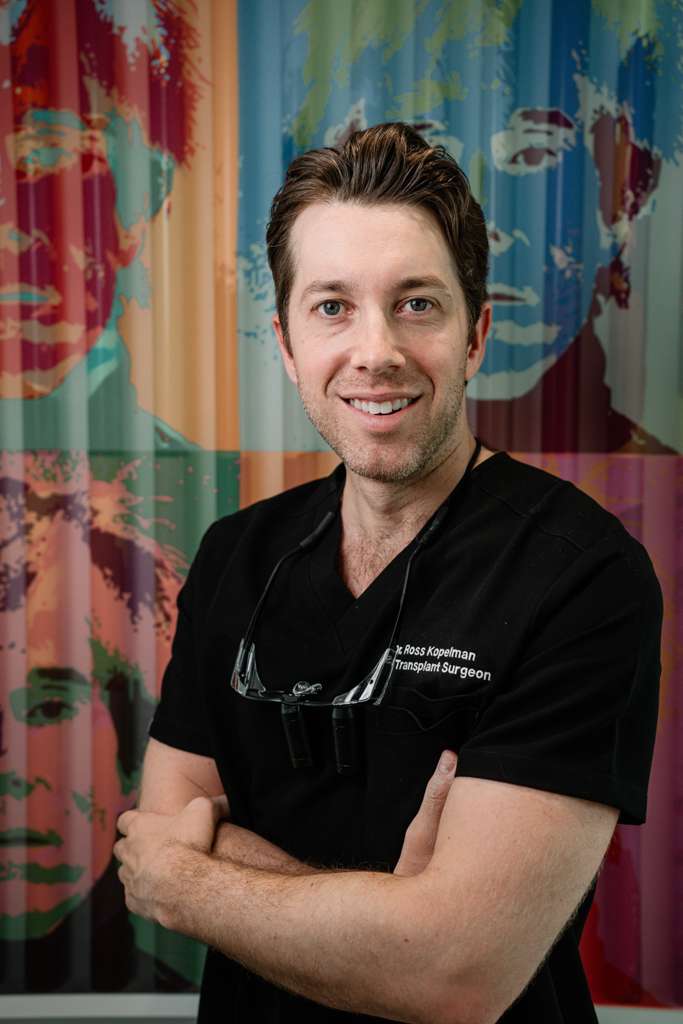
Dr. Ross Kopelman brings decades of expertise in hair restoration, offering advanced solutions backed by clinical experience. At Kopelman Hair, we tailor each treatment plan to the patient’s needs and monitor progress closely to optimize outcomes.
Whether you’re experiencing early signs of hair loss or looking to restore volume, PRP provides a safe and natural method to support hair regrowth. With over 40 years of experience, Dr. Kopelman ensures that every patient receives professional care with proven results.
Ready to take the next step? Schedule a consultation with Kopelman Hair today to learn how PRP can help you restore your confidence and achieve long-term results.
Frequently Asked Questions
When will I see prp hair treatment before and after results?
Reduced shedding often appears within four to six weeks. Visible density usually develops between three and six months, with peak fullness around six to twelve months.
How dramatic are the results?
Most patients see moderate to significant improvement, roughly a 30 to 50 percent gain in density, rather than a total transformation. The therapy strengthens existing strands and thickens thinning zones; it cannot regrow areas where follicles are already gone
How long do the results last?
Outcomes typically hold for about a year, sometimes longer. Because thinning is progressive, maintenance visits every four to six months help sustain the gains.
Can results be enhanced with other treatments?
Yes. Pairing the injections with minoxidil, good nutrition, or microneedling can strengthen outcomes for many patients.