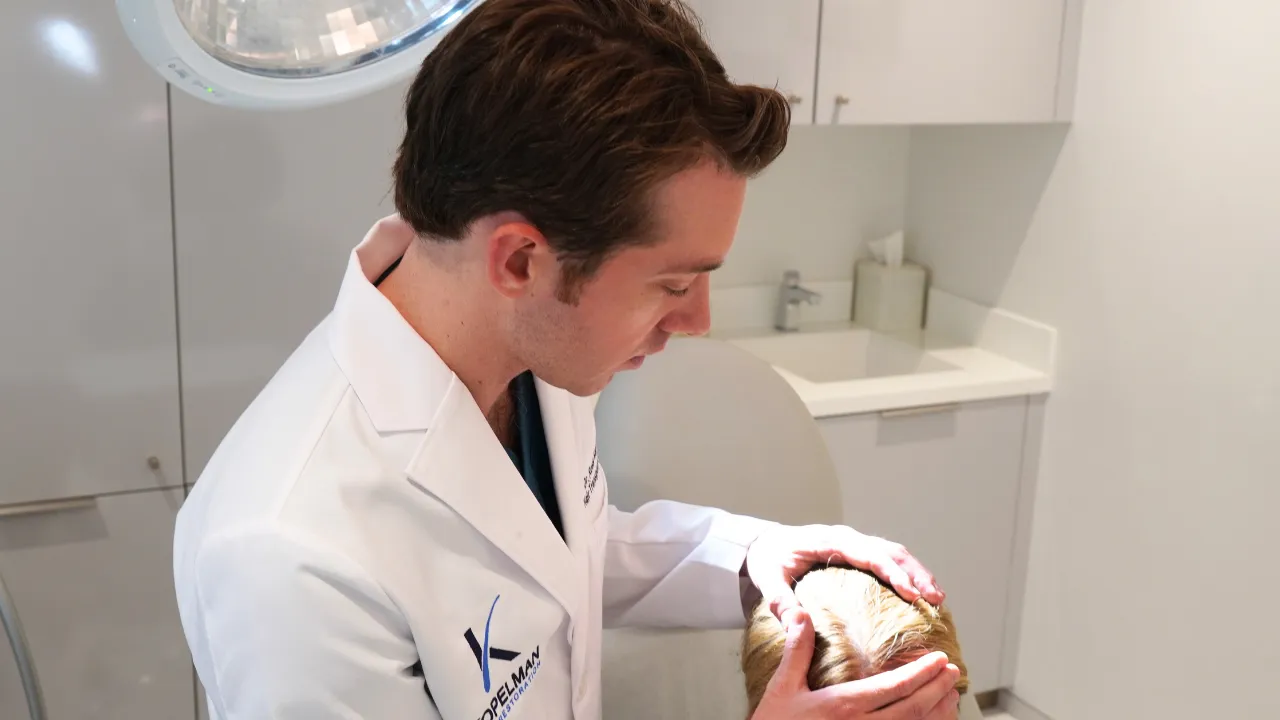

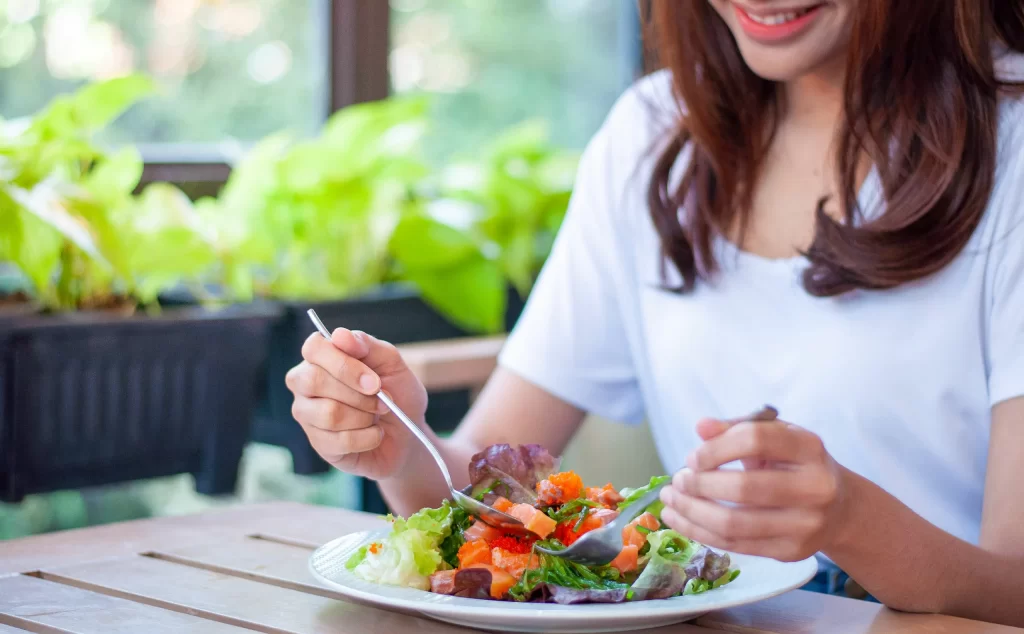
At Kopelman Hair, patient care begins long before the procedure, including guidance on how diet can influence your results. In this guide, we cover what to eat before your session, which foods and supplements to skip, and how to support your recovery day by day.
What to Do 24–48 Hours Before PRP Treatment
Your pre-treatment routine matters. Here’s what to focus on in the 1–2 days leading up to your PRP session:
- Hydrate: Drink at least 8–10 glasses of water per day.
- Skip alcohol: If you’re asking whether you can drink alcohol before a PRP injection, the answer is no. It dehydrates you and can affect how your platelets behave.
- Avoid caffeine: This helps you arrive well hydrated for the blood draw.
- Eat balanced meals: Focus on lean proteins, fruits, and vegetables.
- Get good sleep: Rest supports your body’s natural recovery processes.
These steps help your platelets function at their best during the procedure.
A Simple Meal Plan for the Day Before PRP
You don’t need anything elaborate. A typical day might look like:
- Breakfast: Scrambled eggs with spinach and a glass of water
- Lunch: Grilled chicken, brown rice, and a side salad
- Dinner: Baked salmon with steamed vegetables
- Throughout the day: 8–10 glasses of water, no alcohol, no caffeine after midday
Keep portions moderate and skip anything fried, heavily salted, or sugary.
Supplements to Avoid Before PRP Injection
Some medications and supplements reduce how well platelets clump together and release growth factors, which your treatment relies on. A controlled study found that PRP drawn from patients taking NSAIDs showed significantly impaired platelet function (Orthopaedic Journal of Sports Medicine via PMC). Unless your doctor directs otherwise, pause these before your session:
- NSAIDs such as ibuprofen, naproxen, and aspirin
- High-dose fish oil, which can reduce platelet aggregation at large doses (NIH Office of Dietary Supplements)
- Vitamin E supplements, which can inhibit platelet aggregation in high doses (NIH Office of Dietary Supplements)
- Ginkgo, which may increase bleeding risk, especially with blood thinners (NCCIH)
- Concentrated turmeric or curcumin capsules
Fatty fish, nuts, and spices in normal food amounts are fine; concentrated supplements are the concern. Never stop a prescribed blood thinner or aspirin regimen on your own. Bring a full list of your medications and supplements to your consultation so your provider can tell you what to pause and for how long.
How Diet Affects PRP Healing
Why Nutrition Matters for Platelet Recovery.
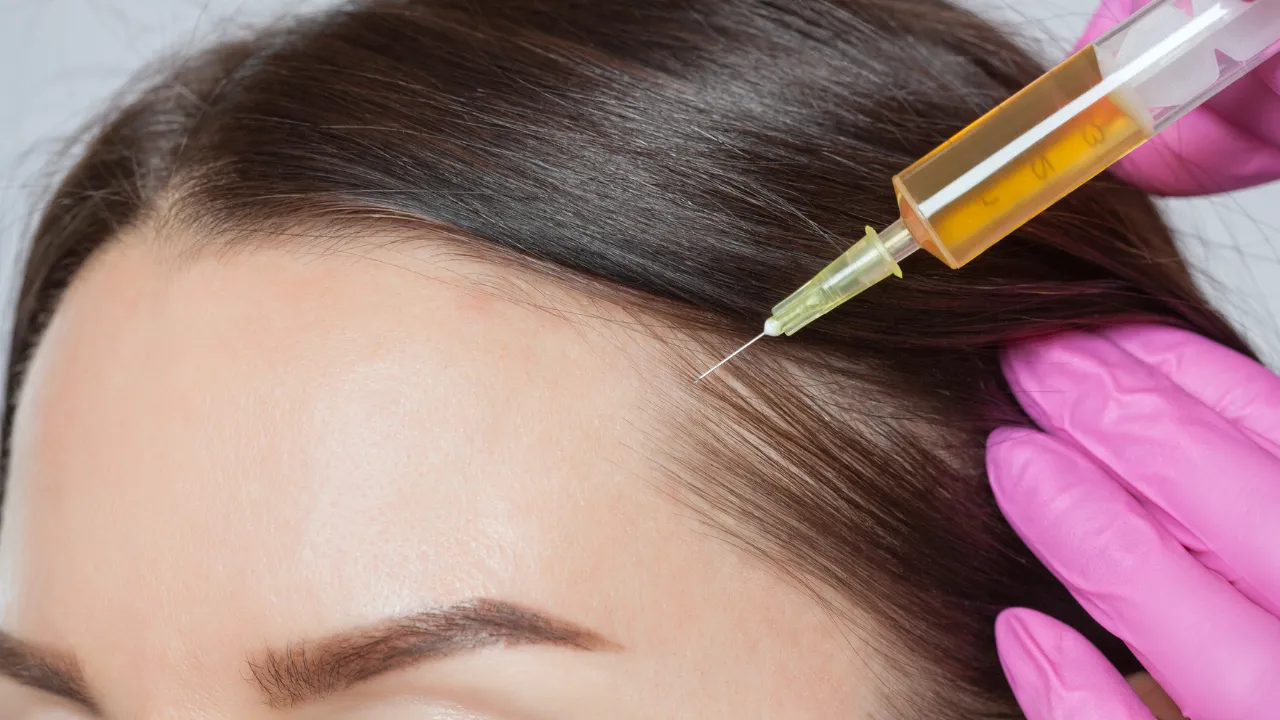
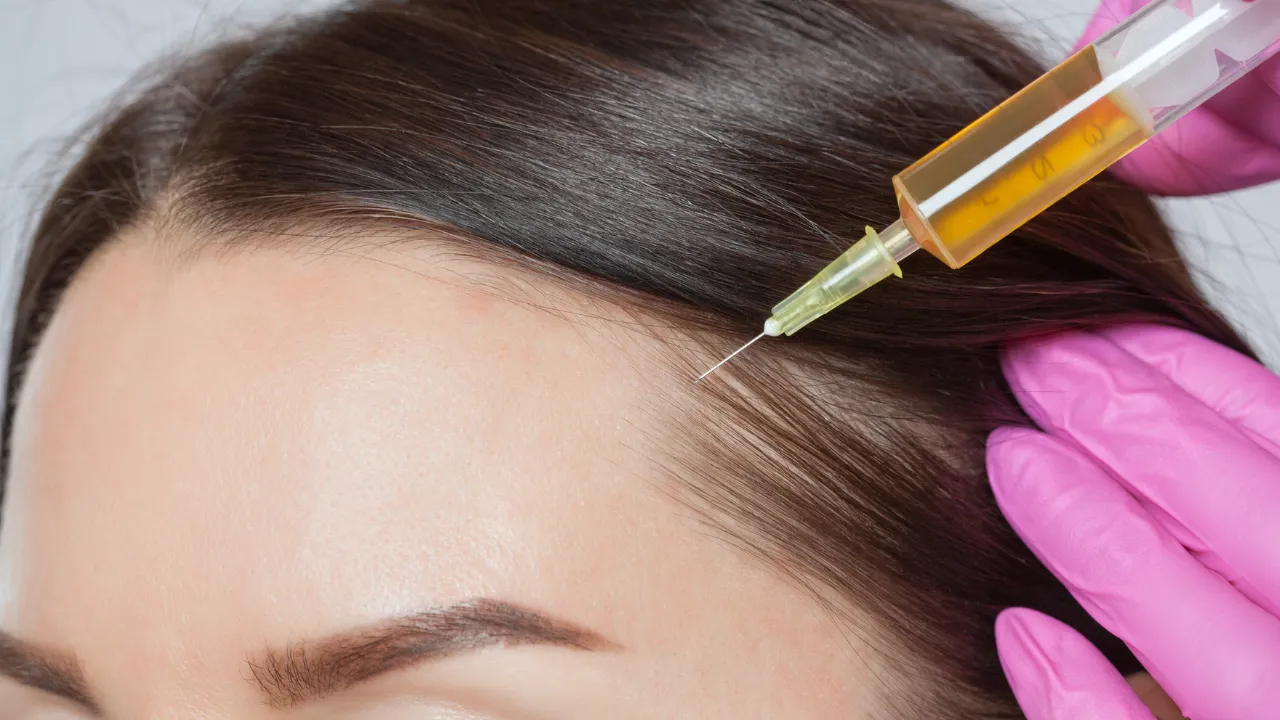
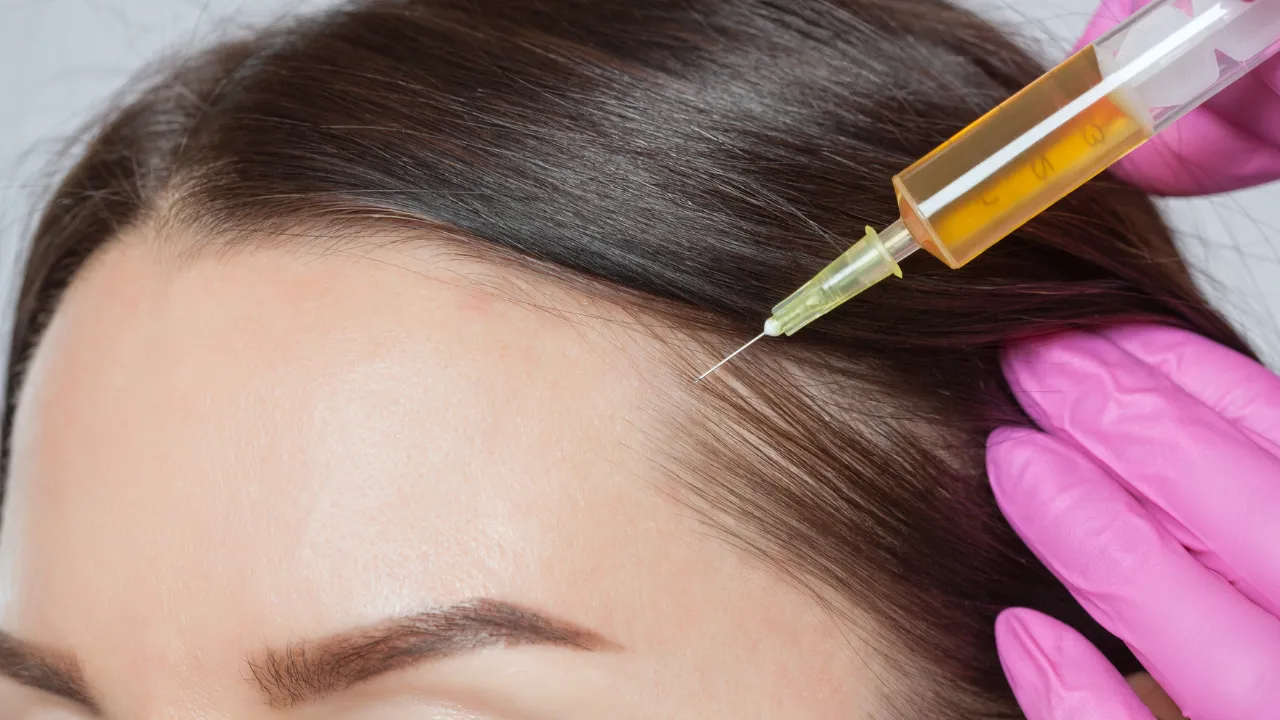
What is PRP treatment? It’s a therapy that draws a small sample of your blood, concentrates the platelets in a centrifuge, and injects that platelet-rich plasma (PRP) into the treatment area, including the scalp for hair loss (Cleveland Clinic). Platelets carry growth factors that signal tissue to repair and regenerate.
Your body then relies on nutrients to repair tissue and regulate inflammation. Protein supplies the building blocks for repair, and vitamin C supports collagen formation. Zinc and iron support cell division in fast-growing tissue like follicles (Dermatology Practical & Conceptual via PMC).
PRP therapy, guided by experts like Dr. Kopelman, aims to stimulate tissue regeneration. Poor nutrition, dehydration, and certain medications can work against that process and slow your progress.
Best Foods to Eat After PRP
These foods support wound healing and help keep inflammation in check during recovery:
- Leafy greens like spinach and kale for folate, vitamin C, and iron
- Fatty fish rich in omega-3s, such as salmon and sardines
- Berries and citrus for antioxidants and vitamin C
- Lean protein like chicken, eggs, and legumes
- Whole grains for steady energy
Stay consistent with these meals and limit processed foods during the early recovery phase.
Best Foods for Hair Growth After PRP
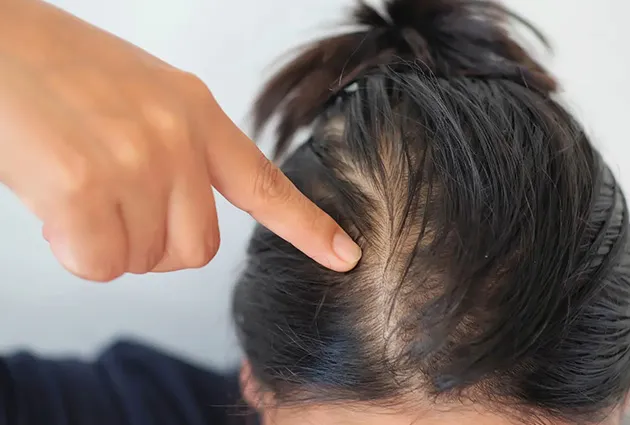
If your treatment targets thinning on the scalp, a few nutrients deserve extra attention. Follicle cells are among the fastest-dividing cells in the body, and deficiencies in protein, iron, zinc, and vitamin D are linked to shedding (Dermatology Practical & Conceptual via PMC).
- Protein: eggs, fish, poultry, Greek yogurt, and beans
- Iron: lean red meat, lentils, and spinach. Pair plant sources with vitamin C to improve absorption.
- Zinc: shellfish, pumpkin seeds, and beef
- Vitamin D: fatty fish, eggs, and fortified milk
Food is the safest route. The same review found little evidence that supplements help people who aren’t deficient, and excess vitamin A, vitamin E, or selenium can actually worsen shedding. A good diet supports your results, but regrowth still follows your natural growth cycle.
Are Eggs and Fish Good Choices During Recovery?
Yes. Eggs provide high-quality protein and vitamin D, which support tissue repair. Fish offers omega-3 fatty acids that help balance inflammation. Both are excellent options when baked, boiled, or grilled rather than fried.
Foods and Habits to Avoid After PRP
Inflammatory and Processed Foods
After PRP therapy, avoid foods that increase inflammation:
- Fried foods and fast food
- Sugar-heavy snacks and drinks
- Processed meats like bacon or sausage
- Refined carbs like white bread and pastries
These foods add little nutrition and can slow wound healing. Stick to whole, minimally processed meals to support your body’s recovery.
Why No Caffeine After PRP?
Caffeine narrows blood vessels and has a mild diuretic effect, so it can work against the circulation and hydration your body needs while healing begins. As for how long to avoid caffeine after PRP injections, plan on at least 48 hours. That includes coffee, black and green tea, energy drinks, and pre-workout powders.
Can I Take Turmeric After PRP Injection?
Turmeric used as a cooking spice is fine. Concentrated turmeric or curcumin supplements are different: high-absorption formulas have been linked to liver injury in some people, and herbs can interact with medications (NCCIH). Hold off on these supplements until your provider clears them.
Post-Treatment Guidance
Things to Avoid After PRP Injection, Facial, or Hair Treatment
The days after a PRP session are important. Avoid the following:
- Smoking or alcohol, which can hinder healing
- Anti-inflammatory medications (e.g., ibuprofen), unless prescribed. Ask your provider whether acetaminophen is an option for discomfort.
- Excessive sweating, heat exposure, or sauna use
- Touching or washing the injection site too soon
- Heavy use of styling products like texture powder that can irritate the scalp while it recovers
Follow your provider’s aftercare instructions to reduce risk and improve results. For a detailed guide on what not to do after your session, read our full post on what to avoid after PRP hair treatment.
How Soon Can I Walk After PRP Injection?
Most patients can walk immediately after the procedure. Avoid intense physical activity for 24 to 48 hours. A moderate walk supports circulation without straining the treated area, so listen to your body and rest when needed.
Recovery Timeline After PRP Treatment
Healing happens in stages. Here’s what to expect:
First 24 hours
- Avoid touching or washing the treated area
- No heavy exercise or hot showers
- No caffeine, alcohol, or smoking
- Drink plenty of water
- Monitor for common PRP injection side effects like redness, mild swelling, tenderness, or a dull ache
24–72 hours
- Continue avoiding caffeine until the 48-hour mark and alcohol until 72 hours
- Avoid smoking
- Resume light walking and daily activities
- Eat balanced, whole-food meals
- Restart routine multivitamins and magnesium with your provider’s approval
After 72 hours
- Return to normal activities gradually
- Restart fish oil, vitamin E, or herbal supplements only once your provider clears them
- Contact your provider if swelling, pain, or redness worsens instead of improving
Following this structure supports better outcomes and reduces risks.
Supplements and Recovery Support
Can I Take Multivitamins After PRP?
Yes, multivitamins can support your recovery. Look for ones that include vitamins C, D, B12, and zinc, which aid immune function and wound healing. Most patients can restart a routine multivitamin 24 to 48 hours after treatment; just check that it doesn’t contain high-dose vitamin E.
When to Start Multivitamins and Magnesium
Most routine supplements, including magnesium, can resume 24 to 48 hours after a session. Magnesium supports normal muscle and nerve function during recovery. Supplements that affect platelets, such as fish oil, vitamin E, and ginkgo, are the exception; restart those only when your doctor gives the go-ahead.
How to Improve PRP Results
Lifestyle Habits to Boost PRP Recovery
Supporting your recovery goes beyond diet:
- Drink plenty of water to increase blood flow
- Sleep 7–9 hours to aid healing
- Avoid alcohol and smoking
- Keep stress low through walking or gentle stretching
- Stay consistent with checkups at Kopelman Hair
These habits give your body what it needs to respond to the growth factors delivered during treatment.
PRP Compared to Other Therapies
Amniotic Injection vs PRP
Both are marketed for healing, but they differ in source. PRP uses your own blood, while amniotic injections use processed tissue or fluid from donated birth tissue. The FDA has cautioned that many amniotic and other regenerative products are unapproved, including for orthopedic conditions (U.S. FDA). Dr. Kopelman helps each patient determine which evidence-based option fits their goals.
What Is Prolozone Therapy?
Prolozone therapy combines ozone gas with nutrients and is used mainly for joint and musculoskeletal pain. PRP works through your own platelets and their growth factors, while prolozone relies on oxygen-based stimulation. Research supporting Prolozone is still limited.
What to Remember About Diet and PRP Recovery
What you eat before and after treatment affects healing. A clean, balanced PRP diet, good hydration, and proper aftercare help your body respond better to treatment. At Kopelman Hair, Dr. Kopelman and his team will guide you through every step. Schedule now.
Frequently Asked Questions About PRP and Nutrition
Can I drink green tea after a PRP treatment?
Wait 48 hours. Green tea has less caffeine than coffee, but the same window applies. After that, a cup or two is fine.
Are smoothies a good post-PRP meal?
Yes—especially with greens, fruit, protein (like yogurt), and seeds.
Should I avoid spicy foods after PRP?
Spicy foods aren’t known to affect PRP results, but they can upset your stomach. Stick to simple meals for the first day or two.
Is fasting recommended before PRP?
No. You can eat before a PRP injection, and you should, because a light, balanced meal beforehand helps prevent lightheadedness during the blood draw. Follow any different instructions from your provider.