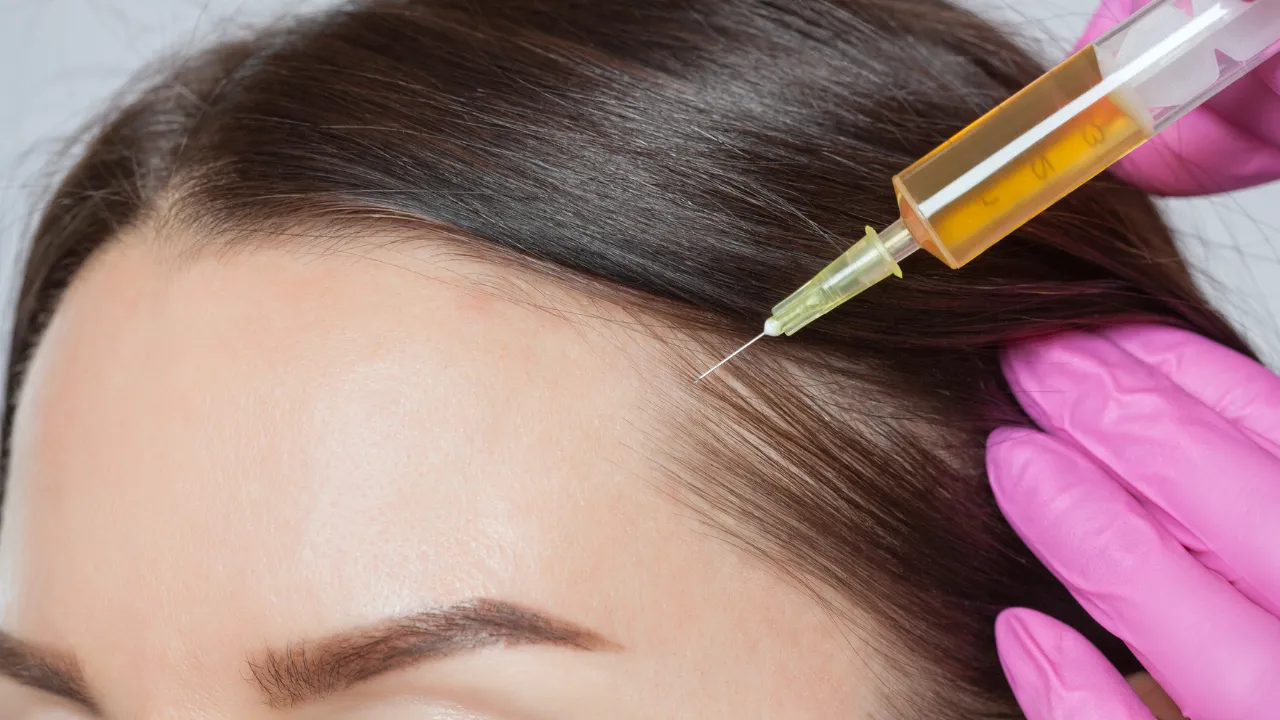

At Kopelman Hair, this approach addresses eyebrow hair loss and sparse eyebrow patterns in men and women through structured planning, controlled technique, and maintenance.
Key Takeaways
- Asian eyebrow transplantation uses scalp hair placed at shallow angles to match natural eyebrow hair growth and can provide long-term restoration when performed correctly.
- An eyebrow transplant in Asian people requires careful planning due to differences in hair thickness, skin traits, and growth direction.
- Transplanted eyebrow hair continues to grow and needs regular trimming, since permanence refers to follicle survival rather than no maintenance.
- Results develop gradually over several months, with full hair growth often taking up to a year, depending on healing and technique.
- Surgeon experience strongly affects graft placement, risk control, and the match between results and natural facial features.
What is an eyebrow transplant?
An eyebrow transplant is a type of hair transplant that uses scalp hair to restore eyebrow hair. Surgeons usually take hair from the back of the head, where growth is stable. Individual hair follicles are placed one by one to follow the natural eyebrow shape and direction.
Unlike cosmetic tattooing or makeup, transplanted hair is living tissue that continues to grow. Regular trimming is needed to maintain eyebrow length.
Non-surgical options, such as microblading, create the look of hair but do not grow, which is why some patients explore alternatives to eyebrow transplant surgery before deciding. Pigment may fade over time, while transplanted hair continues to grow naturally.
Can an eyebrow transplant permanently fix Asian eyebrows?
An eyebrow transplant can offer a long-term solution for eyebrow thinning or loss, but results vary. Once follicles connect to the blood supply, they usually survive permanently. Growth patterns still reflect the donor hair source.
In Asian eyebrow transplants, permanence means follicle survival rather than no grooming, as explained further in this article on whether eyebrow hair transplants are permanent. Transplanted hair grows like scalp hair and needs trimming. Clear expectations are essential.
Medical literature describes eyebrow transplantation as a well-established hair restoration option when patients are properly selected. Outcomes depend on the handling of individual hair follicles, placement accuracy, and healing quality.
What makes Asian eyebrows different?
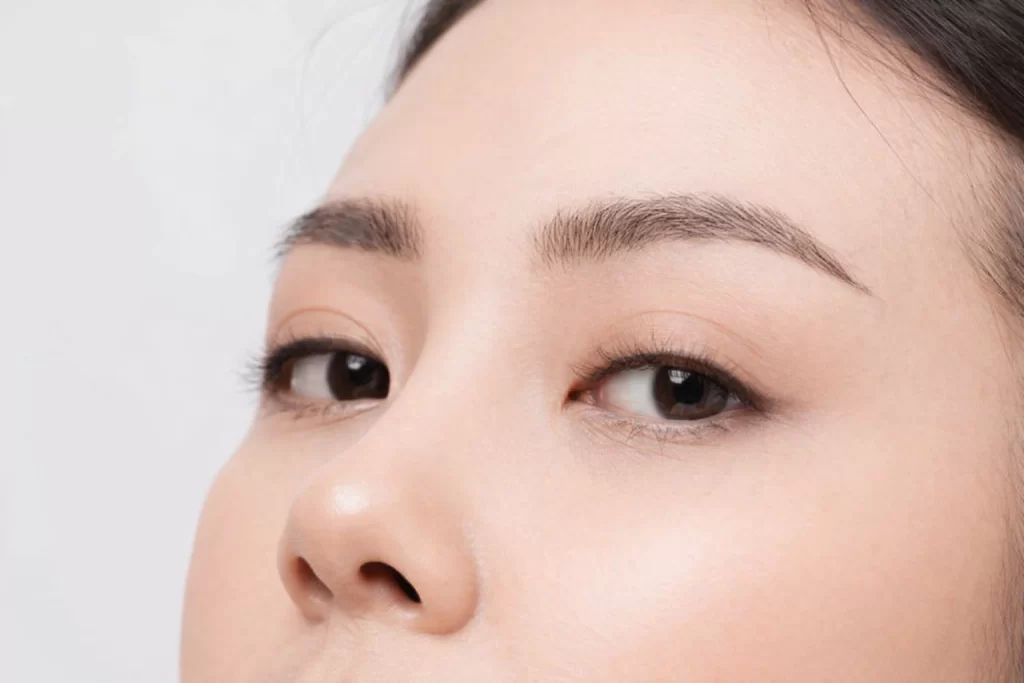
Asian eyebrows often differ in hair thickness, growth angle, and skin structure. These traits affect how grafts must be placed to look natural. Understanding these differences guides surgical planning.
Hair may grow flatter against the skin and change direction quickly. Lower density can create a sparse eyebrow appearance and influence how eyebrows frame facial features.
Hair texture and growth direction
Asian hair is often thicker and grows at shallow angles. Eyebrow hairs usually lie close to the skin. Incorrect angles can make transplanted hair appear unnatural.
Surgeons place each graft almost flat to match the natural direction. This helps the eyebrow blend smoothly.
Density and skin traits
The eyebrow skin may be thicker and firmer, which affects graft placement. Spacing must be planned carefully to avoid crowding.
Lower density often appears more natural. Proper spacing also supports blood flow and healthy hair growth.
Asian eyebrow transplant techniques
This approach emphasizes personalized design and precise graft placement. Planning takes into account facial structure, hair characteristics, and the desired eyebrow shape. The goal is to respect aesthetic preferences while working within anatomical limits.
Korean Asian eyebrow transplant
Korean styles often favor soft arches and even density. Grafts are placed to create a smooth, natural flow.
Chinese Asian eyebrow transplant
Chinese eyebrow designs often use straighter lines with gentle tapering. Direction control helps prevent crossing hairs.
Japanese eyebrow technique
The Japanese eyebrow technique emphasizes precision and conservative density. The goal is fine, natural hair growth with minimal skin stress.
Who is a good candidate?
Good candidates include men and women with eyebrow thinning caused by genetics, overplucking, injury, hair loss, or medical conditions, including the long-term effects of eyebrow hair removal. Patients need enough donor hair with suitable texture and stable health.
Ideal candidates also have realistic expectations about growth and upkeep. A medical evaluation helps identify limits and risks.
How an Asian eyebrow transplant is performed
The process starts with eyebrow design and donor hair review. Local anesthesia helps manage discomfort. Hair is harvested and prepared for placement.
The procedure is done in stages to maintain accuracy. Most eyebrow transplants are completed in one outpatient session lasting several hours.
Donor hair selection
Donor hair is taken from the donor area at the back of the scalp. Surgeons choose fine hairs that match eyebrow texture. Single-hair grafts are commonly used.
Graft placement and angle control
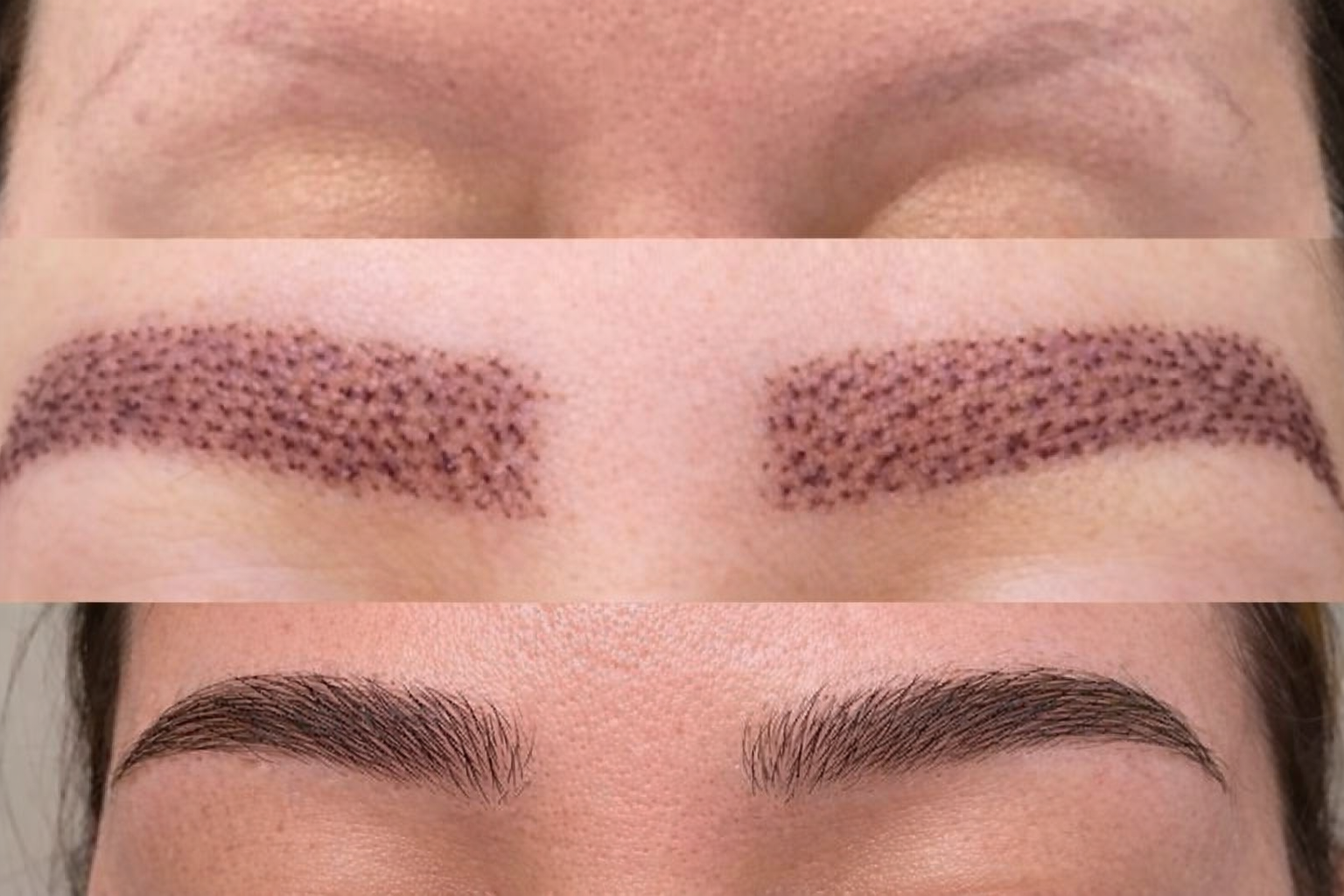
Each graft is placed individually using small openings. Angle and direction must match the natural growth of eyebrow hair. Errors in this step are difficult to correct.
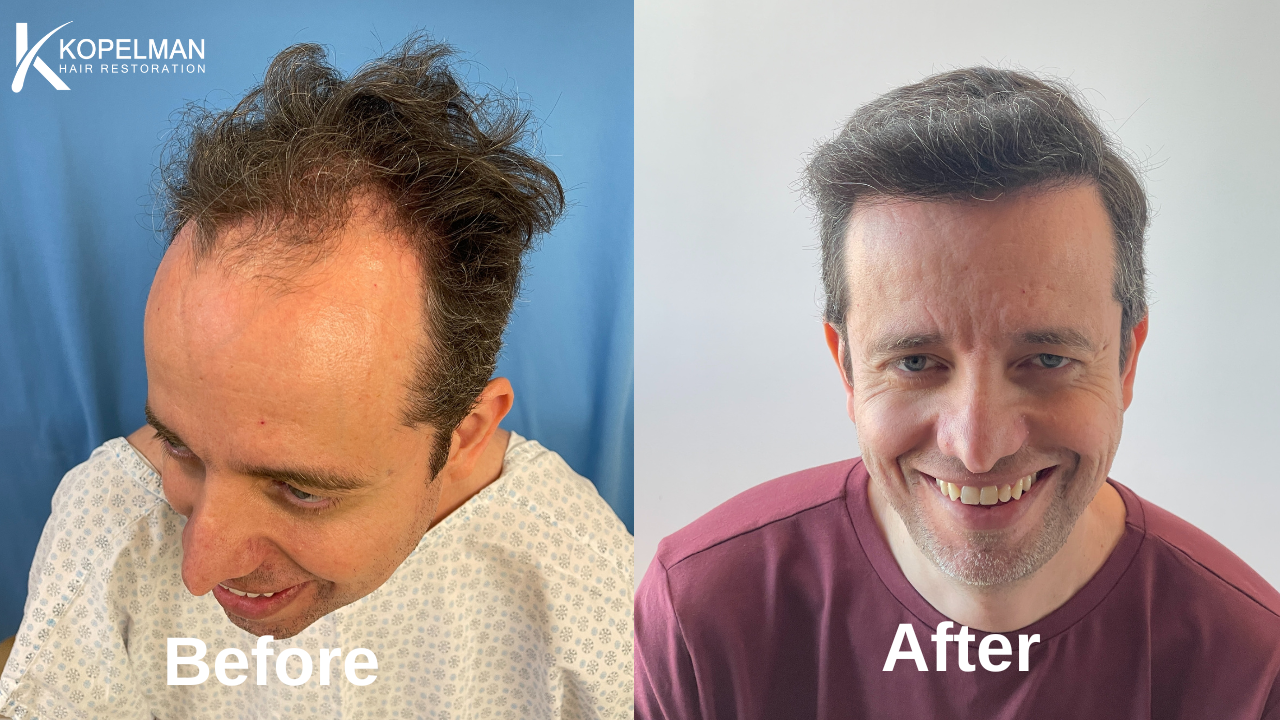
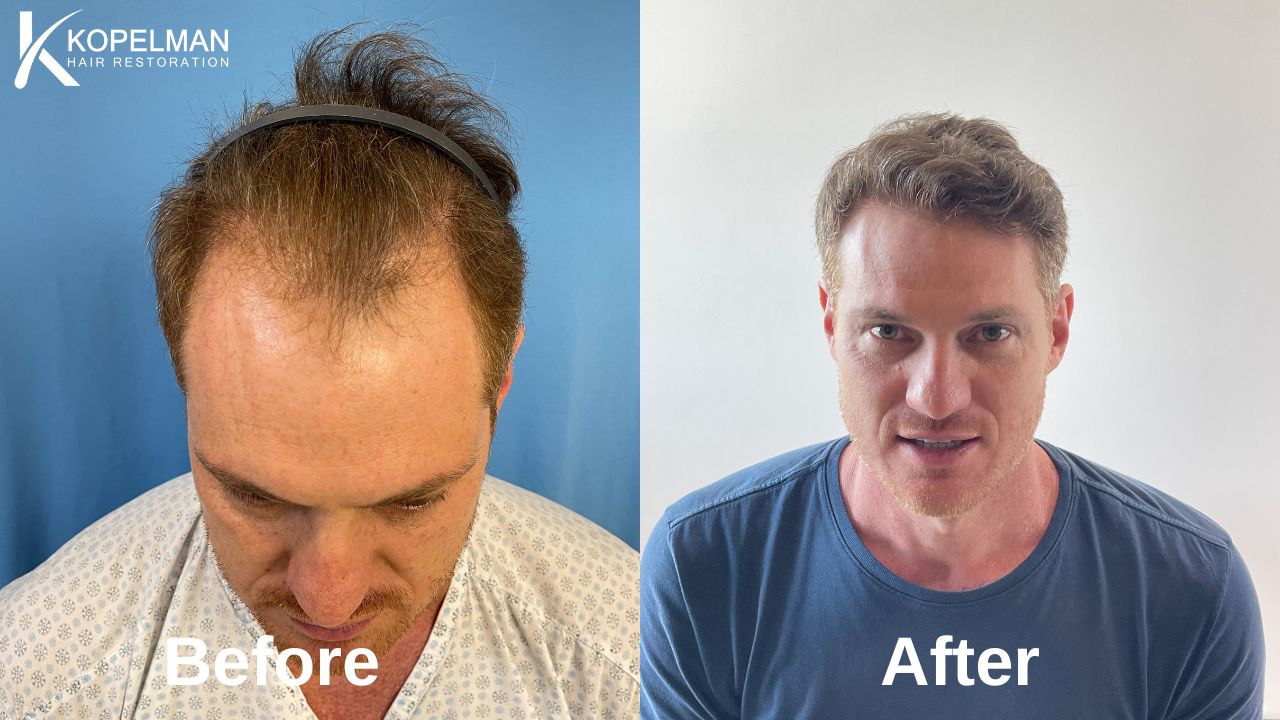
Eyebrow transplant before and after results
Changes occur gradually rather than immediately. Shedding often happens within weeks, while new hair growth begins after several months.
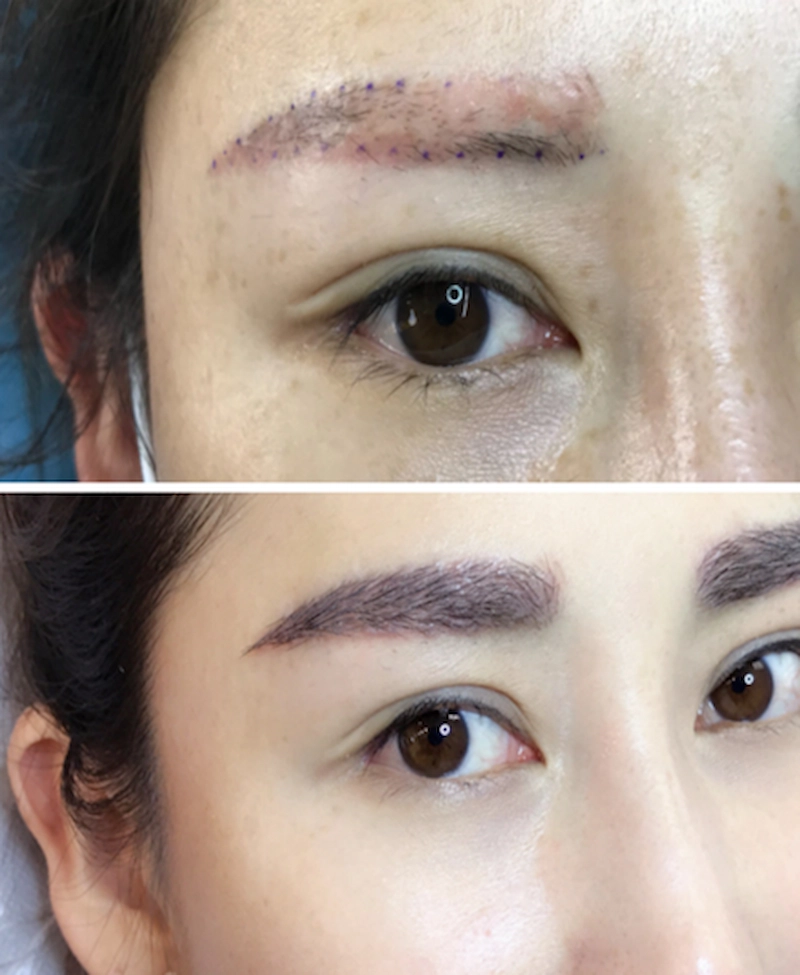
Results vary by anatomy and healing. Perfect symmetry is not always possible, and lighting or skin tone can affect appearance.
Growth timeline
Early regrowth often appears around three to four months. Density improves over the first year. Full hair growth may take up to twelve months.
Long-term appearance
Long-term appearance depends on technique and care. Transplanted hair continues to grow and requires trimming. The shape remains stable once healing finishes.
Recovery, risks, and maintenance
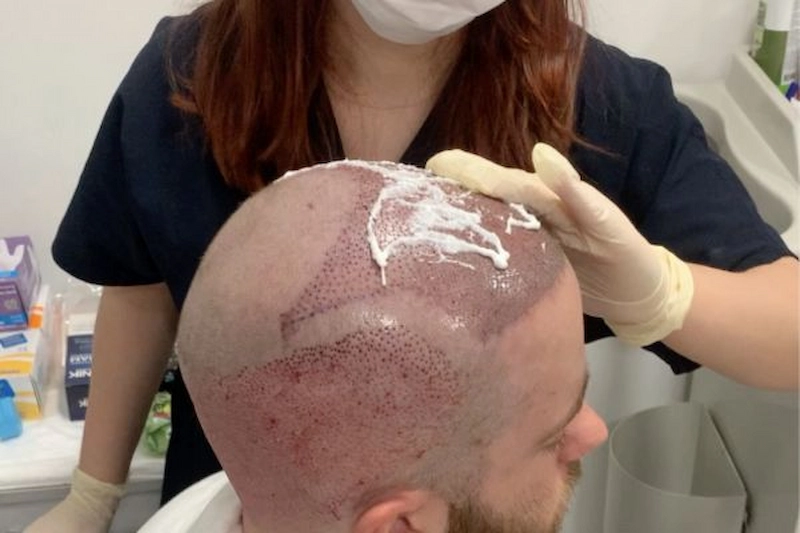
Recovery usually includes mild redness and swelling for a few days. Small scabs form and fall off within one to two weeks, and most people return to normal routines quickly. Initial shedding of transplanted hair is common and does not mean graft failure.
Most risks are mild and temporary, though understanding differences helps set expectations.
- Common risks include redness, swelling, and short-term shedding.
- Less common risks include uneven hair growth.
- Rare risks include infection or visible direction issues.
Maintenance is an ongoing part of eyebrow transplantation. Transplanted hairs continue to grow normally and must be trimmed regularly to maintain eyebrow length and shape. Some patients also need occasional styling or guidance to keep their hair growing in the desired direction over time.
How much does an eyebrow transplant cost?
The cost of an eyebrow transplant typically ranges from $10,000 to $16,000, depending on the surgeon’s experience, location, and graft count. Pricing reflects time and precision rather than just the number of grafts.
Patients should focus on safety and expertise. Clear cost explanations help set expectations.
Where to get an Asian eyebrow transplant
Choosing a location involves a surgeon’s skill and clinic standards. Experience matters more than distance. Medical oversight should guide decisions.
Asian eyebrow transplant near me
Local options vary in experience. Patients should review training and eyebrow-specific work. Consultation offers the most reliable insight.
Eyebrow transplant in NYC
Patients in large metropolitan areas often seek out NYC eyebrow transplant specialists due to higher case volume and technical experience. New York City provides access to surgeons with advanced training in hair restoration.
Choosing the right eyebrow transplant surgeon
Surgeon experience strongly influences results. Eyebrow transplants require skills beyond standard scalp hair transplant procedures. Specialized training improves accuracy.
Medical experts such as Dr. Kopelman emphasize conservative planning and careful technique in eyebrow restoration. Experience with Asian hair and skin traits helps reduce risk and support natural outcomes. Scheduling a visit provides an opportunity to ask questions and review options with a specialist.