

This article explains how eyebrow and eyelash transplant procedures work, who they are meant for, and what people can realistically expect.
It is written as an educational guide based on standard medical practice, not as a treatment recommendation, and reflects common approaches used in clinical settings such as Kopelman Hair.
Key Takeaways
- Eyebrow and eyelash transplantation uses hair from the scalp to address eyebrow or eyelash loss, with careful placement needed to match the natural growth of eyebrow and eyelash hair.
- Not everyone is a good candidate, as medical conditions such as alopecia areata, prior radiation therapy, chemotherapy, or unstable hair loss can affect safety and results.
- The eyebrow transplant procedure and eyelash process follow a defined surgical plan and recovery timeline, with early shedding expected and gradual regrowth over several months.
- Results are long-lasting but require ongoing trimming, since transplanted hair continues to grow like scalp hair.
- Choosing an experienced medical surgeon is essential, as planning, precision, and patient selection strongly influence outcomes and safety.
What Is Eyebrow and Eyelash Transplantation?
Eyebrow and eyelash transplantation is one of several hair transplant procedures used to restore hair where growth is thin or missing. Hair grafts are taken from a donor area on the scalp, usually the back of the head, where follicles are more resistant to loss. Each graft contains a hair follicle that can continue to grow after transplantation.
Who Is a Good Candidate?
Good candidates include people with thinning eyebrows or eyelashes caused by genetics, overplucking, injury, burns, or certain medical conditions. Some patients experience loss of eyebrow hair or eyelash thinning due to alopecia areata or after radiation therapy or chemotherapy. Candidates should have stable hair loss and enough healthy donor hair.
Patients should understand that transplanted eyebrow and eyelash hair behaves like scalp hair. It grows continuously and needs regular trimming. Clear expectations help reduce frustration over time.
Medical Limitations and When a Transplant Is Not Recommended
Some medical conditions can slow healing or reduce graft survival. In these cases, surgery may lead to uneven growth.
Transplantation may not be advised for people with active autoimmune disease, ongoing facial skin conditions, or hair loss that is still progressing. In the past, some reconstructive cases used pedicle flaps, but these techniques are rarely recommended today due to a higher risk and less natural results.
A medical review helps determine whether surgery is appropriate or if other options are safer.
Eyebrow and Eyelash Transplant Process
The eyebrow and eyelash transplant process follows a planned surgical approach. It focuses on protecting each hair follicle and placing it at the correct angle. The procedure is usually performed with local anesthesia.
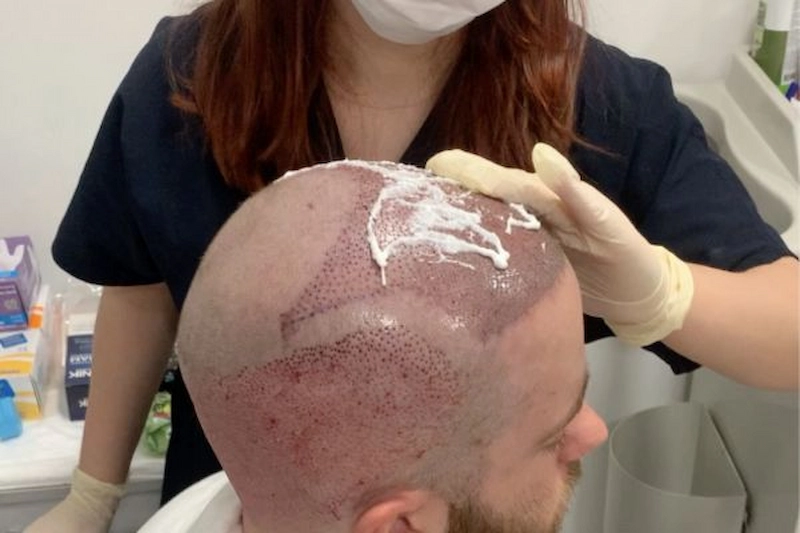
Many clinics use Follicular Unit Extraction (FUE), a method that removes individual hair grafts without a linear scar. This approach allows precise harvesting of single hair follicles and is widely used in modern hair transplant procedures.
Donor Hair Selection
Donor hair often comes from the back of the scalp because it resists thinning. This donor area provides hair that is strong and long-lasting. Surgeons select fine hairs that closely match the texture of eyebrow and eyelash hairs.
Each graft typically contains a single hair. This improves control over spacing and direction. Careful selection reduces the risk of an unnatural appearance.
Transplant Technique
After harvesting, grafts are placed into small openings in the target area. The angle and depth of placement are critical, especially for eyelashes. Poor placement can cause irritation or inward growth.
Surgeons plan the hair pattern before implantation begins. Dr. Kopelman notes that proper angulation plays a major role in achieving natural results in eyebrow and eyelash procedures.
Eyebrow vs Eyelash Transplant Differences
Eyebrow and eyelash transplant procedures differ in complexity and risk. Eyelash placement requires extreme precision to prevent hairs from growing toward the eye. Even small placement errors can lead to discomfort.
Eyebrow transplantation allows more flexibility in shape and density. Eyelash work demands greater control because the hairs sit close to the eye. Surgeon experience plays a larger role in eyelash results.
Timeline and Recovery
Understanding the timeline helps set realistic expectations. Most people return to normal activities within a few days.
Recovery happens in stages and follows a predictable pattern:
- Days 1–10: Mild redness, swelling, and small scabs as the skin heals.
- Weeks 2–6: Transplanted hairs shed, which is normal and expected.
- Months 3–12: New hair grows gradually, with final results by one year.
Results, Longevity, and Before-After Outcomes
Results from eyebrow and eyelash transplantation are designed to last many years. Transplanted follicles usually continue to grow over time. Because they retain scalp hair characteristics, they require trimming.

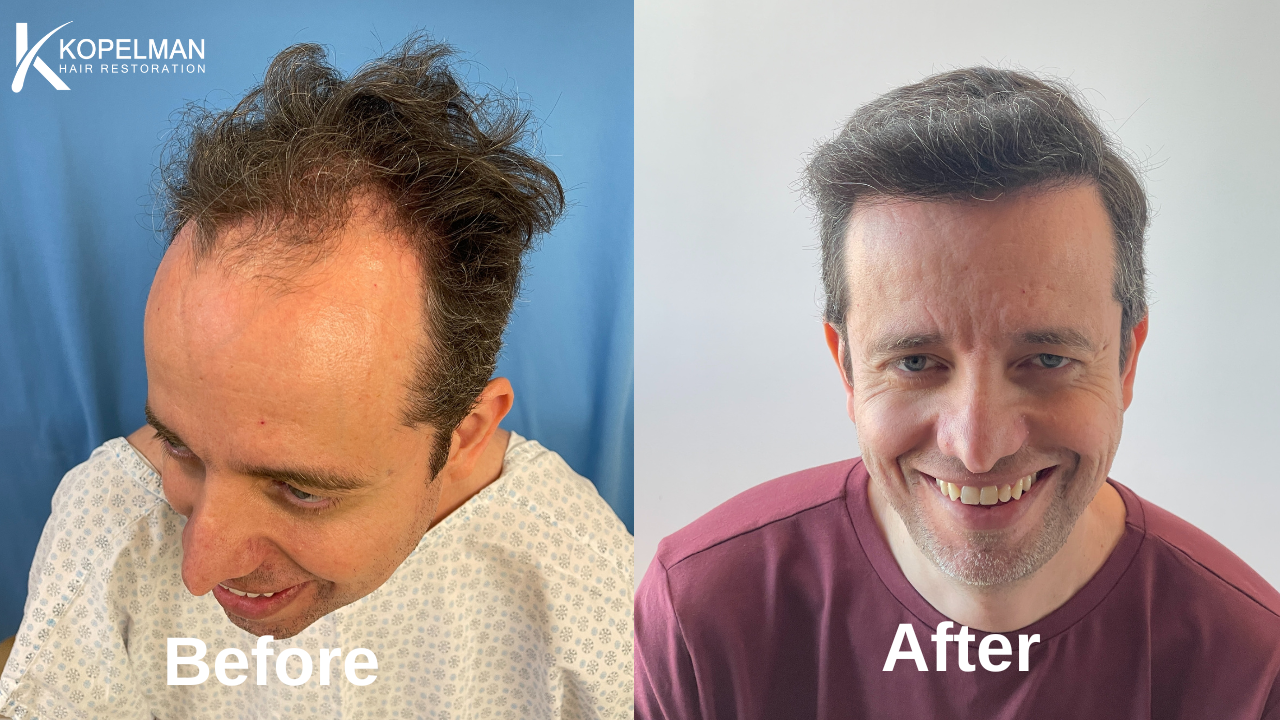
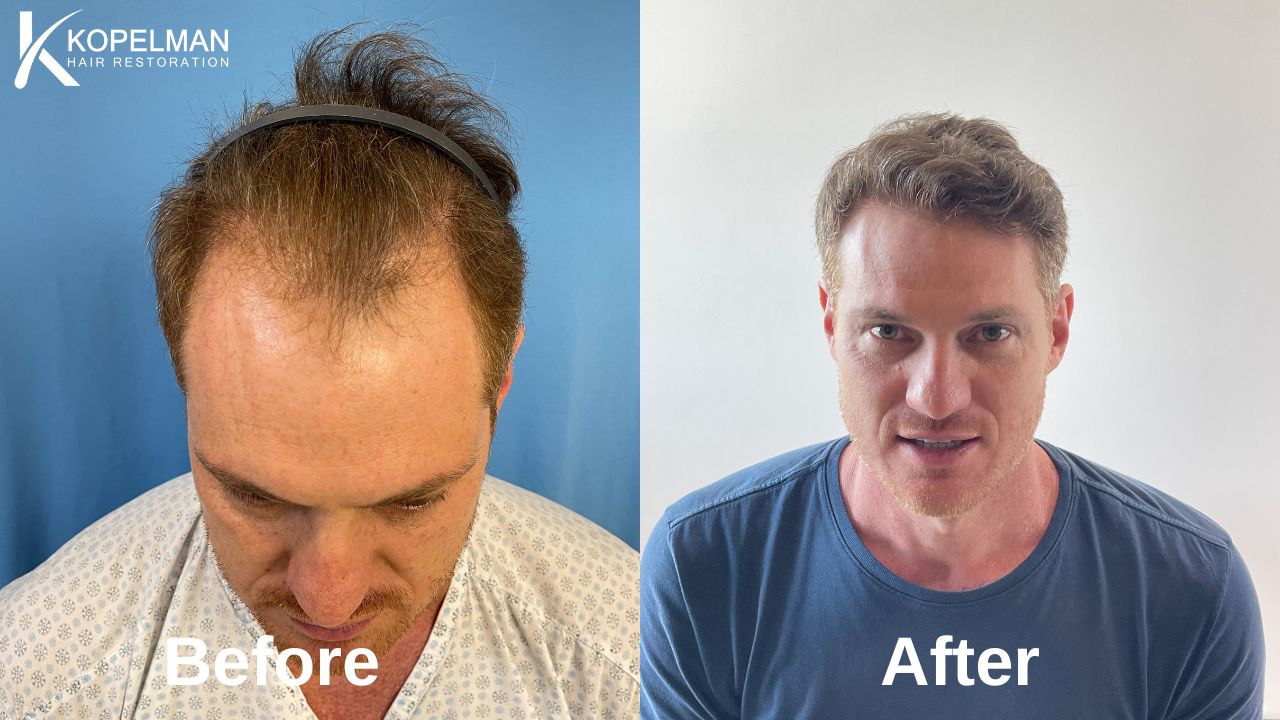
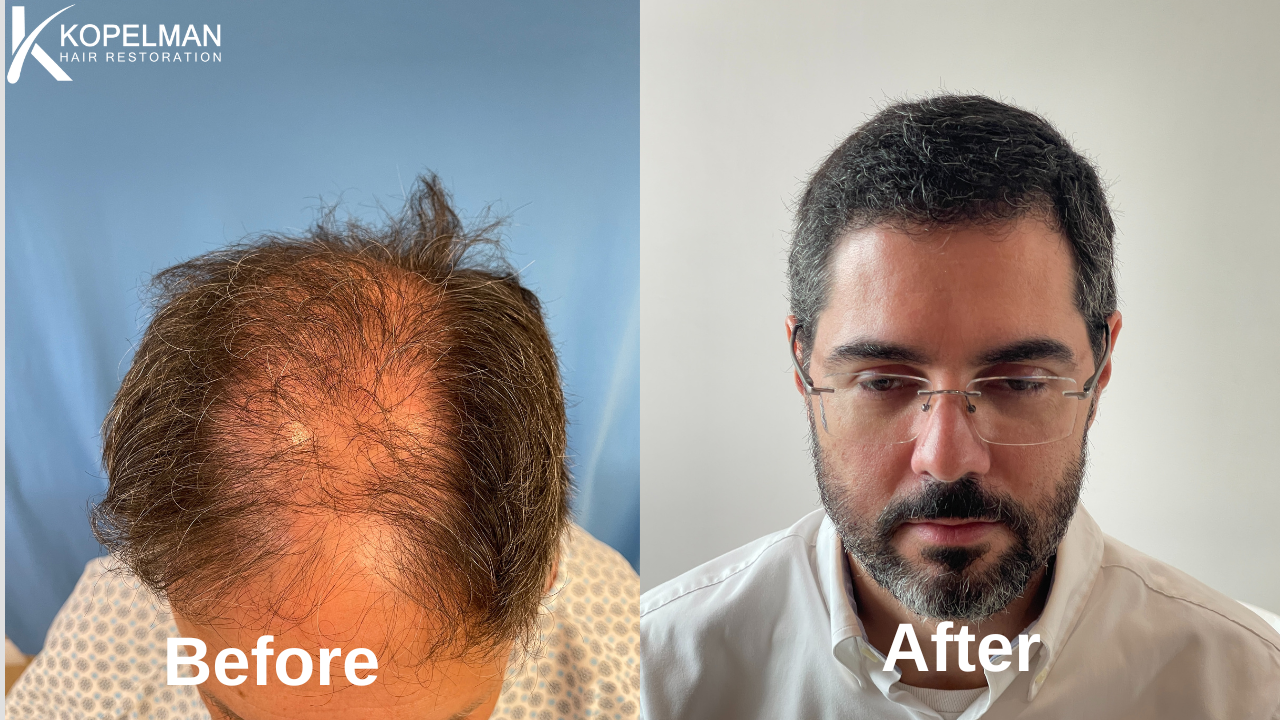
Before-and-after images can help illustrate changes in shape and density. Outcomes depend on planning, hair quality, and aftercare. Results can vary between individuals.

Cost of Eyelash and Eyebrow Transplants
The cost of an eyebrow or eyelash transplant varies based on the graft count, procedure complexity, and the surgeon’s experience. Eyelash procedures usually require more precision, which can affect pricing. Geographic location and clinical standards also play a role.
Typical price ranges are:
- Eyebrow Hair Transplant: $10,000 to $16,000
- Eyelash Hair Transplant: $8,500 to $15,000
A consultation helps estimate the number of hair grafts needed and confirm the final cost. Pricing should always be discussed clearly before treatment.
Downsides, Risks, and Safety
All surgical procedures carry some risk. Possible issues include infection, uneven growth, or unnatural direction. Eyelash procedures may carry added risk if placement is incorrect.
In clinical practice, careful patient selection helps reduce avoidable complications. Surgical planning, graft handling, and follow-up care all influence outcomes. Surgeons with hair restoration experience are better prepared to manage risks.
Choosing an Eyebrow and Eyelash Transplant Surgeon
Choosing the right surgeon is crucial to safety and results when deciding where to undergo an eyelash or eyebrow transplant in NYC. Look for medical credentials, documented experience, and clear explanations of risks and limitations. Surgeons should explain technique choices and long-term care needs.
A qualified specialist focuses on education rather than promises. In eyebrow hair transplantation and eyelash procedures, precision and planning matter more than speed or volume.
If you want to learn whether an eyebrow or eyelash transplant is appropriate for you, scheduling a consultation can help review your options and expectations.