
This article explains why an eyebrow transplant can look ugly in some cases, how correction works, and what patients should understand before revision. Kopelman Hair reviews these cases using medical knowledge of facial structure, brow hair growth, and surgical planning.
Key Takeaways
- An ugly eyebrow transplant often results from a poor angle, a bad shape design, or uneven density.
- Many cases improve with revision surgery, graft removal, or laser treatment, depending on the extent of scar tissue and the availability of donor hair.
- Transplanted brow hair is permanent, but doctors can often improve its appearance.
- Regret often comes from unrealistic expectations or weak surgical planning.
- A careful exam checks graft direction, scarring, and donor supply before choosing the next step.
Why an Eyebrow Transplant Looks Ugly
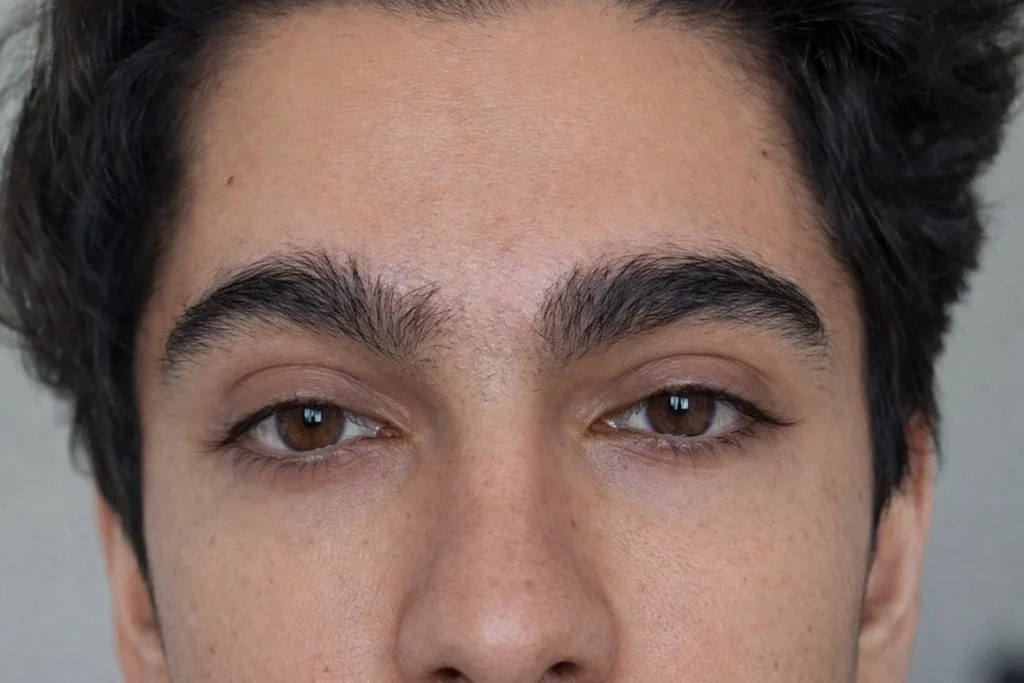
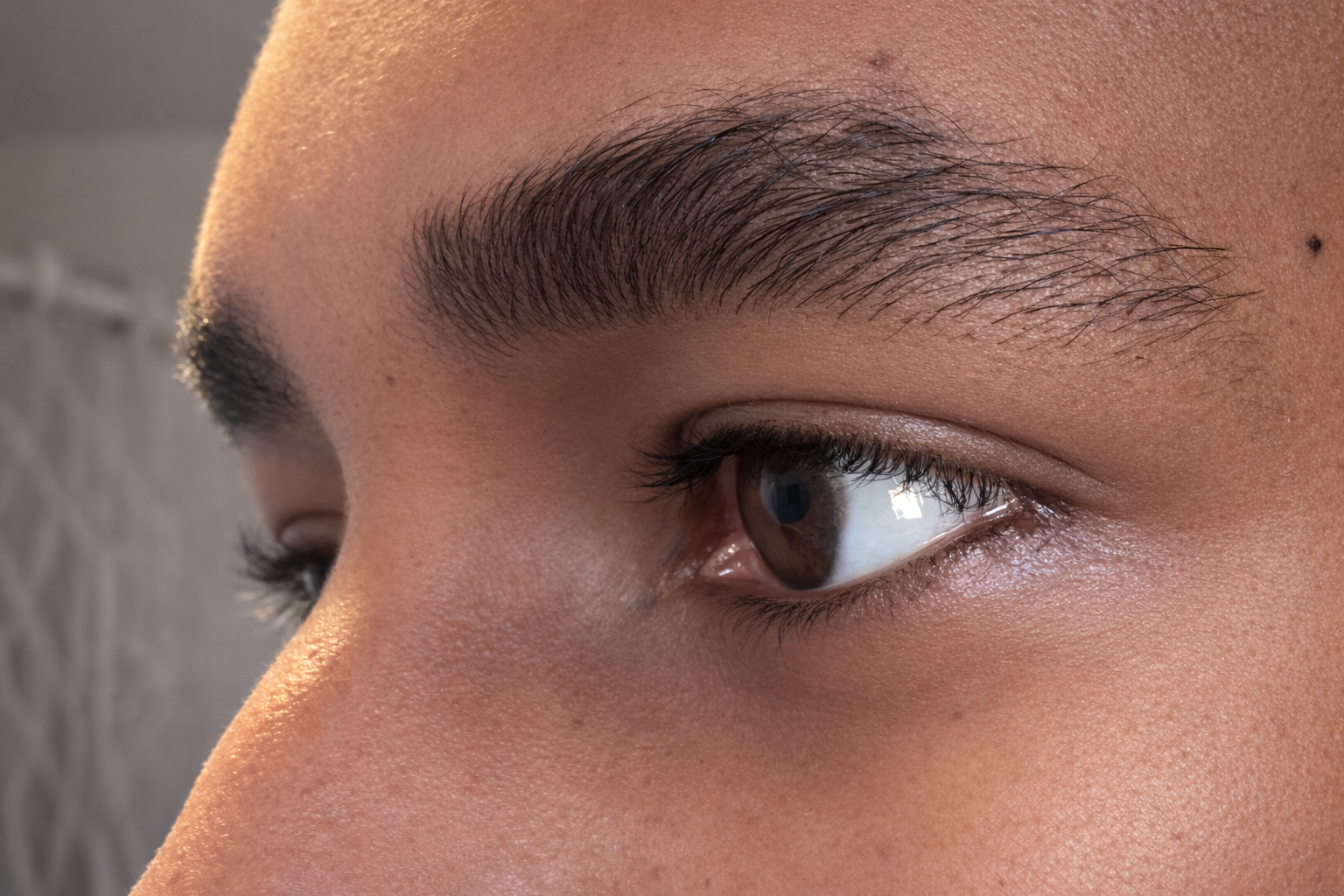
An eyebrow transplant looks unnatural when the hair does not match normal brow hair growth. Brow hair grows flat and changes direction across the brow. Even small angle mistakes can make the result obvious.
Eyebrow transplants go wrong most often because the angle or depth is incorrect. When hair follicles are placed too upright, the hair may stick out. This is a common reason an eyebrow transplant looks ugly after it grows in.
Many people choose to transplant eyebrow hair to address thinning caused by hair loss. The goal is cosmetic change. Because the brow is small and visible, precision is very important.
Incorrect Hair Angle and Direction
Each part of the eyebrow grows at a different rate. The inner brow points upward. The middle shifts outward. The tail narrows toward the side of the face.
If a hair transplant surgeon does not follow this pattern, the result may look artificial. Even one misplaced hair follicle can affect how light hits the brow.
Poor Density and Shape Design
Too much density can make the brow look heavy. Too little density can leave gaps. Poorly planned shape can make the face look uneven.
A poor graft plan may place too many hair follicles in one spot. This can create clumps that draw attention rather than blend in.
Unnatural Growth Patterns
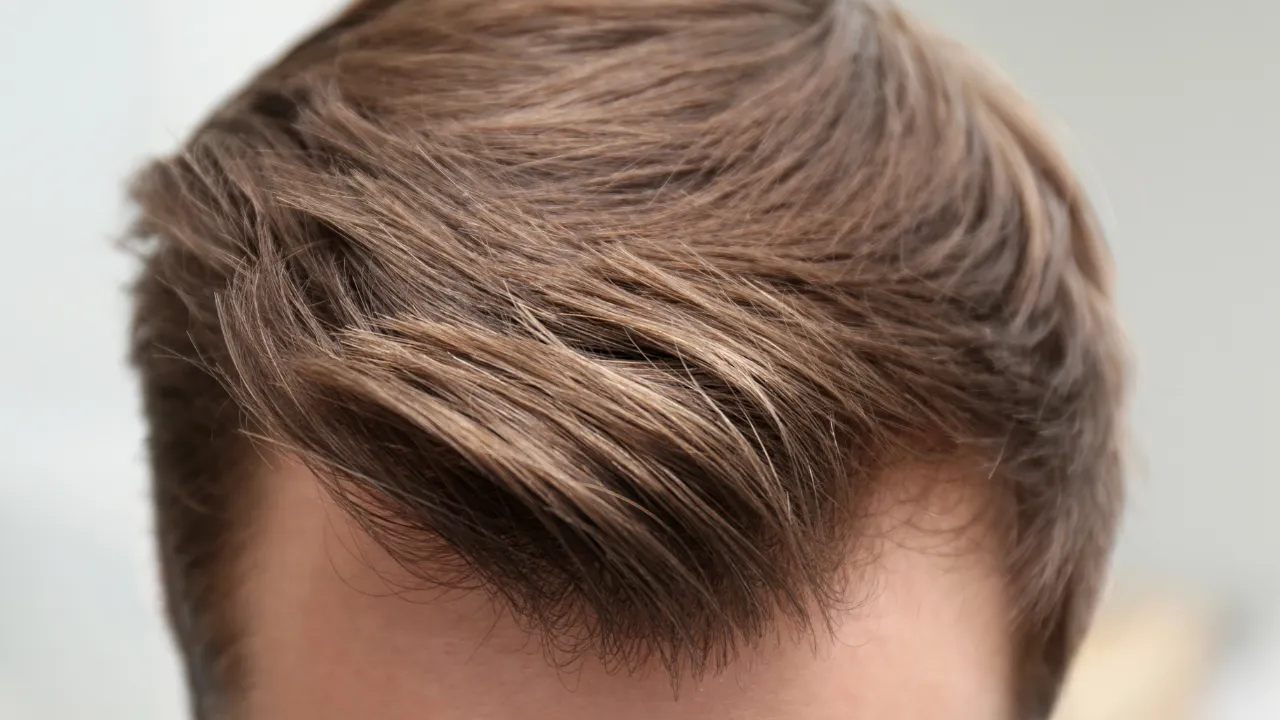
Most transplanted hair follicles come from the scalp. Scalp hair grows longer and thicker than natural brow hair. Without trimming, the brow may look coarse.
This does not mean the transplant failed. It reflects how those hair follicles normally grow.
Signs of a Transplant Gone Wrong
Common signs include:
- Hair sticking straight out
- Clumped grafts
- Visible scarring
- Uneven brow shape
Some procedures can leave eyebrow scars, especially after repeated work. If problems continue after healing, a medical exam is important.
What to Do If You Feel Your Result Is Unnatural
Early results can look uneven. Transplanted hair follicles often shed before growing again. It is important to wait for full regrowth before judging the result.
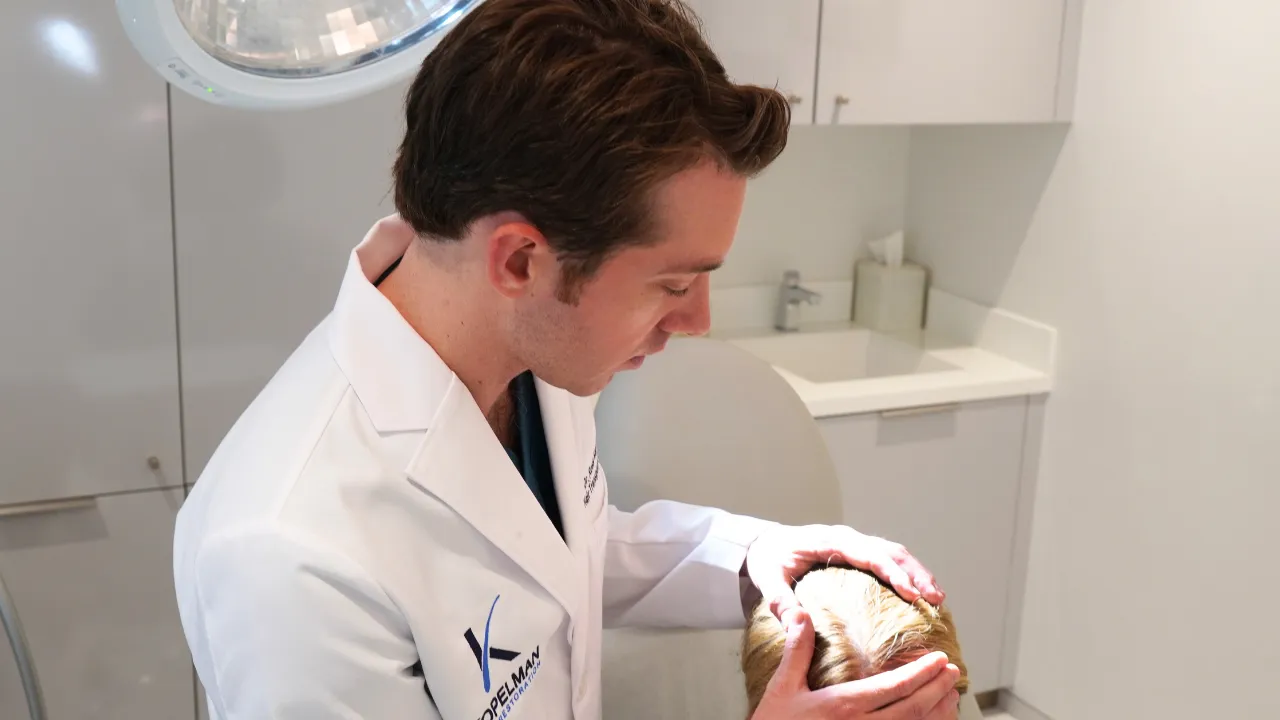
Take clear photos and note what looks wrong. A skilled hair transplant surgeon can check angle, density, and scar tissue. A structured exam helps guide the next step.
Can You Fix a Bad Eyebrow Transplant?
Many bad results can be improved. The right method depends on the cause.
Revision Eyebrow Transplant Surgery
Revision surgery removes misplaced grafts and places new hair follicles at the correct angle. Scar tissue from the first surgery can make this harder.
Dr. Kopelman explains that revision planning must consider donor supply and realistic goals. In some cases, a small, poor graft area can be corrected without full revision.
Eyebrow Transplant Removal Options
Surgical extraction removes unwanted hair follicles one at a time. This works well when only a few grafts are misdirected.
However, repeated removal attempts can leave scars. Patients should understand this risk before treatment.
Laser hair removal can thin unwanted brow hair over time. It avoids surgery but requires several sessions.
How Long Correction Takes
Correction does not happen right away. After revision surgery, the skin usually heals in about one to two weeks. Mild redness or small scabs may appear during this time.
New hair follicles often shed before they grow again. Visible regrowth usually begins after three to four months. Most patients see the final cosmetic result between six and twelve months.
Laser removal works on a different schedule. It often requires several sessions spaced weeks apart. Full improvement depends on how many grafts need adjustment.
Are Results Permanent or Reversible?
Transplanted hair follicles are permanent. Once they grow, they continue to grow.
Doctors can remove or reduce unwanted grafts. Still, full reversal may not be possible if prior work leaves scars or reduces skin flexibility.
Do People Regret Hair Transplants?
Some patients feel unhappy after surgery. Regret often comes from high expectations.
An eyebrow transplant does not treat hair loss on the scalp. It restores brow hair for cosmetic reasons. A clear understanding helps reduce disappointment.
How to Prevent an Ugly Eyebrow Transplant
Prevention starts with choosing an experienced hair transplant surgeon with specific expertise in eyebrow transplant procedures in NYC. Brow work requires precise angle control and knowledge of hair follicles.
Review the close-up before-and-after photos. Look at how brow hair lies against the skin. Small-angle errors can change the appearance.
Clear planning reduces the chance that eyebrow transplants go wrong.
When to Seek Professional Evaluation
Ongoing concerns or symptoms require medical review.
Limitations of Revision Surgery
Revision can improve many problems, but has limits. Scar tissue may restrict placement. Perfect symmetry may not always be possible.
Surgeons must balance improvement with skin safety. Honest discussion supports informed decisions.
Warning Signs of Complications
Seek medical care if you notice:
- Ongoing redness
- Continued pain
- Signs of infection
- Visible scarring
When Revision Is Recommended
Revision may help when angle, density, or symmetry problems affect appearance. A careful exam decides whether surgery, removal, or observation is best.
How a Specialist Evaluates a Failed Eyebrow Transplant
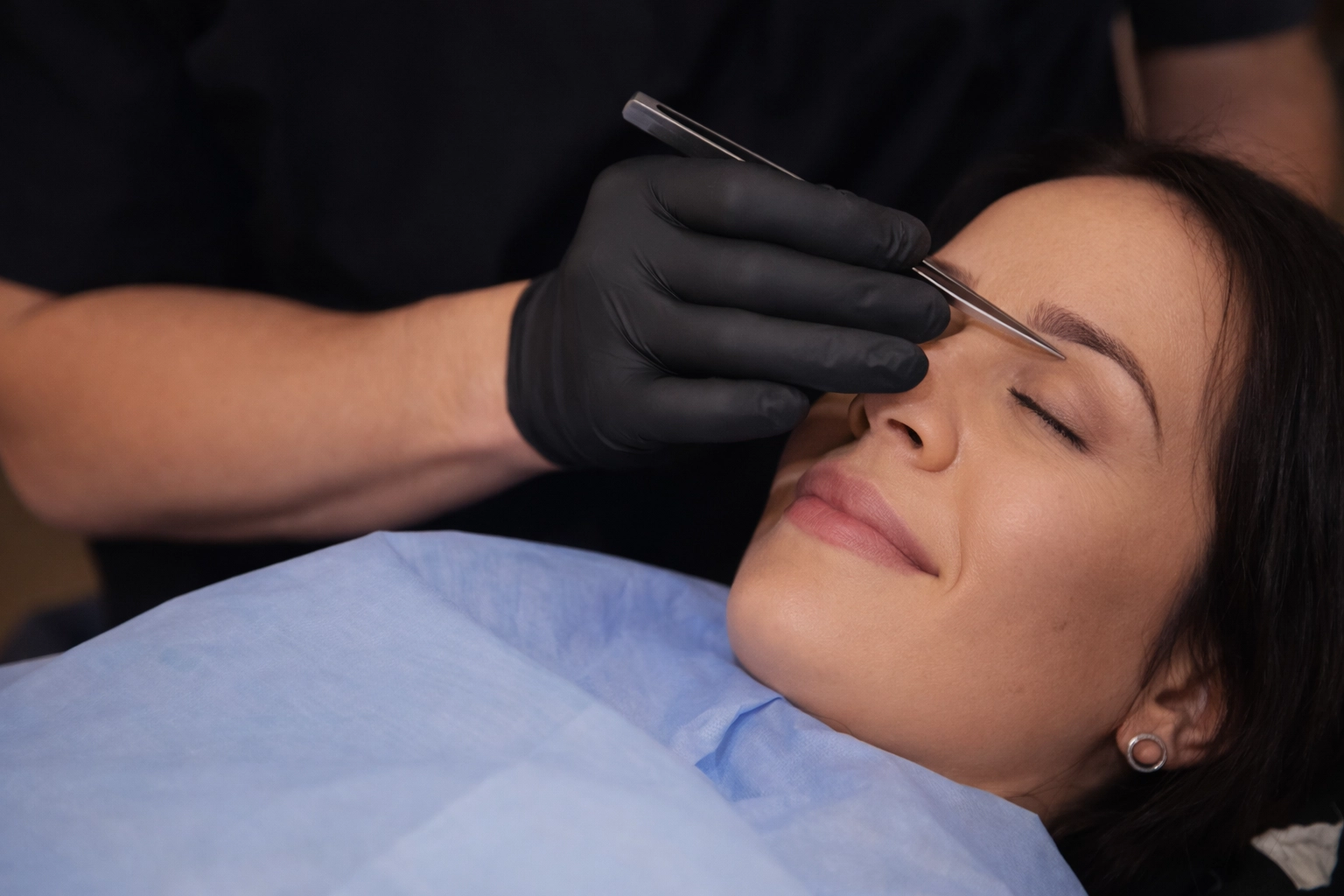
The evaluation begins with checking graft direction and density. The surgeon reviews the quality of the scar and the availability of donors. The goal is to see how previous work affected hair follicles.
This structured process determines whether correction is possible. An ugly eyebrow transplant can often improve, but results depend on anatomy, technique, and realistic goals.
If you are concerned about an ugly eyebrow transplant, a professional evaluation can clarify your options. You may schedule a consultation with an experienced hair transplant surgeon to review your case.