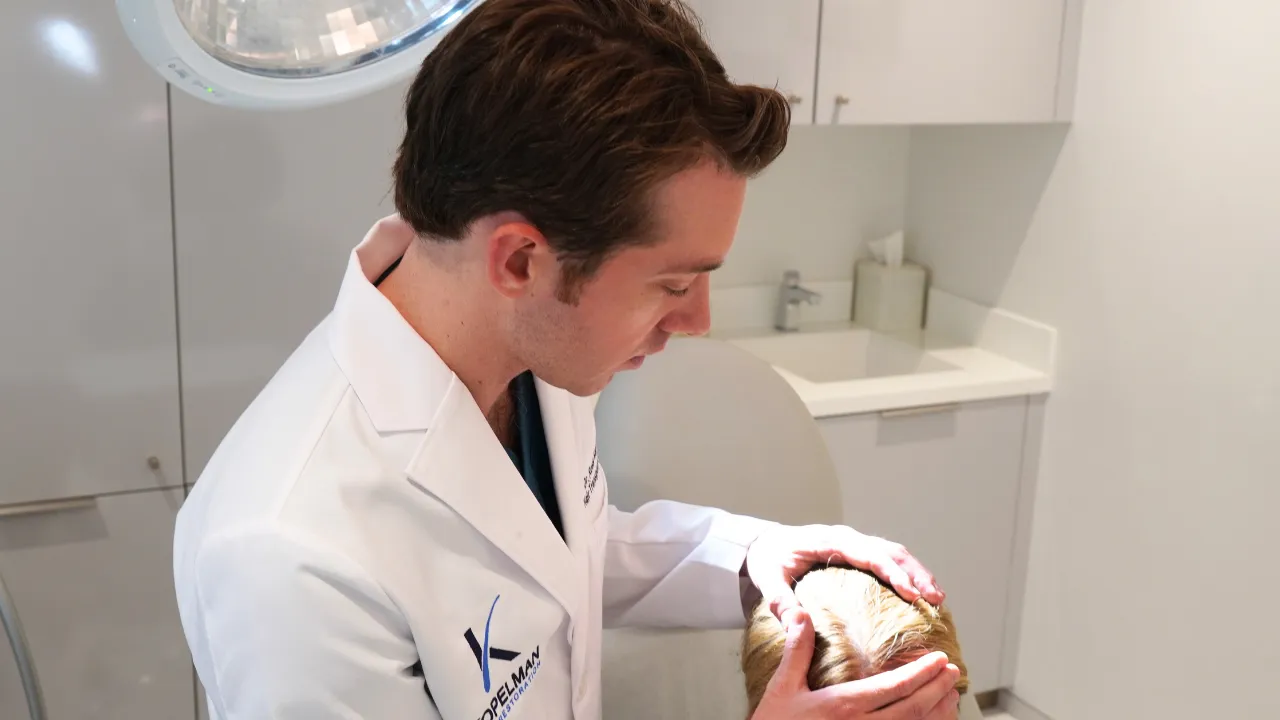

Understanding what’s behind fuller brows can help you decide how to manage their shape and density over time. At Kopelman Hair, Dr. Kopelman focuses on how factors like follicle behavior, hormonal influence, and natural growth patterns impact eyebrow appearance.
This perspective allows for a clearer distinction between normal variation and changes that may need attention. With that insight, you can choose whether to refine, maintain, or professionally adjust your brows based on your goals.
Key Takeaways
- Thick eyebrows usually develop due to genetics, which control hair follicle density, hair thickness, and natural brow growth patterns.
- Hormones and natural hair growth cycles can influence eyebrow density, but inherited traits remain the main reason some people develop fuller brows.
- The difference between thick brows vs thin brows often comes down to follicle concentration and how the brow shape fits the person’s facial features and face shape.
- Modern beauty trends now favor natural brow styles, and fuller or bushy brows often highlight the eyes and balance facial features.
Why Do I Have Thick Eyebrows?
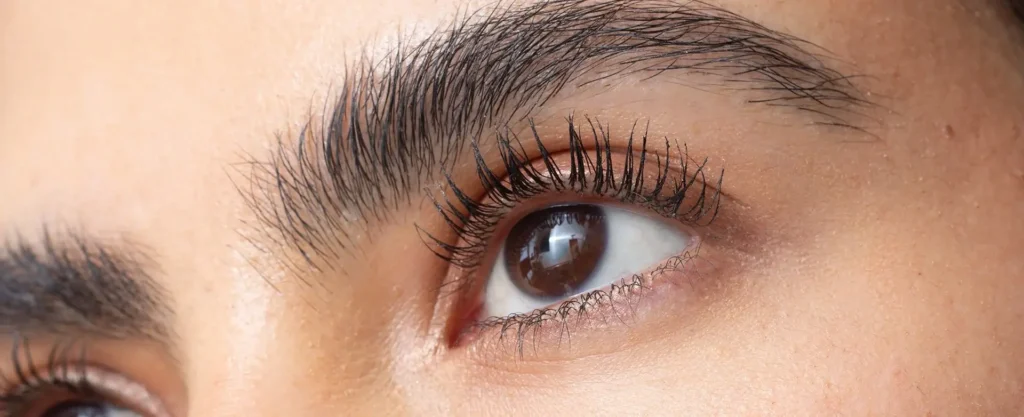
Many patients ask why do I have thick eyebrows when their brows look fuller than others. The most common reason is genetics. Hair follicles in the brow area may grow closer together and produce thicker hair.
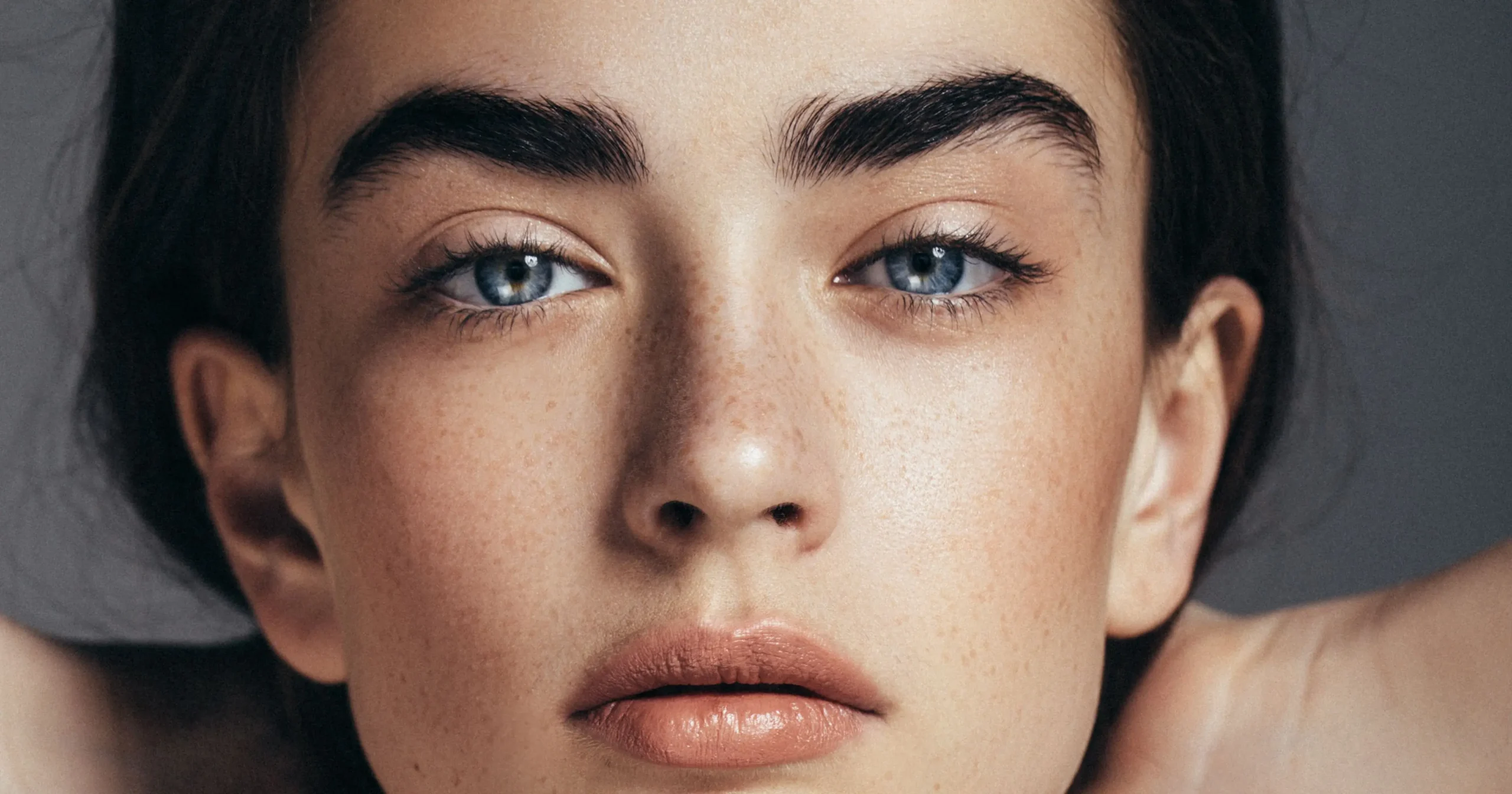
Some people also have a natural brow pattern that grows evenly across the brow line. This can create bold arches or fuller eyebrow shapes. In most cases, thick brows simply reflect natural variation in hair growth.
Genetics and Inherited Brow Traits
Genes strongly influence eyebrow thickness. If relatives have naturally thick eyebrows, the same trait often appears in younger family members. Genes control how many follicles grow in the brow area.
Important inherited traits include:
- Number of hair follicles in the brow area
- Thickness of each eyebrow hair
- Natural direction of hair growth
These traits explain why people with thick eyebrows often share similar brow features within families.
Eyebrow Hair Growth and Follicles
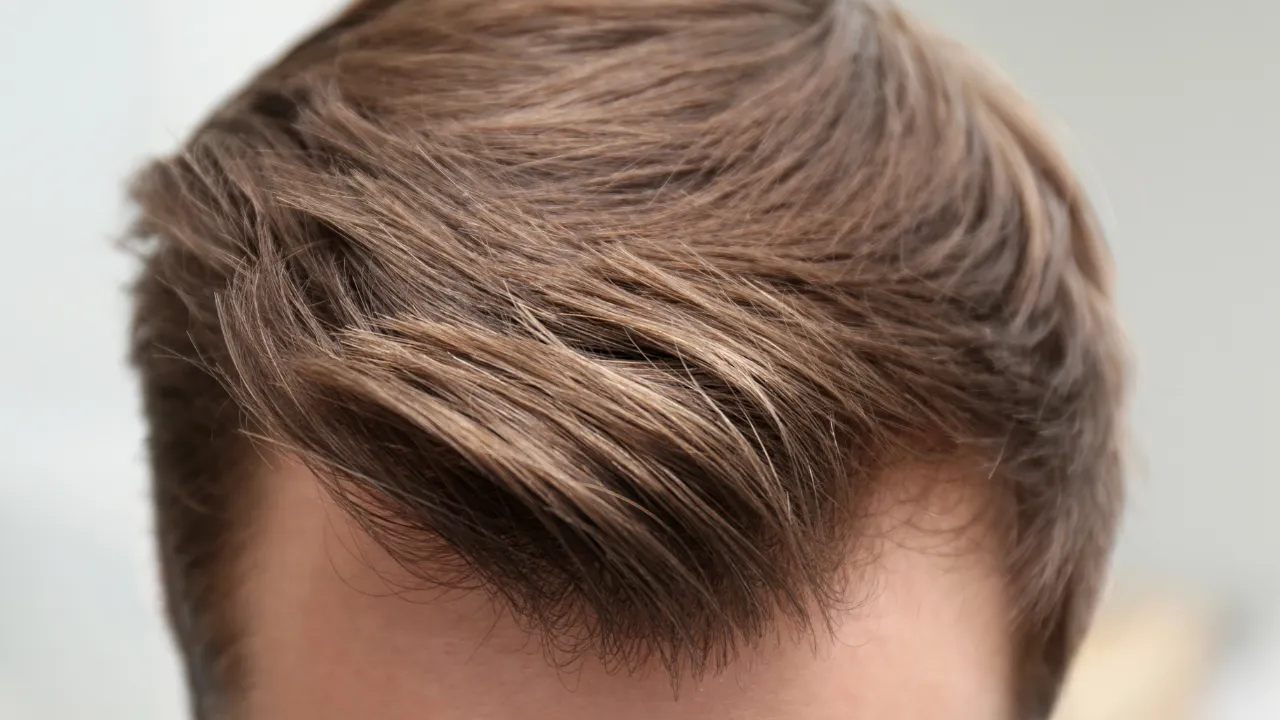
Hair follicles control how eyebrow hair grows and how dense the brows look, which is why understanding types of alopecia can help explain changes in brow density. When follicles produce thicker hair strands, the brows appear fuller and darker. This natural process explains why some people develop bushy brows without styling.
Each hair grows in a short cycle that includes growth, rest, and shedding. When many follicles grow at the same time, the brows appear thicker.
Hormones and Natural Brow Density
Hormones can also affect eyebrow thickness and may influence patterns of hair loss due to hormones. Androgens can increase hair growth during puberty and early adulthood. These hormones may make eyebrow hair darker or stronger.
Hormones rarely cause extreme brow thickness alone. They usually work together with genetics to shape the final brow pattern.
Are Thick Eyebrows Rare?
Some people believe thick brows are uncommon. In reality, fuller brows appear in many populations. The idea that thick brows are rare often comes from beauty trends.
At different times, thin brows became popular in fashion. Later, fuller brows returned as a trend. These shifts change how people see natural brow density.
How Common Thick Brows Are
Eyebrow density varies widely from person to person. Some people grow thin brows while others develop strong brow lines. Both patterns are normal.
Common eyebrow density patterns include:
- Thin brows with fewer follicles
- Medium brows with balanced growth
- Thick brows with dense follicles
These differences come from natural variation in hair growth.
People With Thick Eyebrows and Natural Variation
People with thick eyebrows often have facial traits that support fuller arches. Wider brow spacing or stronger brow bones can help balance thick brows. These features work together with natural hair density.
Many public figures highlight this variation. For example, Cara Delevingne became well known for her bold brows, which helped make fuller brows popular again.
Thick Brows vs Thin Brows
The topic of thick brows vs thin brows often relates to genetics and grooming. Some people naturally grow dense brows. Others grow lighter or thinner hair in the brow area.
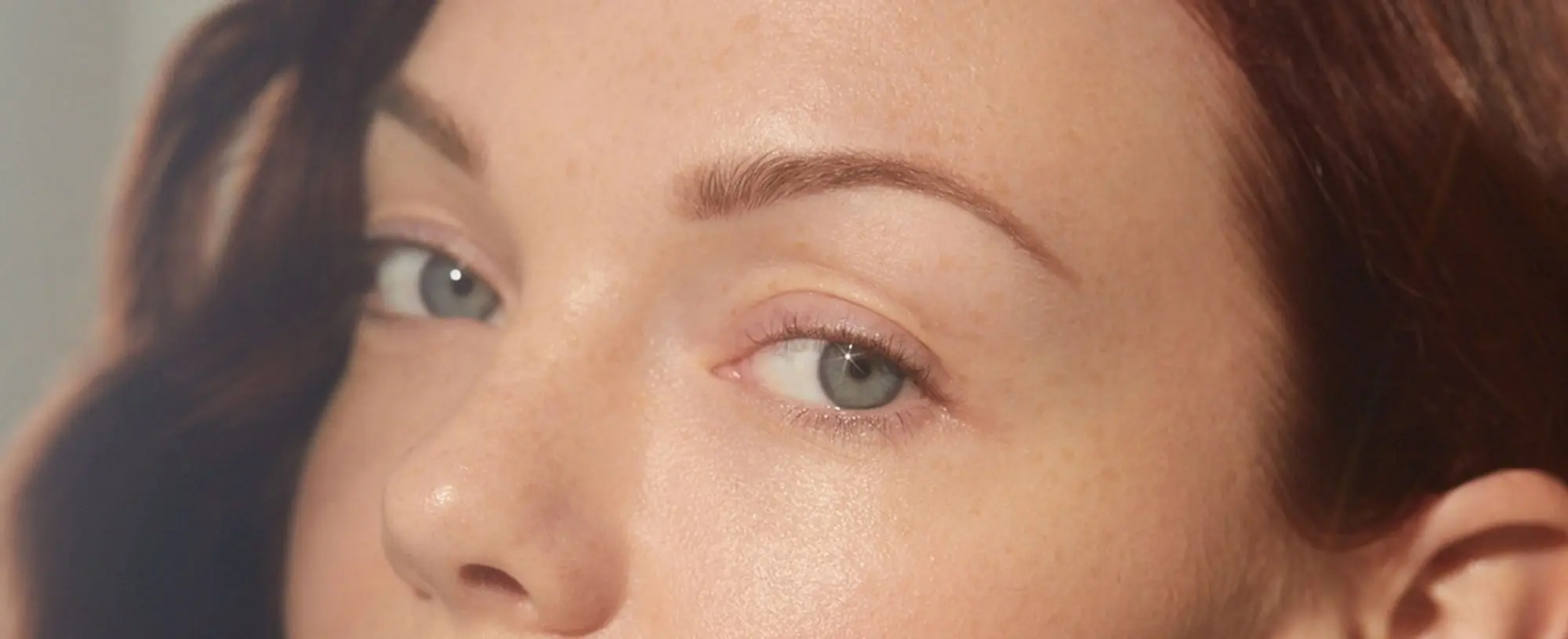
Both types can work well with different facial features. The key factor is how the brow shape fits the face.
Hair Density Differences
Hair density refers to how many follicles grow in a small area of skin. Higher density creates fuller brows. Lower density produces thinner brows.
Key factors that influence density include:
- Number of follicles in the brow area
- Thickness of each hair strand
- Natural growth direction
These factors explain why eyebrow shapes vary between people.
Why Do I Have Thin Eyebrows
Some people wonder why their brows appear thin. In many cases, genetics limit the number of follicles in the brow area. Repeated plucking or waxing can also reduce density over time.
Hormonal changes may also affect hair growth in some cases and contribute to conditions such as alopecia eyebrows. Still, thin brows usually reflect normal genetic variation.
Brow Thickness and Face Shape
Brow thickness can change how the face looks. Fuller brows often balance wider or square faces. Thinner brows may suit narrow or delicate faces.
Matching the brow with the face shape can improve balance across the face. Small grooming changes can also refine natural brow lines.
Are Thick Eyebrows Attractive?
Many people ask if fuller brows improve appearance. Today, natural brow styles are widely accepted in fashion and media. Fuller brows often frame the eyes and highlight important facial features.

Beauty standards change over time. What once seemed bold may later become a popular look.
Are Thick Eyebrows Attractive on Guys
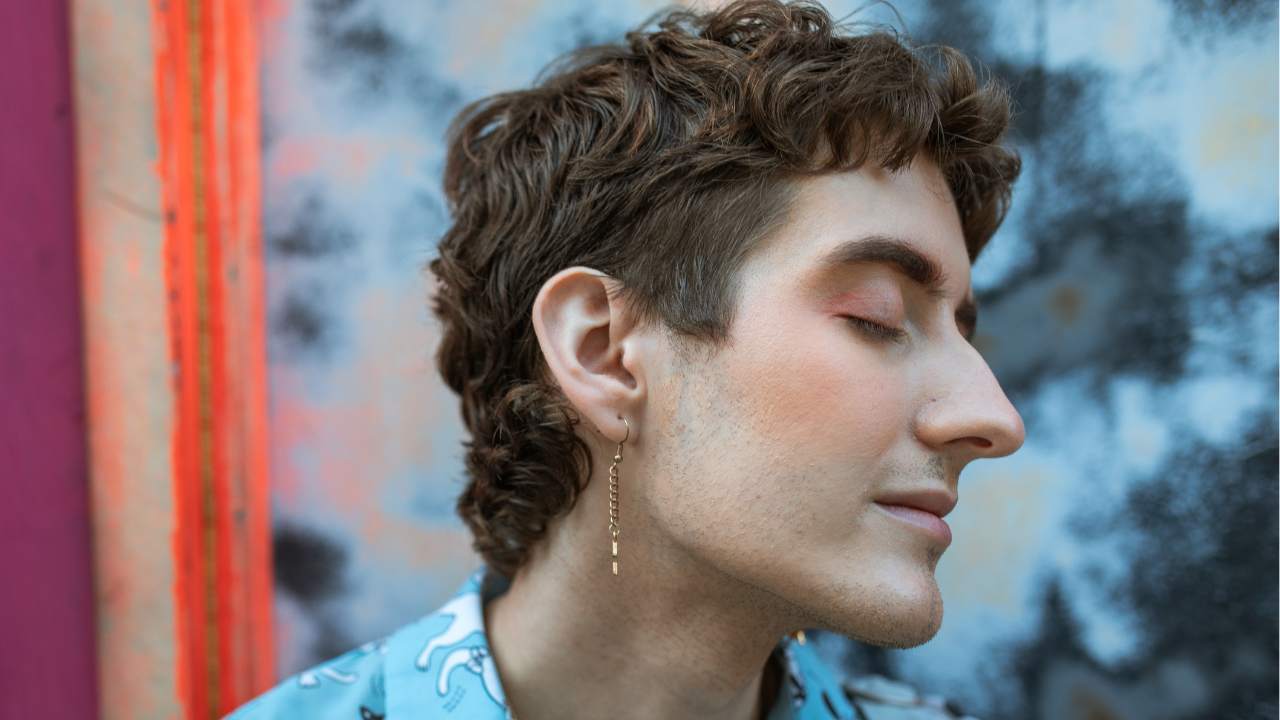
Thicker brows can work well with masculine facial structure. Strong brow lines often frame the eyes and create a balanced look. Many grooming experts now recommend keeping brows natural instead of over-plucking.
Full brows can improve appearance because they:
- Frame the eyes clearly
- Highlight strong facial features
- Balance the upper face
These traits help explain why thick brows often look attractive on men.
Beauty Trends and Bushy Brows
Modern beauty trends often highlight bushy brows as a natural feature. Many fashion campaigns now show fuller brow styles. This trend encourages people to keep their natural brow shape.
Social media and celebrity influence also helped bring back thicker brows. Today, many people prefer natural-looking eyebrow shapes.
How to Get Thick Eyebrows
Some people with thin brows want to improve density. While genetics play a major role, certain habits can support healthy follicles. These steps may help encourage stronger hair growth.
Encouraging Natural Eyebrow Growth
Simple habits can support healthier brows:
- Avoid frequent over-plucking
- Eat a balanced diet with vitamins
- Keep the brow area clean and moisturized
These steps protect follicles and support natural hair growth cycles.
Hair Growth Treatments for Eyebrows
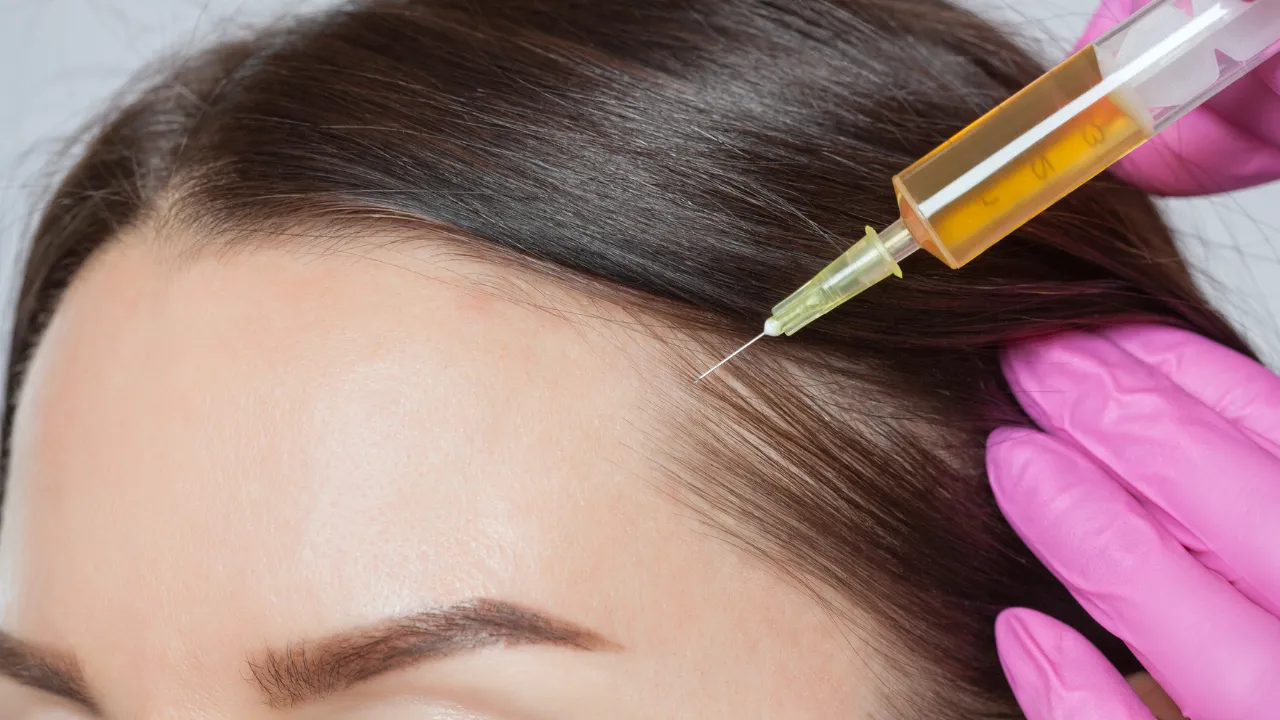
Dermatologists sometimes recommend topical formulas that help stimulate follicles, similar to treatments discussed in can vitamin e help with hair growth.These products aim to strengthen hair strands and improve density.
Patients should consult a specialist before starting treatment. Professional guidance helps ensure safe and effective care.
Professional Eyebrow Restoration Options
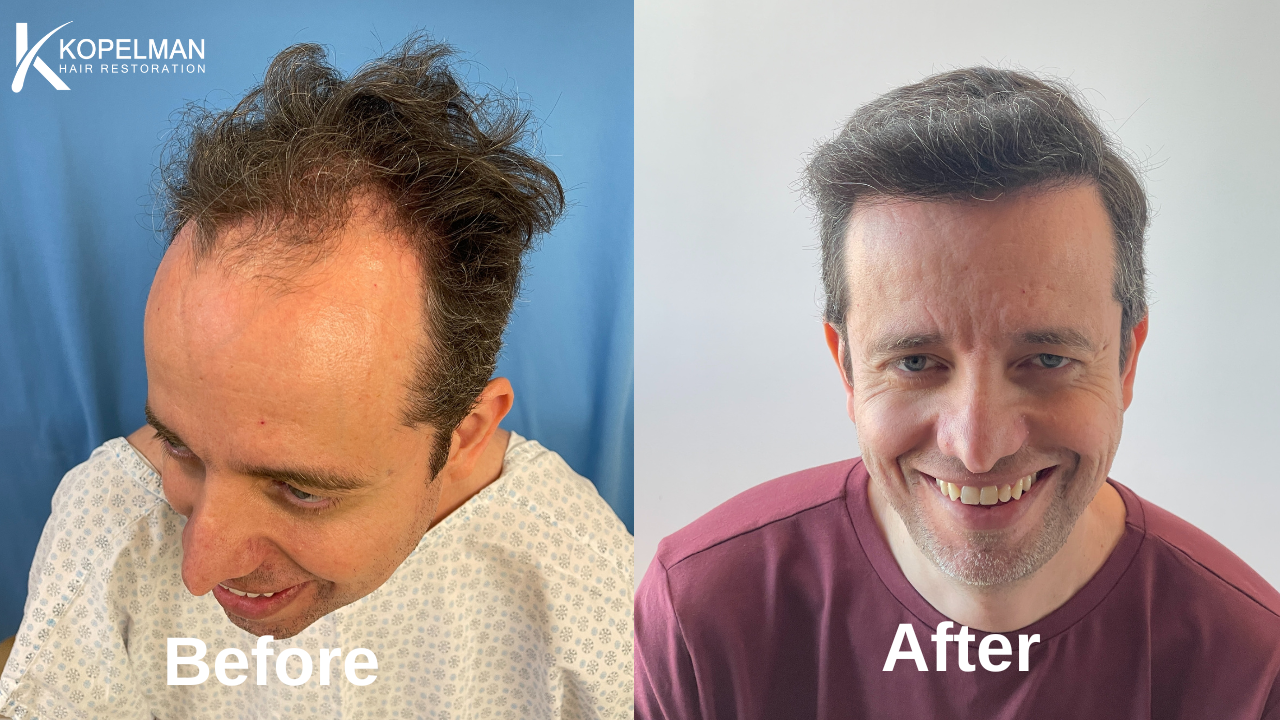
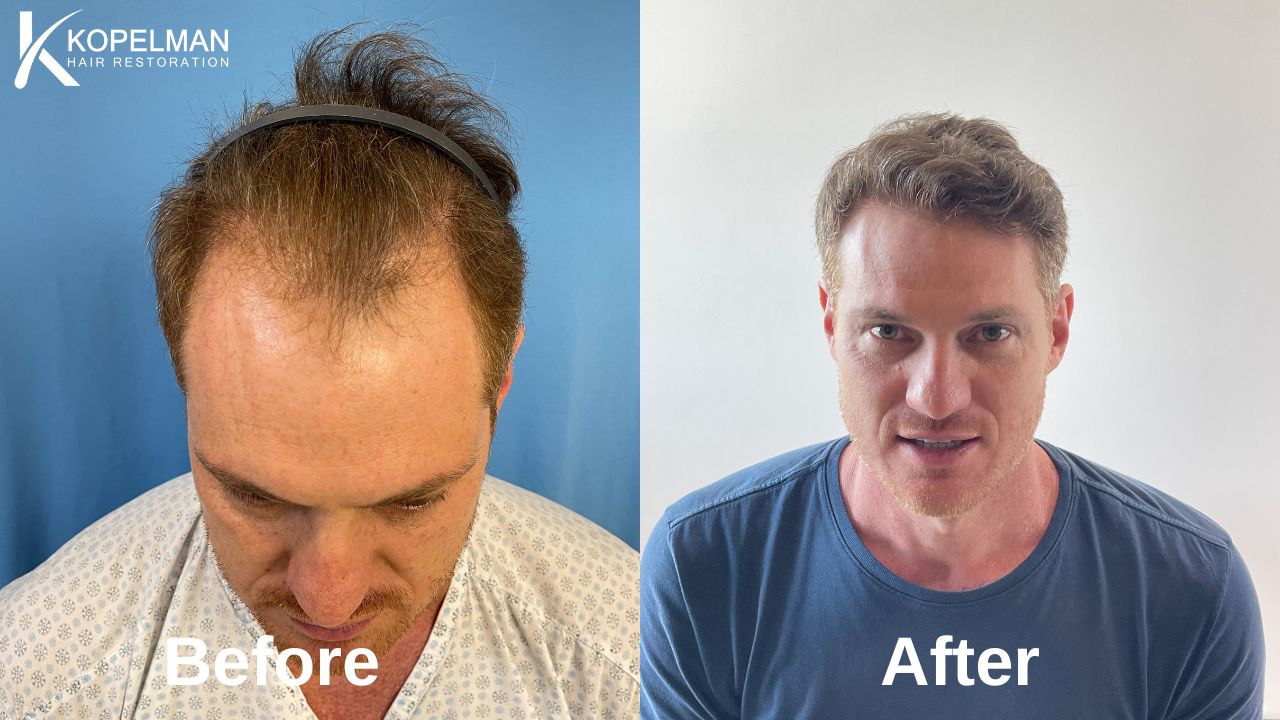
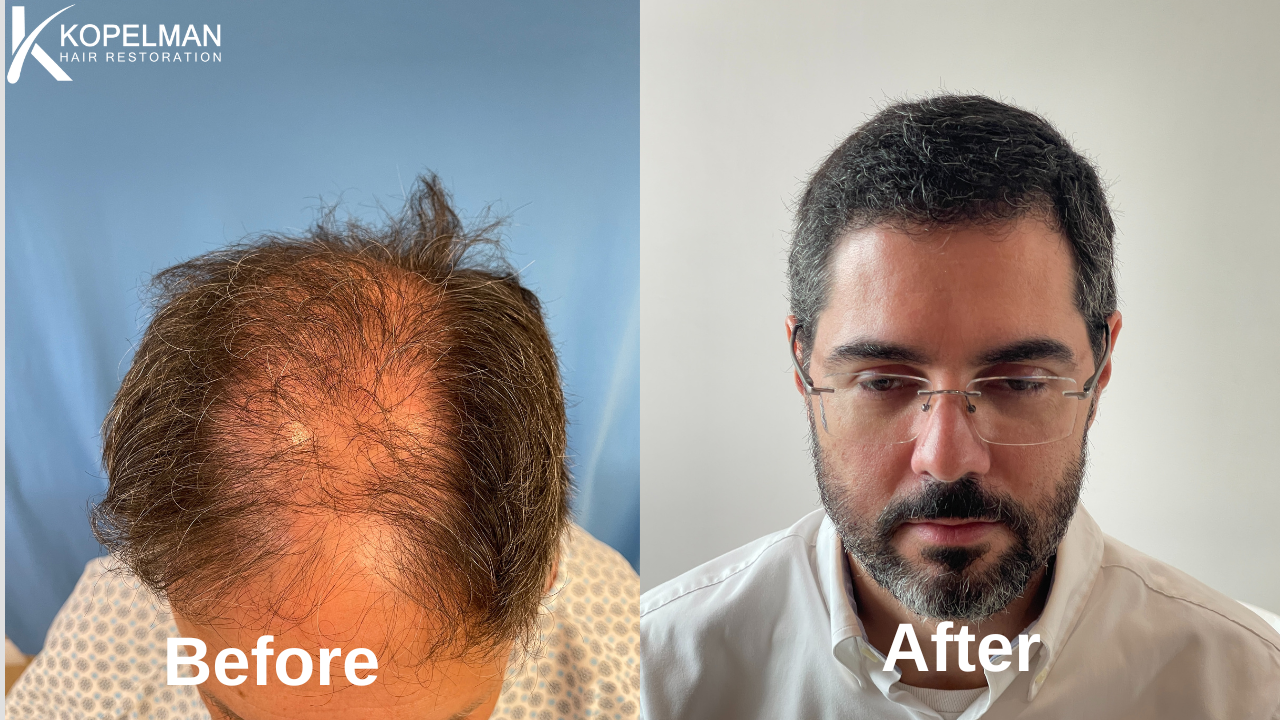
In cases of severe thinning, medical treatment may help restore density. Eyebrow restoration procedures transplant hair follicles into the brow area. This creates fuller and natural-looking brows.
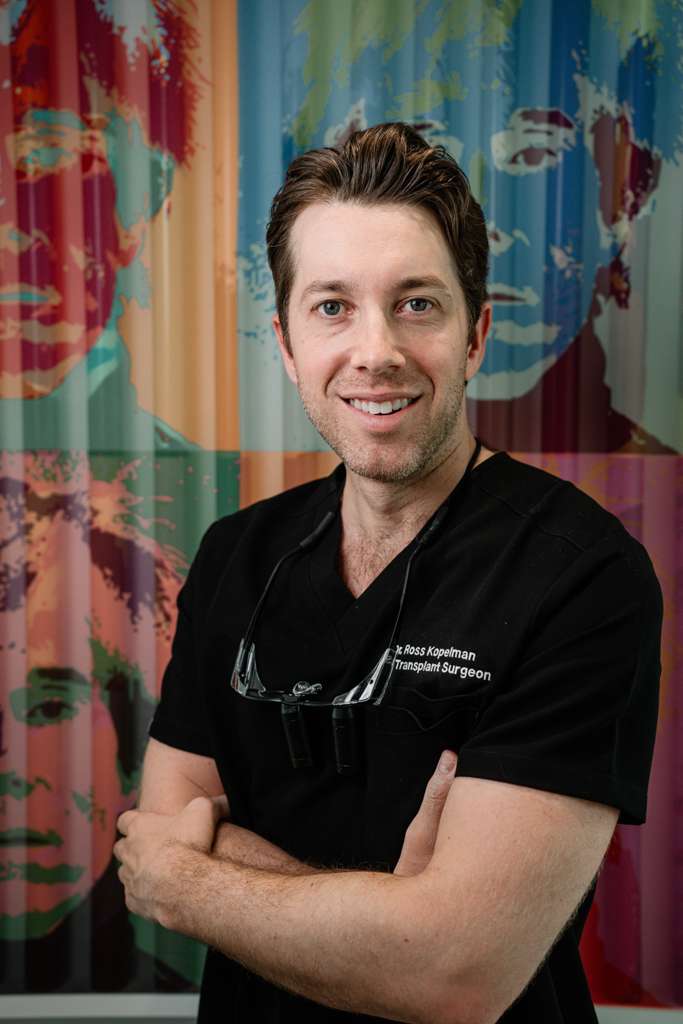
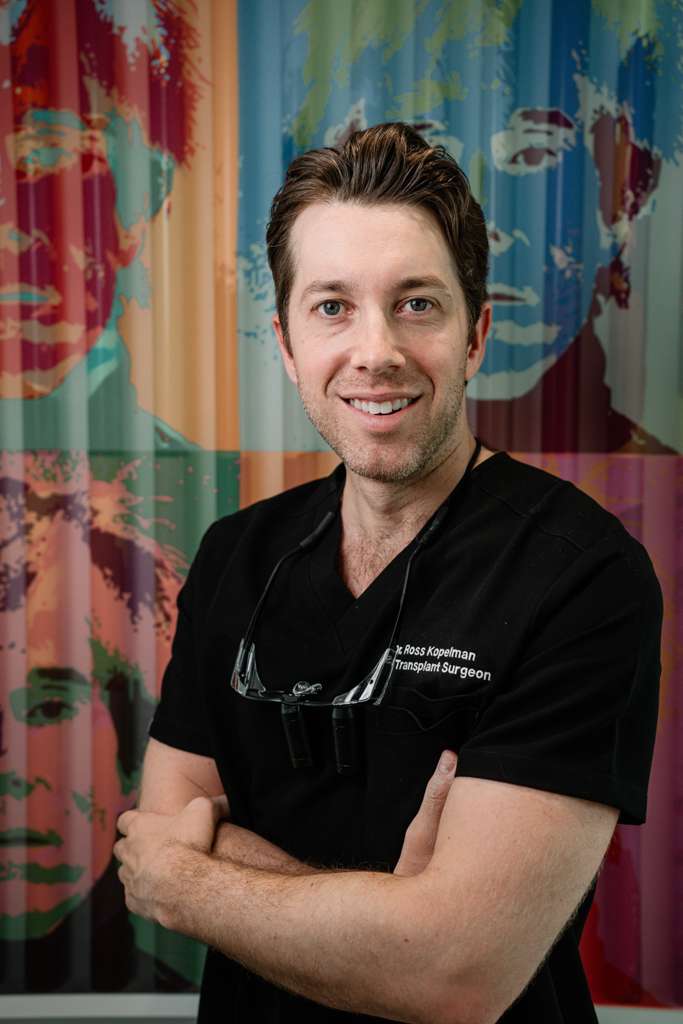
Dr.Kopelman and the team at Kopelman Hair perform advanced hair restoration procedures that recreate balanced eyebrow shapes. When performed by experienced specialists, these treatments can restore a natural brow pattern that matches the patient’s face.