
False eyelashes can be a safe, natural option for people experiencing eyelash loss when the right products and techniques are used. Many individuals searching for false eyelash alopecia solutions want a way to restore definition to the lash line without causing irritation or further damage.
Lightweight strip lashes and latex-free adhesives are often preferred, especially for sensitive skin or complete lash loss. The key is to focus on gentle application, proper removal, and styles that match a natural look.
With the right approach, false lashes can improve appearance while protecting the delicate eye area.
Key Takeaways
- False eyelashes can be a safe option for people with eyelash loss when lightweight styles and latex-free adhesives are used correctly to protect the lash line.
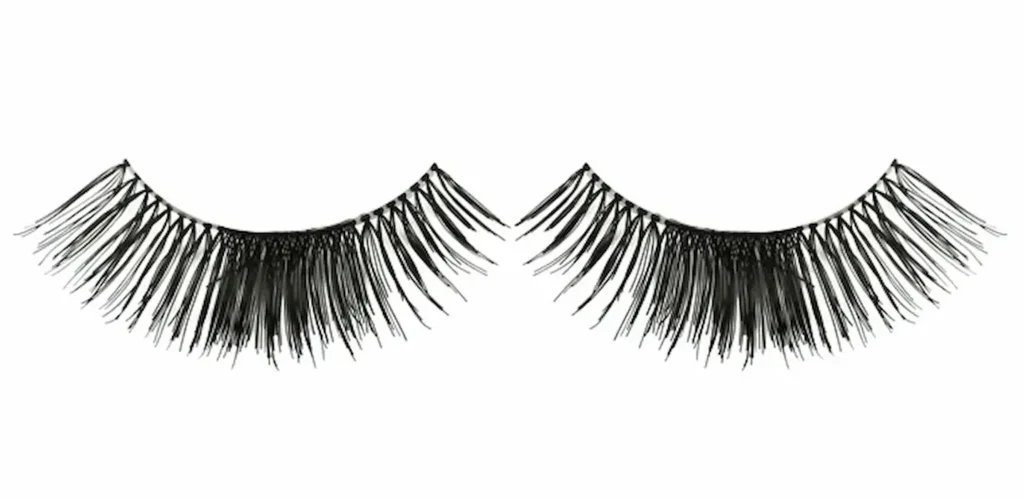
- Magnetic lashes and strip lashes are the most common choices, and selecting a natural style helps achieve a more realistic appearance without existing lashes.
- Applying false eyelashes requires a clean lash line, gentle adhesive use, and careful placement, while proper removal is essential to avoid irritation or skin damage.
- Eyelash loss from alopecia areata may be temporary or long-term, so combining cosmetic solutions with medical guidance from specialists like Dr. Kopelman can support better outcomes.
Can You Wear False Eyelashes for Alopecia
False eyelashes and alopecia solutions are widely used by people experiencing eyelash loss due to different causes. In many cases, wearing false lashes is safe when proper techniques and products are used.
The key is to protect the lash line and avoid products that may irritate sensitive skin.
Dr.Kopelman emphasizes that patients with hair loss conditions should focus on gentle application and removal. The skin around the eyes can be more reactive, especially in cases of loss from alopecia areata.
Choosing the right materials reduces the risk of discomfort or inflammation.
Is it safe for sensitive lash lines?
People with sensitive skin need to be careful when selecting lash products. Some adhesives contain ingredients that can trigger redness or itching. Using latex-free options can reduce the chance of irritation.
You should also test products before full use. Apply a small amount of lash glue on another area of skin to check for reactions. This step helps prevent issues when applying false eyelashes directly to the eye area.
Can you wear lashes without eyelashes?
Yes, you can wear eyelashes for alopecia even if you have no existing lashes. Many strip lashes are designed to sit directly on the lash line rather than attaching to natural lashes.
This makes them a practical option for people with complete eyelash hair loss.
It is important to choose lightweight lash bands that sit comfortably on the skin. Thicker bands can feel heavy and may not adhere well without natural lashes. A flexible band helps improve comfort and hold.
Best False Eyelashes for Alopecia
Choosing the right type of alopecia fake eyelashes can improve both comfort and appearance. Not all lashes are suitable for people dealing with hair loss or sensitive skin. The goal is to find options that look natural and stay secure.
Magnetic vs strip lashes
Magnetic lashes and strip lashes are the most common choices. Magnetic lashes do not require glue, which can reduce irritation for some users. However, they often need eyeliner with magnetic particles, which may not suit everyone.
Strip lashes rely on lash glue and offer more style variety. They are often easier to position along the lash line. Many people prefer strip lashes for better control and a more natural style.
Lashes for alopecia with a natural look
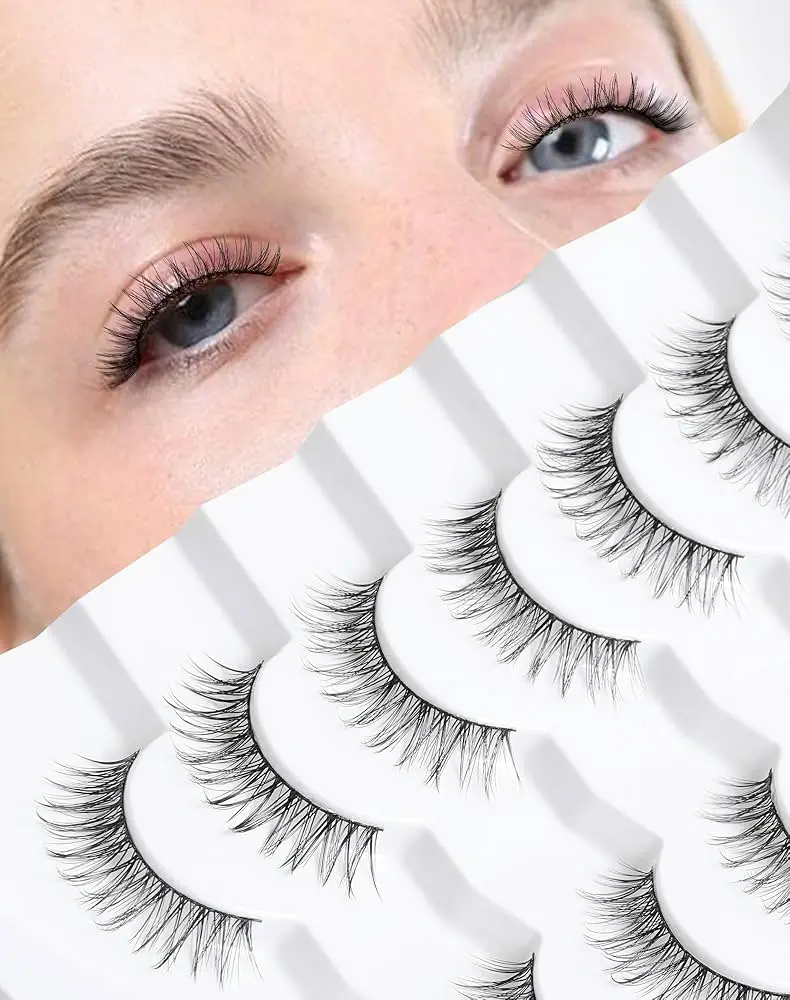
For daily use, a natural style works best. Look for lashes that mimic natural lashes in length and density. Overly thick styles may look less realistic, especially when there are no existing lashes to blend with.
You may also consider lashes designed specifically for sensitive users. These products often use softer materials and lighter bands.
They are more comfortable for extended wear or special occasion use, especially if you are also managing eyebrow thinning or similar concerns.
How to Apply and Remove False Eyelashes
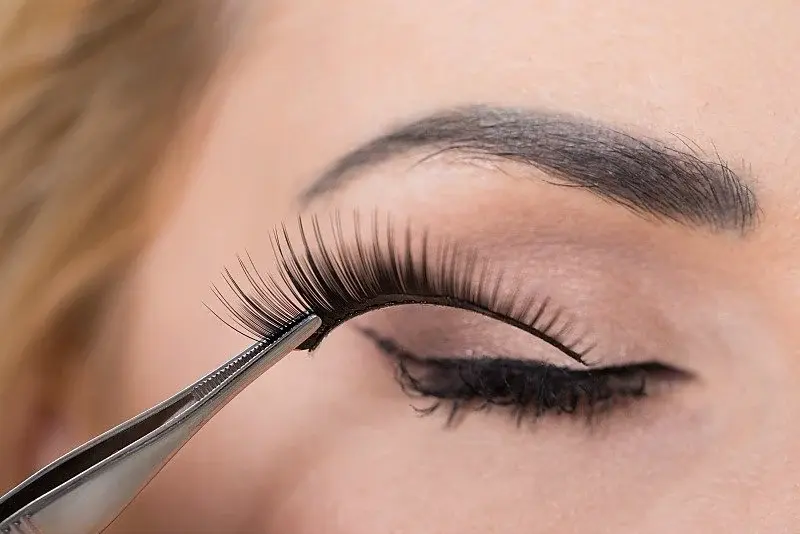
Applying false eyelashes correctly helps prevent irritation and improves their longevity. This process should be simple and gentle, especially for people with sensitive skin.
Preparing the lash line
Start with a clean and dry lash line. Remove any oils or makeup residue before applying lashes. A clean surface helps the adhesive bond better.
Avoid using heavy creams near the eye area before application. These can interfere with how well the lashes stick.
Choosing safe lash glue
Lash glue is one of the most important factors. Choose a latex-free adhesive if you have sensitive skin or a history of reactions. Some formulas are made specifically for medical or cosmetic sensitivity.
Check the ingredient list and avoid strong chemicals when possible. A gentle adhesive supports safe use over time.
Step-by-step application
Follow these steps for applying false eyelashes:
- Measure the lash strip against your eye and trim if needed
- Apply a thin layer of lash glue along the band
- Wait a few seconds for the glue to become tacky
- Place the lash along the lash line and press gently
This method helps ensure proper placement and reduces movement throughout the day.
Safe removal methods
Removing lashes carefully is just as important as applying them. Never pull lashes off quickly, as this can damage the skin. Instead, soften the adhesive first.
Use a gentle remover or warm water to loosen the glue. Then peel the lash off slowly from the outer corner. This reduces irritation and protects the lash line.
Can Alopecia Affect Eyelashes
Alopecia can affect more than scalp hair. In some cases, the immune system targets hair follicles, leading to eyelash loss. This condition is known as alopecia areata.
Why eyelash loss happens
Loss from alopecia areata occurs when the immune system attacks healthy hair follicles. This can lead to sudden or gradual eyelash loss. The extent varies from person to person.
Some individuals may lose only a few lashes, while others may experience complete loss. This can impact both appearance and eye protection, similar to broader patterns seen in hair loss due to hormones.
Do eyelashes grow back after alopecia?
Eyelashes may grow back, but the timeline is unpredictable. In some cases, regrowth happens within months. In others, it may take longer or require treatment.
Dr.Kopelman notes that hair regrowth depends on how the condition progresses. Monitoring changes and seeking guidance can help manage expectations.
Permanent Eyelashes and Alternatives
Some people look for longer-term solutions beyond false eyelashes for alopecia. These options can reduce the need for daily application.
Lash extensions
Lash extensions attach to existing lashes, so they may not be suitable for people with no natural lashes. However, those with partial hair loss can enhance volume.
A trained professional should always perform this procedure. Proper technique reduces the risk of irritation or damage.
Other long-term cosmetic options
Other options include eyeliner techniques or cosmetic tattooing. These methods can create the appearance of fuller lashes without adding physical lashes.
Each option has benefits and limitations. Choosing the right one depends on your level of hair loss and personal preference.
How to Avoid Irritation and Reactions
Preventing irritation is essential when wearing false lashes regularly. The eye area is delicate, and reactions can develop quickly if products are not suitable.
Latex-free and hypoallergenic products
Always choose latex-free adhesives and products labeled for sensitive skin. These reduce the risk of redness and discomfort. They are especially helpful for people with a history of skin reactions.
Using high-quality products also improves overall comfort. Avoid low-cost options that may contain harsh ingredients.
Signs of allergic reactions
Watch for signs such as itching, swelling, or redness. These may indicate a reaction to lash glue or materials. If symptoms appear, remove the lashes immediately.
If irritation continues, it is best to stop using the product. Seeking professional advice can help prevent further issues, especially if symptoms overlap with conditions like tingling scalp and female hair loss.
Looking for a long-term solution beyond temporary fixes? At Kopelman Hair, our team specializes in personalized hair restoration approaches designed to address conditions such as eyelash loss and hair loss with precision and care.