
Hair loss can be a distressing experience for many women, impacting not only their appearance but also their confidence. With advancements in medical technology, several hair restoration procedures have become available to help women regain their hair and self-esteem. This article delves into female hair plugs, female hair transplants, and women hair transplants, providing a comprehensive guide to help you make an informed decision.
Understanding Female Hair Plugs
Hair plugs were one of the earliest methods developed for hair restoration. This technique involves transplanting small clusters of hair follicles, known as plugs, from a donor site to the balding or thinning areas. While effective in the past, this method has largely been replaced by more advanced techniques due to its less natural-looking results. Hair plugs often resulted in a “doll-like” appearance, where the transplanted hair clusters were noticeably different from the surrounding natural hair.
The procedure for hair plugs typically involved removing small, round sections of scalp with hair from the back or sides of the head and implanting them into bald areas. These plugs were placed quite far apart initially and required multiple sessions to cover larger areas, which could take a considerable amount of time. Over the years, patients and practitioners noticed that the results were not as aesthetically pleasing, leading to the development of more refined techniques.
As the field of hair restoration advanced, techniques such as Follicular Unit Transplantation (FUT) and Follicular Unit Extraction (FUE) were developed. These methods offered a more natural appearance by transplanting individual hair follicles rather than larger plugs. This evolution marked a significant improvement in the quality of hair restoration, leading to higher patient satisfaction and better cosmetic outcomes.
Advancements in Female Hair Transplants
Modern female hair transplants have evolved significantly from the early hair plug techniques. Today’s hair transplants are designed to create a natural and seamless appearance. The two most common methods are Follicular Unit Transplantation (FUT) and Follicular Unit Extraction (FUE).
Follicular Unit Transplantation (FUT): This method involves removing a strip of scalp from the donor area, typically the back of the head, where hair is more resistant to thinning. The strip is then dissected into individual follicular units and transplanted to the thinning or balding areas. FUT is often preferred for patients requiring a large number of grafts, as it allows for the transplantation of a substantial number of hair follicles in a single session.
FUT is particularly advantageous for those with extensive hair loss, as it enables the surgeon to harvest a large number of grafts efficiently. This method also tends to be more cost-effective for larger procedures. However, it does result in a linear scar at the donor site, which can be concealed by surrounding hair.
Follicular Unit Extraction (FUE): FUE involves extracting individual hair follicles directly from the donor area using a specialized punch tool. These follicles are then transplanted to the recipient area. FUE is a minimally invasive procedure, resulting in less scarring and a quicker recovery time compared to FUT. It is ideal for patients who prefer a less invasive option and those who need fewer grafts.
FUE’s primary advantage is the absence of a linear scar, making it suitable for patients who prefer shorter hairstyles. The individual extraction of follicles also allows for a more targeted approach, which can be beneficial for specific areas of thinning. However, FUE can be more time-consuming and may require multiple sessions for extensive hair restoration.
Both FUT and FUE have their advantages and are chosen based on the patient’s specific needs and the surgeon’s recommendation. FUT is often more suitable for extensive hair loss cases, while FUE is preferred for those who seek a quicker recovery and are concerned about scarring.
Types of Female Hair Loss
Understanding the type of hair loss is crucial in determining the appropriate treatment. Here are some common types of hair loss affecting women:
Female Pattern Hair Loss (FPHL): Also known as androgenetic alopecia, FPHL affects around 50% of women at some point in their lives. It typically involves gradual thinning of hair on the top of the scalp, particularly around the crown and hairline, widening of the part, and reduced hair density overall. The cause is linked to dihydrotestosterone (DHT), a hormone that shrinks hair follicles over time.
FPHL is characterized by a progressive miniaturization of hair follicles, leading to shorter, finer hairs. Unlike male pattern baldness, which often results in distinct bald spots, FPHL usually causes a diffuse thinning, making it less noticeable initially but just as distressing over time. This type of hair loss is hereditary and can be exacerbated by hormonal changes, especially during menopause.
Telogen Effluvium: This is a temporary hair loss triggered by stress, illness, pregnancy, childbirth, or certain medications. It involves widespread thinning across the scalp and is usually reversible once the underlying cause is addressed.
Telogen effluvium occurs when a significant number of hair follicles enter the resting (telogen) phase simultaneously, resulting in increased shedding and noticeable thinning. This condition can be particularly alarming due to the sudden and diffuse nature of the hair loss, but it often resolves on its own once the triggering factor is managed.
Traction Alopecia: This type of hair loss is caused by excessive pulling or tension on the hair, often due to tight hairstyles or hair extensions. If caught early, this type of hair loss can be reversed by changing hair care practices and avoiding tight hairstyles.
Traction alopecia typically affects areas where the hair is pulled tight, such as the hairline and temples. Early intervention is crucial to prevent permanent damage to the hair follicles. Opting for looser hairstyles and minimizing the use of hair extensions can help alleviate this condition.
Alopecia Areata: An autoimmune condition that causes hair loss in round patches on the scalp and other areas of the body. The severity can vary greatly, with some individuals experiencing complete hair loss and others having only small patches.
Alopecia areata results from the immune system attacking hair follicles, leading to patchy hair loss. This condition can be unpredictable, with hair regrowth occurring spontaneously in some cases while others may experience persistent hair loss. Treatments focus on suppressing the immune response and promoting hair regrowth.
Scarring Alopecia: Hair loss resulting from damage to the hair follicles due to burns, infections, or certain medical treatments. This type of hair loss is permanent as the hair follicles are destroyed and replaced with scar tissue.
Scarring alopecia, also known as cicatricial alopecia, can result from various inflammatory conditions or physical trauma to the scalp. The destruction of hair follicles leads to permanent hair loss, and treatment typically involves managing the underlying condition to prevent further scarring and loss.
Early Signs of Female Hair Loss
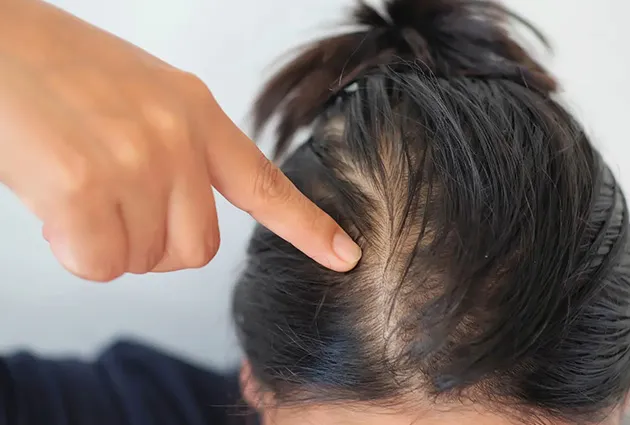
Hair loss in women is often more subtle than in men. Early signs include a widening hair part, decreased hair volume, and a smaller ponytail. Increased hair shedding during brushing or washing is another common indicator. Unlike men, who may notice bald spots, women’s hair loss is generally more uniform across the scalp.
Recognizing these early signs is crucial for timely intervention. Women often notice these changes while styling their hair or when the overall density appears to diminish. Prompt recognition and intervention are key to effectively managing and treating hair loss in women. Seeking advice from a hair restoration specialist at the first sign of trouble can lead to better outcomes and more hair preservation.
Other early indicators might include noticing more hair on your pillow in the morning, increased hair in the shower drain, or hair strands coming out more easily when brushing. These signs often prompt women to seek professional advice sooner, which is beneficial for early treatment and better results.
Hair Transplant Techniques for Women
There are two main hair transplant techniques for women: Follicular Unit Extraction (FUE) and Follicular Unit Transplantation (FUT).
FUE (Follicular Unit Extraction): This method involves individually extracting hair follicles from the donor area using a specialized punch device. These grafts are then transplanted into the recipient sites. FUE typically allows for a faster recovery, minimal discomfort, and avoids a linear scar. However, it results in small, dot-like scars in the donor area, which are usually hidden by the surrounding hair.
FUE’s primary advantage is the absence of a linear scar, making it suitable for patients who prefer shorter hairstyles. The individual extraction of follicles also allows for a more targeted approach, which can be beneficial for specific areas of thinning. However, FUE can be more time-consuming and may require multiple sessions for extensive hair restoration.
FUT (Follicular Unit Transplantation): In this method, an elliptical strip of scalp tissue is removed from the donor area. The strip is then dissected into individual follicular units and transplanted into the thinning or balding areas. FUT is generally more invasive compared to FUE but enables the transplantation of a large number of grafts in one session, making it a cost-effective choice for extensive hair loss.
Each technique has its benefits, and the choice between them often depends on the patient’s specific situation and the surgeon’s expertise. FUE is often preferred by women who wish to avoid a linear scar and have shorter recovery times, while FUT is chosen for its ability to cover larger areas effectively.
In addition to these techniques, advancements in hair restoration have led to the development of combination approaches, where both FUE and FUT methods are used to optimize results. Such approaches allow for maximum graft harvesting while minimizing scarring and recovery time.
Female Hair Transplant Aftercare and Recovery
The recovery phase is critical for the success of the transplant. Post-operative care involves following detailed instructions from the surgeon, including:
Immediate Care: The scalp may be tender, and patients might experience some discomfort, swelling, or bruising. Pain medications and antibiotics are typically prescribed to prevent infection and manage discomfort.
After the surgery, it is essential to keep the scalp clean and follow the surgeon’s instructions on washing and caring for the transplanted area. Avoiding direct sunlight and refraining from scratching or picking at the scalp are crucial to prevent infection and ensure proper healing.
Activity Restrictions: Patients should avoid physical exertion or heavy lifting for at least a week to prevent increased blood flow to the scalp, which could dislodge the newly transplanted grafts.
Physical activities that cause sweating or exertion should be minimized to reduce the risk of damaging the grafts. Gentle activities and plenty of rest will support the healing process. Patients should also avoid swimming pools, hot tubs, and saunas during the initial recovery period.
Long-term Care: Most patients show noticeable results six months after their procedure, but the full results can take up to a year. During this period, the hair will grow progressively, and the final density and texture will become more evident. Continuous care and follow-up visits with the surgeon are essential to monitor progress and address any concerns.
Long-term care includes maintaining a healthy scalp and following a proper hair care routine. Regular check-ups with the hair restoration specialist will help track progress and manage any potential issues. Patients should also adhere to any additional treatments recommended by their surgeon to enhance the longevity of their results.
Who is the Ideal Candidate for a Female Hair Transplant?
Most women are good candidates for the procedure because they generally have mild to moderate thinning in a distinct pattern, an intact hairline, and adequate, stable donor hair in the back of the head. Ideal candidates often have thinning at the hairline or top of the scalp. Beyond those suffering from androgenetic alopecia, female hair transplants also work well for women who have lost hair due to traction alopecia, trauma, accidents, or plastic surgery.
Women with stable donor hair and realistic expectations about the results are typically the best candidates. Consulting with a hair restoration specialist can help determine the suitability of the procedure based on individual needs and goals.
Candidates should have a thorough medical evaluation to rule out underlying health issues that might affect hair growth. Understanding the potential outcomes and having realistic expectations are crucial for patient satisfaction. The specialist will also assess the donor area’s health and density to ensure sufficient hair availability for transplantation.
Preparing for a Female Hair Transplant
Preparing for a female hair transplant involves several steps to ensure the best possible outcome. Avoid washing your hair on the day of the procedure. If you have gray hair, dye it several days before the surgery to help the surgeon see the hairs clearly. Discuss any medications or supplements you are taking with your surgeon, as some may need to be paused before the procedure.
Pre-Procedure Tips: Maintain a healthy diet and avoid smoking or alcohol consumption leading up to the surgery. These steps can promote better healing and more successful graft acceptance. Arrive at the clinic well-rested and prepared for the procedure.
Patients should follow their surgeon’s instructions closely, including any dietary restrictions or medication adjustments. Staying hydrated and ensuring adequate nutrition can support the body’s healing process. It’s also beneficial to arrange for someone to drive you home after the procedure and assist with post-operative care.
The Procedure for a Female Hair Transplant
Female hair transplant surgery involves removing hair follicles from the donor area in the back of the head and transplanting them to the recipient area in the hairline and top of the head. The harvesting can be done using either strip harvesting or follicular unit extraction (FUE). Both techniques involve making tiny incisions in the recipient area and placing grafts containing new hair follicles into these incisions.
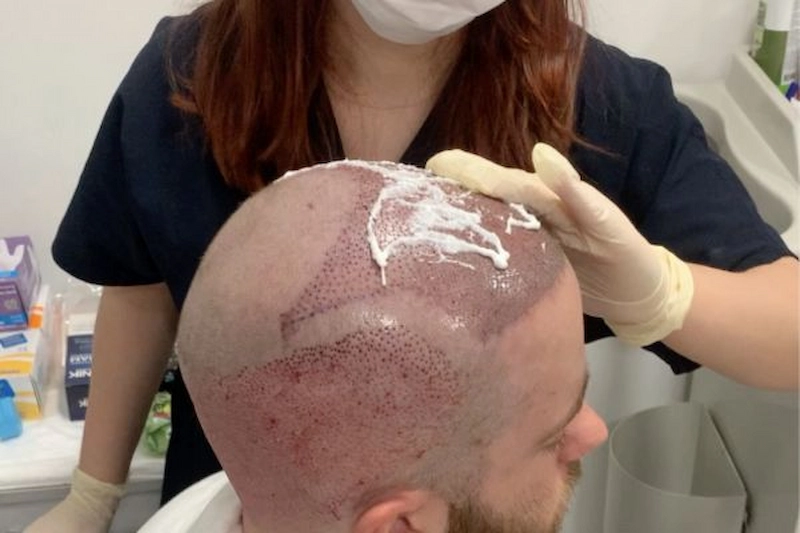
Surgical Process: The procedure typically takes several hours, depending on the number of grafts needed. Patients are usually given local anesthesia to minimize discomfort. The surgeon and their team meticulously place each graft to ensure a natural look and optimal hair growth.
During the surgery, the surgeon carefully plans the placement of each graft to match the natural hair growth pattern. This meticulous approach ensures that the transplanted hair blends seamlessly with the existing hair. The surgical team works efficiently to minimize the time the follicles spend outside the body, which is crucial for their survival and successful integration.
Post-Transplant Recovery and Results
Women may prefer the FUE technique for minimal pain and discomfort after the procedure. FUE also avoids the linear scar associated with the strip procedure. After the transplant, follow your surgeon’s instructions for post-operative care to ensure the best possible results. Scabs or crusts will form on the new grafts and should be soaked off gently. Swelling, aching, and tightness may occur but are temporary.
Long-term Care: Within the first two to three weeks, the transplanted hair will fall out—a normal part of the hair growth cycle known as “shock loss.” New growth usually begins after three to four months. Most patients see significant improvement in hair density and texture within six to twelve months.
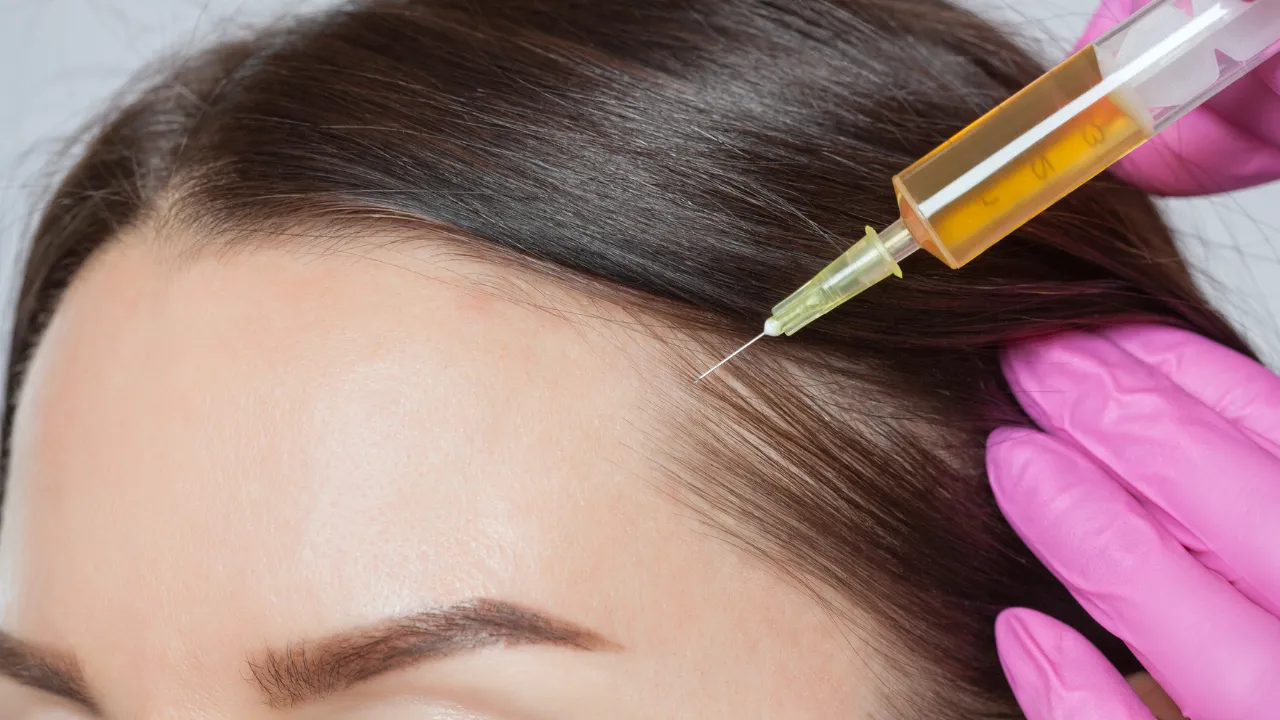
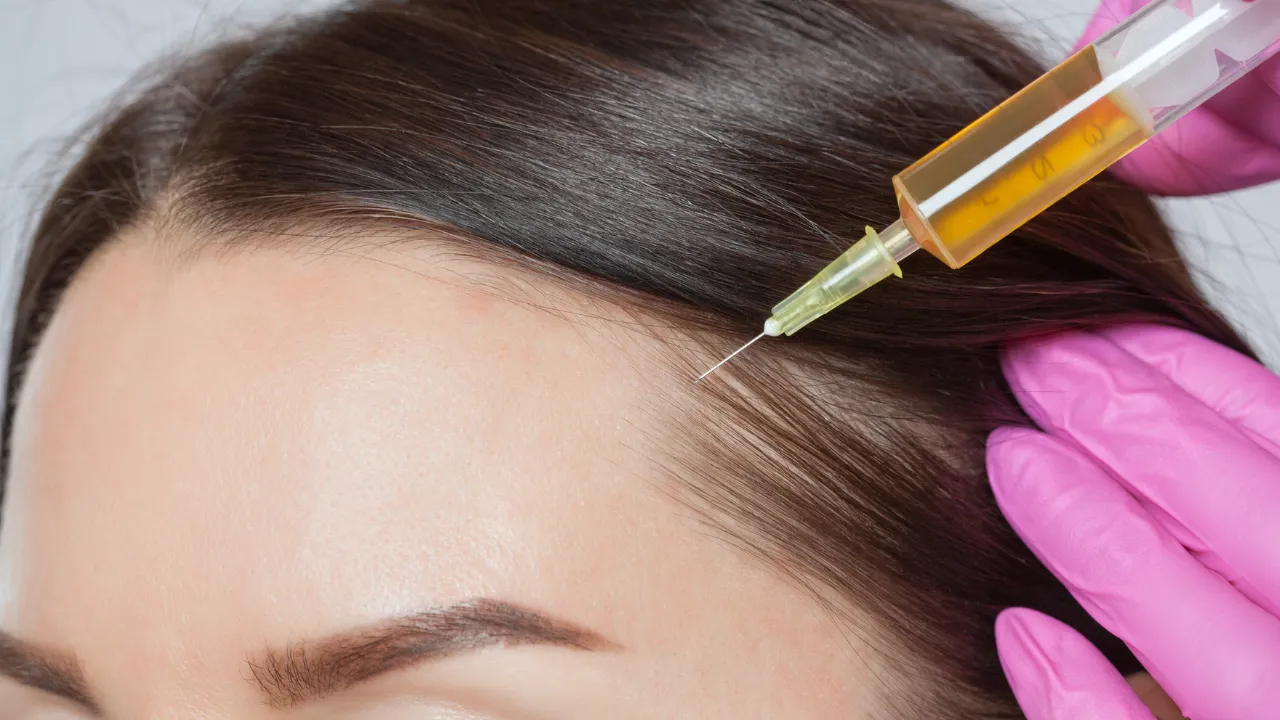
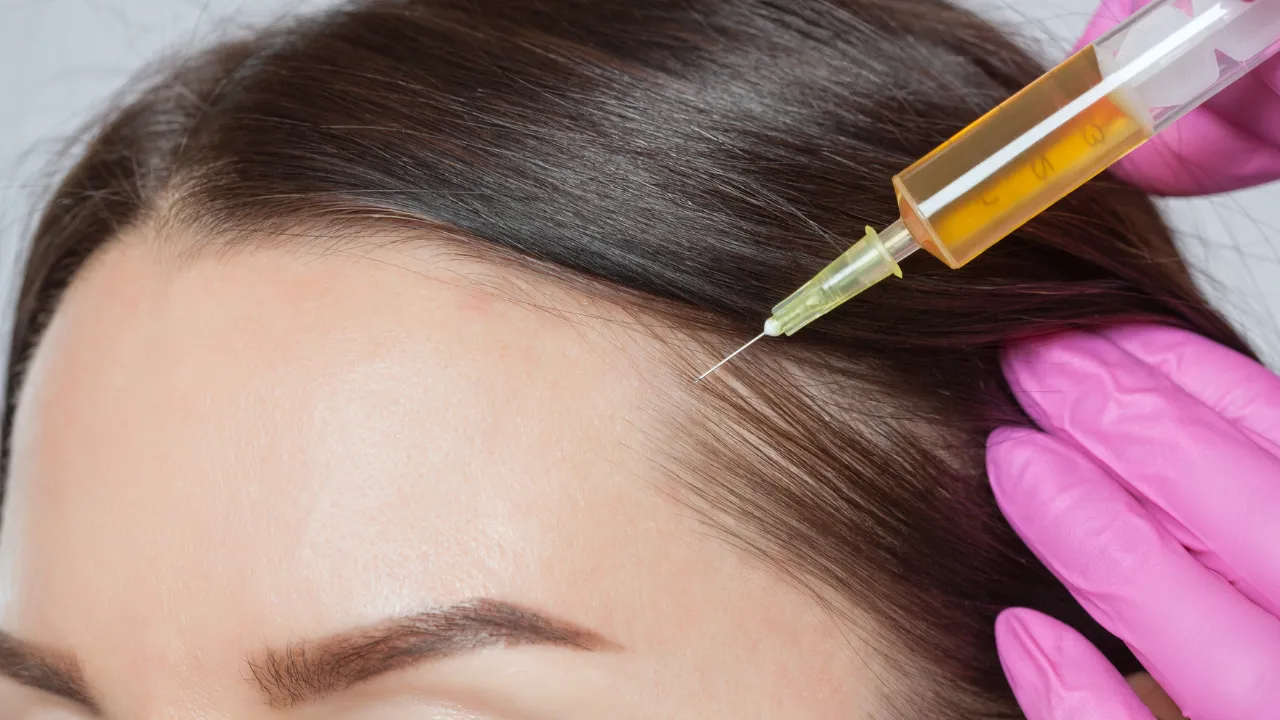
The post-transplant period is critical for the success of the procedure. Patients should avoid direct sun exposure and protect their scalp from environmental factors. Gentle hair care practices, such as using mild shampoos and avoiding heat styling, will support healthy hair growth. The surgeon may recommend additional treatments, such as low-level laser therapy or PRP therapy for hair loss, to enhance results.
How Long Do Female Hair Transplant Results Last?
When you have hair transplanted to thinning areas, the hair will generally continue to grow for the rest of your life. The transplanted hairs will start to take on a natural appearance within about six months post-op. Full results can take up to a year to become evident, and the hair will continue to grow naturally thereafter.
Longevity of Results: While transplanted hair typically lasts a lifetime, it is essential to maintain overall scalp health and follow any additional treatments recommended by the surgeon. Periodic check-ups can help ensure the continued success of the transplant.
Patients should be aware that while the transplanted hair is permanent, the natural aging process and hormonal changes can still affect the overall hair density. Maintaining a healthy lifestyle, managing stress, and adhering to the surgeon’s post-operative care instructions are vital for preserving the results.
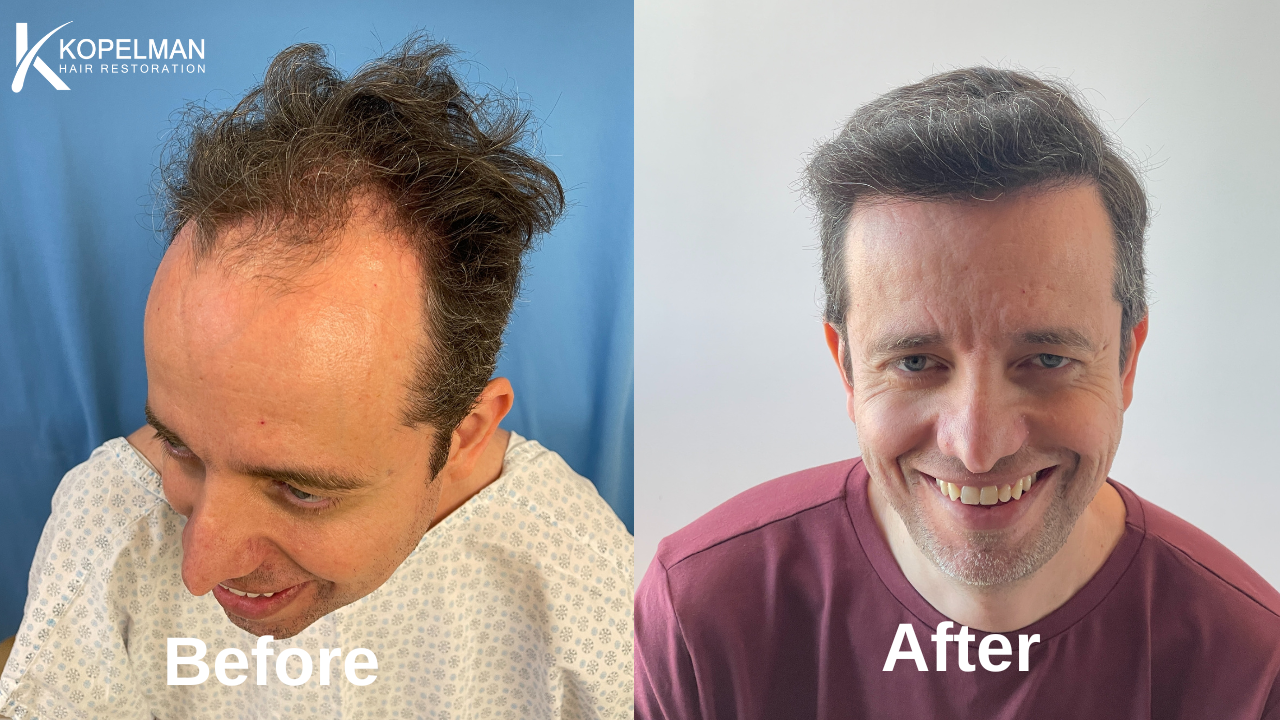
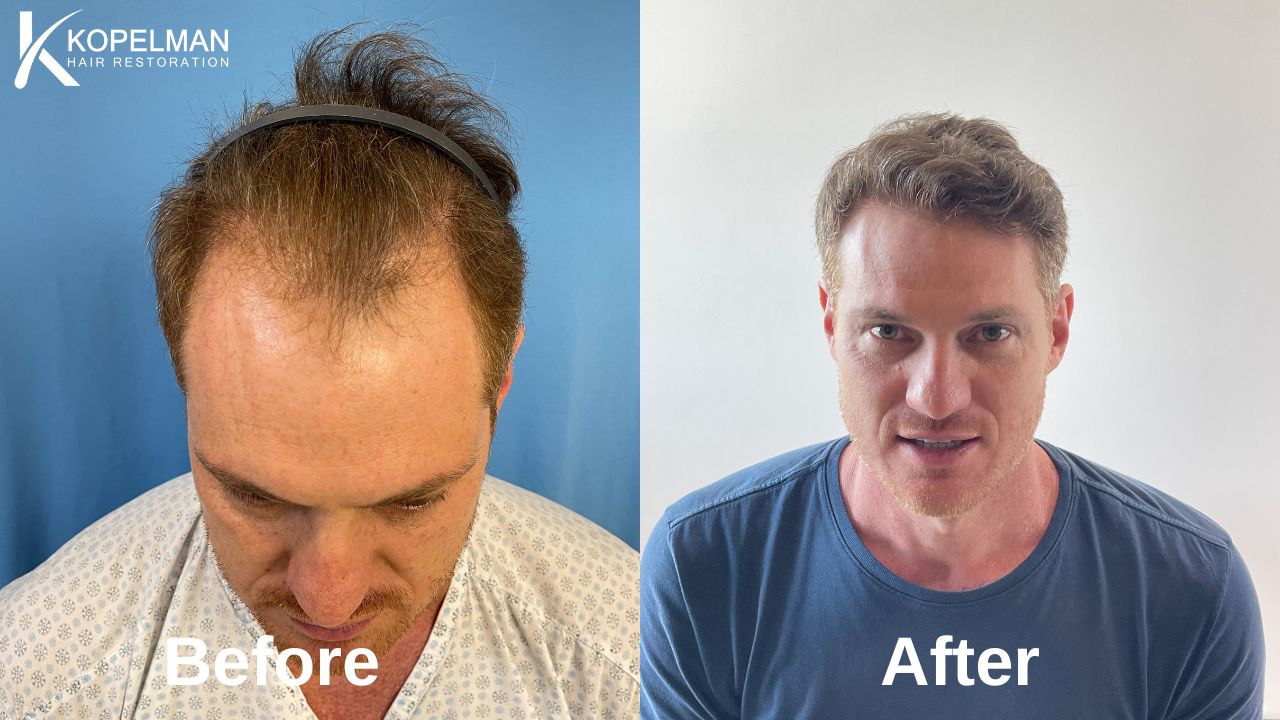
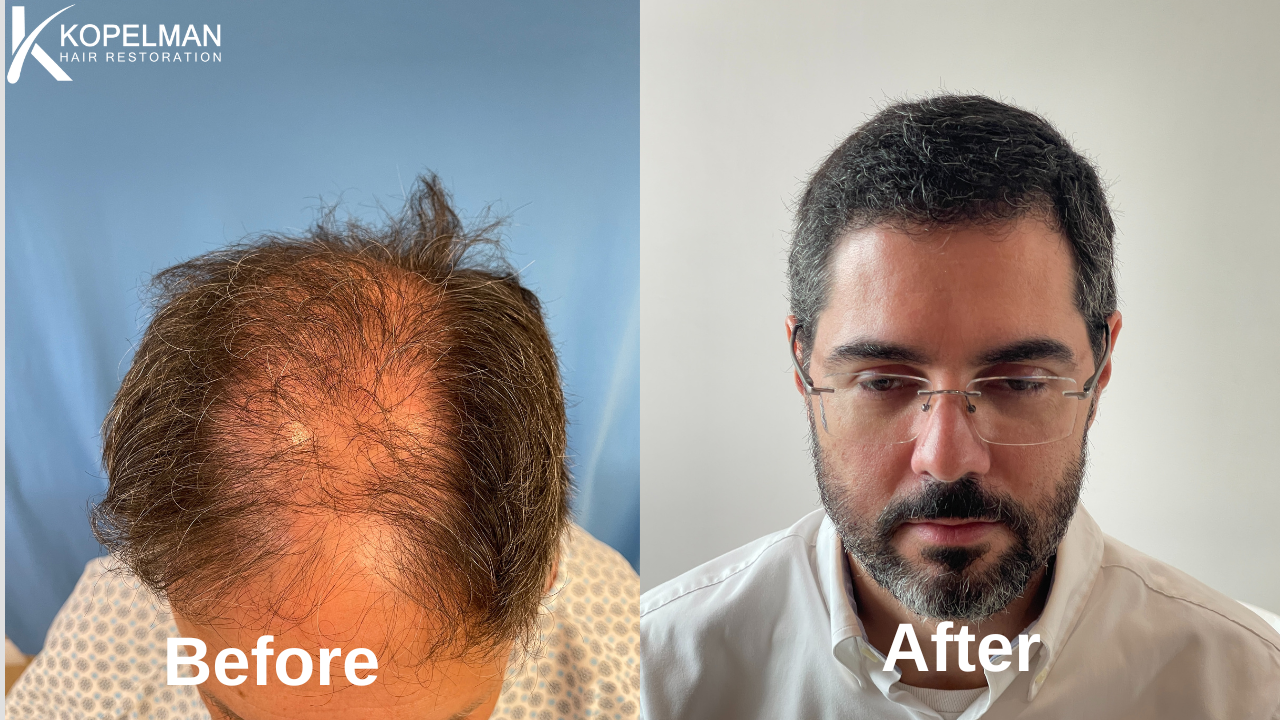
Female hair plugs, while an early method of hair restoration, have largely been replaced by more advanced and natural-looking techniques such as FUT and FUE. Modern female hair transplants are tailored to address the unique patterns of hair loss in women, providing a more natural and seamless appearance, as shown in our female hair transplant before and after gallery.
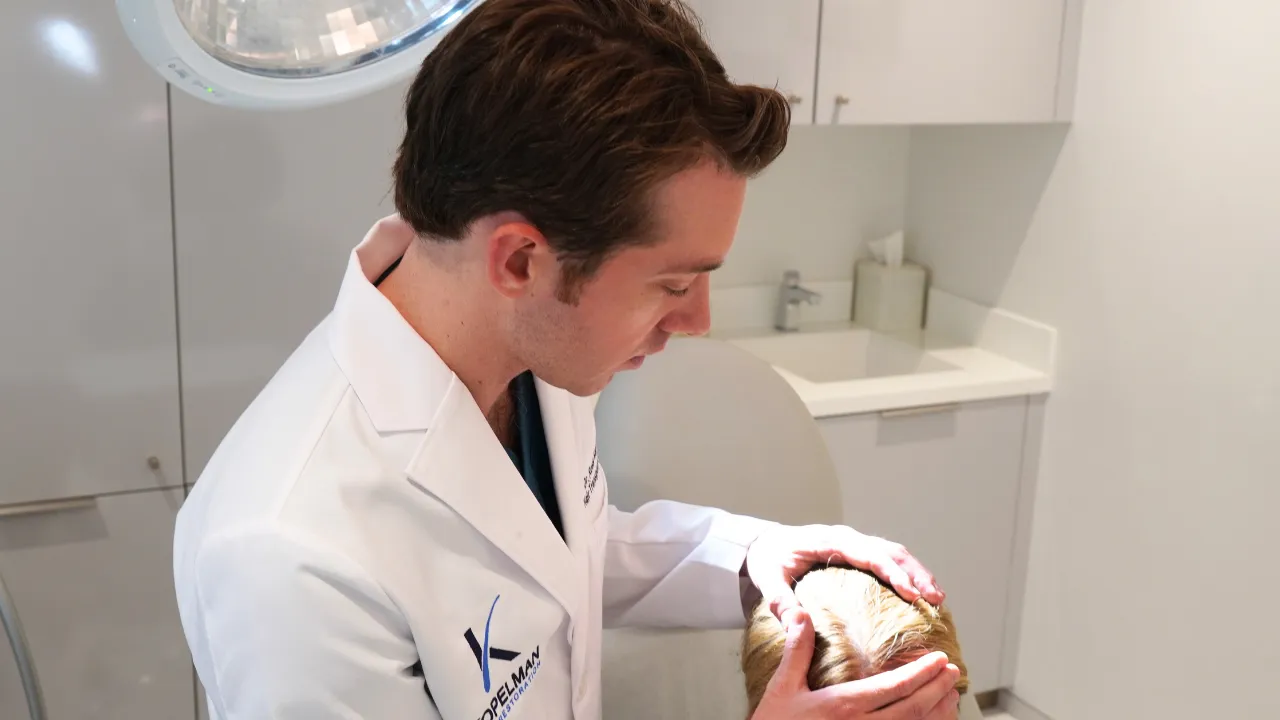
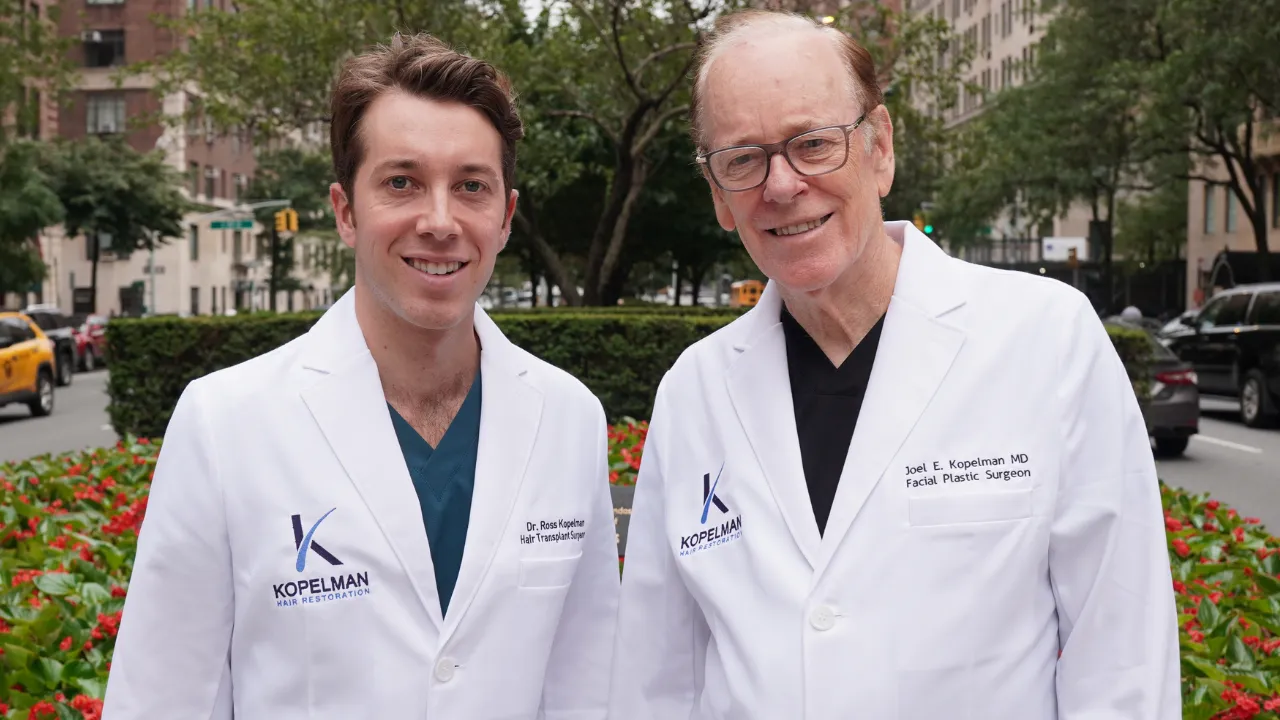
By understanding the available options and consulting with a qualified hair restoration specialist, women can make informed decisions and achieve the best possible outcomes in their hair restoration journey. For more detailed information and to schedule a consultation, visit kopelmanhair.com or visit Dr. Kopelman’s offices in New York City or South Florida.