Does Metformin Cause Hair Loss? Research and Risks

I hope you’re enjoying reading this blog post if you want a consultation with Dr. Kopelman, click here.

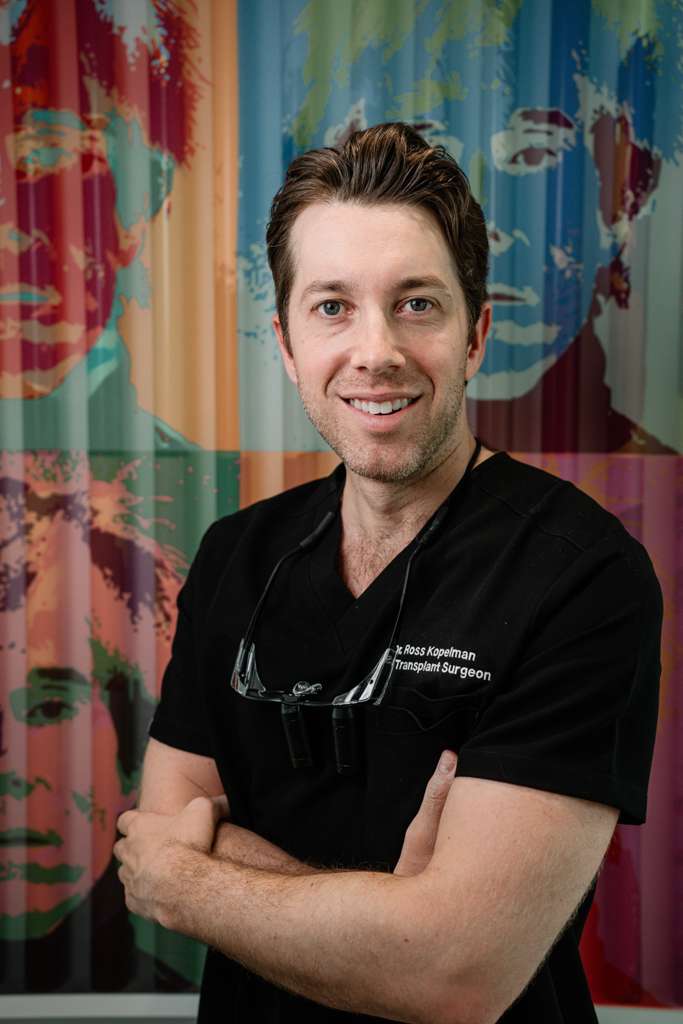
Dr. Ross Kopelman

December 30, 2024  ⁃  10 Min read

Metformin is not a common direct cause of shedding, though it can play an indirect role in some cases. Hair loss is not listed as a recognized side effect in the medication's FDA prescribing information, and decades of clinical use have not established a direct link. When thinning does appear, it is usually tied to long-term vitamin B12 depletion or to the underlying condition being treated, such as diabetes or hormonal imbalance.

In fact, the drug may support healthier strands in people with conditions such as Polycystic Ovary Syndrome (PCOS) by helping regulate insulin and androgen levels. That can ease the thinning linked to hormonal imbalance. Monitoring nutrient levels and treating the root cause are the keys to protecting your hair while taking it.

This article explains whether the medication contributes to thinning, why it might happen, and how to manage it. We will also answer common questions and share practical steps for keeping your hair healthy during treatment.

Understanding Metformin and Its Effects on Hair

What is Metformin and How Does it Work?

Metformin is a pill that helps lower blood sugar. It works by making your body more sensitive to insulin and reducing the amount of glucose your liver produces. Doctors most often prescribe it for type 2 diabetes.

They also use it for polycystic ovary syndrome (PCOS), where it can help balance hormone levels.

Common Side Effects of Metformin

The most frequent side effects are gastrointestinal, including nausea, diarrhea, and abdominal discomfort. With long-term use, the medication can also lower vitamin B12 levels, which may cause fatigue, nerve symptoms, and thinning hair.

In some people, shedding appears as a secondary effect of these nutrient gaps rather than as a direct action of the drug on the follicle.

Does Metformin Cause Hair Thinning or Loss?

The medication is not directly linked to shedding. Still, a few factors connected to its use can trigger thinning, mainly vitamin B12 deficiency and the hormonal shifts seen in patients with PCOS.

Underlying conditions like insulin resistance or alopecia areata can also be mistaken for a drug side effect. Addressing the real driver usually resolves the issue. The table below can help you tell these apart at a glance.

Is It the Medication or Something Else? Common Shedding Patterns
Possible cause Typical pattern and timing What tends to help
Vitamin B12 depletion Gradual, all-over thinning after long-term use, often with fatigue or tingling B12 testing and supplementation as advised by a provider
PCOS hormonal imbalance Thinning at the crown and part line, sometimes with excess facial hair or acne Hormone management; the medication itself may ease this over time
Insulin resistance or high blood sugar Diffuse shedding linked to poorly controlled diabetes Better glucose control through treatment, diet, and exercise
Alopecia areata Sudden round or patchy bald spots, unrelated to the drug Prompt dermatology evaluation
Stress or recent dose increase Temporary shedding a few months after a trigger or higher dose Stress management; usually self-resolves as the body adjusts

Don’t Forget to Explore Other Possible Causes of Hair Loss

-> Does Mounjaro Cause Hair Loss?

-> Does adderall cause hair loss?

->Can hair gel cause hair loss?

->Does dandruff cause hair loss?

-> Does wearing a hat cause hair loss?

-> Can Losartan Cause Hair Loss?

-> Can Birth Control Cause Hair Loss?

Hair Loss and Metformin: Key Questions Answered

Can Metformin Make Your Hair Fall Out?

So, does metformin directly cause hair loss? In most cases, no. What can happen over time is a nutrient gap, particularly low vitamin B12, and that deficiency is the part that may contribute to shedding.

Keeping your B12 and other key nutrients within healthy ranges is the best way to protect your follicles while you stay on treatment.

Does Metformin Cause Hair Loss in Women?

This is the most searched version of the question, and the honest answer has a few layers. Clinical studies have not shown that the drug directly damages follicles in women. More often, the thinning traces back to PCOS itself, where elevated androgens shrink hair at the crown and part line, or to the B12 depletion that can follow long-term use.
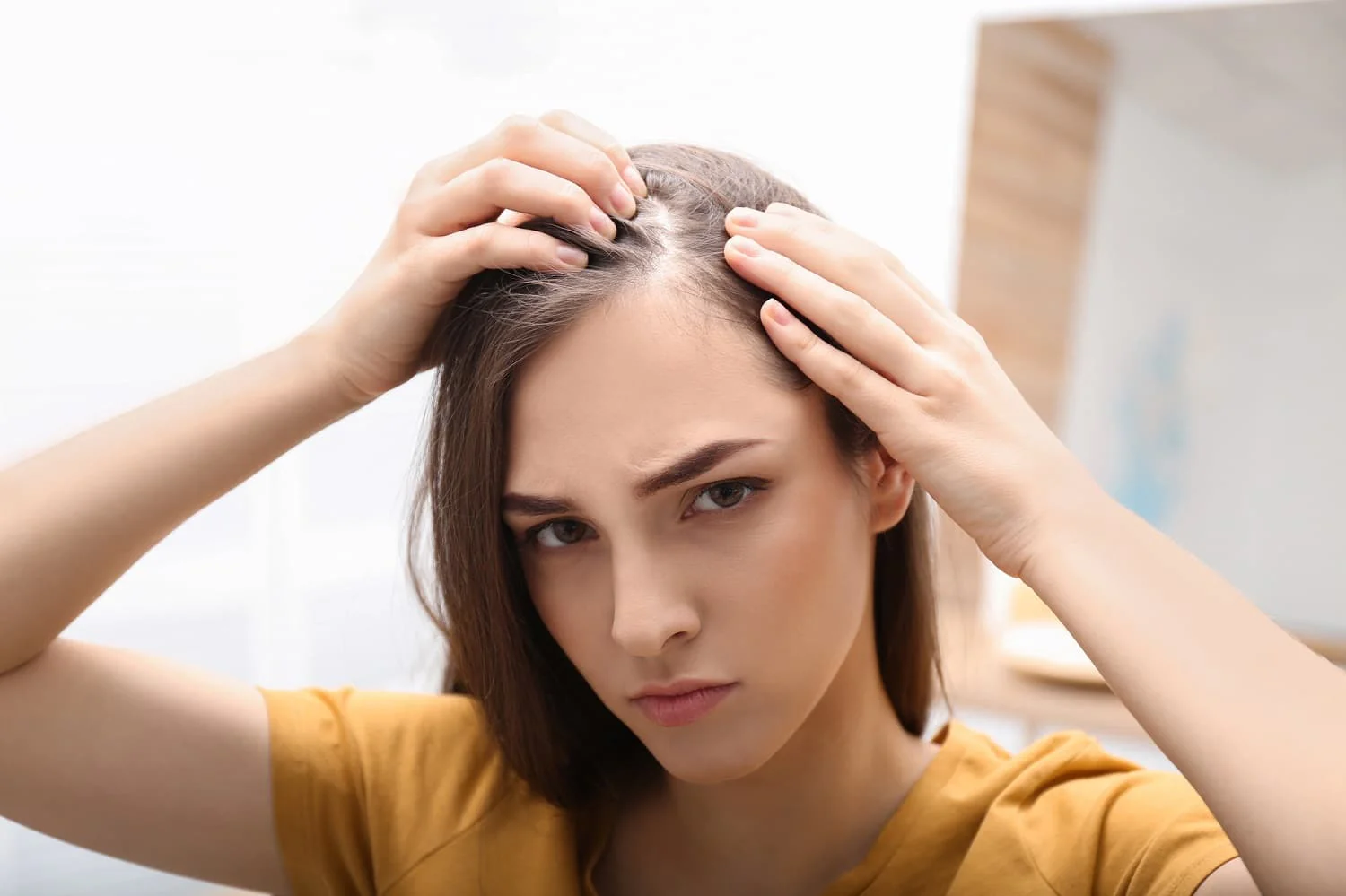
Many women still describe a real pattern: shedding that begins a few months after starting, sometimes becoming more noticeable after a dose increase. 

Their experience is valid even though large trials have not established the medication as the cause, because individual responses can differ from study averages. If your doctor has been dismissive, it is reasonable to ask for a B12, ferritin, and thyroid panel to rule out correctable causes.

For women using it specifically for PCOS, the relationship can run the other way. A 2016 randomized clinical trial found that treatment reduced PCOS-related shedding, since easing the hormonal imbalance also eases the hair fall it drives. 

So for some women, the same drug that worries them may be quietly helping.

Metformin Hair Thinning: What You Need to Know

In most situations, treatment-related thinning can be reversed with the right management. Correcting nutrient gaps and eating a balanced diet can meaningfully slow shedding and support healthier growth over time.

Will Metformin Cause Hair Thinning at 500 mg?

At a starting dose of 500 mg, the chance of thinning is low. The risk tends to rise with prolonged use and when deficiencies like low B12 go unaddressed. 

Some people also notice more shedding after stepping up to higher doses, so supplementing as advised and rechecking bloodwork can prevent problems early.

Managing Hair Loss While Taking Metformin

How to Stop Hair Loss with Metformin?

To protect your hair while staying on treatment:

  • Have your vitamin B12 checked on a regular schedule.
  • Supplement with B12 if your doctor recommends it.
  • Eat a balanced diet rich in iron, zinc, and biotin.
  • See a provider if you notice significant thinning.
  • Use periodic blood tests to track nutrient levels and overall health.

Never stop the medication on your own, since doing so can affect your blood sugar control. Adjust only with medical guidance.

What Nutrients Help Combat Metformin Side Effects?

Several nutrients support stronger strands and help offset the medication’s effects:

  • Vitamin B12: Important for healthy follicles and overall well-being.
  • Iron: Helps prevent anemia, a common driver of shedding.
  • Biotin: Supports growth and strand strength.
  • Zinc: Aids the immune system and follicle health.
  • Vitamin D: Helps maintain healthy hair and reduce shedding.

If your goal is fuller, thicker strands, focusing on B12, iron, and hormone balance gives you the right foundation.

Does Hair Grow Back After Metformin Use?

Shedding caused by nutrient gaps or hormonal shifts is often reversible. With proper treatment and supplementation, regrowth usually resumes within a few months, though some people find it takes closer to a year for density to fully return.

Consistent nutrient management and treating any underlying condition are what keep that recovery on track.

Alternatives for Managing Metformin Side Effects

If side effects persist, you and your provider might consider:

  • Switching to extended-release metformin for fewer gastrointestinal symptoms.
  • Exploring other diabetes medications.
  • Adding lifestyle changes such as a lower-carb diet, regular exercise, and weight management can help improve blood glucose levels naturally.
  • Reviewing newer type 2 diabetes treatments that may suit your needs better.

Other Factors Linking Metformin to Hair Loss

How Does B12 Deficiency Impact Hair Loss with Metformin?
Vitamin B12 supports the cells that build healthy follicles, so a shortfall can leave strands weak and prone to shedding. According to research summarized by the National Institute of Diabetes and Digestive and Kidney Diseases, the medication can reduce the gut’s ability to absorb B12, which is why supplementation is often needed. 


A 2016 study similarly found that long-term use raises the risk of B12 deficiency and anemia, both of which can contribute to thinning.

Regular monitoring and small dietary adjustments usually keep this side effect in check.

Metformin Hair Loss Recovery: What to Expect

Recovery timelines vary from person to person. Most people see improvement within a few months of correcting the underlying cause and restoring nutrient levels, while others need closer to a year for full density.

Hair growth supplements and a nutrient-rich diet can help speed things along.

Does Metformin Promote Thicker Hair or Regrowth?

On its own, the drug does not regrow hair for everyone. But by treating conditions like PCOS and improving insulin resistance, it can create a healthier environment for growth. 

Interest in metformin and hair growth is also rising in research: an early 2021 in vitro study suggested it may promote follicle regeneration, and dermatologists are studying topical formulations for certain scarring alopecias. 

These findings are promising but still early, so they are not yet standard treatment.
When Might a Doctor Adjust or Stop Metformin?

Metformin remains a first-line treatment for type 2 diabetes, so doctors rarely discontinue it without reason. A provider may lower the dose or switch medications if someone has severe gastrointestinal side effects, a significant B12 deficiency, or kidney concerns that make another option safer.

Any change should be made with a clinician, never on your own.

The two most common are stomach issues, such as nausea and diarrhea, and low vitamin B12. A B12 deficiency can lead to fatigue and, in some cases, thinning of hair strands. Managing both through diet, supplements, and routine monitoring supports long-term health.

Compared with some diabetes drugs that directly affect hormone levels, metformin is less likely to be linked to shedding. Its main concern is nutrient depletion associated with long-term use, which is manageable with proactive care. 


Talk with your provider to find the medication that best fits your needs.

FAQs on Metformin and Hair Health

Final Thoughts on Hair Loss and Metformin

If you are worried about thinning while taking this medication, there are many ways to protect and strengthen your hair. A healthy diet, the right supplements, and good hormone management all help. For more advanced solutions, consider a hair transplant with Dr. Kopelman.

Dr. Kopelman is a trusted expert in helping patients restore their hair. He works with people who experience shedding for many reasons, including medication-related causes.


If you have been asking whether the medication is behind your shedding, or you need help managing it, Dr. Kopelman’s specialized treatments can help you regain confidence and a fuller head of hair.

About the doctor

Dr. Ross Kopelman

Hair Restoration Surgeon

Dr. Ross Kopelman is a hair restoration surgeon focused on the medical and surgical treatment of hair loss, with expertise in advanced FUE hair transplantation, natural hairline design, and regenerative therapies that support healthier hair growth. He is known for combining surgical precision with an artistic approach to deliver natural, undetectable results tailored to each patient. Dr. Kopelman sees patients in New York City and Palm Beach, Florida, and also offers virtual consultations for patients across the United States and internationally.
Follow the specialist:

Ready to Restore Your Hair?

Dr. Ross Kopelman offers personalized consultations for hair transplants and hair restoration in New York, New Jersey, and Palm Beach.

In this Article

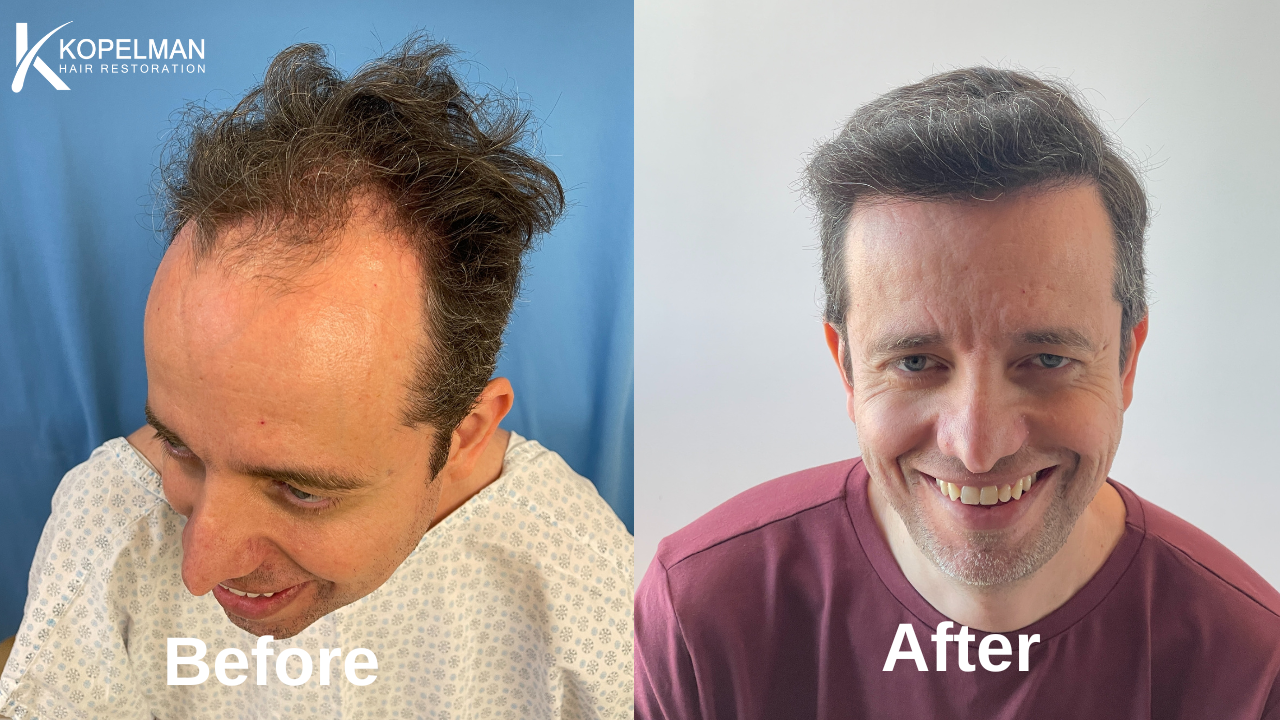
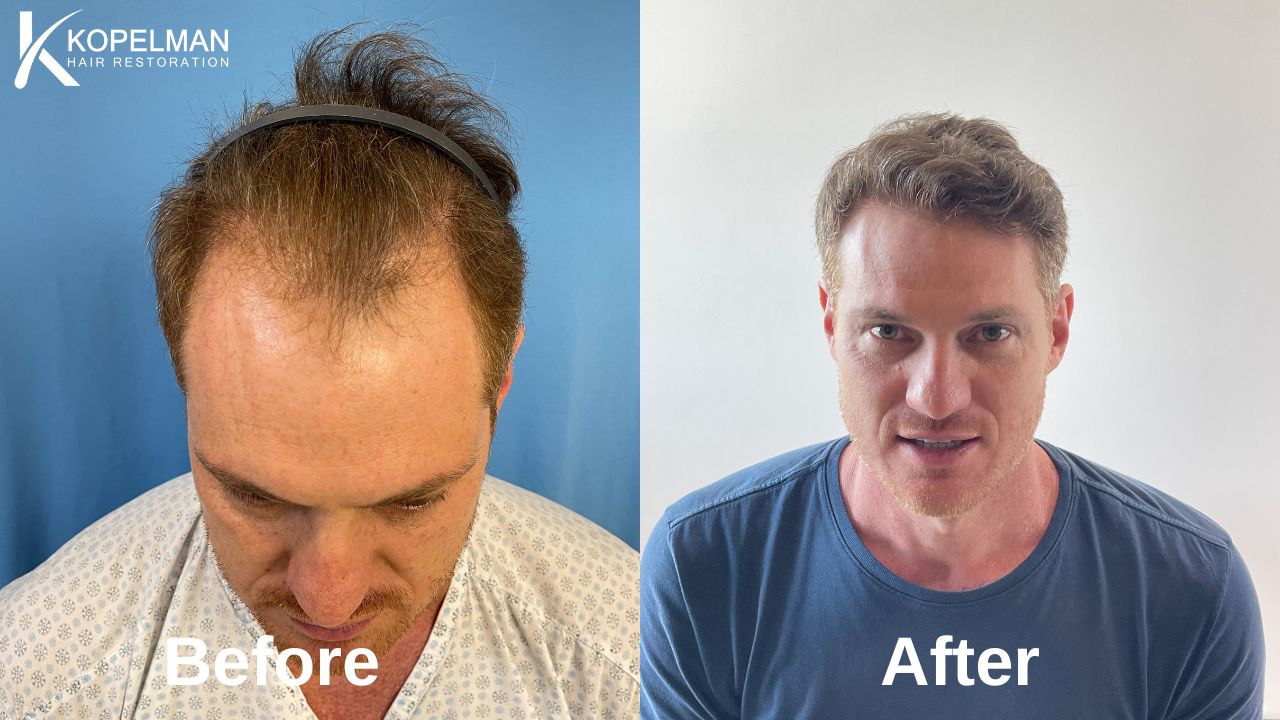
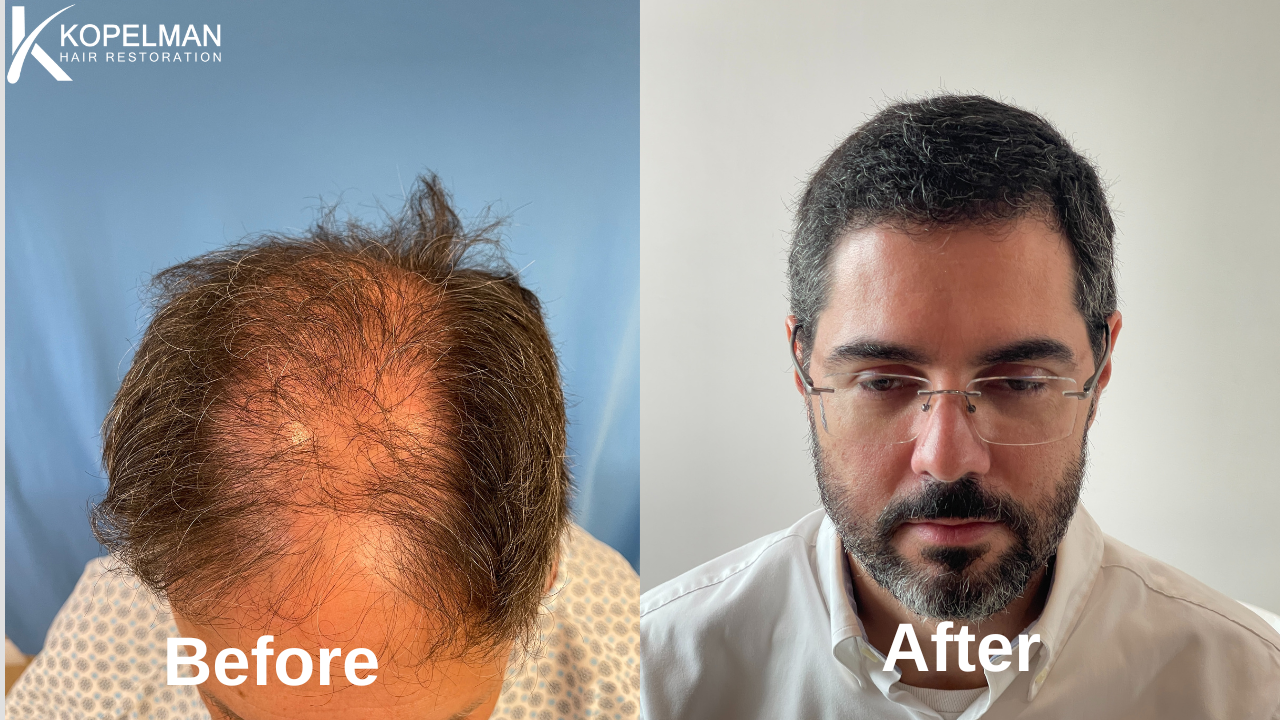
Before & After results

Kopelman Hair Restoration

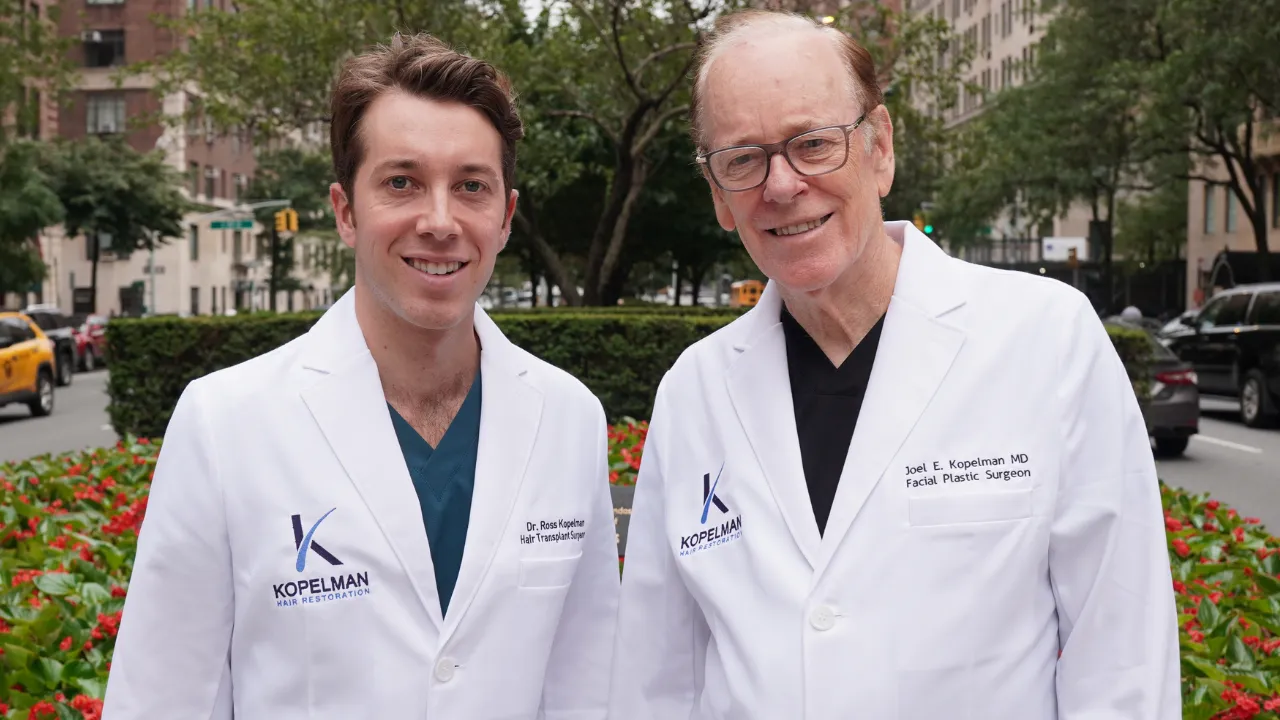
Dr. Ross Kopelman and Dr. Joel Kopelman treat patients for hair loss and focus on delivering natural hair transplants at their New York City, New Jersey, and Palm Beach Florida offices. With over 40 years of combined experience, they are leaders in advanced FUE hair transplantation and hair restoration.
40+

Years Combined Experience

1K+

Procedures Performed

5.0★

Patient Rating

3

Locations

Stay in the loop

Get the latest on hair restoration and hair transplant tips from Dr. Kopelman

Dr. Ross Kopelman

Dr. Ross Kopelman is a hair restoration surgeon specializing in advanced FUE hair transplantation, natural hairline design, and regenerative therapies. He sees patients in New York City, New Jersey, and Palm Beach, and offers virtual consultations nationwide.