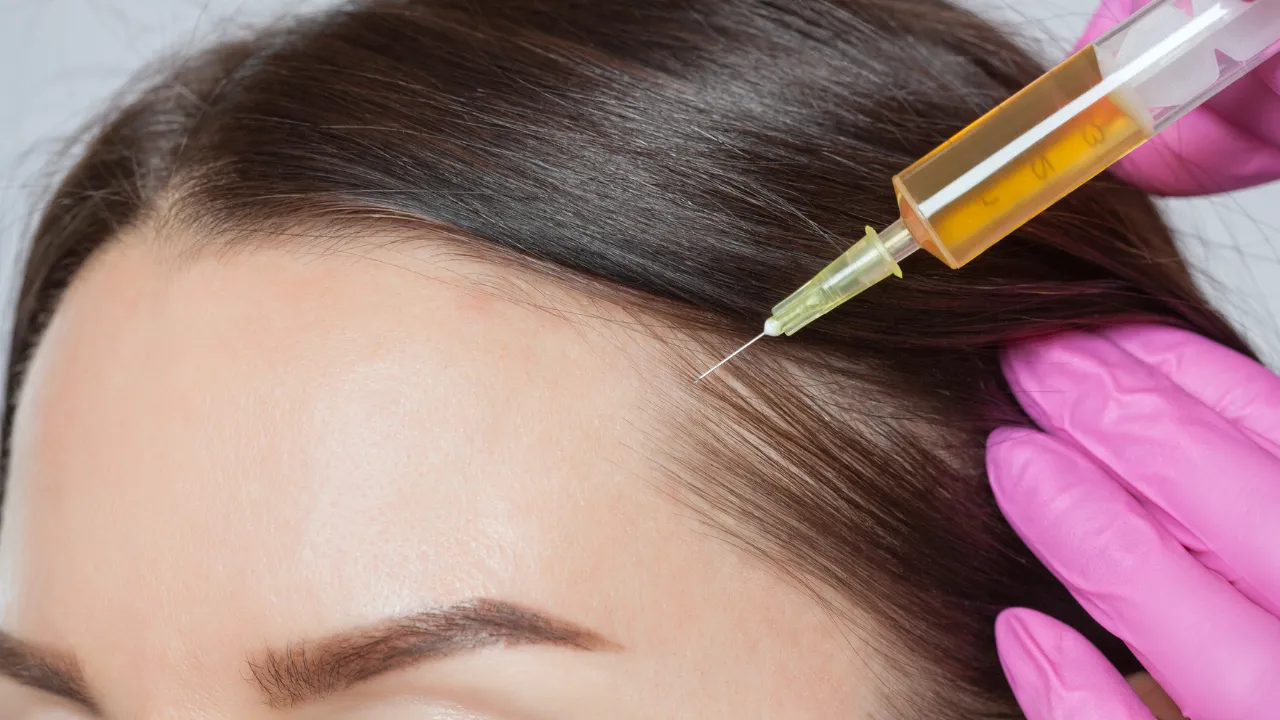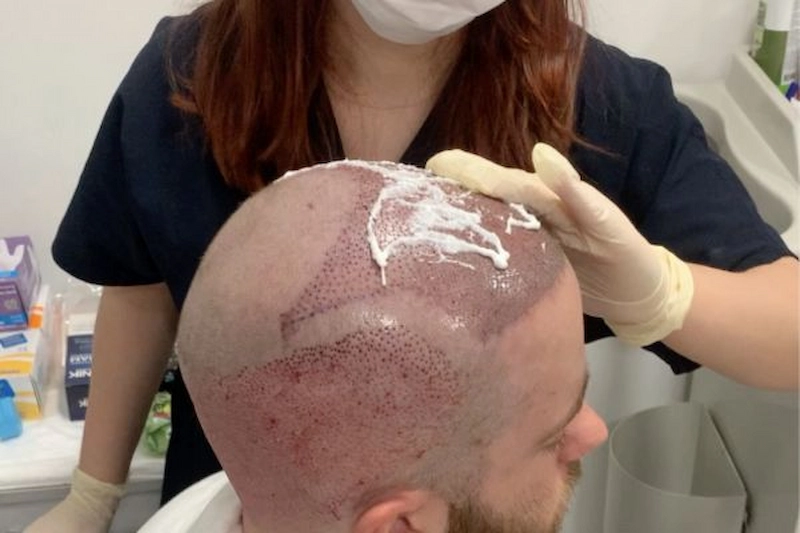


Anabolic agents such as Dianabol and Winstrol sit at the high-risk end because of their strong androgenic activity. Dianabol-related shedding is common because it sharply increases DHT and damages follicles.
Even a lower-androgenic option like Anavar can thin the density of genetically predisposed users, so “mild” does not mean risk-free.
Can Steroids Cause Hair Thinning in Women?
Yes, particularly anabolic agents and high-dose corticosteroids. These drugs can trigger female pattern thinning or telogen effluvium, depending on the dose and how the individual responds.
Women may notice diffuse thinning or a recession pattern similar to that of men, driven by elevated DHT levels. With prednisone, the link is usually telogen effluvium, a temporary disruption of the growth cycle rather than genetic balding.
Does Prednisone Cause Hair Loss?

Does prednisone cause hair shedding? Rarely, and usually only mildly. Prednisone is a corticosteroid prescribed for conditions like arthritis, lupus, and multiple sclerosis, and it also helps manage issues affecting the lungs, skin, eyes, kidneys, blood, thyroid, stomach, and intestines.
Thinning is an uncommon side effect of this medication. Interestingly, in some cases, prednisone has been linked to follicle growth instead, which may depend on whether it is given as a tablet or an injection.
Prednisolone, a closely related drug, behaves similarly and has occasionally been tied to thinning as well.
Both medications can also help treat alopecia areata, the autoimmune condition in which the immune system attacks healthy follicles. In one study combining prednisone with 2% minoxidil, participants with alopecia areata showed measurable regrowth after six weeks.
Always review the side effects of prednisone with your provider before starting treatment.
Can Steroids Cause Alopecia?
Can steroids cause alopecia? Yes, in more than one way. Anabolic agents accelerate androgenetic alopecia, the hormone-driven pattern balding tied to DHT sensitivity. This is the most common form linked to performance-enhancing use.
Some users instead develop alopecia areata, the patchy, immune-driven type described earlier.
Corticosteroids occupy an unusual position here because high or prolonged doses can contribute to shedding in some people, yet the same drug class is also used to treat alopecia areata by calming inflammation around the follicles.
Is Alopecia From Steroids Permanent?
It depends on the cause. Telogen effluvium from corticosteroids is generally temporary and resolves after the medication stops.
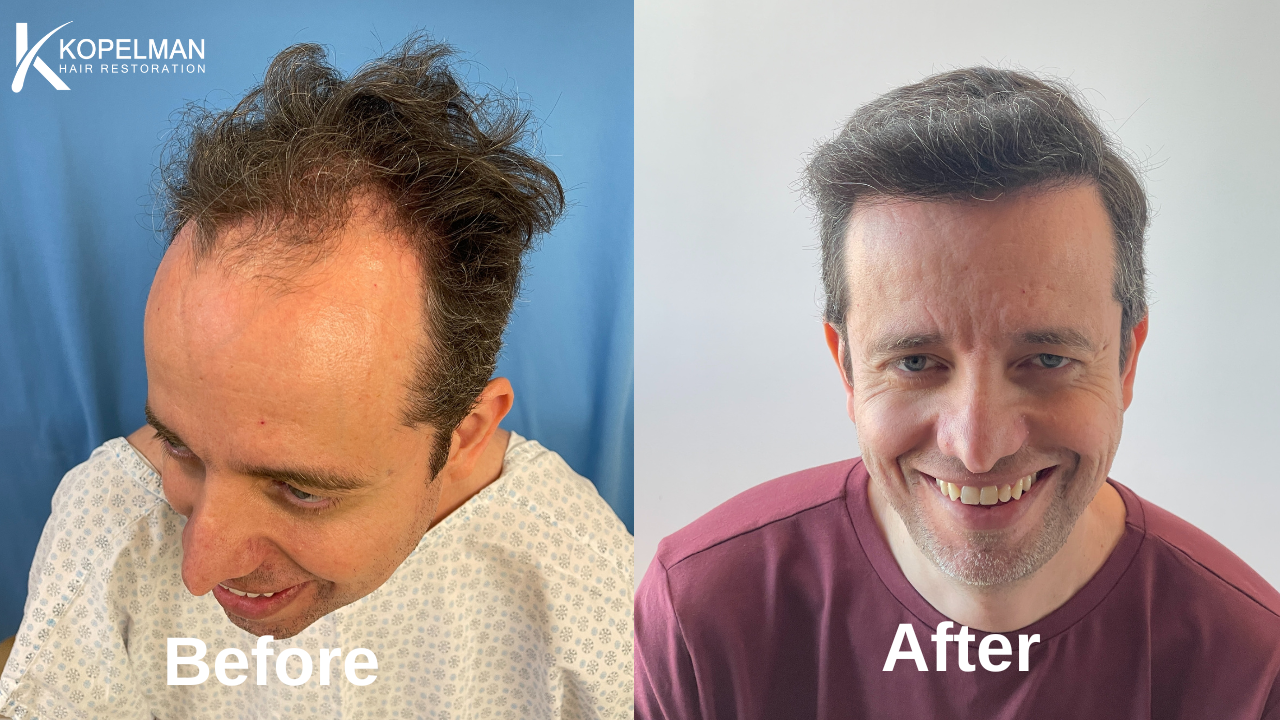
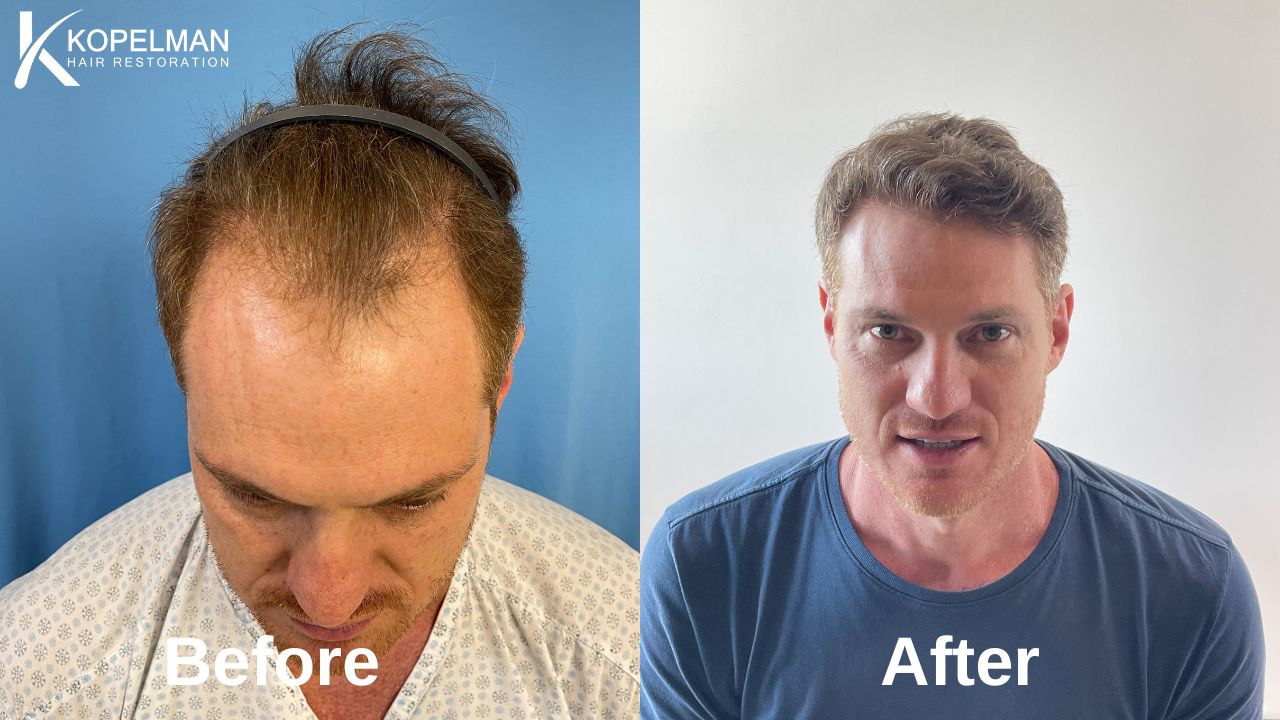
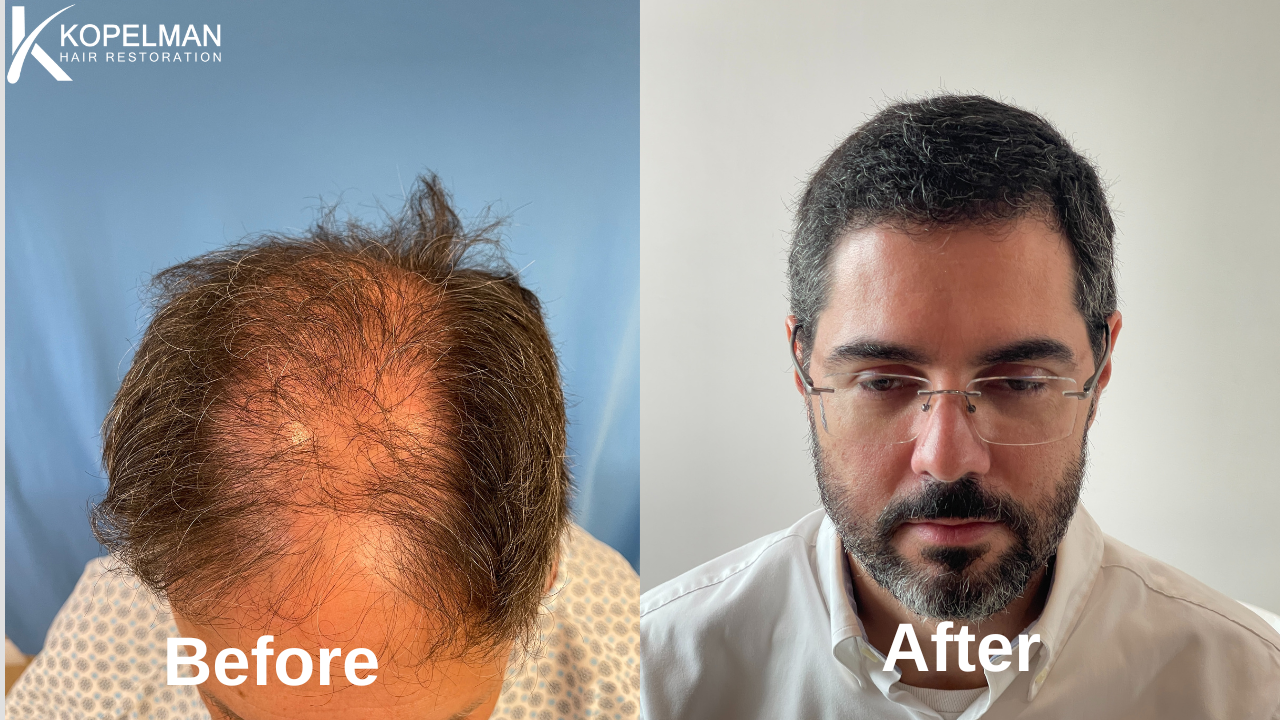
Androgenetic alopecia driven by anabolic agents, however, can lead to permanent balding unless treated with options like finasteride, minoxidil, or a hair transplant.
Prefer to watch instead of read? Check out our video on why these compounds affect your follicles.
Preventing Hair Shedding While Using Steroids
While these drugs can thin your follicles, a few measures help protect it during use.
Does Finasteride Prevent Balding From Dianabol?
Yes, finasteride can reduce shedding caused by Dianabol and similar anabolic agents. It blocks the enzyme that converts testosterone into DHT, easing the hormone’s effect on follicles.
It does not eliminate DHT entirely, so some thinning may still occur to a lesser degree.
Tips for Minimizing Shedding on a Cycle
Choose low-androgenic compounds: Options like Anavar carry less risk, though thinning can still happen in genetically sensitive users.
Use DHT blockers: Medications such as finasteride or minoxidil can slow follicle loss.
Limit dosage and duration: Lower doses and shorter cycles reduce the chance of significant shedding.
Avoid stacking: Combining multiple compounds raises the risk of severe side effects, including thinning.
Curious about how DHT Blockers Work? Check out our comprehensive article.
Lifestyle Adjustments to Protect Your Shafts
Eat a balanced diet: Include foods rich in biotin, zinc, and iron to support healthy growth.
Reduce stress: High stress can worsen shedding, so try relaxation techniques like yoga or meditation.
Use gentle products: Avoid harsh shampoos that weaken strands, and choose sulfate-free, nourishing formulas. Caffeine-infused options may help, especially with extended use.
Stay hydrated: Good hydration supports scalp health and stronger follicles.
Ever wonder which are the Worst Shampoos That Cause Hair Loss? Take a look at our picks.
Managing the Risk Overall
Whether used for medical or athletic reasons, these compounds can thin your volume through hormonal changes or autoimmune effects. Understanding the type you are taking and its side effects is the first step in managing the risk.
Men who already show signs of recession or a thinning crown, typically measured on the Norwood Scale, may notice faster progression on anabolic agents.
Preventive steps such as DHT blockers, healthy habits, and professional guidance help protect your fibers, and early intervention improves the odds of recovery if thinning begins.
How These Compounds Affect Your Fibers
Anabolic agents build muscle by raising androgen levels, and that same hormonal shift can reach the follicles and trigger thinning in sensitive users. Not everyone is affected, though.
Shedding mostly shows up in people taking androgen-heavy compounds or those with a family history of balding.
The risk rises sharply with high-androgenic options. Winstrol, Dianabol, and Trenbolone are the most frequently linked to thinning, since each pushes DHT higher and stresses the follicles.
Dianabol is known for directly raising DHT levels, while Trenbolone’s strong androgenic profile makes it a common concern among users who notice changes in their density.
In genetically predisposed people, these compounds do not just cause temporary shedding; they can accelerate true pattern balding.
When that happens, the loss may become permanent if it is not addressed early, which is why prompt evaluation matters far more than waiting to see whether the follicle recovers on its own.
Have You Noticed Thinning From Performance-Enhancing Drugs?
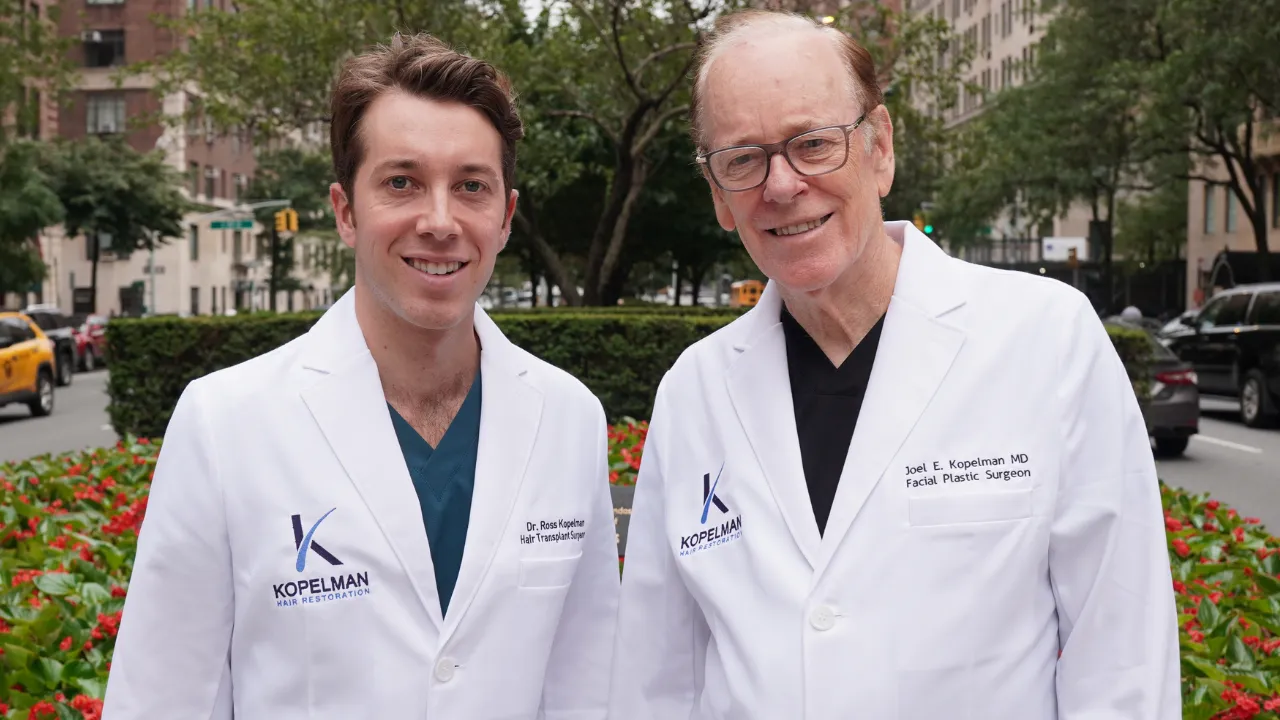
If shedding is affecting you, consider consulting a doctor to rule out underlying conditions. Consider speaking with Dr. Kopelman. This father-son team has more than 35 years of experience in hair restoration.
They focus on personalized care for every patient. Dr. Kopelman’s expertise can help you find the right solution for your needs. Schedule a consultation today to explore your options and take the first step toward your hair goals.