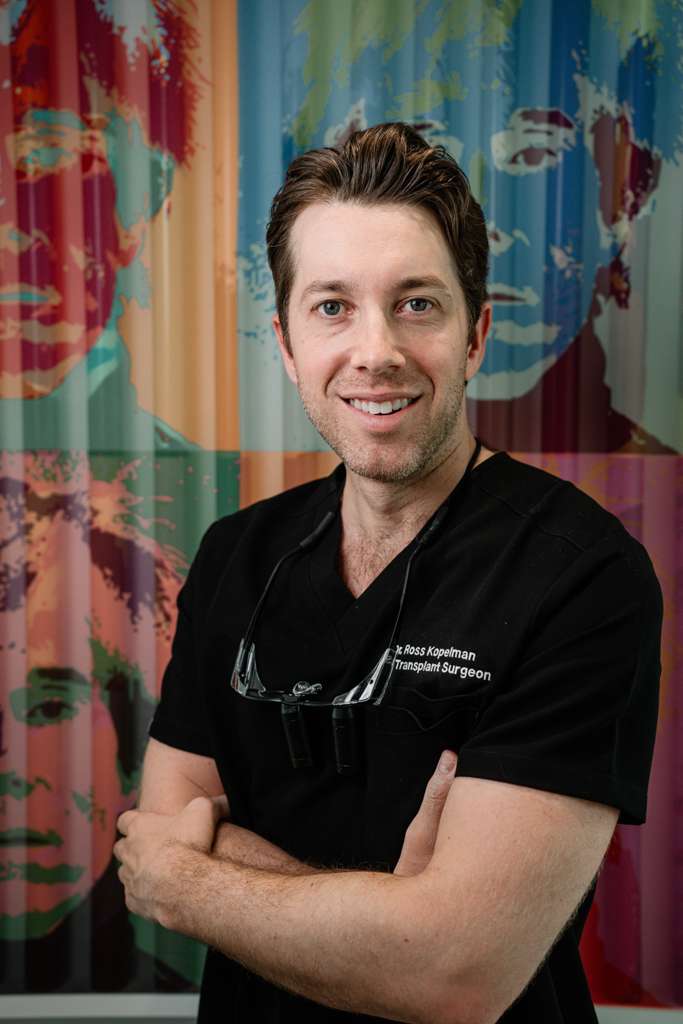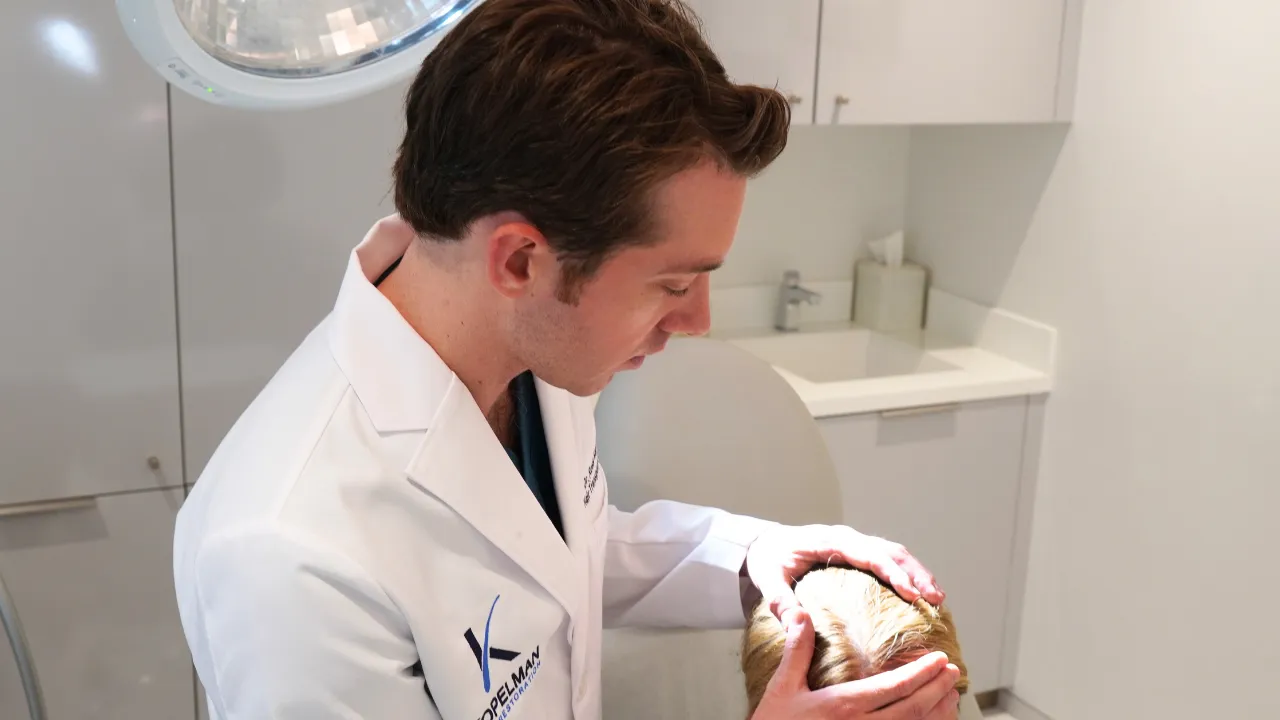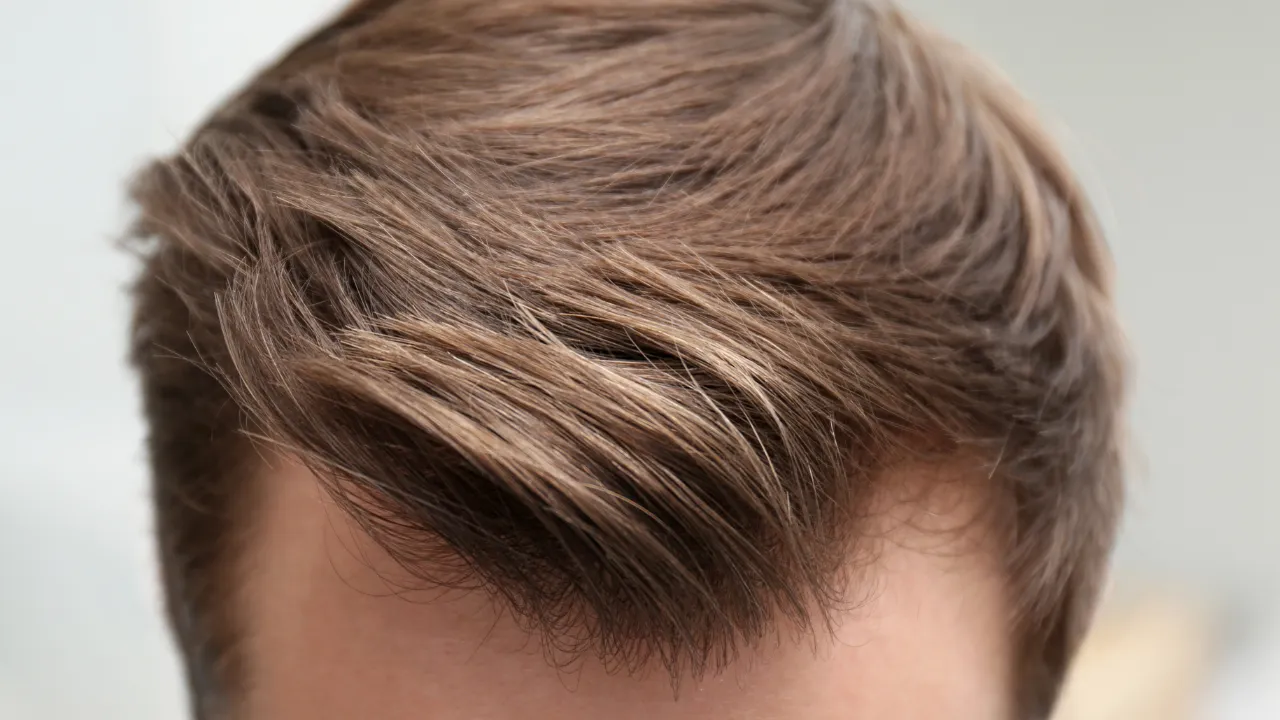

Our team, led by Dr. Kopelman, evaluates these factors to create personalized treatment plans that address both the medical and cosmetic sides of thinning.
Key Takeaways
- Gaining excess weight can disrupt hormones, increase inflammation, and create nutritional deficiencies that weaken follicles and trigger shedding.
- Medical conditions such as thyroid disorders, vitamin B12 deficiency, iron deficiency, and diabetes can cause both added pounds and thinning at the same time.
- Women may experience diffuse shedding linked to estrogen and androgen changes, while men face higher DHT levels that accelerate male pattern baldness.
- Most weight-related shedding is temporary and can improve with gradual weight reduction, balanced nutrition, and early medical evaluation.
- Professional treatments like PRP therapy, FUE transplantation, and targeted medications provide effective options when lifestyle changes alone are not enough.
Weight Gain and Hair Loss
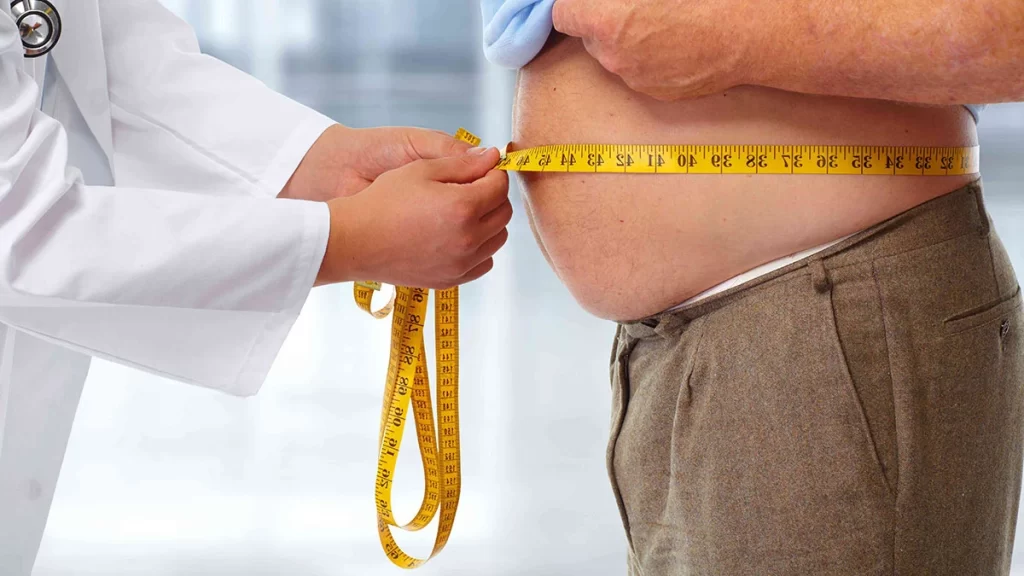
Gaining excess weight may trigger changes in the body that disrupt follicle activity. Increased fat tissue can alter hormone levels, slow metabolism, and raise inflammation, all of which place stress on the scalp.
A persistent hormone imbalance can weaken follicles and reduce growth, making shedding more noticeable. These shifts may also contribute to heart disease and other health issues that harm strand quality.
Many patients wonder whether gaining weight leads to thinning. Both gradual and sudden changes in body composition can trigger fallout, and people who have experienced shedding after major metabolic shifts often recover slowly unless underlying problems are treated.
Other Medical Conditions to Check
Iron deficiency anemia, vitamin B12 deficiency, diabetes, and insulin resistance can link increased body weight to thinning, even when obesity is not the main cause. These conditions reduce oxygen or blood flow to the scalp and weaken follicles.
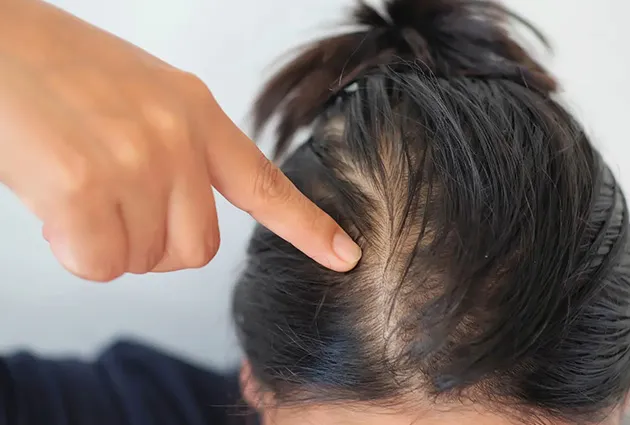
Thyroid dysfunction deserves special attention because it affects both body composition and strand health simultaneously. What does thyroid hair loss look like? It typically presents as diffuse thinning spread evenly across the scalp rather than concentrated bald patches. Strands may become dry, coarse, or brittle, and many patients also notice thinning at the outer edges of the eyebrows. If you are gaining weight and losing strands at the same time, a thyroid panel is one of the first tests to request.
Why Am I Gaining Weight and Losing Hair?
Thyroid disorders, insulin resistance, and vitamin deficiencies are common triggers. Women with polycystic ovary syndrome (PCOS) and men with metabolic syndrome often experience both symptoms. Testing thyroid function, blood sugar, iron, and vitamin B12 levels can reveal hidden problems that affect both body composition and scalp health.
Gender Differences
Hair Loss in Women with Weight Gain
Hormonal changes can affect female follicle cycling. Women may notice increased shedding with added pounds after pregnancy, during menopause, or with PCOS. In some cases, this pattern is described as obesity and female hair loss because weight-related hormonal shifts create unique risks for women.
Sudden weight gain and hair loss in women can be particularly alarming because they often signal an abrupt hormonal shift rather than a gradual change. Rapid increases in body fat, whether from medication, a new health condition, or significant lifestyle disruption, can spike androgen levels and push a large number of follicles into the resting phase at once. Women who notice these changes happening together should seek evaluation promptly, as early intervention improves outcomes.
Does Obesity Cause Hair Loss in Men?
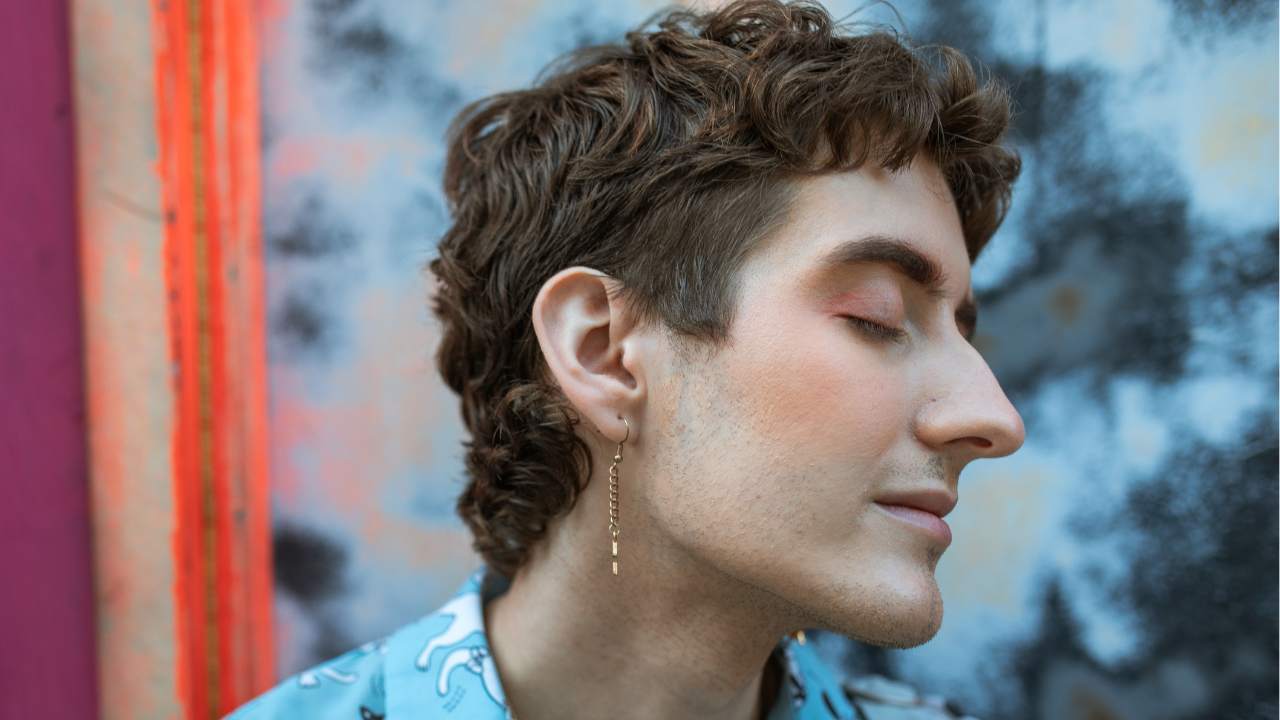
Men who carry excess weight may produce more dihydrotestosterone (DHT), a hormone tied to male pattern baldness. High DHT levels can shrink follicles and accelerate recession at the temples or crown.
Does being fat make your hair thinner? Evidence shows that excess body fat can worsen male pattern thinning when genetic factors are present. The combination of elevated androgens, reduced circulation, and chronic low-grade inflammation creates conditions that accelerate follicle miniaturization in men who are already predisposed.
Types and Triggers
Can Weight Gain Cause Hair Thinning?
Gradual increases in body fat can cause telogen effluvium, a temporary condition in which hair strands enter a resting phase and shed. Under normal conditions, roughly 90 percent of follicles are in the active anagen (growth) phase at any given time, with only about 10 percent resting in telogen. When metabolic disruption occurs, this balance shifts, and a disproportionate number of follicles enter telogen prematurely. The result is noticeably thinner coverage across the scalp.
Both rapid weight gain and loss can disrupt this process, as sudden changes in nutrition or hormones interrupt the natural growth cycle. This is often called obesity and hair thinning because excess weight and inflammation weaken follicles and shorten the time each strand spends actively growing.
Can Sudden Weight Gain Cause Hair Loss?
Rapid weight gain from medication, illness, or lifestyle changes can shock follicles and cause noticeable shedding. Crash dieting or bariatric surgery can also lead to fallout if nutrient intake is inadequate during recovery.
The speed of body composition change matters as much as the amount. When the body undergoes a rapid shift in metabolic balance, it prioritizes essential organ function and diverts resources from non-critical processes, such as strand production.
Temporary vs Permanent Hair Loss
Most weight-related shedding is reversible when underlying issues are treated. Permanent loss occurs when excess body fat triggers hormonal changes that accelerate male- or female-pattern baldness. Early treatment by a specialist like Dr. Kopelman can help slow this process and support long-term scalp health.
Underlying Mechanisms
Hormonal Changes and DHT Effects
Extra body fat increases estrogen and androgens, altering the balance of hormones that control growth. Higher DHT levels can shrink follicles and shorten the anagen phase, directly disrupting the relationship between weight gain and hair growth. According to Dr. Kopelman, many patients with significant increases in body fat show elevated DHT during clinical evaluation.
Inflammation and Follicle Stress
Obesity promotes low-grade inflammation that damages follicle cells. Chronic inflammation disrupts stem cell activity, making strands weaker and more likely to fall out. Adipose tissue produces cytokines that fuel this inflammatory response and increase oxidative stress throughout the body.
Oxidative stress is particularly harmful to follicles because it damages the DNA within follicle cells, accelerating aging and making each new strand finer and more fragile. Over time, sustained oxidative damage can lead to fibrosis around the follicle, restricting its ability to produce healthy growth. Addressing both inflammation and oxidative stress is critical for preserving scalp density.
Nutritional Deficiencies and Metabolic Issues
People with obesity often lack key nutrients such as iron, zinc, and vitamin D. A poor diet or insulin resistance reduces blood flow and oxygen to the follicles, causing strands to thin. Addressing these deficiencies is essential to stop ongoing shedding and protect overall health.
Prevention and Recovery
Lifestyle and Stress Factors
Lifestyle choices can magnify the effects of added weight on scalp health. Chronic stress raises cortisol, a hormone that can trigger shedding. Poor sleep and high sugar intake may worsen inflammation and slow regrowth. Managing stress through exercise, balanced meals, and regular sleep helps protect follicles while supporting healthy body composition.
Can Losing Weight Help Hair Growth?
Healthy weight reduction can lower inflammation, balance hormones, and restore nutrient levels, creating better conditions for regrowth. Gradual changes are safest, as extreme dieting can trigger more shedding. Sustainable habits also support overall health, which is essential for keeping follicles strong.
Do you lose hair when you lose weight? You can, especially if the reduction is rapid or severe.
Losing 20 pounds or more in a short period can be a sufficient physical stressor to trigger telogen effluvium (American Academy of Dermatology). The key is a steady pace, typically one to two pounds per week, combined with nutrient-dense meals so follicles stay nourished throughout the process.
Healthy Weight and Nutrition
Balanced meals with lean protein, iron-rich vegetables, and zinc- and vitamin D-rich foods help maintain stable body composition and a healthy scalp. Regular exercise improves circulation, helping follicles receive oxygen and nutrients.
Maintaining a stable weight also reduces the risk of side effects, such as telogen effluvium, after dieting or surgery.

Does Hair Loss Medication Cause Weight Gain?
Patients exploring treatment options sometimes worry about whether the medications themselves contribute to added pounds. Finasteride, one of the most commonly prescribed treatments for pattern thinning, has not been shown to cause significant changes in body composition in clinical studies. Minoxidil, a topical treatment, works locally on the scalp and is not associated with metabolic shifts that would lead to increased body fat.
Some patients report minor fluid retention with certain oral medications, but this is typically temporary and distinct from true fat accumulation. If you are concerned about side effects from any prescribed treatment, discuss them with your provider so you can weigh the benefits against any individual risk factors.
Medical and Hair Restoration Treatments
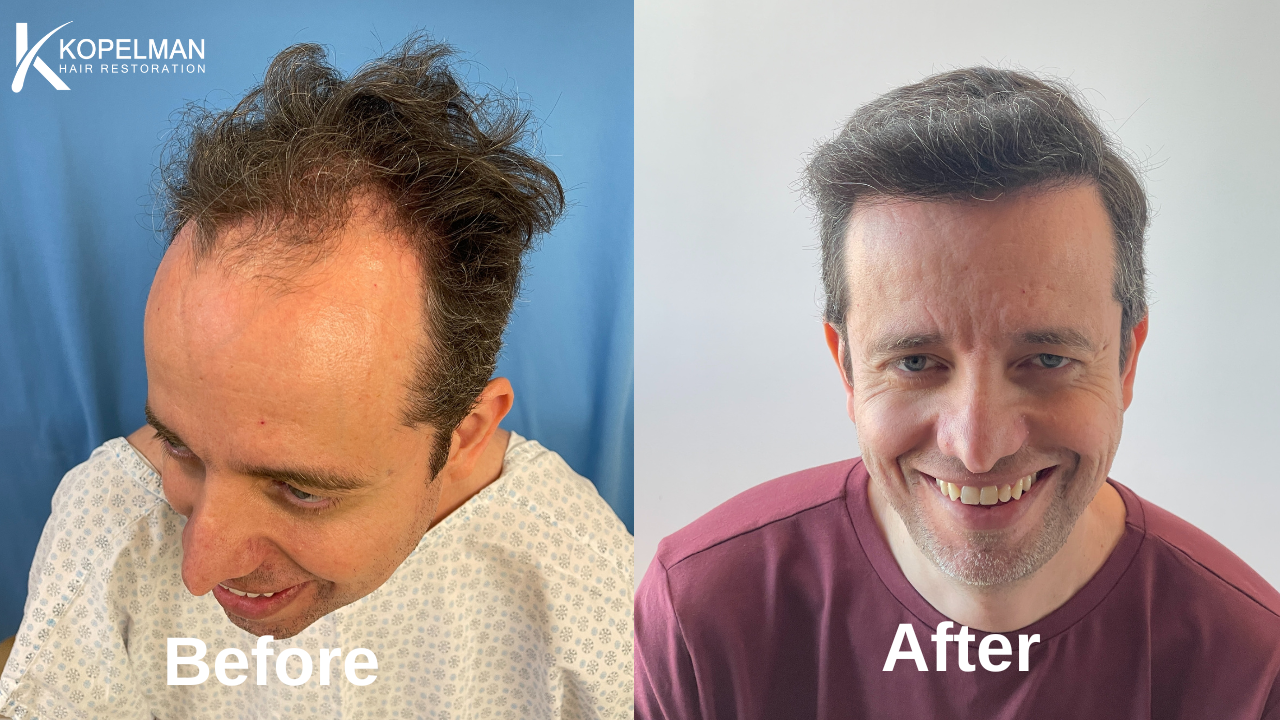
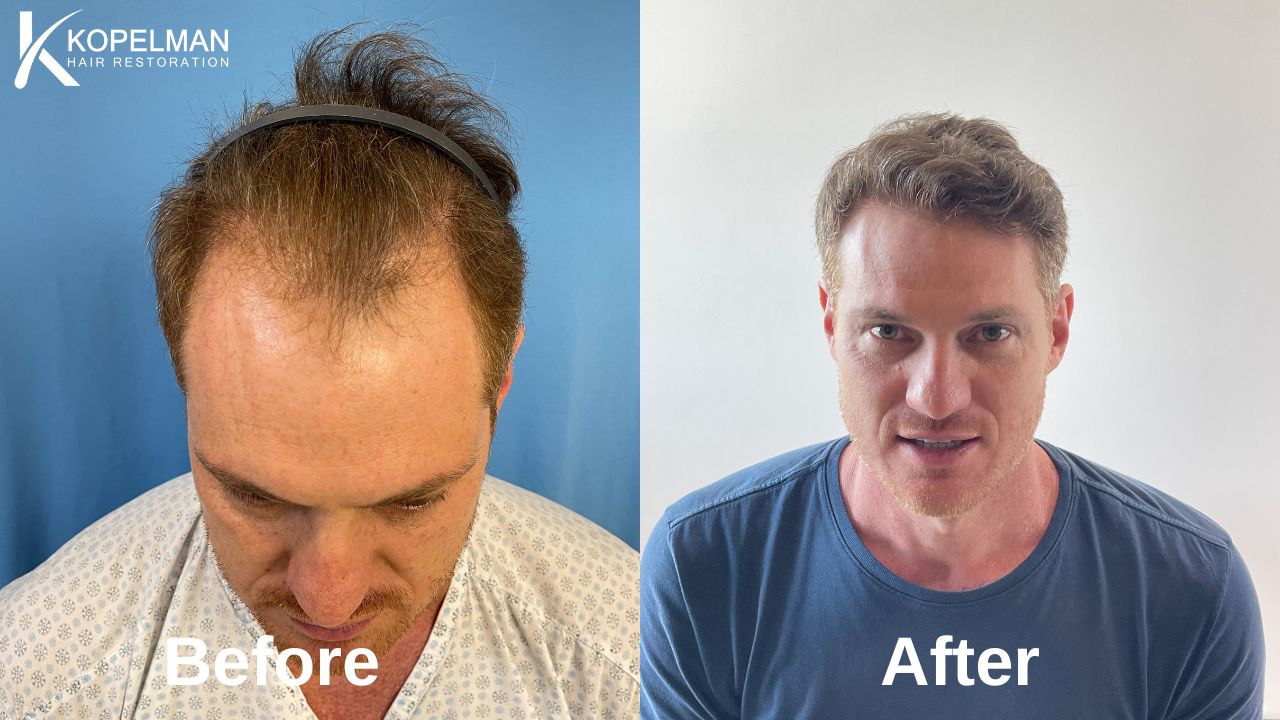
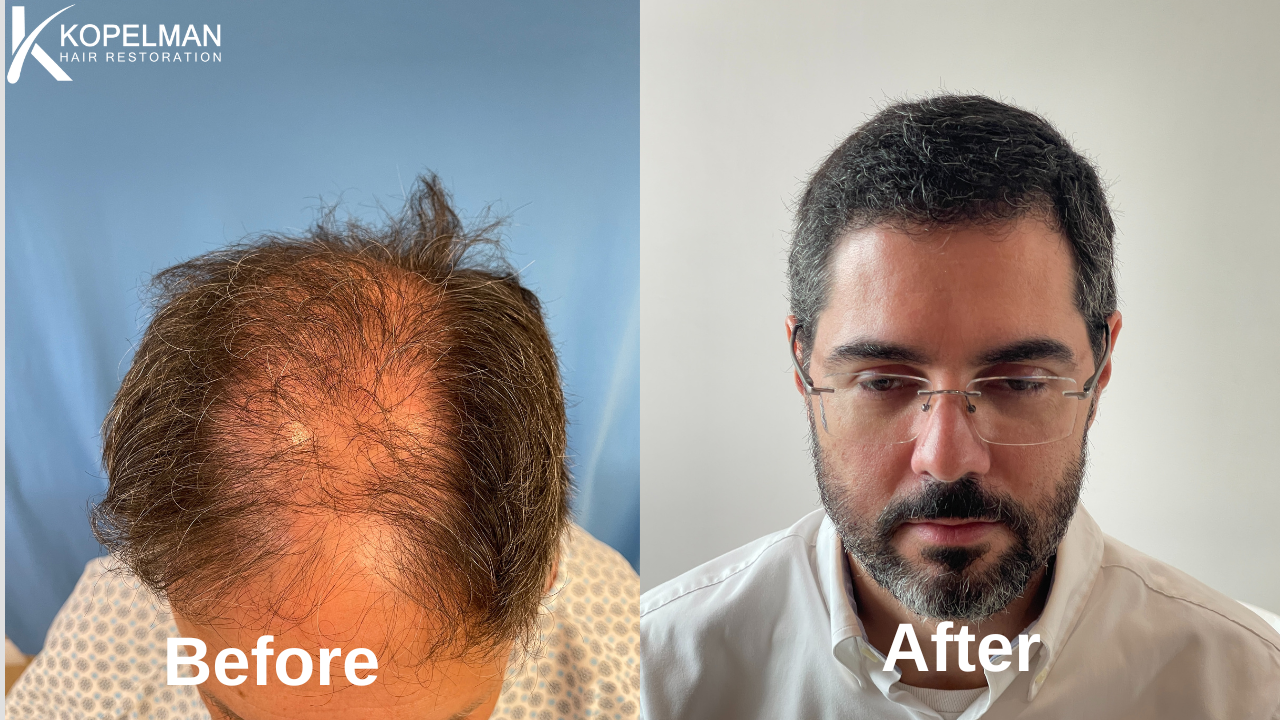
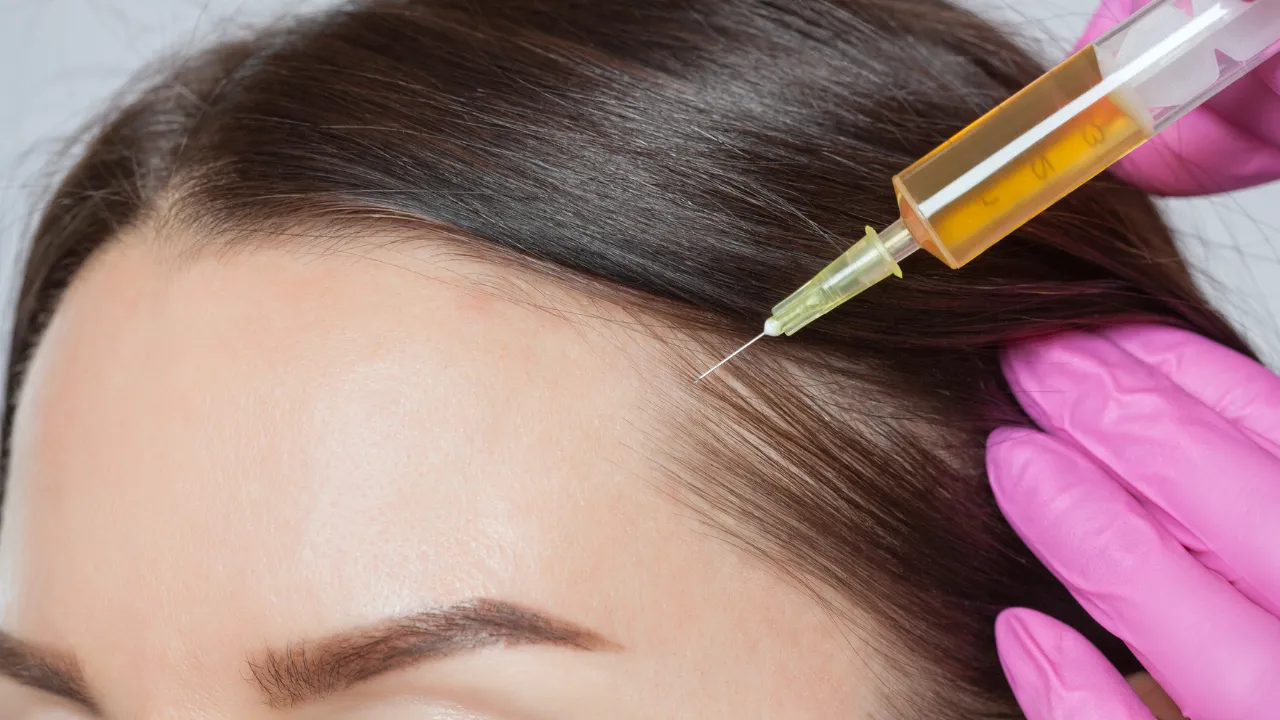
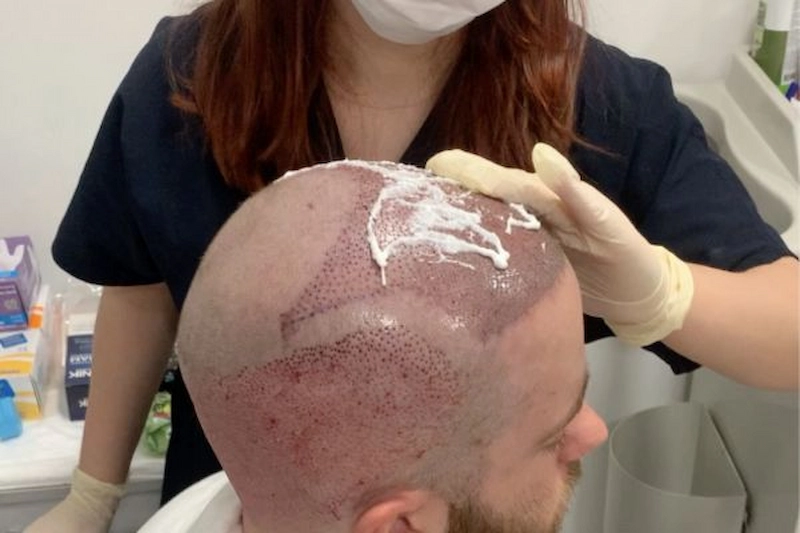
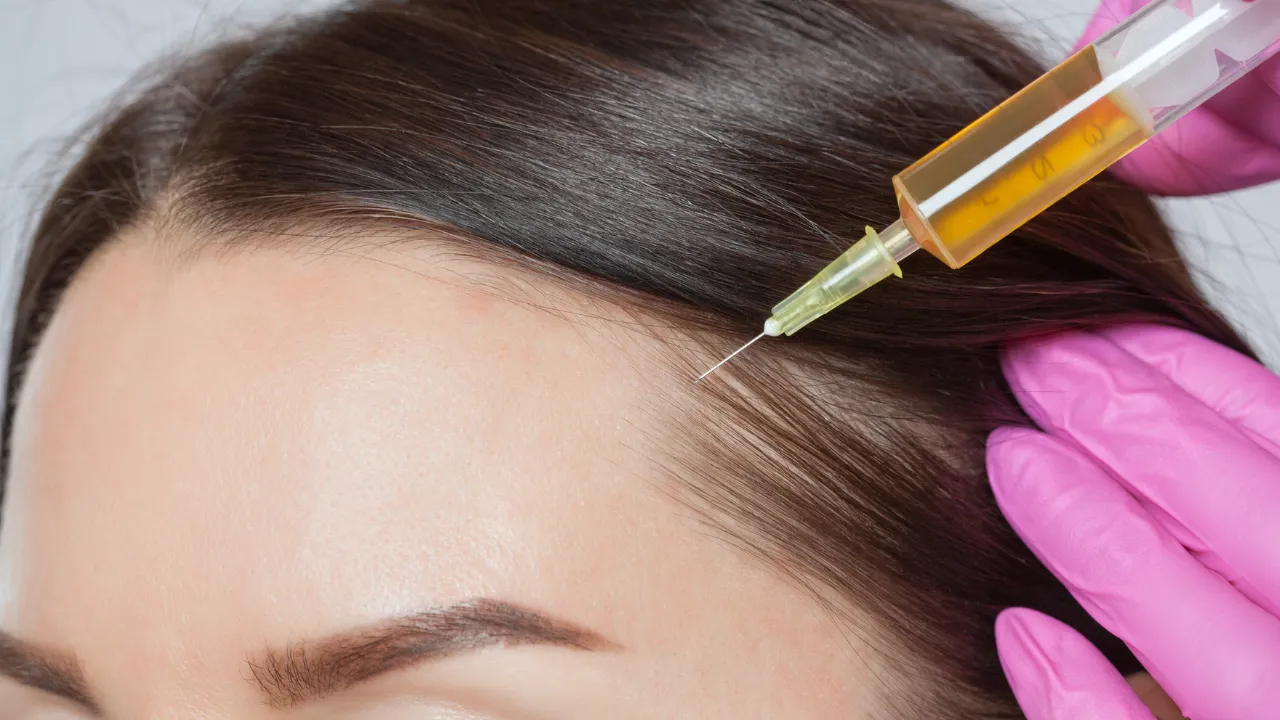
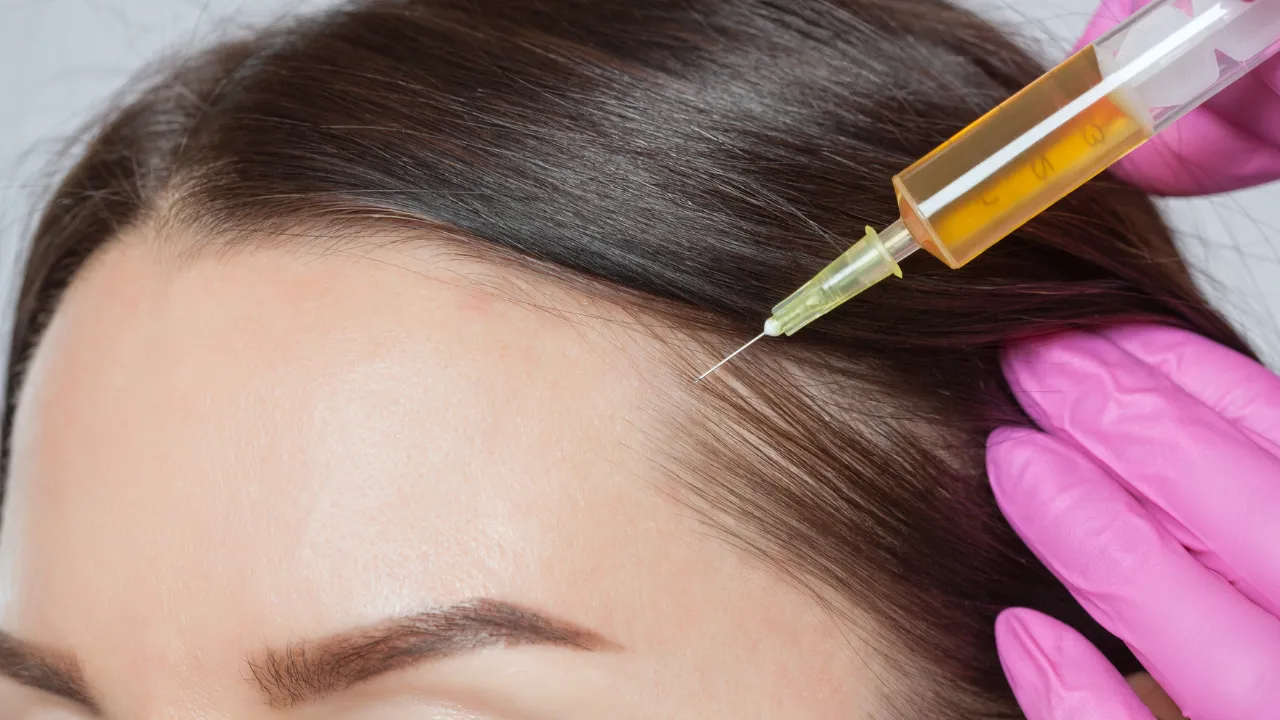
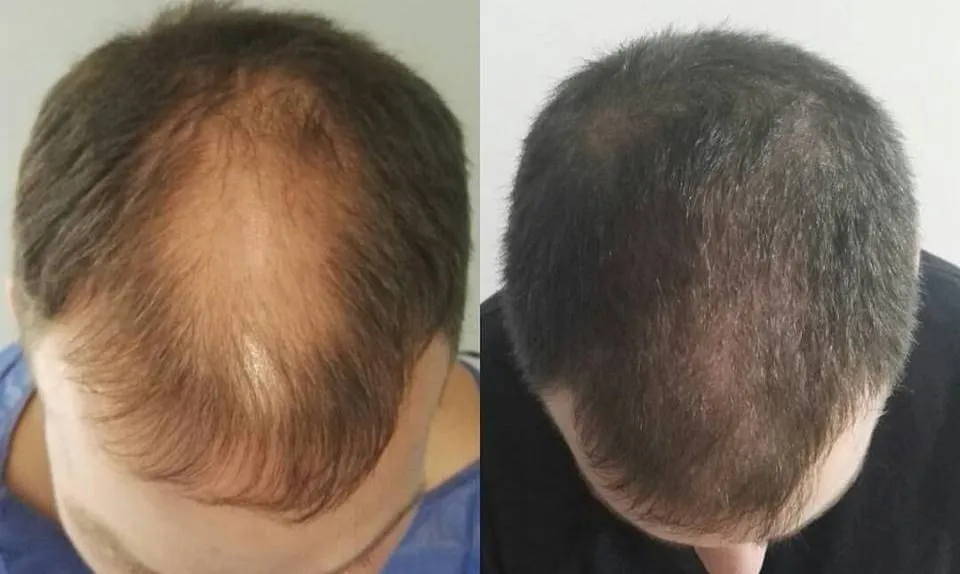
When lifestyle changes are not enough, treatments such as platelet-rich plasma (PRP), topical medications, or hair transplant surgery can restore density. Kopelman Hair offers advanced procedures tailored to each patient’s needs.
Clinical studies report that PRP therapy can increase follicle density by 15-20% after several sessions (PMC11817460). Follicular unit extraction (FUE) transplants have documented long-term survival rates above 90 percent when performed by experienced specialists (PMC11566358).
Patients are informed about potential side effects such as temporary swelling or mild discomfort.
When to Seek Professional Evaluation
Schedule an appointment if you notice sudden shedding, bald patches, or persistent thinning.
Key signs that require prompt evaluation include:
- Sudden or patchy hair shedding that continues for more than three months.
- Rapid changes in body composition within a short period.
- Family history of early hair thinning or pattern baldness.
If you notice any of these changes, scheduling an appointment with a qualified specialist can help identify and treat the underlying cause quickly.