
Kopelman Hair treats hair loss at every stage, helping patients understand what happened and what recovery can look like.
Key Takeaways
- You can’t pull out a hair follicle. The bulb on a pulled strand is part of the hair, and the follicle stays in the skin.
- Hair pulled out from the root can grow back when the follicle is intact, unscarred, and not inflamed.
- New growth usually appears within two to three months, sooner for resting hairs and later for actively growing ones.
- Repeated pulling, tight hairstyles, and long-term trichotillomania are what turn temporary loss into permanent loss.
- Gentle scalp care and avoiding tight styles help protect follicle health.
- Trichotillomania calls for both hair loss treatment and mental health support for lasting improvement.
Can Hair Grow Back After Being Pulled Out?
Yes. In most cases, hair grows back after being pulled out because the follicle, the structure that actually produces the strand, is not removed. Only scarring or chronic damage to the follicle stops regrowth.
Will It Grow Back? Signs and Recovery Factors
Regrowth depends on three things: an intact follicle, unscarred skin around it, and settled inflammation. The growth center at the base of the follicle and the stem cells higher up stay in the skin and drive the next growth cycle.
Signs that support regrowth include:
- No visible scarring
- Mild or no inflammation
- A small white bulb at the end of the pulled strand
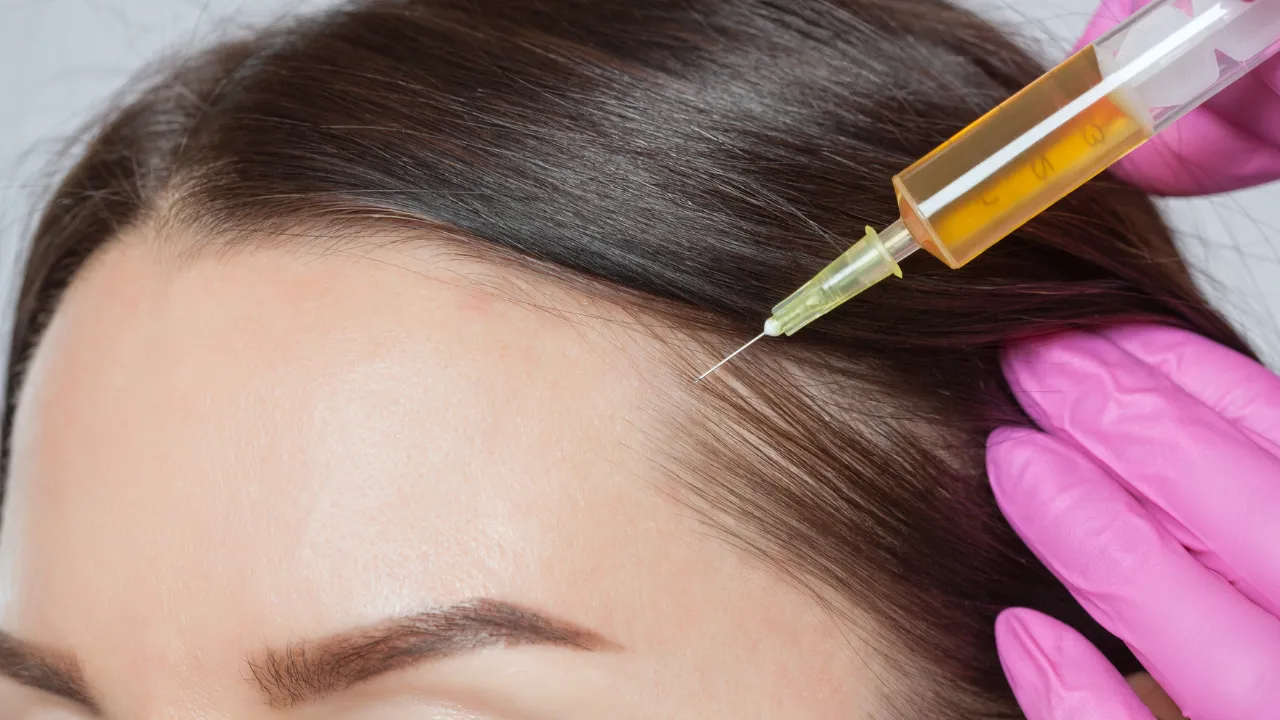
Repeated pulling or trauma can inflame or scar the follicle, reducing the chance of regrowth.
Does Plucking Hair Stop Growth?
Plucking a hair once does not stop it from growing back. Tweezing removes the strand and its bulb, but the follicle stays in place and usually produces a new hair on its next cycle, so plucked brow, chin, or body hairs typically return.
Years of repeated plucking in the same spot are different. Constant trauma can weaken follicles until some produce finer strands or stop altogether, which is why heavily overplucked brows sometimes never fully fill back in.
Regrowth Timeline and Expectations
How long it takes for hair to grow back depends on which phase the strand was in when it came out.
- Telogen (resting) pulls: If the strand was already resting, a new hair is often forming beneath it, so regrowth tends to show sooner. This is the usual case when a strand slides out easily with a small white bulb.
- Anagen (growing) pulls: If an actively growing strand is ripped out, the follicle is disrupted mid-cycle and needs time to reset. Visible regrowth may take a few months.
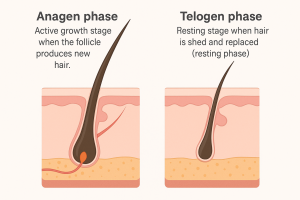
New growth often appears in two to three months on average, and scalp hair grows roughly half an inch per month once it surfaces. As for how long hair bulbs take to heal, any soreness usually settles within a few days while the follicle quietly rebuilds a new bulb out of sight. Age, overall health, and hair type all affect the pace.
A review in the Journal of Clinical Medicine describes how resting follicles cycle back into active growth, and how blood flow and growth signals around the follicle push that transition. Kopelman Hair helps patients set realistic expectations and monitors recovery when follicles are pulled repeatedly.
Regrowth by Body Area
- Scalp: The longest growth phase, lasting years; a single pulled strand usually shows regrowth within two to three months.
- Eyebrows and eyelashes: Much shorter cycles, so a plucked brow or lash hair often returns within a few months.
- Beard and body hair: Usually back within weeks to a few months. A plucked beard hair not growing back after several months, especially with bumps or redness, may point to an ingrown hair, folliculitis, or scarring.
Does Pulling the Bulb Mean Permanent Loss?
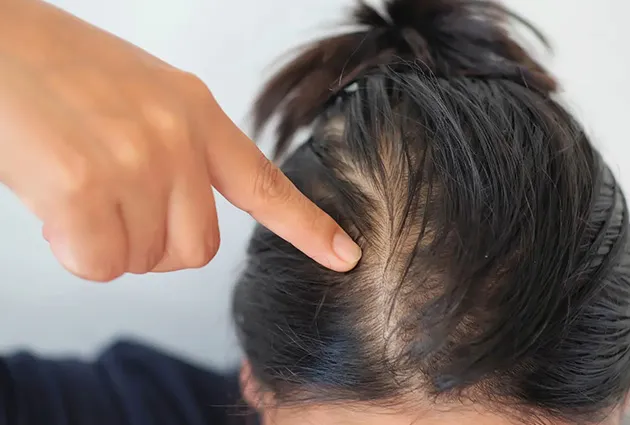
No. What decides permanence is whether the follicle beneath the skin is scarred or destroyed, usually after repeated trauma, certain scalp conditions, or when scar tissue develops in a thinning area.
What Hair Pulled from the Root Looks Like
Identifying the Hair Bulb
Can you pull out a hair follicle? No. The follicle is part of your skin and stays put even when a strand comes out root and all. What you may see on the end is a soft, white, club-shaped bulb, the portion of the hair that sat deepest in the follicle.
Seeing the bulb does not mean permanent damage occurred. A dry white club usually shows the strand was in the telogen phase and ready to shed, not ripped from an actively growing follicle.
What Does a Hair Follicle Look Like?
A hair follicle is a narrow, tube-shaped pocket in the skin, too small to see without magnification. At its base, it widens around the dermal papilla, a cluster of cells that nourishes the growing strand; on the surface, all you see is the pore the hair grows from.
Sometimes a pulled strand comes out with a clear or whitish, gel-like coating around its lower end. That is the hair root sheath, layers of cells that wrap the hair inside the follicle. A root sheath pulled out with the strand usually means it was actively growing, but the sheath is not the follicle, and a new hair can still form.
Root Pulling vs Shedding: Key Differences
Shedding:
- Happens daily as part of the hair cycle
- Strands fall out naturally
- Bulb may be present, but no pain or inflammation
Root pulling:
- Caused by force
- May cause redness or sensitivity
- Can damage follicles if frequent
Does Hair Grow Back After Falling Out from the Roots?
Yes. A strand that falls out on its own with the root attached is usually normal shedding: the follicle released a resting hair, and a replacement is often already forming underneath. Shedding 50 to 100 hairs a day is normal, according to the American Academy of Dermatology.
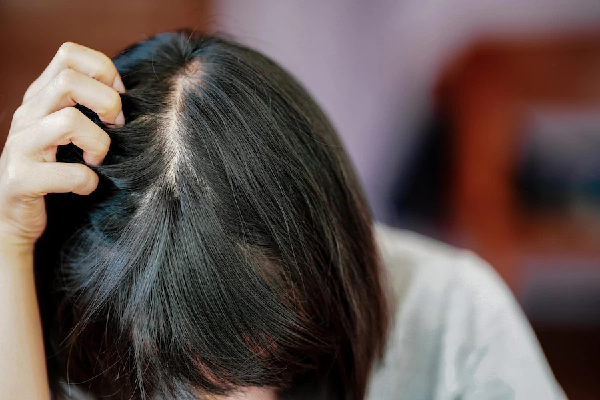
How fast does hair grow back after falling out from roots? The new strand typically surfaces within a few months. If strands come out in clumps, leave visible patches, or keep shedding heavily for months, the cause may be a condition rather than routine turnover.