
What is a Stem Cell Hair Transplant?
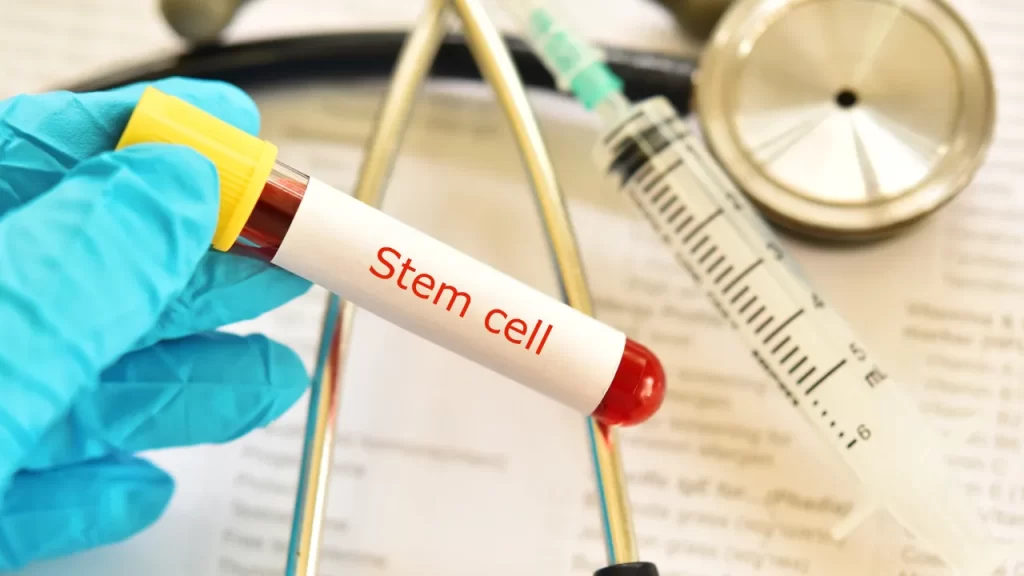
Stem cell hair transplant is an innovative procedure that uses stem cells for hair loss to encourage natural hair growth. Stem cell transplants are different from traditional methods. Instead of moving existing hair follicles, they use stem cells.
These stem cells activate dormant hair follicles, encouraging new hair growth. This groundbreaking procedure is gaining attention as a potential long-term solution for hair loss sufferers. However, as of 2026, stem cells generating new hair follicles isn’t an FDA-approved treatment.
If you’re thinking about a stem cell transplant to address thinning hair, carefully consider the potential advantages and possible risks.
What Are Stem Cells?
Stem cells are unique cells that haven’t yet been designated a specific function. Found in various tissues, they can transform into any cell type and possess regenerative capabilities.
In the human body, stem cells exist in both embryos and adults. However, scientific advancements have reduced the need to harvest stem cells from fetal tissue.
How Does Stem Cell Hair Restoration Work?
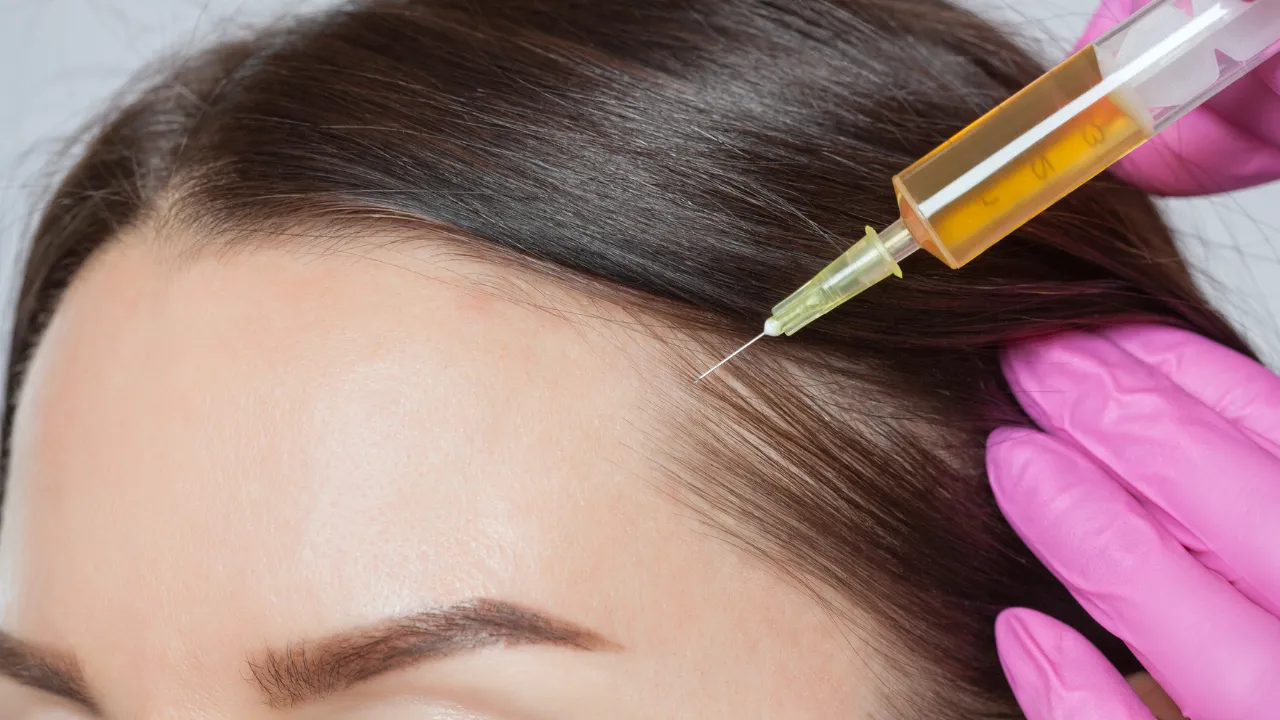
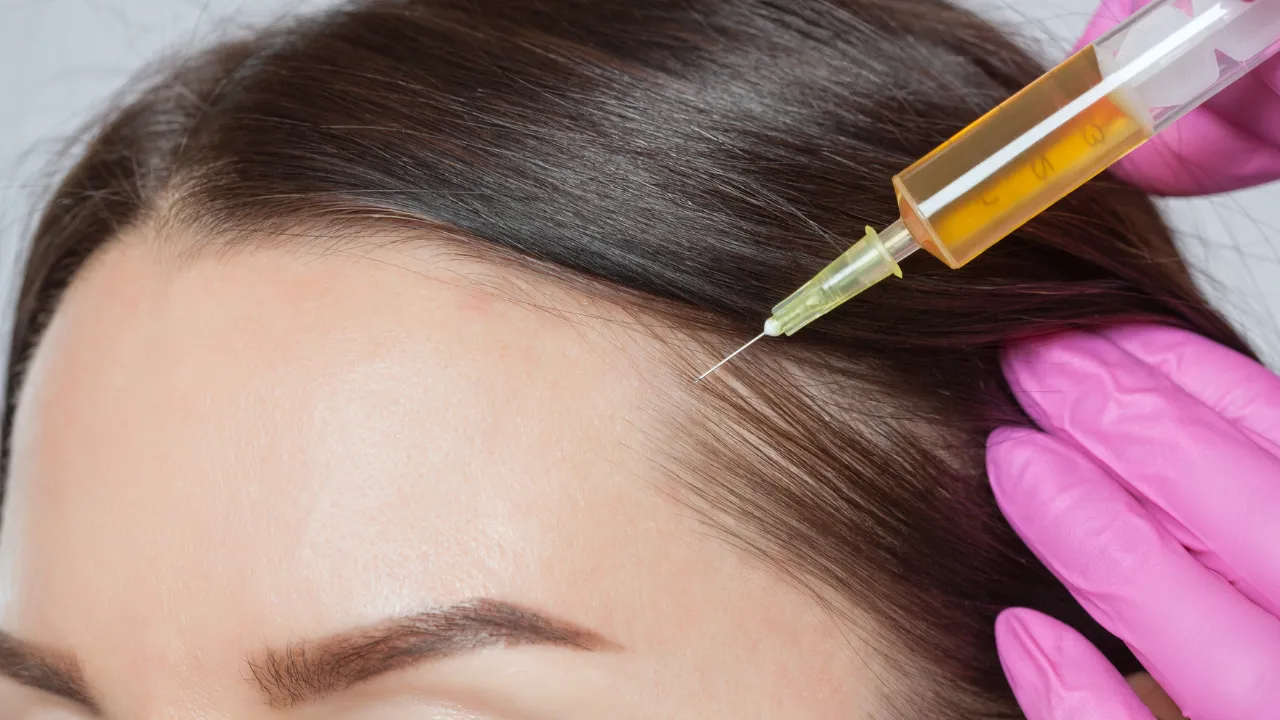
The process begins with harvesting stem cells from the patient’s own body, usually from fat or skin tissue. These stem cells for hair regrowth are then injected into the scalp, where they work to regenerate hair follicles and reverse hair thinning.
The goal is to stimulate or support existing follicles in areas where viable follicles remain. The treatment does not relocate donor follicles to bald areas.
This type of stem cell treatment for baldness offers hope to those early in their hair loss journey or experiencing thinning hair, as it helps regenerate areas of the scalp that are not completely bald.
Benefits of Stem Cell Hair Transplants
One of the key benefits of stem cells hair growth therapy is its minimally invasive nature. Because treatment does not involve follicular graft extraction and placement, downtime may be shorter than with surgical hair restoration.
Additionally, because the treatment relies on your body’s own cells, the results are natural and often long-lasting. Stem cells can continually repair and rejuvenate hair follicles, potentially offering a sustainable solution for hair regrowth.
Who is a Good Candidate for Stem Cell Hair Restoration?
This stem cell treatment for baldness is ideal for individuals with early-stage hair loss or thinning hair. Patients suffering from conditions like androgenetic alopecia, a common form of male or female pattern baldness, are great candidates. Additionally, people who aren’t ready for more invasive surgical options but want to explore stem cells for hair loss may benefit significantly from this therapy.
Stem Cell Hair Transplant Success Rates
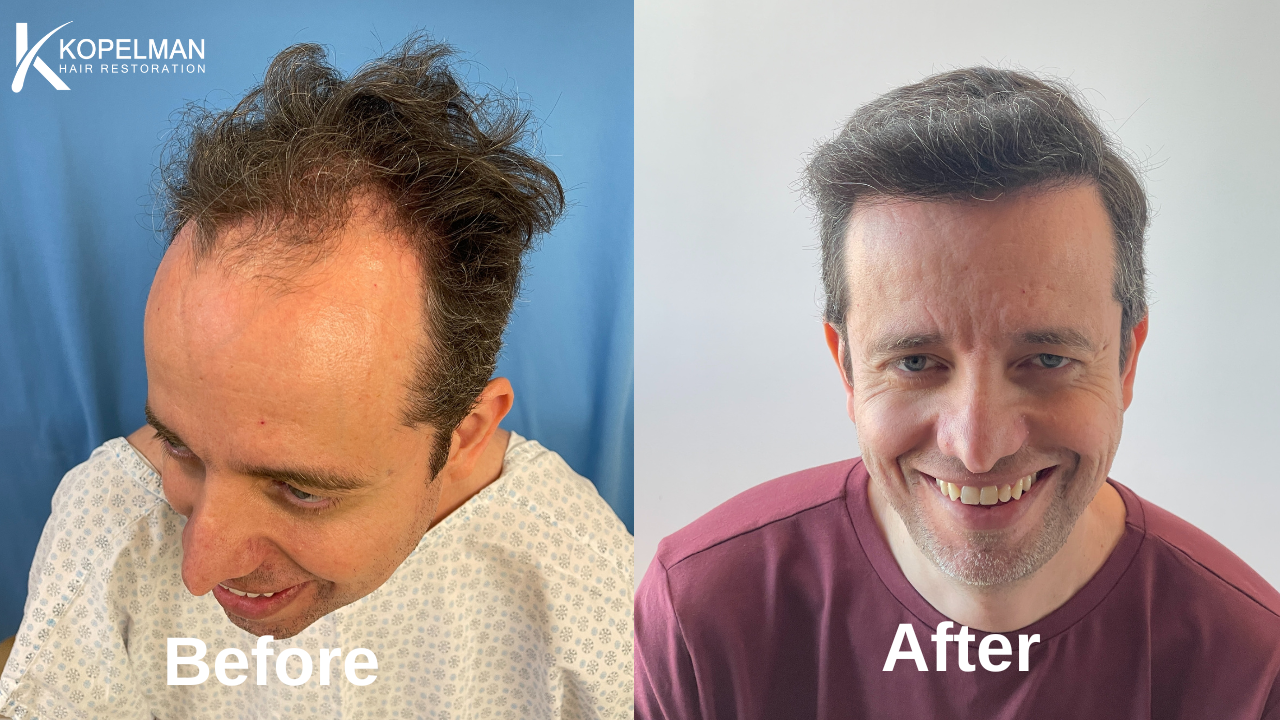
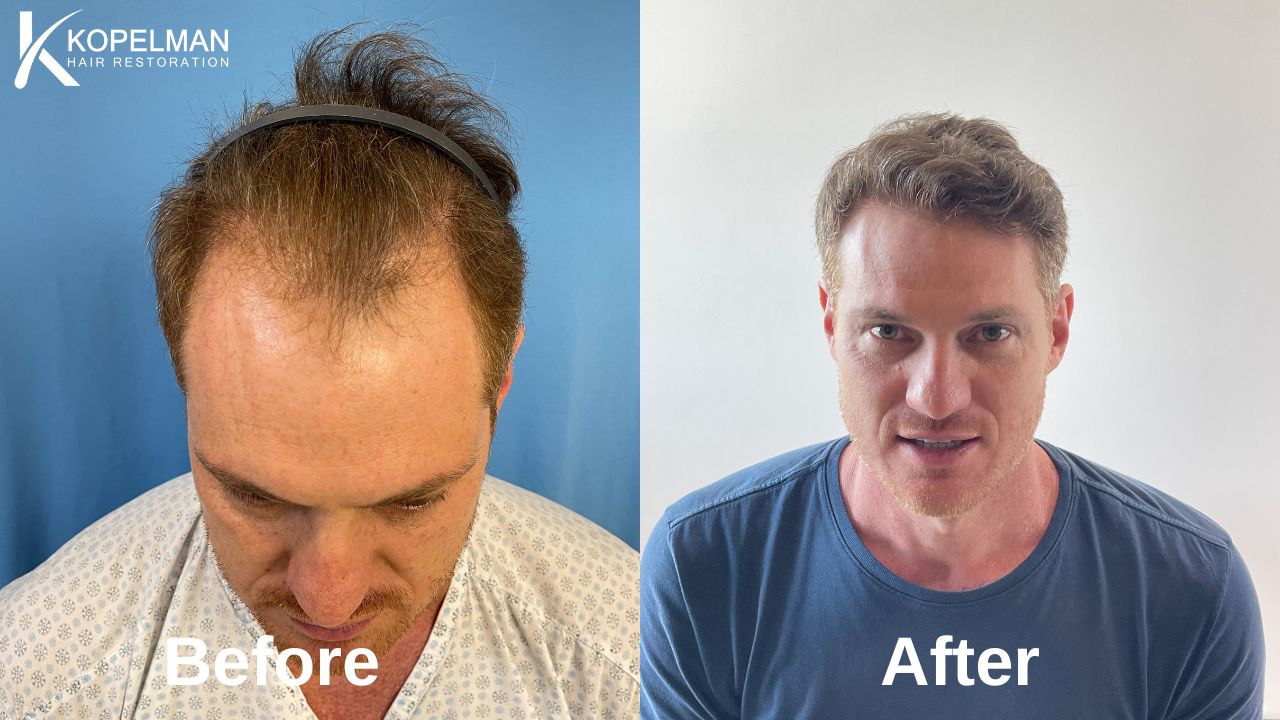
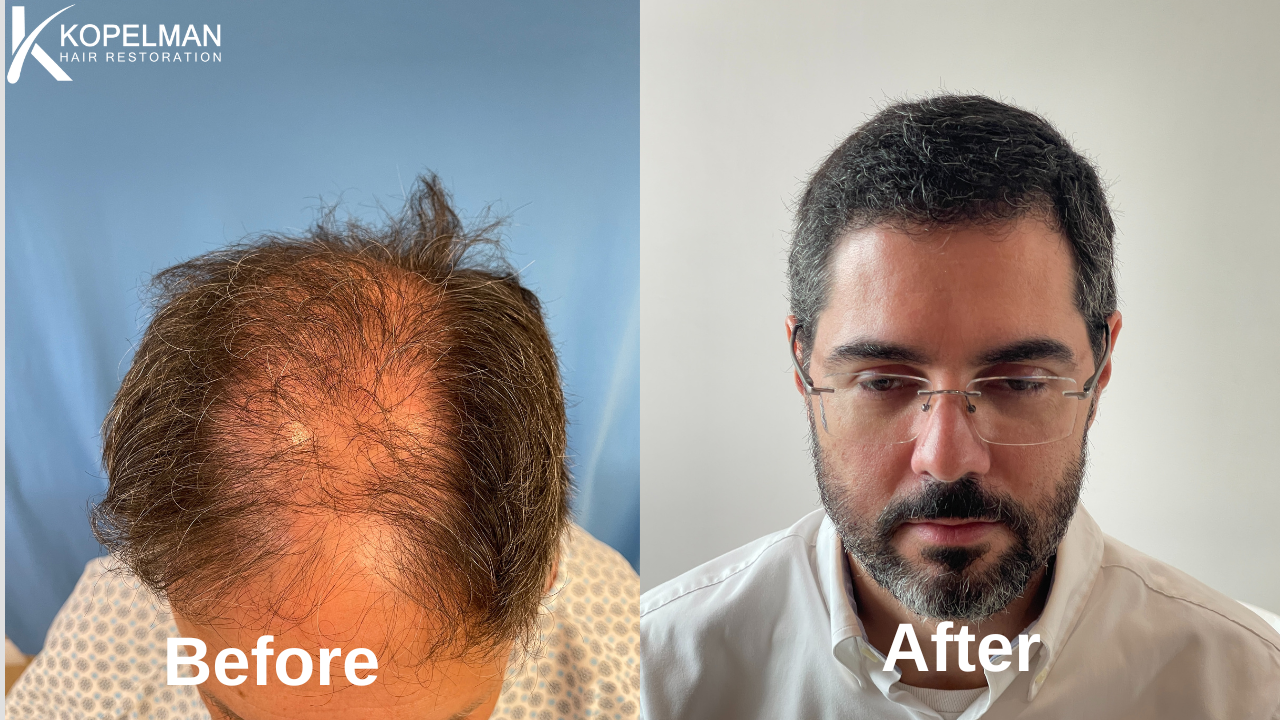
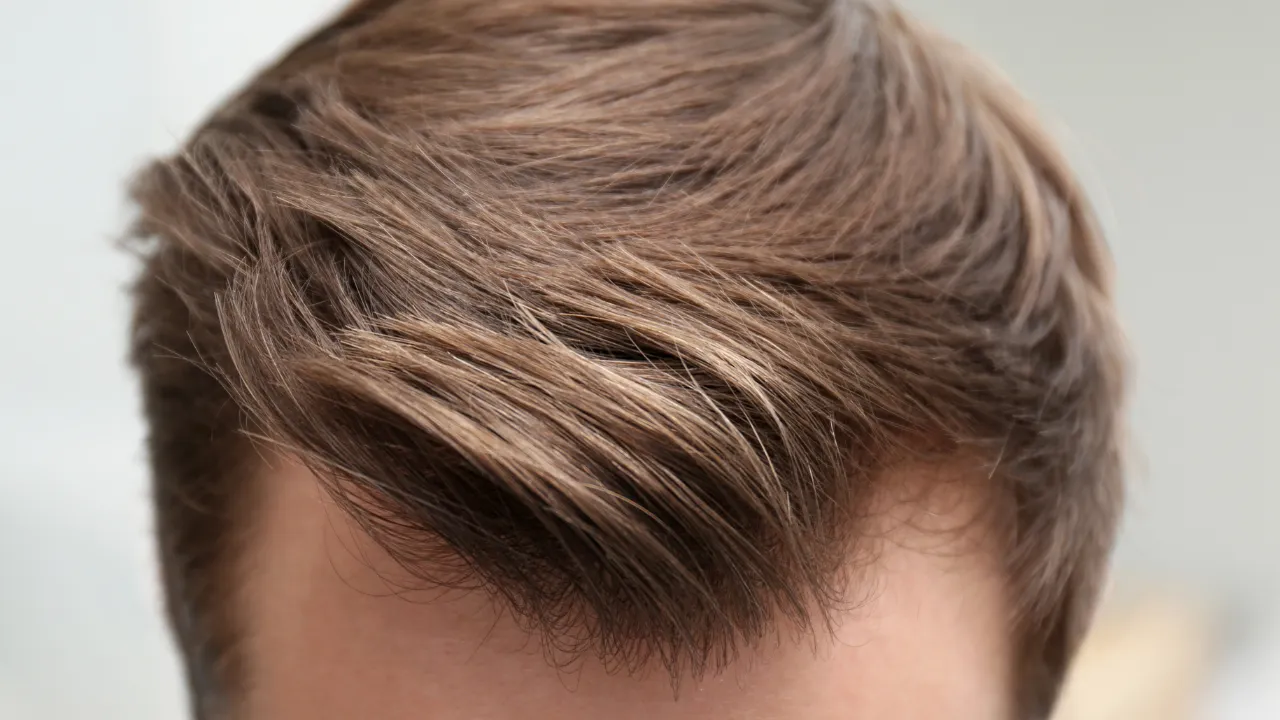
The success of stem cell for hair regrowth treatments is still being evaluated, but initial studies are promising. Research indicates that stem cell hair growth therapy can stimulate hair follicles and improve hair density in patients. Several clinical trials are ongoing, and many patients have reported positive outcomes, noting thicker and fuller hair following their treatment.
Larger and longer-term studies are still needed to establish how consistently stem-cell-based approaches improve density and how long those improvements persist.
Stem Cell Hair Transplant Cost
The cost of stem cell treatment for baldness can vary based on several factors, including the clinic, the complexity of the treatment, and the location. Since this procedure is still relatively new, it can be more expensive than traditional hair transplants.
See our article on stem cell hair transplant costs for a more detailed explanation.
Stem Cell Controversy: Key Points to Consider
Modern stem cell therapy rarely involves embryonic stem cells, which has lessened many of the ethical concerns previously associated with the practice.
However, there are other issues to be aware of. As previously mentioned, stem cell therapy for hair loss is not FDA-approved. The FDA also cautions that this treatment carries significant safety risks due to the lack of regulation compared to other medical procedures.
As with any hair loss treatment or surgery, there are pros and cons. It’s always advisable to consult with a licensed healthcare professional to fully understand your options.
Potential Risks and Side Effects
While hair loss stem cell injection is considered a safe and less invasive procedure, there are still some risks to be aware of. Possible side effects include infection, inflammation, or minimal scarring at the injection site. However, since the treatment uses the patient’s own stem cells, the risk of rejection is significantly reduced. As with any medical procedure, it’s crucial to consult a qualified specialist to discuss potential complications.
How Stem Cell Hair Restoration Differs From a Hair Transplant
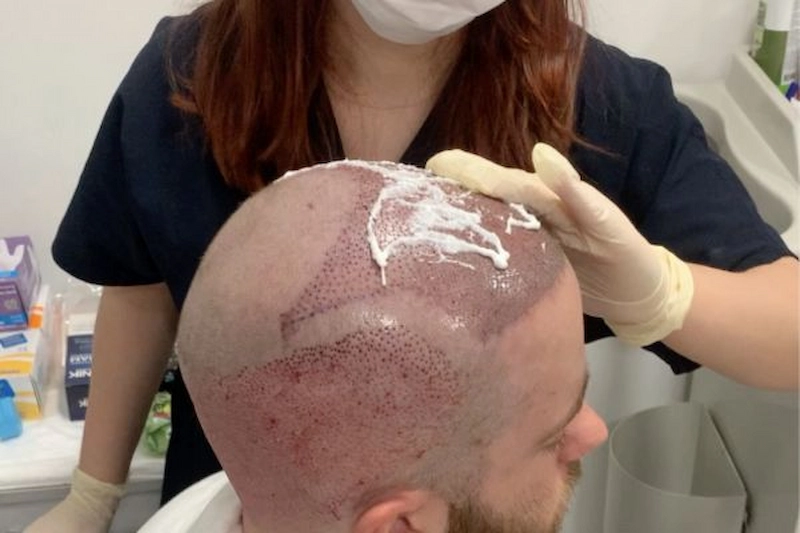
Stem cell hair restoration works with existing follicles rather than relocating follicles from another part of the scalp. A traditional hair transplant uses donor follicles to restore areas where hair has been permanently lost.
This distinction matters because regenerative treatments are generally considered for thinning areas that still contain viable follicles, while FUE or FUT may be more appropriate when significant bald areas need new follicular coverage.
If you are deciding between the two approaches, see our complete stem cell vs hair transplant comparison.
Is Stem Cell Hair Transplant the Future of Hair Restoration?
The potential for stem cell treatment for baldness to revolutionize hair restoration is exciting. As research advances, stem cell hair growth therapy could offer a long-term, minimally invasive alternative to traditional hair transplants. While this technology is still evolving, it holds significant promise for the future of hair loss treatments and may soon become a preferred option for those looking to combat thinning hair.
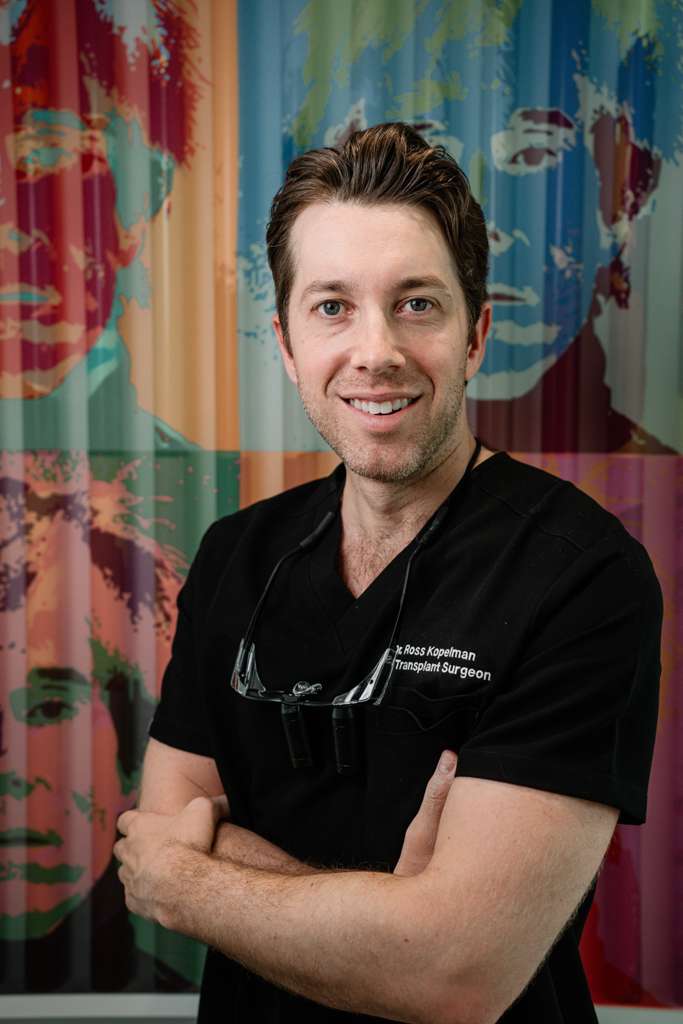
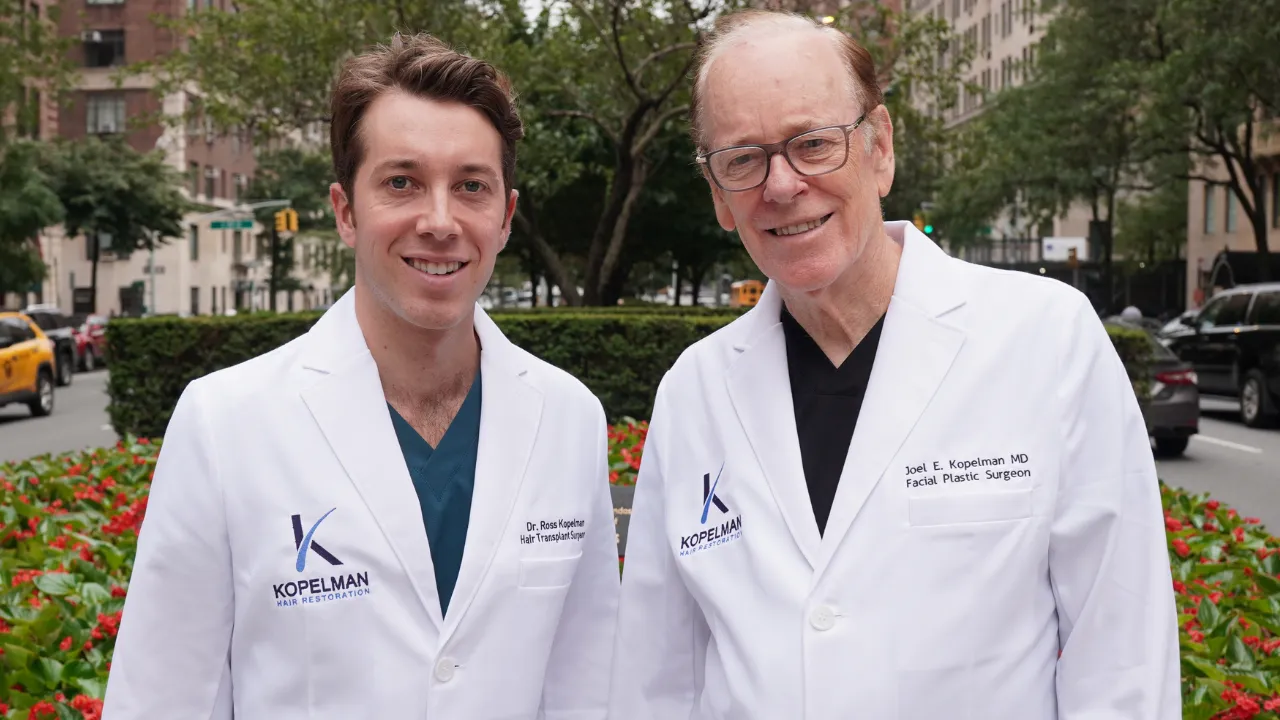
The most effective approach is to book a consultation with a hair transplant specialist like Dr. Kopelman to get an accurate estimate of the cost of these treatment options.