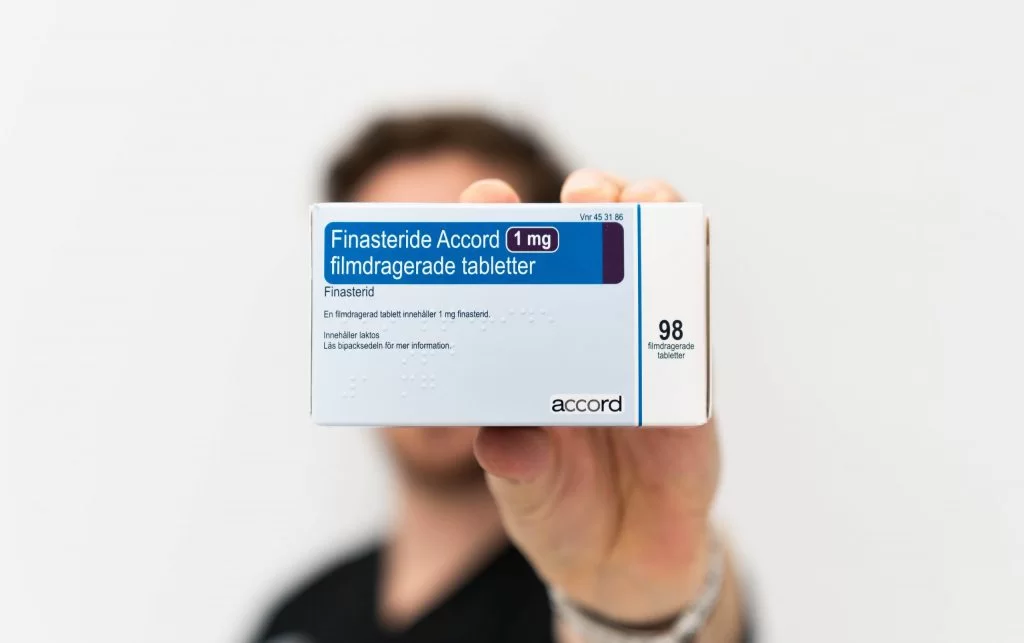
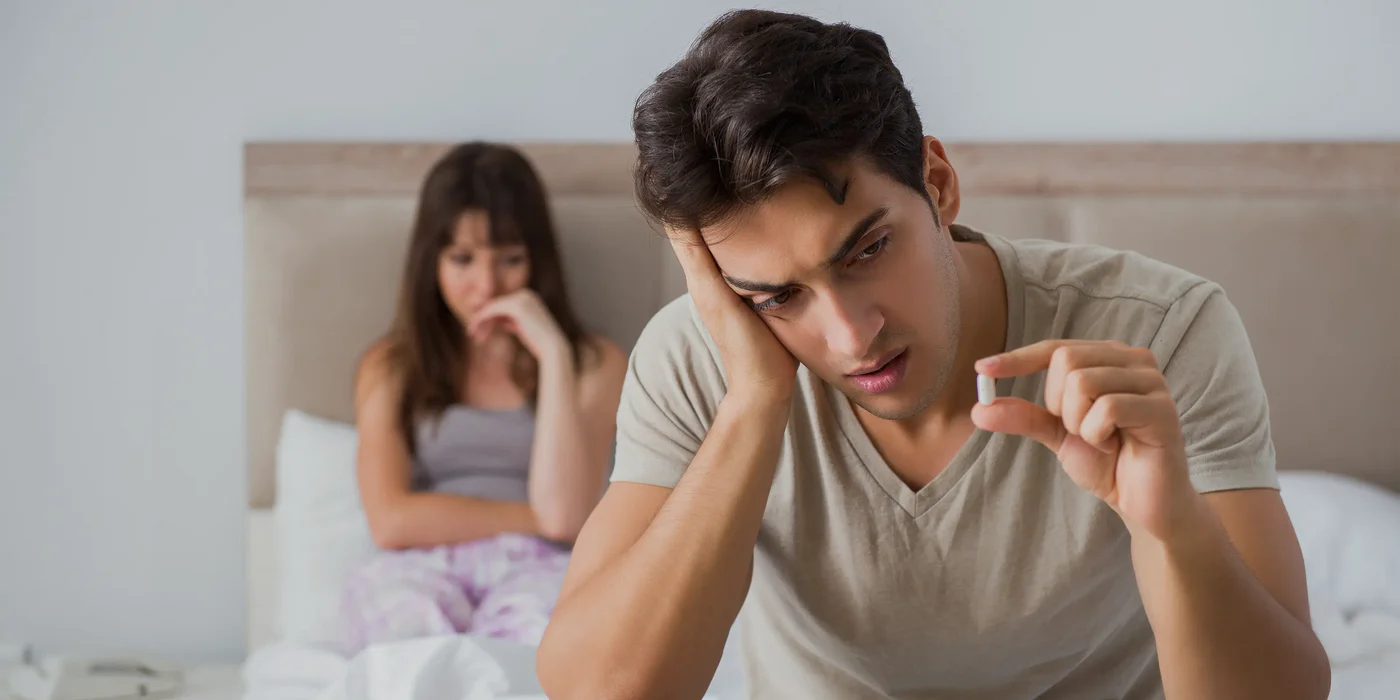
Finasteride side effects are uncommon, affecting roughly 2% to 4% of men in clinical trials, and the symptoms reported most often are sexual, such as reduced libido or trouble with erections. Most men tolerate the medication well, whether they take 1 mg for thinning hair or 5 mg for an enlarged prostate.
The drug works by lowering dihydrotestosterone (DHT), the hormone that drives male pattern baldness, which is also why a small number of users notice hormonal effects elsewhere in the body. When reactions do appear, they are usually mild, tend to ease over time, and often resolve after treatment is stopped.
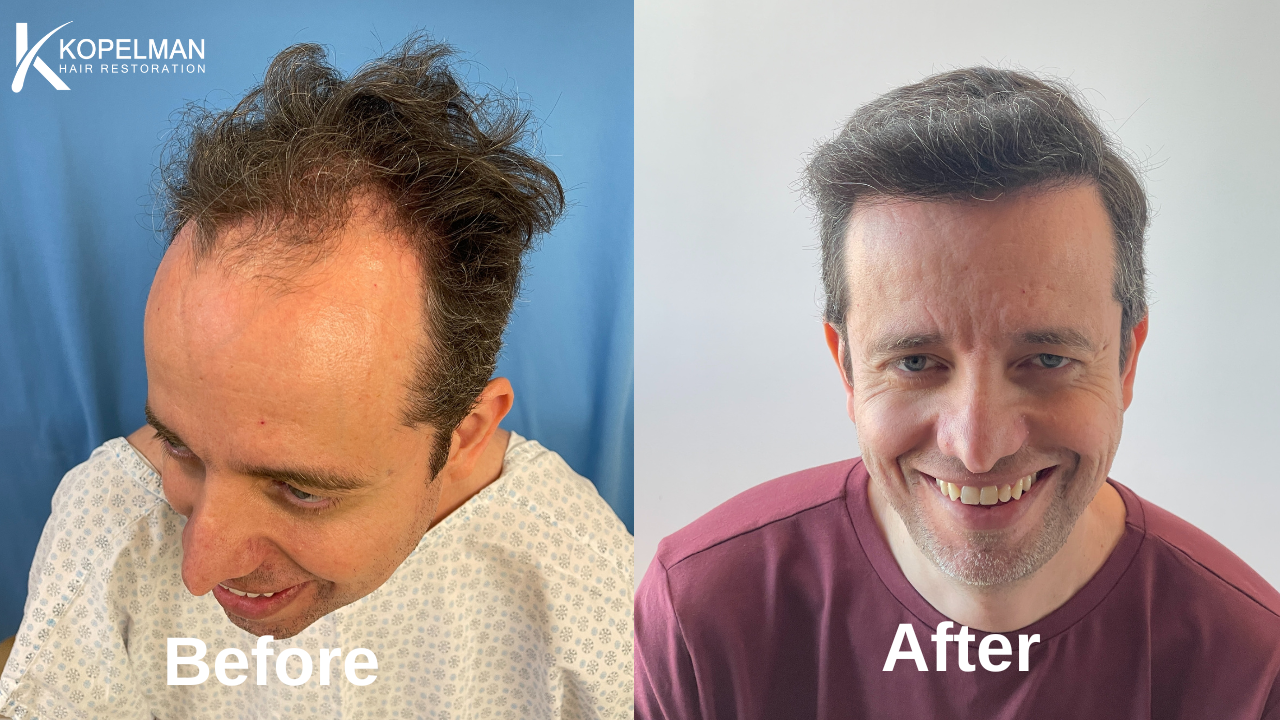
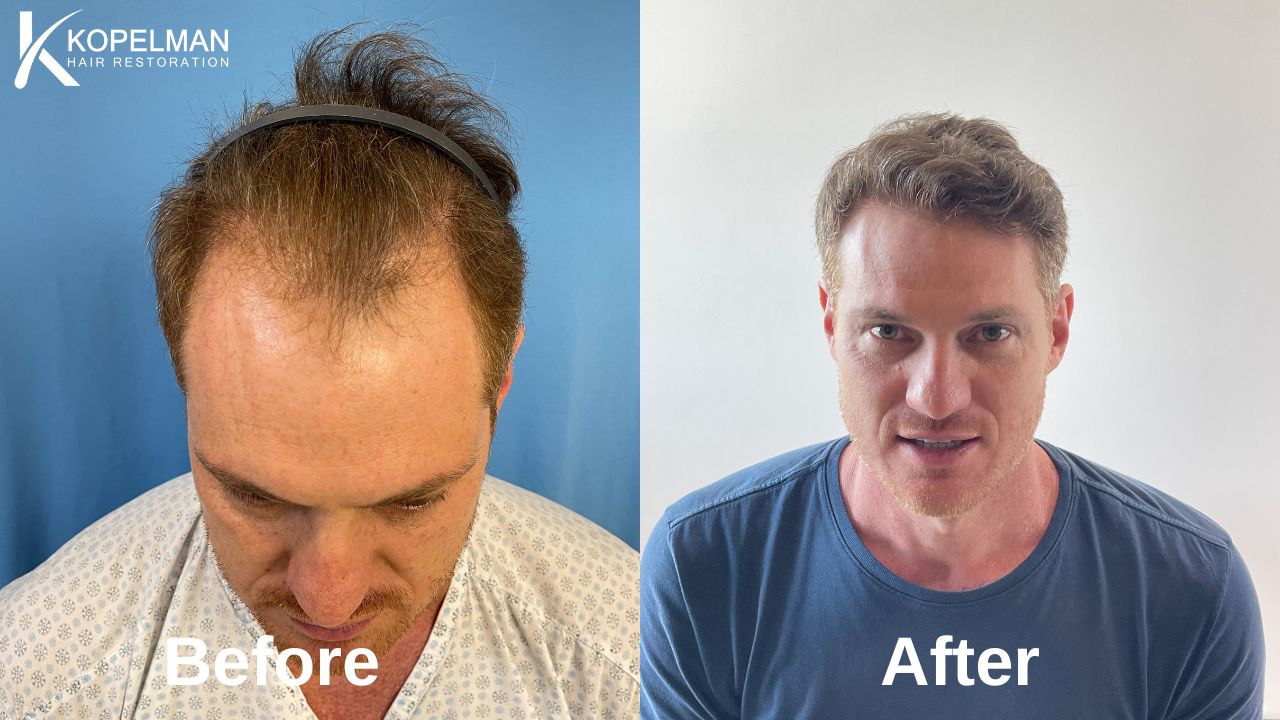
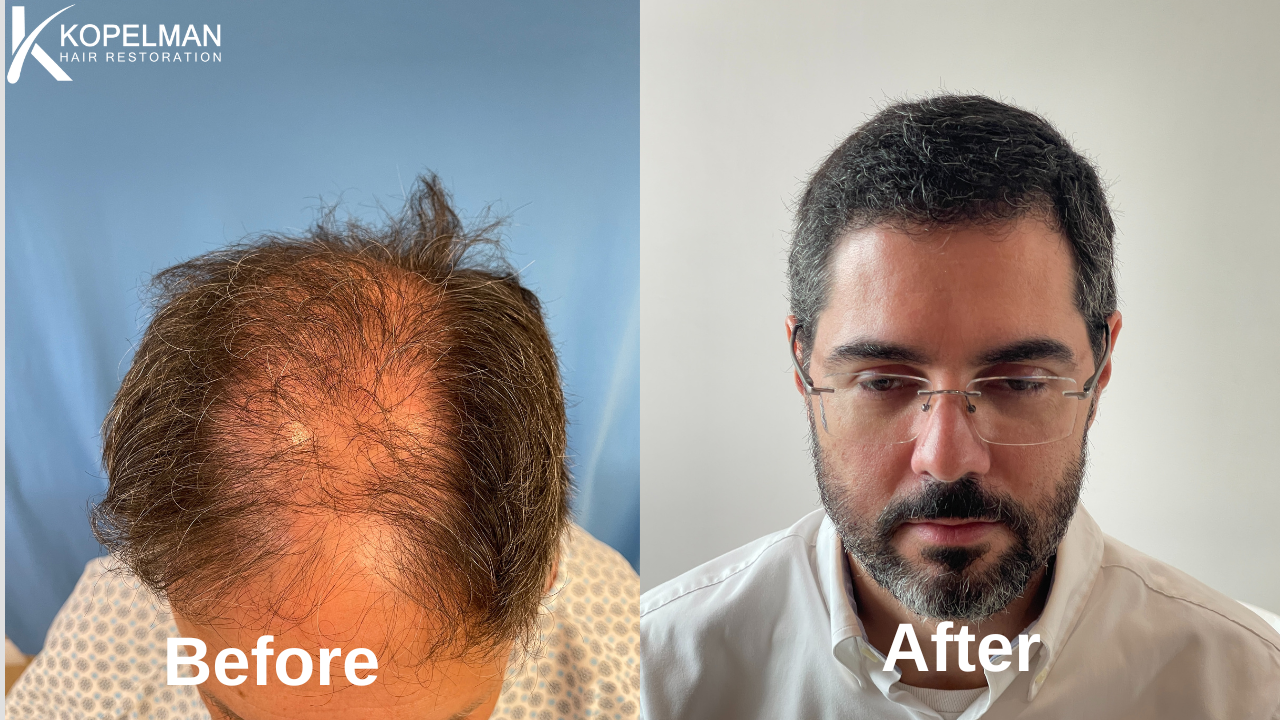
At Kopelman Hair, our team explains that with regular medical supervision, finasteride remains a safe and effective option for restoring growth. Knowing what to expect helps patients weigh the benefits clearly and feel confident about the path ahead.
Key Takeaways
About 98% of men experience no meaningful reactions, and when symptoms do occur, they are usually mild and temporary.
In year-one trials of the 1 mg dose, fewer than 2% of users reported reduced libido or erectile difficulty, with rates declining over time.
Lowering DHT supports regrowth but can occasionally influence hormonal balance elsewhere in the body.
Serious reactions, including persistent symptoms after stopping the drug, are rare but documented and worth understanding.
Regular monitoring by a qualified specialist, paired with healthy habits, helps reduce risk and improve tolerance.
What Are the Side Effects of Finasteride
Finasteride lowersdihydrotestosterone (DHT), the hormone responsible for shrinking follicles in male pattern baldness. While it is effective at protecting growth, it can occasionally cause mild reactions in a small share of users.
Finasteride Common Side Effects in Men
Most reactions reported by men are mild and short-lived. The ones documented most often include:
Decreased libido
Mild ejaculation changes, such as reduced semen volume
Difficulty getting or keeping an erection
These symptoms usually surface early in treatment and tend to fade as the body adjusts. In a comprehensive review of medical therapies, finasteride was infrequently linked with ejaculation issues (2.1–7.7%), erection problems (4.9–15.8%), and changes in desire (3.1–5.4%), with figures varying by dose and study population.
What Are the Serious Side Effects of Finasteride
Serious reactions are uncommon, but patients should know the warning signs. They may include:
Breast tenderness, lumps, or nipple discharge, which can rarely signal male breast cancer
Persistent sexual dysfunction that continues after stopping the drug
Depression, anxiety, or thoughts of self-harm
Testicular pain
A serious allergic reaction, with swelling of the lips, face, or throat, and difficulty breathing
Any of these warrants prompt medical attention. A swollen face or throat or trouble breathing is an emergency, so call 911 right away.
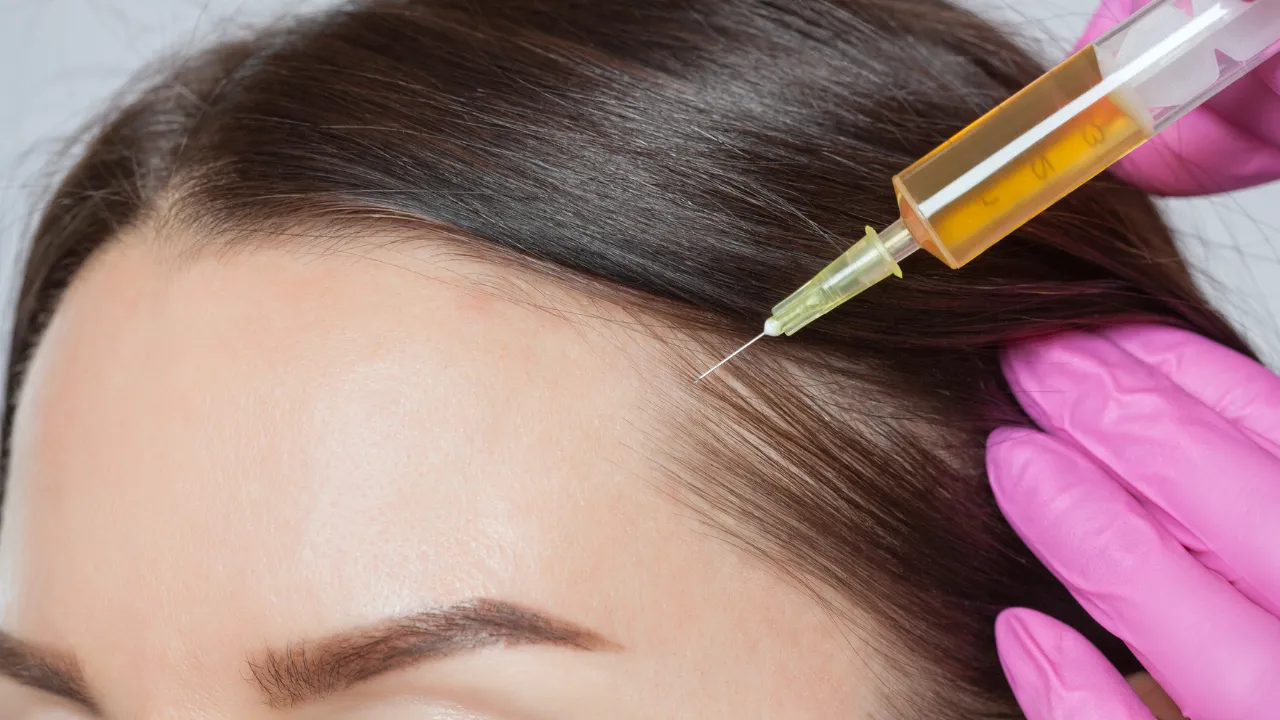
Topical finasteride limits how much of the drug enters the bloodstream, which may reduce the risk of systemic reactions.
The oral tablet affects DHT throughout the system, so men who want to minimize hormonal impact sometimes prefer the topical version. Both forms are used to protect growth, and a clinician can help match the right one to your goals.
Topical vs. Oral Finasteride Side Effects
Topical finasteride limits how much of the drug enters the bloodstream, which may reduce the risk of systemic reactions.
The oral tablet affects DHT throughout the system, so men who want to minimize hormonal impact sometimes prefer the topical version. Both forms are used to protect growth, and a clinician can help match the right one to your goals.
Can Finasteride Cause Night Sweats or Diarrhea?
Such reactions are extremely rare. If they persist or worsen, consult a healthcare professional to rule out unrelated causes.
Proscar and Propecia Side Effects: Why Does It Matter
The same molecule is sold under two brand names at two strengths, and the dose shapes the risk profile. Propecia side effects come from the 1 mg tablet used for thinning hair, while Proscar side effects come from the 5 mg tablet used for an enlarged prostate.
The higher 5 mg dose carries a somewhat greater chance of sexual reactions, along with effects tied to prostate treatment, such as reduced ejaculate volume.
Even so, a large analysis of men taking 5 mg found the impact on sexual function was minor for most and eased over time.
Can Finasteride Cause Night Sweats or Diarrhea?
These reactions are very uncommon. If they appear, persist, or worsen, check with a healthcare professional to rule out unrelated causes.
Why These Reactions Occur
Finasterideblocks 5-alpha-reductase, the enzyme that converts testosterone into DHT. This action protects follicles and also helps shrink an enlarged prostate in men with benign prostatic hyperplasia (BPH).
Because the drug shifts hormone levels, it can briefly affect mood or sexual function in some users.
Most reactions arise during this early adjustment period and gradually settle as hormone levels stabilize. Medical supervision keeps the treatment working safely for both regrowth and prostate health.
How Often Reactions Actually Occur
Clinical trials of the 1 mg dose found that about 1.8% of men reported reduced libido and 1.3% reported erectile difficulty during the first year.
A few noticed mild changes in ejaculation, though these were typically short-lived. Reported rates declined in later years of treatment.
It also helps to understand why published numbers vary so widely. One well-known study showed the “nocebo effect” at work: men who were told about possible sexual reactions reported far more of them than men who were not told, and those symptoms reversed within days of stopping.
Some trials found rates close to placebo, which is why interpretation calls for care rather than alarm.
How Long Do These Reactions Last?
Temporary symptoms usually resolve within weeks to a few months. Many men see their symptoms improve even while staying in therapy, as their bodies adapt.
A small group reports persistent symptoms after stopping, sometimes called post-finasteride syndrome, which remains rare and is still being studied. Ongoing care from a qualified physician supports a safe outcome.
Factors That Affect Frequency
Dosage: higher doses can modestly raise risk.
Duration: long-term unsupervised use can lead to complications.
Genetics and health: hormonal sensitivity and overall wellness influence how the body responds.
Is It Possible to Have No Reactions at All?
Yes. Most men tolerate the medication well and notice nothing unusual. Regular check-ins help keep results safe and effective.
Some patients feel anxious at first, but that concern often eases once regrowth becomes visible and the medication proves well-tolerated.
Finasteride Long-Term Side Effects and Safety
Used over many years, finasteride helps maintain regrowth and slow further thinning in men with male pattern baldness.
Studies of patients on the 1 mg dose for five years or more show stable results without a rising risk of new reactions, and the incidence of sexual symptoms dropped to a fraction of a percent by year five.
The medication also supports prostate health by helping manage BPH, which makes it useful for two related concerns at once.
One point worth discussing with your doctor: in men taking the 5 mg dose, finasteride may slightly raise the risk of high-grade prostate cancer and can lower PSA test readings, so tell every clinician you see that you take it.
How to Reduce Side Effects of Finasteride
Medical Guidance and Dosage Adjustments
If mild symptoms appear, a physician may lower the dose, switch you to a topical form, or adjust the schedule. Monitoring hormone levels keeps thehair loss treatment both safe and effective.
Dr. Kopelman, with over 40 years of combined clinical experience, emphasizes that personalized oversight prevents avoidable complications.
There is also a sound rationale for starting low.
Because the drug suppresses DHT effectively even at small doses, some clinicians begin with a reduced or alternate-day schedule to build confidence before moving to the standard 1 mg, an approach that can ease early worry.
Lifestyle Habits That Help
Eat a nutrient-rich diet to support hormonal balance.
Limit alcohol and avoid smoking.
Stay active to support circulation and stable hormones.
Manage stress through rest and recovery.
These steps can reduce discomfort while supporting your overall results.
Finasteride Use in Women: Key Safety Concerns
Finasteride is not suitable for most women, especially those who are pregnant or may become pregnant, because it can cause birth defects in a male fetus. In select cases, postmenopausal women may use low doses under close medical supervision.
Women should never handle crushed or broken tablets, since the drug can be absorbed through the skin. A medical consultation is always required before any treatment decision involving this medication.
Is the Medication Worth It?
For most men, finasteride offers meaningful benefits, slowing shedding and helping restore density, and its proven track record outweighs the small chance of mild reactions. When symptoms do occur, they are usually reversible after stopping.
The most useful approach is an informed one. Understanding the real numbers, the role of the nocebo effect, and the rare, serious risks allows each patient to weigh the trade-offs honestly. At Kopelman Hair, patients receive a personalized evaluation so the plan fits their individual goals.
When to Seek Medical or Mental Health Advice
Contact a healthcare provider if you notice persistent physical or emotional symptoms. Call your doctor if you experience:
Breast tenderness, lumps, swelling, or nipple discharge
Low mood, anxiety, or mood changes lasting more than two weeks
Ongoing erectile or ejaculation problems
If you are taking the medication for thinning hair and develop depression, stop the drug and speak with your doctor promptly. It also helps to tell someone close to you that you have started treatment, so they can flag any changes in mood you might not notice yourself.
If you ever have thoughts of harming yourself, treat it as urgent. In the US, you can call or text the 988 Suicide and Crisis Lifeline, available 24/7, or call 911. For sudden swelling of the lips, face, or throat or trouble breathing, call 911 right away.
Used thoughtfully and under supervision, finasteride remains a well-studied option for male pattern baldness, and it supports prostate health in men with BPH.
By understanding how finasteride works, patients can balance the benefits against any adverse effects and make informed decisions.
With expert care from Dr. Kopelman and his team at Kopelman Hair, patients achieve lasting, healthy results through safe and effective treatment options that restore confidence and well-being. Schedule a consultation today.
Dr. Ross Kopelman is a hair restoration surgeon focused on the medical and surgical treatment of hair loss, with expertise in advanced FUE hair transplantation, natural hairline design, and regenerative therapies that support healthier hair growth. He is known for combining surgical precision with an artistic approach to deliver natural, undetectable results tailored to each patient. Dr. Kopelman sees patients in New York City and Palm Beach, Florida, and also offers virtual consultations for patients across the United States and internationally.
Dr. Ross Kopelman and Dr. Joel Kopelman treat patients for hair loss and focus on delivering natural hair transplants at their New York City, New Jersey, and Palm Beach Florida offices. With over 40 years of combined experience, they are leaders in advanced FUE hair transplantation and hair restoration.
Dr. Ross Kopelman is a hair restoration surgeon specializing in advanced FUE hair transplantation, natural hairline design, and regenerative therapies. He sees patients in New York City, New Jersey, and Palm Beach, and offers virtual consultations nationwide.