
What to do while it fills in
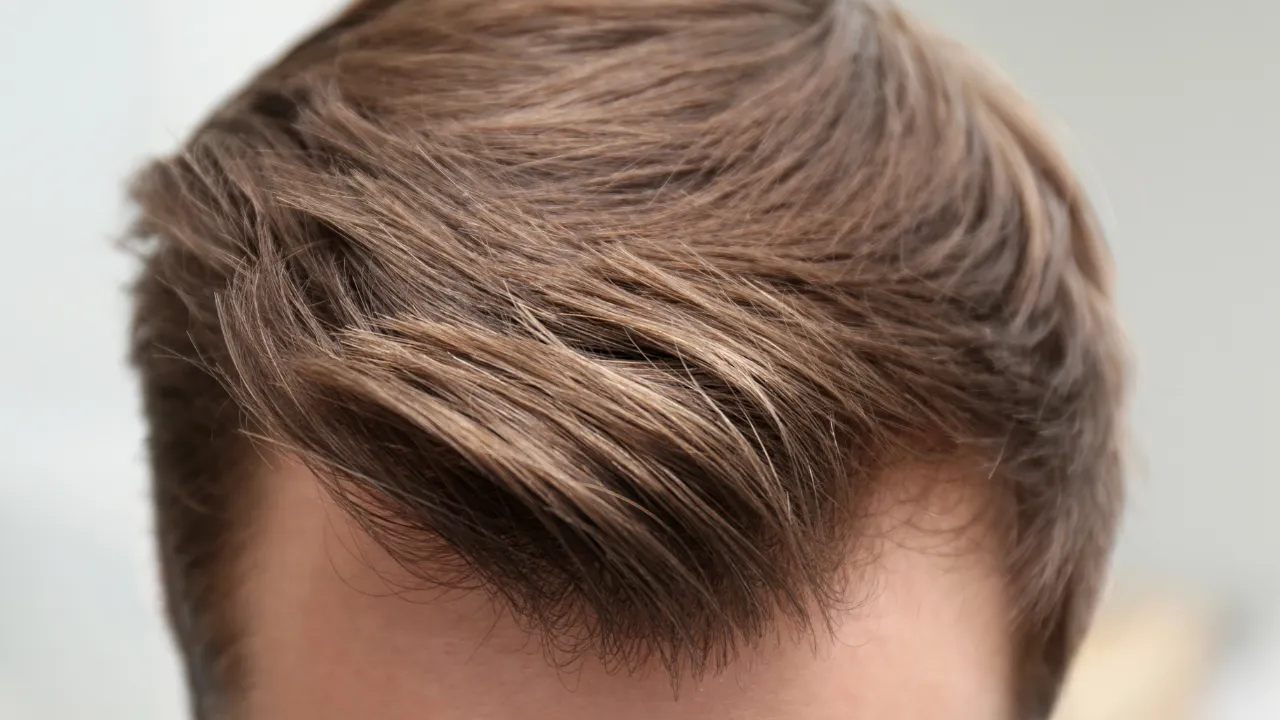
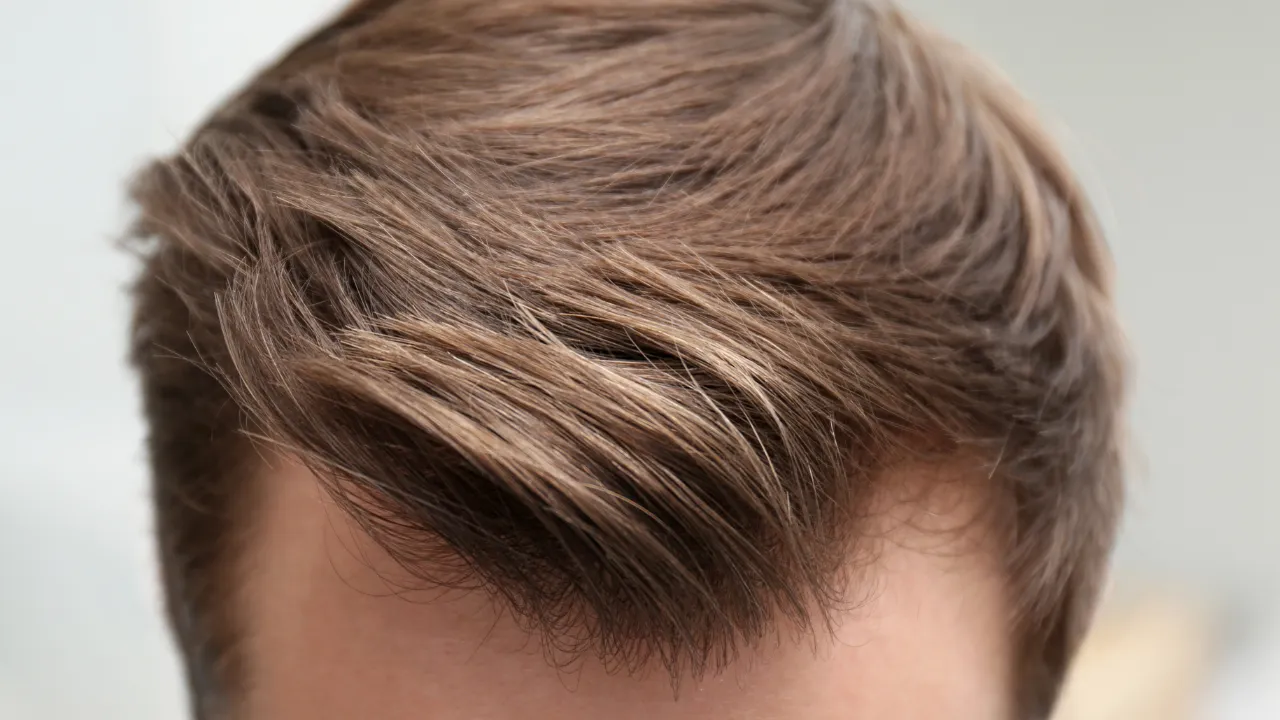
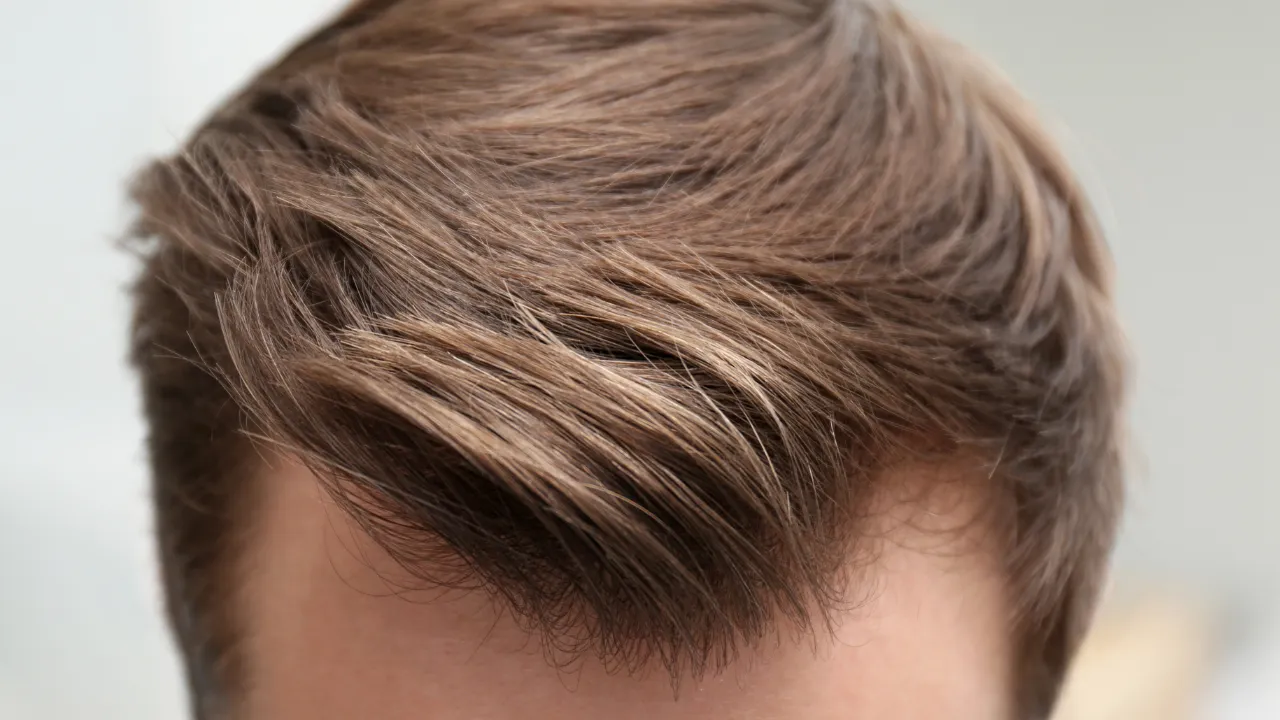
The most effective thing you can do is leave the area alone. Every additional pass with trimmers resets your progress and risks pushing the border back further.
- Skip the line-ups temporarily. Ask your barber to cut everything except your edge until it recovers.
- Keep the surrounding length short. A shorter overall cut reduces the contrast and makes the gap far less noticeable.
- Protect the area at night. A satin durag or bonnet reduces friction and breakage along the fragile front border.
- Avoid tension styles. Tight braids, twists, or ponytails put stress exactly where you are trying to recover growth.
Products marketed as growth shampoos will not meaningfully speed this process. The follicles are already healthy and cycling normally; they simply need time.
Should you go back to the same barber?
This comes up more than the timeline question does. If the barber is otherwise reliable and this was a single incident, going back is reasonable, provided you set clear expectations before the clippers come out.
Tell them directly not to touch your border, and ask that they use a straight razor rather than trimmers for any edge work. Razors follow your natural pattern more closely and are less likely to cut into denser growth.
If the same barber pushes your border back a second time, that is a pattern rather than an accident. Many people in this situation learn to do their own shape-ups, which gives them full control over where the line sits.
When a pushed-back edge is not actually the haircut
Sometimes the border does not return within 3 months. That timeline is your signal to consider other explanations rather than continue waiting.
Traction alopecia from years of tight styling can permanently damage frontal follicles. Early genetic recession can also become noticeable right after a haircut removes the length that was concealing it.
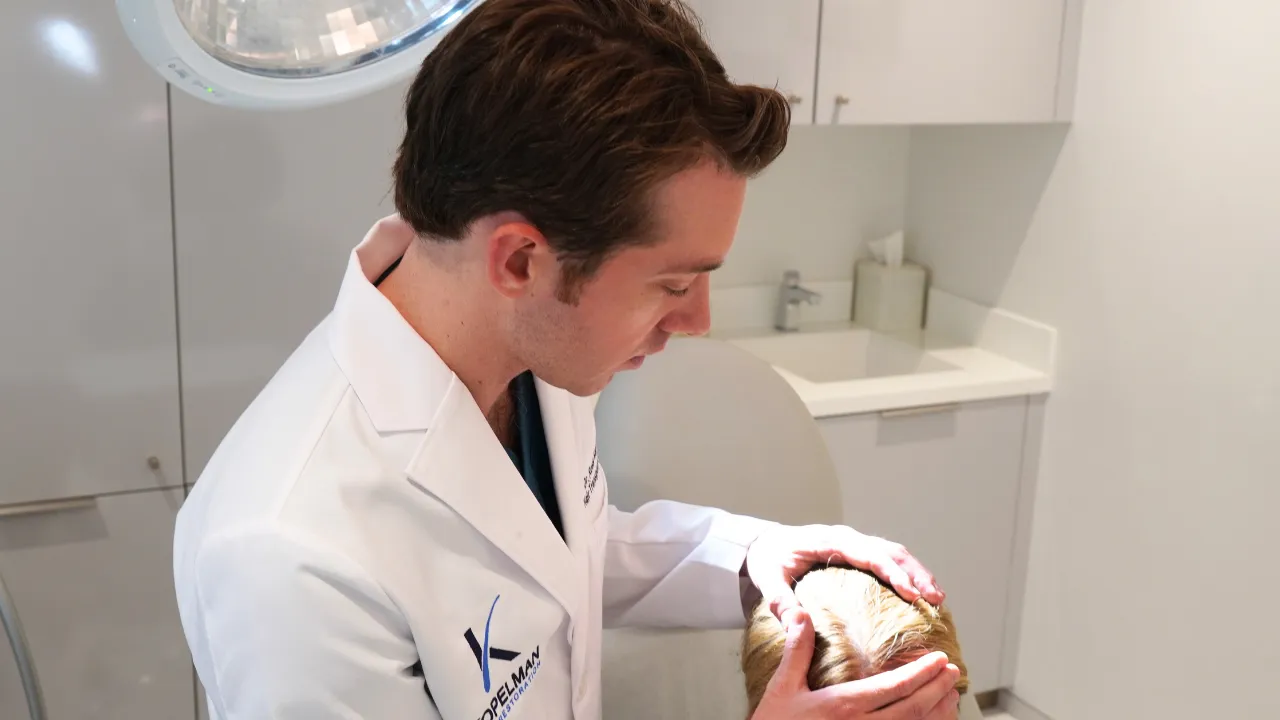
If your border has not recovered after 3 months, or if it looks thinner rather than shorter, an evaluation with Dr. Kopelman can identify what is actually happening.
Understanding Hairline Changes
When does a hairline start receding
Permanent recession often begins in the late teens to early 30s, depending on genetics. For some men, the first signs of male pattern baldness appear shortly after puberty when hormonal changes affect growth cycles.
In women, hairline changes are less common early in life but may occur with hormonal shifts such as pregnancy or menopause.
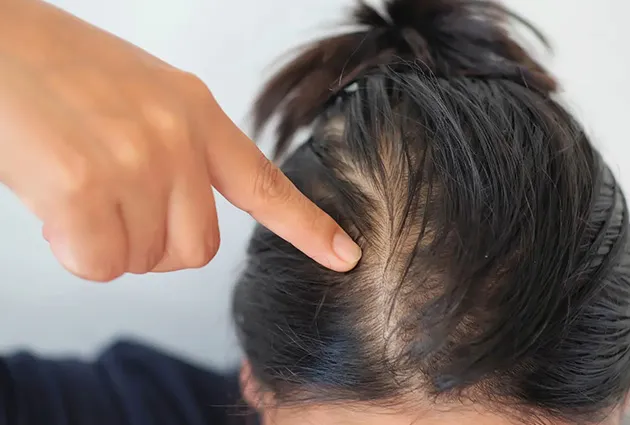
The first sign is usually a gradual shift at the temples or the middle of the forehead. Because this change is slow, it’s easy to overlook until it’s visible in photos or mirrors.
How quickly can a hairline recede
The speed of recession varies widely. In some cases, changes develop over decades; in others, visible thinning at the temples can occur within a few years. Rapid progression often indicates strong genetic factors or medical conditions such as male pattern baldness.
Tracking your border with monthly photos helps determine the rate of change and guides timely treatment decisions.
Mature hairline vs receding
A mature hairline is a normal shift about 1 to 2 cm higher on the forehead, usually in the late teens or early twenties. This change is symmetrical and stable.
An early receding hairline continues to recede and may become uneven, with deeper loss at the temples or the top of the head. Recognizing the difference is essential so treatment starts only when needed.
Early Signs You Should Watch For
Recognizing the early indicators of male pattern loss enables earlier, more effective treatment. Common signs include:
- Gradual temple thinning noticeable in bright lighting.
- Increased visibility of the scalp along the front border.
- A widening part or less dense frontal coverage.
- Persistent shedding of over 100 strands per day for several weeks.
If you notice more than one sign, consider taking progress photos every month. This self-monitoring can help track changes and provide evidence during a consultation with Dr. Kopelman.
Receding hairline stages
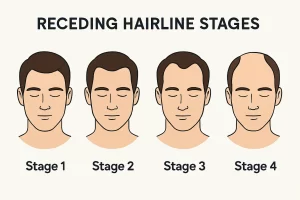
The stages of receding hairline progression are typically described this way:
- Stage 1 – Minimal change, detectable only on close examination.
- Stage 2 – Noticeable temple recession but still within normal variation.
- Stage 3 – Deeper recession forming an “M” shape.
- Stage 4–5 – Continued loss at temples and crown, sometimes merging into a bald spot.
Identifying which stage of receding hairline applies to you helps set realistic expectations for regrowth and treatment outcomes.
Prevention Strategies to Slow Recession
While genetic factors cannot be changed, adopting certain habits can help delay progression.
- Reduce stress – Chronic stress can disrupt the growth cycle.
- Gentle styling – Avoid tight ponytails, braids, or heated tools.
- Balanced nutrition – Ensure enough protein, zinc, iron, and vitamin D.
- Scalp care – Protect from sun damage with hats or SPF products.
Combining these measures with medical advice from Dr. Kopelman may help maintain your density longer and improve the success of treatment.
Hairline Recovery and Regrowth
Will a receding hairline grow back?
Whether coverage returns depends on the cause. If the loss is due to temporary factors such as stress, poor nutrition, or certain medications, recovery is often possible. If it’s caused by male pattern baldness, regrowth without treatment is unlikely.
Dr. Kopelman advises early evaluation so patients can begin treatment before follicles stop producing entirely.
How long does it take for hairline to grow back with treatment?
For responsive cases, improvement may appear in 3 to 6 months, with optimal results at 12 months or longer. Growth cycles are slow, and consistency with treatment is the deciding factor.
Minoxidil and finasteride can promote regrowth, but results vary based on how advanced the recession is when treatment starts.
Natural and targeted regrowth methods (includes frontal hairline tips)
Some prefer starting with lifestyle-based approaches before medical treatment:
- Improving diet to ensure adequate protein, iron, and vitamins.
- Reducing stress through exercise or relaxation techniques.
- Avoiding hairstyles that pull on the frontal border.
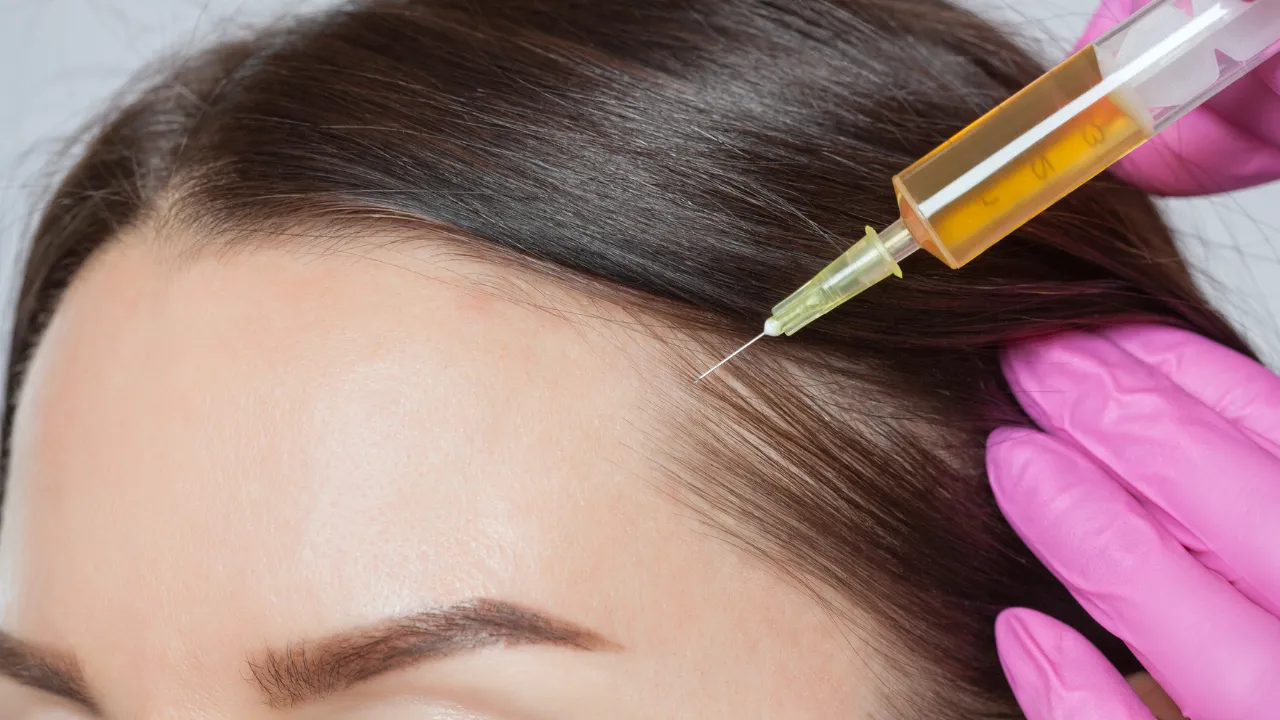
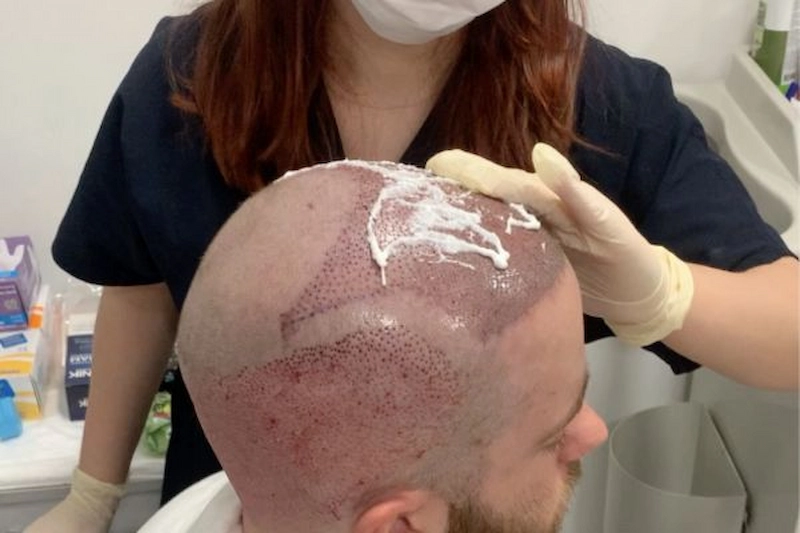
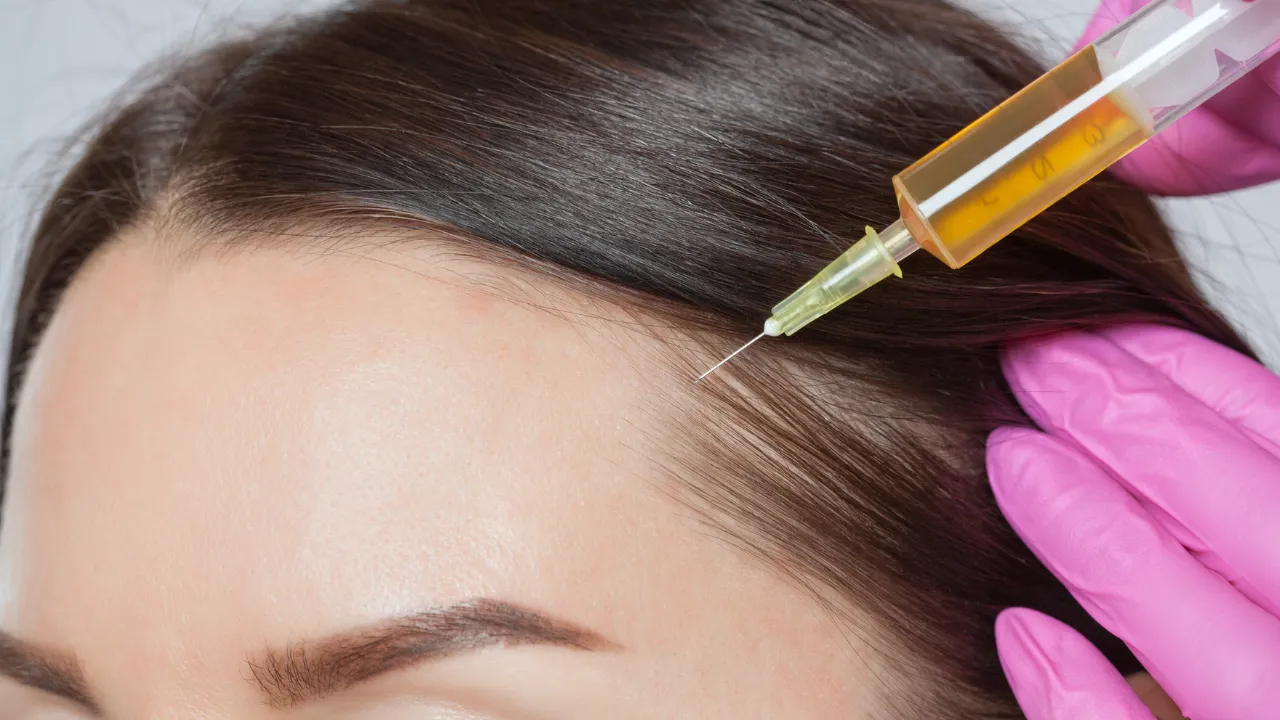
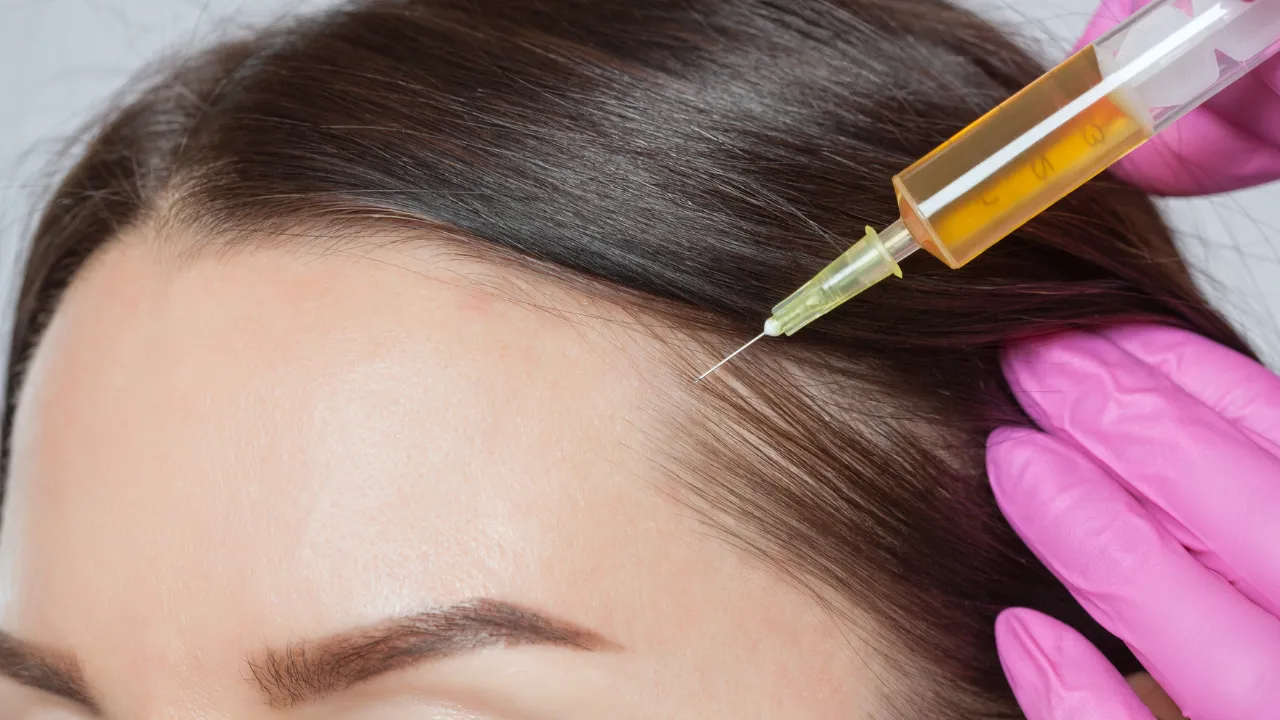
Targeted medical solutions, such as platelet-rich plasma (PRP) therapy or hair transplants, often yield more reliable results, particularly in the frontal area.
From Recession to Baldness
How long does it take to go bald after a receding hairline
The transition from early recession to significant baldness can take 5 to 25 years, depending on genetics, age, and treatment. In aggressive patterns, large bald spots may develop within a decade.
By identifying the rate of change early, it’s possible to slow or halt progression.
When to See a Specialist
If your border changes noticeably in less than a year, it’s time for a professional evaluation. Rapid progression often requires treatment to slow further loss.
Patients with a family history of early baldness, or those who have tried treatments for six months without improvement, should seek advice sooner.
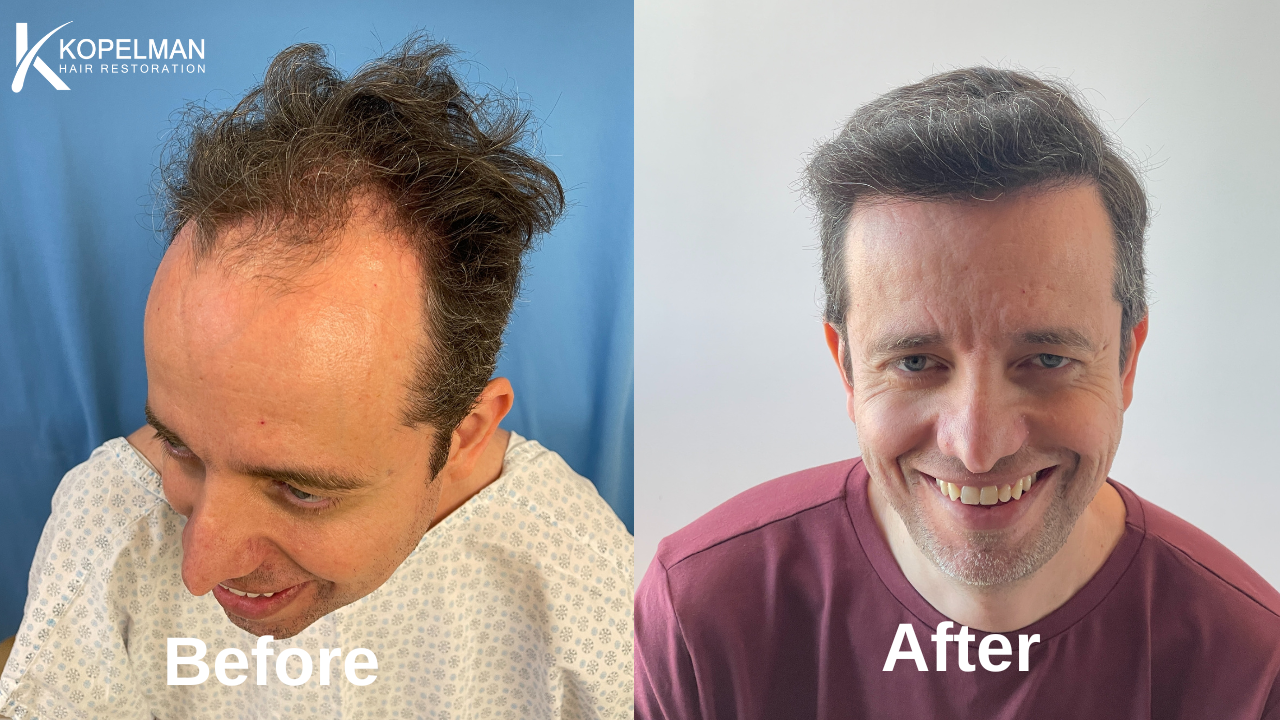
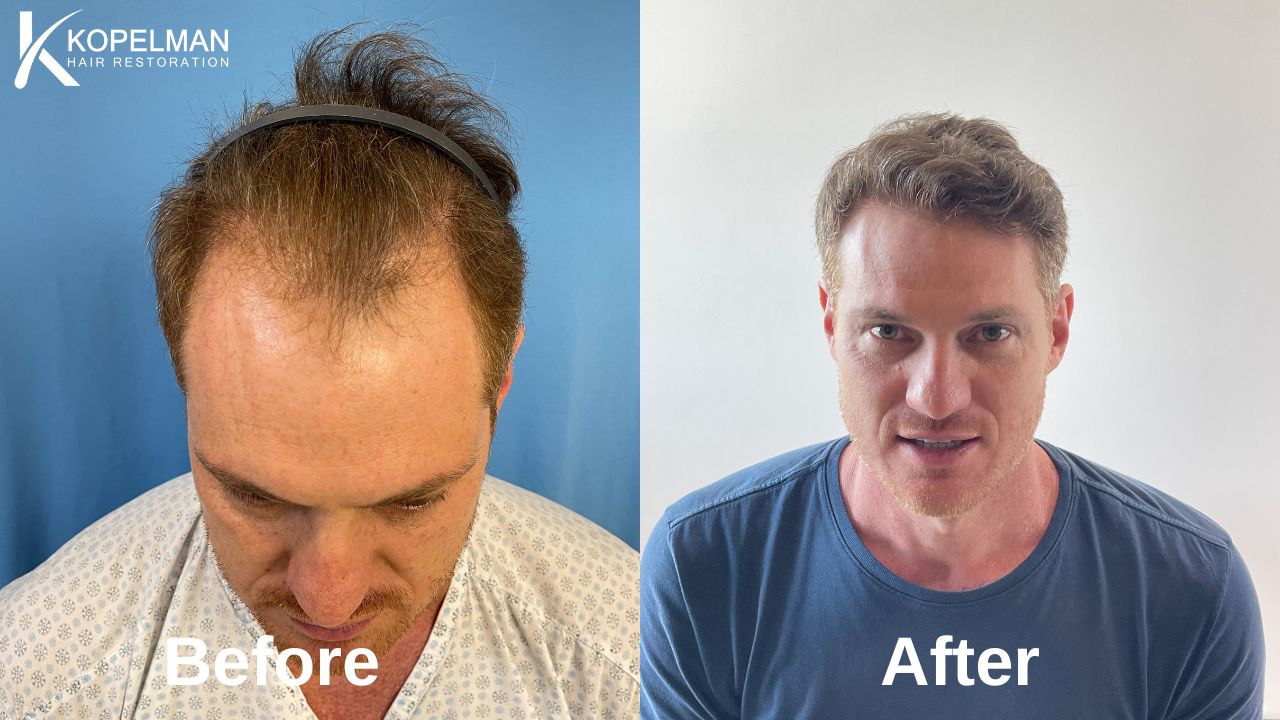
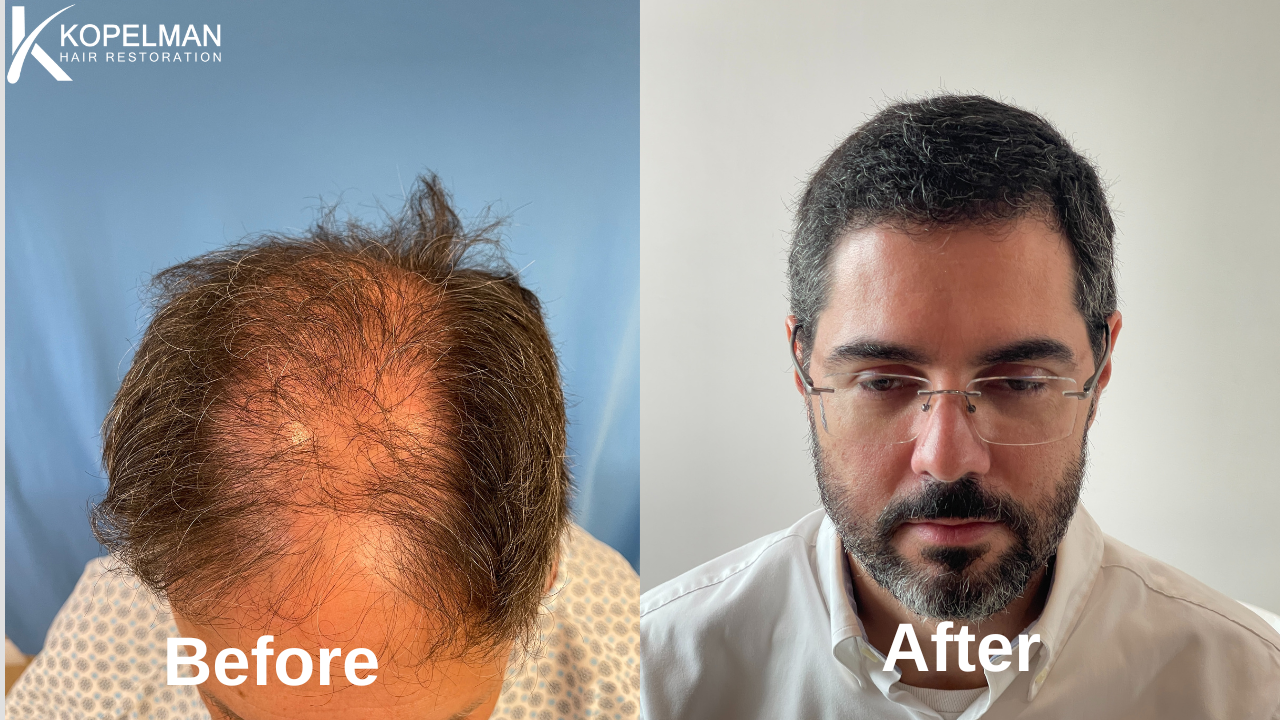
For example, one patient in his late 20s noticed thinning and early-stage temple recession within eight months. With early diagnosis and treatment, he maintained a stable border for over five years.
Another in his 40s reversed early frontal thinning through PRP therapy and topical treatment. These cases show that timely intervention can make a difference.
Treatment Options and Timelines
Can you really fix a receding hairline?
While there is no universal cure, many cases can be improved. Success depends on early detection, correct diagnosis, and adherence to a plan.
Treatment can slow loss, improve density, and restore a natural appearance, but outcomes depend on the individual’s stage of loss.
Medical and surgical treatments with expected results
Medical treatments:
- Minoxidil may slow shedding and encourage regrowth, with noticeable improvement in 3 to 6 months.
- Finasteride is often used for male pattern baldness and typically produces regrowth within 6 to 12 months.
- PRP therapy uses the patient’s own plasma to stimulate follicles and requires multiple sessions.
Surgical options:
- Transplant surgery – Relocates healthy follicles for permanent restoration. Modern techniques provide natural results with minimal downtime.
- Expected results – Transplanted grafts begin growing after 3 to 4 months, with full results at 12 to 18 months.
Cost and Timeframe Expectations
Costs vary by treatment type and the extent of restoration needed. Note that these options apply to permanent genetic loss. A pushed-back edge from a haircut requires no treatment or expense at all, only time.