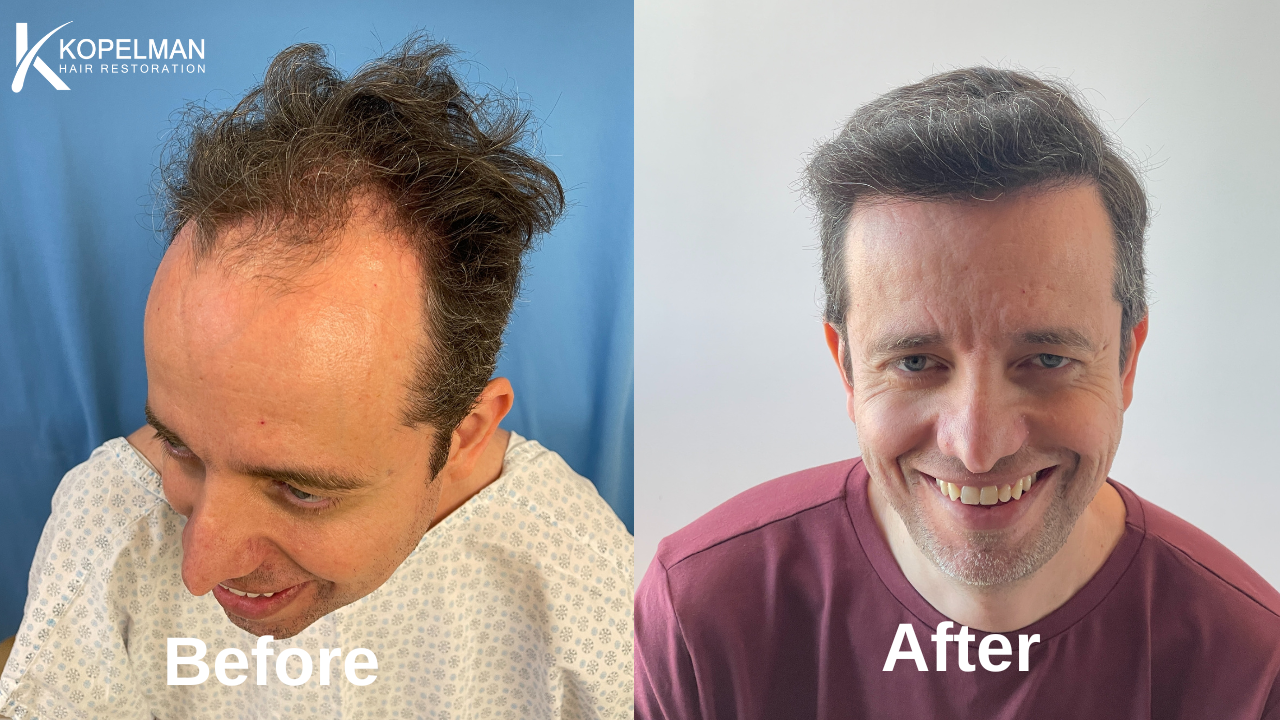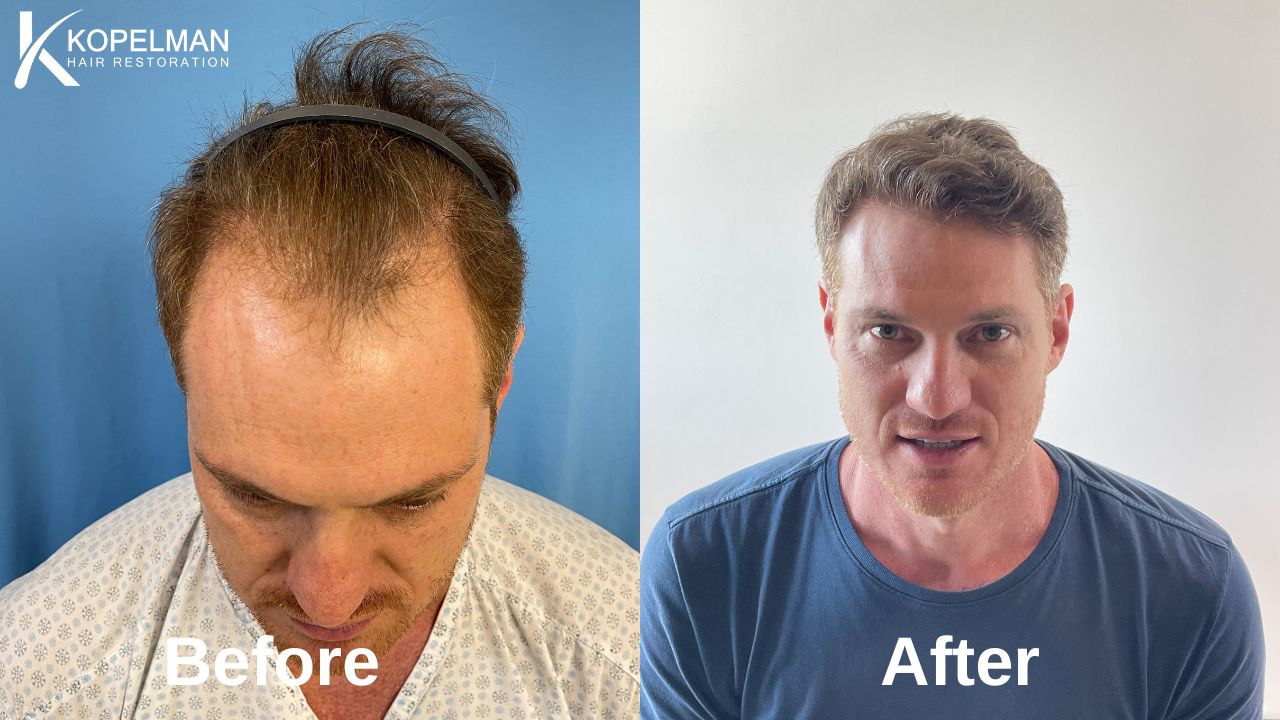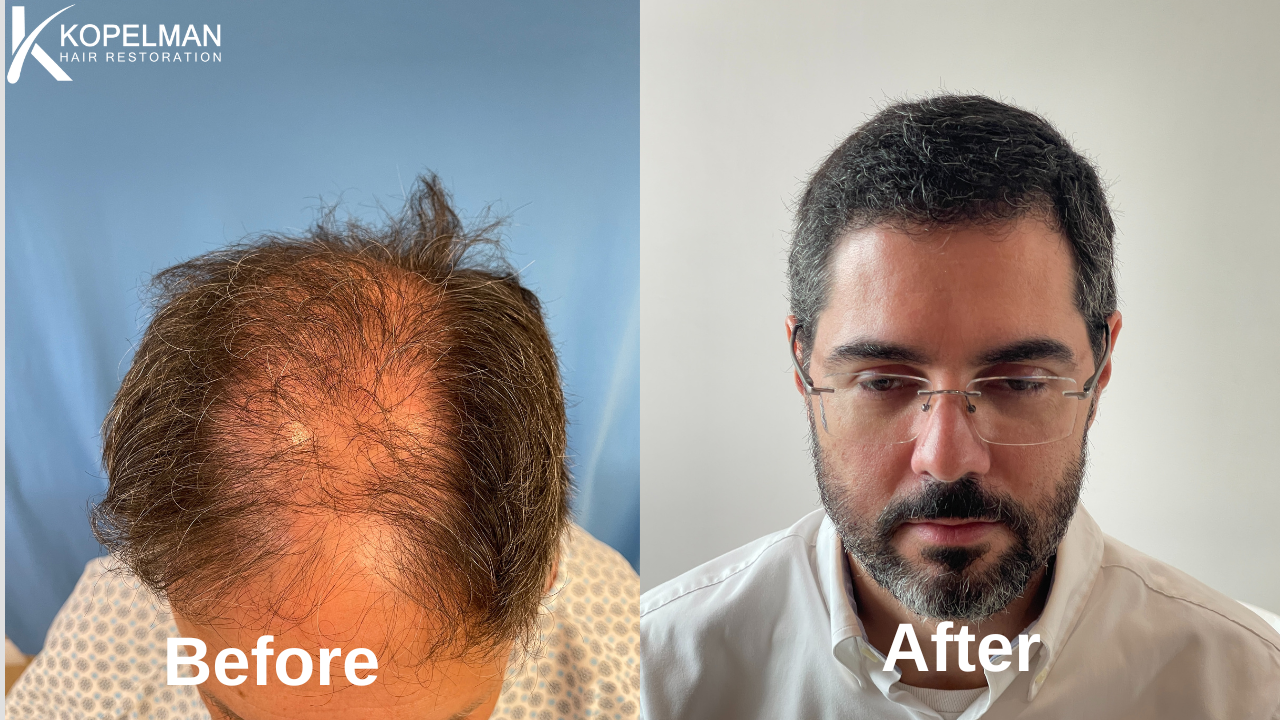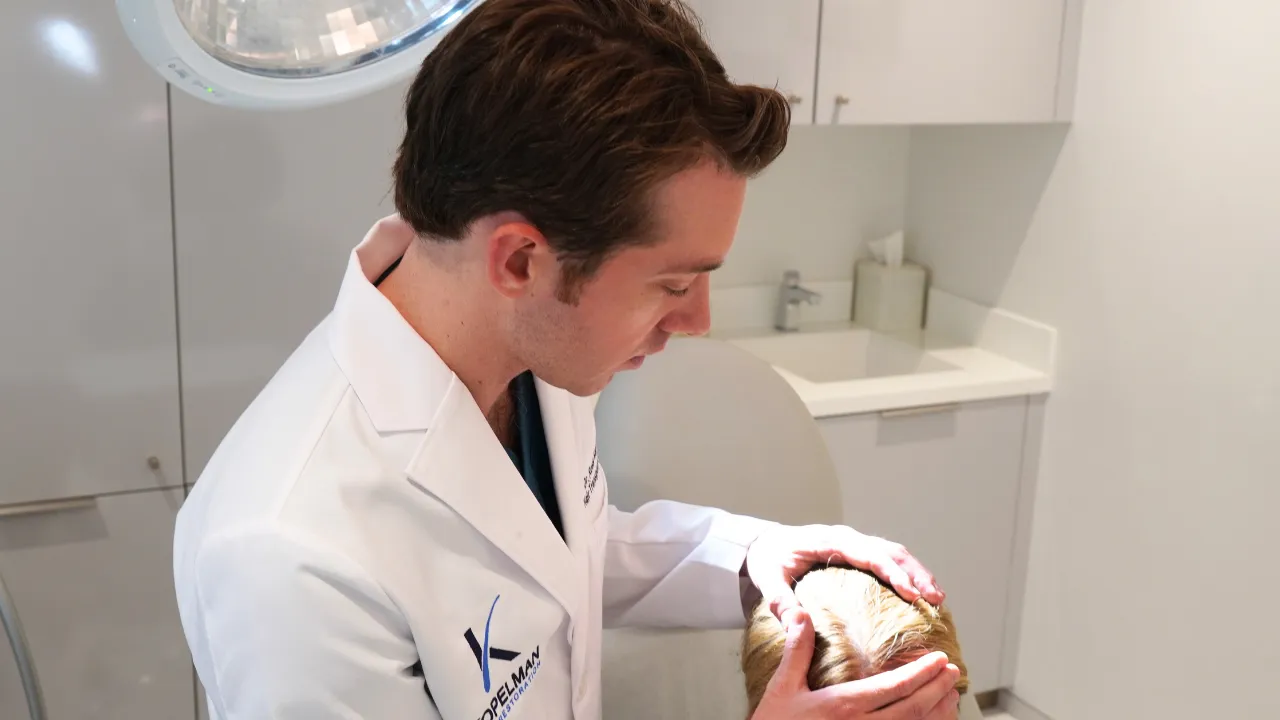


Dr. Kopelman, an expert in treatments for thinning hair, explains how to preserve sexual function while taking dutasteride and still achieve strong hair regrowth.
Does Dutasteride Cause Erectile Dysfunction?
Yes, it can, though for most men the risk is modest and the reaction is temporary. Erectile dysfunction is a recognized but uncommon response to dutasteride, and the way it shows up varies from person to person.
In a clinical study of men taking dutasteride for an enlarged prostate, about 7.3% reported erectile dysfunction, 4.2% reported reduced desire, and 2.2% reported changes in ejaculation. Roehrborn et al., 2002. In a randomized study of younger men using dutasteride for pattern baldness, sexual adverse events occurred in roughly 16% of the dutasteride group versus 8% on placebo during the controlled phase, and nearly all were mild and resolved on their own. (Tsai et al., 2018).
It also helps to put this in context. Real-world reporting data from a European drug-safety database found that finasteride actually generated more sexual complaints than dutasteride, with reported erectile dysfunction and reduced desire several times higher for finasteride EudraVigilance analysis, 2021. The risk is real, but the data suggest it is often overstated.
What Is Dutasteride and How Does It Work?
How Dutasteride Supports Regrowth
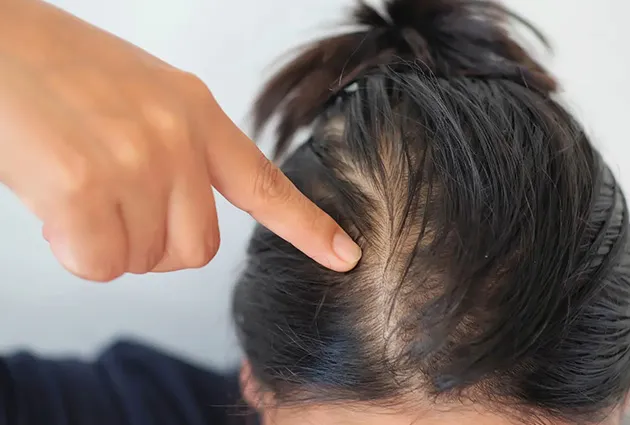
Dutasteride slows balding by blocking DHT (dihydrotestosterone), the hormone that shrinks follicles in men prone to pattern baldness. By lowering DHT levels, the medication can reduce thinning and help some men regrow hair. Unlike topical finasteride, which mainly acts on the scalp, oral dutasteride lowers hormone levels throughout the body, which is why some men notice changes in sexual function.
Research suggests that dutasteride may outperform finasteride in preventing regrowth because it blocks both forms of the 5-alpha reductase enzyme, whereas finasteride blocks only one. In clinical trials, oral dutasteride lowered DHT by up to 90%, while finasteride reduced it by roughly 70%. This makes it a popular choice for androgenetic alopecia, one of the most common causes of thinning. Keep in mind that neither oral nor topical dutasteride is FDA-approved for pattern baldness in the United States, so it is prescribed off-label.
Why Dutasteride Can Affect Sexual Function
DHT influences more than your follicles. It also plays a role in sexual health, so when levels drop, some men experience erectile dysfunction, reduced desire, or other hormonal shifts. The encouraging news is that these reactions are usually temporary and tend to ease over time.
Eating well, staying active, and managing stress can help steady hormone levels and limit these reactions. Some research also indicates that adjusting the dose or taking planned breaks may further reduce unwanted dutasteride sexual side effects. Worries about sexual function are common, but careful management can lower their impact.
Dutasteride and Libido: What You Should Know
How to Protect Your Libido on Dutasteride
If you are concerned about a drop in sex drive, there are ways to reduce the odds. Some men find that a lower dose or a switch to topical dutasteride helps. Staying healthy with good nutrition, regular activity, and enough sleep can also support testosterone and energy.
Changes in dutasteride libido are usually temporary, and the exact cause is still being studied; it may relate to how the drug affects hormones tied to desire. Talking with a healthcare provider about options, such as dosing changes or other supportive measures, gives you a personalized plan. While the idea of permanent libido changes lacks strong scientific support, a small number of users report lingering effects after stopping.
Is Dutasteride Erectile Dysfunction Reversible?
For most men, yes. These reactions usually improve once the medication is stopped or the dose is reduced, and clinical evidence indicates reversibility in the vast majority of cases, though recovery time varies.
In one randomized trial, every sexual adverse event resolved during treatment or shortly after the final dose, and none caused patients to quit (Tsai et al., 2018). Long-term prostate research is also reassuring, with reported reactions dropping from about 6% in the first year of dutasteride use to roughly 0.4% by the fourth year (Debruyne et al., 2004). Tapering the dose slowly rather than stopping suddenly may help the body adjust, and healthy habits can support recovery.
Erectile Dysfunction and How to Recover
How to Avoid ED on Dutasteride
To lower the chance of erectile dysfunction, it helps to monitor your hormone levels and take care of your overall health.
Use the Lowest Effective Dose
- A lower dose of dutasteride may still provide regrowth benefits while reducing the risk of adverse reactions.
- Ask your doctor about adjusting your dose to balance results and safety.
Consider a Combination Approach
- Some users alternate dutasteride with low-dose finasteride, another DHT blocker, to limit long-term exposure.
- Pairing low-dose dutasteride with topical finasteride may also reduce whole-body exposure.
Monitor Testosterone and DHT Levels
- Reduced DHT can lead to hormonal imbalances that contribute to ED.
- Have your testosterone and DHT levels checked periodically to ensure they remain within a healthy range.
Support Testosterone Naturally
- Exercise regularly, which can improve circulation and sexual function.
- Eat a balanced diet rich in healthy fats, protein, and micronutrients such as zinc and vitamin D.
- Limit alcohol and manage stress, since both can lower testosterone.
Try PDE5 Inhibitors (Like Viagra or Cialis)
- Medications such as sildenafil (Viagra) or tadalafil (Cialis) can help counter ED symptoms.
- These improve blood flow and can be used safely under a doctor’s supervision; tell your doctor about every medication and supplement you take first.
Cycle Off Dutasteride if Necessary
- Some men find that cycling off dutasteride for short periods reduces unwanted reactions.
- Work with a provider to decide whether an on-off schedule suits you.
Consider Alternative Treatments for Thinning
If problems persist, explore other options such as:
- Minoxidil (topical or oral) to stimulate follicles.
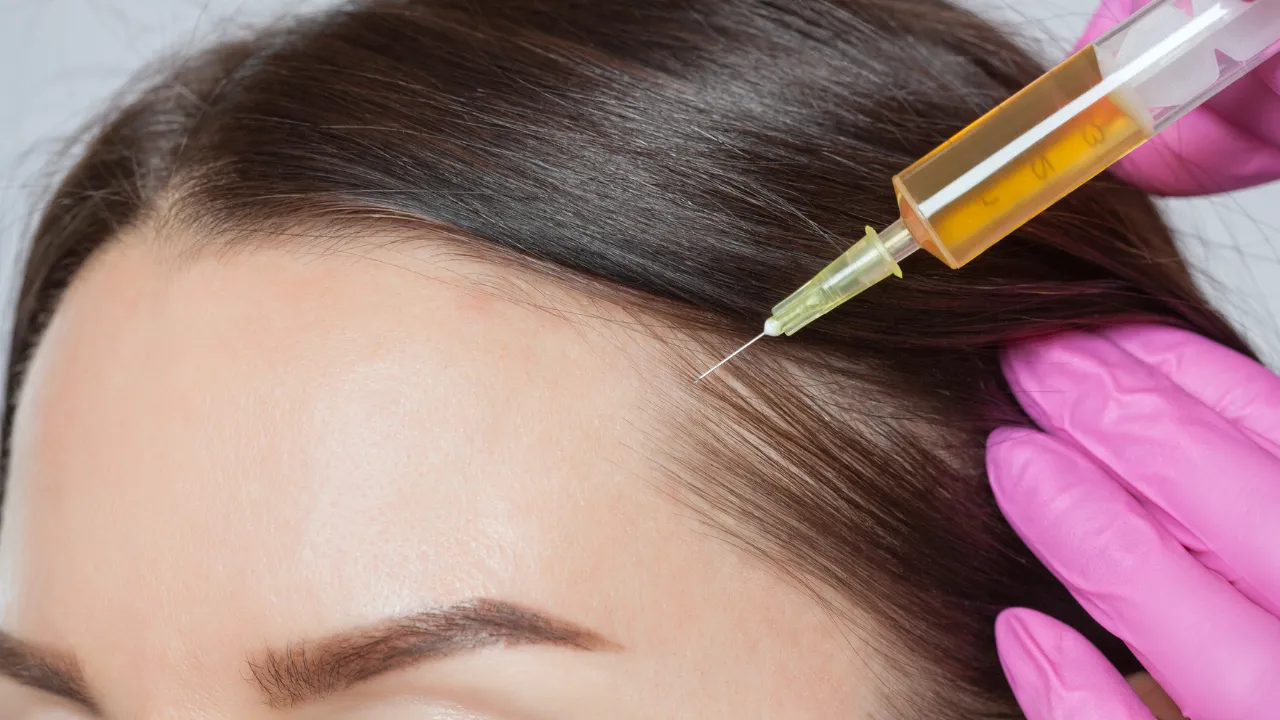
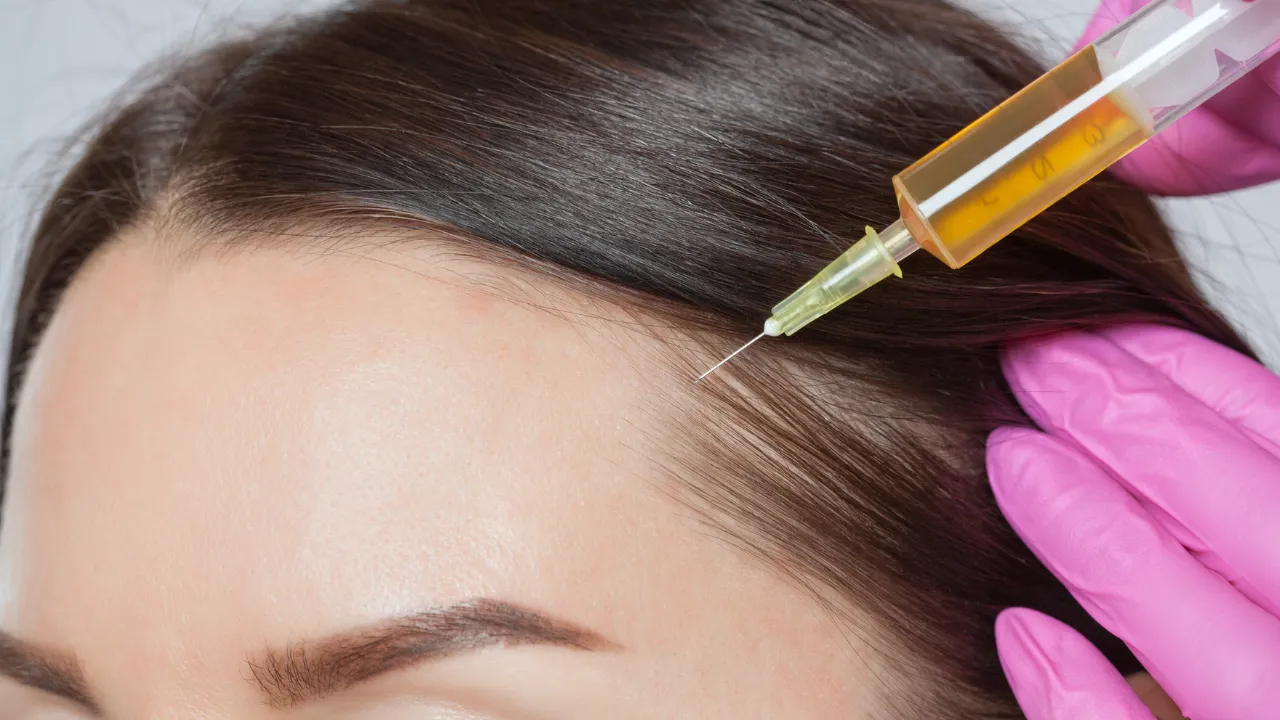
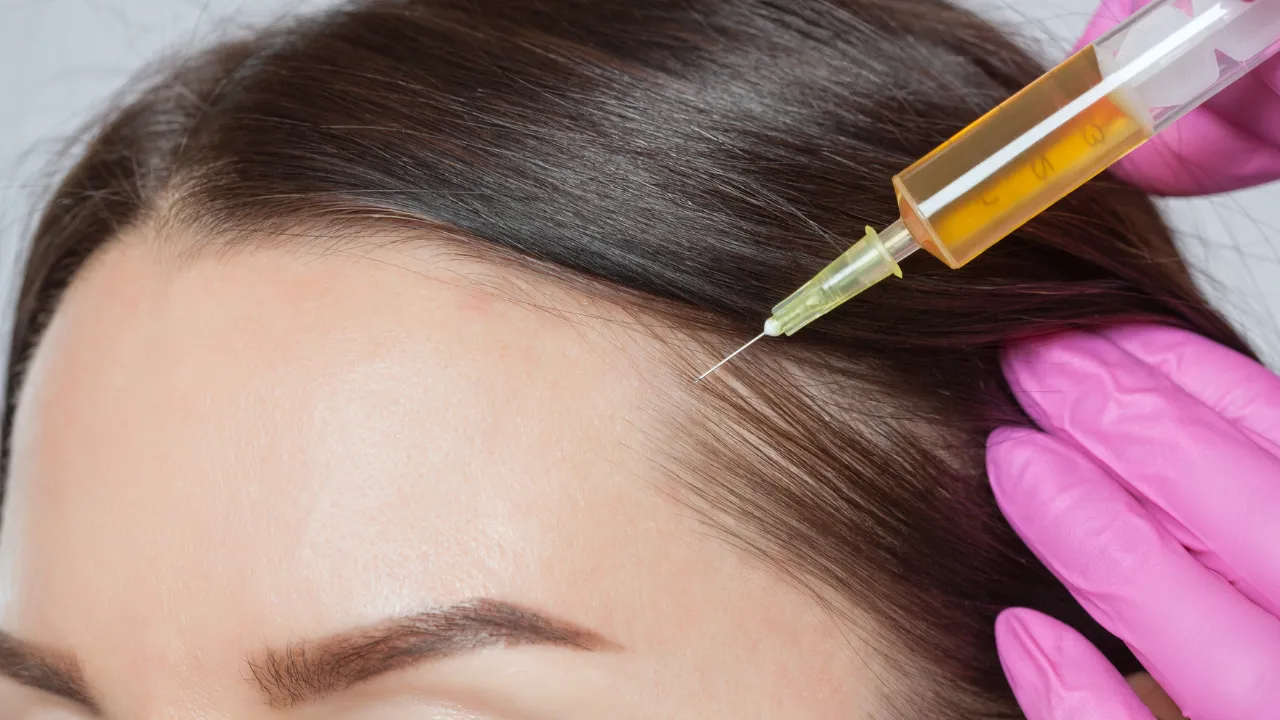
- PRP (Platelet-Rich Plasma) therapy for regrowth.
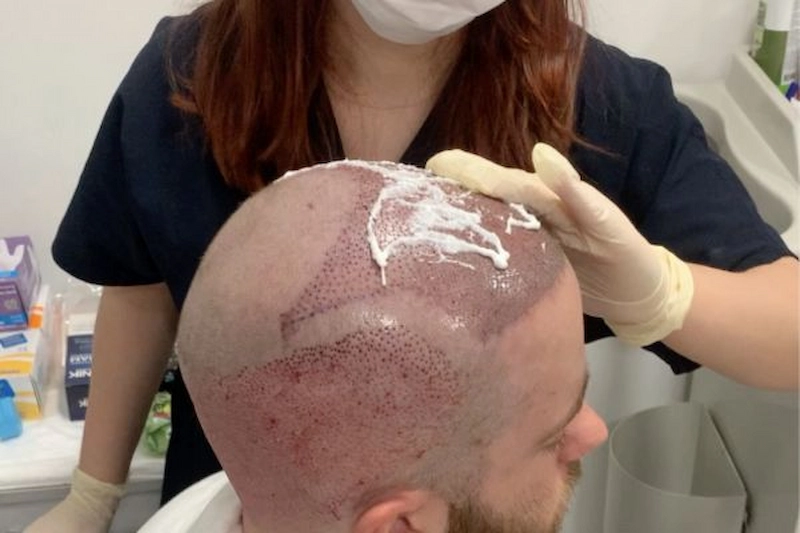
- Hair transplants, a permanent solution for advanced thinning.
Consult a Specialist
If you have ongoing ED while taking dutasteride, see a urologist or endocrinologist to identify the cause and the right solution.
Dr. Kopelman and his team specialize in personalized regrowth plans, helping you reach the best results with minimal disruption.
What to Expect When Stopping Finasteride or Dutasteride
Some patients who switch from finasteride to dutasteride worry about their sexual health. As noted earlier, most men recover fully after stopping the medication. Recovery time differs, but reducing stress, eating well, and staying active can speed things along. In rare cases, a doctor may suggest additional treatments to restore hormonal balance.
There are also medical options, such as certain prescriptions or hormonal therapies, that can aid recovery from lingering reactions. Patients should also avoid donating blood while on dutasteride, since the drug stays in the system for an extended period.
Dutasteride and Women
Though dutasteride is not usually prescribed for women, some take it for female pattern thinning. In women, the drug can cause hormonal changes and carries a risk of birth defects if taken during pregnancy.
Women considering dutasteride should always consult a healthcare professional first. Some doctors are studying lower-dose versions to see whether they are safer for women, and research continues on alternatives that avoid the hormonal impact. Postmenopausal women may sometimes be prescribed dutasteride off-label.
Topical vs. Oral Dutasteride: Which Is Better?
Topical dutasteride usually causes fewer reactions because less of the drug reaches the bloodstream. That said, topical use can still bring scalp irritation or allergic responses in some people.
Because topical dutasteride is relatively new, more research is needed to fully compare it with the oral form; existing studies on topical finasteride suggest lower systemic absorption may reduce whole-body risks (Piraccini et al., 2022). Some patients combine oral and topical use to balance the benefits and risks. The right approach depends on overall health, the degree of thinning, and how your body responds.
Final Thoughts
Dutasteride is a strong option for thinning, but understanding how it can affect you matters. Most men tolerate it well, and those who run into trouble can often find relief by changing the dose, switching medications, or talking to a doctor. Whether your concern is erectile dysfunction, reduced desire, or longer-term risks, Dr. Kopelman can help you make the right choice for your health and your goals.
Dutasteride and Sexual Health FAQs
How Can I Reduce Long-Term Risks?
For men dealing with lingering issues, slowly lowering the dose, considering hormone therapy, or making lifestyle changes may help. Always talk to a doctor before changing your treatment. Researchers are also exploring new ways to address persistent reactions, including dietary changes and targeted supplements.
A proactive approach, including regular checkups and hormone monitoring, supports long-term well-being. Some studies have explored a possible link between dutasteride and prostate cancer, which makes routine health screenings worthwhile.
Does Dutasteride Cause Permanent Erectile Dysfunction?
In the large majority of cases, no. Clinical trials in men using dutasteride for thinning found that sexual reactions were mild and resolved during or shortly after treatment, with no lasting dysfunction reported (Tsai et al., 2018).
A small number of users describe persistent symptoms, sometimes grouped under the term post-finasteride syndrome, but a direct causal link has not been established. Anyone who notices lasting changes should discuss them with their prescribing doctor.
Can I Take Viagra or Cialis With Dutasteride?
Yes. Sildenafil (Viagra) and tadalafil (Cialis) can generally be taken alongside dutasteride, and many doctors prescribe them together when needed.
Because some drugs, such as nitrates, can interact dangerously with these medications, share your full list of prescriptions and supplements with your doctor before combining them.
References
- Roehrborn CG, Boyle P, Nickel JC, et al. Efficacy and safety of a dual inhibitor of 5-alpha-reductase types 1 and 2 (dutasteride) in men with benign prostatic hyperplasia. Urology. 2002.
- Tsai TF, Choi GS, Kim BJ, et al. Prospective randomized study of sexual function in men taking dutasteride for the treatment of androgenetic alopecia. Journal of Dermatology. 2018.
- Debruyne F, Barkin J, van Erps P, et al. Efficacy and safety of long-term treatment with the dual 5-alpha-reductase inhibitor dutasteride in men with symptomatic benign prostatic hyperplasia. European Urology. 2004.
- De Nunzio C, Nacchia A, Lombardo R, et al. Sexual adverse events related to dutasteride and finasteride: analysis of real-life data from the EudraVigilance database (EAU Congress, 2021).
- Piraccini BM, Blume-Peytavi U, Scarci F, et al. Efficacy and safety of topical finasteride spray solution for male androgenetic alopecia: a phase III, randomized, controlled clinical trial. JEADV. 2022.