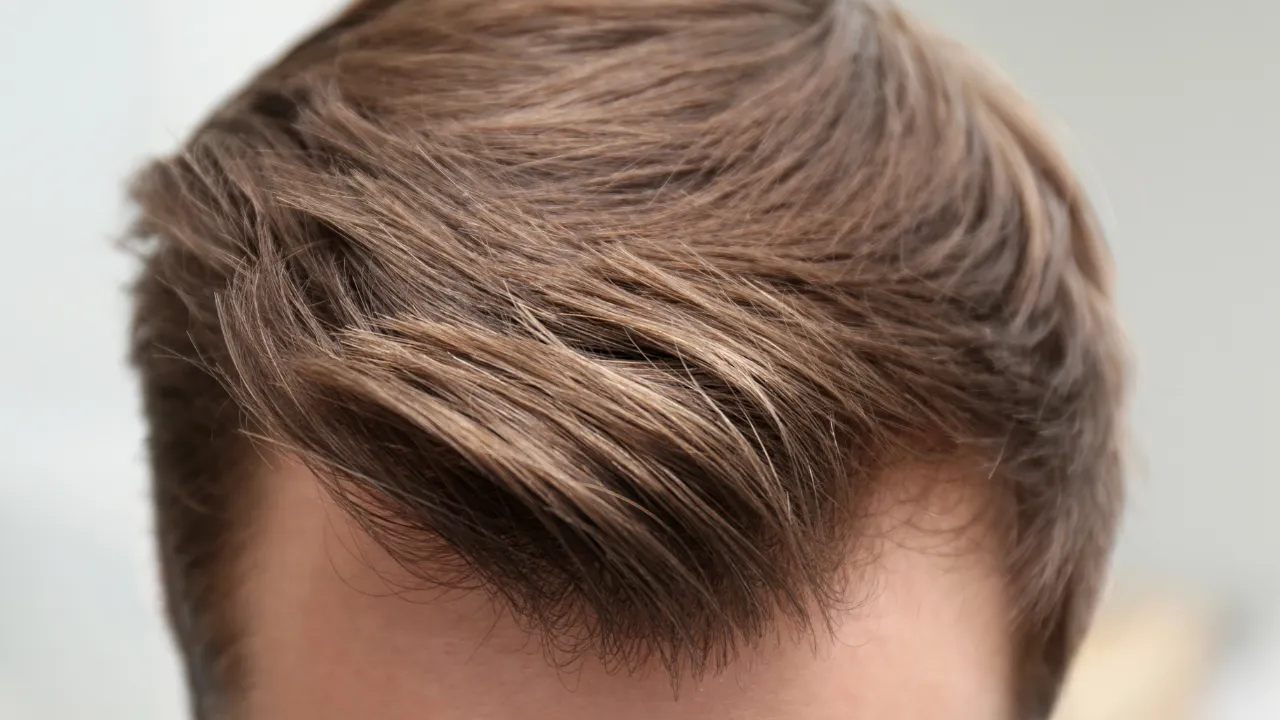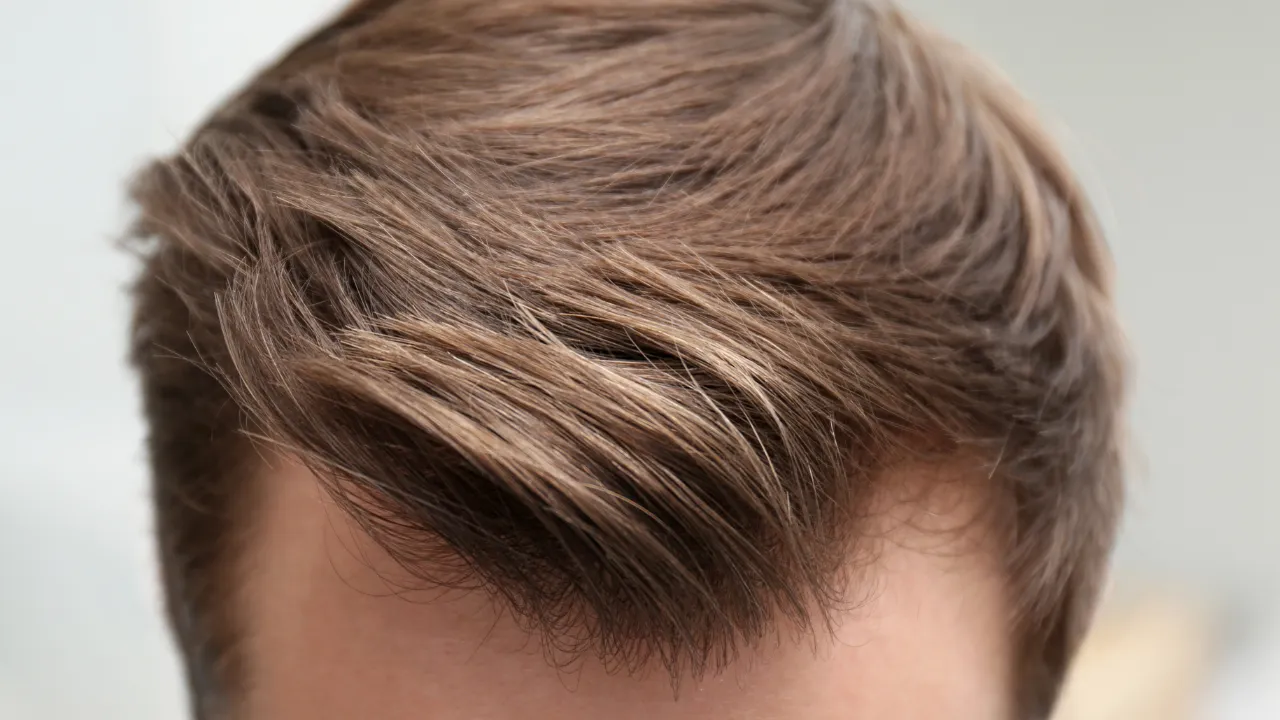


Treatment focuses on slowing the process and encouraging regrowth while follicles are still active. Reducing tension and correcting the underlying trigger improves your odds of restoring density.
If you are wondering how to regrow hair in the temple area where male pattern recession has affected it, start by identifying the driver: DHT sensitivity, family history, or styling habits. Understanding the cause, the available treatments, and realistic timelines is what makes a plan work.
This guide walks through why the temple area thins, what to do about it, and when to bring in a specialist.
Key Tekaways
- The most common cause is androgenetic alopecia, where follicles shrink under the influence of DHT.
- Tension-related recession from braids, ponytails, and extensions is often reversible if caught early.
- Minoxidil, finasteride, and PRP are the standard first-line options; a targeted transplant addresses advanced recession.
- Bloodwork matters: ferritin, thyroid, and vitamin D are worth checking before you assume genetics is the cause.
What Is Temple Hair Loss?
Hair loss on temples refers to thinning or bald patches near the sides of the forehead, in the region between the eye and the ear. In men, it often reads as a receding hairline; in women, it usually shows up as reduced density rather than a sharp recession.
The change can be gradual or come on quickly, depending on what is driving it.
Common Causes of Temple Hair Loss
Androgenetic Alopecia
The leading cause is androgenetic alopecia, known as male or female pattern baldness. The hormone dihydrotestosterone (DHT) binds to susceptible follicles and shrinks them over successive growth cycles. Strands come in finer and shorter each time until the follicle stops producing altogether.
In men, recession at the temple corners is frequently the first visible sign. Women more often notice hair thinning at temples without a defined bald patch. According to the American Academy of Dermatology, this inherited pattern is the most common cause of hair loss worldwide.
Traction Alopecia
Tension is the second major driver. Braids, tight ponytails, buns, weaves, and extensions pull repeatedly on the same follicles, and the temple area absorbs most of that force. Caught early, tension damage is often reversible; sustained for years, it can permanently scar the follicle.
Health Conditions
Beyond genetics, several conditions can contribute to shedding or thinning around temples:
- Autoimmune disorders such as alopecia areata and lupus.
- Certain medications, including chemotherapy agents and hormone therapies.
- Fungal infections or scalp ringworm.
- Telogen effluvium, a temporary shedding phase triggered by severe or chronic illness.
- Thyroid disorders, which disrupt the growth cycle.
- Rapid weight loss, including weight reduction on GLP-1 medications. A 2025 scoping review found telogen effluvium and androgenetic alopecia were the subtypes most often reported with semaglutide and tirzepatide, with women affected more frequently.
If you suspect something other than genetics is at play, get a diagnosis before starting any treatment.
Stress and Hormonal Changes
Physical or emotional stress and hormonal swings can both push follicles into a resting phase. Pregnancy, postpartum recovery, perimenopause, and menopause are common inflection points.
A female receding hairline at the temples frequently traces back to one of these shifts rather than to styling.
Nutritional Deficiencies
Low iron, biotin, vitamin B12, and vitamin D all weaken follicle output. Iron stores deserve particular attention: a meta-analysis of more than 10,000 participants found women with non-scarring alopecia had meaningfully lower ferritin levels than women without it. A normal CBC does not rule this out, since ferritin is measured separately.
Aging
Density declines naturally with age. For some people, that shows up as an uneven or softened hairline shape, with the temple corners receding first.
| Cause | How it presents at the temple corners | Reversible? |
|---|---|---|
| Androgenetic alopecia | Gradual, symmetrical recession in men; diffuse density loss in women | Not reversible, but treatable and slowable |
| Traction alopecia | Sharp thinning exactly where tension sits, often with broken short strands | Often yes, if tension stops early |
| Telogen effluvium | Sudden diffuse shedding, temples included, 2 to 4 months after a trigger | Usually yes, once the trigger resolves |
| Alopecia areata | Round, well-defined smooth patches with no scarring | Frequently yes, though relapse is possible |
| Iron or vitamin D deficiency | Diffuse thinning and slow regrowth across the scalp | Yes, once levels are corrected |
| Thyroid disorder | Generalized thinning plus texture change | Yes, with treatment of the thyroid |
| Rapid weight loss or GLP-1 use | Diffuse shedding that continues while weight loss continues | Usually yes, typically temporary |
| Scarring alopecia | Loss of follicle openings, smooth shiny skin at the hairline | No, grafting is the restoration route |
Signs of Temple Hair Loss
What you notice depends on the cause. Watch for:
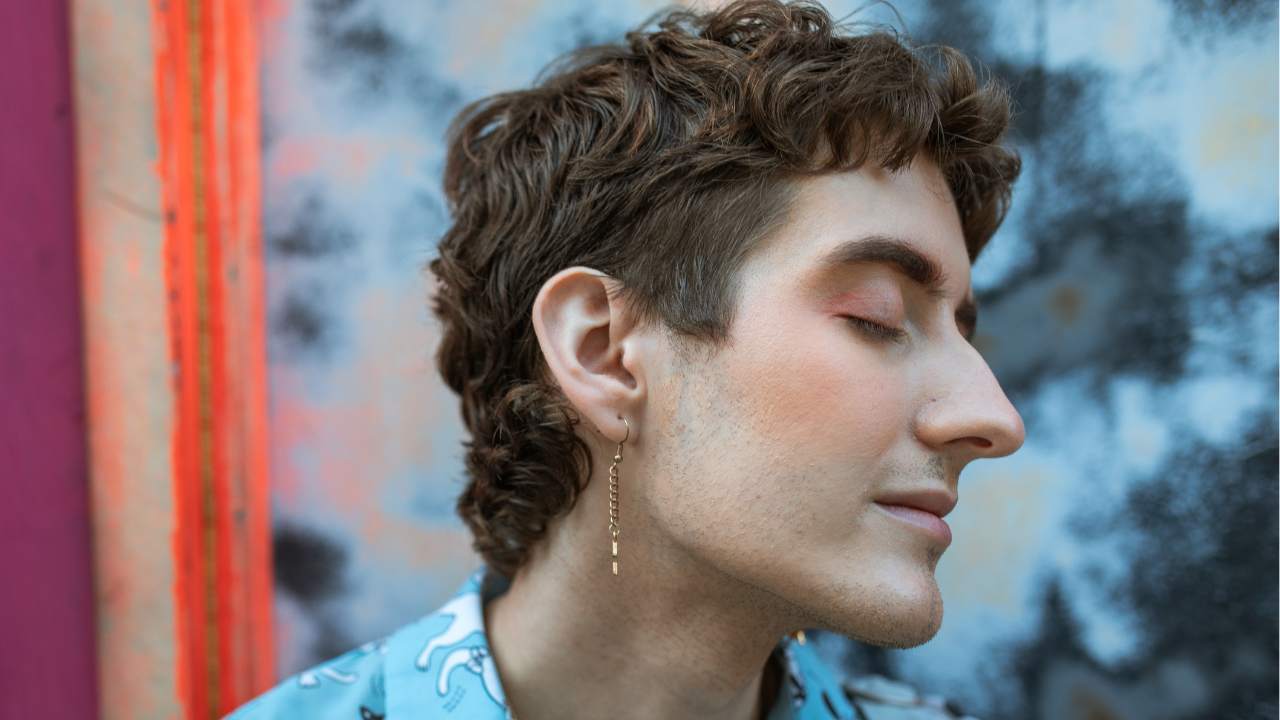
- Visible recession at one or both temple corners.
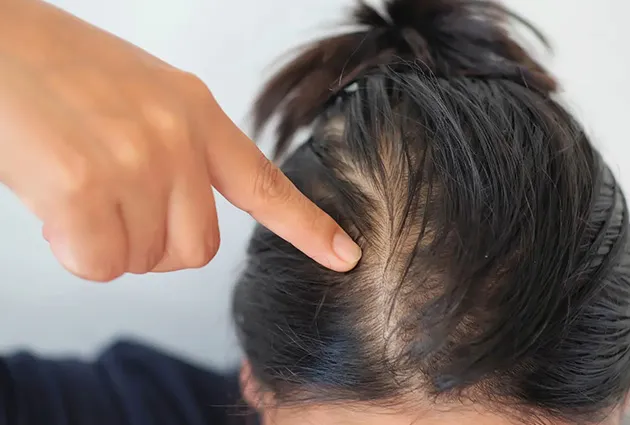
- Reduced density or a small bald patch near the forehead.
- An uneven or less defined hairline shape.
- Short, broken strands or missing hairs along the hairline, which point to tension damage.
- Small bumps or pimple-like spots on the scalp, which can signal inflammation or a follicular infection.
- In women, a gradual drop in volume at the sides without complete baldness.
- In men, temple recession alongside thinning at the crown.
For context, the AAD notes it is normal to shed 50 to 100 strands per day. Persistent thinning, not daily shedding, is the signal worth acting on.
Treatment Options for Temple Hair Loss
Effective treatment starts with an accurate diagnosis. Before committing to a regimen, ask for bloodwork covering ferritin, a full thyroid panel, vitamin D, and, where relevant, autoimmune markers. Correcting a deficiency is far simpler than managing progressive recession.
Topical Treatments
- Minoxidil: This FDA-approved topical stimulates growth and is applied directly to the affected zone. It can thicken existing strands and extend the growth phase.
- Natural Oils: Options like rosemary or castor oil support scalp condition and circulation. Treat these as adjuncts, not replacements for medical therapy.
Oral Treatments
- Oral minoxidil is a prescription option that works systemically to improve blood flow to the follicle. It suits patients who struggle with daily topical application, and it requires medical supervision.
- Finasteride (brand name Propecia): This oral medication inhibits 5-alpha-reductase, reducing the conversion of testosterone to DHT and slowing pattern-driven recession.
Medical Interventions
Early intervention gives you the widest range of options. Topical DHT blockers and low-level laser therapy may reactivate dormant follicles in mild cases. For established recession, a precise graft placement along the temple line restores the shape.
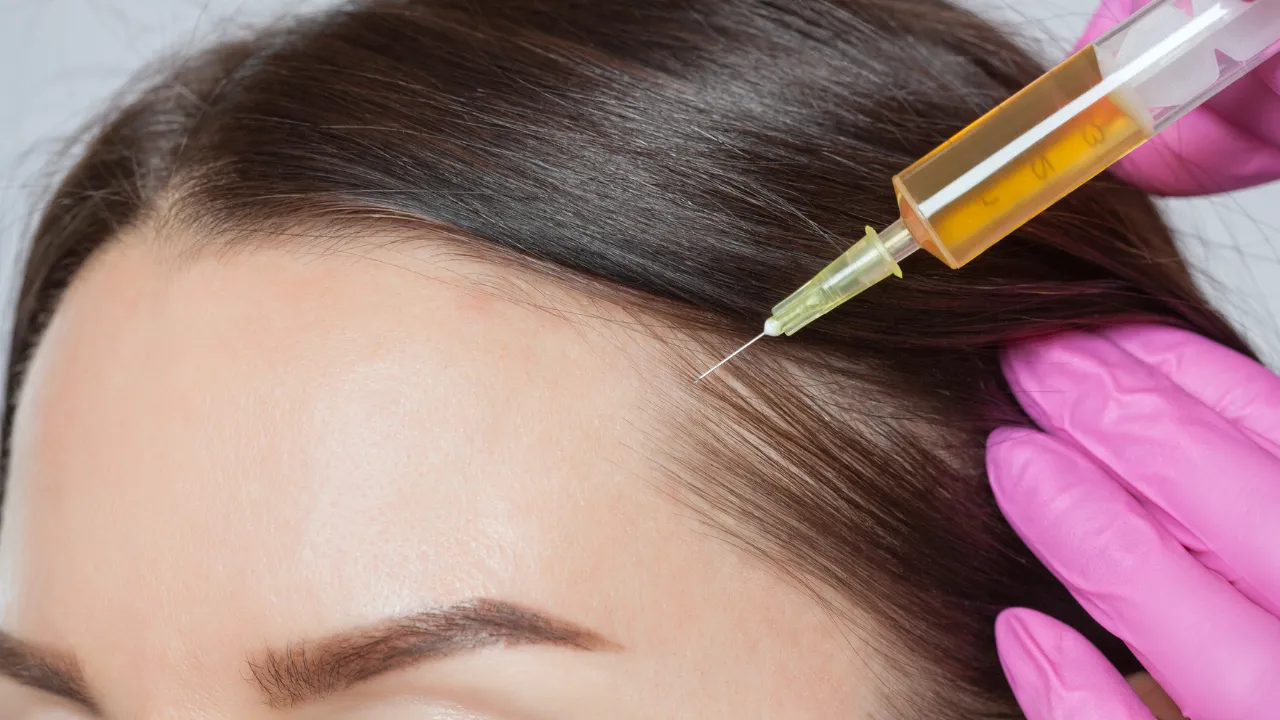
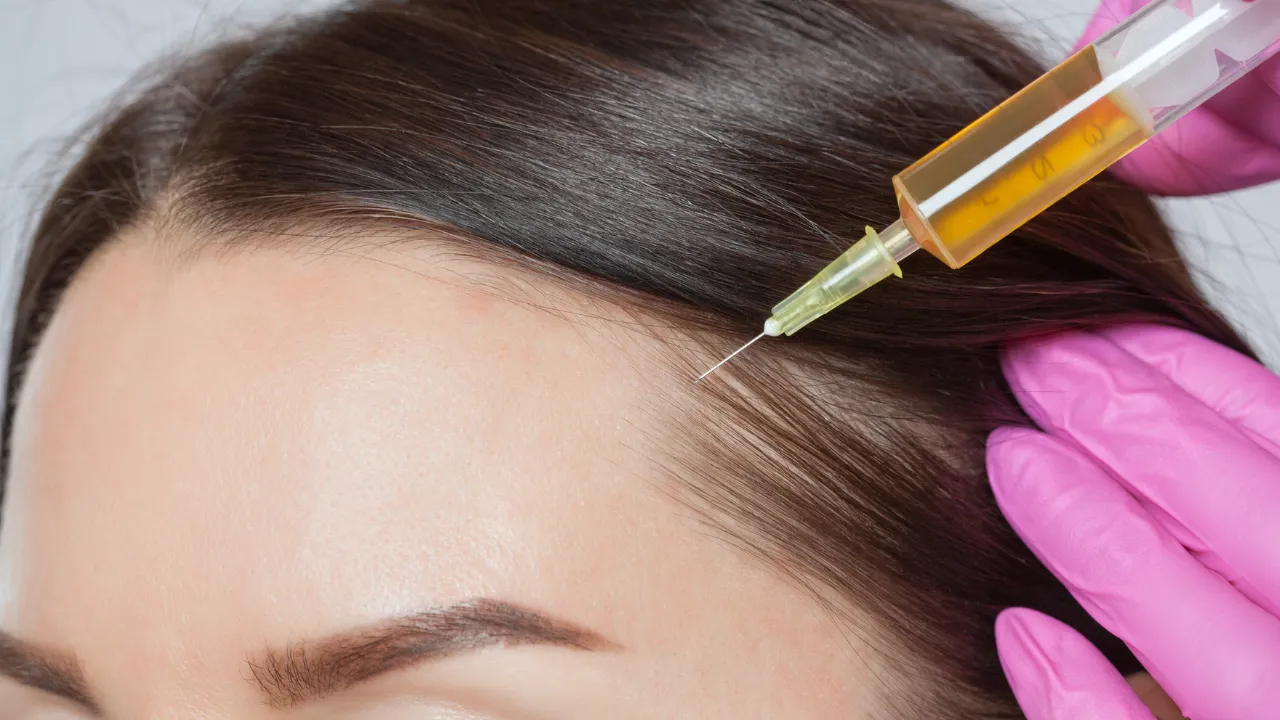
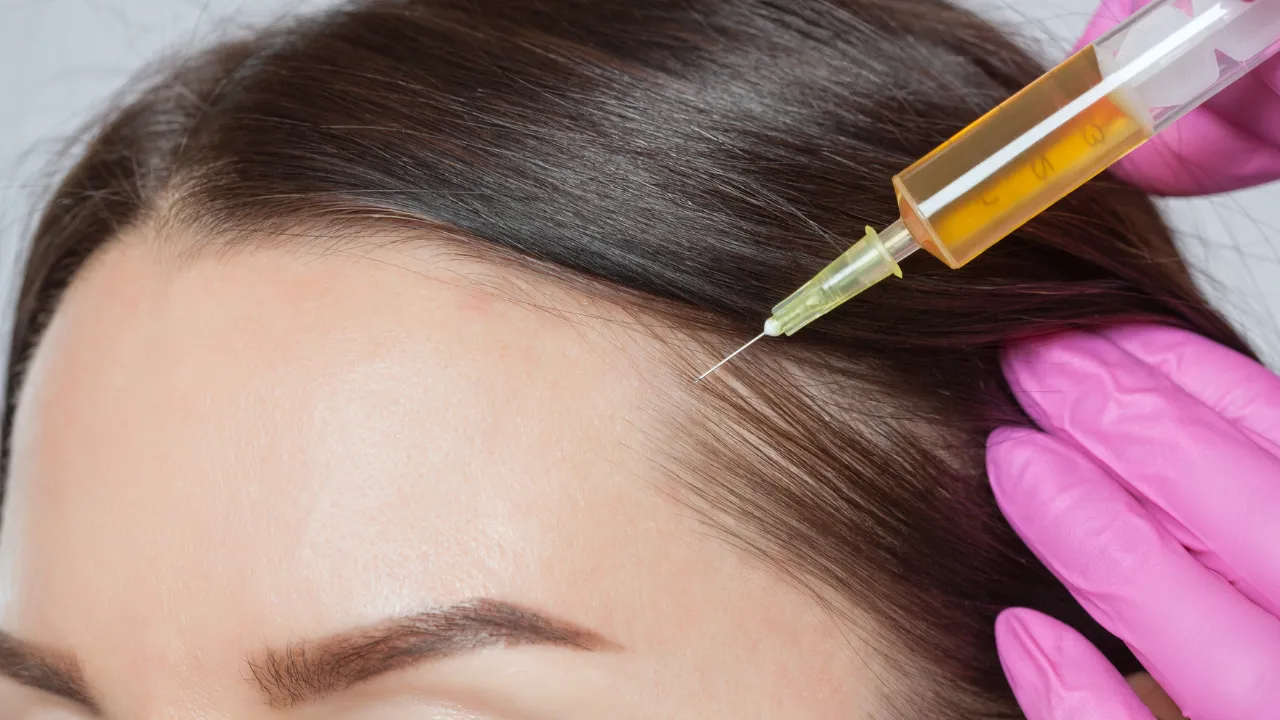
- Platelet-Rich Plasma (PRP) Therapy: Growth factors concentrated from your own blood are injected into the scalp to support follicle function and encourage new growth.
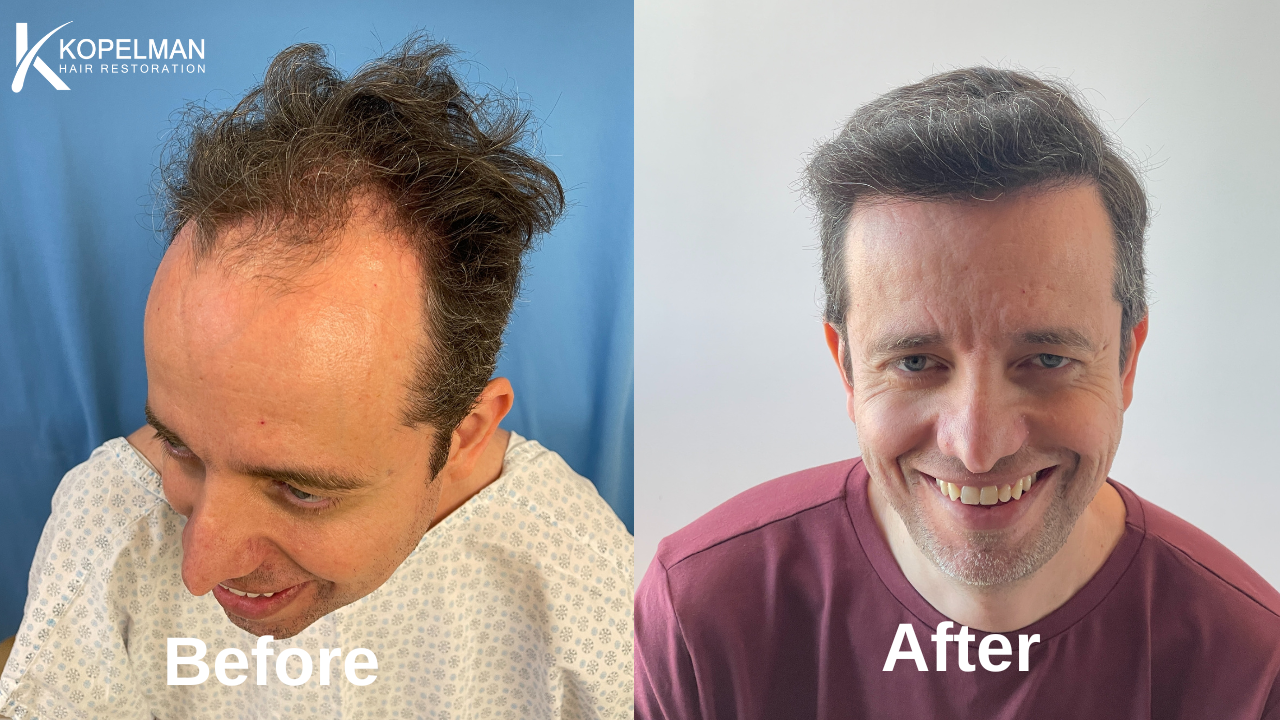
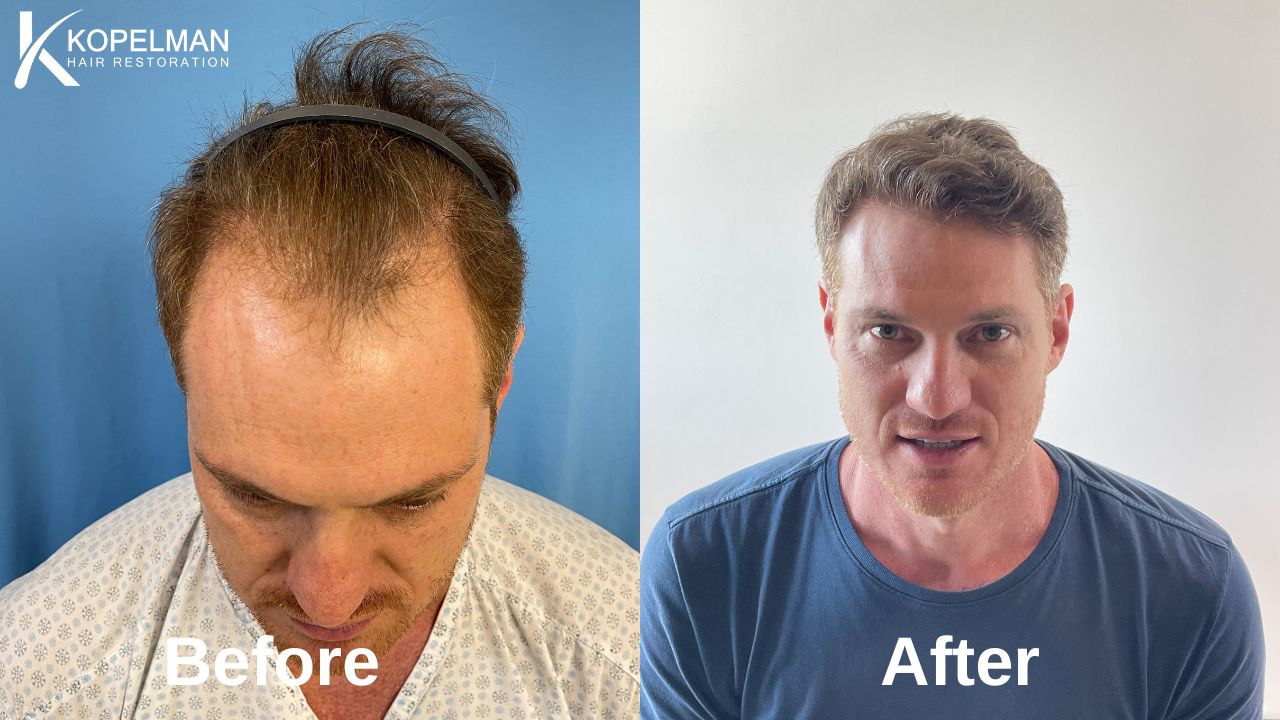
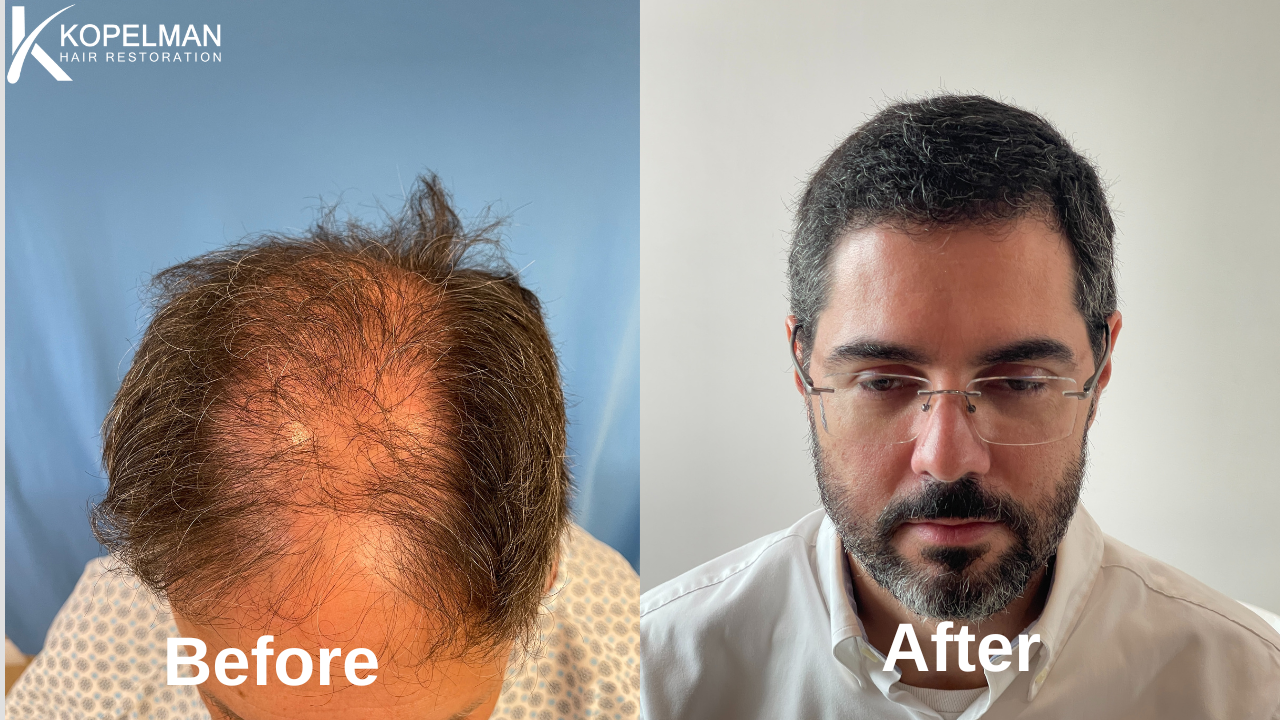
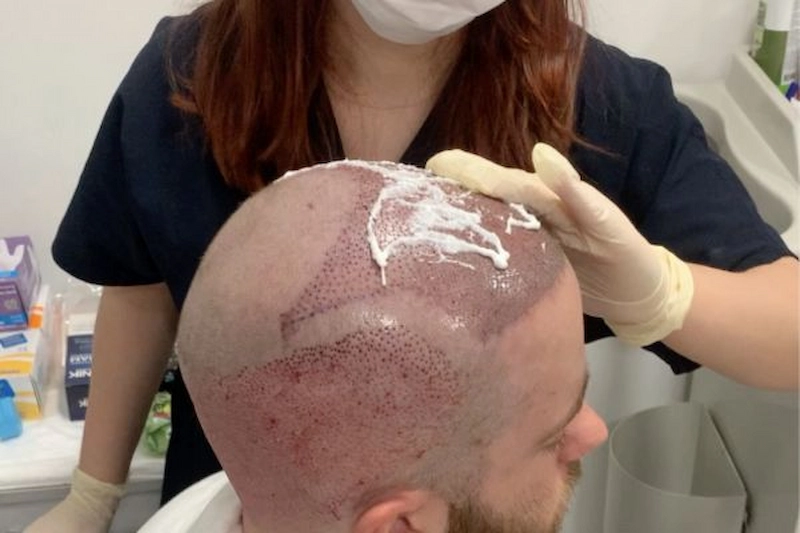
- Hair Transplants: In advanced cases, moving healthy follicles from a donor zone to the temple corners permanently rebuilds a natural hairline.
| Option | How it works | Time to visible change | Best suited for |
|---|---|---|---|
| Topical minoxidil | Extends the growth phase and improves local blood flow | 3 to 6 months | Early thinning in men and women |
| Oral minoxidil | Same mechanism, delivered systemically by prescription | 3 to 6 months | Patients who cannot maintain daily topical use |
| Finasteride | Blocks 5-alpha reductase, lowering DHT | 4 to 12 months | Pattern-driven recession, primarily in men |
| PRP therapy | Concentrated growth factors injected into the scalp | 3 to 6 months, multi-session | Active but weakening follicles; combines well with medication |
| Low-level laser therapy | Photobiomodulation of the follicle | 4 to 6 months | Mild to moderate thinning as an add-on |
| Correcting deficiencies | Restores iron, vitamin D, or thyroid function | 3 to 6 months after levels normalize | Anyone with abnormal bloodwork |
| FUE transplant | Relocates healthy follicles to the temple line | Growth from 3 to 4 months, full result 12 to 18 months | Established recession or scarred follicles |
How to Regrow Hair at Temples
Massage and Scalp Stimulation
Scalp massage improves circulation to the follicle. A few minutes daily with your fingers or a manual massager is a low-cost habit that supports whatever else you are doing.
Nutritional Support
Biotin, iron, and zinc all feed follicle output, so shortfalls slow visible progress. Supplement based on lab results rather than guesswork, since excess iron carries its own risks. A balanced diet remains the foundation.
Hair Care Routine
- Use gentle, sulfate-free shampoo to limit irritation.
- Limit heat styling, which weakens strands and accelerates breakage at the hairline.
Consistency Is Key
Give any regimen a fair trial before judging it. Visible change at the temple corners typically takes three to six months, and longer when androgenetic alopecia is the driver.
Preventing Further Temple Hair Loss
Protective Hairstyles
Skip tight braids, ponytails, and heavy extensions, or rotate the tension point so the same follicles are not loaded every day. Looser styles reduce mechanical strain.
Stress Management
Chronic stress disrupts the growth cycle. Regular exercise, meditation, and consistent sleep help keep that cycle stable.
Hormonal Balance
If a hormonal shift is behind a female receding hairline at the temples, work with a physician on managing the underlying change rather than treating the scalp in isolation.
Regular Scalp Care
Keep the scalp clean and hydrated to support follicle health and limit further recession.
Temple Hair Loss in Men vs. Women
In men, pattern baldness commonly begins at the temple corners and creates an M-shaped hairline. This is largely genetic and tied to DHT sensitivity, and it tends to progress in stages.
In women, thinning around temples is usually more diffuse and less sharply defined. Hormonal shifts, stress, and tension from styling are the frequent drivers.
Anyone asking how to regrow hair at temples female pattern thinning has affected should start with bloodwork and a tension audit of their styling habits, since both are correctable.
When to See a Hair Transplant Specialist
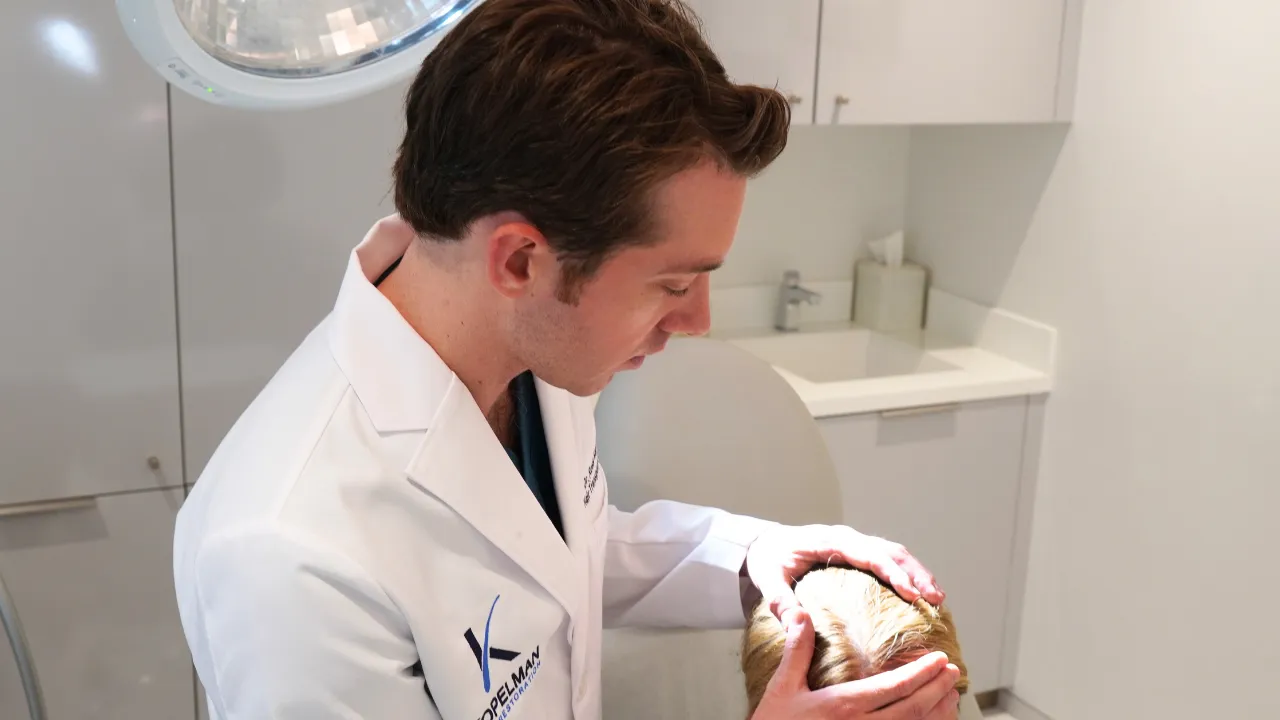
If thinning is progressing, or if home measures have plateaued after six months, see a specialist. One practical note: not every dermatologist focuses on scalp and follicle disorders, so ask specifically about hair restoration experience when booking. A specialist can identify which type of loss you have and match the treatment to it.
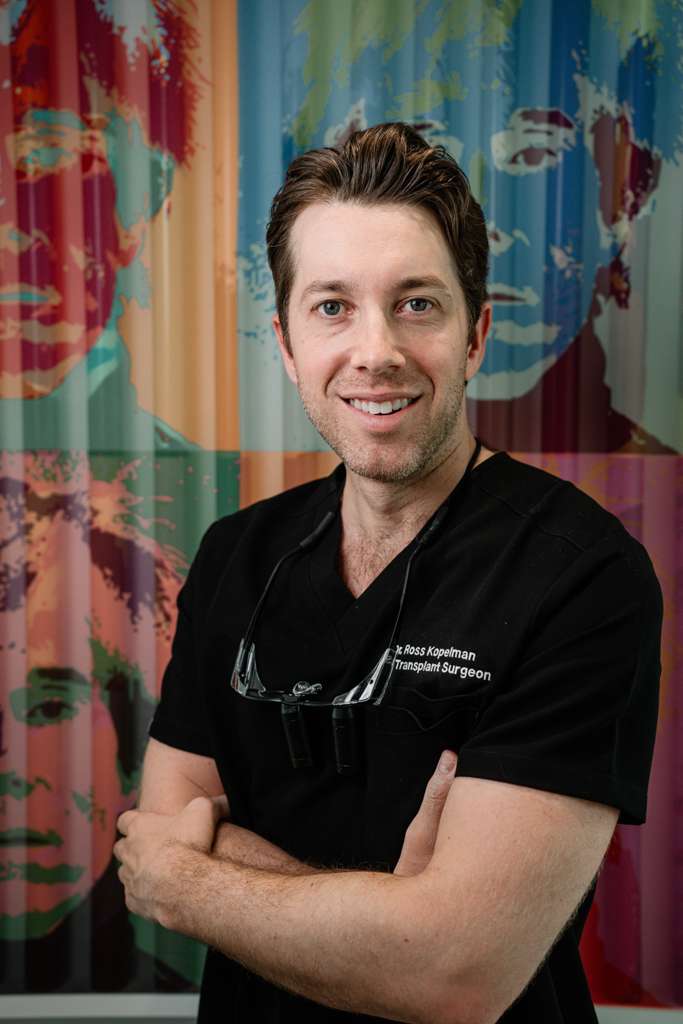
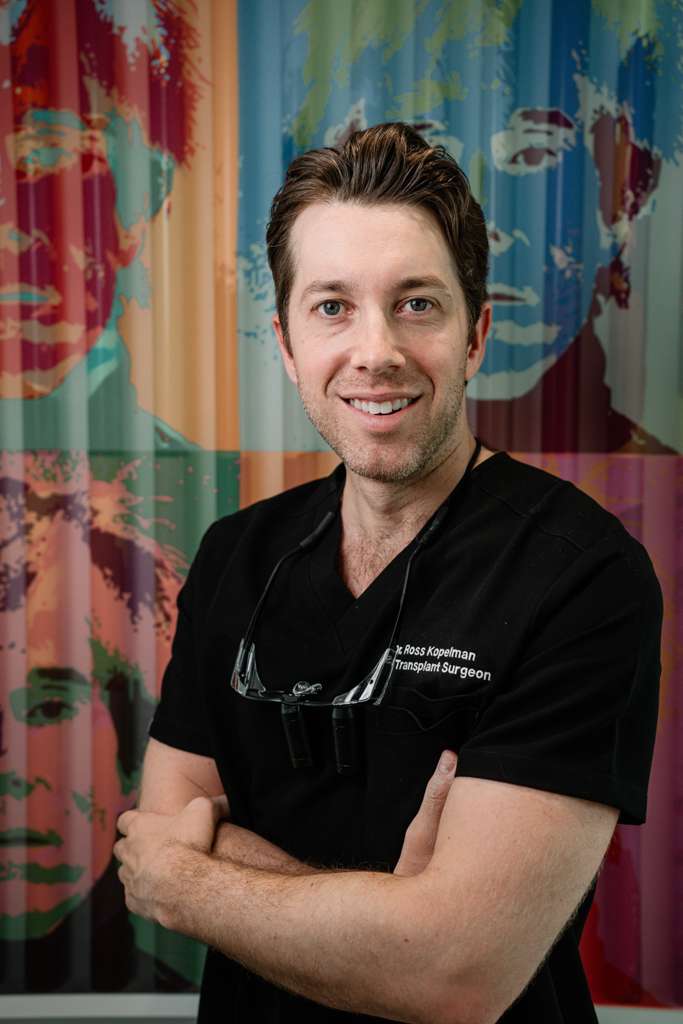
For those seeking a more targeted solution to hair loss, consider speaking with Dr. Kopelman. This father-son team brings over 35 years of combined experience in hair restoration and specializes in personalized treatments for each client. Dr. Kopelman’s expertise can help you find the right solution tailored to your unique needs.
Schedule a consultation today to explore your options and take the first step towards achieving your hair goals.