The relationship between testosterone and hair growth in females is influenced by genetics, hormone levels, and the conversion of testosterone into dihydrotestosterone (DHT), which can shrink susceptible scalp follicles and contribute to female pattern hair loss. At the same time, testosterone can stimulate thicker facial and body hair, leading to unwanted hair growth, or hirsutism, in some women.
Not all women with high testosterone develop scalp hair loss, and not all women with female pattern hair loss have elevated androgen levels. In women with clinically confirmed androgen deficiency, carefully monitored low-dose testosterone therapy may improve hair quality or thickness in some cases, though the evidence is limited and treatment must be individualized. Understanding how hormones, genetics, and follicle sensitivity interact is key to identifying the cause of hair changes and choosing the most appropriate treatment.
This contrast happens because testosterone converts into DHT, which can shrink follicles and driveandrogenetic alopecia over time. The result is often more body hair paired with reduced density up top. Managing your hormone balance is central to controlling both patterns.
At Kopelman Hair, we help patients understand how hormones shape what they see in the mirror. These effects depend on genetics, age, and overall balance; recognizing them is the first step toward effective treatment.
Key Takeaways
Testosterone affects women’s follicles in different ways, supporting healthy density at normal levels but contributing to thinning or excess body hair when imbalanced.
Both high and low testosterone can disrupt the growth cycle, with PCOS and menopause being common underlying causes.
DHT, a byproduct of testosterone, plays a major role in shrinking follicles and shortening the active phase in sensitive women.
Accurate diagnosis through blood tests, scalp evaluation, and a thorough medical history is essential before treating hormone-related hair thinning.
Women with advanced thinning may need a combination of medical therapies and restoration procedures, which specialists like Dr. Kopelman provide at Kopelman Hair.
How Testosterone Influences Women’s Follicles
Testosterone is a natural androgen found in both men and women. In women, small amounts help regulate body functions and support follicle activity, so when levels stay balanced, your scalp tends to maintain normal density.
The challenge appears when that balance shifts. Does testosterone cause hair loss in women whenever it rises? Not by itself. Excess androgen activity can drive thinning in sensitive individuals, while a deficiency may leave strands weaker and more prone to shedding.
In some women with confirmed deficiencies, supervised therapy can actually restore density rather than reduce it. Results vary from person to person, so any treatment should be guided by lab work and a medical evaluation rather than guesswork.
Testosterone and Hair Loss in Females
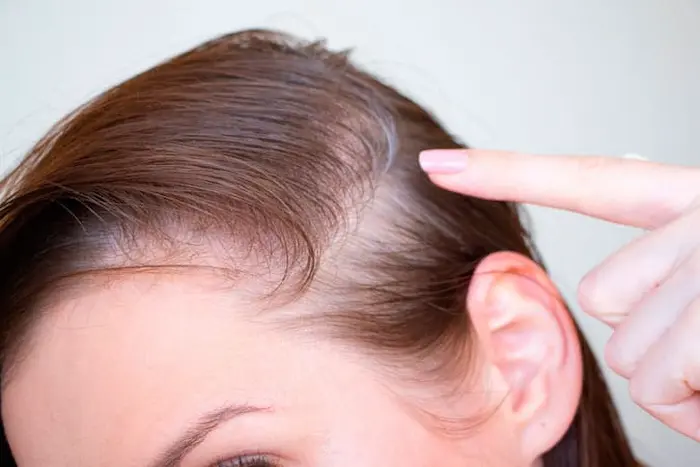
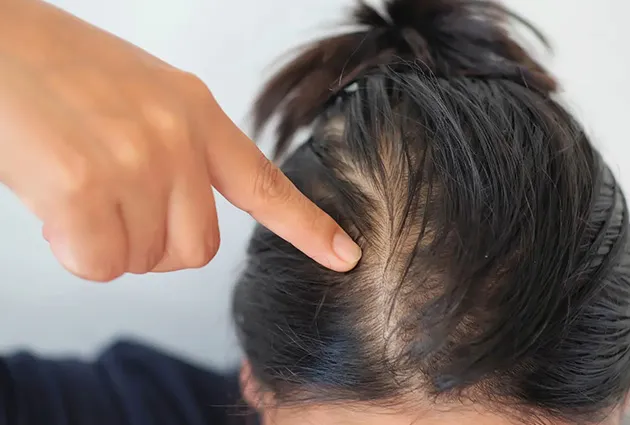
Both high and low testosterone can interrupt the natural cycle. Women often notice a receding hairline, diffuse thinning across the crown, or a widening part line as the first visible sign.
Shedding associated with androgens is commonly linked to androgenetic alopecia, in which follicles miniaturize over successive cycles. In women, this usually shows up as gradual thinning rather than full baldness, and for some, adjusting hormone levels helps, while for others, the benefit is limited.
Low testosterone and thinning in women
A deficiency can weaken follicles and increase everyday shedding. Women experiencing fatigue, mood changes, and noticeable thinning may benefit from testing to determine whether low hormone levels are part of the picture.
Interestingly, the evidence here challenges a common assumption. In one questionnaire study of 285 androgen-deficient women treated with subcutaneous testosterone, 63 percent of those who had reported prior thinning saw regrowth on therapy, and no participant reported scalp loss during treatment. Baseline testosterone was actually lower in the women who had thinning beforehand, which suggests the relationship is not as simple as “more testosterone equals more loss.”
The Role of DHT in Female Thinning
To understand why androgens cut both ways, it helps to follow the pathway. Circulating testosterone can bind directly to receptors in the follicle, or it can be converted by the enzyme 5-alpha-reductase into DHT, a more potent androgen with much stronger binding affinity.
When follicles are genetically sensitive, DHT shortens the active phase and triggers miniaturization, so each new strand grows back finer, shorter, and weaker. Over time, this reduces coverage and volume, especially across the crown and part line.
This is the key distinction we explain to patients: it is often the follicle’s sensitivity to DHT, not the raw testosterone level, that determines who thins and who does not. That is why two women with similar lab values can have very different outcomes.
Doctors sometimes prescribeDHT blockers to reduce this activity. Lowering DHT can protect viable follicles and slow the progression of thinning when used appropriately.
Are You Already Taking Testosterone? What to Know
Many women on hormone optimization or replacement notice changes a month or two after starting therapy, and this is one of the most common concerns we hear in our New York and Palm Beach practices. If your temples or part line look different since beginning testosterone gels, injections, or pellets, you are not imagining it.
The picture is not one-sided, though. As the research above shows, supervised testosterone can support scalp density in genuinely androgen-deficient women, while women who are sensitive to androgens or already prone to pattern thinning may see the opposite.<sup>1,2</sup> The outcome depends on your individual hormone profile and follicle sensitivity.
So, how do you prevent hair loss while taking testosterone as a woman? The goal is to protect follicle function without necessarily abandoning the benefits of therapy. In practice, that usually means monitoring labs and adjusting rather than stopping outright.
Specialists generally recommend a layered approach:
Reviewing and, when appropriate, reducing the testosterone dose with your prescribing physician.
Adding anti-androgen support, whether pharmaceutical or nutritional, to ease pressure on sensitive follicles.
Using topical treatments such asminoxidil to keep follicles active.
Tracking density over time so changes are caught early, while follicles remain viable.
Stopping therapy entirely is rarely the answer; for most patients, protecting the hairline alongside continued treatment is achievable.
Signs and Causes of Hormonal Imbalance
Recognizing the signs of high testosterone in women
Elevated androgens tend to announce themselves through more than the scalp. Common signs include acne, oily skin, increased body or facial growth, irregular or absent periods, and diffuse thinning up top.
Early recognition matters because it opens the door to timely, targeted treatment rather than reactive care once thinning has advanced.
High vs. Low Testosterone: Effects on Women's Hair
Testosterone State
Effect on the Scalp
Effect on Body & Facial Hair
Typical Triggers
Elevated / high DHT sensitivity
Gradual thinning at the crown and part line; follicle miniaturization in sensitive women
Increased growth (hirsutism)
PCOS, certain medications, adrenal conditions
Balanced
Supports normal density and a healthy growth cycle
Typical, expected patterns
Healthy hormonal regulation
Low / deficient
Weaker strands and increased shedding in some women; possible response to supervised therapy
Reduced
Menopause-related decline, androgen deficiency
PCOS and elevated testosterone
Polycystic ovary syndrome (PCOS) is one of the most common causes of high testosterone in women. It can result in both scalp hair loss and excess body hair.
Women with polycystic ovaries often report irregular cycles, weight gain, and persistent shedding. Many women experience both excess body hair and scalp thinning, making early treatment important.
Menopause and shifting hormones
Declining estrogen and progesterone during menopause make testosterone’s effects stronger. This often leads to thinning at the part line or temples.
Lifestyle changes, proper nutrition, and stress management can help reduce the impact. Dr. Kopelman emphasizes that menopausal hair loss needs a tailored approach.
Other medical conditions affecting hair
The adrenal glands, thyroid, and certain medications can alter testosterone activity. Identifying these factors is essential for accurate treatment.
How to reduce body hair growth in females naturally
Exercise, balanced nutrition, and effective weight management can help support hormone balance and reduce unwanted hair growth.
Testing and Diagnosis for Hormonal Thinning
Accurate diagnosis comes before treatment, every time. Physicians may order blood work to measure testosterone, estrogen, thyroid, and adrenal function, building a full hormonal picture rather than treating a single symptom.
Scalp exams and a careful medical history help pinpoint the pattern and rule out other causes. Testing is what separates safe, effective care from trial and error, and it is the step we never skip.
Treatment and Management Options
Medical treatments for hormonal thinning
Effective plans usually target the underlying hormonal driver while directly supporting the follicles. Options range from topical stimulation to anti-androgen medication and, where deficiency is confirmed, supervised hormone therapy.
Common Approaches for Hormone-Related Thinning in Women
Approach
How It Works
Often Considered For
Topical minoxidil
Stimulates follicles, prolongs the active phase, and supports scalp circulation
Diffuse thinning; early intervention
Anti-androgen medication
Reduces androgen activity at the follicle
Androgen-driven thinning, including PCOS-related cases
DHT-reducing therapy
Lowers conversion of testosterone into DHT
Genetically sensitive women under specialist supervision
Hormone therapy for deficiency
Restores balance where labs confirm a deficiency
Confirmed low-hormone profiles
Nutritional support
Supplies iron, vitamin D, zinc, and protein for follicle health
A supportive role alongside medical care
Restoration procedures
Relocate healthy, viable follicles to thinning areas
Advanced, stable loss that has not responded to medical care
Lifestyle and dietary support for hair health
Iron, vitamin D, zinc, and protein all contribute to stronger follicles, so a balanced diet supports recovery alongside any medical regimen. Nutrition will not replace treatment, but a deficiency can undermine it.
Natural remedies for hormonal hair loss
Some women turn to scalp massage,essential oils, or stress-reduction techniques. Evidence for these is limited, so we frame them as complements to medical care rather than substitutes for it.
Side effects of testosterone in women
Therapy can bring acne, voice changes, increased body growth, and, in sensitive women, scalp thinning. These risks are exactly why hormone treatment should always be monitored by a physician.
When to see a specialist
If thinning continues despite lifestyle changes and over-the-counter options, a specialist evaluation is the next step. Dr. Kopelman and his team build personalized plans around each patient’s hormonal profile and goals.
Long-Term Outlook and Restoration Options
With early treatment, hormonal thinning often stabilizes. Some women regain noticeable density, while others slow or halt shedding through consistent, supervised care.
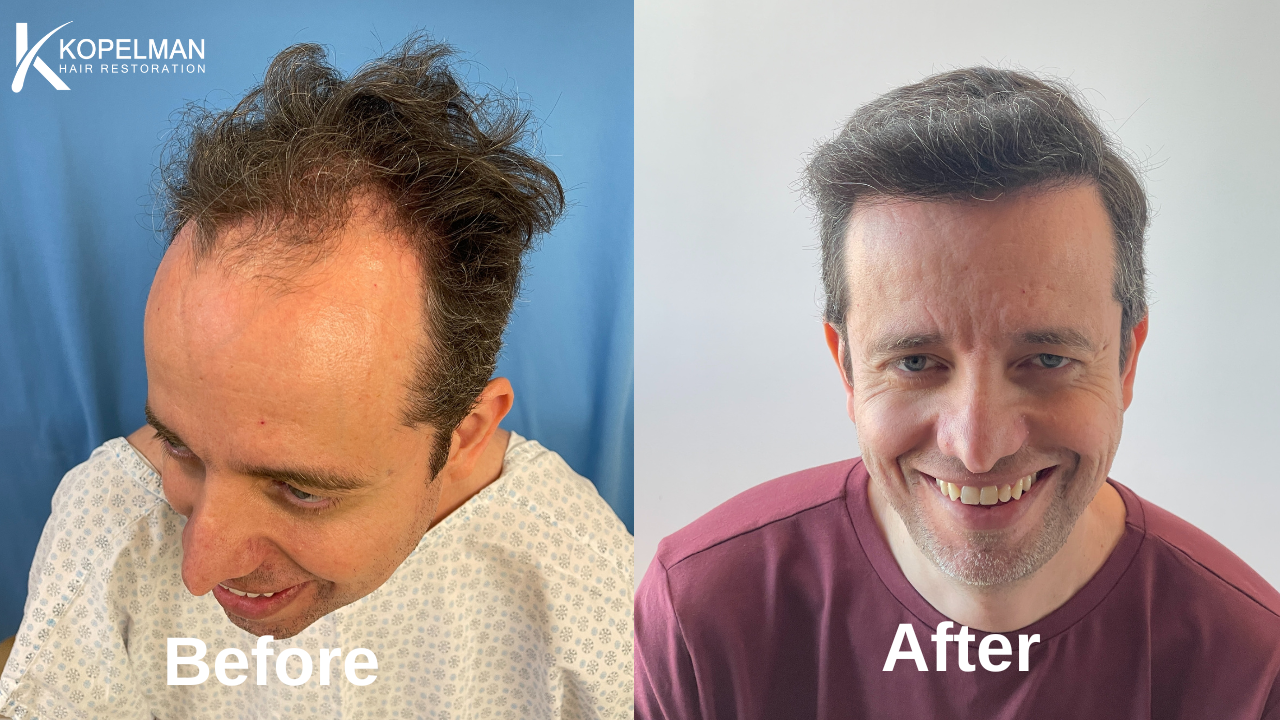
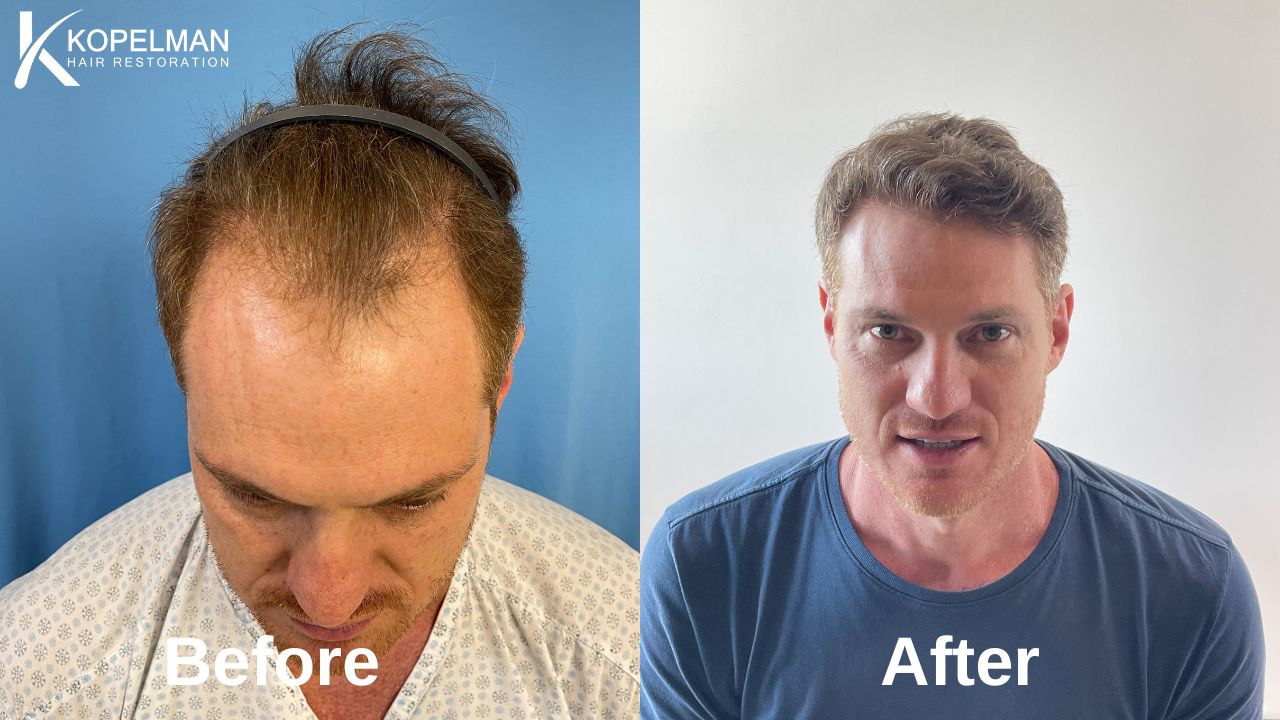
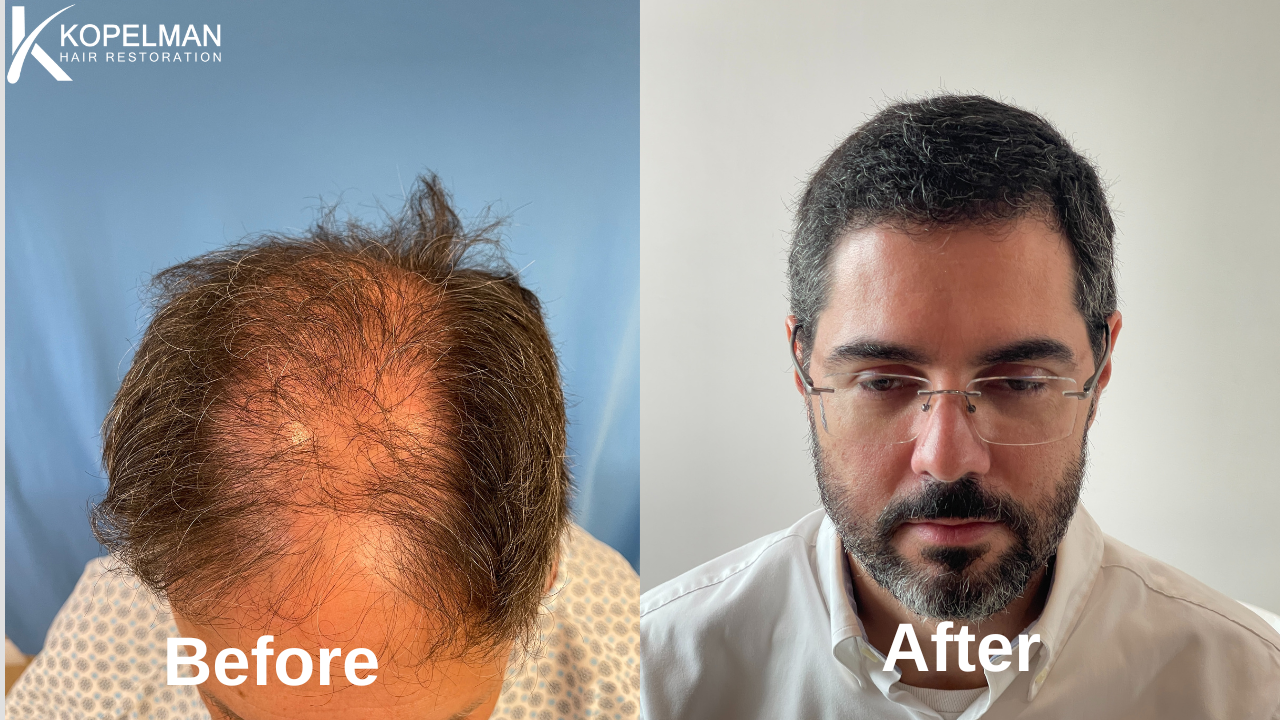
For advanced cases that have not responded to medical approaches, surgical techniques can restore coverage with natural-looking results. At Kopelman Hair, these procedures are matched to women whose loss has stabilized and whose remaining follicles are healthy.
Related Insights for men?
Does testosterone increase hair growth in men?
In men, testosterone fuels beard and body growth but can also drive androgenetic alopecia and male pattern baldness. The mechanisms overlap with women, yet the patterns and outcomes differ significantly between the sexes.
Frequently Asked Questions
What hormone supports density in women?
Estrogen and progesterone help keep scalp strands thick and anchored, which is part of why thinning often accelerates as these hormones decline.
Can testosterone therapy cause permanent loss?
In many cases, shedding improves once therapy is adjusted. Prolonged imbalance, however, can eventually lead to lasting follicle damage, so monitoring is key.
Take the Next Step Toward Healthier Hair
If you are noticing thinning, increased shedding, or changes linked to your hormones, a professional evaluation is the safest path forward. At Kopelman Hair, Dr. Kopelman and his team provide personalized assessments to identify the exact cause and create effective solutions.
Every patient’s situation is unique, and early intervention can make a meaningful difference in long-term results. We invite you to schedule a consultation with Kopelman Hair to discuss your concerns and explore options tailored to you.
References
Glaser RL, Dimitrakakis C, Messenger AG. Improvement in scalp hair growth in androgen-deficient women treated with testosterone: a questionnaire study. Br J Dermatol. 2012;166(2):274-278.
Glaser R, Dimitrakakis C. Testosterone therapy in women: Myths and misconceptions. Maturitas. 2013;74(3):230-234.
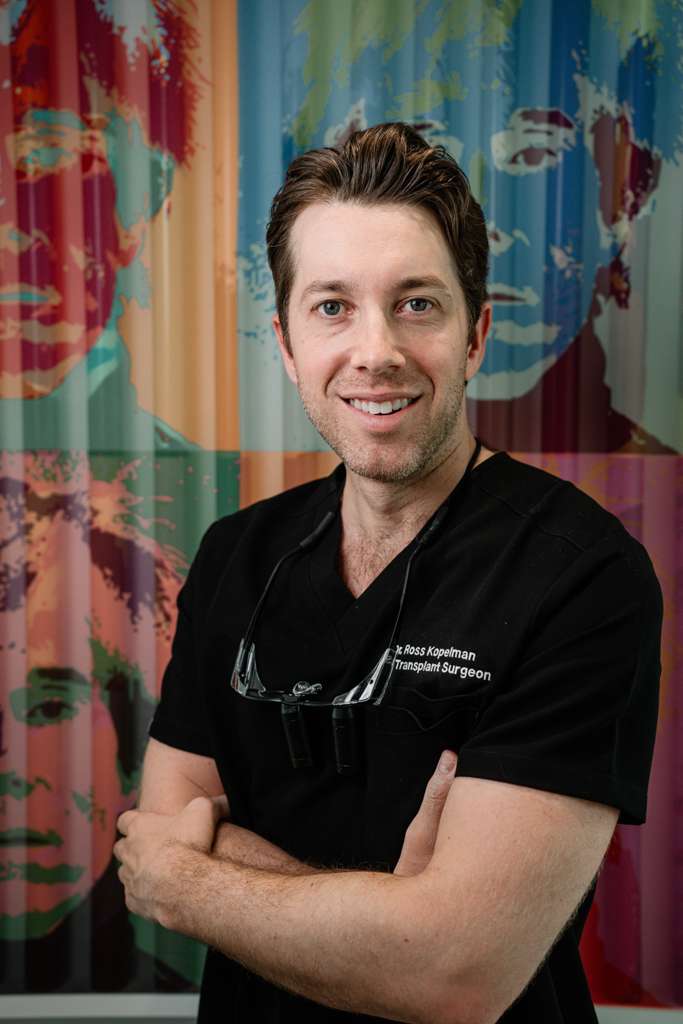
Dr. Ross Kopelman is a hair restoration surgeon focused on the medical and surgical treatment of hair loss, with expertise in advanced FUE hair transplantation, natural hairline design, and regenerative therapies that support healthier hair growth. He is known for combining surgical precision with an artistic approach to deliver natural, undetectable results tailored to each patient. Dr. Kopelman sees patients in New York City and Palm Beach, Florida, and also offers virtual consultations for patients across the United States and internationally.
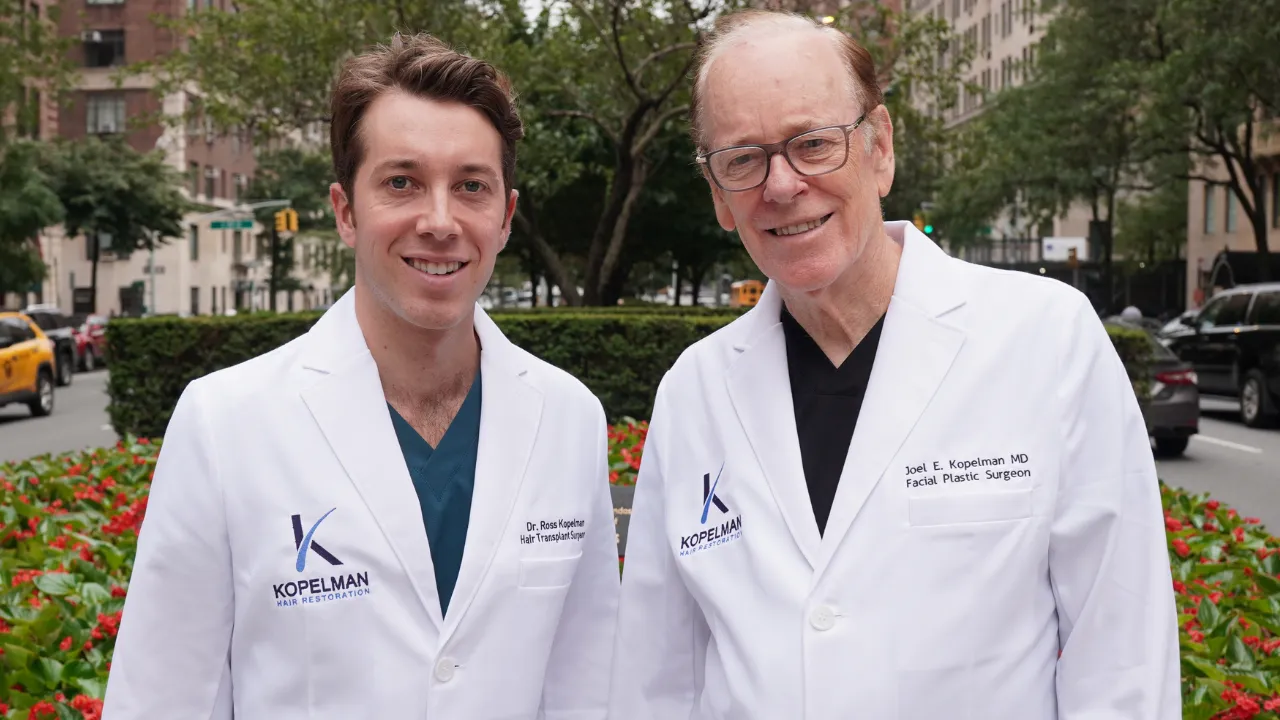
Dr. Ross Kopelman and Dr. Joel Kopelman treat patients for hair loss and focus on delivering natural hair transplants at their New York City, New Jersey, and Palm Beach Florida offices. With over 40 years of combined experience, they are leaders in advanced FUE hair transplantation and hair restoration.
Dr. Ross Kopelman is a hair restoration surgeon specializing in advanced FUE hair transplantation, natural hairline design, and regenerative therapies. He sees patients in New York City, New Jersey, and Palm Beach, and offers virtual consultations nationwide.