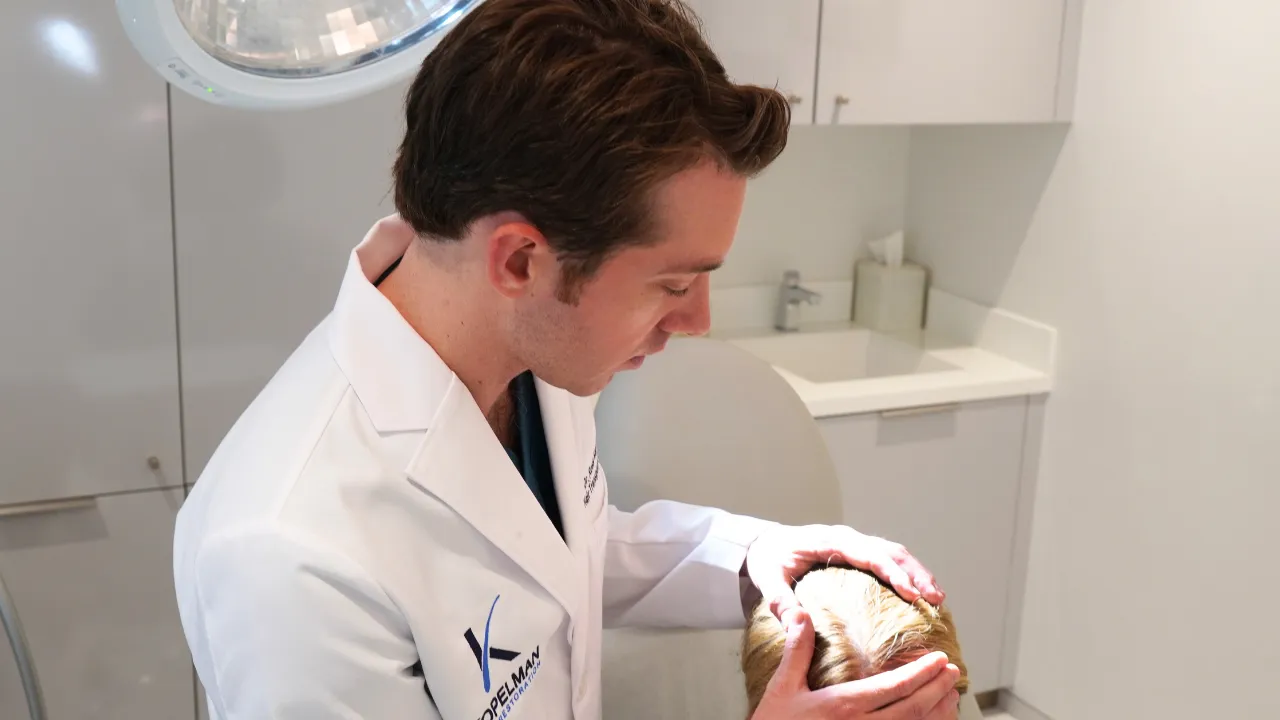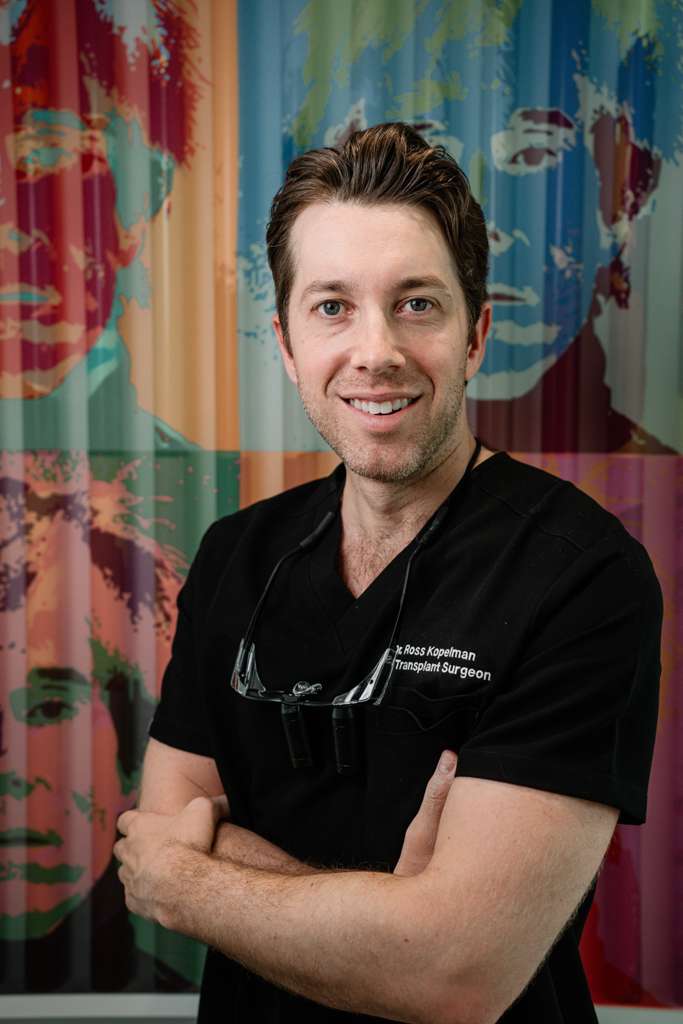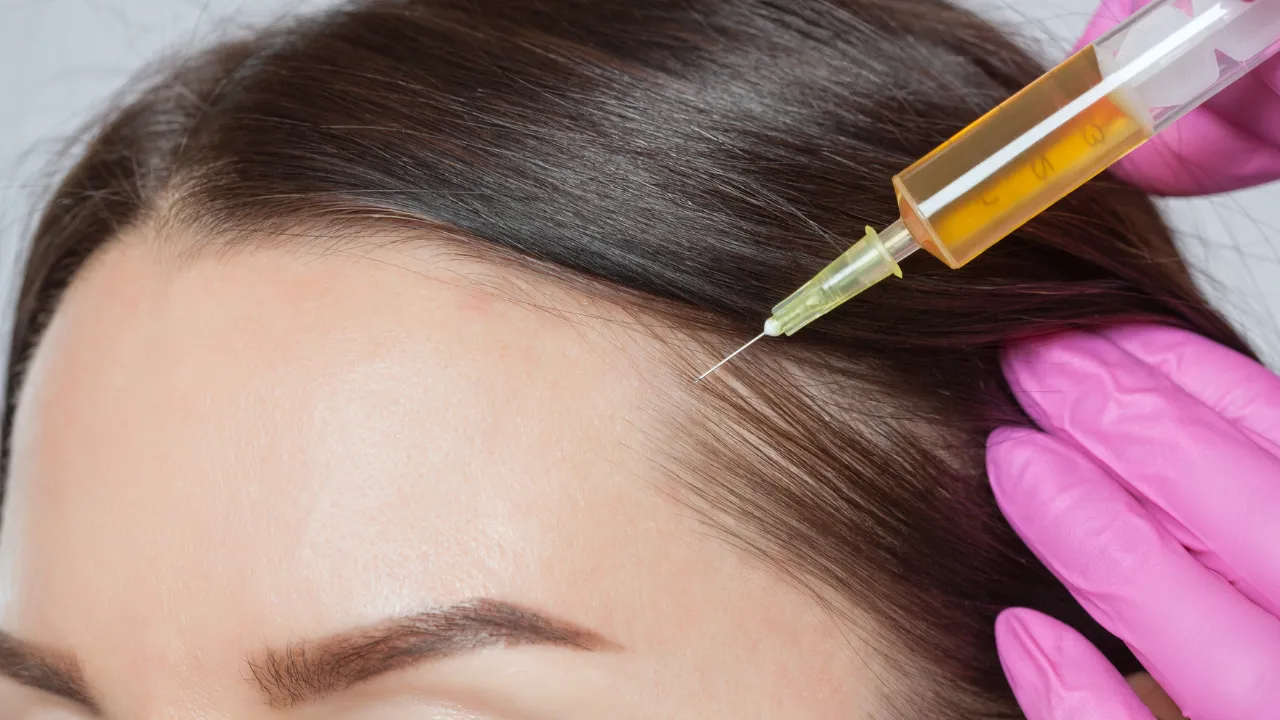

At Kopelman Hair, our specialists understand how stressful losing your hair at a young age can be. With over 40 years of expertise, Dr. Kopelman and his team identify each patient’s condition and design safe, personalized treatments to restore confidence and scalp health.
Key Takeaways
- Most thinning at 16 is temporary and tied to hormones, stress, or nutrient gaps rather than permanent pattern baldness.
- Both teenage boys and girls are affected, but the drivers differ; girls more often face hormonal or iron imbalances, while boys are influenced by DHT and family history.
- Shedding 50 to 100 strands a day is normal, so what matters is a change from your own baseline, not the strands themselves.
- Early diagnosis through blood work and scalp analysis catches patchy shedding or early androgenetic alopecia before it advances.
- Balanced nutrition, gentle styling, and stress control reduce shedding, including changes driven by hormones or a poor diet.
- Consulting an expert like Dr. Kopelman ensures the right care during adolescence.
Is Hair Thinning at 16 Normal?
Some change during the teenage years is common. Hormonal shifts, stress, or diet can disrupt the growth cycle and trigger shedding. Many teens see a sudden increase from temporary conditions like telogen effluvium, then recover naturally once balance returns.
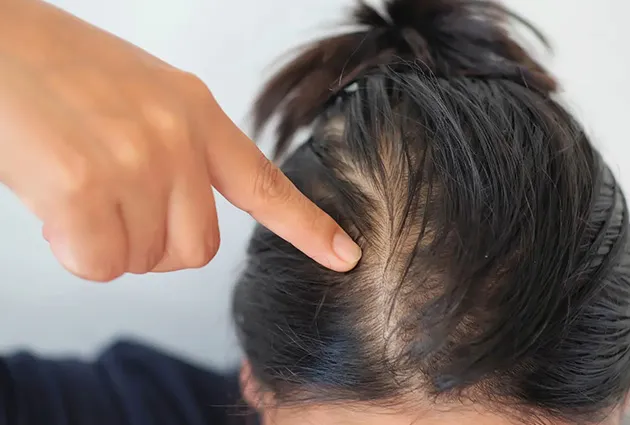
Early signs include a more visible scalp, a widening part, or small bare patches. If the change lasts several months, it is best to see a specialist. Early evaluation rules out permanent conditions and ensures timely treatment.
Signs of Balding at 16 vs. Normal Shedding
This is where most teenagers get stuck. Losing strands in the shower or on your pillow feels alarming, but it is expected. It is normal to shed between 50 and 100 strands a day according to the American Academy of Dermatology, so volume alone is not the signal.
What matters is a sustained change from your own baseline. Comparing photos taken months apart is far more reliable than counting strands. The small white bulb some teens notice at the root of a fallen strand is also normal; it simply means that strand finished its resting phase.
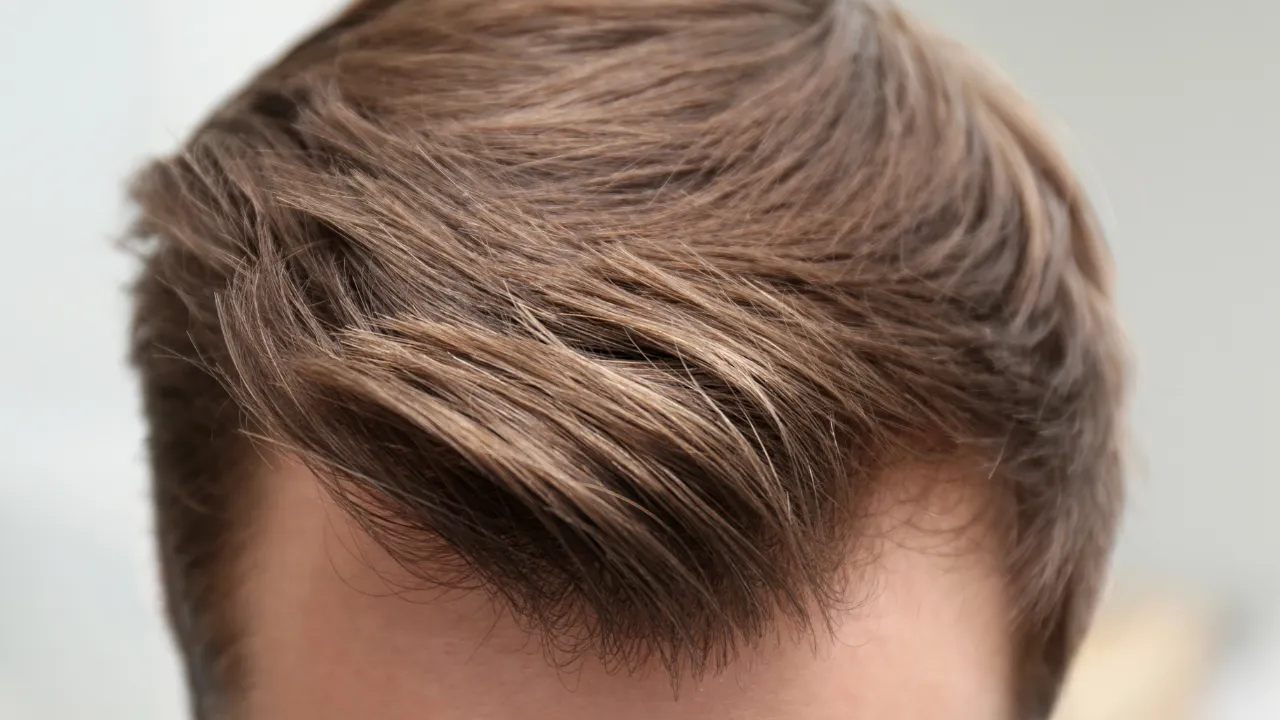
The signs of balding at 16 that genuinely warrant attention are structural: the hairline shape changing, the part widening, or the crown becoming see-through in photos taken under the same lighting.
| What You Notice | Usually Normal | Worth Getting Checked |
|---|---|---|
| Strands on your pillow | A handful most mornings, unchanged over time | A clear, sustained increase over several weeks |
| Strands in the shower | Loose strands released during washing | Visible clumps, or shedding that keeps rising |
| White bulb at the root | Normal end of the resting phase | Only concerning alongside real density loss |
| Hairline shape | A naturally high or uneven hairline you have always had | Temples pulling back compared to older photos |
| Part width | Looks the same across months | Steadily widening, more scalp showing |
| Crown density | Consistent in same-lighting photos | Scalp becoming visible from above |
| Back and sides | Thickest area, typically spared by pattern loss | Thinning here too, which points away from pattern loss |
| Itching or redness | Occasional dryness from product or weather | Persistent itch, flaking, scaling, or soreness |
Understanding the Growth Cycle
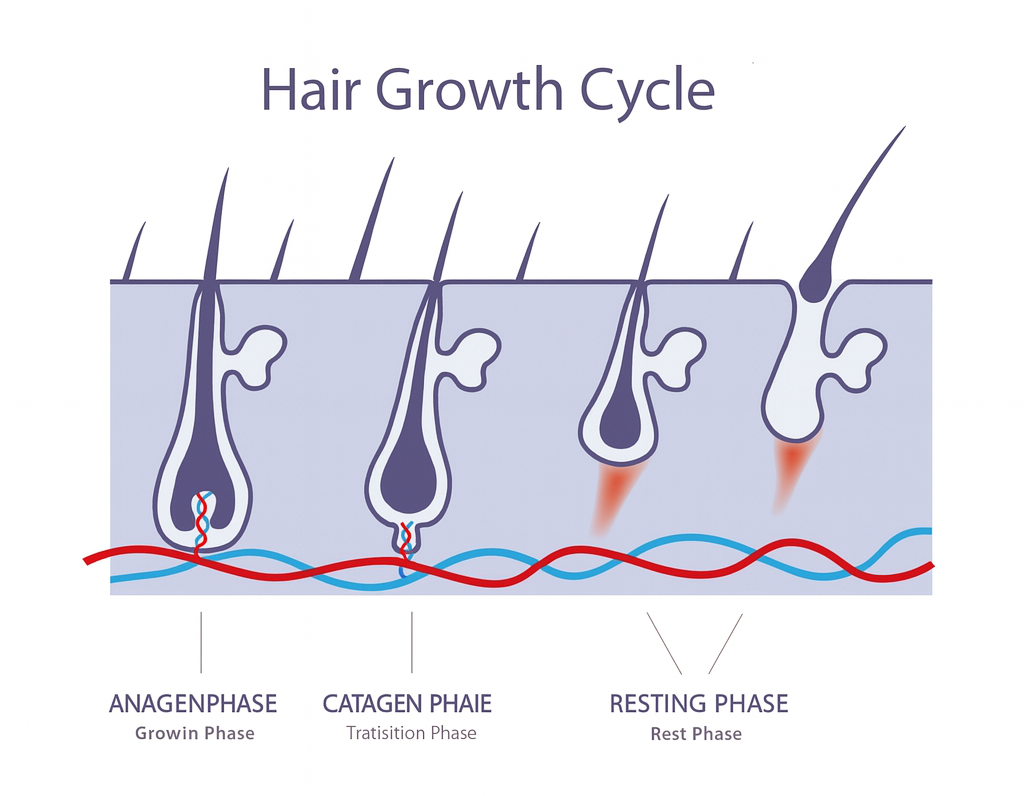
Each follicle moves through a growth, rest, and shedding phase. Hormones like DHT can shorten the growth stage, so strands emerge finer and shorter with each cycle. Left unaddressed, this miniaturization is what eventually produces a visible pattern.
Recognizing these early shifts allows specialists to determine the right solution before density drops noticeably.
Main Causes of Hair Loss in Teenagers
1. Genetic and Hormonal Changes
Some teens inherit a family history of pattern baldness, where DHT gradually weakens follicles. This condition, androgenetic alopecia, can begin in adolescence. Early management helps prevent visible density loss and gives treatment the best chance to work.
2. Stress, Illness, or Weight Change
Stress, illness, or sudden dieting can trigger heavy shedding. It usually appears weeks after the trigger and improves as balance returns. Regular sleep, good nutrition, and stress control support recovery.
3. Poor Diet and Nutritional Deficiency
Low iron, zinc, or vitamin D weakens follicles and causes strands to fall prematurely. Foods like spinach, eggs, and salmon help restore strength and thickness. Restrictive eating and rapid weight loss are common triggers in this age group.
4. Styling Damage and Tight Hairstyles
Frequent heat styling or tight ponytails strain the roots and can create bare patches along the hairline. Letting your hair rest and choosing looser styles prevents traction damage, which is often reversible when caught early.
5. Scalp Problems and Autoimmune Conditions
Alopecia areata and psoriasis can produce round bare spots. Alopecia areata occurs when the immune system attacks the follicle, and NIAMS notes it most often causes small, coin-sized patches. The AAD reports most people develop it in their teens, twenties, or thirties, which is why it matters at this age. Dermatological care helps restore balance and regrowth.
Recognizing these common triggers allows teens to act early and prevent chronic issues.
| Cause | How It Usually Looks | Typical Outlook |
|---|---|---|
| Androgenetic alopecia | Temple recession or crown thinning; back and sides spared | Progressive, but treatment can slow it |
| Telogen effluvium | Diffuse shedding across the scalp, weeks after a trigger | Usually reversible once the trigger resolves |
| Alopecia areata | Round or oval bare patches with smooth skin | Regrowth is possible; course is unpredictable |
| Nutritional deficiency | Overall loss of volume and weaker, finer strands | Usually reversible once levels are corrected |
| Traction from styling | Loss along the hairline or where tension is applied | Reversible if caught early; scarring if prolonged |
| Heat and chemical damage | Breakage and split ends rather than root-level loss | Recovers once the damaging habit stops |
| Thyroid conditions | Uniform thinning across the whole scalp | Often improves with proper medical treatment |
| PCOS | Thinning at the crown or part, often with acne or cycle changes | Improves when the hormonal imbalance is treated |
| Scalp infection (ringworm) | Scaly, itchy patches with broken strands | Resolves with antifungal treatment |
| Seborrheic dermatitis | Redness, flaking, and persistent itch | Managed with medicated shampoo and dermatologic care |
What If Everyone Tells You It Is All in Your Head?
Many teenagers describe the same frustrating pattern: they notice a change, mention it at home, and are told they are imagining it. That reaction usually comes from reassurance rather than observation. Parents and friends see you daily, which makes gradual change almost invisible to them.
Bring evidence instead of a description. Same-angle photos taken in the same lighting a few months apart are the single most useful thing you can show a doctor. Note when you first noticed the change and any illness, weight change, or new medication around that time.

An itchy or red scalp deserves separate attention. Persistent itching often points to seborrheic dermatitis or a fungal infection rather than pattern baldness, and both are treatable. Itching alone is not proof that you are balding at 16.
Comparing yourself to classmates is also unreliable. Hairlines vary enormously between individuals, and a naturally high or uneven hairline you have always had is not the same as recession. Your own past photos are the only fair comparison.
Teen Thinning: Female vs Male
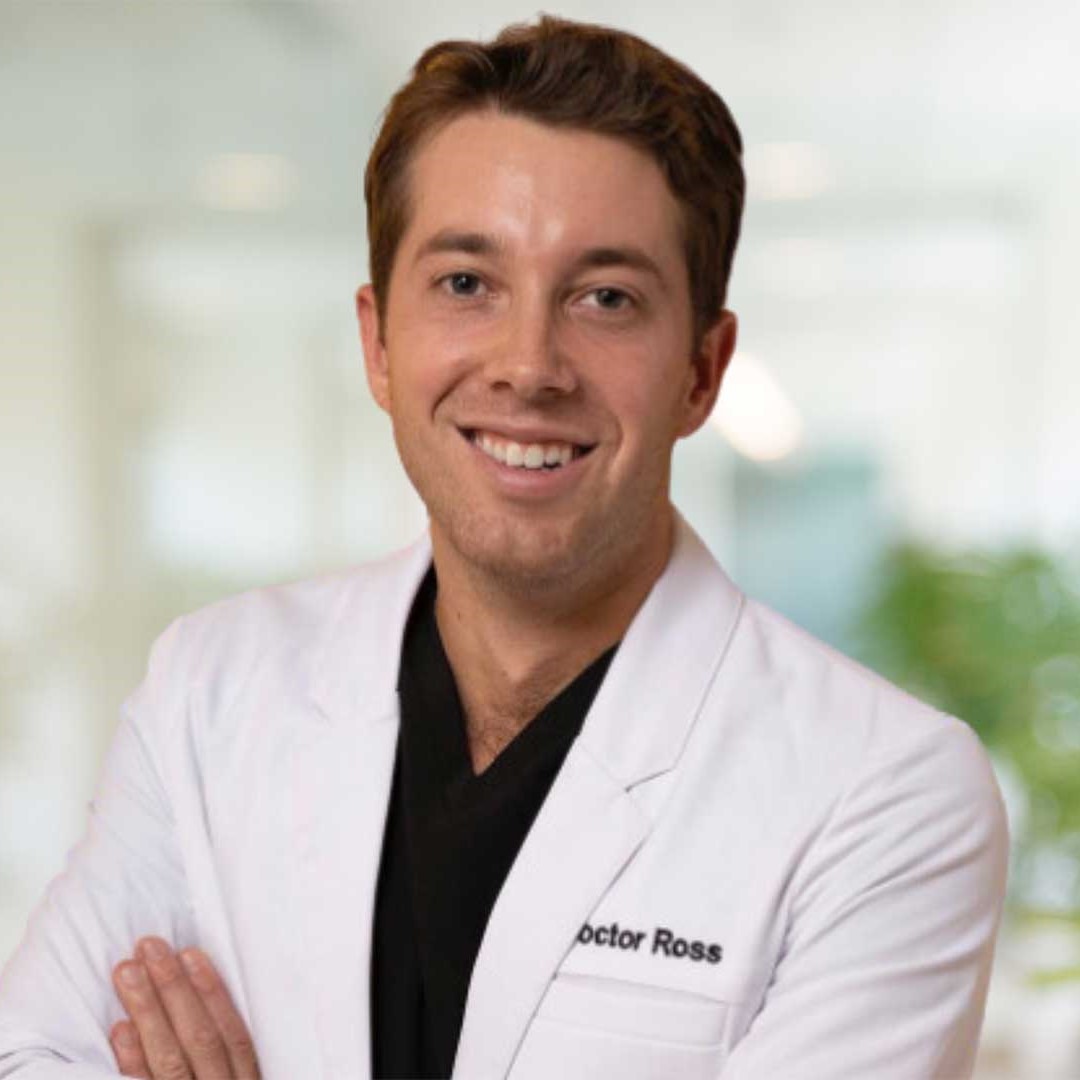
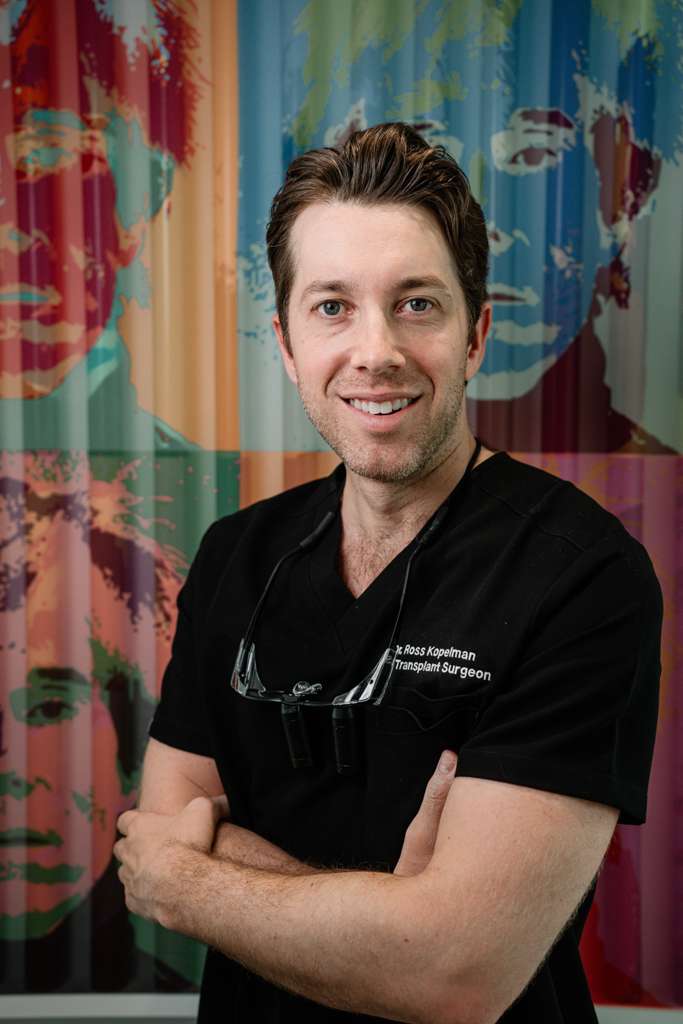
Dr. Kopelman explains, “Early thinning in teens is often reversible when hormonal balance and nutrition are restored.” At Kopelman Hair, every patient receives a full assessment, bloodwork, scalp evaluation, and nutritional review to identify the cause and prevent long-term pattern baldness.
For teenage girls, hormonal imbalance or iron deficiency are the leading drivers. In some, early female pattern baldness appears around the crown or as a widening part. Treating the hormonal or nutritional cause usually restores growth.
In boys, elevated DHT sensitivity or family history can trigger pattern loss. It often begins at the temples or crown. A specialist can determine whether it is temporary shedding or early androgenetic alopecia.
How to Stop Hair Loss in Teenage Girls
- Eat nutrient-rich foods with iron and protein, and avoid restrictive dieting.
- Avoid harsh chemicals, bleach, and tight styles that pull at the hairline.
- Reduce stress through rest and physical activity.
- Ask a doctor about iron, ferritin, thyroid, and hormone testing if shedding persists.
How to Stop Hair Loss in Teenage Guys
- Limit heat tools and strong-hold products.
- Keep a healthy diet and consistent sleep schedule.
- Track changes with monthly same-angle photos.
- Seek medical advice early if the temples or crown keep changing.
Diagnosing Teenage Hair Loss
A proper diagnosis starts with reviewing family history, stress levels, and diet. Blood tests identify thyroid, iron, or hormone imbalances driving the shedding. A pull test shows how many strands release with gentle traction.
Specialists may use trichoscopy to detect miniaturization, bare patches, or inflammation at the follicle. Identifying the exact cause early increases recovery chances and prevents bald spots from developing.
Treating and Preventing Early Thinning
Topical and Medical Treatments
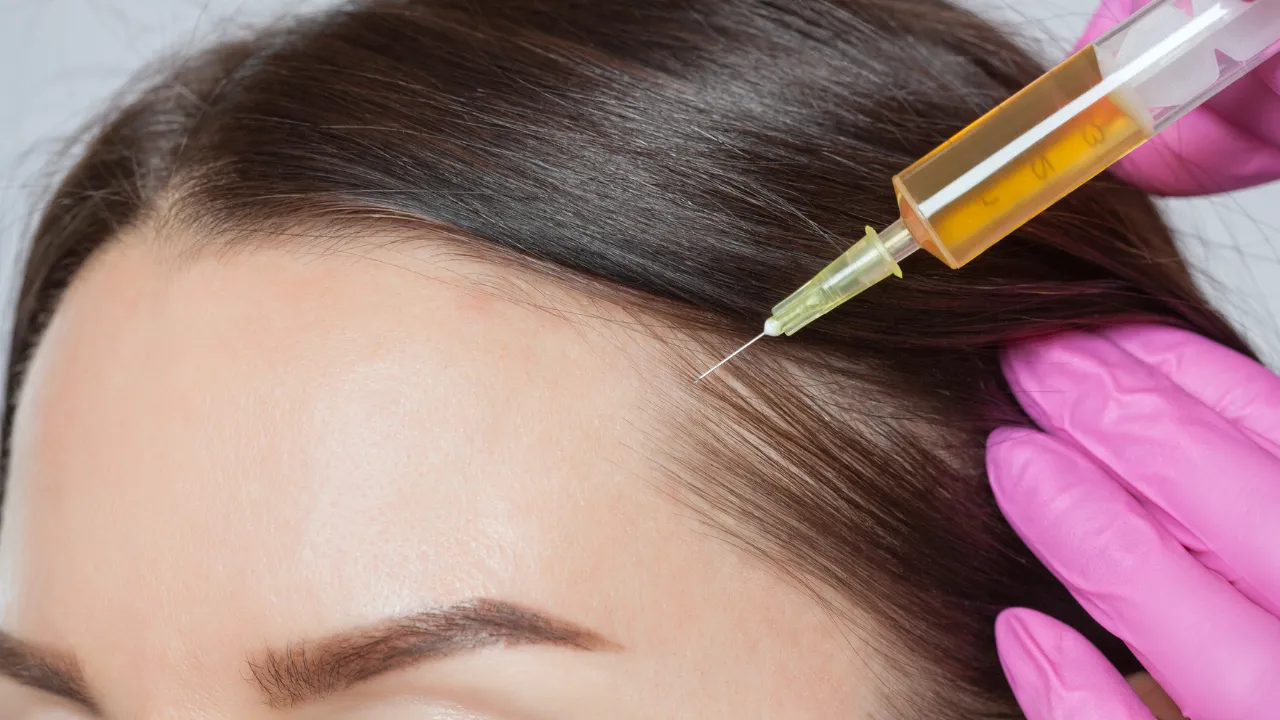
Topical minoxidil stimulates the follicle and can slow pattern loss, but it is not FDA-approved for anyone under 18, so it should only be used if a physician directs it. Oral finasteride is likewise not approved for minors. Doctors may instead address the hormonal, nutritional, or immune-related issue driving the problem.
Nutrition and Stress Management
A balanced diet supports strong follicles, and correcting an iron or vitamin D deficiency often produces visible improvement within months. Managing stress with rest, exercise, or mindfulness helps limit stress-related shedding.
Healthy Habits That Protect Density
Simple routines protect against future thinning:
- Use a gentle, sulfate-free shampoo.
- Massage the scalp gently rather than scratching.
- Avoid over-styling and harsh chemical treatments.
- Maintain steady sleep patterns.
- Treat scalp itching or flaking rather than ignoring it.
Professional Restoration Options
At Kopelman Hair, patients receive personalized care. Surgical restoration is generally not appropriate at 16, because the pattern has not stabilized and donor planning requires a mature picture of how the condition will progress. Addressing the cause early is what protects long-term density.
| Suspected Cause | Typical First Step | Who Manages It |
|---|---|---|
| Telogen effluvium | Identify and resolve the trigger; support nutrition and sleep | Pediatrician or dermatologist |
| Iron or vitamin deficiency | Blood testing, then targeted dietary or supplement correction | Pediatrician |
| Alopecia areata | Dermatologic evaluation; corticosteroid options where appropriate | Dermatologist |
| Thyroid imbalance | Thyroid panel and treatment of the underlying condition | Pediatrician or endocrinologist |
| PCOS | Hormonal workup and management of the imbalance | Gynecologist or endocrinologist |
| Traction from styling | Remove tension immediately; loosen or change styles | Self-managed, with dermatologic review if patches persist |
| Scalp infection or dermatitis | Antifungal or medicated shampoo as prescribed | Dermatologist |
| Early androgenetic alopecia | Confirm diagnosis, then discuss age-appropriate options | Hair restoration specialist or dermatologist |
Frequently Asked Questions About Balding at 16
Why am I balding at 16 when no one else my age is?
Onset varies widely, and family history plays a large role. Early pattern loss is less common at this age but not rare, and confirming the cause matters more than comparing yourself to classmates.
Why is my hair falling out at 16 but my scalp looks fine?
Diffuse shedding without redness or patches most often points to telogen effluvium or a nutritional gap rather than a scalp condition. Blood work usually clarifies it.
Can it grow back after stress or illness?
Yes. Most shedding in teens is temporary once balance returns, though full recovery can take several months.
Do autoimmune conditions cause bare patches?
Lorem ipsum dolor sit amet, consectetur adipiscing elit. Ut elit tellus, luctus nec ullamcorper mattis, pulvinar dapibus leo.
Does an itchy scalp mean I am going bald?
Lorem ipsum dolor sit amet, consectetur adipiscing elit. Ut elit tellus, luctus nec ullamcorper mattis, pulvinar dapibus leo.
Should I start treatment right away at 16?
Get a diagnosis first. Treatment that targets the wrong cause wastes time, and several common causes at this age resolve once the underlying issue is addressed.
Coping With Balding at 16
Losing density can affect confidence during adolescence, and the constant checking and photographing that many teens describe becomes exhausting on its own. Open discussion and early action reduce that stress and restore a sense of control. Changes at this age are often reversible with professional care.
Parents should consult a specialist instead of relying on home remedies. Expert care from Dr. Kopelman ensures accurate diagnosis and treatment, whether the cause is hormonal, genetic, nutritional, or autoimmune.
Most teenagers who experience this recover fully with early diagnosis and healthy habits. Understanding what is driving the change and seeking expert help protects both your scalp and your confidence.
If you’re unsure what’s causing your thinning, schedule a consultation at Kopelman Hair for a professional evaluation.