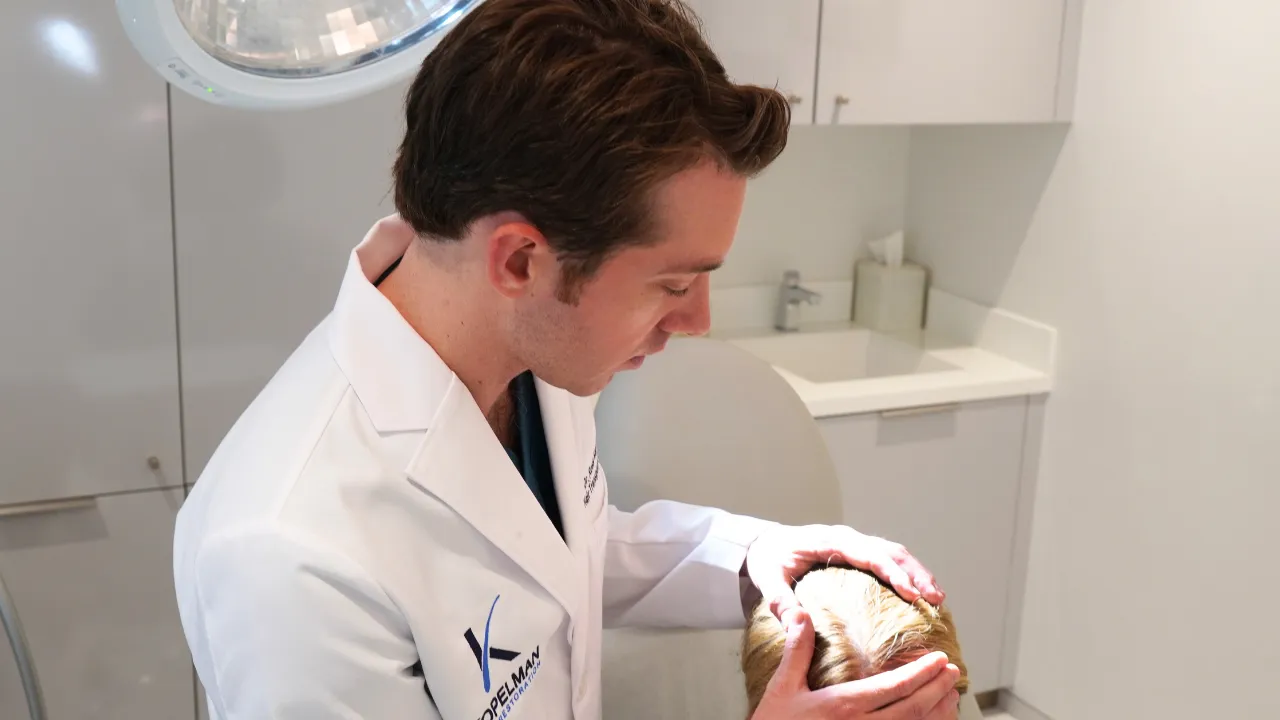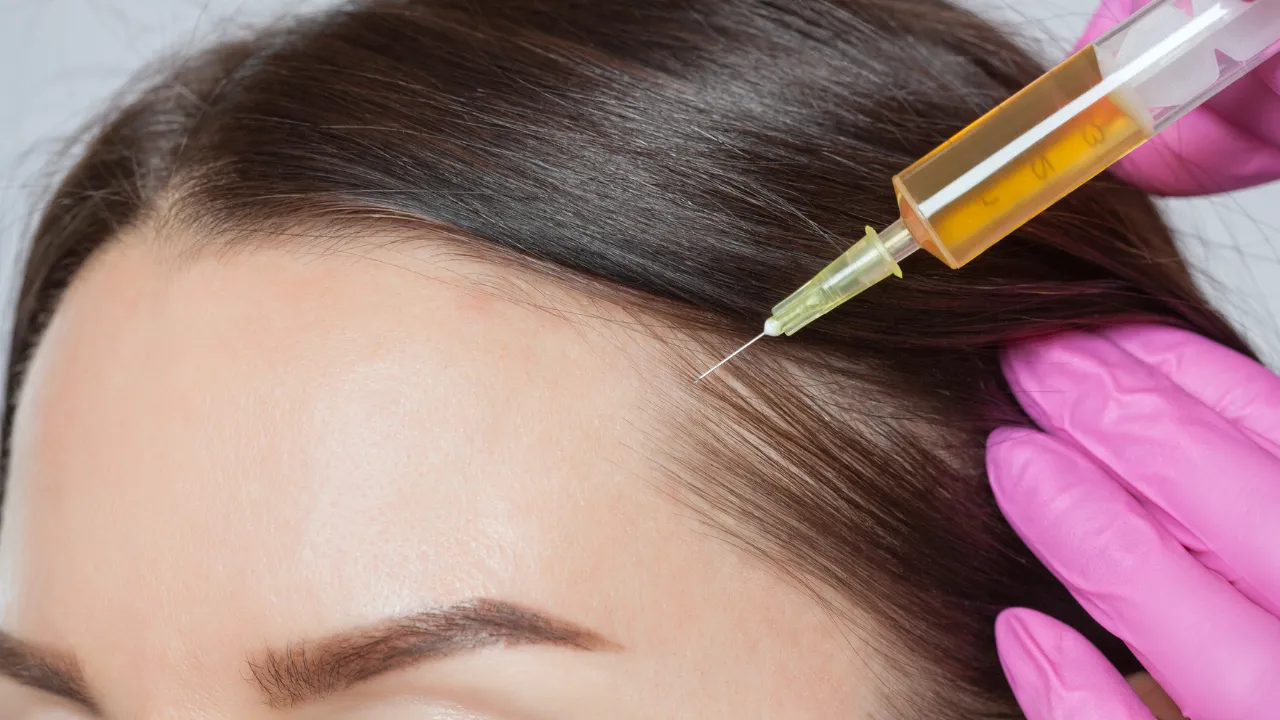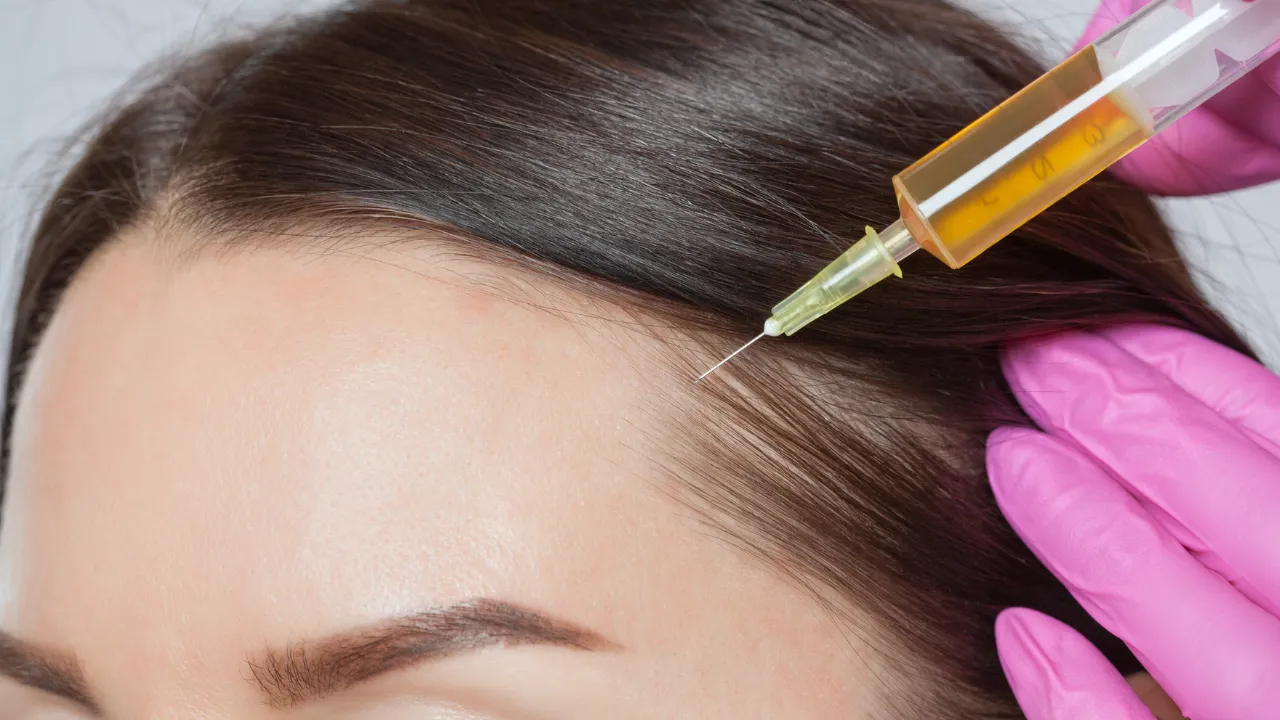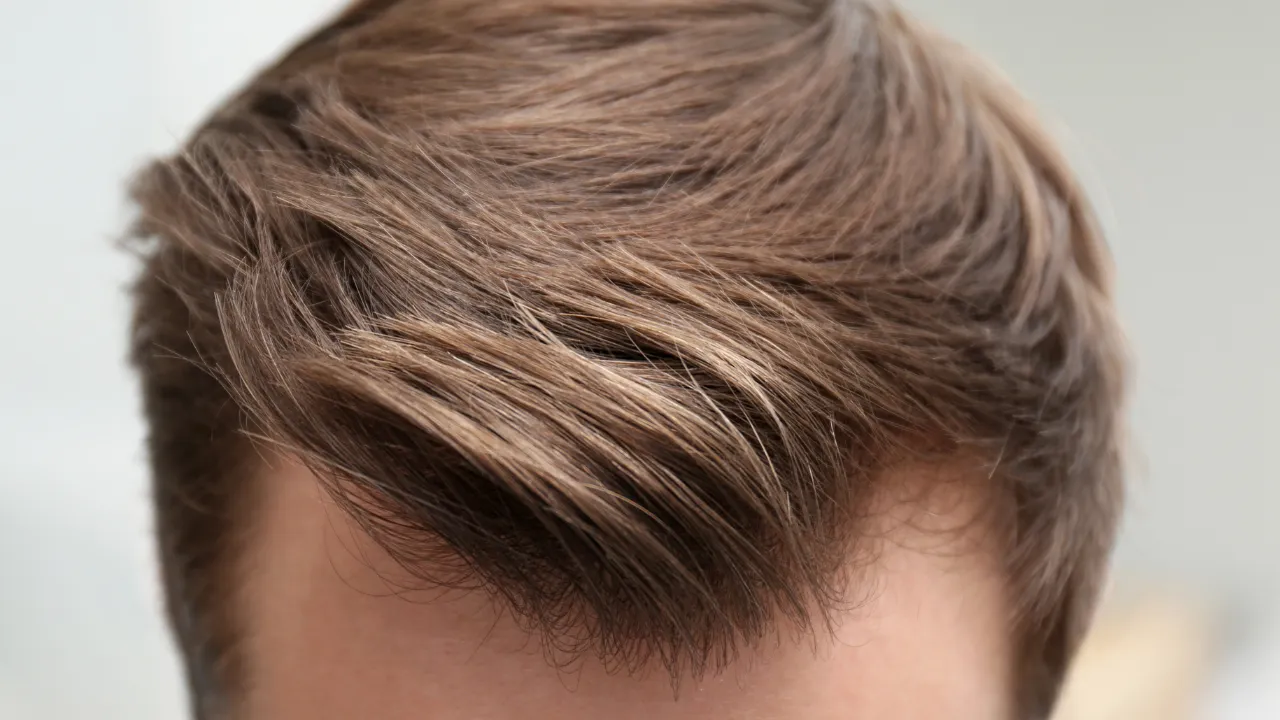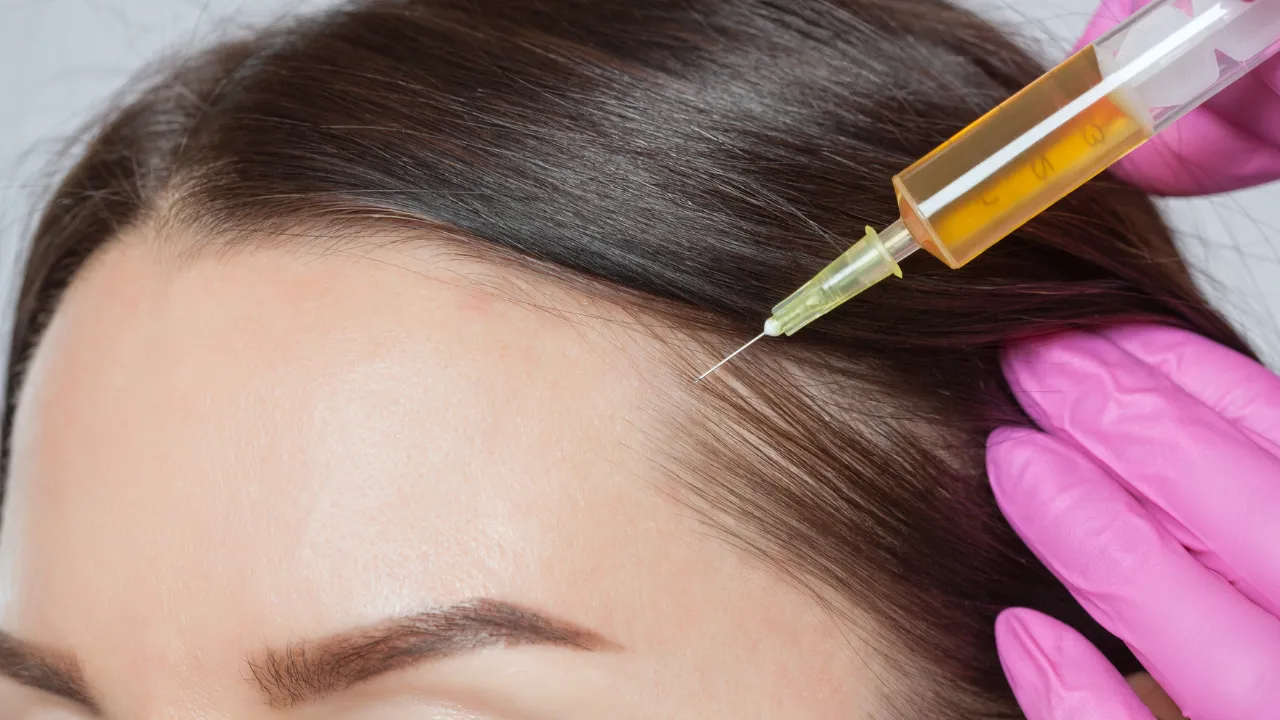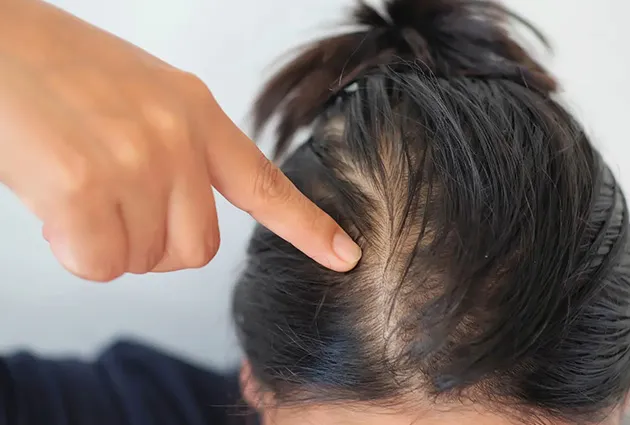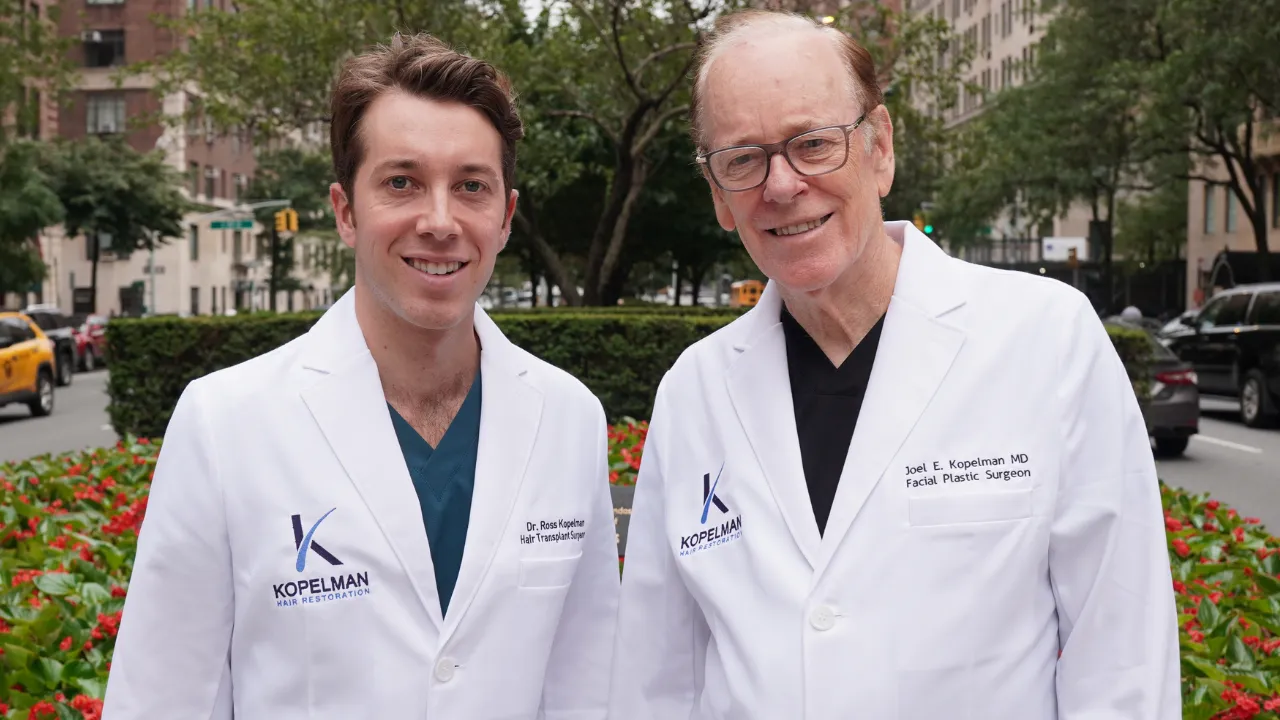

At Kopelman Hair, patient education is part of the procedure planning process, including how the scalp and beard area will look during early healing.
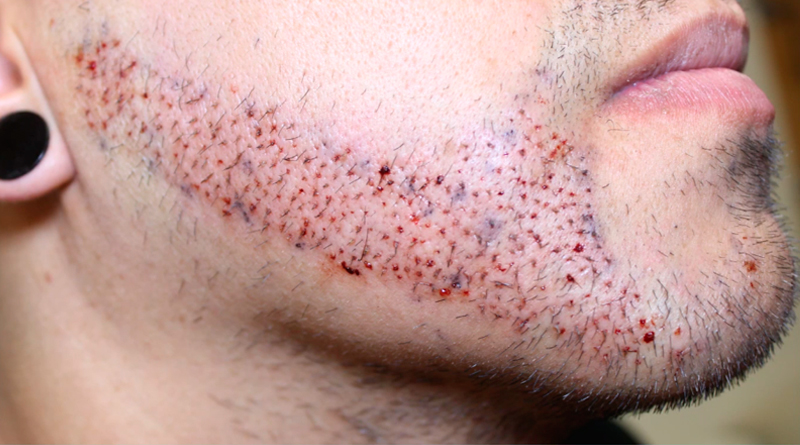
Dr. Kopelman explains that temporary visual patterns after FUE are normal and expected, and understanding this helps reduce anxiety during recovery. A clear post-procedure plan supports both healing and overall comfort.
Understanding Trypophobia in Beard Transplants
Trypophobia is a condition that causes discomfort or anxiety when viewing clusters of small holes or repetitive patterns. Although not officially classified as a medical disorder, many people suffer from trypophobia, experiencing symptoms like nausea, rapid heartbeat, or an overwhelming urge to look away.
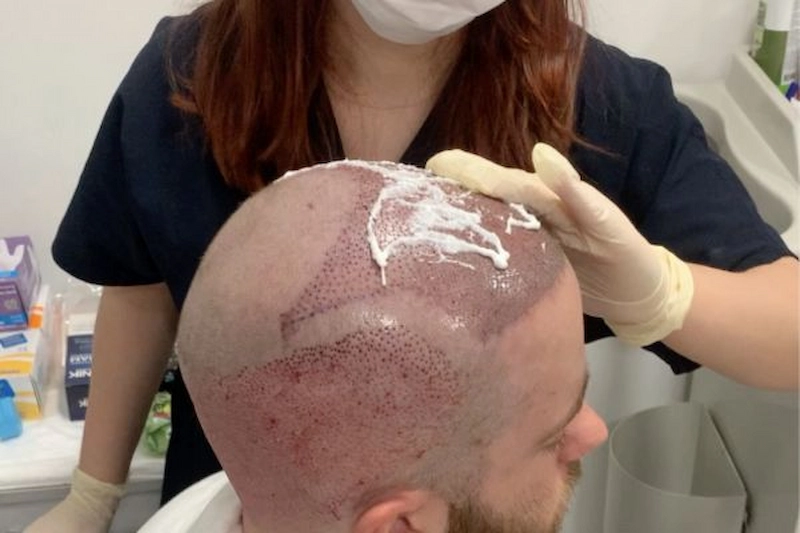
In FUE hair transplants, patients may feel uneasy when seeing the donor area after follicular unit extraction (FUE) due to the pattern of tiny incisions. For those with beard transplant Trypophobia, understanding why these visuals occur can help reduce anxiety before undergoing surgery.
What is Hair Transplant Trypophobia?
Hair transplant Trypophobia refers to the unease or distress some patients feel when seeing closely spaced extraction sites after a beard transplant. This discomfort arises because FUE hair transplants involve creating hundreds or thousands of micro-incisions to extract hair follicles and implant them into the beard area.
For individuals sensitive to patterns of tiny holes, this aspect of the procedure can be a significant psychological hurdle. However, with proper preparation and awareness, most patients can overcome hair transplant trypophobia and achieve satisfying results.
Why FUE Beard Transplants Can Trigger Trypophobia?
An FUE hair transplant procedure involves two critical steps that may trigger trypophobia:
- Extraction of hair follicles from the donor area – Tiny circular incisions are made to remove individual hair follicles for transplantation.
- Implantation of follicles into the beard area – Similar small punctures are made where the new beard hairs will grow.
These clusters of small holes may be unsettling for people with trypophobia, but it’s important to note that they are temporary and heal quickly.
Will Beard Transplant Holes Fully Heal?
Yes, the tiny incisions created during an FUE beard transplant heal completely over time. The donor area typically recovers in 7-10 days, while the beard area takes around 2-3 weeks for visible signs of the procedure to fade.
Healing Timeline:
- Days 1-3: Mild redness and small scabs form around the transplanted follicles.
- Week 1-2: Scabs naturally fall off, revealing new implanted hair.
- Month 3-6: New hair growth begins, improving beard density.
- One year: The beard looks fully natural, with no visible signs of the procedure.
Proper post-operative care can accelerate healing and minimize discomfort for individuals sensitive to visual patterns.
Managing Trypophobia Before & During a Beard Transplant
For those concerned about trypophobia and FUE hair transplant for beards, several effective strategies can help ease anxiety and enhance the experience. Mental preparation and an experienced surgical team play key roles in ensuring a comfortable process.
Psychological Strategies to Reduce Anxiety
Managing trypophobia triggered by the hair transplant procedure involves both mental and physical preparation:
- Cognitive behavioral therapy (CBT): Helps patients reframe negative thoughts and develop coping techniques.
- Exposure therapy: Gradual exposure to FUE beard transplant images can reduce sensitivity over time.
- Deep breathing exercises: Calms the nervous system and helps prevent panic reactions.
- Anti-anxiety medication: Can be prescribed for severe anxiety, ensuring a stress-free experience.
Why Beard Transplants Look Different While Healing
The initial healing process may cause temporary changes in the appearance of the beard area. Patients should expect:
- Redness and small scabs around the transplanted hair follicles.
- Shock loss, where some transplanted hairs shed before regrowth begins.
- Gradual thickening of new beard hair over several months.
These changes are completely normal and do not indicate complications.
Choosing the Right Surgeon to Minimize Trypophobia Concerns
Selecting an experienced surgeon is essential in reducing the visibility of FUE incisions and ensuring a natural outcome.
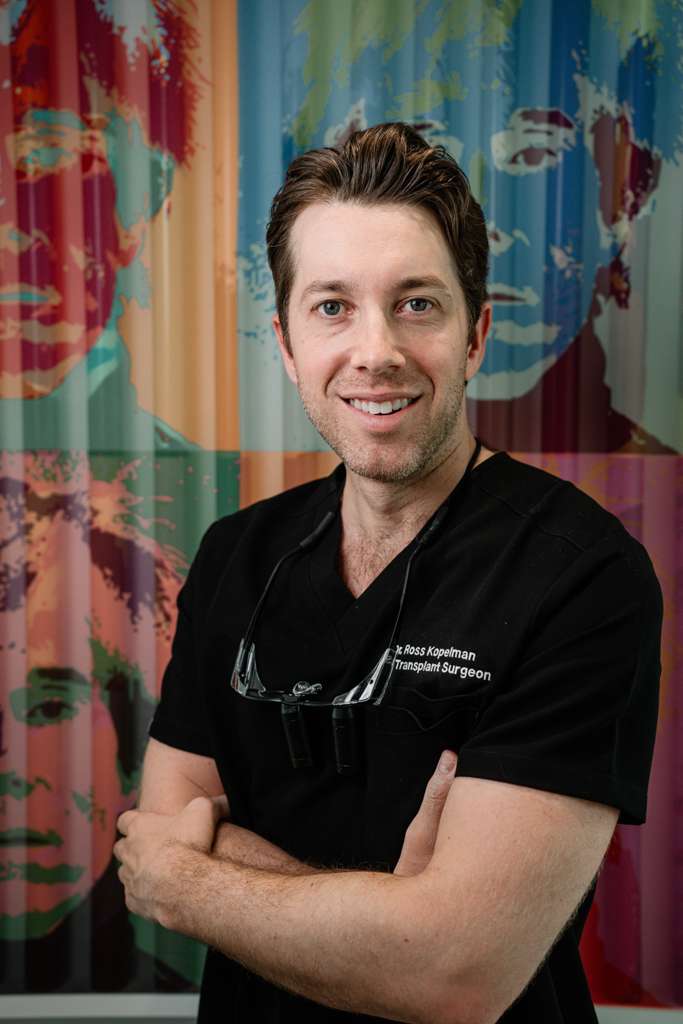
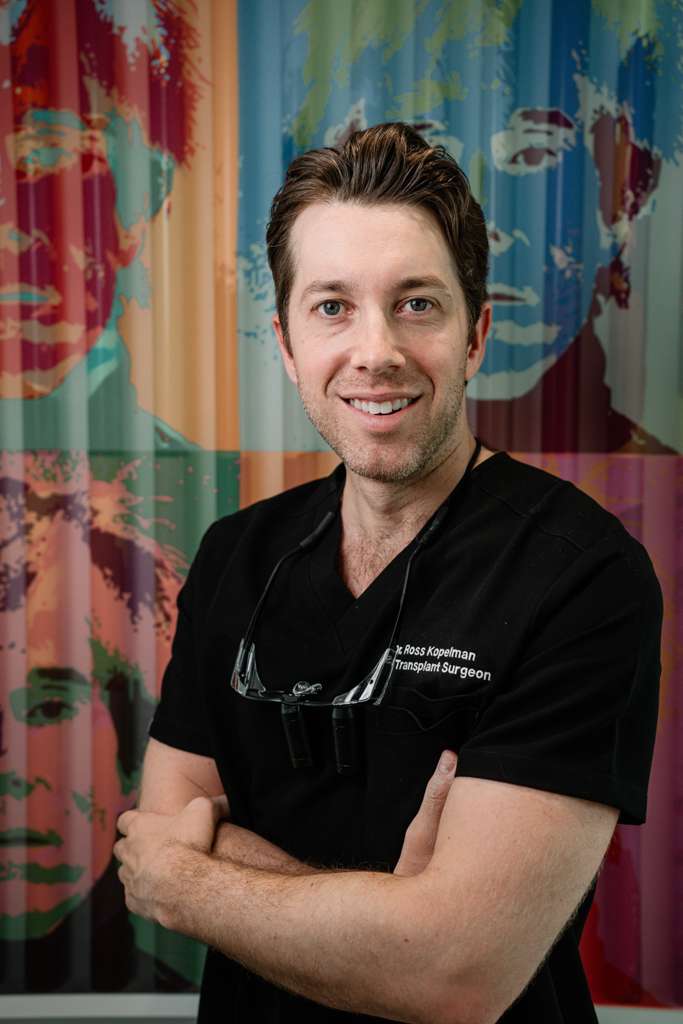
At KopelmanHair, Dr. Kopelman uses advanced techniques to:
Minimize incision size, making the procedure less visually triggering.
Ensure precise follicle placement for a natural beard pattern.
Utilize innovative healing protocols to accelerate skin recovery.
By working with a highly skilled specialist, patients can feel more confident and comfortable about their beard restoration journey.
Healing & Recovery – What to Expect
The healing process after an FUE beard transplant follows a predictable pattern, and proper care can speed up recovery while minimizing discomfort.
Healing Timeline & Best Practices for a Smooth Recovery
To ensure a smooth and quick recovery, patients should follow these guidelines:
- Keep the area clean: Use recommended gentle cleansing solutions to prevent infection.
- Avoid scratching or touching: This protects the newly transplanted hair follicles.
- Follow prescribed medication: Use antibiotics or anti-inflammatory treatments to aid healing.
- Stay hydrated and eat nutrient-rich foods: Promotes healthy skin regeneration.
Can You Prevent Scarring from a Beard Transplant?
Yes, when performed by an experienced surgeon, an FUE beard transplant leaves no visible scarring. However, patients should:
- Follow all post-operative care instructions strictly.
- Avoid sun exposure on healing skin.
- Use hydrating creams to promote skin recovery.
Risks, Cost & Candidacy
What Are the Negatives of Beard Transplant?
While FUE beard transplants are safe, some temporary side effects may include:
- Mild swelling and redness in the treated areas.
- Shock loss, where some transplanted hairs shed before regrowth.
- Scabbing in the donor and recipient areas during the first week.
How Much Does a 2000 Grafts Beard Transplant Cost?
The cost of a 2000 grafts beard transplant typically ranges from $5,000 to $12,000, depending on:
- The surgeon’s experience and expertise.
- The clinic’s location and reputation.
- The complexity of the procedure and the number of grafts needed.
What Disqualifies You from a Hair Transplant?
Patients may not qualify for a beard transplant if they:
- Lack a suitable donor area for hair extraction.
- Have skin conditions that affect healing.
- Expect unrealistic results beyond what the procedure can achieve.
Final Thoughts – Is an FUE Beard Transplant Right for You?
How to Choose the Right Clinic for Your Beard Transplant
For the best experience and results, choose a clinic that offers:
A board-certified surgeon specializing in FUE hair transplants.
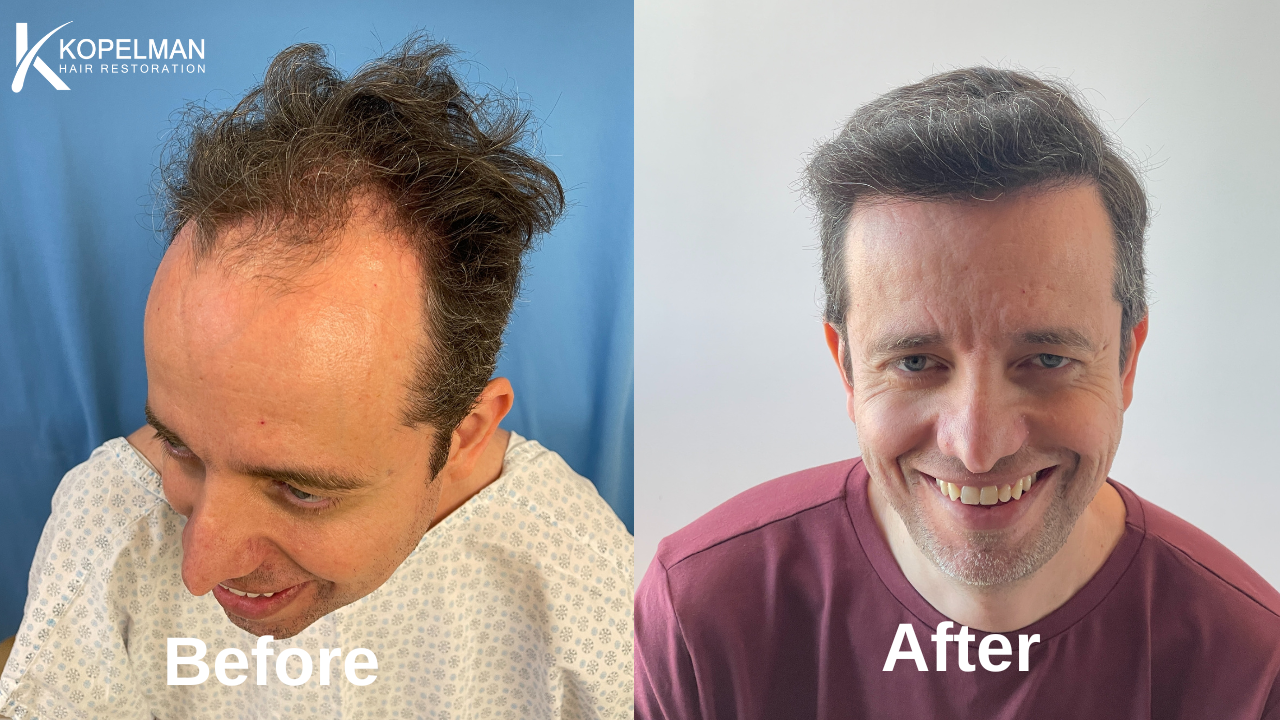
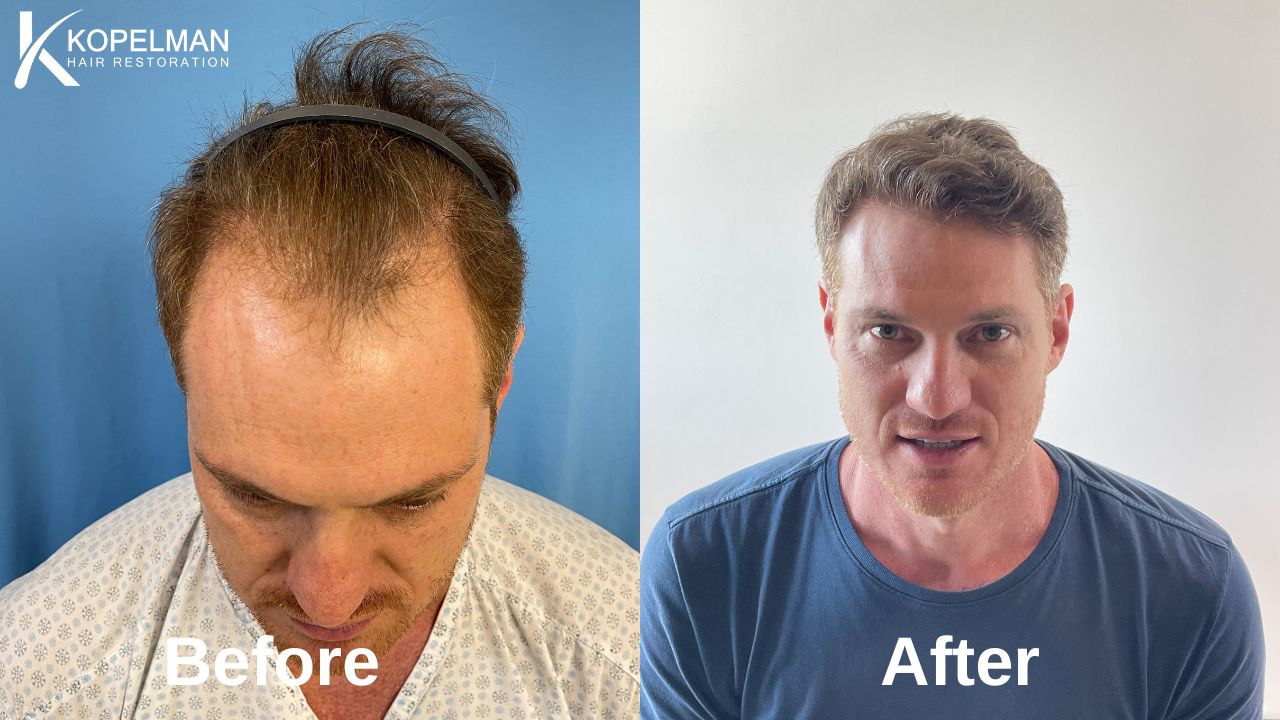
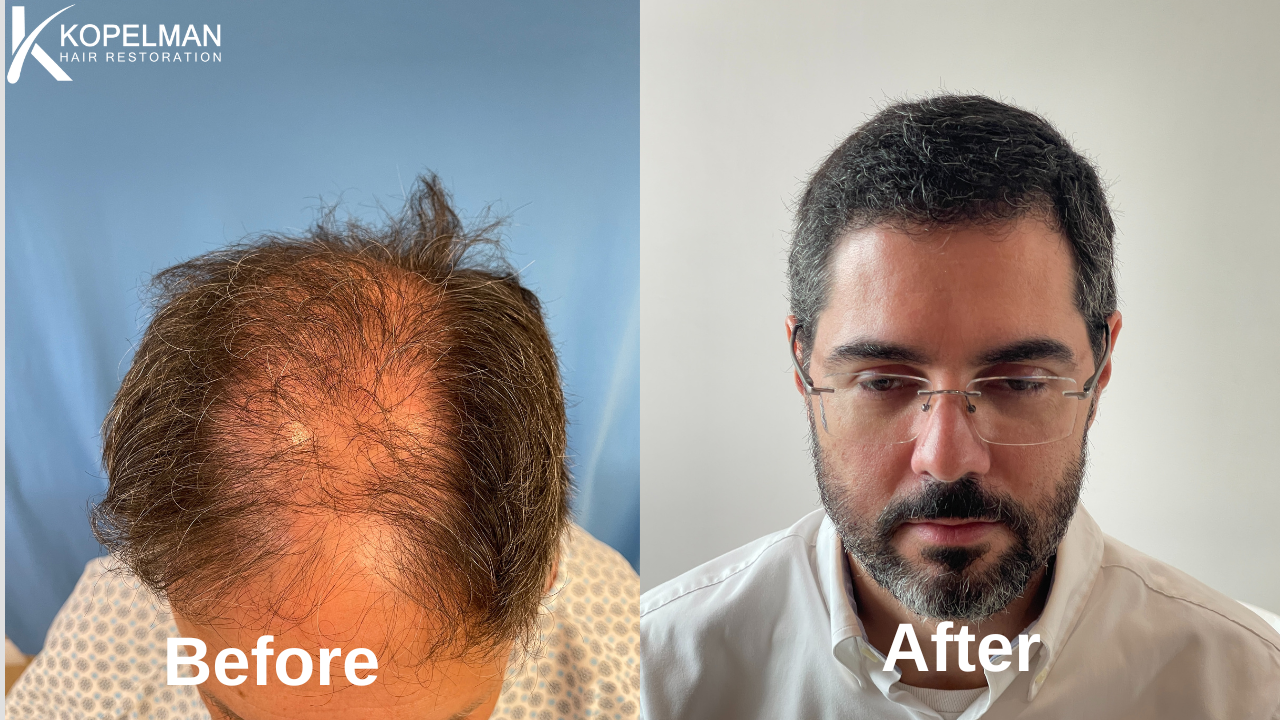
Proven success stories with before-and-after images.
Personalized care for individuals with trypophobia concerns.
At KopelmanHair, Dr. Kopelman provides expert guidance, cutting-edge techniques, and personalized treatment plans to ensure a smooth and natural beard restoration experience.
Considering a beard transplant? Schedule a consultation today!