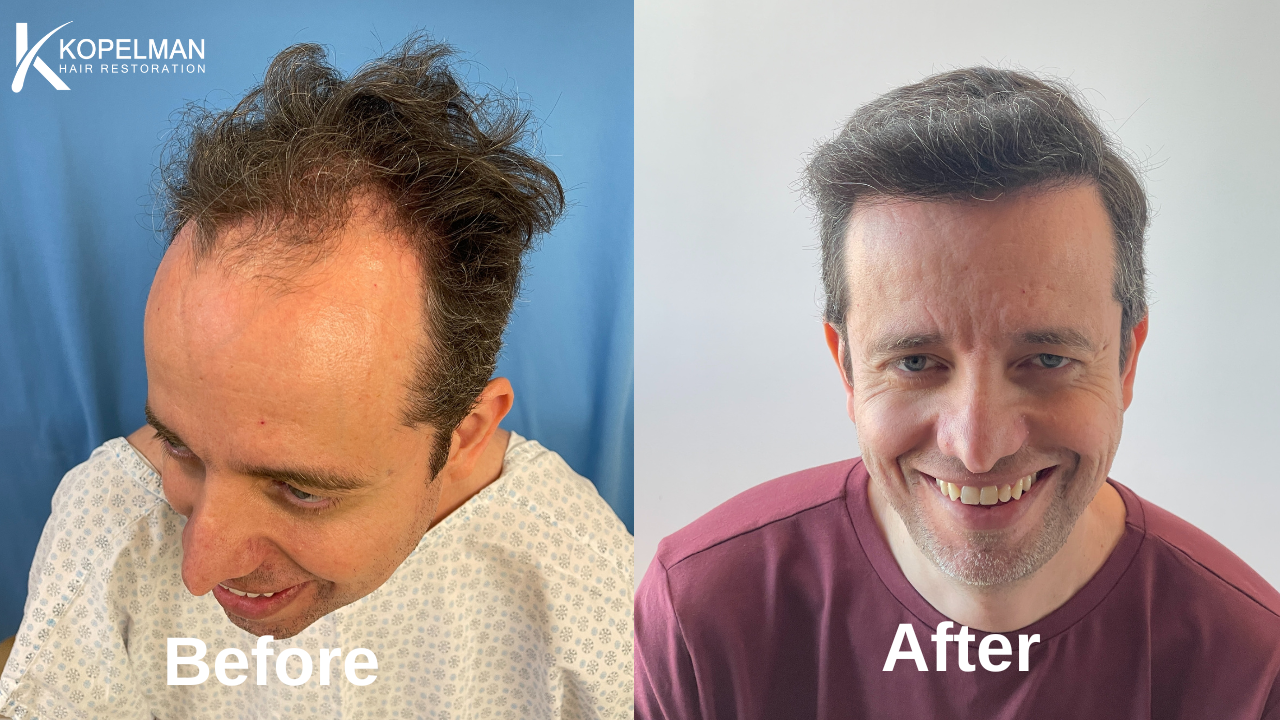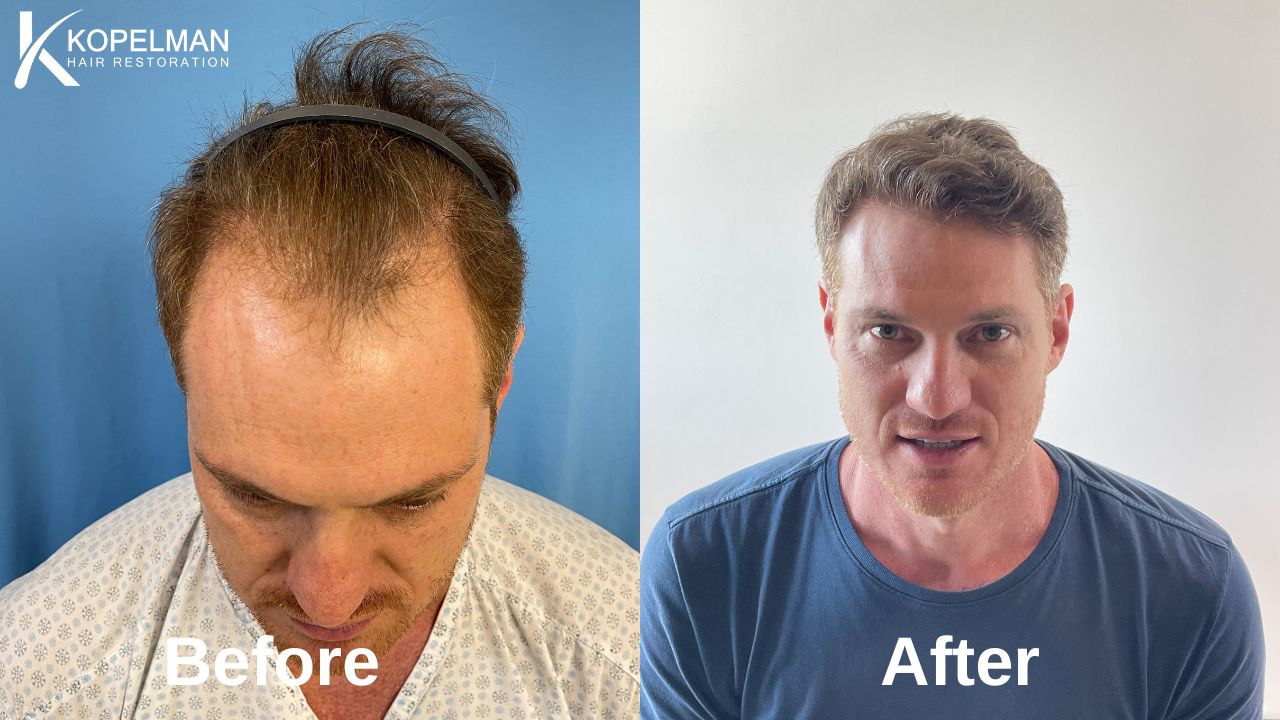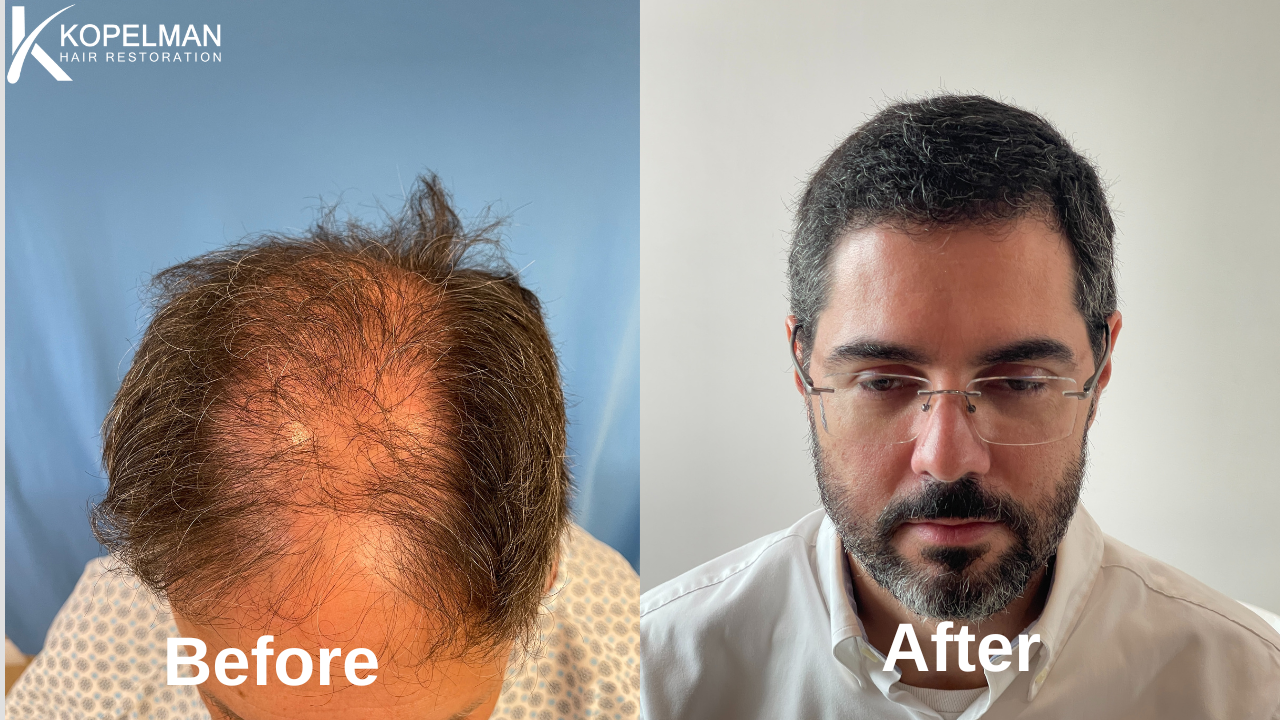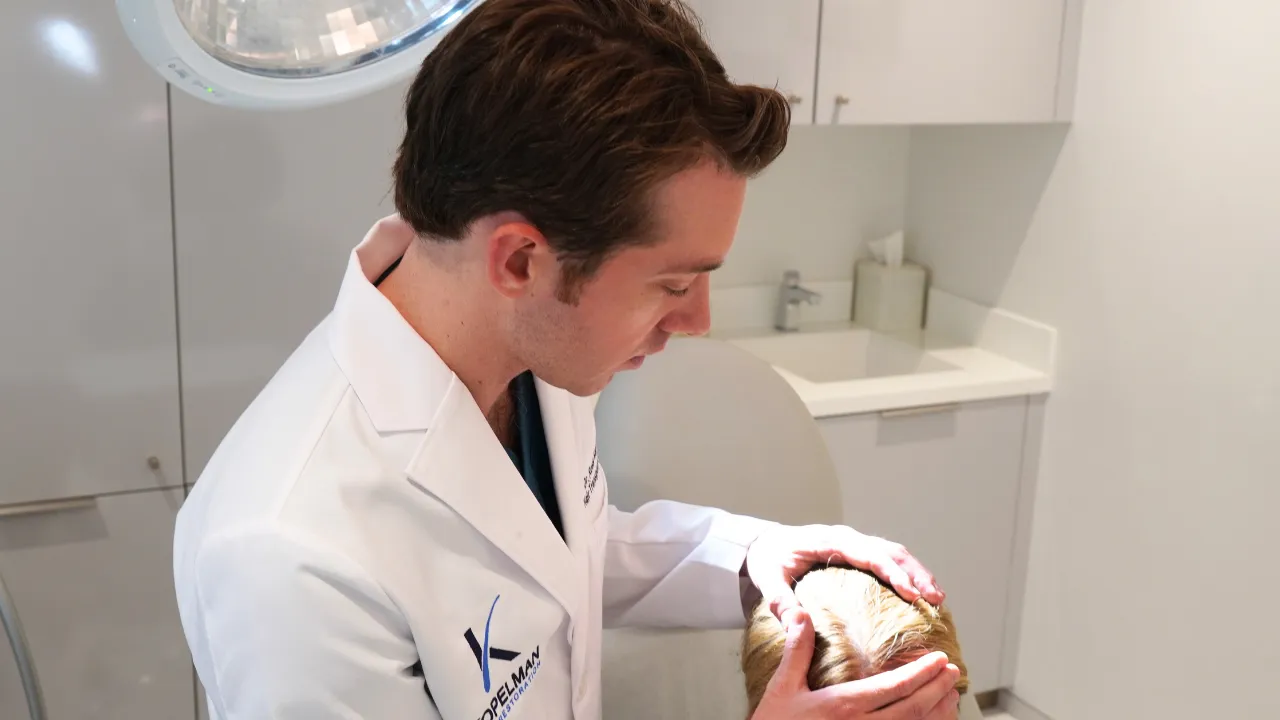

At Kopelman Aesthetic Surgery, Dr. Kopelman combines clinical experience with a personalized approach to help patients navigate thinning with confidence.
In this article, we explore which supplements actually work and why they may be right for you.
Key Takeaways
- Supplements can reduce shedding and support regrowth when they are matched to your type of alopecia and taken consistently.
- Clinically studied ingredients like biotin, zinc, saw palmetto, and vitamin D appear in most well-formulated products.
- The right choice depends on format, quality, and whether your thinning is hormonal, nutritional, or autoimmune.
- Supplements work best under the guidance of a healthcare provider and when used to correct a confirmed deficiency.
- Most people see results in three to six months, and these products are generally safe when used as directed.
Top Supplements for Alopecia and Thinning Hair
Best Supplements for Alopecia, Growth, and Thickness
Formulas vary widely. The most useful ones combine biotin, zinc, saw palmetto, and marine collagen, nutrients that support the follicle and help limit shedding.
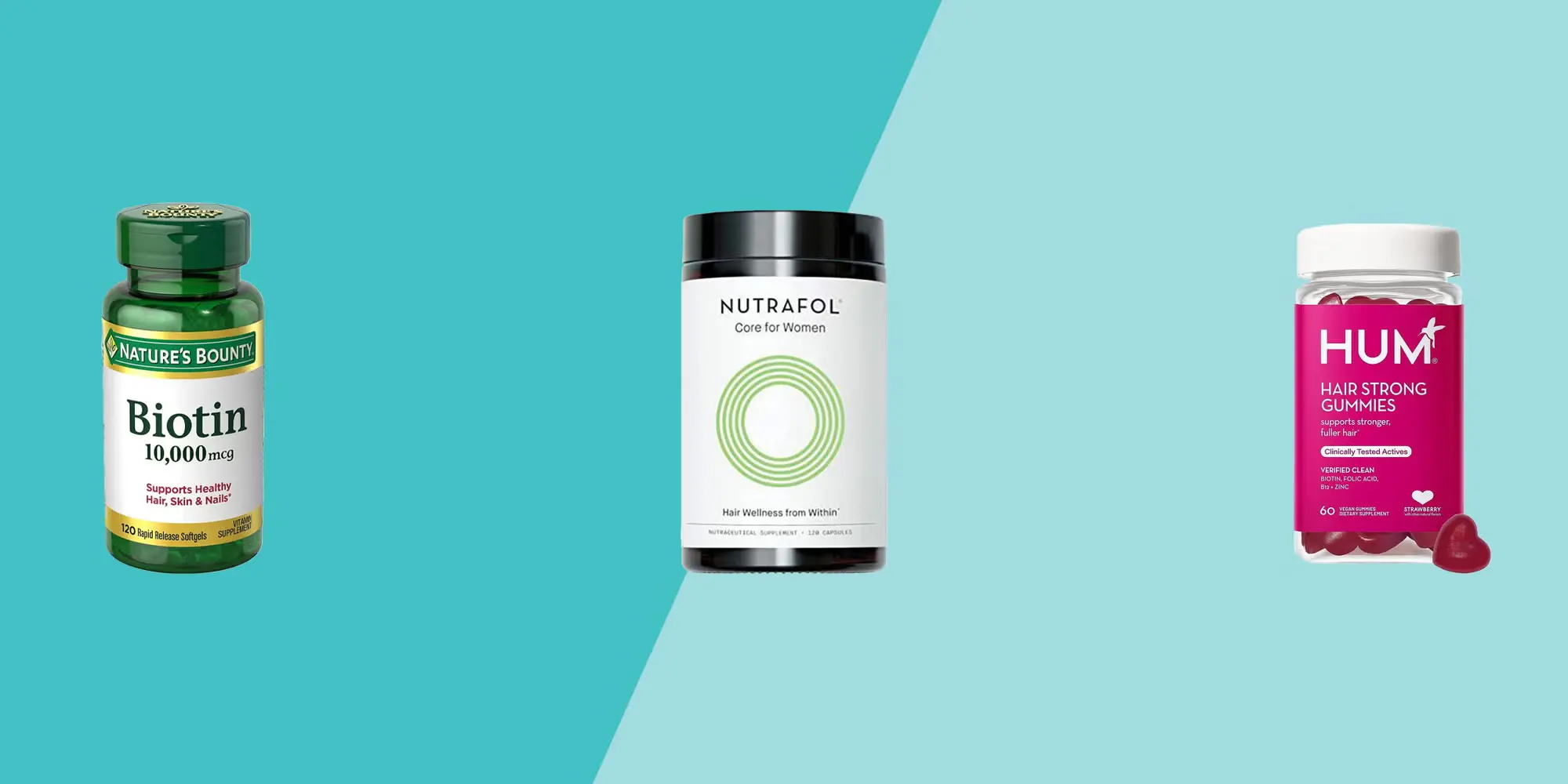
Nutrafol and Viviscal are among the better-studied options. Many users notice a difference within three to six months when they pair the product with a balanced diet and proper scalp care. The benefit tends to come from a mix of anti-inflammatory and nutritional pathways rather than any single ingredient.
Best Hair Vitamins for Alopecia Areata
Alopecia areata is an autoimmune condition, so supplements cannot cure it. They can still play a supporting role. People with this condition often show lower vitamin D and zinc levels, and correcting those shortfalls may help calm immune activity around the follicle (Almohanna et al., 2019).
Curcumin and antioxidants such as vitamin E and green tea extract are sometimes added to reduce oxidative stress. The evidence here is mixed: one zinc trial reported regrowth in about two-thirds of patients with zinc deficiency, while another found no measurable effect. Pair any supplement with the medical treatment your dermatologist recommends.
Best Hair Vitamins for Androgenetic Alopecia
This genetic pattern causes hair thinning in men and women. Supplements that limit DHT, such as saw palmetto and pumpkin seed oil, are commonly used, though their effects are gentler than those of prescription options. A 2020 systematic review found saw palmetto helped some patients with pattern thinning, but noted the evidence is far weaker than for finasteride or minoxidil (Evron et al., 2020).
Men may respond to saw palmetto and nettle root, while women often benefit more from iron and vitamin D. Dr. Kopelman frequently combines an oral supplement with a topical treatment, since this pattern follows a disrupted growth cycle and responds best to a layered plan.
Best Hair Supplements for Balding Men
Products aimed at balding men target hormones, inflammation, and nutrient gaps. Common ingredients include B-complex vitamins, zinc, and DHT blockers.
These rarely regrow fully bald areas, but they can slow further shedding, and starting early gives the best chance of preserving density. For complete restoration, a procedure may still be needed.
Supplement Formats: Pills, Gummies, or Powders?
- Pills: Higher, standardized doses, though harder to swallow.
- Gummies: Easier to take, but often contain added sugar and lower doses.
- Powders: Can pack in more ingredients, but the taste is not for everyone.
Choose whatever fits your routine. Dr. Kopelman stresses that consistency matters far more than format.
How These Supplements Support Regrowth
Key Ingredients: Biotin, Zinc, and Saw Palmetto
Biotin, a B vitamin, supports the production of keratin, the structural protein that makes up each strand. It can strengthen brittle locks, but supplementing only helps if you are genuinely deficient, which is rare in people eating a normal diet (Almohanna et al., 2019). Most everyday needs are met through eggs, liver, nuts, whole grains, and dairy.
Zinc supports protein synthesis and cell division, and it helps regulate the oil glands that keep the scalp healthy. Deficiency is linked to shedding, and oysters, red meat, eggs, and pumpkin seeds are reliable food sources. Saw palmetto works differently; it may lower DHT, the hormone behind pattern thinning, which is why it appears in many men’s formulas.
These vitamins and minerals are most effective when they address a real nutritional gap rather than topping up levels that are already adequate.
How They Support Follicles and Scalp Health
Beyond correcting deficiencies, several nutrients improve blood flow, lower inflammation, and aid collagen production. Together, these effects create a healthier environment at the root.
In people with alopecia, the scalp condition is critical, which is why Dr. Kopelman favors a holistic plan that combines nutritional support with topical care.
Best Vitamins for Faster Hair Growth
B12, iron, and vitamin C can speed things along by improving oxygen delivery to the follicle. Iron shortfalls are especially common in women who are thinning.
These nutrients do not change the natural growth cycle; instead, they create better conditions for the follicle to do its job. Correcting a deficiency is often where people see the most noticeable improvement, so addressing both internal imbalances and follicle strength matters.
Understanding Vitamin Deficiencies and Thinning Hair
Which Vitamin Deficiency Causes Alopecia?
Low levels of vitamin D, zinc, and iron can worsen alopecia, as these nutrients help regulate the immune response and support hair follicle repair.
A simple blood panel can identify a shortfall and shape a targeted plan, which is far more reliable than guessing.
Can B12 Vitamins Cause Hair Loss?
Vitamin B12 does not cause shedding, but low levels can slow regrowth and increase fallout. Taking more than you need is not usually harmful, though it is still best to follow standard dosage guidance.
Role of Vitamin D, Iron, and Zinc
Vitamin D supports immune function, iron carries oxygen to the follicle, and zinc aids repair. All three help protect against thinning when kept at healthy levels. Dr. Kopelman uses lab testing to pinpoint which nutrients a patient actually lacks, so supplementation stays purposeful.
The table below shows commonly cited daily targets for adults in the United States, drawn from dermatology and hair restoration sources. Always confirm your own dose with a provider, especially for iron and the fat-soluble vitamins.