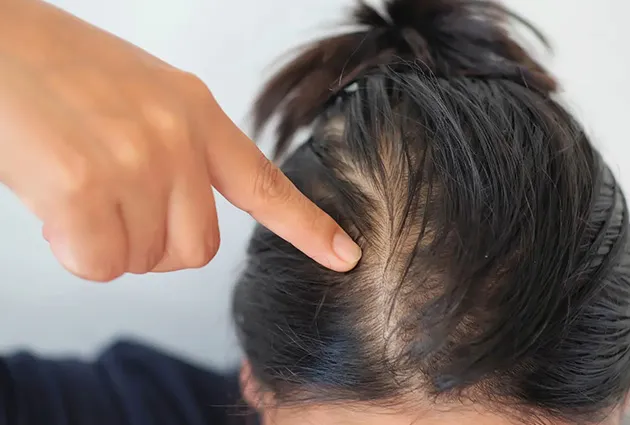
Minoxidil is widely used to treat hair loss, but patients want clear answers about whether it raises cancer risk. The most reliable research does not show that minoxidil directly causes cancer, though how the drug behaves can vary with dosage and a person’s overall health.
In this article, we review the evidence, outline the known risks, and share safe-use practices, guided by Dr. Kopelman’s experience in treating hair loss.
Key Takeaways
- Current evidence does not show that minoxidil causes cancer, and studies in breast cancer survivors found low-dose oral use to be safe.
- A 2026 analysis of real-world health records found no increase in cancer rates among minoxidil users across organ systems.
- Reactions vary by formulation: oral minoxidil sometimes causes mild heart-related effects, whereas topical and spray formulations mainly cause local scalp irritation.
- Doctors monitor blood pressure, heart rate, and medication interactions when prescribing minoxidil to patients with a history of cancer.
- Breast cancer survivors with persistent thinning after treatment may benefit from minoxidil, which has been shown to regrow hair in most patients, though medical guidance is essential before starting.
- Most reactions are temporary or manageable, and alternatives like PRP or hair transplant surgery can help patients address hair loss without daily medication.
Minoxidil and Cancer Risk
Can minoxidil cause cancer?
Based on current evidence, there is no proven link between minoxidil use and cancer. Some animal research has suggested risks at very high doses, but these findings have not been replicated in humans.
Regulatory agencies such as the FDA classify minoxidil as safe when used at recommended doses. Long-term monitoring supports its safety, and patients can feel confident that typical use does not pose a known cancer risk.
Does Rogaine cause cancer?
Rogaine is the brand-name topical form of minoxidil, so the same evidence applies. There is no reliable human data showing that Rogaine causes cancer when used as directed.
People sometimes ask, “can Rogaine cause cancer?” because minoxidil affects blood vessels throughout the body in its oral form. With topical Rogaine, absorption into the bloodstream is minimal, which further lowers any theoretical concern.
Does minoxidil cause cancer in men?
Current research does not support this. Monitoring has not shown higher cancer rates among male users.
Men may still notice typical reactions like irritation, but not cancer-related outcomes. Dr. Kopelman emphasizes that men should focus on expected, manageable reactions rather than cancer worries.
Can minoxidil cause brain cancer?
Some people worry about brain cancer. Studies do not show a connection between minoxidil and brain tumors. At recommended doses, the drug does not accumulate in brain tissue to concerning levels.
These concerns usually stem from misinterpreted early lab findings, not human evidence. Patients can feel reassured about safety when using minoxidil as directed.
Is minoxidil safe for cancer patients?
Minoxidil is generally considered safe for cancer patients once active treatment is complete, and current evidence does not show that it worsens cancer outcomes. Safety depends on individual factors, including the type of cancer and any ongoing therapies.
During chemotherapy or radiation, doctors often advise waiting because hair loss may be temporary. Once treatment is finished, many patients can use minoxidil safely under medical supervision. Consulting an oncologist ensures the treatment fits each patient’s health status.
Minoxidil during breast cancer recovery
Some breast cancer survivors experience lasting hair thinning after chemotherapy. A study of women at NYU Langone Health found that low-dose oral minoxidil helped regrow hair without increasing recurrence.
Doctors usually tailor treatment to each case, weighing cancer type, prior therapy, and timing. For many patients, minoxidil becomes an option only after active treatment ends.
Reactions by Form of Minoxidil
| Form | Absorption into the body | Most common reactions | Typically considered for |
|---|---|---|---|
| Oral (low dose) | Systemic, affects circulation | Fluid retention, dizziness, changes in blood pressure | Patients needing a stronger response, monitored by a doctor |
| Topical | Limited, mostly local | Redness, itching, mild flaking | Most users, including those with complex health conditions |
| Spray | Limited, mostly local | Irritation, dryness if it contacts face or neck | Patients who prefer easier daily application |
Oral minoxidil
Oral minoxidil, prescribed at low doses, can cause fluid retention, dizziness, or changes in blood pressure. These reactions are dose-related and closely monitored by doctors.
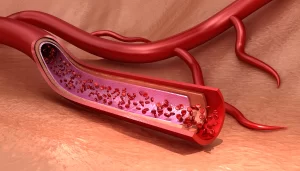
Since minoxidil widens blood vessels, patients with cardiovascular issues may be more sensitive. Monitoring is especially important for anyone with a history of heart-related complaints.
Topical minoxidil
Topical minoxidil is the most common form. Reactions include redness, itching, or mild flaking, which are usually temporary and improve with small adjustments.
Because absorption is limited, this form is often considered safer for patients with complex health conditions. Doctors may recommend topical use to keep the risk low.
Minoxidil spray
Spray formulations may cause irritation or dryness. Correct application, such as avoiding contact with the face or neck, reduces this risk.
Sprays can be more convenient, but the results are similar to foam or liquid solutions. Doctors may suggest them for easier daily use.
Other Common Reactions
Minoxidil in women
Women may notice unwanted facial hair if the medication spreads beyond the scalp. Mild irritation and temporary shedding are also common.
Lower-dose formulations balance effectiveness with reduced risk. Medical supervision helps ensure correct dosing for each person.
Scalp irritation and shedding
Irritation may appear as redness, dryness, or itching. Shedding often occurs in the first few months, as weaker hairs fall out before new hair regrows.
This early shedding is expected and often signals that stronger hair is entering the growth phase. Patients are usually encouraged to continue treatment.
Blood pressure and heart effects
Because minoxidil was first developed for blood pressure, some absorption may affect circulation. Rare reactions include dizziness, chest pain, shortness of breath, or fluid buildup, all of which should be evaluated promptly.
Patients with existing conditions or prior mild heart-related issues should discuss potential risks before starting treatment.
Can minoxidil cause long-term health issues?
There is no strong evidence that minoxidil causes long-term health problems. Most reactions appear early and stabilize with continued use.
Doctors often weigh age, race, and past medical history, along with details of other medications and additional demographic factors, before recommending long-term use.
What doctors monitor in cancer patients using minoxidil
When prescribing minoxidil to cancer patients, doctors often check:
- Blood pressure over time.
- Heart rate and possible fluid retention.
- Interactions with other medications.
Careful monitoring supports safe use and early detection of any problem. For survivors, follow-up visits confirm that minoxidil does not interfere with ongoing care.
Real-world patient context
For breast cancer survivors with continued thinning, low-dose minoxidil can help. Clinical experience shows that many patients tolerate treatment well when monitored by specialists.
Dr. Kopelman highlights that any plan should balance cosmetic goals with overall health.
Managing Minoxidil Cancer Risk and Safe Use
How to prevent minoxidil reactions
Patients can reduce unwanted effects by:
- Using the dose recommended by a doctor.
- Applying only to the scalp.
- Washing hands after use.
- Avoid irritated or broken skin.
Following these steps keeps reactions to a minimum.
When to talk to a doctor
Consult a doctor if you experience:
- Severe scalp irritation.
- Unusual swelling or weight gain.
- Persistent dizziness or chest discomfort.
- Concerns about interactions with cancer treatment.
Your doctor can help decide whether treatment should continue, be adjusted, or stop.
Alternatives if you’re concerned
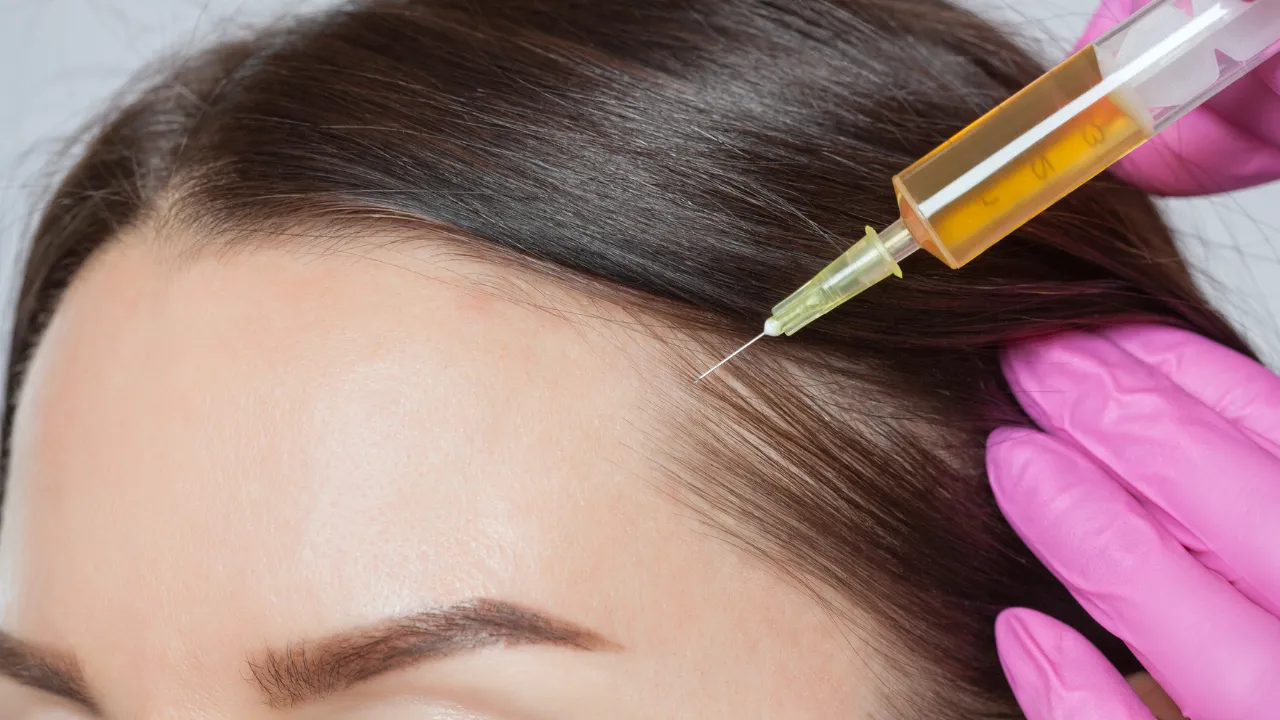
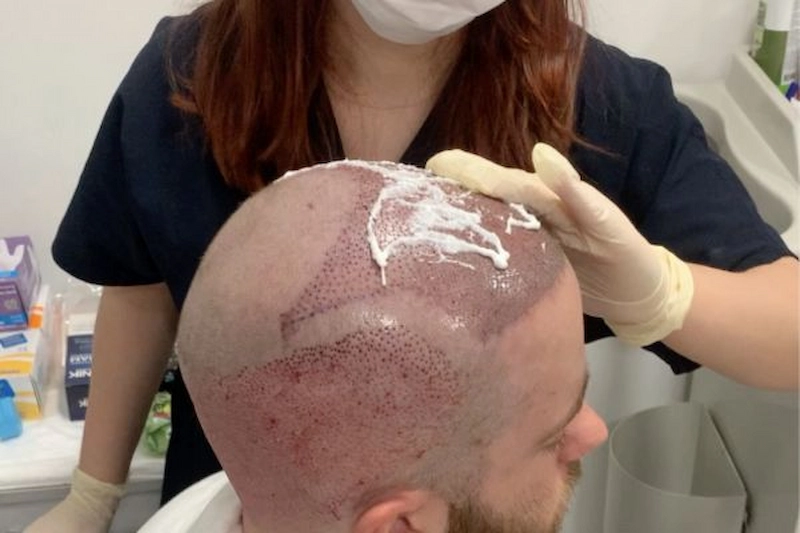
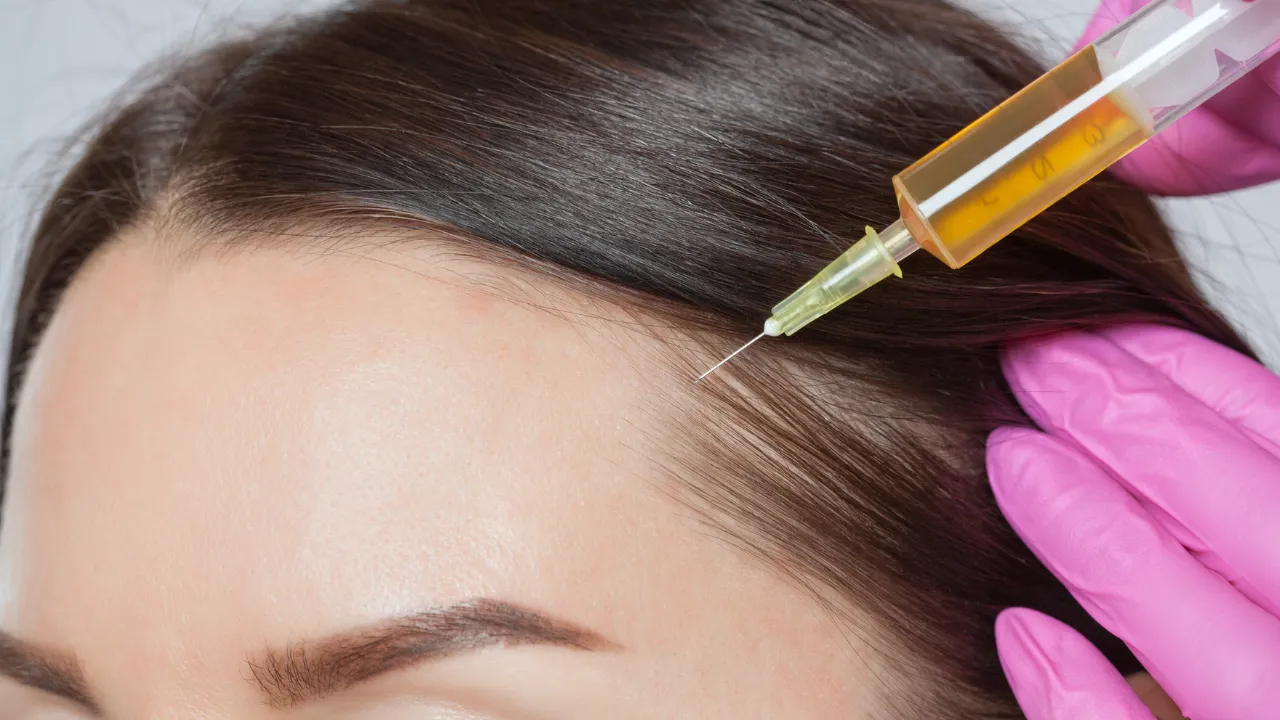
Alternatives include platelet-rich plasma therapy, surgical hair transplantation, or low-level laser therapy.
At Kopelman Hair, Dr. Kopelman often evaluates these options for patients seeking lasting results without relying on daily medication.
Research on Minoxidil and Cancer

| Study and year | Type and population | Main finding |
|---|---|---|
| JAAD, 2026 (TriNetX) | Real-world cohort, minoxidil users vs non-users across organ systems | No increased malignancy risk for topical or oral minoxidil |
| NYU Langone, 2024 | Retrospective cohort, 51 women treated for breast cancer (2012 to 2023) | Hair growth improved or stabilized in all patients, with no serious heart-related events |
| JAAD International, 2022 | Review of breast cancer survivors on low-dose oral minoxidil | Most showed visible regrowth, with no reported increase in recurrence |
| Clin Exp Metastasis, 2022 | Laboratory study of human breast cancer cells in vitro | Minoxidil reduced cell invasiveness without harming cell viability |
Real-world data on minoxidil cancer risk
The strongest recent evidence comes from large databases of actual patient records. A 2026 research letter in the Journal of the American Academy of Dermatology used the TriNetX health network to compare cancer rates across organ systems between minoxidil users and non-users.
The analysis found no increased risk of malignancy associated with either topical or oral minoxidil. This kind of real-world cohort data carries more weight than isolated laboratory findings, because it reflects how the drug behaves in everyday use.
Human clinical research
A 2022 study published in JAAD International reviewed breast cancer survivors using low-dose oral minoxidil. Most showed visible regrowth, with no reported increase in cancer recurrence.
A separate NYU Langone Health analysis followed 51 women treated for various stages of breast cancer between 2012 and 2023. All of them saw either improved hair growth or stabilization of their loss within three to six months, with no serious heart-related events requiring extra treatment or hospitalization.
Laboratory and mechanism studies
Some older animal studies raised concerns at extremely high doses. These do not reflect real-world human use, where doses are far lower.
Interestingly, laboratory research has explored minoxidil in the opposite direction. A 2022 study in Clinical & Experimental Metastasis found that minoxidil reduced the invasiveness of human breast cancer cells in vitro, without harming cell viability. This does not mean minoxidil treats cancer, but it adds context that runs counter to the fear that the drug promotes it.
Limitations across the human studies include short follow-up periods and small groups. More long-term research is still needed to confirm safety in survivors over many years.
Final Thoughts
Minoxidil is a safe and effective option for hair loss when used properly. Worries about minoxidil and cancer are not supported by strong human evidence, though cancer patients should always seek medical guidance.
With support from experts like Dr. Kopelman, patients can make informed choices about regrowing their hair. To learn more, schedule an appointment with Kopelman Hair and receive personalized advice tailored to your needs.
References
- Woll JP, Bearss J, Hirpara MM, Greene R, Mesinkovska NA. Minoxidil use and malignancy risk across organ systems: A retrospective cohort study with TriNetX. J Am Acad Dermatol. 2026;94(5):1527-1529.
- Hair Growth Drug Safe at Low Doses for Breast Cancer Patients. NYU Langone Health News, December 2024.
- Qiu S, Fraser SP, Pires W, Djamgoz MBA. Anti-invasive effects of minoxidil on human breast cancer cells: combination with ranolazine. Clin Exp Metastasis. 2022;39(4):679-689.