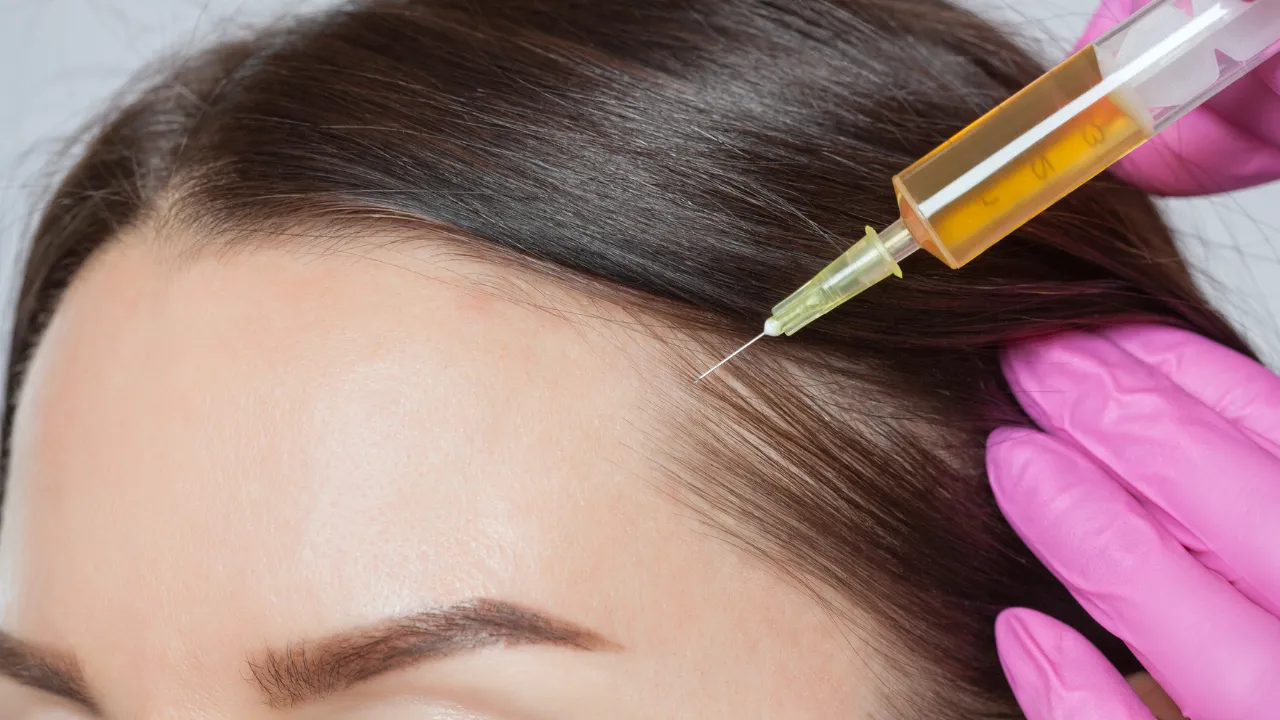

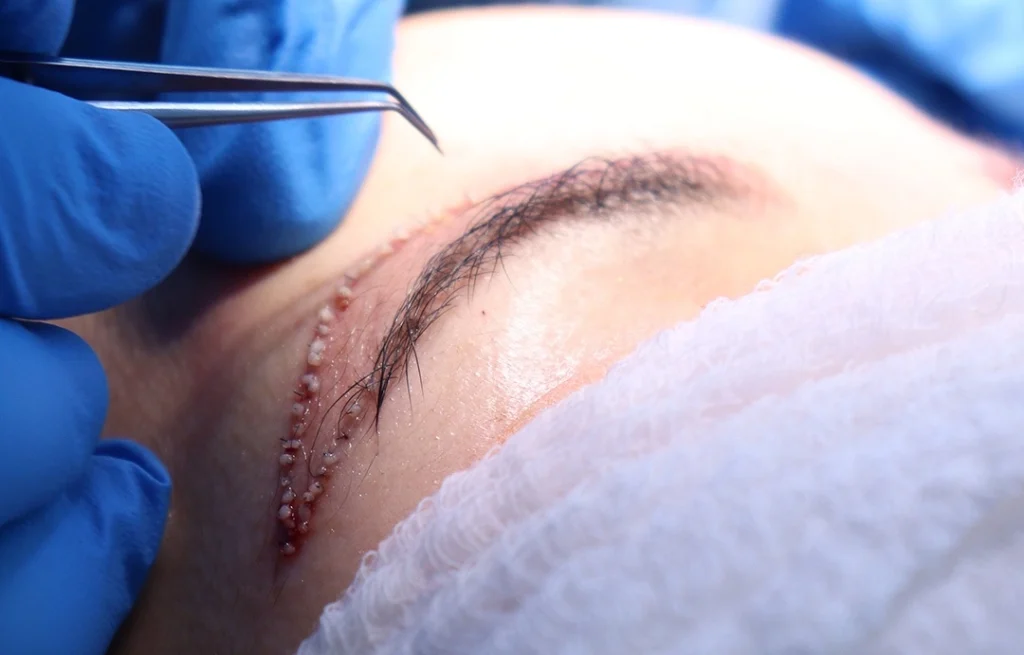
This eyebrow restoration procedure follows a structured medical process that includes planning, hair graft extraction, precise placement at the recipient site, and a staged healing period.
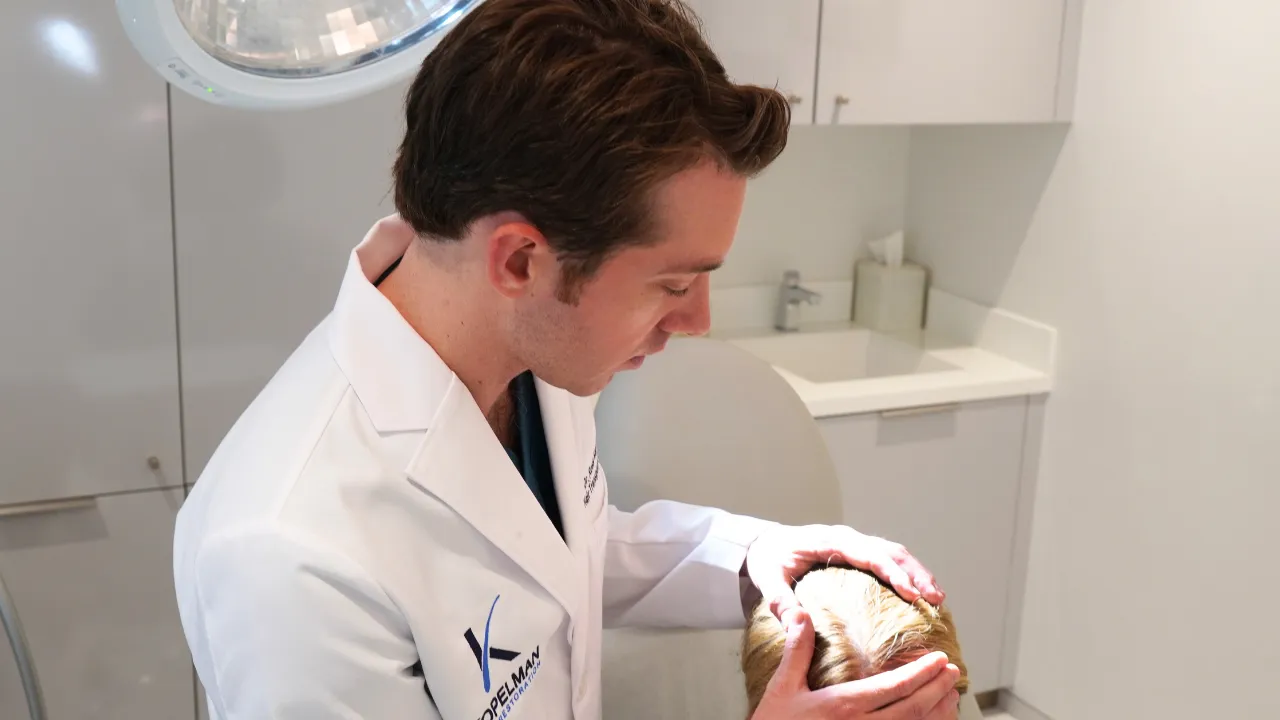
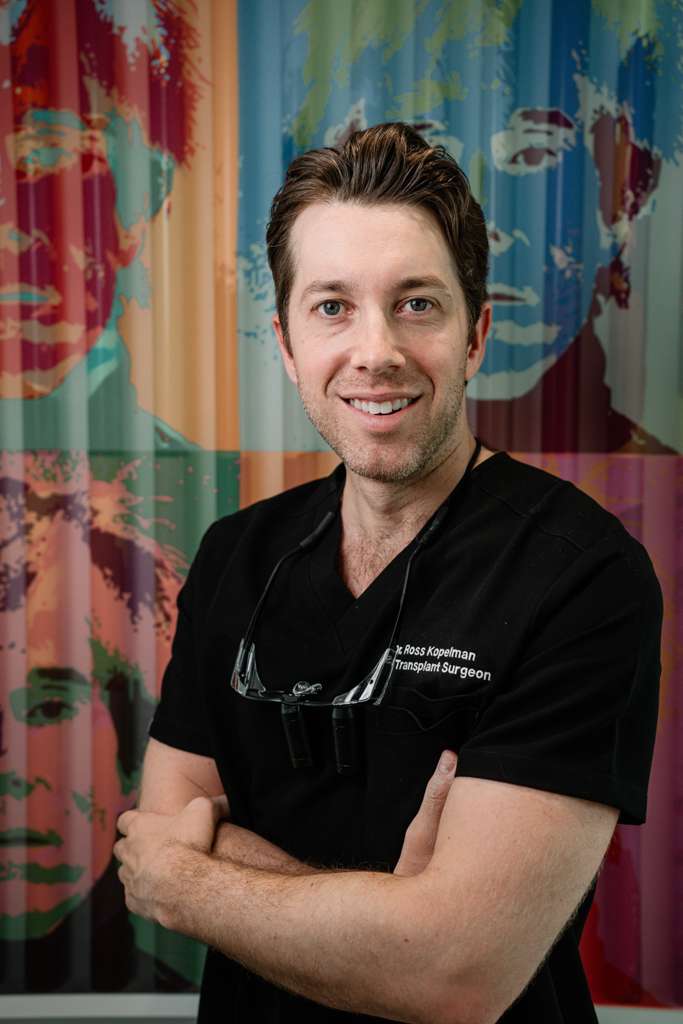
At Kopelman Aesthetic Surgery, Dr. Joel Kopelman approaches hair restoration as a controlled surgical procedure that prioritizes anatomy, safety, and predictable healing.
Key Takeaways
- Eyebrow hair transplants restore eyebrow hair by transferring hair grafts from the scalp to the eyebrow area using a structured surgical process.
- Each step of the eyebrow transplant procedure supports graft survival, proper hair direction, and predictable healing at the recipient site.
- Healing occurs in phases, with early recovery in one to two weeks and gradual regrowth over several months.
- Eyebrow transplant costs and results vary based on the number of grafts, procedure complexity, and individual healing response.
- Understanding candidacy, risks, and long-term care needs helps people with eyebrow hair loss make informed decisions.
What Is The Eyebrow Transplant Process
An eyebrow transplant is a hair restoration procedure that rebuilds eyebrow hair using a patient’s own follicles. Many people explore options like an eyebrow transplant in NYC to understand how the process is offered in major cities.
It is commonly used for eyebrow hair loss caused by genetics, overplucking, scarring, or medical conditions. The goal is to recreate eyebrows that follow natural growth patterns and facial structure.
The steps of an eyebrow transplant follow a defined medical sequence. The process begins with evaluation and design, then moves to follicle harvesting, placement at the recipient site, and recovery. Each step influences healing and long-term hair growth.
How Eyebrow Transplants Work
During eyebrow hair transplants, hair follicles are taken from a donor area, usually the back of the scalp. These follicles are prepared as individual hair grafts and then placed into the eyebrow area. Once implanted, they connect to the blood supply and begin producing hair over time.
Scalp hair grows longer than eyebrow hair. Because of this, trimming is required once regrowth begins. This difference is explained during consultation to ensure realistic expectations.
Eyebrow Shape Planning
Eyebrow shape planning takes place before eyebrow transplant surgery begins. Facial symmetry, brow position, and existing hair patterns are evaluated. The goal is to design eyebrows that look natural and balanced.
Planning also determines how many hair grafts are needed. Proper design helps avoid uneven density and supports consistent healing at the recipient site.
Eyebrow Transplant Procedure Step By Step
Understanding the eyebrow transplant procedure step by step helps explain what happens during surgery. Each phase builds on the previous one and requires precise technique. Variations may occur based on eyebrow shape, donor hair quality, and the extent of eyebrow hair loss.
Why Each Step Matters Medically
Each step of the procedure supports healing and graft survival. Careful handling of hair grafts reduces trauma to the hair root. This improves the chance of successful growth after placement.
Placement angle affects how hair grows from the recipient site. Small technical differences can affect long-term appearance. Precision remains essential throughout the steps of an eyebrow transplant.
Donor Hair Selection
Donor hair is selected from areas with stable and strong growth. The surgeon selects hairs that closely match the eyebrow’s thickness and texture. Matching hair characteristics supports a natural look after healing.
Only healthy hair grafts are used. This protects the donor area and improves transplant outcomes.
Hair Extraction Method
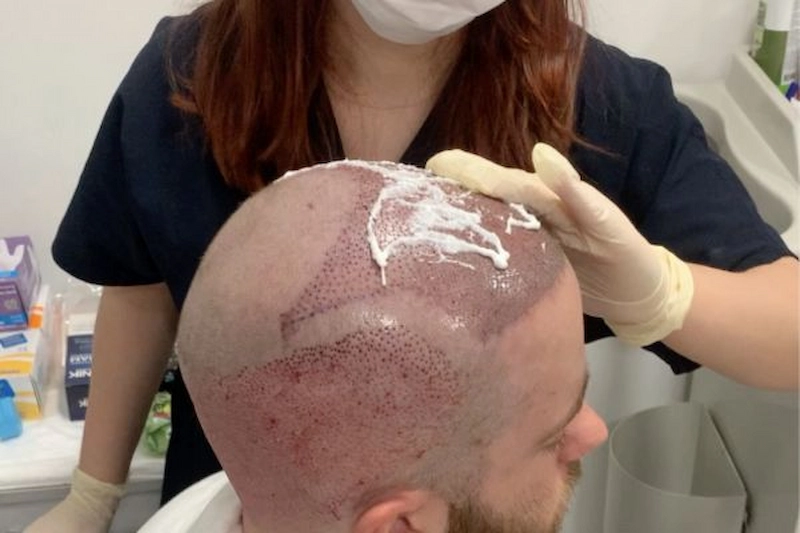
Hair extraction is commonly done using Follicular Unit Extraction (FUE). Each hair graft is removed individually using small instruments. This method avoids long eyebrow scars and allows precise control.
Protecting the base of each graft is critical. Damage during extraction can reduce regrowth potential.
Eyebrow Implantation Technique
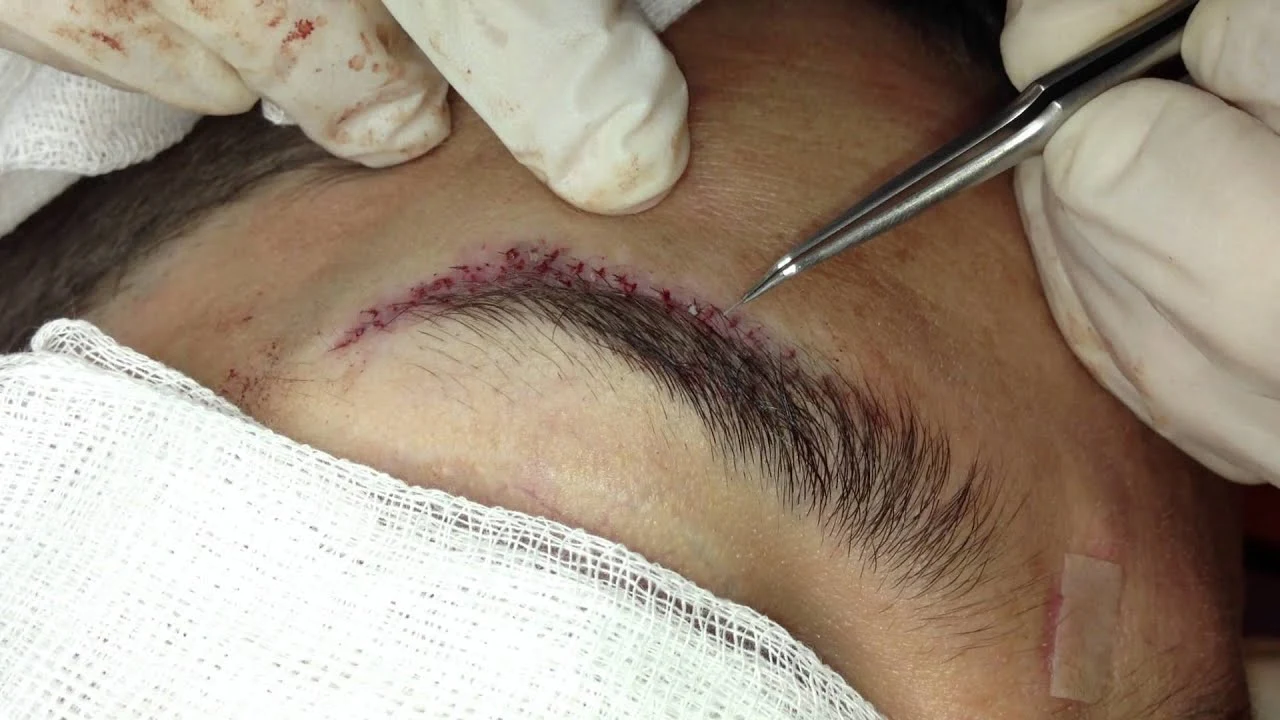
Implantation is one of the most detailed parts of eyebrow transplant surgery. Each hair graft is placed into the recipient site at a specific depth and angle. This helps the hair grow in the correct direction.
Spacing and density are adjusted to match natural eyebrows. Proper placement strongly affects final appearance.
Procedure Time And Healing
Procedure time and healing vary between patients. Both depend on the number of hair grafts placed and how the body responds. Clear expectations help reduce uncertainty during recovery.
How Long Does the Procedure Takes?
Most eyebrow hair transplants take two to four hours. The procedure is performed under local anesthesia. Patients usually return home the same day.
Light daily activities can resume soon after surgery. Some short-term restrictions may apply.
How Long Does an Eyebrow Transplant Take to Heal?
Early healing usually takes seven to ten days. Small scabs form at the recipient site and fall off naturally. Mild redness may appear during this stage.
Transplanted hairs often shed before new growth begins. New eyebrow hair usually starts growing after a few months.
Eyebrow Transplant Cost And Results
Cost and results are closely related. Eyebrow transplant surgery typically ranges from $10,000 to $16,000, depending on the number of hair grafts required and the complexity of the eyebrow restoration procedure, as explained in this detailed overview of eyebrow transplant cost.
Eyebrow Transplant Cost Factors
The number of grafts is the main cost factor. More grafts require more time and precision. Surgeon experience and location may also influence cost.
Pricing should be discussed individually. Clear information helps with planning.
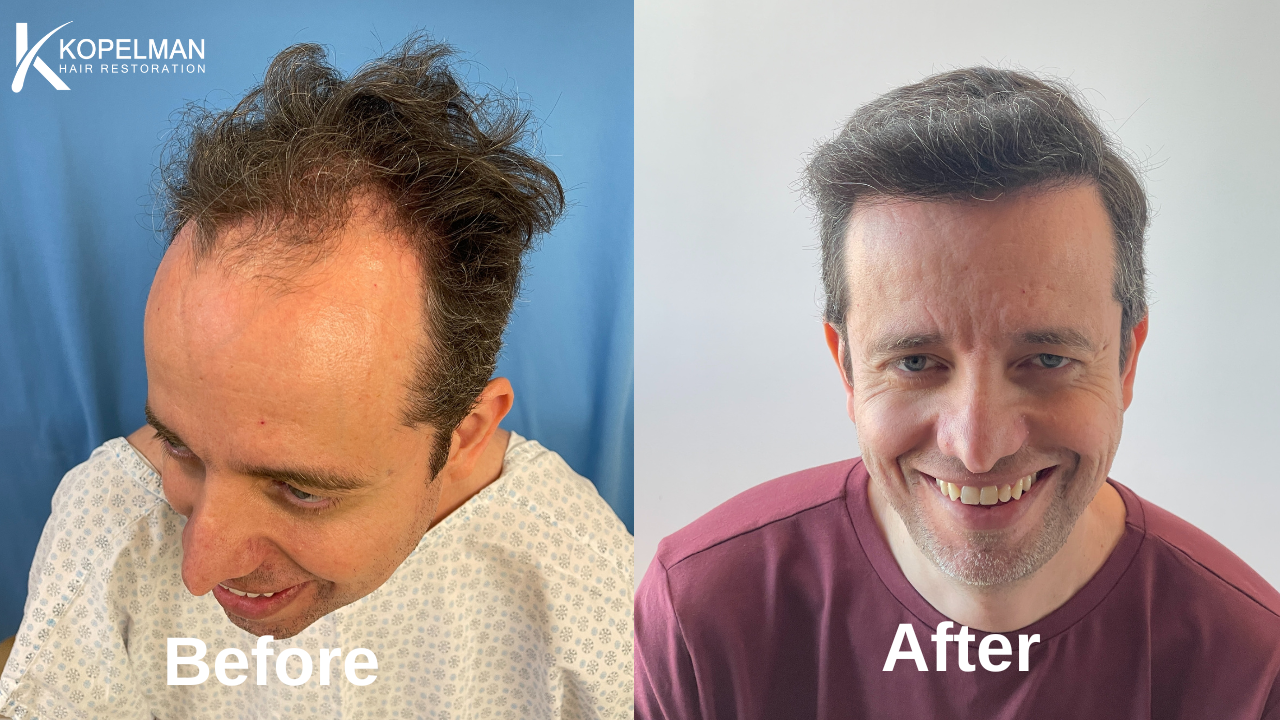
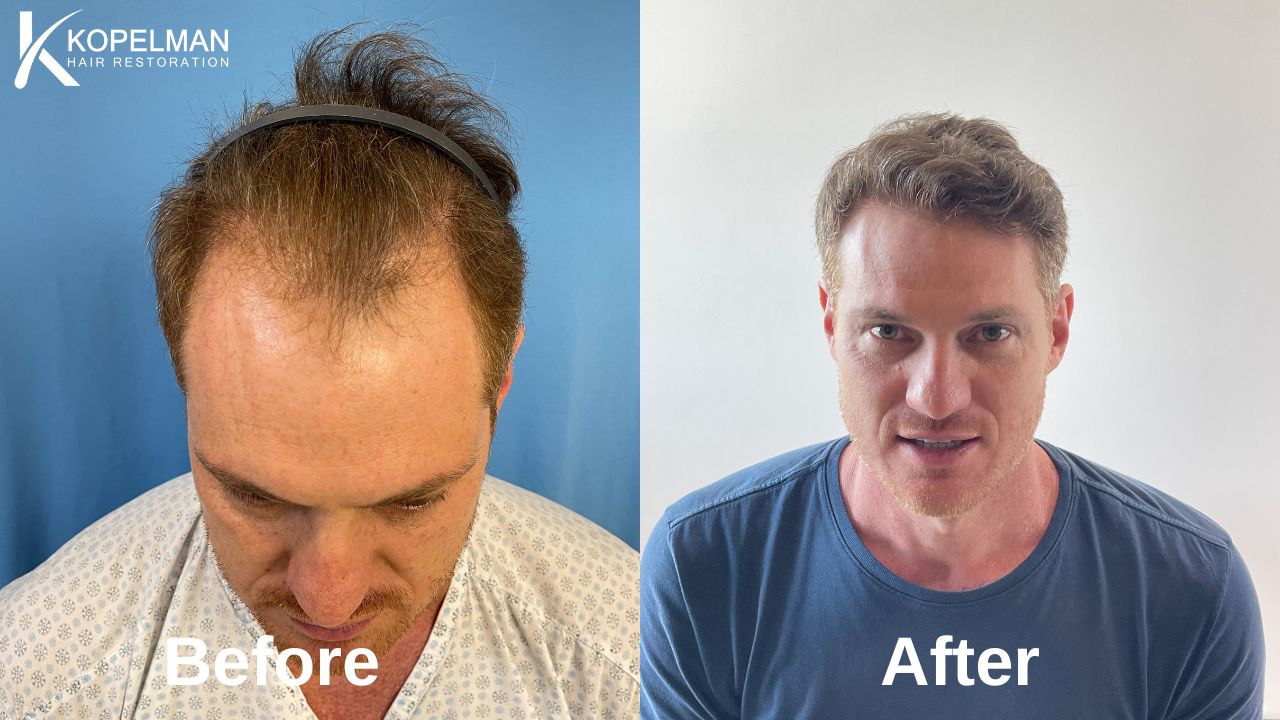
Eyebrow Transplant Before And After
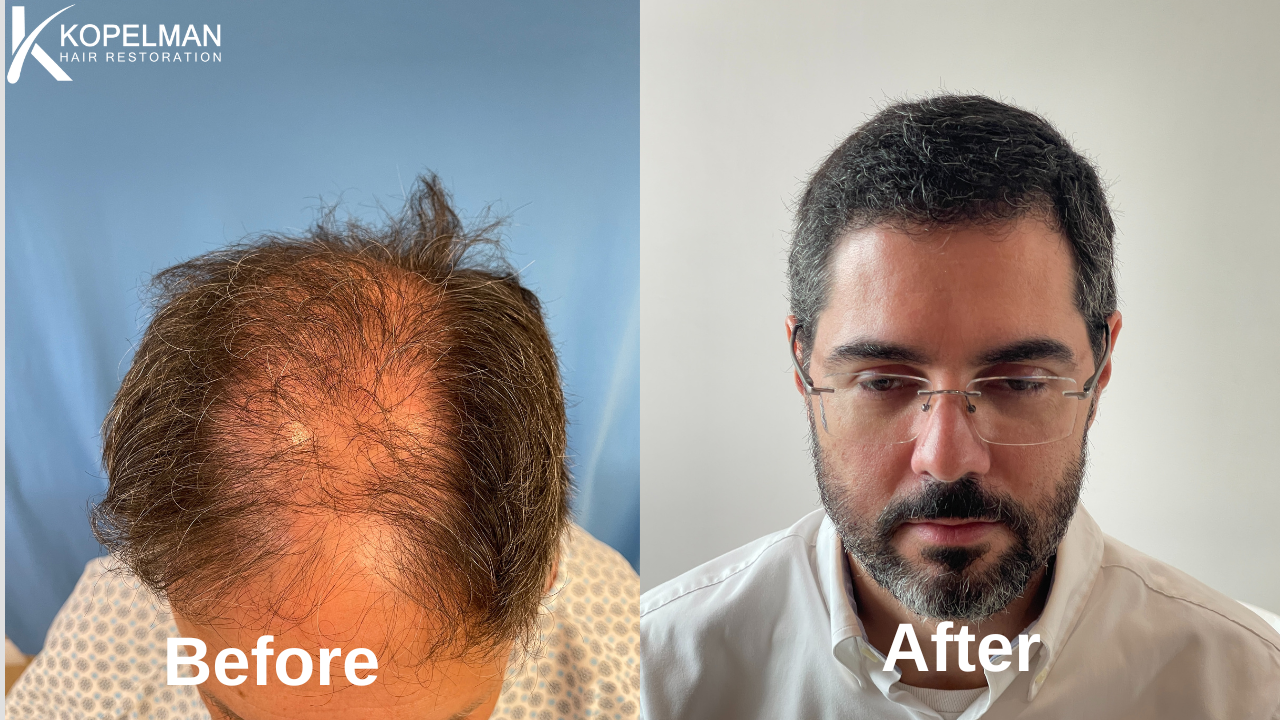
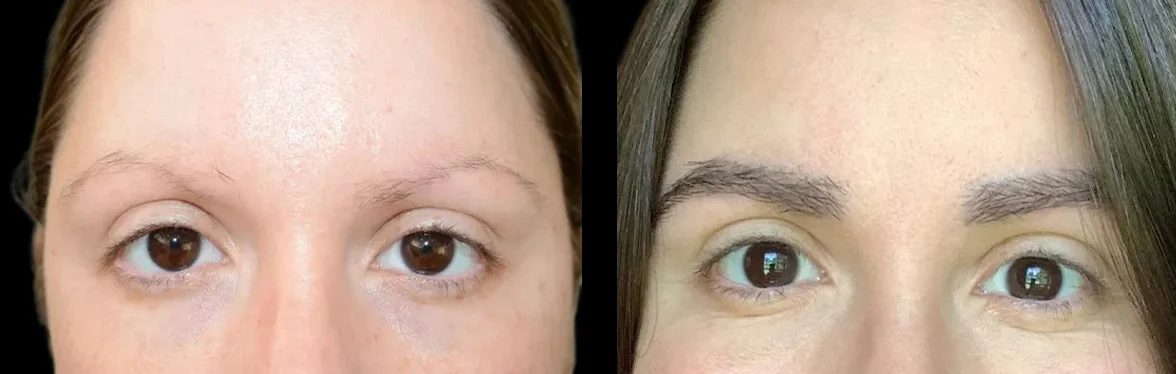
Changes appear gradually after surgery. Early appearance does not reflect the final outcome, as transplanted hairs shed first. This phase is expected.
Full results may take up to one year. Ongoing trimming is required because transplanted hair grows like scalp hair.
Who Is A Good Candidate
Good candidates have enough donor hair and stable eyebrow hair loss. Overall health and skin condition are also important. A medical evaluation helps determine suitability.
Who May Not Be A Good Candidate
Some people may not benefit from eyebrow transplant surgery. Limited donor hair or active skin conditions can affect healing. Certain scars may reduce graft survival.
Knowing these limits helps set realistic expectations. Other cosmetic procedure options may be considered.
Risks And Long-Term Outcomes
All surgical procedures carry some risk. Understanding possible issues supports informed decisions. Long-term outcomes depend on technique and proper care.
Possible Side Effects
Short-term effects may include swelling, redness, or mild discomfort. Infection and poor graft growth are uncommon but possible. Following aftercare instructions lowers risk.
Most side effects improve within weeks. Ongoing concerns should be evaluated by a doctor.
Expected Results Over Time
Transplanted eyebrow hair continues to grow like scalp hair. Regular trimming is needed to maintain shape. Growth becomes more consistent over time.
When done correctly, the steps of an eyebrow transplant can provide lasting improvement for eyebrow hair loss. Full results depend on healing, technique, and long-term care rather than immediate changes.
If you are considering an eyebrow transplant, scheduling a consultation can help determine whether the procedure is appropriate for your needs and expectations.