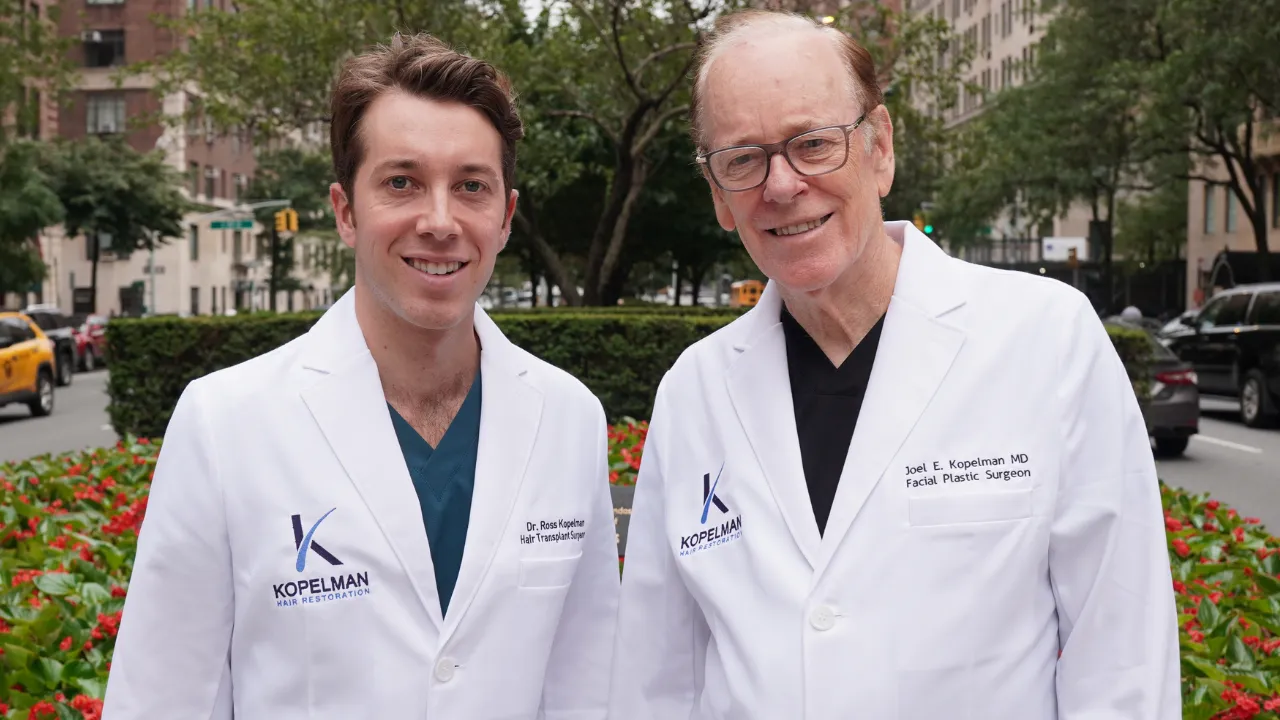

As a hair restoration surgeon, I’m passionate about helping patients achieve natural, beautiful eyebrows that enhance their confidence and facial harmony.
Eyebrow hair transplants have become an increasingly popular procedure, and I often walk my patients through the process from start to finish.
Let me take you through the journey of preparing for surgery, what happens on the day of the procedure, the differences between the two surgical techniques (FUT and FUE), and the recovery process.
Why My Patients Get Eyebrow Hair Transplants
Eyebrows are more than just facial features—they are essential to our expressions, symmetry, and identity. Over the years, I’ve met many patients who feel self-conscious about their eyebrows due to over-plucking, genetic thinning, scars, or medical conditions like alopecia or hypothyroidism. Some come to me after microblading or nanoblading results didn’t meet their expectations, while others simply want a permanent solution to sparse or uneven brows.
An eyebrow hair transplant offers a natural, lasting way to restore or enhance your eyebrows. Unlike makeup or semi-permanent tattooing techniques, transplanted hair grows just like your natural hair. It can be shaped, trimmed, or styled to suit your preferences. For anyone seeking full, beautifully shaped brows, this procedure can be life-changing—not just aesthetically, but emotionally, as it often restores confidence and self-esteem.
If you’ve been considering an eyebrow transplant, it’s worth exploring the benefits. With a permanent solution that grows with you, this procedure can help you say goodbye to daily maintenance and hello to effortless beauty.
For patients researching local options, choosing a specialist with extensive experience matters. If you’re exploring an eyebrow transplant in NYC, working with a clinic that focuses exclusively on natural hair direction, density, and long-term growth can make a visible difference in both healing and final results.
Getting Ready for Your Eyebrow Hair Transplant
Preparing for surgery is just as important as the procedure itself. I always emphasize to my patients that following pre-operative instructions closely can significantly improve their experience and results.
One of the first steps involves reviewing your medications and supplements. For example, I ask patients to stop taking aspirin, ibuprofen, naproxen, and herbal supplements like fish oil or St. John’s wort two weeks before the procedure. These substances can increase bleeding risks, making it harder for your body to heal after surgery. Tylenol is the only over-the-counter pain reliever I recommend during this time.
Tobacco and alcohol are other factors to consider. Nicotine can delay healing, so it’s essential to avoid smoking or using any tobacco products for at least two weeks before and after the procedure. Similarly, alcohol should be avoided for 48 hours before and after surgery to reduce the risk of complications.
The night before your surgery, I advise my patients to stop eating or drinking after midnight. This ensures the anesthesia and procedure go smoothly. I also remind them to shower with an antibacterial shampoo and to avoid applying lotions or grooming products. On the morning of surgery, they should wear a loose-fitting button-down or zip-up shirt to make it easier to change clothes without disturbing the grafts afterward.
For patients undergoing the FUE technique, we trim a section in the back of your hair short to make the harvesting process more efficient. Meanwhile, those opting for FUT can keep their hair as usual.
The Day of Surgery
Surgery day is an exciting milestone. When you arrive at my office, we’ll start by reviewing the goals for your eyebrows and finalizing the design. Together, we’ll map out a shape that complements your facial features and aligns with your desired look. This is a collaborative process to ensure the results meet your expectations.
Once the design is finalized, I’ll administer local anesthesia to numb the donor and recipient areas. While you’ll remain awake throughout the procedure, the anesthesia ensures a pain-free experience and quiet frankly we rarely hear of patients complain of pain after surgery.
Two Approaches to Eyebrow Hair Transplants: FUT and FUE
One of the most important decisions we make together when planning your eyebrow hair transplant is choosing the right approach. At my practice, I utilize two proven techniques to harvest hair follicles: Follicular Unit Transplantation (FUT) and Follicular Unit Extraction (FUE). Both are excellent options, but the choice depends on your individual needs, aesthetic goals, and lifestyle.
FUT and FUE differ in how the hair follicles are extracted, but the end goal is the same: to provide natural, dense, and beautifully shaped eyebrows that seamlessly integrate with your facial features. Understanding the differences between these methods will help you feel confident about the process and the results.
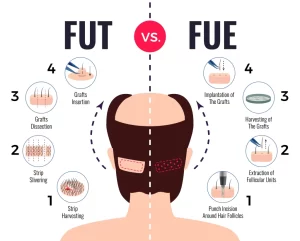
- FUT involves removing a small strip of skin from the donor area, typically at the back of the scalp. This method allows us to harvest a higher number of grafts in a single session and is ideal for patients who need maximum density.
- FUE, on the other hand, uses an advanced device—the WAW device—to extract follicles individually. This technique leaves no linear scar, making it an excellent option for patients who prefer shorter hairstyles or a less invasive approach.
FUT Technique: Maximizing Grafts with Minimal Scarring
For women, FUT (Follicular Unit Transplantation) is often the ideal option due to its ability to provide a higher number of grafts in a single session. This method is particularly advantageous for patients requiring significant density to achieve full, natural-looking eyebrows. While FUT involves removing a small strip of skin from the donor area, the scar it leaves is thin, easily concealed, and made even less noticeable through advanced techniques like trichophytic closure.
What is a Trichophytic Closure and How Does it Enhance FUT?
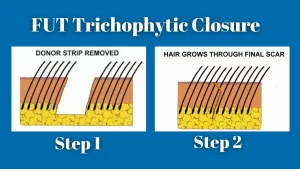
A trichophytic closure is a specialized suturing technique used during FUT to minimize the visibility of the linear scar. This approach allows hair to grow through the scar tissue itself, making the scar nearly undetectable over time. Here’s how it works:
- Precision Suturing: During the closure of the donor area, the edges of the incision are trimmed at an angle, encouraging hair follicles along the wound edges to grow through the scar.
- Improved Healing: By promoting hair growth through the scar, this technique blends the scar seamlessly with the surrounding hair.
- Minimal Disruption: The result is a natural-looking donor area, even when closely inspected.
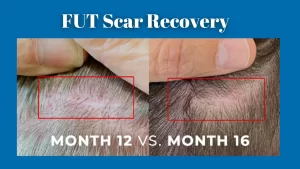
For women with longer hairstyles, the combination of FUT and a trichophytic closure ensures the linear scar remains hidden beneath layers of hair. Women should feel reassured that this method prioritizes both the aesthetic outcome of their eyebrows and the subtlety of the donor site.
For men, FUT can also be performed, particularly for those who wear their hair at a medium or longer length, as this conceals the linear scar effectively. However, if a man prefers shorter hairstyles, other options like FUE may be more suitable.
FUE Technique with the WAW Device
At our office we use the advanced WAW device. This tool is widely regarded as one of the best for FUE worldwide, enabling precise extraction with minimal trauma to surrounding tissues.
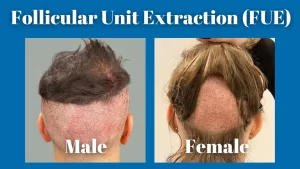
FUE is particularly well-suited for men, especially those who prefer short hairstyles. Unlike FUT, FUE leaves no linear scar; instead, it results in tiny, circular scars that are virtually undetectable once healed. This makes it an excellent choice for men who want flexibility in their hairstyle while still achieving natural-looking eyebrows.
FUE can also be an excellent option for female hair loss, especially if fewer grafts are needed or if they prefer a less invasive procedure. While FUE takes longer to perform than FUT, the recovery process is typically quicker, and the absence of a linear scar may be appealing to some patients.
Eyebrow Transplant Recovery Process
The recovery process following an eyebrow hair transplant is straightforward, but it requires careful adherence to post-operative instructions to ensure optimal results. Here’s what you can expect during each phase of recovery, along with tips to care for your new eyebrows.
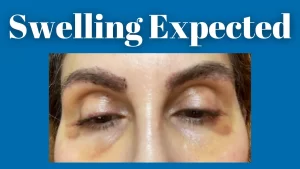
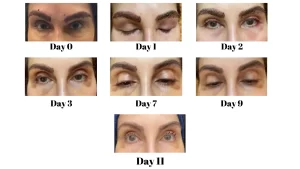
Weeks 2 to 3: Shedding and Early Growth
Around the second to third week post-surgery, many patients experience a phenomenon known as “shock loss.” This is when the transplanted hairs shed from the grafts, which can feel alarming but is entirely normal. The follicles remain secure beneath the skin and will begin producing new hairs within a few months.
Patients may resume light physical activities like walking during this phase but should hold off on heavy lifting or intense exercise until the grafts are fully healed. Avoid environments that could expose the grafts to excess heat or bacteria, such as pools, hot tubs, and crowded gyms. By end of 4 weeks is when we feel it is safe for you to start reapplying makeup to your eyebrow area.
Months 5 to 12: New Growth and Final Results
New hair growth typically begins around the fifth-month mark. At first, the hairs may appear fine or uneven, but they will thicken and take on a more natural appearance over time. By the eighth to twelfth month, the full results of the transplant become visible, showcasing fuller, natural-looking eyebrows that blend seamlessly with your existing hair.
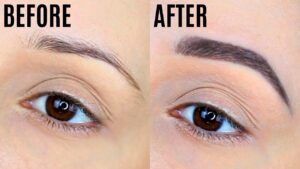
This is an exciting phase as patients see the transformative results of the procedure. During this time, the transplanted hairs can be shaped, trimmed, or styled to achieve your desired look.
Caring for Your New Eyebrows
Proper care is critical to protecting the grafts during the recovery process. Patients should avoid rubbing or scratching the transplanted area, as this can dislodge the grafts. Harsh chemicals and excessive heat should be avoided for at least two months.
Once the transplanted hairs begin to grow, they can be trimmed, shaped, or styled like natural eyebrow hair. This is one of the unique benefits of an eyebrow transplant—it’s a permanent solution that grows with you, offering the freedom to adjust your look over time.
Final Thoughts: Why an Eyebrow Hair Transplant is Worth It
For many of my patients, an eyebrow hair transplant is more than just a cosmetic procedure—it’s a life-changing experience. Whether you’ve lost your eyebrows due to over-plucking, genetics, or a medical condition, this procedure offers a permanent, natural-looking solution that restores confidence and enhances your overall appearance.
With the use of cutting-edge tools like the WAW device and a tailored approach to every patient, I’m committed to delivering exceptional results. If you’ve been considering an eyebrow hair transplant, I’d be honored to help you achieve your aesthetic goals and regain the brows you’ve always wanted.
If you’re ready to take the next step, schedule a consultation today, and let’s design the perfect plan for you.
For more insights, feel free to browse our recent article, Celebrities With Alopecia: Dealing With Hair Loss. Discover how public figures manage their hair loss journeys and the treatments they’ve explored to regain confidence.