
At Kopelman Hair, understanding the timing of each growth phase is key to setting realistic expectations for eyebrow recovery and treatments. Dr. Kopelman explains that variations in the growth cycle can affect how quickly brows regrow and how well they respond to medical or surgical options.
A personalized evaluation helps determine the best approach based on each patient’s natural hair cycle.
Key Takeaways
- The eyebrow hair growth cycle lasts about 12 to 16 weeks, with each hair moving through growth, transition, and resting phases at different times.
- Visible regrowth can begin within 3 to 4 weeks, but full regrowth often takes 3 to 6 months depending on follicle health.
- Damage from over-plucking, reduced blood supply, or hormonal changes can slow growth or stop it entirely.
- If eyebrow hair does not grow back after several months, it may indicate damaged follicles and require medical evaluation or treatment.
How Long Is the Eyebrow Growth Cycle in Weeks
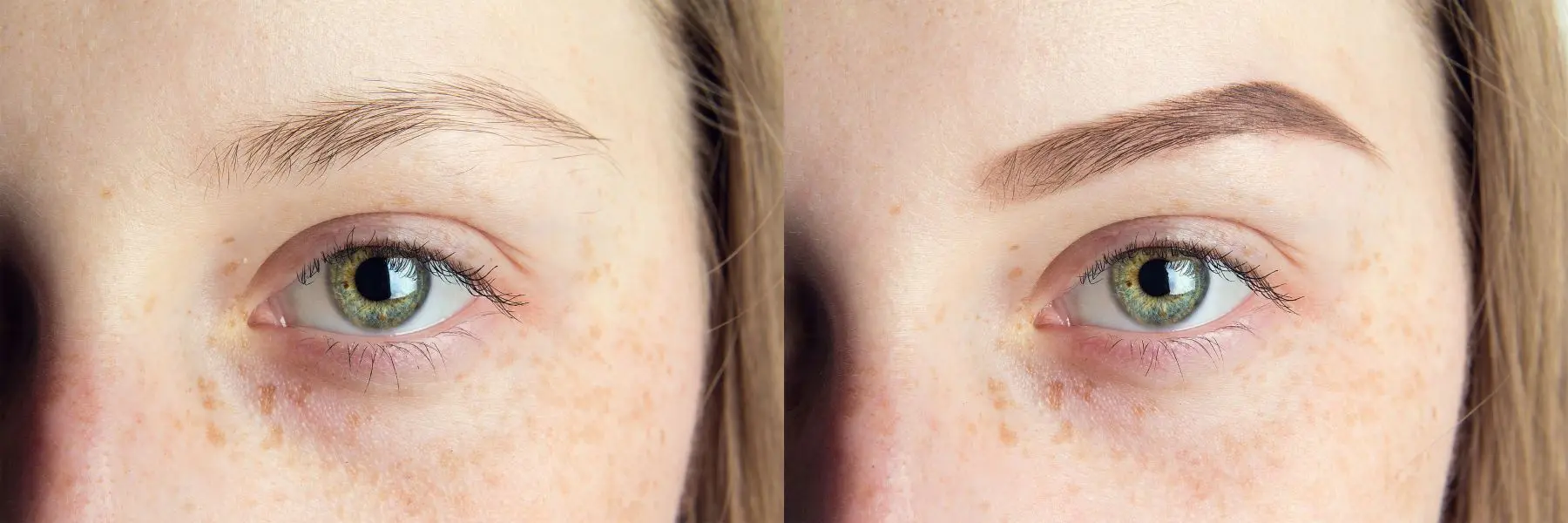
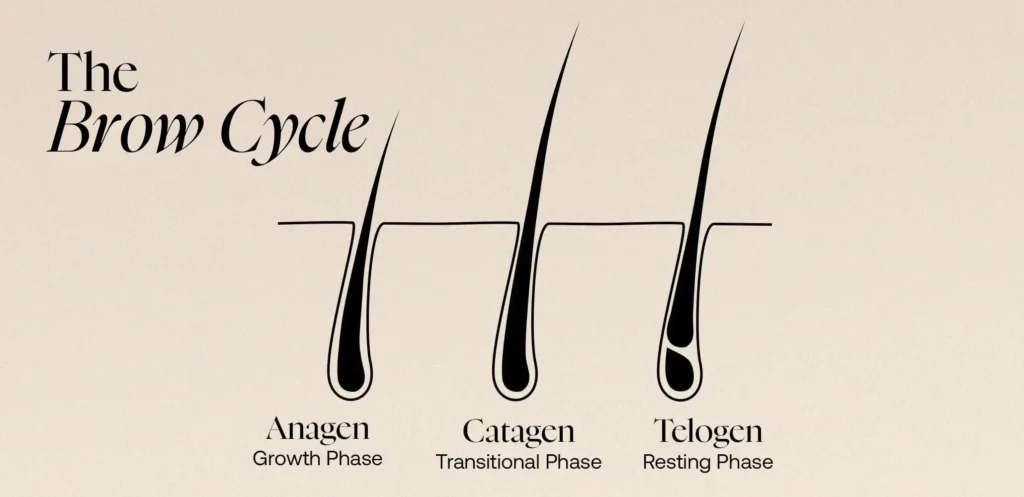
The eyebrow hair growth cycle duration weeks typically range from 12 to 16 weeks. This cycle includes growth, transition, and resting stages that repeat continuously. Unlike scalp hair, eyebrow hairs have a shorter growth window, which limits their length.
Most brow hairs are not actively growing at the same time. Some are in a resting stage while others are shedding or starting a new cycle. This explains why changes in density happen gradually instead of all at once.
If you want to better understand how this affects visible results, it relates closely to what is explained in how long does it take for eyebrow transplant to grow.
Eyebrow Hair Growth Cycle Week by Week
Weeks 1 to 4 Growth Phase
During this stage, hairs are actively growing from the follicle. The anagen phase drives this process, supported by blood supply and nutrients. You may notice small, fine hairs appearing if regrowth has started.
Weeks 4 to 6 Transition Phase
This is a short transitional stage where growth slows. The catagen phase transition begins, and the hair follicle shrinks slightly. The hair remains in place but stops lengthening.
Weeks 6 to 12 Resting and Shedding
In this period, growth stops completely. The hair rests and eventually sheds, making room for new growth underneath. This is a normal part of brow growth cycles and should not be mistaken for hair loss.
Eyebrow Growth Phases and Duration
Anagen Phase Duration in Weeks
The eyebrow hair growth cycle anagen duration weeks is usually 4 to 8 weeks. This phase determines how long hairs can grow before stopping. A shorter anagen phase explains why eyebrow hairs stay short compared to scalp hair.
Catagen Transitional Stage
This phase lasts about 2 to 3 weeks. It is a short transitional stage where the follicle prepares to enter rest. Blood supply decreases, and the hair detaches from active growth.
Telogen Resting and Shedding
This phase can last up to 12 weeks. The hair stays in place until it sheds naturally. New hair begins forming underneath, restarting the cycle.
Can Eyebrow Hair Grow in 2 Weeks
Yes, but results are limited. In two weeks, you may see early signs of regrowth, especially if the follicle is healthy. These new hairs are usually thin and not fully visible.
Full density takes longer because each hair follows its own timeline. Even if some hairs grow faster, others remain in resting phases. This staggered pattern affects how quickly eyebrows appear fuller.
How Long Eyebrows Take to Grow Back
Early Growth Timeline
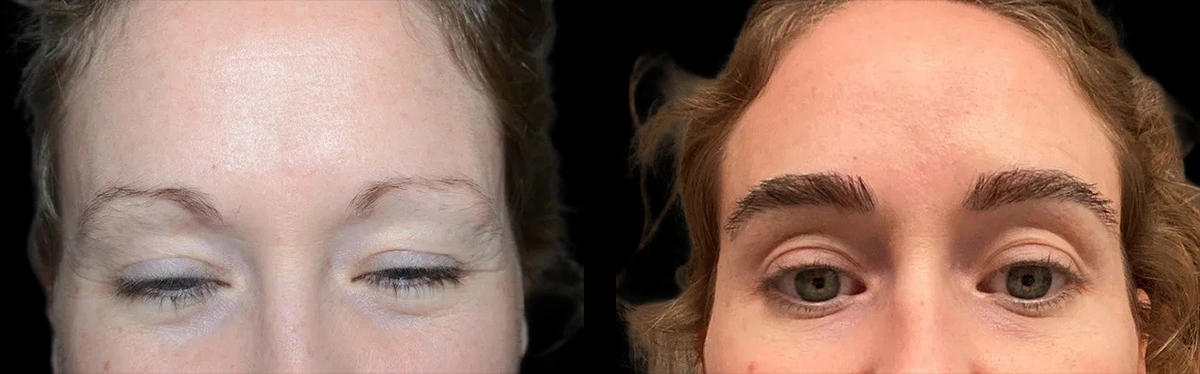
After hair removal or damage, small hairs can appear within 3 to 4 weeks. This depends on whether the follicle is intact and capable of producing new hair. If the follicle is healthy, regrowth is expected.
Full Regrowth in Weeks and Months
Full regrowth can take 3 to 6 months. This includes multiple cycles of growth and shedding. Patients often expect faster results, but the natural growth rate limits how quickly density returns.
This timeline is similar to recovery patterns discussed in eyebrow hair transplant recovery.
Why Eyebrow Hair Stops Growing or Slows
Hair Follicle Shrinks and Blood Supply
When the hair follicle shrinks, it receives less blood supply. This reduces nutrient delivery and slows growth. Over time, the follicle may stop producing hair entirely.
Damage from Over-Plucking
Frequent plucking removes hair from the root and can damage follicles. If this continues, it may lead to damaged hair follicles that no longer produce hair. This is a common cause of uneven brows.
In many cases, this type of damage is similar to patterns seen in eyebrow thinning conditions.
Hormones, Age, and Health Factors
Hormonal changes, aging, and certain conditions can affect brow hairs. These factors reduce growth rate and delay regrowth. In some cases, they can lead to noticeable hair loss in the eyebrows.
Eyebrow Hair Growth Cycle Weeks Treatment
Topical and At-Home Options
Some people try methods to grow faster, such as applying castor oil. While it may improve hydration, it does not change the natural cycle. Maintaining skin health can support better conditions for growth.
Helpful habits include:
- Avoid over-plucking
- Keep the area clean
- Support circulation for better blood supply
These steps help create a stable environment for regrowth.
Medical Treatment Options
When natural regrowth does not occur, medical options may be needed. At Kopelman Hair, Dr. Kopelman evaluates whether follicles are still active or permanently damaged. Treatment depends on the underlying cause.
In some cases, restoring eyebrow density may require advanced procedures. These options focus on rebuilding natural-looking brows using healthy follicles.
When Eyebrow Hair Does Not Grow Back
Temporary vs Permanent Loss
Temporary loss occurs when follicles are still viable but inactive. Permanent loss happens when follicles are no longer able to produce hair. Identifying this difference is key to choosing the right treatment.
When to See a Specialist
If eyebrows grow back after several months, it may indicate deeper issues. A specialist can assess follicle health and recommend next steps. Early evaluation can improve outcomes and prevent further loss.
Patients who experience ongoing thinning or uneven regrowth often benefit from a clinical approach. At Kopelman Hair, treatment plans focus on long-term results and natural appearance.