
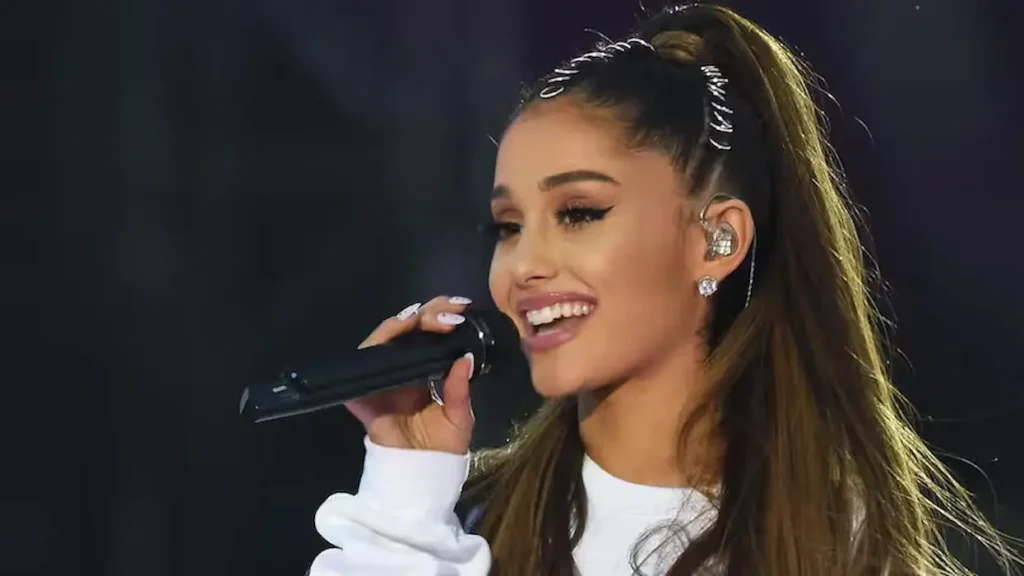
There is no confirmed medical diagnosis showing that Ariana Grande has alopecia. Most talks about Ariana Grande’s alopecia point to traction alopecia instead. It is hair loss caused by repeated tension from tight hairstyles and extensions.
Her history of frequent bleaching and styling likely contributed to visible thinning, especially around the hairline. This type of hair loss differs from genetic or autoimmune alopecia and may be reversible in early stages.
Understanding the cause is key, as treatment and long-term outcomes depend on whether the hair follicles are still active.
Key Takeaways
- Ariana Grande does not have a confirmed diagnosis of alopecia, and most evidence suggests traction alopecia ariana grande is a more accurate explanation based on her styling history.
- Frequent bleaching, tight ponytail use, and hair extensions can weaken hair follicles and lead to visible thinning, especially around the hairline.
- Traction alopecia may be reversible in early stages if tension is reduced, but prolonged stress on the scalp can result in permanent hair loss.
- Treatment options range from changing hair habits and medical therapies to hair transplantation when follicle damage becomes irreversible.
Does Ariana Grande Have Alopecia?
What condition does Ariana Grande suffer from
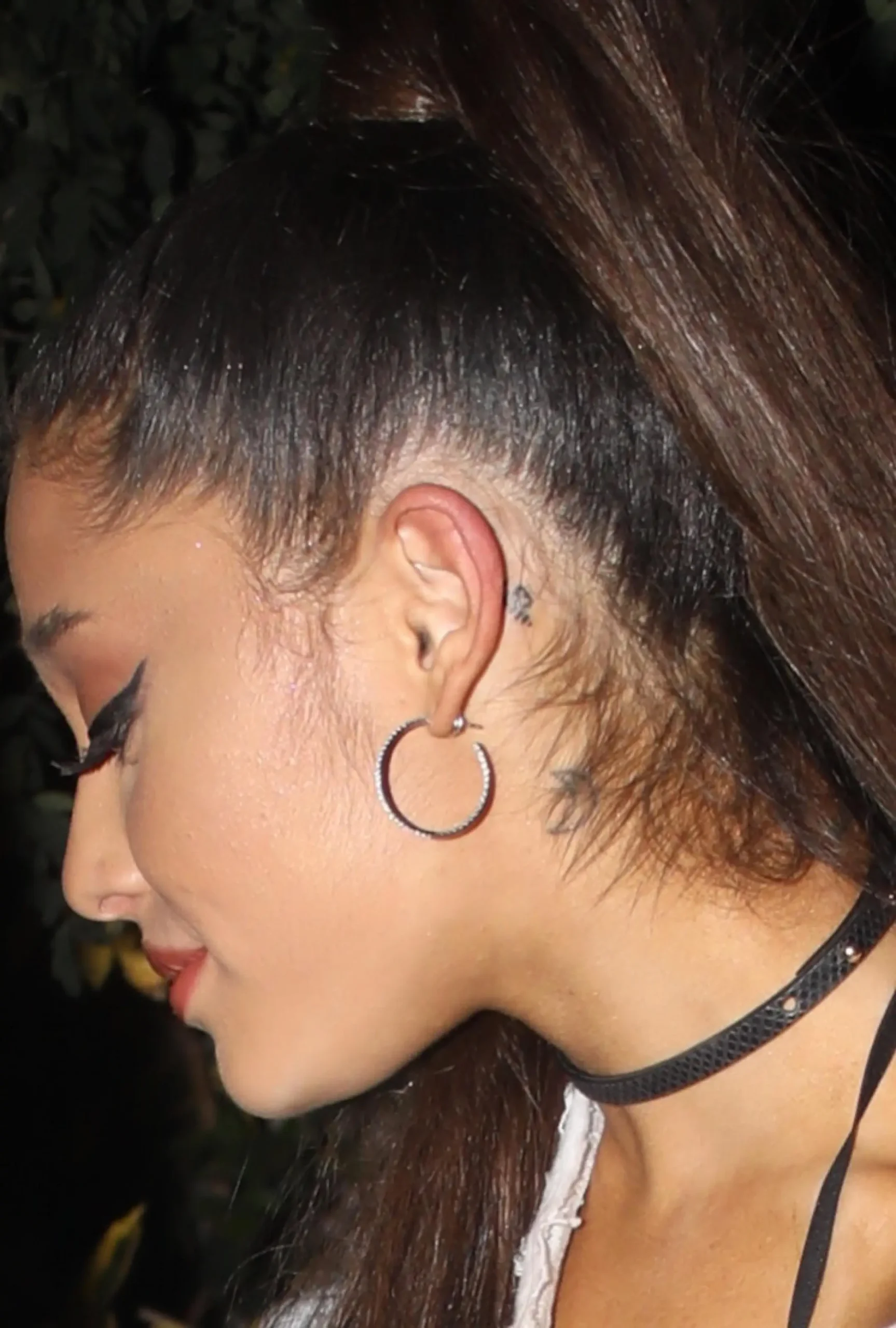
Many people search “does ariana grande have alopecia” after noticing changes in her hairline. There is no confirmed diagnosis, but experts often point to traction alopecia.
This condition develops from repeated tension on the scalp rather than a disease, similar to cases explained in can pulling hair cause baldness.
Ariana Grande hair loss vs traction alopecia
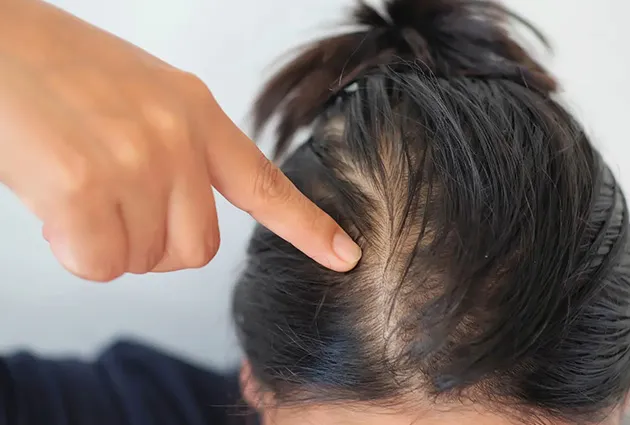
Ariana grande hair loss is often linked to styling habits rather than genetics. Ariana grande traction alopecia is a more accurate explanation based on visible patterns.
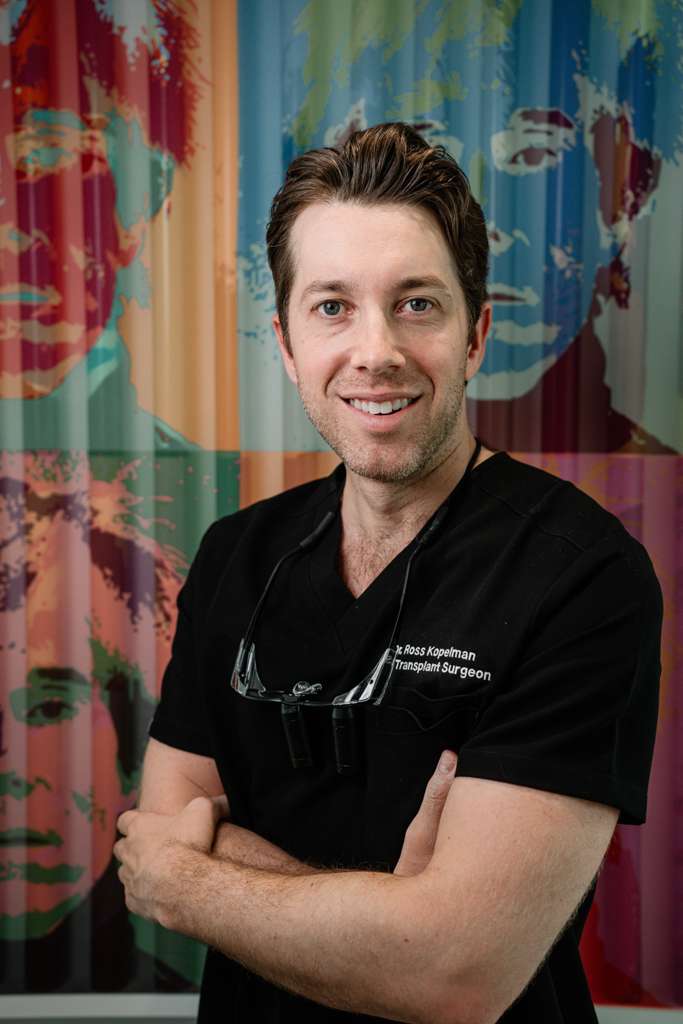
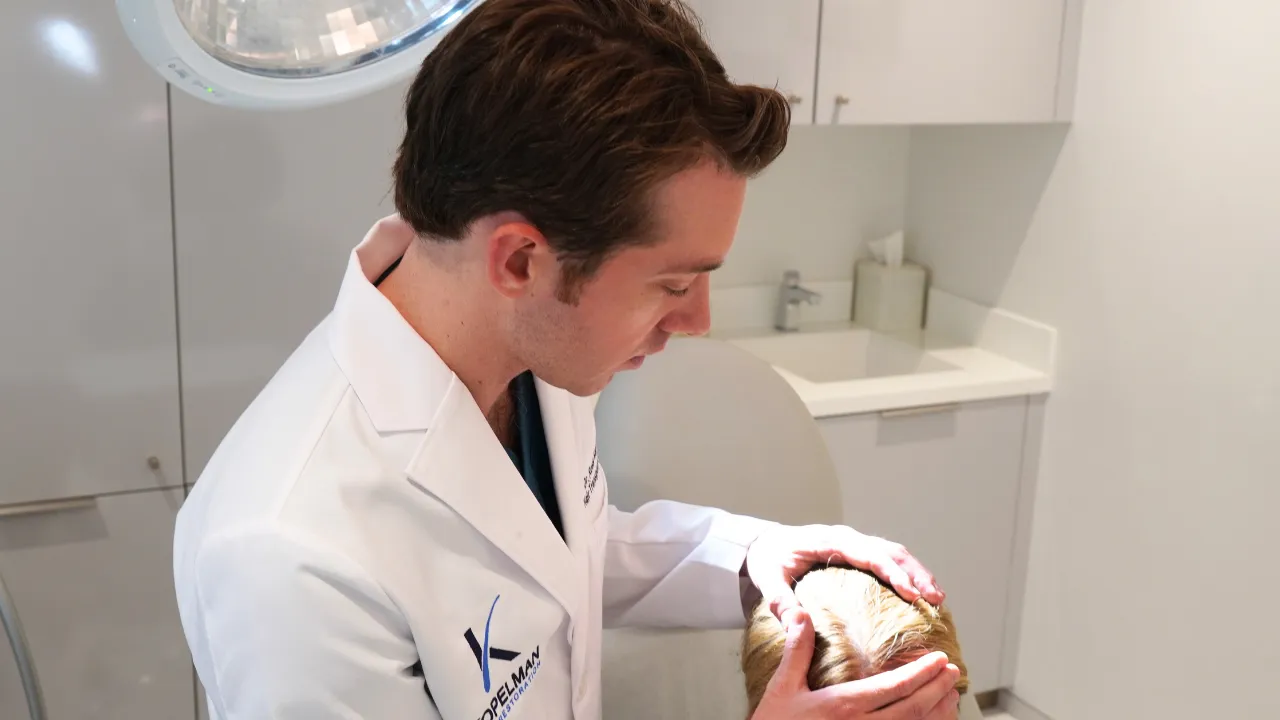
Dr.Kopelman explains that thinning around the temples is common when hair follicles face repeated tension, a pattern also seen in temple hair loss causes and treatments.
Why Did Ariana Grande Lose Her Hair?
Ariana Grande hair damage from bleaching
Her hair was reportedly dyed red every other week during years of playing Cat. Frequent processing weakens strands, leading some to say her hair is so broken or even broken that completely destroyed my hair.
This level of damage increases breakage and shedding, similar to what is explained in reasons for hair breakage.
Tight ponytail and traction alopecia
The high ponytail became her signature look, sometimes described online as a drag queen on earth style. However, tight ponytail habits create chronic traction. Combined with hair extensions, this tension can weaken hair follicles over time.
Is Ariana Grande Balding or Damaged?
Hair thinning vs breakage differences
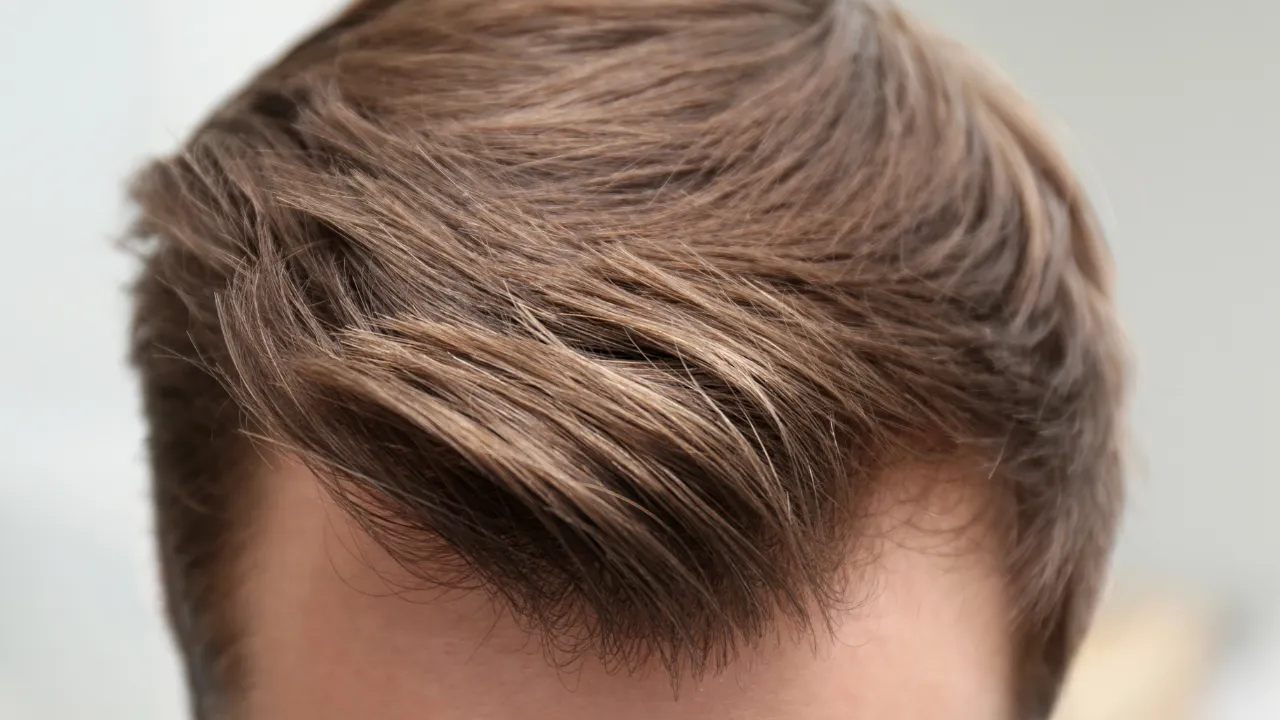
Ariana grande balding is often misunderstood. Thinning from traction differs from genetic loss. Breakage affects the strand, while traction impacts the root.
Dr.Kopelman notes this pattern often starts at the hairline, similar to early signs of hair thinning.
When hair loss becomes permanent
If tension continues, hair follicles may stop producing hair. Early stages may allow hair growth to recover. Later stages can lead to permanent hair loss, depending on how long stress remains.
Is Traction Alopecia Reversible?
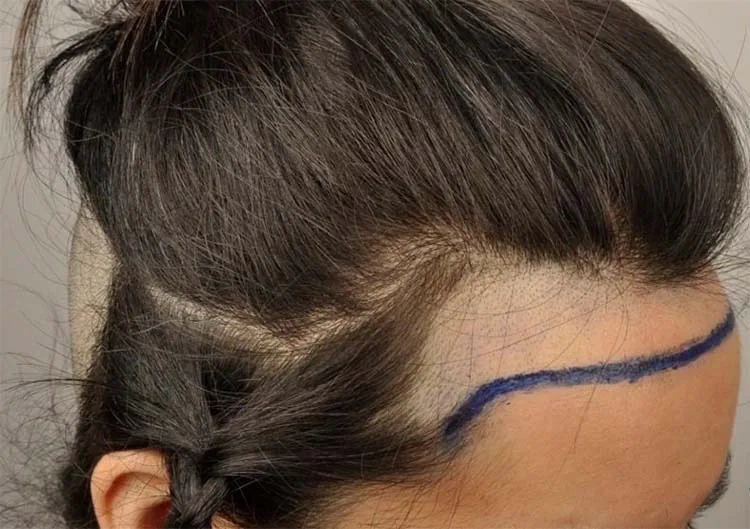
Early-stage hair regrowth potential
In early cases, removing tension allows natural hair to grow again. Reducing tight styles and avoiding damage supports recovery. Many patients see gradual hair growth when they act early.
Signs of permanent follicle damage
Smooth scalp areas may signal permanent loss. At this stage, treatments for traction alopecia are more limited. A specialist evaluation helps determine next steps.
Ariana Grande Now: Hair Condition Today
Has her hair recovered
Ariana Grande now appears to use styles that reduce tension. She may wear more fake hair or protective styles to avoid stress. This approach can support recovery.
Current styling and hair health
Modern styling focuses on less tension and fewer chemicals. Avoiding repeated bleaching helps maintain hair health. Some past looks were described as absolutely ratchet and absurd, but current choices appear more protective.
Treatment Options for Traction Alopecia
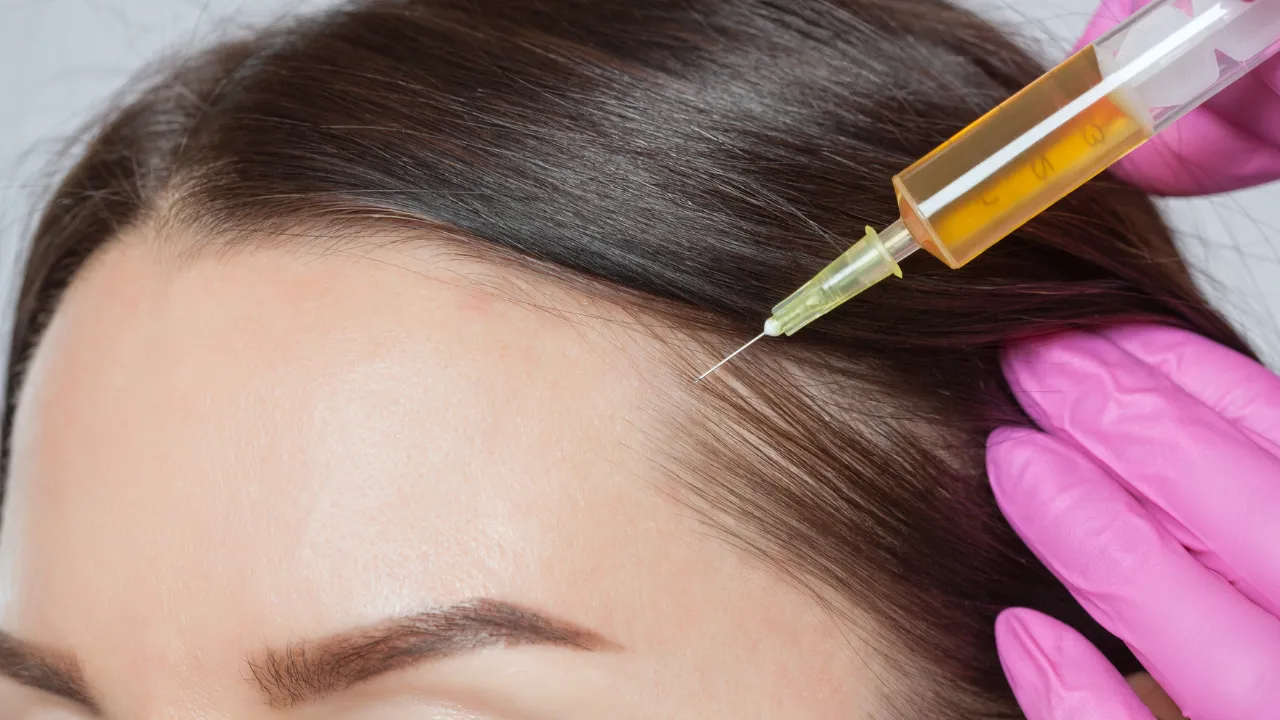
Medical and non-surgical treatments
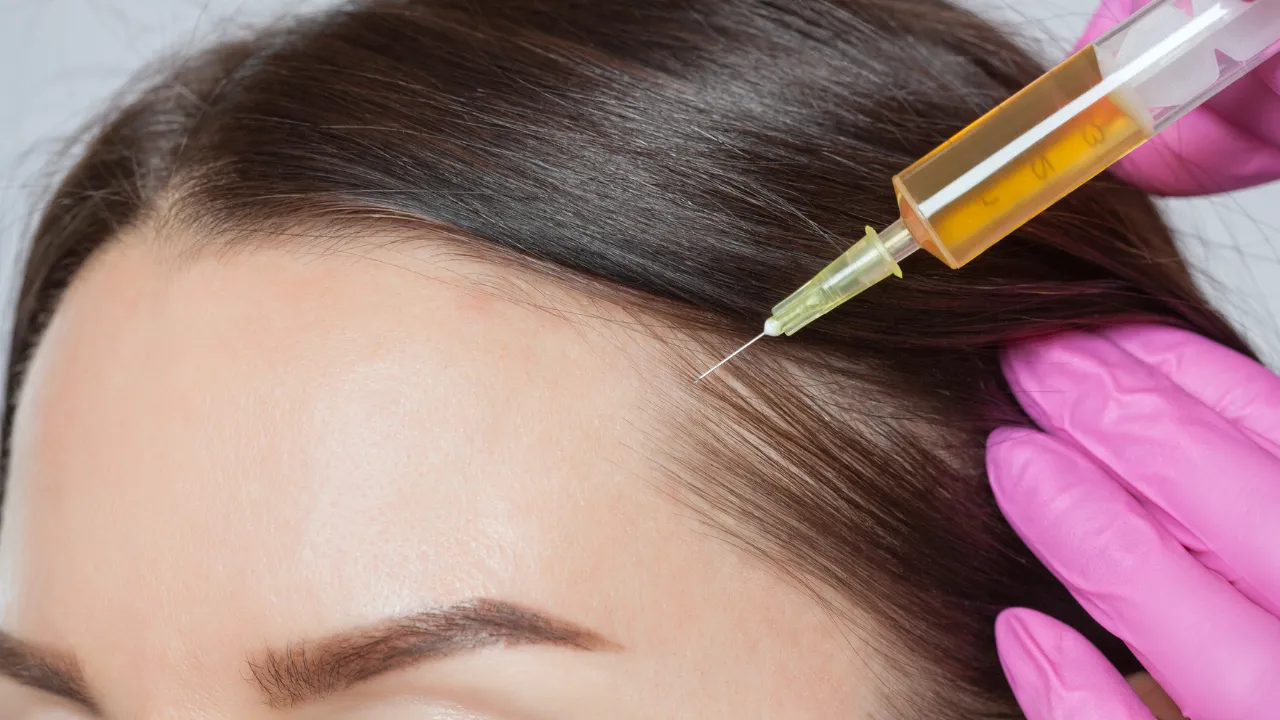
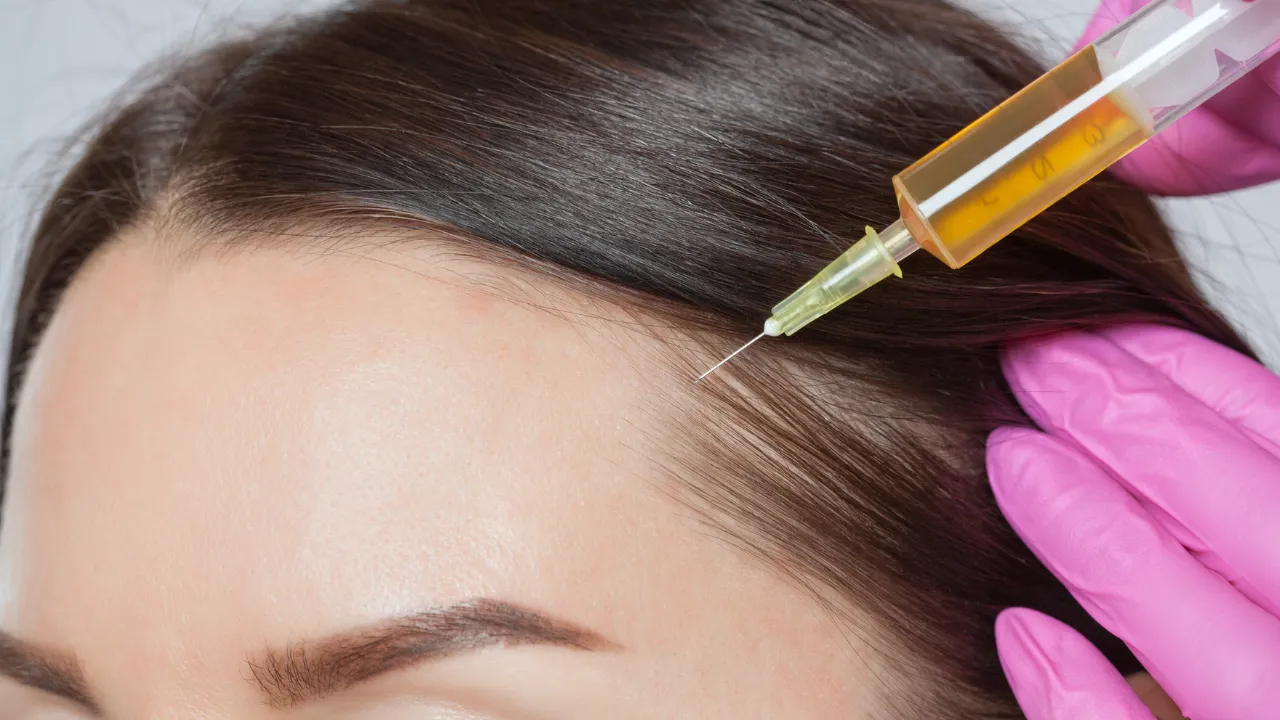
Treatment starts with reducing tension and improving scalp health. Options may support hair follicles and improve density. Dr.Kopelman emphasizes early care.
Hair transplantation solutions
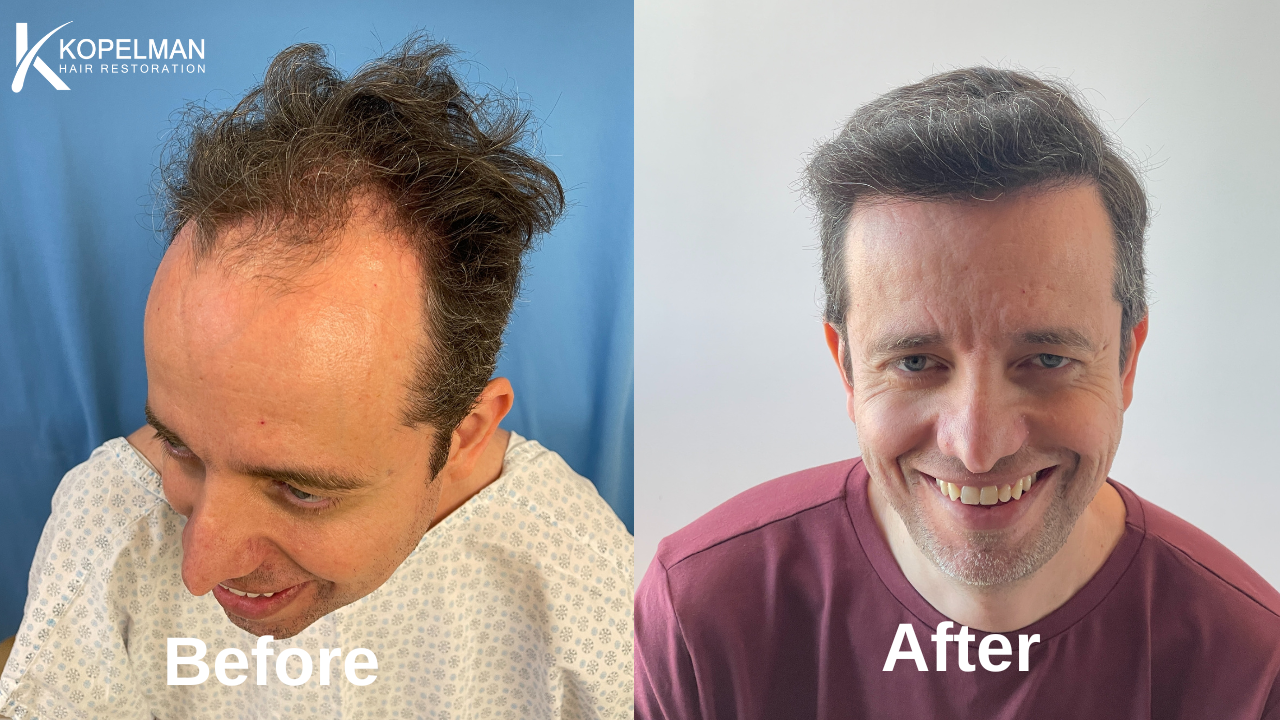
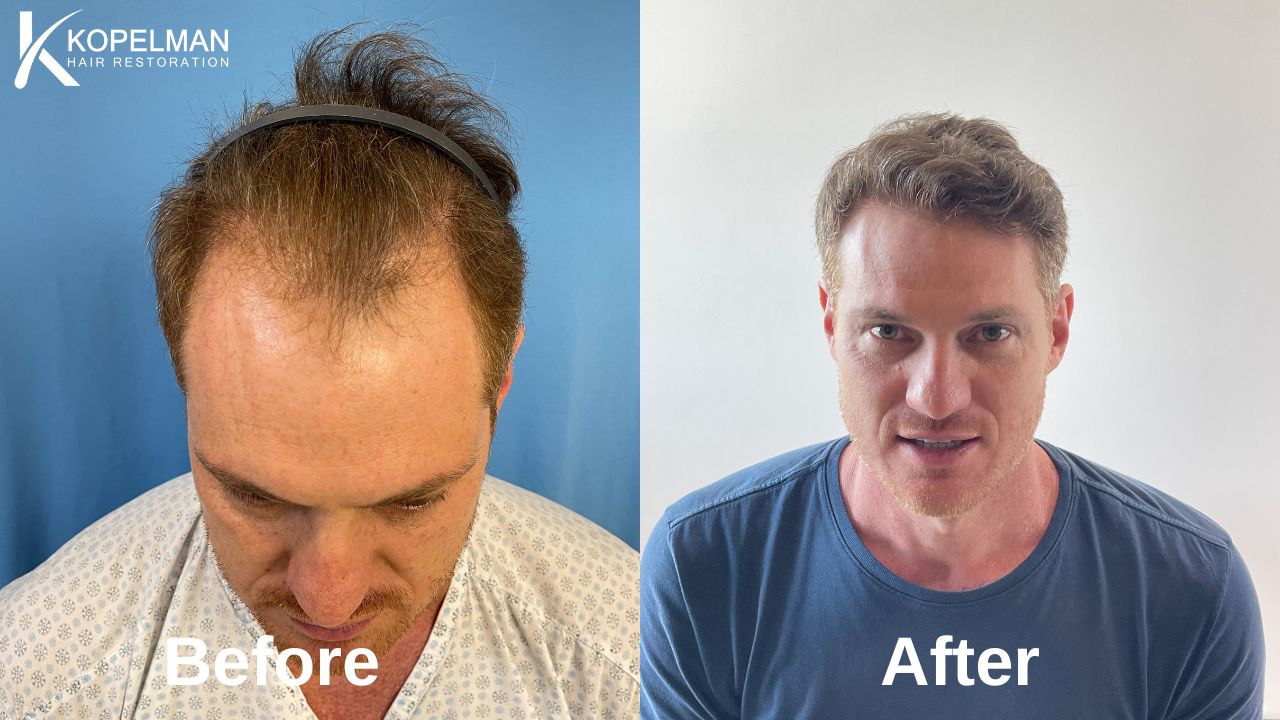
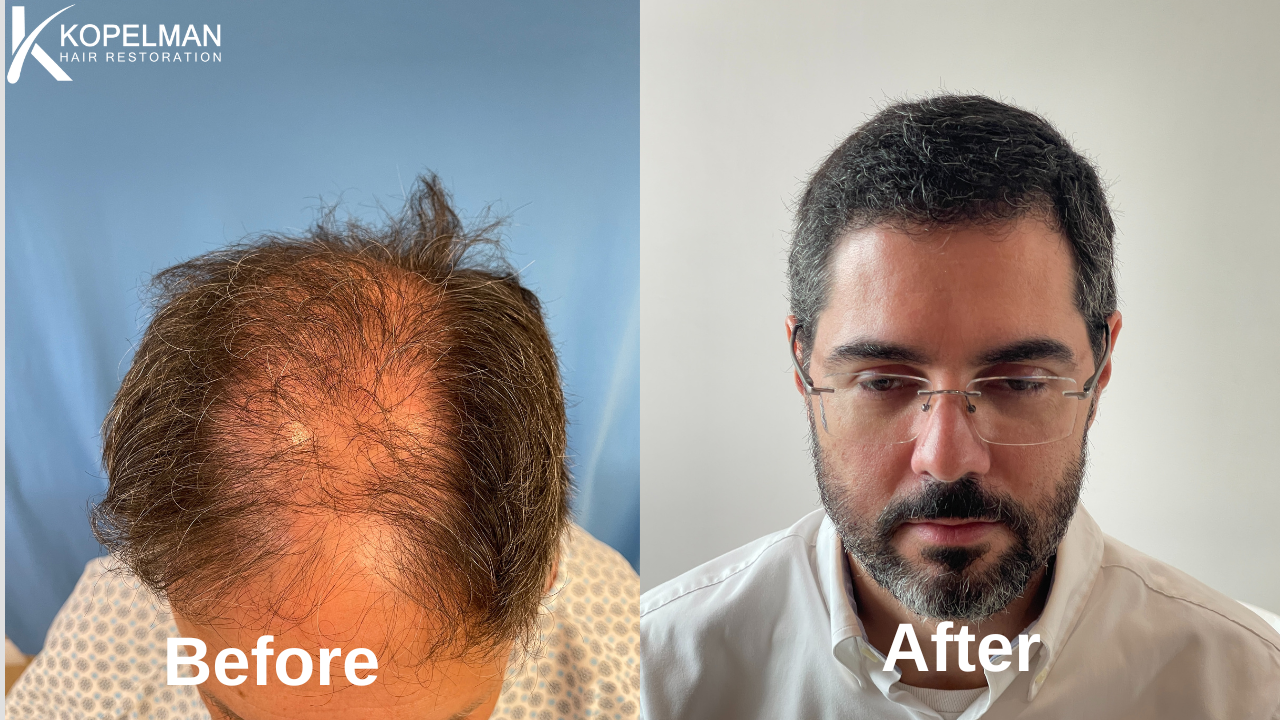
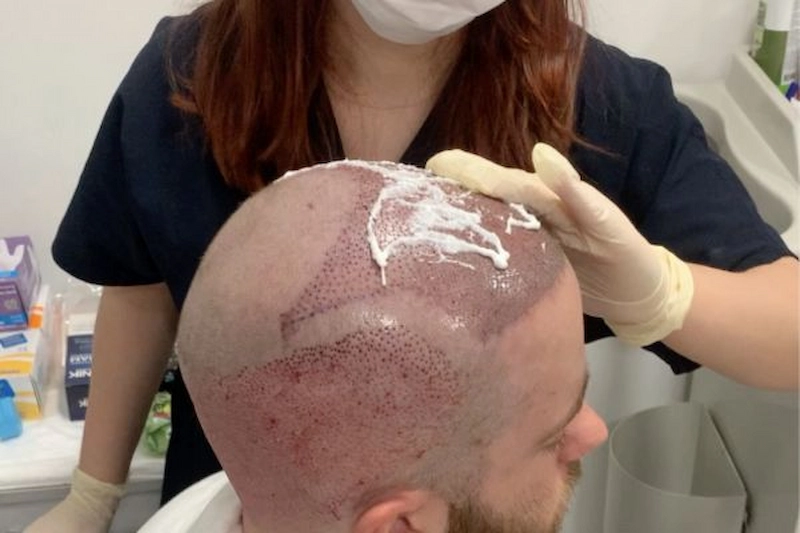
In advanced cases, hair transplantation can restore density. Healthy follicles are moved to affected areas. This option works when loss becomes permanent.
How to Prevent Hair Loss from Tight Hairstyles
Safer styling alternatives
To reduce risk:
- Avoid a tight ponytail or high ponytail daily
- Limit heavy hair extensions
- Rotate different hair styles
Habits that protect natural hair growth
- Reduce chemical treatments
- Avoid pulling tension
- Allow natural hair to grow without stress
When to See a Hair Restoration Specialist
Signs you need professional evaluation
You should seek help if you notice thinning, a receding hairline, or no regrowth. These signs may indicate a progressing type of hair loss.
Why early treatment matters
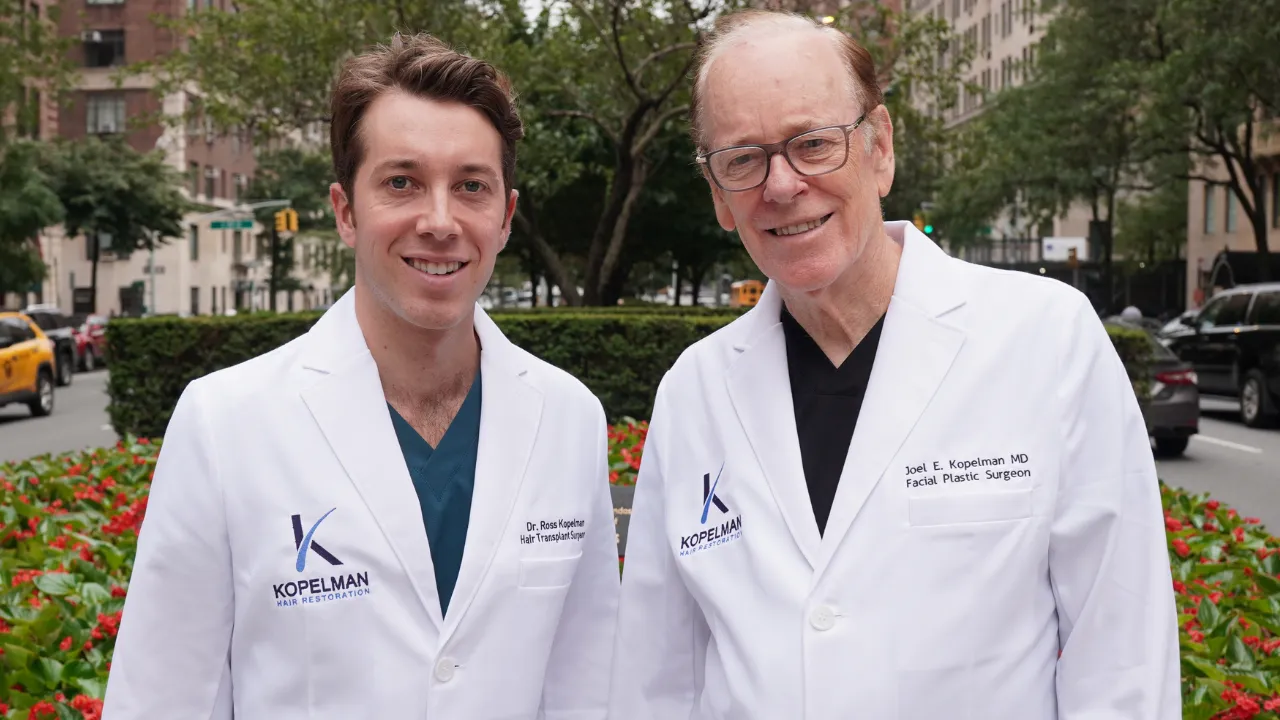
Early care improves outcomes. In Kopelman Hair, Dr.Kopelman explains that delaying treatment increases the risk of permanent damage. Acting early gives more options.
FAQs About Ariana Grande Alopecia
Does Ariana Grande have alopecia
There is no confirmed diagnosis, but traction alopecia is a likely explanation.
Why did Ariana Grande lose her hair
Hair damage from bleaching, tight styling, and chronic traction are the most common causes.
What condition does Ariana Grande have
Experts suggest traction alopecia rather than a disease, based on her styling history, sometimes described as a queen on earth combined aesthetic with frequent tension.