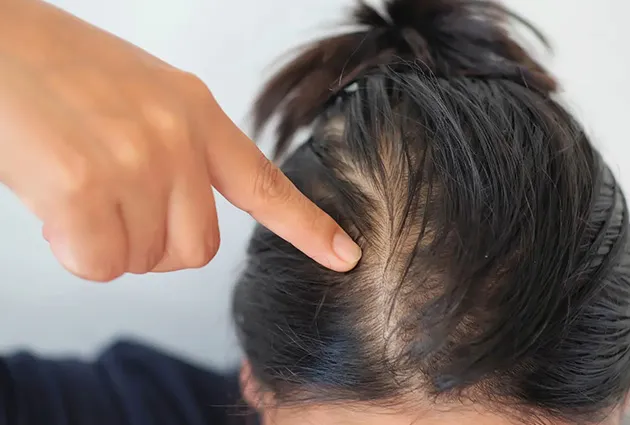
On a bald head, these marks are easier to see and easier to worry about. Daily sun protection and gentle scalp care help prevent most new pigmentation, and a professional skin check can confirm the cause when you are unsure.
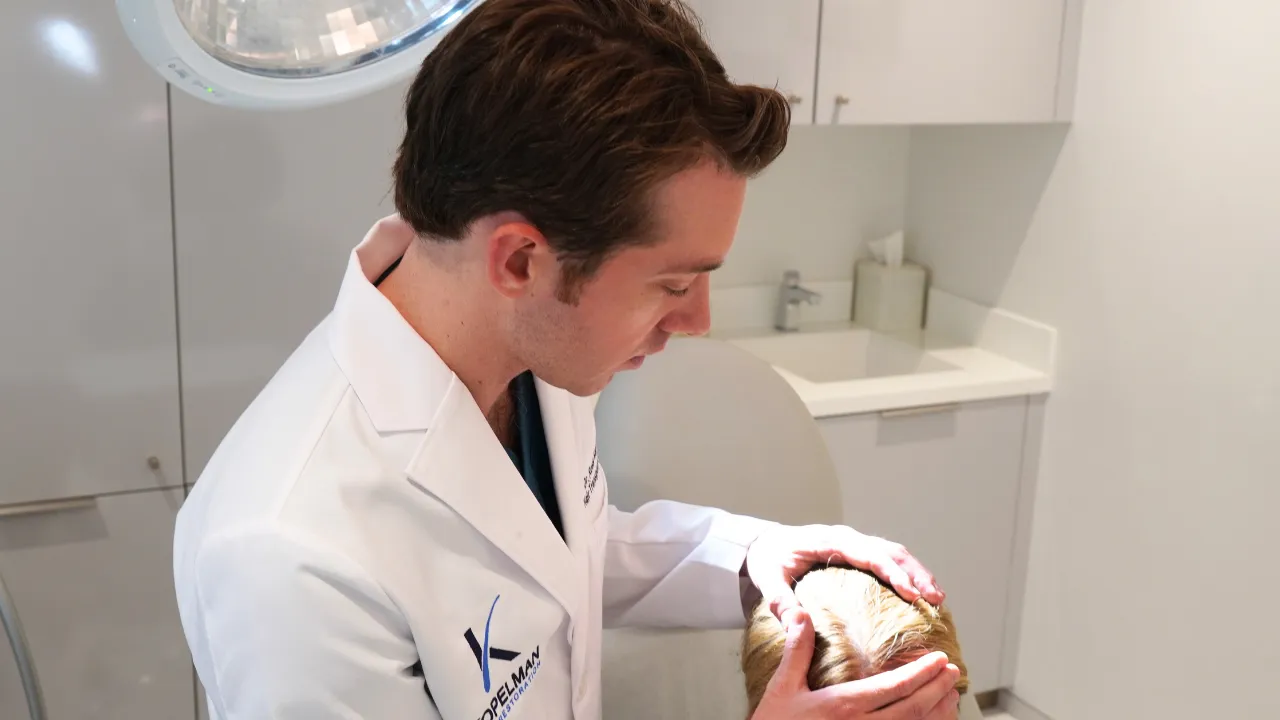
At Kopelman Hair, we help patients understand these changes and find solutions that protect their health and confidence. Our team, led by Dr. Kopelman, brings years of experience to diagnosing and treating scalp concerns with precision and care.
Key Takeaways
- Dark dots that scratch off are most often sebum plugs, broken hairs, or debris, and they usually clear with gentle washing.
- A dark mark that is flat, fixed, and changing in size, shape, or color should be checked promptly to rule out melanoma.
- Fungal infections, autoimmune disease, shaving, and sun damage are the other common causes of pigment on a bald head.
- Sun protection, gentle hygiene, and monthly self-checks lower your risk and catch problems early.
- Cosmetic options, such as concealers and hair restoration, can boost confidence when a harmless mark bothers you.
Tiny Black Dots on the Scalp That Scratch Off
When a dark dot lifts off under your fingernail, the most common explanation is an open comedone, sometimes called a sebum plug. Oil from the sebaceous glands mixes with dead skin and clogs a pore. Air darkens the surface of that plug, much like a blackhead, which is why it looks like a small dark speck.
| Type of dark dot | What it actually is | Does it scratch off? | Typical signs | When to see a specialist |
|---|---|---|---|---|
| Sebum plug or open comedone | Hardened oil and dead skin in a pore, darkened by air | Yes, lifts off with washing | Small, soft, greasy; often with dandruff or oily skin | If they keep returning or become inflamed |
| Broken hairs (black dot tinea capitis) | Hair shafts snapped at the surface by a fungal infection | Partly; stubs may rub but the skin stays involved | Scaling, patchy hair loss, itching, sometimes pustules | Promptly; needs a prescription antifungal |
| Cadaver hairs (alopecia areata) | Dead hairs trapped at the follicle opening | Sometimes | Smooth round bald patches, sudden shedding | If patches appear or spread |
| Post-shave pigment or scab | Dried blood or hyperpigmentation after a nick or irritation | Scabs flake; pigment does not | Follows shaving, tender at first, fades over weeks | If it grows, darkens, or will not heal |
| Melanoma or other skin cancer | Abnormal pigment cells in the skin | No, it is fixed in the skin | Flat or raised, irregular, changing, may bleed | Right away |
These plugs are benign. They tend to appear alongside dandruff, oily skin, or seborrheic dermatitis, and they often come away during washing. A gentle, consistent cleansing routine usually keeps them from building back up.
Not every dot that seems to rub off is a sebum plug, though. Two other causes can mimic it, and telling them apart matters.
Broken hairs from a fungal infection look like dark stubs because the hair shaft snaps off right at the surface. With alopecia areata, dead hairs can sit trapped at the follicle opening as so-called cadaver hairs. Both can look like dots you could scratch away, yet the skin underneath stays involved.
The quick test: a true plug leaves clean skin behind and does not return quickly, whereas a fungal or autoimmune cause is associated with scaling, itching, or patches of hair loss. The table below shows how to read each one. (See Table 1.)
What Causes Dark Spots or Marks on a Bald Head
Pigment on the scalp can range from harmless buildup to issues that require medical care. The scalp is thin-skinned and highly exposed to sun, friction, and infection, making visible changes common.
Recognizing the cause helps you decide when home care is enough and when to see a specialist such as Dr. Kopelman.
Dark Dots From Fungal Infections
A fungal infection called tinea capitis, also known as black dot ringworm, breaks hair shafts at the surface and leaves speckled dark stubs. Itching, scaling, and redness are typical, and it spreads through shared combs, hats, towels, or close contact.
Treatment is prescription-based. Terbinafine is the preferred first-line option for the most common form in the United States, while griseofulvin is an effective alternative and is often better for Microsporum species
Alopecia Areata and Dark Dots
Alopecia areata is an autoimmune condition in which the immune system attacks hair follicles, leaving smooth, round bald patches. It can create comedo-like cadaver hairs that appear as dark dots, a finding present in a large proportion of cases, according to the NIAMS.
A family history of autoimmune disease raises the risk. Common treatments include topical and intralesional steroids, which calm the immune response, and minoxidil, which supports regrowth. Dr. Kopelman helps patients match a plan to the cause.
Dark Marks From Shaving or Injury
Shaving can cause small nicks that heal with dried blood or lead to post-inflammatory hyperpigmentation. An old cut or burn can also leave a black mark on the skin that lingers for weeks before fading.
Good technique lowers the risk: a clean blade, light pressure, and a fresh shaving surface. Sun exposure during or right after shaving can deepen these marks, so cover up or apply sunscreen afterward.
Melanoma and Skin Cancer Concerns
| Letter | What to look for |
|---|---|
| A — Asymmetry | One half of the mark does not match the other. |
| B — Border | Edges are uneven, ragged, or blurred. |
| C — Color | More than one shade, or an unusual color. |
| D — Diameter | Larger than 6 mm (about a pencil eraser), though smaller marks can still be cancer. |
| E — Evolving | The mark changes in size, shape, or color, or starts to itch or bleed. |
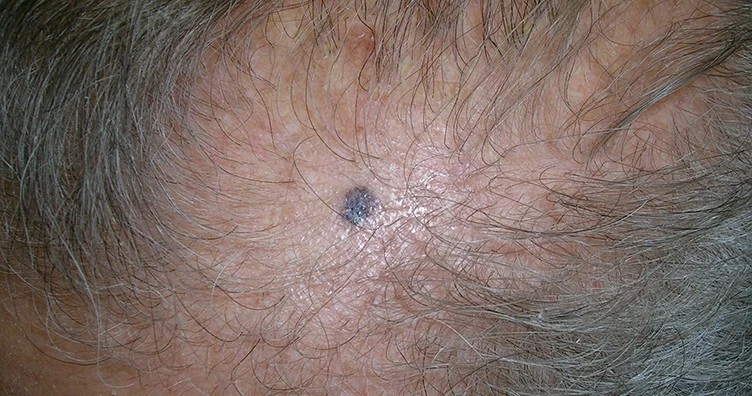
The serious cause to rule out is melanoma, a skin cancer that often appears on the head, neck, or upper back. Because of the dense blood supply and lymph nodes in the scalp, melanoma here can spread faster than in other areas of the body.
A black spot on the scalp under hair is easy to overlook, so part the hair and check the whole head in good light. Use the ABCDE method from the American Academy of Dermatology to judge a suspicious mark. (See Table 2.)
Melanoma is highly treatable when caught early, so any flat, fixed, or changing dark mark deserves a prompt check. Basal cell and squamous cell carcinomas can also occur on the scalp and may appear as bumps, sores, or dark patches.
What Is Black Mold on the Scalp?
Black mold does not grow on skin. What people call scalp mold is usually a fungal infection such as tinea capitis, which can leave dark, scaly patches.
See a specialist if you notice scaling, hair loss, or persistent dark dots that do not clear with washing.
Myths and Facts About Dark Marks on a Bald Head
Not every dark mark means cancer. Most are harmless buildup, broken hairs, or pigment from minor irritation. And as noted above, mold is not the culprit; a fungal infection usually is.
Younger people can develop these marks too, especially from autoimmune conditions like alopecia areata. Checking the facts replaces fear with a clear next step.
How to Identify and Diagnose Dark Marks
Knowing how your scalp normally looks helps you spot real changes early. Some marks are harmless, while others carry health risks worth ruling out.
A Simple Self-Check Guide for Your Scalp
Check your head once a month:
- Use a bright light and two mirrors to see the back.
- Part the hair in sections and look for new or changing marks.
- Note any itching, bleeding, or pain.
Because hair hides much of the scalp, it slows down and covers the whole surface. See a specialist like Dr. Kopelman if something looks different from before.
Signs You Shouldn’t Ignore
A mark that changes shape, grows quickly, bleeds, or will not heal needs a medical check. Color that varies across a single spot is another warning sign.
When in doubt, get it evaluated. It is always safer to check than to wait.
How Doctors Check for Skin Cancer on Bald Heads
Doctors examine the area visually and with a dermatoscope, a handheld magnifier that reveals details the eye misses. Suspicious marks are biopsied for a definitive answer.
They may also check nearby lymph nodes for any sign of spread. Regular checks are most important for people with little or no hair covering their scalp.
Tests for Dark Marks on the Scalp
Doctors may use a few simple tests:
- A gentle scrape for fungal analysis.
- A specialized light to highlight certain infections.
- Blood tests when an autoimmune cause is suspected.
Together, these confirm the diagnosis and guide treatment.
How to Get Rid of Black Spots on the Scalp
If you are wondering how to get rid of black spots on scalp skin, the right approach depends entirely on the cause. Dr. Kopelman guides patients toward the safest option for their situation.
Medical Treatments and Procedures
Depending on the diagnosis, a specialist may recommend:
- Prescription antifungal medication such as terbinafine or griseofulvin for tinea capitis.
- Topical or injected steroids for alopecia areata.
- Surgery or laser treatment for stubborn pigmentation or a confirmed skin cancer.
Knowing the options ahead of time helps you arrive at a consultation already informed.
Home Remedies and Skincare Tips
For benign buildup and prevention:
- Cleanse regularly with a gentle or anti-dandruff shampoo to clear sebum plugs.
- Moisturize lightly and avoid harsh scrubbing.
- Skip tanning beds and shield the scalp from the sun.
If a mark persists, changes, or returns quickly, see a specialist rather than treating it at home.
How to Prevent Dark Marks on a Bald Head
A steady routine keeps the scalp clear and lowers the chance of new pigment.
Scalp Care and Hygiene
Wash gently, avoid aggressive scrubbing, and use clean combs and razors. These small habits reduce both buildup and irritation that can darken into marks.
Sun Protection for Bald Heads
Cover up with a hat or apply broad-spectrum sunscreen every day. Bald skin receives direct radiation with no hair to shield it, so sun safety is the most effective preventive measure you have.
Real Stories from Patients at Kopelman Hair
Many patients arrive fearing the worst about a dark mark on their head. Most leave reassured after a proper evaluation.
Carlos, 52, found a dot after shaving that turned out to be harmless pigment. Samantha, 38, noticed a dark speck near her hairline that was confirmed benign. In both cases, a clear diagnosis replaced weeks of worry.
Managing Cosmetic Concerns
Even a harmless mark can feel embarrassing on an exposed scalp. There are simple ways to even out the appearance once a specialist confirms the spot is safe.
Covering Marks Near the Hairline
Practical options include:
- Tinted sunscreen that blends pigment while protecting the skin.
- Cosmetic concealers matched to your tone.
- Scalp micropigmentation for a longer-lasting result.
When Hair Restoration May Help
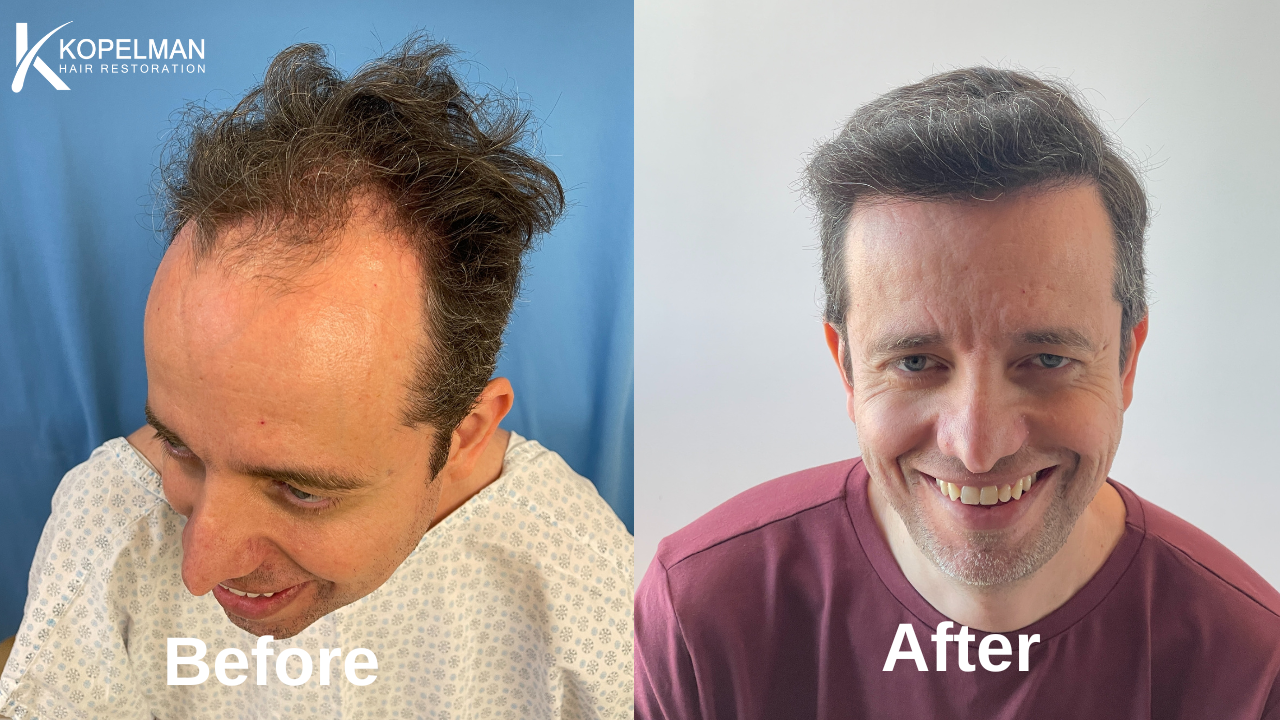
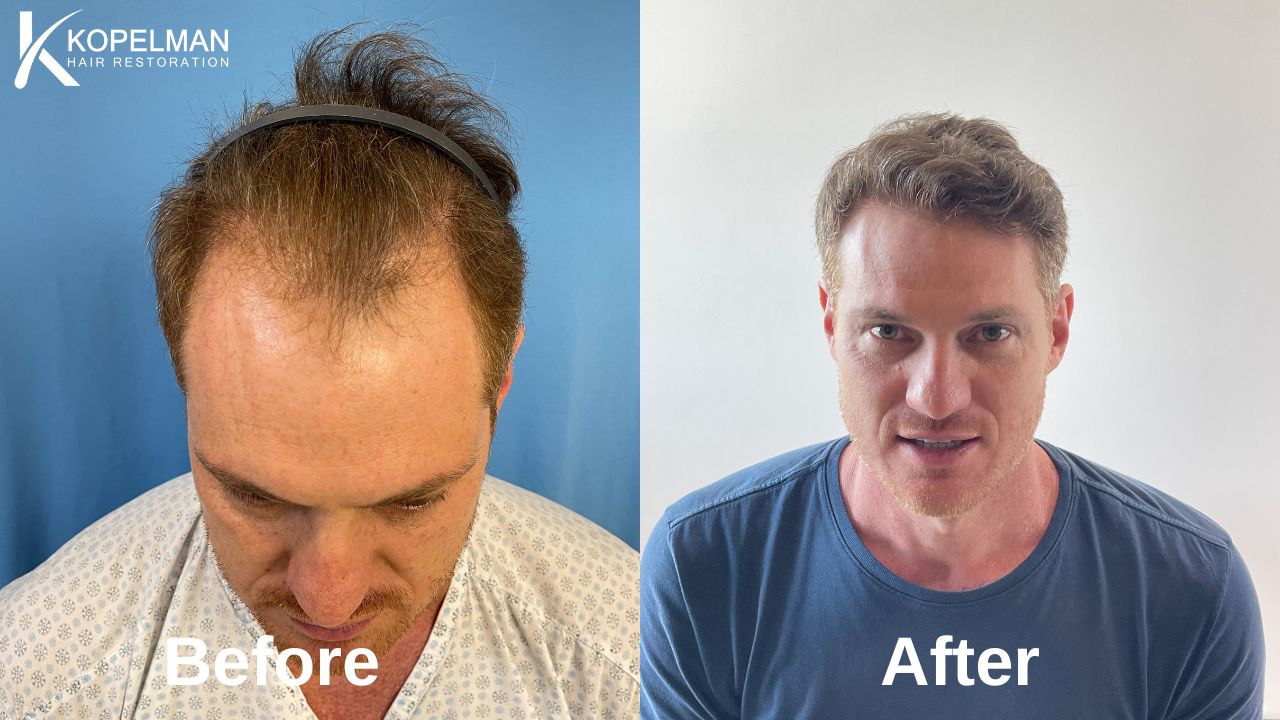
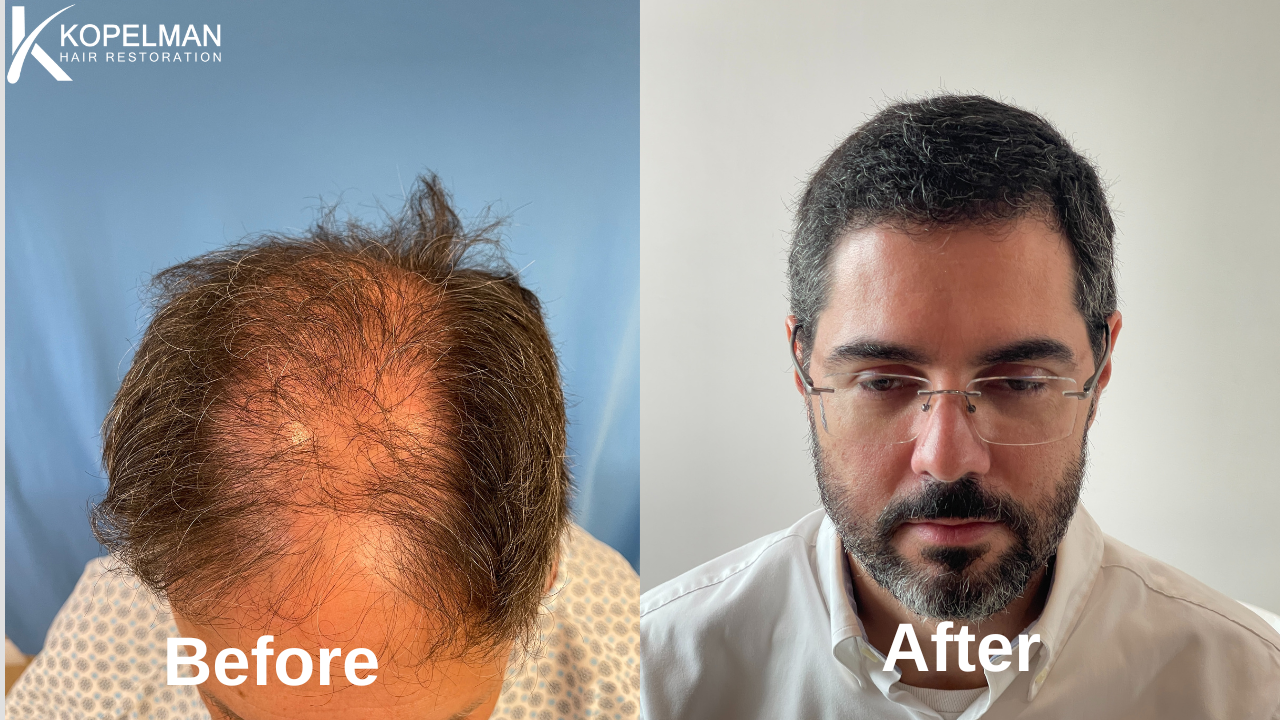
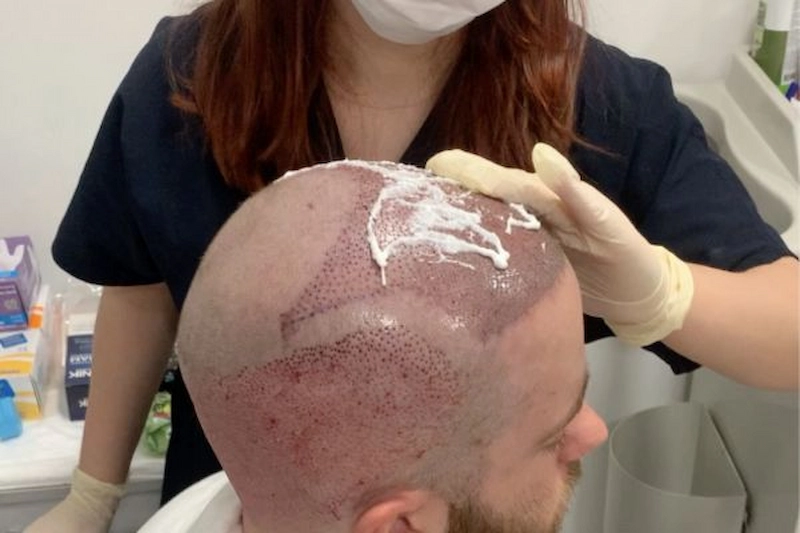
Hair restoration can cover scars or pigmented areas where hair once grew. Dr. Kopelman tailors these options for patients focused on cosmetic improvement.
Dr. Kopelman’s Credentials
Dr. Kopelman has a background in dermatology and specializes in hair restoration. With more than 40 years of combined family experience at Kopelman Hair, he stays current by engaging with professional societies.
Patients value him for clear guidance and compassionate care.

FAQs About Dark Marks on the Scalp
What causes black spots on a bald head?
The usual causes are sebum plugs, fungal infections, alopecia areata, pigment from shaving or injury, and, rarely, skin cancer. Texture and accompanying symptoms help distinguish them.
How do you get rid of dark marks on the scalp?
Treatment follows the cause: antifungal medication for fungal infections, steroids for alopecia areata, gentle cleansing for sebum plugs, and surgery or laser for pigmentation or cancer. A specialist confirms which applies.
Are dots that scratch off dangerous?
Usually not. Marks that lift away are typically oil plugs or debris. A flat, fixed mark that changes is the one to have checked.
References and Trusted Resources
For further reading from authoritative sources:
- American Academy of Dermatology: ABCDEs of melanoma.
- Merck Manual: Tinea capitis
- NIAMS: Alopecia areata
- NCBI: Traction alopecia
If you are concerned about a dark mark on your scalp or have questions about hair restoration, schedule an appointment with Dr. Kopelman and the team at Kopelman Hair for personalized care and clear answers.