Can High Cortisol Cause Hair Loss?

I hope you’re enjoying reading this blog post if you want a consultation with Dr. Kopelman, click here.

Dr. Ross Kopelman

July 17, 2025  ⁃  8 Min read

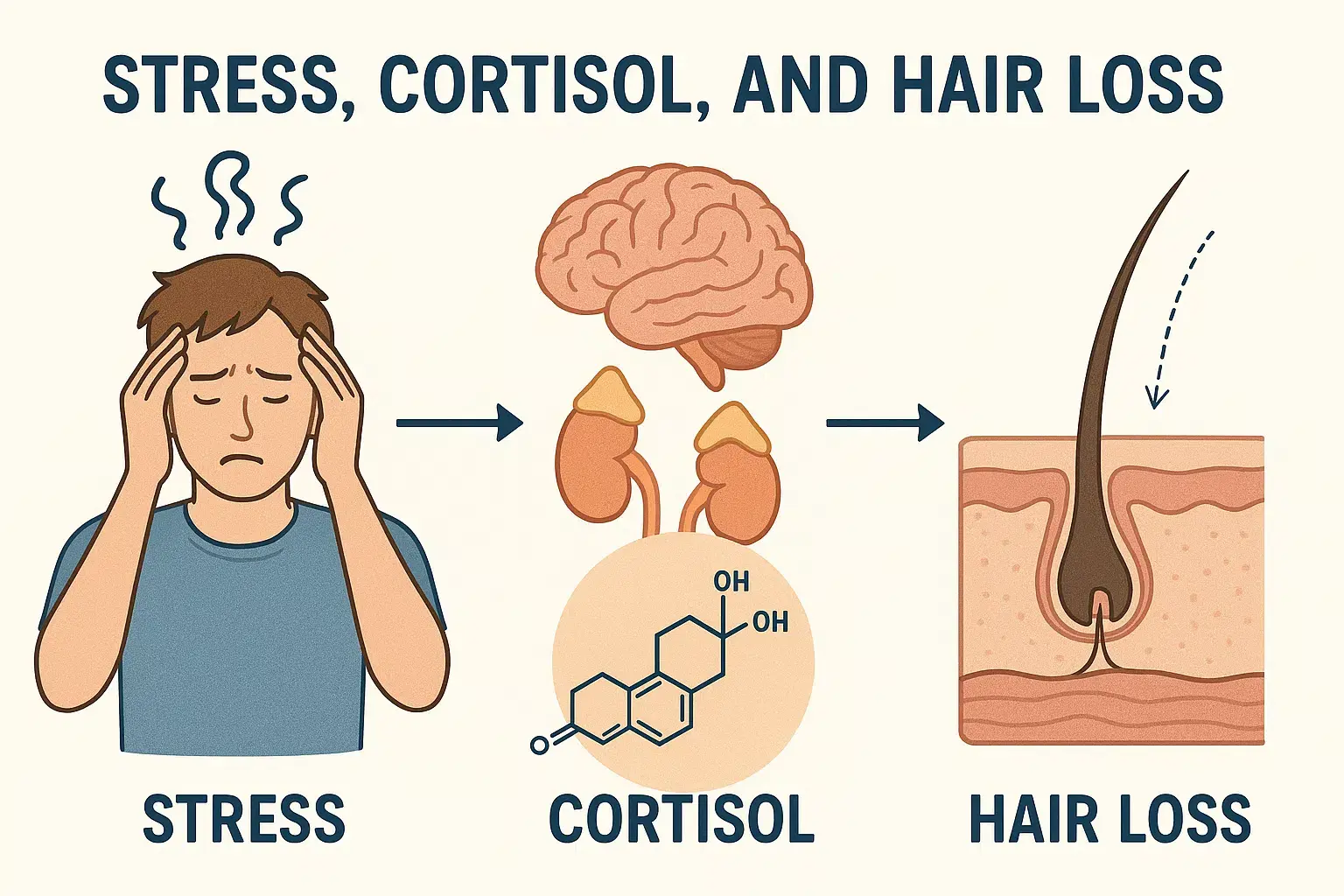
Yes, high cortisol levels can cause hair loss by disrupting the normal hair follicle growth cycle. The answer to whether high cortisol causes hair loss lies in how chronic stress elevates cortisol, pushing follicles into a resting phase known as Telogen Effluvium. This leads to increased shedding that often appears 2 to 3 months after a stressful event.

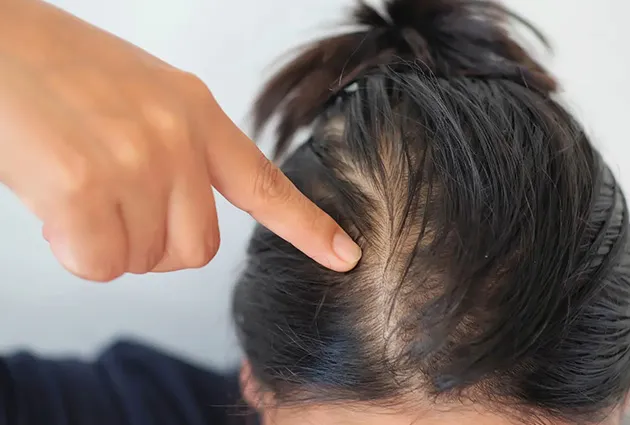
The thinning is usually diffuse, affecting the entire scalp rather than specific areas. In most cases, it is temporary and improves once cortisol stabilizes and stress is managed. Supporting recovery with proper nutrition and stress control helps restore normal growth over time.

At Kopelman Hair, we help patients understand the connection between stress hormones and thinning strands. With over 40 years of combined experience, our team offers personalized solutions to restore confidence and scalp health.

Key Takeaways

  • High cortisol levels can disrupt the growth cycle by pushing follicles into the resting phase, leading to increased shedding.
  • Thinning tied to cortisol often appears weeks after a stressful event and may be reversible with early intervention.
  • Chronic stress can trigger three distinct conditions: telogen effluvium, alopecia areata, and trichotillomania, each with a different pattern.
  • Testing cortisol through blood and saliva helps confirm a hormonal imbalance and guide appropriate treatment.
  • Lifestyle changes such as improved sleep, reduced stress, and medical support can lower cortisol levels and promote regrowth.
  • In advanced cases, our surgeons offer personalized restoration plans, including transplant options when necessary.

How Cortisol Impacts Health

The body produces cortisol through the hypothalamic-pituitary-adrenal (HPA) axis. When you experience stress, this system signals your adrenal glands to increase output. 

While helpful in short bursts, prolonged activation of the HPA axis can cause hormonal imbalances. These disruptions may affect digestion, sleep, blood sugar levels, and healthy growth at the follicle.

What Does High Cortisol Do to Your Hair?

High cortisol levels trigger a “fight or flight” response that deprioritizes nonessential functions, such as keratin production. Over time, this leads to more follicles entering the resting phase, also known as telogen, where strands fall out more easily. 

Research on cultured follicle cells shows that stress hormones can directly shorten the growth phase and drive follicles into an early catagen transition, thereby slowing recovery.

Can Elevated or Excess Cortisol Cause Hair Loss?

Yes, elevated or excess cortisol can push strands out of the growing phase prematurely. This often results in diffuse thinning rather than patchy shedding, making it harder to detect at first. 

It also contributes to stress-related hair loss by weakening the immune system’s ability to regulate inflammation around the follicle.

Does Increased Cortisol Affect Hair Over Time?

Long-term stress creates a hormonal imbalance that can slow regrowth. Without intervention, this may result in visible thinning across the scalp and reduced density.

Shedding linked to cortisol usually doesn’t happen immediately after a stressful event. In most cases, the visible change begins 6 to 12 weeks later, once follicles enter the resting phase. This delay can make it harder to identify the exact cause without medical evaluation.

One common result of high cortisol levels is hair loss, a condition called telogen effluvium. This occurs when follicles prematurely shift from the growth phase (anagen) to the resting phase (telogen), leading to increased shedding. 

Telogen effluvium usually appears a few weeks or months after a stressful event.

Hormonal Causes of Hair Loss
What Hormone Makes Your Hair Fall Out?

Several hormones can contribute to shedding. Androgens like DHT affect follicles directly. Thyroid imbalances and elevated cortisol also play a role. Steroid hormones such as cortisol and testosterone are particularly relevant in stress and thinning patterns.

Cortisol and DHT: How the Two Interact

Cortisol and DHT drive different processes, and understanding the difference matters for treatment. DHT permanently shrinks genetically sensitive follicles, producing the receding hairline or crown thinning seen in pattern baldness. 

Cortisol does not miniaturize follicles, but it accelerates shedding and can unmask pattern loss earlier than it would otherwise appear.

This is why many patients see two problems at once. The stress-driven component often recovers, while the DHT-driven component continues without medical management. A proper evaluation separates the two so each is treated correctly.

Can Low Cortisol Cause Hair Loss Too?

Although less common, low cortisol levels may also indirectly affect the scalp. Adrenal fatigue or disorders that reduce cortisol levels can lead to a general hormonal imbalance, which may affect shedding.

Types of Stress-Related Hair Loss

High cortisol and hair loss can present in more than one form, and each has a different pattern and outlook. Identifying which one you have is the first step toward the right treatment.

Stress-Driven Hair Loss: Pattern, Timing, and Outlook
Condition Pattern on the Scalp Typical Onset After Trigger Usual Outlook
Telogen effluvium Diffuse thinning across the entire scalp 6 to 12 weeks Often resolves in 3 to 6 months once the trigger is addressed
Alopecia areata Sudden round or oval patches with smooth borders Variable; may flare during stress in predisposed patients Unpredictable; may require medical therapy
Trichotillomania Irregular areas with broken strands of uneven length Follows the onset of the pulling behavior Improves with behavioral treatment; regrowth possible if follicles are intact
DHT-driven pattern loss (often coexisting) Receding hairline, temples, or crown Gradual over years, not tied to a single event Progressive without medical or surgical management

Telogen Effluvium

This is the most common stress-driven form. A large share of follicles shifts into the resting phase at once, then releases together, producing sudden, diffuse shedding. Telogen effluvium typically resolves within three to six months once the trigger is addressed.

Alopecia Areata

Alopecia areata is an autoimmune condition in which the immune system attacks hair follicles, causing sudden, round or oval patches of hair loss. Stress may contribute to a flare in people already predisposed, though it is not the underlying cause. Because the pattern is patchy rather than diffuse, it is often distinguishable from cortisol-driven shedding on examination.

Trichotillomania

Some people respond to stress with a compulsive urge to pull out strands of hair from the scalp, brows, or lashes. Over time, this produces irregular bald patches with broken strands of varying lengths. Behavioral treatment is central here, since no hormonal correction resolves the underlying habit.

Recognizing Symptoms and Warning Signs

Signs of Cortisol-Related Thinning

Cortisol-driven thinning usually appears gradually. Common signs include:

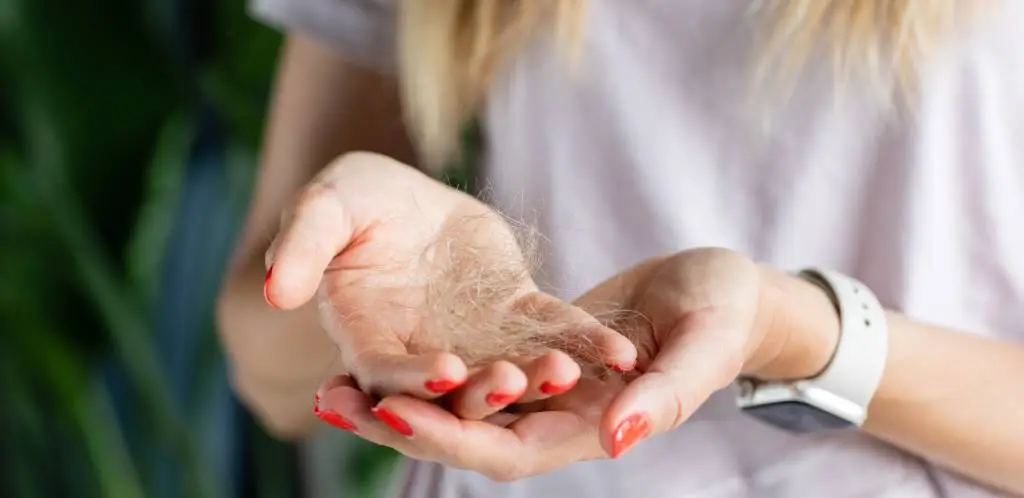
  • Increased shedding in the shower drain or brush
  • Loss of volume on the top or crown
  • A widening part or a noticeably thinner ponytail
  • Diffuse thinning across the whole scalp rather than defined patches

Our team reviews medical history, lab results, medications, and lifestyle factors to ensure the right treatment. This approach tailors care to the individual’s profile and goals.

How to Tell Stress Shedding From Pattern Loss

Timing and distribution are the two clearest signals. Stress-driven shedding tends to begin abruptly, roughly two to three months after an identifiable trigger, and affects the entire scalp evenly. Pattern loss develops slowly over years and concentrates at the hairline, temples, or crown.

Patchy, sharply defined circles point instead to an autoimmune cause. Broken strands of varying length within a patch suggest pulling rather than a hormonal trigger. Any of these findings warrants an in-person evaluation, since thyroid disease and nutrient deficiency can mimic all of them.

What Are the Symptoms of Too Much Cortisol?

In addition to shedding, high cortisol symptoms include:

  • Weight gain around the abdomen
  • Trouble sleeping
  • High blood pressure

Elevated stress levels can worsen these symptoms and prolong the shedding phase.

Testing Cortisol and Diagnosing Hair Loss

Blood and Saliva Cortisol Tests

Cortisol levels and thinning are often linked through lab testing. Saliva tests capture daily fluctuations, while blood tests offer a broader hormonal snapshot. Doctors may recommend both for accurate results.

Comparing Cortisol Testing Methods
Test Type What It Measures Best Timing Most Useful For
Blood (serum) cortisol Total circulating cortisol at a single point in time Early morning, when levels naturally peak Confirming clearly elevated or suppressed levels
Saliva cortisol Free, biologically active cortisol Multiple samples across one day Identifying an abnormal daily rhythm
Dried urine cortisol Free cortisol plus cortisol metabolites Several collections from waking to bedtime Assessing total production and clearance patterns

Linking Hormone Levels to Hair Health

Correcting the hormonal imbalance can stop further shedding and support regrowth. Here are common patient questions:

  • When should I test? Morning levels are usually most accurate.
  • Which test is best? Both saliva and blood are useful.
  • How often should I test? It depends on symptoms and history.

Cortisol Hair Loss Treatment and Recovery

In most cases, cortisol-related hair loss is reversible, provided the trigger is identified early. Addressing the cause, whether chronic stress, an underlying health issue, or lifestyle, is essential.

To lower cortisol and support recovery:

  • Sleep: Aim for 7 to 9 hours
  • Reduce stress: Practice relaxation
  • Avoid stimulants: Cut caffeine, alcohol, nicotine
  • Seek medical help if symptoms persist

Bring this to your consultation:

  • A log of stress events
  • Photos showing changes over time
  • Lab results and current medications

Our surgeons tailor treatment based on your profile and recovery goals.

Advanced Solutions for Severe Cases

When Lifestyle Changes Aren’t Enough

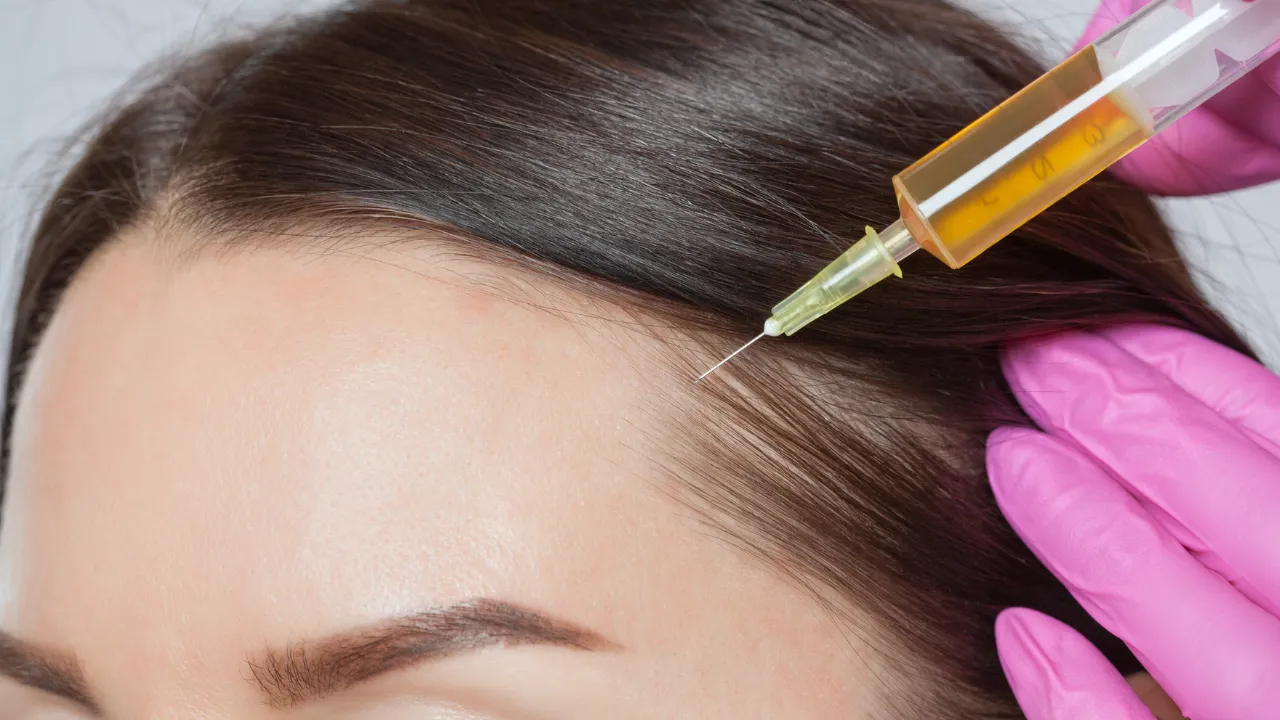
If cortisol remains elevated or thinning is advanced, medical options may be needed. A specialist can suggest medications or targeted therapies, including treatment for any DHT-driven component identified during evaluation.

Hair Transplants for Cortisol-Related Hair Loss

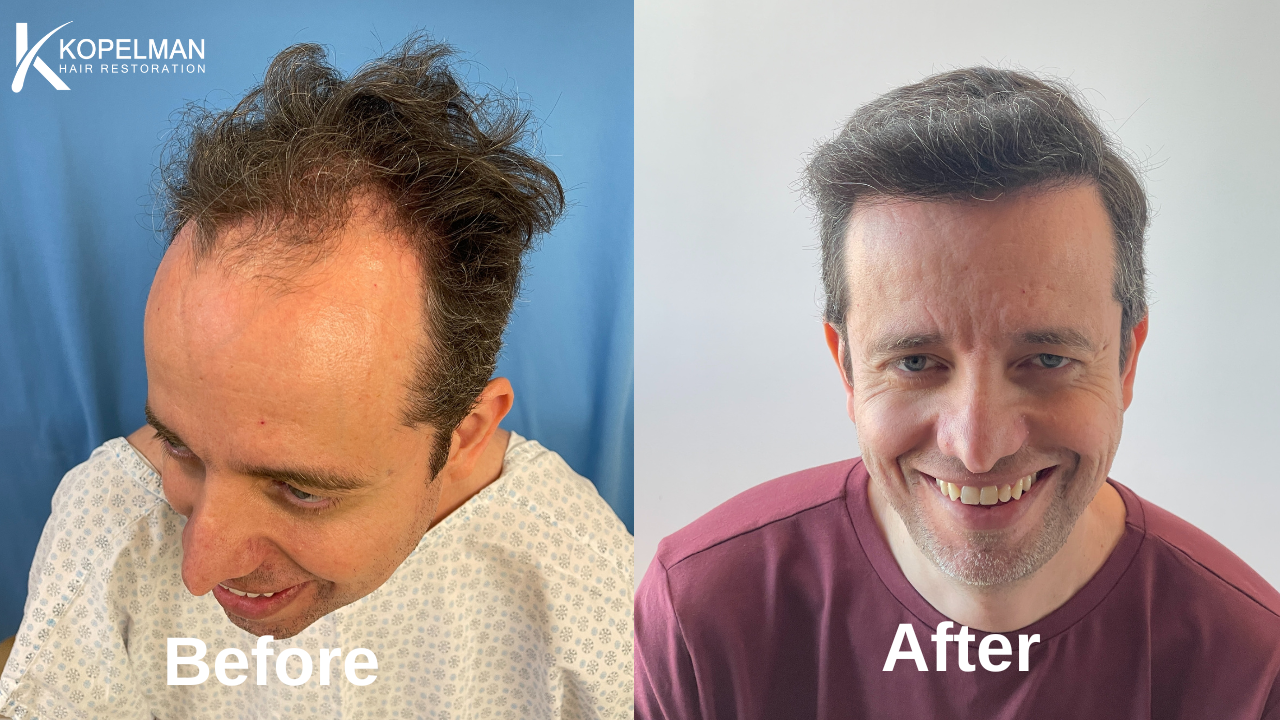
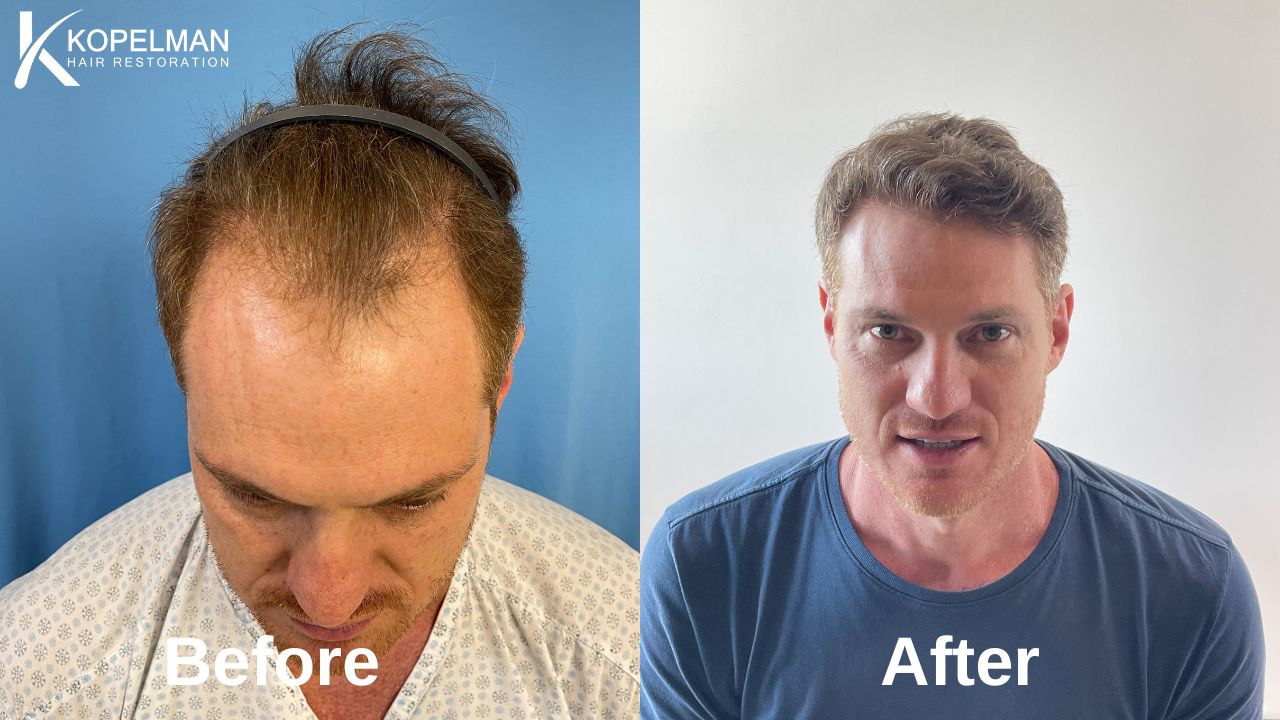
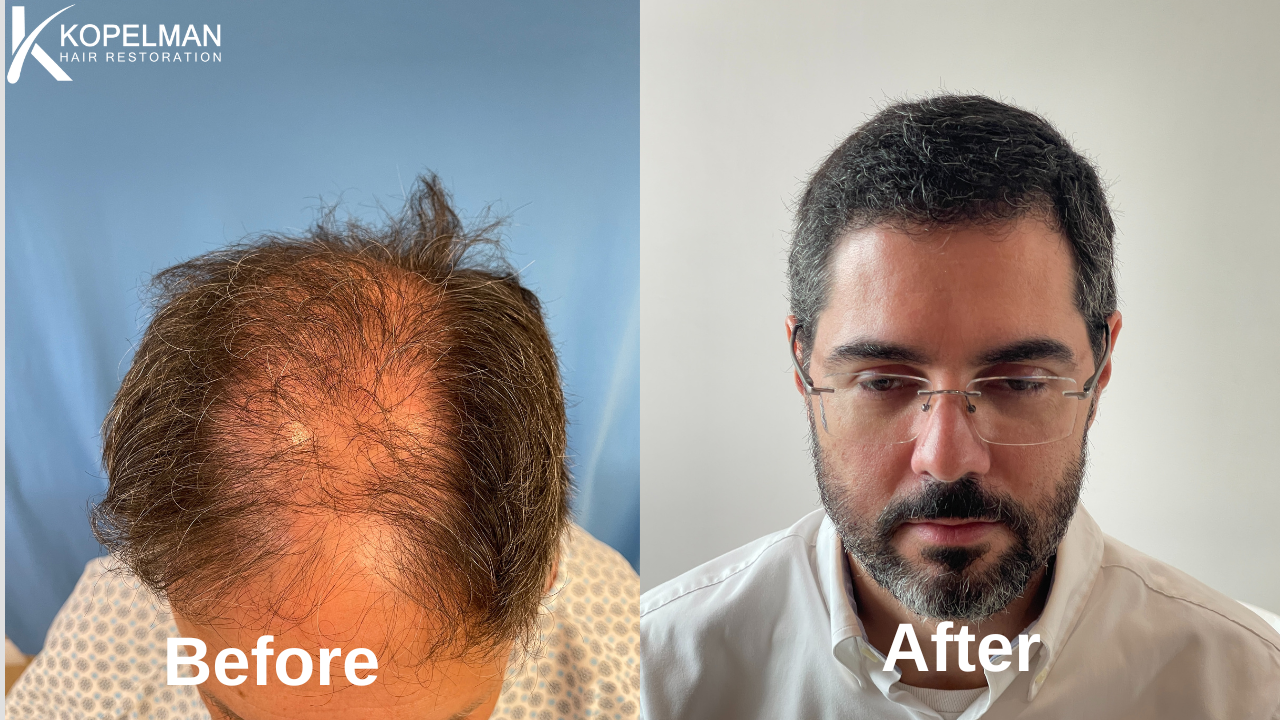
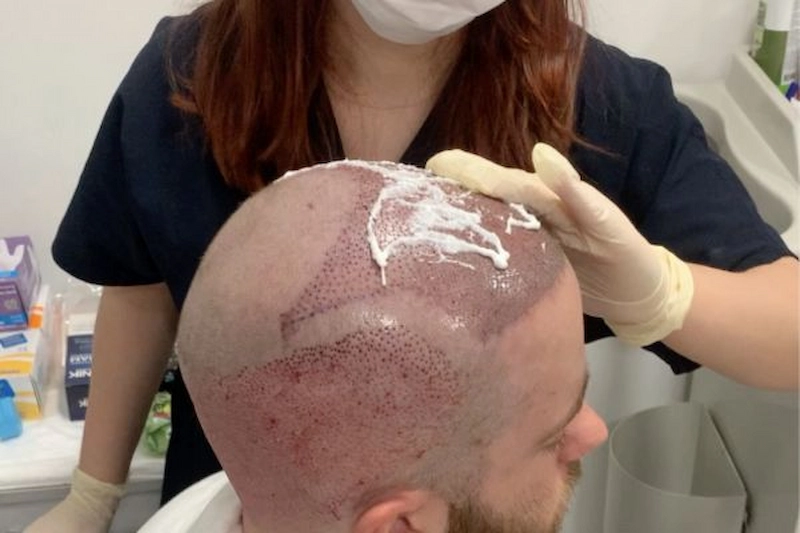
If regrowth is limited, hair transplant surgery may be an option. At Kopelman Hair, we evaluate each case carefully to ensure the best outcome.

Dr. Kopelman is a board-certified surgeon who has treated thousands of patients with stress and hormone-related shedding, with a practice focused on advanced FUE technique, natural hairline design, and regenerative therapies.

Patients are seen in New York City, New Jersey, and Palm Beach, and virtual consultations are available nationwide. Schedule a personalized consultation now.

About the doctor

Dr. Ross Kopelman

Hair Restoration Surgeon

Dr. Ross Kopelman is a hair restoration surgeon focused on the medical and surgical treatment of hair loss, with expertise in advanced FUE hair transplantation, natural hairline design, and regenerative therapies that support healthier hair growth. He is known for combining surgical precision with an artistic approach to deliver natural, undetectable results tailored to each patient. Dr. Kopelman sees patients in New York City and Palm Beach, Florida, and also offers virtual consultations for patients across the United States and internationally.
Follow the specialist:

Ready to Restore Your Hair?

Dr. Ross Kopelman offers personalized consultations for hair transplants and hair restoration in New York, New Jersey, and Palm Beach.

In this Article

Before & After results

Kopelman Hair Restoration

Dr. Ross Kopelman and Dr. Joel Kopelman treat patients for hair loss and focus on delivering natural hair transplants at their New York City, New Jersey, and Palm Beach Florida offices. With over 40 years of combined experience, they are leaders in advanced FUE hair transplantation and hair restoration.
40+

Years Combined Experience

1K+

Procedures Performed

5.0★

Patient Rating

3

Locations

Stay in the loop

Get the latest on hair restoration and hair transplant tips from Dr. Kopelman

Dr. Ross Kopelman

Dr. Ross Kopelman is a hair restoration surgeon specializing in advanced FUE hair transplantation, natural hairline design, and regenerative therapies. He sees patients in New York City, New Jersey, and Palm Beach, and offers virtual consultations nationwide.